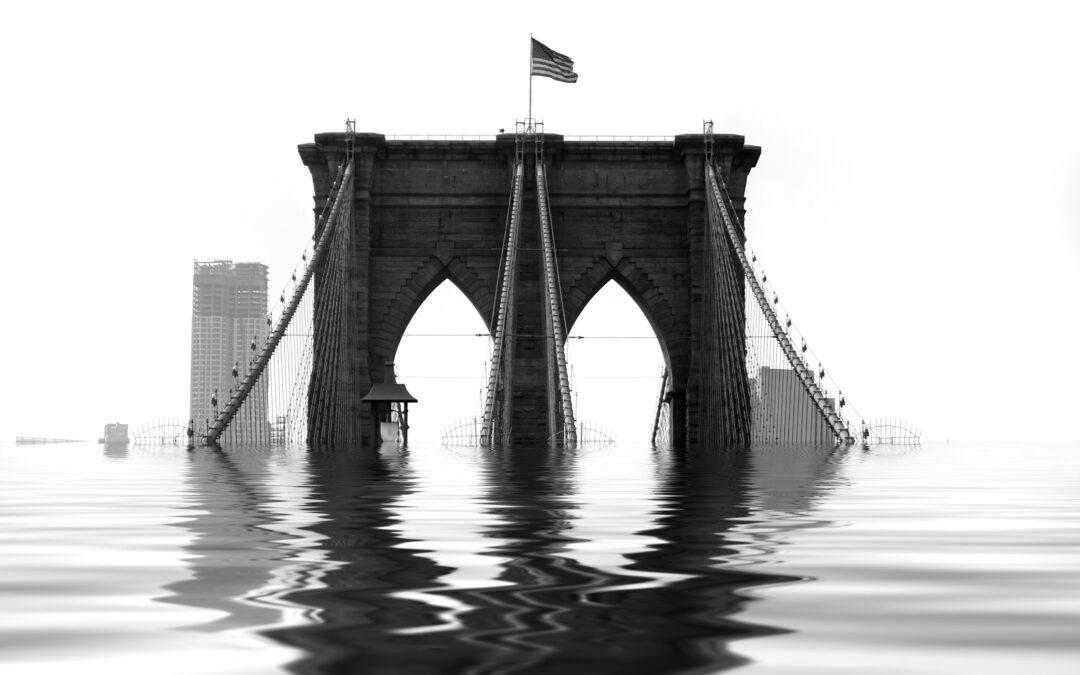
Disaster preparedness is an essential aspect of ensuring the safety and well-being of you and your loved ones. A disaster can strike at any time, leaving devastation in its wake. However, by taking proactive steps towards preparing for a disaster, you can minimize the impact it has on your life. In this blog post, we will discuss five essential steps to disaster preparedness that will help ensure you are ready for whatever comes your way.
Step 1: Create an Emergency Plan
The first step to disaster preparedness is creating an emergency plan. This should include information such as evacuation routes, safe meeting places, and contact information for family members and friends. It’s also important to consider any special needs individuals may have, such as medications or assistive devices. Make sure everyone in your household knows what to do in case of an emergency, including how to call for help and where to go if they need to evacuate.
Step 2: Build a Disaster Kit
Building a disaster kit is another crucial component of disaster preparedness. Your kit should contain supplies that will last for at least three days, including non-perishable food, water, flashlights, batteries, and first aid supplies. Additionally, make sure to pack extra clothing, blankets, and personal hygiene items. Remember to rotate out expired items regularly so that your kit remains up-to-date.
Step 3: Stay Informed
Staying informed about potential disasters is critical to being prepared. Keep an eye on weather reports and news updates, and sign up for local alert systems that will notify you of any impending dangers. Social media platforms like Twitter and Facebook can be great resources for real-time updates during a crisis. By staying informed, you can take appropriate action before a disaster strikes.
Step 4: Protect Your Property
Protecting your property from damage caused by natural disasters is also an integral part of disaster preparedness. Consider investing in storm shutters or reinforcing doors and windows to withstand high winds and flying debris. Move valuable possessions to higher ground or elevated areas to prevent flood damage. In summary, back up all important documents electronically to protect against loss.
Step 5: Practice and Review Your Plan
Practicing and reviewing your disaster plan regularly is key to ensuring that everyone is familiar with their roles and responsibilities. Conduct regular drills to test communication channels and evacuation procedures. Review your emergency contacts and update them as needed. Ensure that everyone in your household understands the importance of disaster preparedness and takes it seriously.
In closing, disaster preparedness is not something to take lightly. By following these five essential steps, you can increase your chances of surviving a disaster safely and comfortably. Don’t wait until it’s too late – start preparing today!
Emergency preparedness is an essential aspect of life that people often overlook. It’s not until disaster strikes that we realize the importance of being ready for any situation. In this blog post, we will discuss some basic survival skills everyone should know and how you can stay alive during a crisis.
Basic Survival Skills Everyone Should Know
The first step in emergency preparedness is learning basic survival skills. These skills are crucial when it comes to keeping yourself safe during a crisis. Some of these skills include:
1. First aid training – knowing how to administer first aid can save lives during a crisis. You should take a course on first aid so that you can help those who need medical attention.
2. Fire starting – knowing how to start a fire is critical during cold weather or at night. You can use matches or a lighter to start a fire, but you should also learn how to make a friction fire using sticks.
3. Water purification – water is essential for survival, but contaminated water can cause illness. Learn how to purify water by boiling it or using a filter.
4. Shelter building – if you find yourself stranded in the wilderness, you need to build shelter to protect yourself from harsh elements. Practice making shelters with natural materials like branches and leaves.
5. Navigation – getting lost during a crisis can be dangerous. Learn how to navigate using maps and compasses or even by following the stars.
How to Create a Disaster Kit and Plan
Creating a disaster kit and plan is vital in ensuring your safety during a crisis. Here are some tips on what to include in your kit and how to create a plan:
1. Emergency supplies – stock up on non-perishable food items, water bottles, flashlights, batteries, and first aid equipment. Make sure everything is easily accessible.
2. Communication devices – keep charged cell phones and radios handy to communicate with others during a crisis.
3. Important documents – store copies of important documents such as passports, birth certificates, and insurance policies in a watertight container.
4. Evacuation route – have a predetermined evacuation route planned out in case you need to leave quickly.
Staying Safe During Different Types of Crises
Different types of crises require different measures to ensure your safety. Here are some tips on how to stay safe during various situations:
1. Natural disasters – during hurricanes, earthquakes, or floods, seek higher ground immediately. If possible, move to a safer location before the storm hits.
2. Terrorist attacks – in the event of a terrorist attack, stay calm and follow instructions from authorities. Try to get away from the area as soon as possible.
3. Pandemics – during pandemics, wear masks and practice social distancing. Follow health guidelines provided by officials.
Mental Preparation for Emergencies
Preparing mentally for emergencies is just as important as physical preparation. Here are some ways to prepare mentally:
1. Be aware of potential risks – research potential risks in your area and develop strategies to mitigate them.
2. Build resilience – cultivate mental toughness and resilience through mindfulness practices and exercise.
3. Have a support system – surround yourself with loved ones who can provide emotional support during difficult times.
Conclusion
To wrap up, emergency preparedness is crucial for surviving crises. By learning basic survival skills, creating a disaster kit and plan, staying safe during different types of crises, and mentally preparing for emergencies, you increase your chances of survival during a crisis. Remember, being proactive and taking action now can save your life later.
As the world becomes more unpredictable, it’s essential to be prepared for any emergency. Natural disasters can strike at any time and without warning, leaving you with little or no time to get ready. You’re about to discover how to prepare for a natural disaster step-by-step so that you are always one step ahead of danger.
1. Introduction to Emergency Preparedness:
The first step in preparing for an emergency is understanding what types of disasters could occur in your area. This knowledge will help you create a plan tailored to your specific needs. You should also research the local shelters, evacuation routes, and emergency contacts. It’s crucial to have a communication plan in place, so your loved ones know where you are and how they can reach you during an emergency.
2. Creating an Emergency Plan and Kit:
Once you understand the potential risks, it’s time to create an emergency plan. Start by identifying safe places within your home, such as interior rooms on the lowest level away from windows and doors. You should also designate a meeting spot outside your home for family members to gather after an emergency. Create a contact list with phone numbers and email addresses of friends and relatives who live out of town. Make sure everyone has a copy of the emergency plan and keeps it handy.
Next, put together an emergency kit that includes supplies for three days. The kit should include non-perishable food, water, flashlights, extra batteries, first aid supplies, medications, hygiene items, and copies of important documents like passports, birth certificates, and insurance policies. Remember to check the expiration dates regularly and replace anything that has passed its use-by date.
3. Preparing Your Home for Natural Disasters:
To protect your home from damage during a natural disaster, take some preventive measures. Trim trees and shrubs around your house, secure loose roof tiles, and install storm shutters if necessary. Move valuable possessions to higher ground or elevate them off the floor. If you live near the coast, consider investing in flood insurance.
4. Staying Safe During a Natural Disaster:
During a natural disaster, stay calm and follow your emergency plan. Listen to local news reports for updates on the situation and evacuate immediately if ordered to do so. Avoid using electrical appliances and devices until power is restored safely. Be cautious when returning to your home after the disaster; there may still be hazards present.
5. Recovering After a Natural Disaster:
After the disaster has passed, focus on recovering and rebuilding. Contact your insurance company to file a claim, and document all damages with photos and videos. Reach out to friends and neighbors for support, and don’t hesitate to seek professional counseling if needed. Take steps to improve your resilience against future disasters, including strengthening your home and updating your emergency plans.
To wrap up, being prepared for a natural disaster is critical for keeping yourself and your loved ones safe. By following these steps, you can minimize the impact of any emergency situation and quickly return to normal life.
Emergency preparedness is an essential aspect of ensuring your family’s safety and well-being in times of crisis. The first 72 hours after a disaster strikes are crucial, as emergency services may not be available or fully functional during this time. Being prepared can help you stay calm and focused during these challenging circumstances. In this blog post, we will discuss what it takes to survive the first 72 hours of a crisis and how you can prepare yourself for such situations.
Introduction: What is Emergency Preparedness?
Emergency preparedness refers to taking steps beforehand to ensure that you have everything necessary to deal with unexpected events. It involves creating a plan, gathering supplies, and practicing your response so that when disaster strikes, you know exactly what to do. The key to successful emergency preparation is being proactive rather than reactive.
The Importance of Being Prepared
Being prepared for emergencies can save lives. Natural disasters, power outages, and other crises can happen at any moment, leaving people without access to basic necessities like food, water, and medical care. By having a plan in place and stockpiling essential items, you can reduce the impact of these events on your family. Additionally, being prepared gives you peace of mind, knowing that you can handle whatever comes your way.
Creating an Emergency Kit
One of the most critical aspects of emergency preparedness is assembling an emergency kit. This should include all the essentials needed to sustain your family for three days, including food, water, first aid supplies, and communication devices. Here are some tips for building an effective emergency kit:
Start with a list of essential items, including non-perishable foods, bottled water, flashlights, extra batteries, and first aid supplies.
Choose items that are lightweight, easy to store, and won’t expire quickly.
Consider special needs, such as medications, baby formula, or pet food.
Store your emergency kit in a designated location where everyone knows where to find it.
First Aid and Medical Supplies
In addition to general emergency supplies, it’s also important to have a well-stocked first aid kit. This should include bandages, antiseptic wipes, pain relievers, and any prescription medications your family members need. If someone has specific health concerns, make sure to include appropriate supplies in your kit. It’s also vital to have copies of important documents, such as insurance policies, prescriptions, and contact information for healthcare providers.
Water and Food Storage
Access to clean drinking water is critical during emergencies. Make sure to store enough water for each member of your household for at least three days. Bottled water is ideal, but if space is limited, consider investing in a portable water filtration system instead. When it comes to food storage, focus on non-perishable items that don’t require cooking or refrigeration, such as granola bars, trail mix, and canned goods.
Shelter and Warmth
If you live in an area prone to extreme weather conditions, it’s essential to have a backup plan for shelter and warmth. Consider purchasing a generator or installing a wood stove to keep your home warm during power outages. Also, make sure to have blankets, sleeping bags, and extra clothing on hand to keep your family comfortable.
Communication and Evacuation Plans
During emergencies, communication is critical. Make sure to have multiple ways to communicate with loved ones, such as cell phones, walkie-talkies, and radios. Establish a meeting point for your family in case you get separated, and practice evacuation routes regularly. It’s also wise to have a predetermined emergency contact person who lives outside of your immediate area.
Practicing Your Plan
To wrap up, regular practice is essential to ensure that your emergency plan works effectively. Conduct drills with your family members to simulate different scenarios and test your responses. This helps build confidence and familiarity with your emergency procedures. Remember, being prepared isn’t just about having supplies; it’s also about having a clear plan of action.
Conclusion: Take Action Today
Don’t wait until disaster strikes to start thinking about emergency preparedness. Take action today by assessing your risks, making a plan, and gathering supplies. With a little effort and planning, you can protect your family from harm and give them peace of mind during difficult times.
Since the pandemic, there are a lot more people developing a preparedness plan for their family. It’s interesting how a negative event, disaster, or losing a loved-one, will change the way we plan or live our lives. Now, many people see that being prepared is important. Since we are certainly capable of ignoring or implementing a good preparedness plan – let’s discuss some areas that people tend to neglect.
Ten Things Most People Forget To Do That Are Critical To Survival
Sometimes it is not a matter of being forgetful but simply a matter of not seeing something as a priority or not realizing it is a priority because you do not any base knowledge from which to work. One person can survive with a butter knife and a handful of sting for two weeks while another may not be able to survive for two days. Much depends on your experience, training and mental commitment and making sure you do not forget anything.
The following may seem obvious to some people, but it certainly doesn’t hurt to take the reminder.
People Tend To Forget…
PREPARE Magazine
1.) People sometimes fail to remember that the sewer systems will not normally be in operation during a power disruption. The treatment plants need electricity to process the waste. Without power, the waste will build up, and in some cases, valves are closed to prevent buildup at the plant. This means that one or two flushes and the waste will back into your home. People may assume they can use the toilets if their water and electrical service is disrupted by pouring water into the toilet tank and flushing as normal, this would work of course if the processing plant were operational.
2.) People can remember the canned goods, dried meats and snacks but often times forget the plastic silverware and paper plates. Dirty plates piled in the sink because you do not have water to wash them and if you did have water, the drains will backup, so this mean you have a mess on your hands. Waste left in the open causes bacteria to grow and can cause a rodent or insect infestation.
3.) While preparing for one specific crisis such as a magnitude 12.0 earthquake, nuclear, chemical or biological attacks or even a super volcano people will forget about the common everyday disasters. Disasters such as tornadoes, hurricanes, floods, ice storms and blizzards are common occurrences. Some may have spent all their money building a doomsdays bunker and let other disaster sneak up on them and now they may be broke with a nice bunker but no food, water or other supplies they need to get through those annoying run of the mill disasters.
4.) Remember that during a crisis your physical activity level will increase and if you are not in reasonably good shape you may suffer health issues, so staying fit at all times is defiantly not something you can forget about. Without the help of modern conveniences (power tools, saws and so on) you may not be fit enough to complete some of the task needed unless you start now getting in shape for a disaster.
5.) People may not remember that others are affected by the crisis as well. If cell phone service is available during a crisis people will actually try to order take-outs. They may call for emergency responders and not understand why emergency responders cannot get a cross a bridge or highway that is washed out. You must prepare accordingly and realize that when you cannot cross a collapsed bridge or highway no one else can either.
6.) People tend to forget about their pets when preparing. Animals get nervous, and need special attention during a crisis and this can affect an animal’s overall health. They need emergency supplies just as do their human masters. Pets need emergency water, food and medicines.
7.) Families go to the wholesale outlets that sell in large quantities and when they run across a bargain, they buy it to add to their emergency stockpile. What they tend to forget however is expiration dates. That super sized case of crackers has an expiration date. Grains and baked goods can become infested with weevils over time, so they must be inspected periodically. Food must be rotated out of the emergency supplies and put in to use before the item expires, and then fresh supplies must be purchased to replenish. When the lights go out is not the time to find out that half of your food supply is not edible.
8.) You know how to get where you are going in a vehicle, but do you know how to get there on foot or even on a bicycle. You may not even know the names of some streets but you know where to turn. People may forget that they will have to walk to some of these places during a crisis and unbelievably you can know how to get there by driving but can become lost if you try to get there on foot. Street level views are always different from the view seen from a moving vehicle. Landmarks can also be destroyed because of the crisis so it is important that you know how to get to where you are going by various means.
9.) People pick up so-called survival supplies or tools and have no idea how they work or in some cases, what the intended use is. The tool gets packed away and people forget why they bought it. Tools and any survival equipment must be tested by you to make sure you know how and when to use and to ensure it does what it is supposed to do.
10.) People forget food items that can make a difference in how well the family eats during a crisis. They plan to rely too heavily on “MRE’s” that can be loaded with preservatives. Certainly, it’s good to have the food stocked for emergency use, but you should consider the need for overall good nutrition. Fruits and Vegetables are essential to keeping you mind and body operating at peak performance.
Also… people tend to forget to stockpile spices such as salt, pepper and other dried ground spices. They forget about cooking oil, honey, sugar, coffee, tea and powdered milk. You may be so used to reaching for the milk in the refrigerator for cooking and baking that you never give powdered milk a thought until you do not have it during a crisis.
It’s important to note that good meals are vital not only for nutrition, but for overall morale of the family. The psychological benefits of a good meal in some case may outweigh the nutritional value during an emergency. Many families find great value in sitting around their table eating a good meal and sharing stories. In a crisis or disaster situation, it will be extremely helpful and comforting to make sure to participate in that important family ritual. It’s especially beneficial if kids are involved and are struggling with the stress of the difficulties around them.
Disasters can happen anytime, anywhere. They may be natural or man-made but the impact they have on people and properties is devastating. Disaster preparedness matters because it helps individuals to minimize risks associated with emergency situations. In this blog post, we will discuss why disaster preparedness matters, common types of emergencies and their impacts, reasons for having an emergency kit, how to stay safe during a disaster, and more.
The Importance of Disaster Preparedness
Disaster preparedness refers to measures taken by individuals, communities, organizations, and governments to prepare for potential emergencies such as floods, earthquakes, hurricanes, wildfires, terrorist attacks, pandemics, and other catastrophic events. Being prepared for these emergencies reduces the risk of injury, illness, property damage, financial loss, and even death. It also ensures that essential services are available when needed most. By being proactive in preparing for emergencies, you can save time, money, and lives.
Common Types of Emergencies and Their Impacts
There are various types of emergencies that could occur at any given moment. Some of them include:
1. Natural disasters – These are caused by nature itself including storms, tornadoes, hurricanes, earthquakes, tsunamis, volcanic eruptions, and wildfires. The impact of these disasters includes destruction of homes, infrastructure, and loss of life.
2. Man-made disasters – These are caused by human activities like accidents, acts of violence, terrorism, and war. The impact of these disasters includes injuries, trauma, and loss of life.
3. Pandemic outbreaks – These are caused by infectious diseases spreading rapidly across populations. The impact of these outbreaks includes high numbers of sickness, hospitalization, and death.
Why You Should Have an Emergency Kit
An emergency kit contains supplies necessary for survival during an emergency situation. Having one can help you and your family remain self-sufficient until help arrives. Your emergency kit should contain items such as nonperishable food, water, first aid supplies, flashlights, batteries, blankets, clothing, tools, and important documents. Make sure to update your emergency kit regularly to ensure its contents are fresh and functional.
How to Stay Safe During a Disaster
Staying safe during a disaster requires proper planning and preparation. Here are some tips to follow:
1. Follow evacuation orders issued by authorities if there’s a need to leave your home quickly.
2. Know where to seek shelter during different types of emergencies. This might include basements, interior rooms without windows, or designated community shelters.
3. Keep informed about the latest news and updates related to the emergency through reliable sources like local media channels, government websites, and social media platforms.
4. Avoid unnecessary travel during emergencies as roads may be congested and unsafe.
5. Be cautious when using generators, grills, and other gasoline-powered equipment inside enclosed spaces as they produce carbon monoxide which can cause poisoning.
6. Protect yourself from extreme weather conditions by wearing appropriate clothing and gear.
In closing, disaster preparedness matters because it helps individuals to minimize risks associated with emergency situations. By taking steps to prepare for potential emergencies, you can reduce the impact of these events on yourself, your loved ones, and your community. Remember to always keep an eye on the news and weather reports, listen to official warnings, and take action early to protect yourself and those around you.