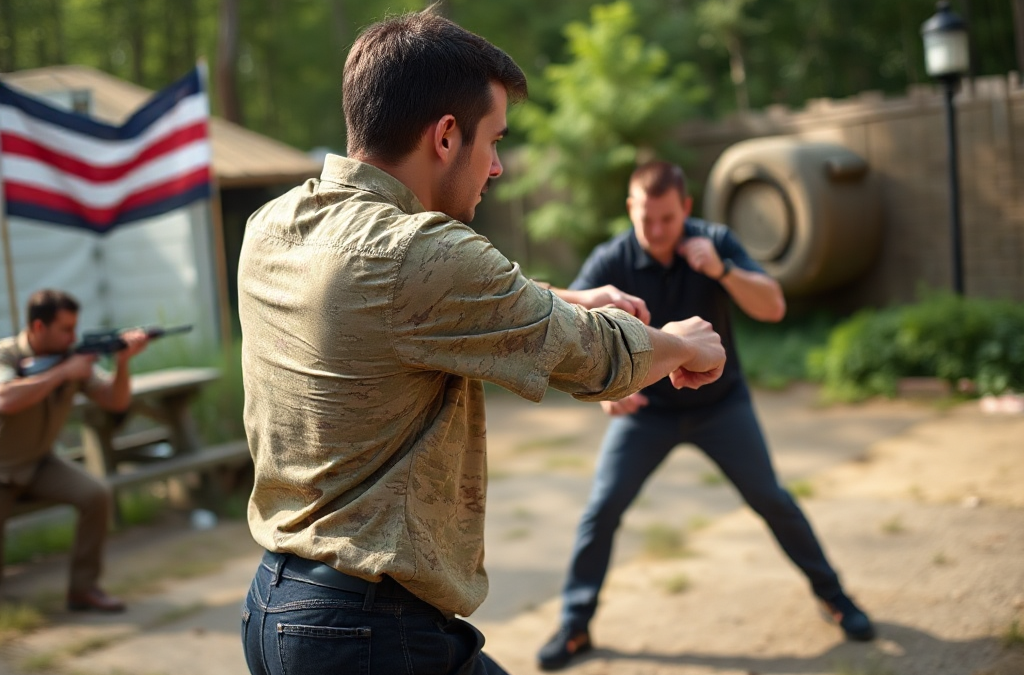
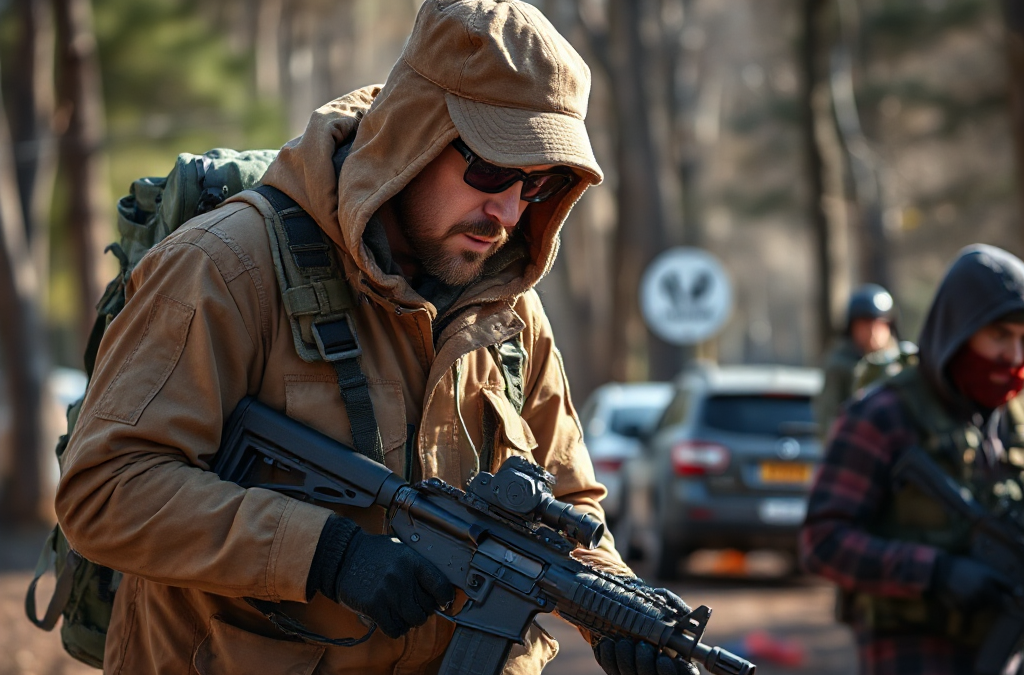
Self-defense training is crucial for preppers as it equips individuals with the skills to protect themselves and their families during emergencies. It encompasses a range of techniques and strategies designed to respond to threats effectively. The primary goal is to avoid confrontation, but when necessary, to defend oneself using appropriate and proportionate force. Understanding the legal implications and ethical considerations of self-defense is also critical, as misuse can lead to serious consequences.
Incorporating self-defense training into your prepper strategy means recognizing that threats can arise unexpectedly. This training should not only focus on physical techniques but also on mental preparedness. Situational awareness, for instance, helps individuals identify potential dangers before they escalate. By understanding the various aspects of self-defense training, preppers can create a comprehensive approach to personal safety.
Key Skills for Preppers
When prioritizing self-defense training, certain skills stand out as particularly valuable for preppers. First, situational awareness is essential; it enables individuals to assess their environment and recognize potential threats. This skill is not just about being alert but involves understanding body language, recognizing suspicious behavior, and planning exit strategies in various settings.
Another crucial skill is defensive tactics, which encompass techniques to evade, block, or counter an attack. Training should focus on practical moves that can be executed under stress. Additionally, conflict de-escalation techniques are important; knowing how to defuse a tense situation can prevent physical confrontations altogether. Training in verbal judo or negotiation can be beneficial in this regard.
Training Methods and Resources
To effectively prioritize self-defense training, preppers should explore various training methods. Enrolling in self-defense classes, such as Krav Maga or Brazilian Jiu-Jitsu, provides hands-on experience and expert guidance. Many local gyms and community centers offer classes specifically designed for beginners, which can help build confidence and competence.
Online resources have also become increasingly useful, offering instructional videos and virtual courses that cover a range of self-defense strategies. However, it’s essential to complement online learning with practical, in-person training to develop muscle memory and effective response mechanisms. Regular practice sessions, ideally in realistic scenarios, will reinforce skills and prepare preppers for real-life situations.
Common Mistakes to Avoid
While pursuing self-defense training, preppers often make several common mistakes that can hinder their progress. One frequent error is neglecting to practice consistently. Skills can diminish over time without regular reinforcement, so creating a training schedule is vital. Additionally, some individuals may focus too heavily on physical strength rather than technique, which can lead to ineffective responses in high-pressure situations.
Another mistake is underestimating the importance of mental preparedness. Self-defense is as much a mental challenge as it is physical. Preppers should work on visualization techniques, role-playing scenarios, and stress management to enhance their decision-making abilities during confrontations. By avoiding these pitfalls, preppers can ensure their self-defense training is both practical and effective.
For those looking to deepen their understanding of self-defense training, consider exploring authoritative resources such as local law enforcement training programs, reputable martial arts schools, and community workshops focused on personal safety. These avenues can provide practical insights and valuable skills.
Frequently Asked Questions
What is the best self-defense technique for beginners?
For beginners, basic striking techniques like punches and kicks, along with escapes from holds, are effective starting points. Learning to maintain distance and using situational awareness is also crucial.
How often should I practice self-defense skills?
Practicing self-defense skills at least once a week is recommended to maintain physical fitness and reinforce techniques. Regular training helps build muscle memory and confidence.
Are there legal considerations for using self-defense?
Yes, self-defense laws vary by location. It’s essential to understand the legal implications of using force, including the concepts of proportionality and necessity in defending oneself.
Can self-defense training help in non-physical confrontations?
Absolutely. Self-defense training often includes conflict de-escalation techniques that can help individuals defuse potentially violent situations without resorting to physical confrontation.
What should I look for in a self-defense class?
Look for classes that emphasize realistic training scenarios, qualified instructors, and a focus on both physical and mental aspects of self-defense. Classes should also cater to different skill levels.
Further Reading
Authoritative Sources
Library of Congress Research Guides guides.loc.gov
Research guides that help readers locate reliable background sources on a wide range of subjects
USA.gov Official Information and Services usa.gov
Official U.S. government information and public resources for practical reference
Google Scholar scholar.google.com
Academic search resource for finding research literature and source material
Conclusion
Prioritizing self-defense training is a vital aspect of preparedness for preppers. By focusing on key skills such as situational awareness, defensive tactics, and conflict de-escalation, individuals can enhance their ability to respond effectively to various threats. Regular practice and realistic training scenarios are essential for retaining skills and building confidence. Ultimately, a well-rounded approach to self-defense training can significantly increase personal safety and preparedness during emergencies.
Understanding the Role of Technology in Emergencies
Technology plays a pivotal role in modern emergency management, offering tools for communication, data analysis, and resource allocation. Systems such as satellite phones, GPS, and mobile applications can enhance response times and improve coordination among emergency services. However, understanding their role is crucial, as reliance on technology can inadvertently create vulnerabilities.
In emergencies, technology can streamline information dissemination and provide real-time updates. For instance, social media platforms enable rapid sharing of critical information, allowing communities to stay informed during natural disasters. Yet, this dependency can lead to complacency, as individuals may assume technology will always function as intended.
Potential Pitfalls of Dependence on Technology
Over-reliance on technology in emergencies can lead to several potential pitfalls. One significant risk is the failure of communication systems. During disasters, infrastructure may be damaged, leading to a loss of connectivity. For example, during Hurricane Katrina, many communication systems failed, hindering rescue efforts and leaving affected individuals without vital information.
Another pitfall is the risk of misinformation. In high-stress situations, incorrect information can spread rapidly, leading to panic and poor decision-making. The 2020 COVID-19 pandemic highlighted this issue, as social media played a dual role in disseminating both accurate and misleading information about health guidelines and safety protocols.
Maintaining Traditional Skills and Knowledge
While technology offers numerous advantages, it is essential to maintain traditional skills and knowledge as a backup. Skills such as map reading, first aid, and basic survival techniques are invaluable when technology fails. For instance, knowing how to navigate using a physical map can be a lifesaver if GPS systems are unavailable.
Moreover, understanding the fundamentals of emergency preparedness can empower individuals to act decisively in crises. Training in first aid and CPR, for example, equips people with the skills to assist others when professional help is delayed. By combining technological resources with traditional knowledge, individuals can enhance their overall readiness.
Strategies for Balanced Preparedness
To mitigate the risks associated with over-reliance on technology, individuals and organizations should adopt balanced preparedness strategies. This involves integrating technology with traditional methods to create a comprehensive emergency plan. For example, while using a mobile app to track evacuation routes, individuals should also familiarize themselves with physical maps.
Regular drills and training sessions can help reinforce the importance of both technological and traditional skills. Communities can benefit from workshops that teach essential survival skills while also providing training on how to use technology effectively during emergencies. This dual approach fosters resilience and adaptability.
Frequently Asked Questions
What are the major risks of relying on technology during emergencies?
The major risks include communication failures, misinformation spread, and decreased preparedness. Technology can fail, leading to confusion and delays in emergency response.
How can traditional skills complement technology in emergencies?
Traditional skills, like map reading and first aid, provide essential backup when technology fails, ensuring individuals can respond effectively in crises.
What strategies can enhance emergency preparedness?
Integrating technology with traditional methods, conducting regular drills, and providing training on both can significantly enhance overall emergency preparedness.
How does misinformation impact emergency situations?
Misinformation can lead to panic and poor decision-making, as seen during crises like the COVID-19 pandemic, where incorrect information spread rapidly.
Why is it important to have a balanced approach to emergency preparedness?
A balanced approach ensures resilience, as it combines the strengths of technology with essential traditional skills, preparing individuals for various scenarios.
Further Reading
Authoritative Sources
Library of Congress Research Guides guides.loc.gov
Research guides that help readers locate reliable background sources on a wide range of subjects
USA.gov Official Information and Services usa.gov
Official U.S. government information and public resources for practical reference
Google Scholar scholar.google.com
Academic search resource for finding research literature and source material
Conclusion
Recognizing the risks of over-reliance on technology in emergencies is crucial for effective preparedness. By understanding potential pitfalls and maintaining traditional skills, individuals can enhance their resilience in crises. Implementing balanced strategies that integrate both technology and traditional knowledge will equip communities to respond more effectively when faced with emergencies. Prioritizing comprehensive preparedness will ultimately lead to better outcomes during critical situations.
Finding reliable prepper communities online begins with identifying trustworthy platforms. Websites such as Reddit, Facebook, and dedicated prepper forums are excellent starting points. On Reddit, subreddits like r/preppers provide a space for discussions on various aspects of preparedness, from food storage to survival skills. Facebook groups can offer localized support and advice, while specialized prepper forums often have extensive resources and experienced members sharing their knowledge.
When choosing a platform, consider the community’s size, engagement level, and the types of discussions taking place. Look for groups that maintain an active presence, as this often indicates a vibrant community where information flows freely. Additionally, some platforms may focus on specific themes within prepping, such as urban survival or homesteading, so select groups that align with your interests.
Engaging with Community Members
Active engagement with community members is crucial to building trust and gaining valuable insights. Start by introducing yourself and sharing your interests or experiences related to prepping. Asking questions can also foster interaction and help you connect with like-minded individuals. When participating in discussions, be respectful and open-minded, as this encourages a positive environment for knowledge exchange.
Moreover, consider attending virtual meetups or webinars organized by the community. These events provide opportunities to learn from experts and engage in real-time discussions. Engaging with members consistently helps you establish credibility and may lead to deeper connections that can enhance your preparedness journey.
Evaluating Information Quality
As you explore various prepper communities, it’s essential to evaluate the quality of information shared. Not every piece of advice will be accurate or applicable. Look for sources that provide evidence-based recommendations and encourage critical thinking. Pay attention to members who share personal experiences, as these can be more informative than generic advice.
Another useful approach is to cross-reference information with reputable sources, such as government guidelines or expert publications on emergency preparedness. This practice not only enhances your knowledge but also helps you identify misinformation within the community. Remember, a healthy prepper community will encourage discussions that challenge ideas and promote informed decision-making.
Avoiding Common Pitfalls
While online prepper communities can be immensely beneficial, there are common pitfalls to avoid. One major mistake is relying solely on a single source of information. Diversify your engagement across multiple platforms to gain a well-rounded perspective. Additionally, be wary of groups that promote fear-based tactics or encourage extreme behaviors without sound reasoning.
Another pitfall is failing to verify the credentials of individuals sharing advice. Just because someone claims expertise doesn’t mean their information is accurate. Always prioritize communities that foster a culture of accountability and encourage members to share credentials or sources when offering advice.
Frequently Asked Questions
What are the best websites for finding prepper communities?
Some of the best websites include Reddit, Facebook groups, and dedicated prepper forums like Survivalist Boards and Prepper Forums.
How can I tell if a prepper community is reliable?
Look for active engagement, respectful discussions, and evidence-based advice. Communities that encourage critical thinking and provide credible sources are typically more reliable.
Can I trust the information shared in prepper communities?
While many members share valuable insights, it’s important to cross-reference information with reputable sources to ensure accuracy.
What should I avoid when engaging in prepper communities?
Avoid relying on a single source of information, engaging with fear-based groups, or taking advice from unverified individuals.
How can I effectively engage with community members?
Introduce yourself, ask questions, share experiences, and participate in discussions. Attend virtual events to deepen your connections.
Further Reading
Authoritative Sources
Library of Congress Research Guides guides.loc.gov
Research guides that help readers locate reliable background sources on a wide range of subjects
USA.gov Official Information and Services usa.gov
Official U.S. government information and public resources for practical reference
Google Scholar scholar.google.com
Academic search resource for finding research literature and source material
Conclusion
Finding reliable prepper communities online is essential for enhancing your preparedness knowledge and skills. By identifying trustworthy platforms, engaging actively with members, and evaluating the quality of information shared, you can build a supportive network. Avoid common pitfalls by diversifying your sources and being cautious of unverified advice. Prioritize communities that foster accountability and encourage open discussions, as these will be the most beneficial for your prepping journey.
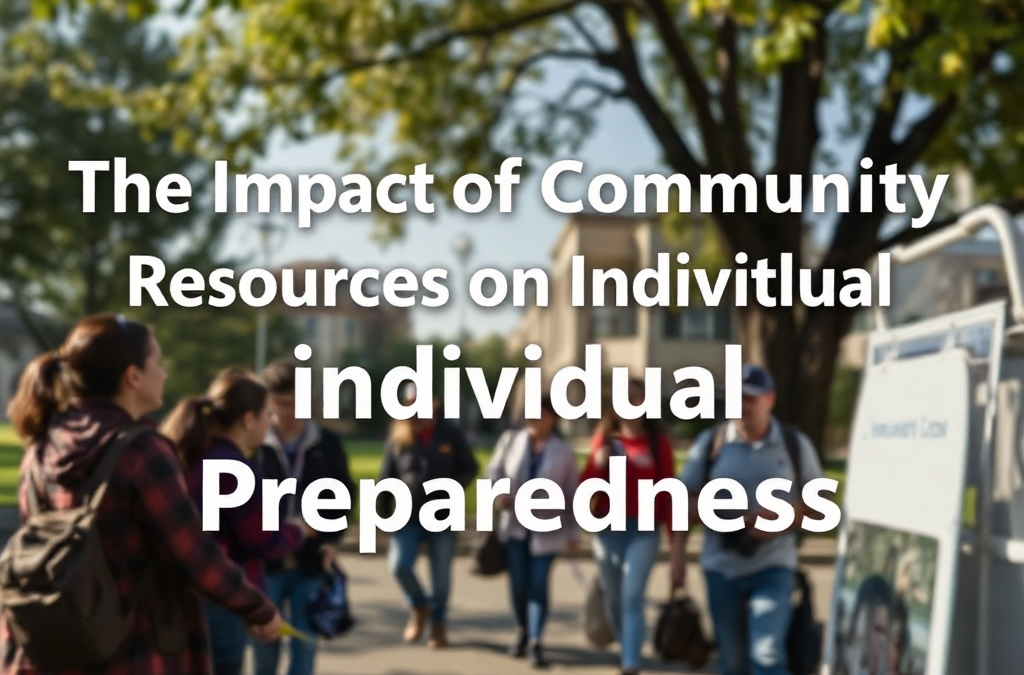
Community resources play a critical role in enhancing individual preparedness by providing tools, knowledge, and support systems necessary for effective emergency response. These resources encompass various organizations, programs, and services that aim to improve public safety and community resilience. Understanding how these resources function and their availability in your area is essential for maximizing their benefits during emergencies.
Many individuals overlook the importance of these resources, often relying solely on personal preparedness plans. However, community resources can fill gaps in knowledge and supplies, allowing individuals to be better prepared for disasters. Engaging with local organizations, attending training sessions, and participating in community drills can significantly improve personal readiness and response capabilities.
Types of Community Resources
There are several types of community resources that individuals can leverage to enhance their preparedness. These include local government agencies, non-profit organizations, volunteer groups, and educational institutions. Each type of resource offers unique contributions to community preparedness:
Local Government Agencies: Entities such as fire departments and emergency management offices provide essential services, training, and information during emergencies.
Non-Profit Organizations: Organizations like the Red Cross offer disaster response training, first aid courses, and resource distribution during crises.
Volunteer Groups: Community-led initiatives often mobilize volunteers to support preparedness efforts, including organizing drills and educational workshops.
Educational Institutions: Schools and universities frequently host training programs that equip individuals with vital skills for emergency situations.
By understanding the various types of community resources available, individuals can identify which organizations to engage with based on their specific needs and interests.
Benefits of Community Engagement
Engaging with community resources offers numerous benefits that enhance individual preparedness. Firstly, participation in community programs fosters a sense of belonging and shared responsibility, motivating individuals to take preparedness seriously. Additionally, community engagement provides access to valuable training and resources that might otherwise be unavailable.
For example, individuals who participate in local first aid courses not only gain critical life-saving skills but also build relationships with fellow community members. This network can be invaluable during a crisis, as individuals can rely on each other for support and assistance. Furthermore, communities that prioritize preparedness often have better access to information and resources during emergencies, leading to more effective responses.
Common Misconceptions about Community Preparedness
Despite the benefits of community resources, several misconceptions can hinder effective engagement. One common belief is that personal preparedness is sufficient without community support. While individual planning is vital, it is often inadequate without the backing of community resources. Relying solely on personal supplies may leave individuals unprepared for larger-scale emergencies that require collective action.
Another misconception is that community resources are only for those in immediate danger. In reality, these resources are designed to support the entire community, ensuring that everyone has access to the tools and knowledge needed for effective preparedness. Engaging with community resources is a proactive step that benefits not only the individual but also the broader community.
Frequently Asked Questions
Why is community engagement important for preparedness?
Community engagement fosters relationships, provides valuable training, and enhances collective readiness during emergencies, resulting in better outcomes for all.
What common mistakes do people make regarding preparedness?
People often underestimate the importance of community support, relying solely on individual preparedness plans, which can be inadequate during large-scale emergencies.
How can I get involved in local preparedness efforts?
You can get involved by volunteering with local organizations, attending training sessions, and participating in community drills or preparedness events.
Further Reading
Authoritative Sources
Authoritative Sources
Ready.gov ready.gov
This official website provides comprehensive resources for individual and community preparedness planning
American Red Cross redcross.org
The Red Cross offers training programs and resources for disaster preparedness and response
FEMA fema.gov
FEMA provides guidelines and resources for community resilience and emergency management
Conclusion
Community resources significantly enhance individual preparedness by providing essential training, support networks, and collective resilience during emergencies. Engaging with local organizations not only equips individuals with vital skills but also fosters a stronger sense of community. To maximize your preparedness, actively seek out and participate in community programs, collaborate with neighbors, and contribute to a culture of readiness. Taking these steps will ensure that you and your community are better equipped to handle any crisis that may arise.
Understanding the Unique Needs of Children and Pets
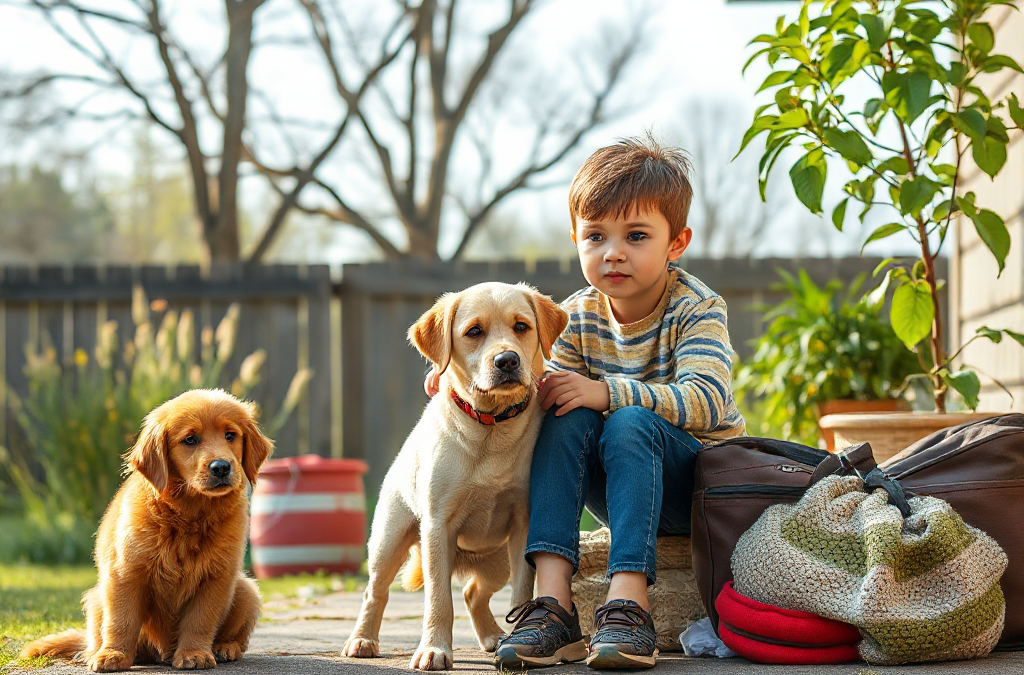
When adapting emergency plans for children and pets, it is crucial to recognize their unique needs and vulnerabilities. Children may require clear instructions and reassurance, while pets depend on their owners for guidance and care. Understanding these differences helps to tailor your emergency response effectively.
Children often process information differently than adults, so visual aids and simple language can enhance their understanding. For pets, ensure that their emotional and physical needs are met during stressful situations. For instance, pets may need calming items like toys or blankets, which can help reduce anxiety during emergencies.
Creating an Inclusive Emergency Plan
Creating an inclusive emergency plan involves detailing evacuation routes, designated meeting points, and communication methods for both children and pets. Start by mapping out safe exits from your home and practice these routes with your children. Ensure they know how to respond in various scenarios, such as fires or natural disasters.
For pets, include a plan for their transport during evacuations. Designate specific carriers and a pet emergency kit containing food, water, medications, and identification tags. This preparation not only ensures their safety but also alleviates stress for both pets and children during emergencies.
Practicing Your Emergency Plan
Regular practice of your emergency plan is essential for ensuring that both children and pets know what to do in a crisis. Schedule drills that simulate different emergency scenarios, allowing children to play active roles while also considering how pets will be managed. This practice fosters confidence and reduces panic during actual emergencies.
During these drills, assess which parts of the plan may need adjustments. For example, if your pet is reluctant to enter a carrier, consider training them to become more comfortable with it. The more familiar everyone is with the plan, the smoother the response will be in real situations.
Resources for Emergency Preparedness
Utilizing resources can significantly enhance your emergency preparedness. Organizations like the American Red Cross and local emergency management offices provide guidelines and checklists tailored for families with children and pets. These resources often include information on creating emergency kits and developing communication strategies.
Additionally, consider consulting local veterinarians for advice on pet-specific emergency protocols and care. They can provide insights into managing health needs during emergencies, ensuring that your pet’s well-being is prioritized.
Frequently Asked Questions
What should be included in an emergency kit for pets?
An emergency kit for pets should include food, water, medications, a leash, a carrier, and identification tags.
How can I teach my child about emergency procedures?
Use visual aids, simple language, and practice drills to help your child understand emergency procedures effectively.
What are the signs that my pet is stressed during an emergency?
Signs of stress in pets include excessive barking, hiding, or destructive behavior. Monitor their behavior closely.
How often should I review and update my emergency plan?
Review and update your emergency plan at least once a year or whenever there are significant changes in your family or pets.
What should I do if my pet is not comfortable in a carrier?
Gradually acclimate your pet to the carrier by allowing them to explore it and rewarding them with treats to create positive associations.
Further Reading
Authoritative Sources
American Red Cross redcross.org
The American Red Cross provides resources and guidelines for emergency preparedness, including family safety plans
Ready.gov ready.gov
This government site offers comprehensive information on creating emergency plans for families, including pets
American Veterinary Medical Association avma.org
The AVMA provides resources on pet care during emergencies, ensuring pet owners are well-informed
Conclusion
Adapting emergency plans for children and pets is essential for ensuring their safety and well-being during crises. By understanding their unique needs, creating an inclusive plan, and practicing regularly, families can enhance their preparedness significantly. Utilize available resources to stay informed and refine your strategies, ensuring that both children and pets are ready for any emergency situation.
Survival skills encompass a range of techniques that enable individuals to sustain themselves in emergency situations, whether in the wilderness or urban environments. These skills can include fire-making, shelter construction, navigation, first aid, and food procurement. Understanding these skills is the first step toward effective preparation, as each skill addresses specific needs that may arise during a crisis.
Knowing the fundamentals of survival skills is essential, but the true value lies in their practical application. For example, someone may understand how to start a fire but may struggle to do so under pressure if they have not practiced regularly. Therefore, incorporating these skills into routine practice ensures that individuals are not only knowledgeable but also capable of executing these techniques efficiently.
Benefits of Regular Practice
Regular practice of survival skills leads to numerous benefits that enhance an individual’s preparedness for emergencies. One of the primary advantages is the development of muscle memory, which allows for quicker and more effective responses during high-pressure situations. For instance, practicing how to perform CPR or use a tourniquet can make the difference between life and death in a medical emergency.
Additionally, consistent training helps individuals identify their strengths and weaknesses. This self-awareness is crucial for understanding which skills require more focus and practice, ultimately leading to a more comprehensive skill set. Furthermore, regular practice fosters confidence, enabling individuals to face unexpected challenges with a calm demeanor and clear decision-making.
Common Mistakes in Survival Training
Many individuals overlook the importance of realistic training scenarios when practicing survival skills. A common mistake is practicing skills in a controlled environment that does not mimic real-world conditions. For example, practicing fire-making indoors with all the necessary tools may not prepare someone for the challenges of creating a fire in the rain using limited resources.
Another mistake is neglecting to update and adapt skills based on changing circumstances or advancements in techniques. Survival skills should evolve with new information and technology. For instance, learning about the latest first aid practices or navigation tools can significantly enhance one’s preparedness.
Real-World Applications of Survival Skills
The application of survival skills can vary widely depending on the environment and situation. For example, in a natural disaster such as a hurricane or earthquake, survival skills such as emergency communication, first aid, and resource management become vital. Individuals trained in these skills are more likely to remain calm, assess their situation, and take appropriate action.
Moreover, survival skills are not limited to extreme situations. Everyday scenarios, such as getting lost during a hike or dealing with a minor injury, also highlight the importance of these skills. Regular practice ensures that individuals are prepared for both extraordinary and ordinary challenges, enhancing their overall resilience.
Frequently Asked Questions
How often should I practice survival skills?
It is recommended to practice survival skills at least once a month to maintain proficiency and confidence.
What are the most important survival skills to learn?
Essential survival skills include first aid, fire-making, shelter building, navigation, and food procurement.
Can survival skills be learned online?
Yes, many reputable organizations offer online courses that cover various survival skills effectively.
What should I include in a survival kit?
A survival kit should include items like a first aid kit, water purification tools, a fire starter, a multi-tool, and emergency food supplies.
How can I simulate real-world survival scenarios?
Engaging in outdoor activities, such as camping or hiking, can help simulate real-world survival scenarios and improve practical skills.
Further Reading
Authoritative Sources
American Red Cross redcross.org
This resource provides comprehensive first aid training and emergency preparedness information
Survival Skills Institute survivalskills.com
A platform offering courses and resources on various survival techniques and skills
National Park Service nps.gov
Offers guidelines and tips for outdoor safety and survival in national parks
Conclusion
Regularly practicing survival skills is vital for ensuring preparedness in emergencies. By developing muscle memory, boosting confidence, and understanding one’s limitations, individuals are better equipped to face unexpected challenges. It is essential to engage in realistic training scenarios and continuously adapt skills to remain effective. Prioritizing consistent practice will enhance not only your survival capabilities but also your overall resilience in various situations.