The shelf life of prepper foods is crucial for ensuring their long-term viability. Shelf life indicates how long a food product will maintain its quality and safety when stored correctly. It’s important to distinguish between “best by” dates and actual expiration dates. Foods may still be safe to consume after their best by date, but their quality may decline.
For example, canned goods typically last for several years beyond their best by dates, while dry products like grains or legumes can last even longer if stored in airtight containers. Regularly checking the shelf life of your food supplies and understanding what these dates mean can help in planning your food storage strategy.
Nutritional Value and Food Selection
Nutritional value is another key factor in evaluating the viability of prepper foods. It’s essential to choose foods that provide a balanced diet, especially during emergencies when fresh produce may not be available. Focus on a variety of food groups, including proteins, carbohydrates, and fats, to ensure you meet your nutritional needs.
Consider adding foods like canned beans, freeze-dried vegetables, and high-calorie snacks such as nuts or granola bars. These not only have a long shelf life but also provide essential nutrients. However, be cautious of foods high in preservatives or artificial ingredients, as they may not be as beneficial for your health in the long run.
Storage Conditions and Best Practices
Proper storage conditions are vital for maintaining the viability of prepper foods. Temperature, humidity, and light exposure can significantly impact food quality. Most prepper foods should be stored in a cool, dark, and dry place to maximize their shelf life.
Using airtight containers, vacuum sealing, or mylar bags with oxygen absorbers can help extend the longevity of your food supplies. Additionally, regularly checking the storage area for signs of pests or moisture can prevent spoilage and waste.
Common Mistakes to Avoid
One common mistake many make is overstocking on a limited variety of foods, which can lead to nutritional deficiencies. It’s essential to diversify your food storage to include a range of nutrients. Another mistake is failing to rotate supplies; regularly consuming and replenishing your stock ensures that food remains fresh and safe to eat.
Additionally, neglecting to check for damage or spoilage can lead to unexpected waste. Make it a habit to regularly inspect your food storage and maintain a clear inventory of what you have.
Frequently Asked Questions
What types of prepper foods last the longest?
Foods like freeze-dried meals, canned goods, and dehydrated fruits can last for many years, often exceeding 20 years if stored properly.
How should I store prepper foods?
Store prepper foods in a cool, dry, and dark place, using airtight containers to protect against moisture and pests.
How often should I check my food supplies?
Regular checks every six months are recommended to ensure food is still viable and to rotate supplies as necessary.
Can I eat food after the expiration date?
Many foods are safe to eat after their expiration date, but quality may decline; always check for signs of spoilage first.
What are some common mistakes when prepping food?
Common mistakes include overstocking on a narrow variety of foods, neglecting to rotate supplies, and not checking for spoilage regularly.
Further Reading
Authoritative Sources
Food Product Dating fda.gov
This resource provides insights into food labeling and expiration dates, helping you understand how long various foods can last
Food Storage Guidelines extension.purdue.edu
purdue.eduPurdue Extension offers a comprehensive guide on food storage practices to ensure safety and quality
USDA Food Safety Information fsis.usda.gov
usda.govThe USDA provides essential information about food safety standards and storage recommendations
Conclusion
Evaluating the long-term viability of prepper foods involves understanding shelf life, selecting nutritionally balanced options, and ensuring proper storage. Prioritize a diverse food supply, regularly check for spoilage, and maintain suitable storage conditions to maximize the longevity of your food. By avoiding common mistakes and staying informed, you can effectively prepare for future needs and ensure your food supplies remain safe and nutritious.
Understanding the Importance of First Aid Supplies
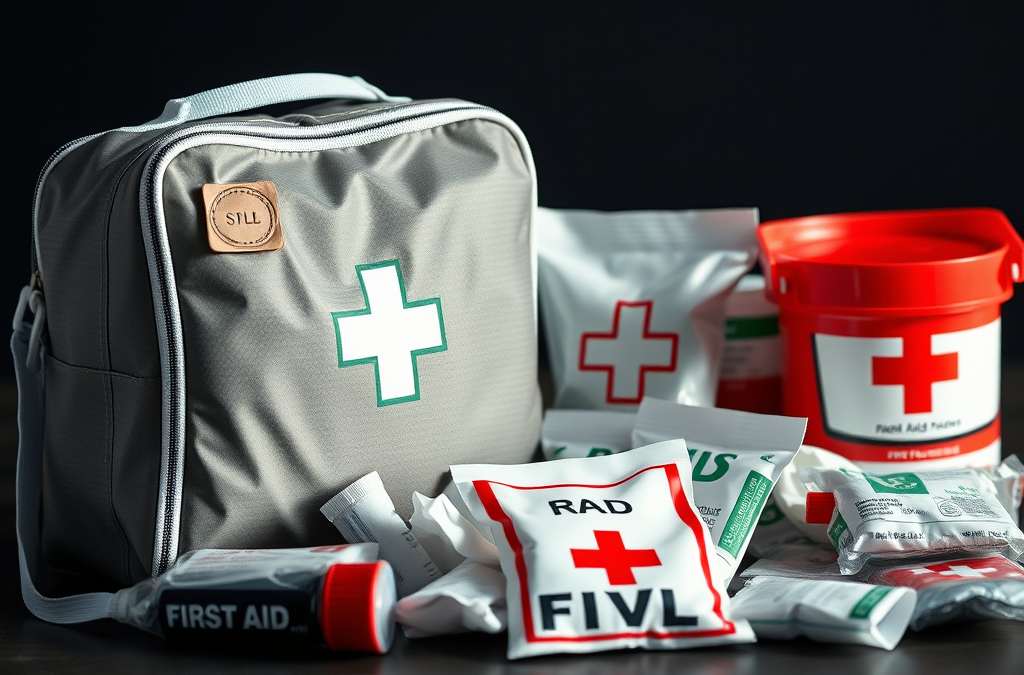
First aid supplies are critical for addressing injuries and medical emergencies promptly. Without adequate supplies, even minor injuries can escalate, leading to serious health risks. Effective first aid can stabilize a person’s condition before professional medical help arrives, which is particularly vital in remote areas or during natural disasters. Recognizing what supplies are necessary and ensuring they are readily available can significantly impact the outcome of an emergency situation.
For instance, a well-stocked first aid kit can include items like adhesive bandages, antiseptics, gauze, and splints. Each of these supplies serves a specific purpose, such as preventing infection or controlling bleeding. Understanding the function of each item not only prepares individuals to respond effectively but also highlights the risks associated with neglecting these supplies.
Common Mistakes in First Aid Kit Maintenance
Many individuals overlook the importance of regularly checking and replenishing first aid kits, leading to common mistakes that can severely undermine their effectiveness. One of the most frequent errors is failing to monitor expiration dates. Medications and sterile items can lose their efficacy over time, rendering them useless in an emergency. This oversight can lead to using expired antiseptics or medications that no longer provide the necessary treatment.
Another mistake is not tailoring first aid kits to specific needs. For example, families with young children should consider including pediatric supplies, while those with elderly members may need medications for chronic conditions. Additionally, individuals often underestimate the importance of training. Having a kit without knowledge of how to use its contents can lead to ineffective treatment or, worse, exacerbating the situation.
Consequences of Neglecting First Aid Supplies
The consequences of neglecting first aid supplies can be dire. An unprepared response to an injury can lead to complications such as infections, prolonged recovery times, and even permanent disabilities. For example, failing to clean a wound properly due to inadequate supplies can result in severe infections that require hospitalization.
Moreover, in emergency situations, every second counts. Delays caused by unstocked kits or unfamiliarity with supplies can mean the difference between life and death. In addition to physical health risks, neglecting first aid supplies can also lead to psychological stress, as individuals may feel helpless in emergencies, impacting their overall well-being.
Best Practices for Maintaining First Aid Kits
To mitigate the risks associated with neglecting first aid supplies, it is essential to establish best practices for maintaining first aid kits. Regularly inspecting kits for expired items and replenishing supplies is crucial. A good practice is to set a schedule for these checks, such as every six months or after significant events like vacations or natural disasters.
Additionally, educating all family members on the contents of the kit and how to use them can enhance preparedness. Consider conducting first aid training sessions to empower individuals with the knowledge to act confidently in emergencies. Lastly, customizing kits based on specific needs ensures that all necessary supplies are included, making the kit more effective in real-world situations.
Frequently Asked Questions
What should I include in a first aid kit?
A first aid kit should include adhesive bandages, antiseptics, gauze, scissors, tweezers, and any personal medications.
How often should I check my first aid kit?
It is advisable to check your first aid kit every six months to replace expired items and replenish supplies.
Why is training important for using first aid supplies?
Training ensures individuals know how to effectively use the supplies, which can significantly impact the outcome of an emergency.
Can I use expired first aid supplies?
Using expired first aid supplies is not recommended, as their effectiveness may be compromised, leading to inadequate treatment.
What are the risks of not having a first aid kit?
Not having a first aid kit can result in severe health risks, including untreated injuries, infections, and complications that could be prevented with timely treatment.
Further Reading
Authoritative Sources
American Red Cross redcross.org
This resource offers comprehensive guidelines on first aid supplies and emergency preparedness
Centers for Disease Control and Prevention (CDC) cdc.gov
The CDC provides information on health and safety practices, including first aid recommendations
Conclusion
Maintaining an updated and well-stocked first aid kit is essential for effective emergency preparedness. Regular checks, proper training, and customization based on specific needs are vital steps to mitigate risks associated with neglecting first aid supplies. Ensuring that everyone knows how to use the supplies can enhance confidence and improve outcomes during emergencies. Prioritize your first aid kit today to safeguard health and well-being.
Natural disasters vary significantly in their causes, impacts, and required preparations. For instance, floods, earthquakes, and wildfires each necessitate unique responses. Understanding the specific characteristics of these events—such as the speed of onset, duration, and potential damage—is vital for effective preparedness. Floods may develop gradually, allowing time for evacuation, while earthquakes occur suddenly, leaving little to no time for response.
Furthermore, geographical factors play a crucial role in disaster risk. Coastal areas may be more susceptible to hurricanes, while regions near fault lines face earthquake threats. Knowing the specific natural disasters that are most likely to occur in your area enables you to tailor your preparedness efforts, ensuring that your supplies and plans are relevant and effective.
Tailoring Your Preparations
Prepping for specific natural disasters requires a customized approach. Each type of disaster presents unique challenges that influence the necessary supplies and response strategies. For example, when preparing for hurricanes, it is essential to have a reliable evacuation plan, adequate food and water supplies, and a means to secure your home against high winds and flooding. In contrast, prepping for a wildfire necessitates creating defensible space around your property and having an evacuation kit ready.
Additionally, understanding the timeline for each type of disaster is crucial. Some events, like hurricanes, may provide advance warning, allowing for more comprehensive preparation. Others, such as earthquakes, strike without notice, requiring a focus on immediate safety measures and emergency kits that can be accessed quickly. This distinction highlights the importance of being proactive and adaptable in your preparedness efforts.
Common Mistakes in Disaster Prep
Many individuals and families make critical errors when preparing for natural disasters. One common mistake is underestimating the severity of the threat. For instance, people may believe they are safe from flooding if they live on elevated ground, ignoring the possibility of flash floods or water runoff from surrounding areas. This can lead to inadequate preparation and a lack of necessary supplies.
Another frequent oversight is failing to update emergency plans and supplies regularly. As circumstances change—such as new family members, changes in mobility, or the aging of supplies—it’s essential to reassess and revise your preparations. Regular drills can also help ensure that everyone in the household knows what to do when disaster strikes, reducing panic and confusion during an actual event.
Evaluating Your Resources
Assessing your resources is a critical aspect of effective disaster preparedness. This evaluation includes not only physical supplies but also community resources and support networks. Identify local emergency services, shelters, and community groups that can provide assistance during disasters. Establishing connections with neighbors can also enhance collective preparedness, as sharing resources and information can be invaluable during a crisis.
Consideration of financial resources is equally important. Investing in quality supplies and equipment can make a significant difference in your ability to respond effectively. However, it’s essential to balance expenditure with practicality; not all high-cost items are necessary for every type of disaster. Create a prioritized list of what you need based on the specific risks you face, ensuring that your resources are allocated effectively.
Frequently Asked Questions
What are the most common types of natural disasters?
The most common types include hurricanes, earthquakes, floods, wildfires, and tornadoes, each requiring distinct preparation strategies.
How can I ensure my family is prepared for a disaster?
Develop a comprehensive emergency plan, conduct regular drills, and maintain an updated supply kit tailored to potential disasters in your area.
What supplies are essential for disaster preparedness?
Essential supplies include non-perishable food, water, first aid kits, flashlights, batteries, and important documents stored securely.
How often should I review my emergency plan?
Review your emergency plan at least once a year or whenever significant life changes occur, such as moving or changes in family composition.
What role does community play in disaster preparedness?
Community resources, networks, and support can significantly enhance individual preparedness, providing assistance and information during disasters.
Further Reading
Authoritative Sources
Library of Congress Research Guides guides.loc.gov
Research guides that help readers locate reliable background sources on a wide range of subjects
USA.gov Official Information and Services usa.gov
Official U.S. government information and public resources for practical reference
Google Scholar scholar.google.com
Academic search resource for finding research literature and source material
Conclusion
Effectively preparing for specific natural disasters involves understanding the unique challenges each type presents and tailoring your response accordingly. By identifying potential risks, regularly updating your emergency plans, and evaluating available resources, you can significantly improve your readiness. Prioritize practical steps and actively engage with your community to ensure a comprehensive approach to disaster preparedness.
Understanding the Importance of Financial Preparedness
Financial preparedness is crucial for anyone involved in prepping, as it enables individuals to manage unexpected expenses without derailing their plans. When emergencies arise, such as natural disasters or sudden equipment failures, the costs can escalate quickly. Without financial readiness, these expenses can lead to panic and poor decision-making.
Many preppers overlook the financial aspect of their preparedness strategies, focusing primarily on supplies and skills. However, having a solid financial foundation is just as important. It ensures that when unexpected situations occur, you have the means to address them effectively and without delay. For instance, if a critical piece of equipment fails during a crisis, having funds readily available allows you to replace it immediately, preventing further complications.
Building an Emergency Fund
Creating an emergency fund specifically for prepping can significantly alleviate financial stress during unexpected situations. This fund should be separate from your regular savings and should be easily accessible when needed. A good rule of thumb is to aim for at least three to six months’ worth of essential expenses.
To build this fund, start by determining your monthly prepping expenses, including food, equipment, and maintenance costs. Set a savings goal based on this figure and contribute regularly, even if it’s a small amount each month. For example, if you identify that your prepping expenses total $500 per month, aim to save at least $1,500 to $3,000 in your emergency fund. This financial cushion can make all the difference when faced with unexpected costs.
Creating a Flexible Budget for Prepping
A flexible budget is essential for adapting to the unpredictable nature of prepping. Unlike traditional budgets that may be rigid, a flexible budget allows for adjustments based on changing circumstances, such as unexpected expenses or shifts in priorities. Start by tracking your regular prepping expenses and identifying areas where you can cut back if necessary.
For instance, if you find that you’ve overstocked certain supplies, consider reducing future purchases to allocate those funds toward unexpected expenses. Additionally, regularly reviewing your budget ensures that you’re not only prepared for emergencies but also optimizing your resources effectively. This approach helps mitigate the risk of financial strain when unanticipated costs arise.
Prioritizing Supplies and Resources
When prepping, it’s vital to prioritize which supplies and resources are most critical to your survival and well-being. Understanding what you absolutely need versus what can wait is key to managing expenses effectively. Create a list of essential items, such as food, water, medical supplies, and equipment, and rank them based on urgency and necessity.
In emergencies, it may be tempting to splurge on high-end gear or additional supplies, but this can lead to financial stress. Instead, focus on acquiring the essentials first and consider alternatives that provide good value without breaking the bank. For example, purchasing bulk food items or investing in multi-use tools can be more cost-effective than buying specialized equipment.
Frequently Asked Questions
What should I include in my emergency fund for prepping?
Your emergency fund should cover at least three to six months of essential prepping expenses, including food, water, medical supplies, and equipment maintenance.
How can I create a flexible budgeting plan for prepping?
A flexible budget allows for adjustments. Start by tracking your expenses and identifying areas for potential savings to reallocate funds toward unexpected costs.
Why is financial preparedness essential in prepping?
Financial preparedness allows you to manage unexpected expenses effectively, ensuring you can respond to emergencies without financial strain or panic.
What are some common mistakes in financial prepping?
Common mistakes include underestimating costs, failing to build an emergency fund, and neglecting to prioritize essential supplies over luxury items.
How often should I review my prepping budget?
Regularly review your budget—at least quarterly—to ensure it aligns with your current needs and to make necessary adjustments based on changing circumstances.
Further Reading
Authoritative Sources
Financial Preparedness for Disasters ready.gov
This resource provides insights on financial planning to manage unexpected costs during disasters
Consumer Financial Protection Bureau consumerfinance.gov
A comprehensive guide on managing personal finances, including budgeting and saving strategies
Red Cross Emergency Preparedness redcross.org
Offers practical advice on preparing for emergencies, including financial readiness and resource management
Financial Preparedness When Disaster Strikes nolo.com
Legal insights on managing finances during emergencies, emphasizing the importance of preparation
Conclusion
Financial preparedness is a critical component of effective prepping. By building an emergency fund, creating a flexible budget, and prioritizing essential supplies, you can navigate unexpected expenses with confidence. Regularly review your financial strategies to ensure they remain effective and aligned with your prepping goals. Taking these steps not only enhances your overall preparedness but also provides peace of mind in uncertain times.
Portable power sources are vital for preparedness, especially in emergency situations where access to electricity is compromised. These devices ensure that essential equipment remains functional, supporting communication, medical needs, and basic lighting. Their importance cannot be overstated, as they bridge the gap between a reliable power supply and the unpredictable nature of disaster scenarios.
In prepping, it’s crucial to recognize that not all power sources are created equal. Each type has its unique strengths and weaknesses, which can significantly impact your emergency response. For instance, during a power outage, a portable power source can mean the difference between maintaining critical operations or being left in the dark.
Types of Portable Power Sources
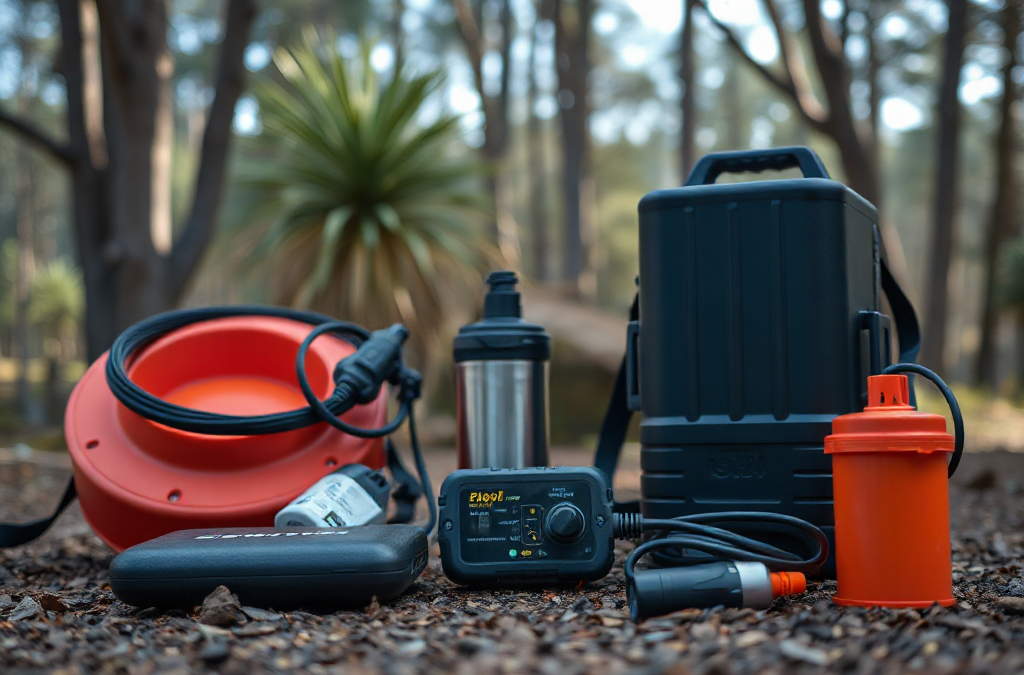
Portable power sources can be broadly categorized into three main types: solar-powered systems, battery-operated devices, and generators. Each type serves different needs and comes with its own set of advantages and limitations.
Solar-Powered Systems: These are ideal for long-term prepping scenarios where sustainability is key. Solar panels can recharge batteries during the day, providing a renewable energy source. However, their efficiency can be weather-dependent, making them less reliable during prolonged cloudy conditions.
Battery-Operated Devices: Batteries can be a quick solution for short-term power needs. They are easy to transport and can power small devices such as lights, radios, and phones. The main drawback is their limited capacity and the need for recharging, which may not be feasible during extended outages.
Generators: Generators can provide substantial power and are excellent for heavy-duty needs, such as running refrigerators or medical equipment. However, they require fuel, which can be a challenge to store and transport. Additionally, they can be noisy and produce emissions, requiring proper ventilation.
Choosing the Right Power Source for Your Needs
When selecting a portable power source, consider your specific needs and the scenarios you are preparing for. Start by assessing the essential devices you need to power during an emergency. This could include medical equipment, communication devices, or basic lighting.
Next, evaluate the duration you expect to be without traditional power. For short outages, battery-operated devices may suffice, while long-term scenarios may require a combination of solar and generator power. Additionally, consider the portability of the device—how easy it is to transport and set up can influence your choice.
To wrap up, assess the space and resources available for storage. Some power sources, like large generators, require more space and fuel storage than smaller battery packs or solar setups, which may be more suitable for confined living situations.
Common Mistakes to Avoid When Using Portable Power Sources
One common mistake is underestimating the power needs of essential devices. Always calculate the wattage requirements of your devices to ensure that your power source can handle the load. Failing to do so can lead to overloading the system, resulting in equipment failure or damage.
Another pitfall is neglecting maintenance. Portable power sources require regular checks and maintenance to ensure they function properly when needed. For example, solar panels should be cleaned regularly to maximize efficiency, while batteries need to be charged periodically to maintain their lifespan.
Lastly, many preppers overlook the importance of having a backup plan. Relying solely on one type of power source can be risky. It’s advisable to have multiple options available, so if one fails, you have alternatives to rely on.
Frequently Asked Questions
What is the best portable power source for prepping?
The best portable power source depends on your specific needs. Solar power is great for sustainability, while generators provide high capacity for heavy-duty needs.
How long can a portable power source last?
The duration a portable power source lasts varies by type and usage. Battery-operated sources may last hours, while solar setups can provide ongoing power with proper sunlight.
Are portable generators safe to use indoors?
No, portable generators should never be used indoors due to the risk of carbon monoxide poisoning. Always operate them in well-ventilated outdoor areas.
Can solar power work in cloudy weather?
Yes, solar panels can still generate power in cloudy conditions, but their efficiency will be reduced. It's important to have a battery backup for cloudy days.
What should I consider when storing fuel for a generator?
When storing fuel for a generator, consider safety, expiration dates, and proper storage containers. Keep fuel in a cool, dry place away from ignition sources.
Further Reading
Authoritative Sources
Power Outages ready.gov
This resource offers comprehensive guidance on preparing for power outages, including the importance of portable power sources
How to Choose a Portable Generator energy.gov
This article provides insights into selecting the right generator for your needs, including safety considerations
Consumer Reports offers a detailed guide on various portable generators, including features and performance ratings
Conclusion
Portable power sources are indispensable for anyone serious about prepping. Whether you opt for solar panels, batteries, or generators, understanding their unique benefits and constraints is essential for effective emergency preparedness. Always evaluate your power needs, maintain your equipment, and have a backup plan to ensure you remain powered during critical situations. By making informed decisions about your portable power sources, you can enhance your readiness for any emergency.
Assessing the impact of a major event involves understanding how it affected your area and your specific situation. This assessment is crucial because it informs the adjustments needed in your emergency plan. Start by evaluating the physical damages, changes in local infrastructure, and any new risks that may have arisen, such as flooding, fire hazards, or structural instability.
Consider conducting a household meeting to discuss observations and experiences during the event. This collaborative approach ensures that everyone’s perspective is included, leading to a more comprehensive understanding of the situation. For example, if a recent hurricane caused flooding in your neighborhood, you might need to revise your evacuation routes and shelter locations. Recognizing these factors and integrating them into your emergency plan is essential for effective preparedness.
Incorporate Lessons Learned
Once you have assessed the impact, the next step is to incorporate lessons learned from the event into your emergency plan. This reflection process is vital because it helps identify what worked well and what did not during the crisis. For instance, if communication methods failed during the event, consider alternative options like text message alerts, social media, or local community groups for updates.
Additionally, reviewing any logistical challenges faced, such as supply shortages or difficulties accessing resources, can lead to better planning. Create a checklist that highlights these lessons and outlines actionable steps to address them. By actively learning from past experiences, you can strengthen your emergency response and increase overall safety for your household.
Update Contacts and Resources
Updating your contacts and resources is a critical part of refining your emergency plan. This includes revising your emergency contact list to ensure it reflects the current situation. Reach out to local authorities, community organizations, and neighbors to gather updated information regarding available resources and support systems.
Consider creating a resource inventory that includes emergency supplies, food, water, and any necessary medical equipment. Ensure that these items are not only up-to-date but also accessible. For example, if you previously stored your emergency kit in a basement that flooded, relocating it to a higher area would be prudent. Regularly reviewing and replenishing your emergency supplies will ensure you are well-prepared for any future events.
Communicate Changes Effectively
Effective communication of changes to your emergency plan is essential for ensuring that all family members are aware and prepared. Schedule a family meeting to discuss the updates, share new contact information, and review any new procedures. This step helps reinforce the importance of being prepared and ensures everyone understands their roles during an emergency.
Consider using visual aids, such as maps or charts, to illustrate evacuation routes and safety procedures. Additionally, practice drills can be beneficial in cementing the plan in everyone’s mind. Regularly revisiting these discussions and drills fosters a culture of preparedness within your household, reducing panic and confusion during an actual emergency.
Frequently Asked Questions
What should I include in my updated emergency plan?
Your updated emergency plan should include new evacuation routes, updated contact information, resources, and any lessons learned from recent events.
How often should I review my emergency plan?
It's recommended to review your emergency plan at least once a year or after a major event to ensure its effectiveness and relevance.
How can I ensure my family understands the updated plan?
Hold a family meeting to discuss the updates and conduct practice drills to reinforce understanding and preparedness.
Why is it important to update my emergency plan after a major event?
Updating your emergency plan ensures it reflects current risks and resources, enhancing your family's safety and preparedness for future emergencies.
Further Reading
Authoritative Sources
Authoritative Sources
Ready.gov ready.gov
This website provides comprehensive resources on emergency preparedness, including planning guides and checklists
American Red Cross: Prepare for Emergencies redcross.org
Offers detailed information on creating emergency plans and understanding local risks
FEMA fema.gov
Federal Emergency Management Agency provides guidelines and resources for disaster preparedness and response
Conclusion
Updating your emergency plan after a major event is an essential step in enhancing your preparedness. By assessing the impact, incorporating lessons learned, updating contacts and resources, and effectively communicating changes, you can create a robust plan tailored to your current situation. Regular reviews and practice drills will ensure your family remains informed and ready to respond effectively during future emergencies.