Mental resilience refers to the ability to adapt to stressful situations and bounce back from adversity. In disaster situations, this quality is essential as it allows individuals to manage their emotions, maintain clarity of thought, and make sound decisions under pressure. Understanding the components of mental resilience, such as emotional regulation, optimism, and adaptability, is vital for anyone preparing for potential crises.
Resilience is not an innate trait but rather a skill that can be developed over time. Individuals who cultivate resilience can better cope with the uncertainties and challenges posed by disasters. This development involves recognizing personal strengths and weaknesses, which helps create a tailored approach to building resilience. Effective training programs can teach these skills, enabling individuals to face crises with greater confidence.
The Role of Mental Resilience in Crisis Management
Mental resilience plays a key role in crisis management by enhancing decision-making processes during disasters. Resilient individuals are less likely to succumb to panic, which often leads to poor choices that can exacerbate a situation. Instead, they can evaluate risks, prioritize actions, and implement effective solutions quickly. This ability to remain composed is crucial when lives are at stake.
Moreover, mental resilience fosters teamwork and communication in group settings, which is often essential during disasters. Effective leaders exhibit resilience, inspiring confidence in their teams. Recognizing the importance of mental resilience in crisis management highlights the need for training and preparation in communities, workplaces, and emergency services.
Techniques to Build Mental Resilience
Building mental resilience involves various techniques that can be practiced in everyday life. One effective method is cognitive restructuring, which involves changing negative thought patterns into more positive, constructive ones. This practice helps individuals reframe challenges as opportunities for growth rather than insurmountable obstacles.
Mindfulness and stress-reduction techniques, such as meditation or yoga, can also significantly enhance resilience. These practices help individuals manage anxiety and improve focus, enabling them to respond more effectively during crises. Additionally, fostering strong social connections provides emotional support, which is essential for maintaining resilience in tough times.
Common Pitfalls in Disaster Situations
Despite the importance of mental resilience, individuals often fall into common pitfalls during disasters. One major issue is the tendency to panic, which can cloud judgment and lead to rash decisions. Recognizing the signs of panic and employing coping strategies can help mitigate this risk.
Another pitfall is the failure to communicate effectively. In disaster situations, clear communication is critical for coordinating efforts and ensuring safety. Individuals must practice assertiveness and clarity when conveying information to avoid misunderstandings that could worsen the situation. Training in communication skills can enhance resilience and improve outcomes in emergencies.
Understanding more about mental resilience can provide valuable insights for individuals looking to enhance their ability to cope with disasters. Consider exploring resources from recognized psychological organizations or emergency management agencies for comprehensive strategies and guidance.
Frequently Asked Questions
What is mental resilience?
Mental resilience is the ability to adapt to stressful situations and recover from setbacks, allowing individuals to cope effectively during disasters.
Why is mental resilience important in disasters?
It is crucial for maintaining composure, enhancing decision-making, and fostering effective communication during crises, ultimately improving outcomes.
How can I build mental resilience?
Techniques include cognitive restructuring, mindfulness practices, and fostering social connections that provide emotional support during tough times.
What are common mistakes people make during disasters?
Common mistakes include panicking, failing to communicate effectively, and not utilizing available resources, which can exacerbate the situation.
How does resilience affect teamwork in disasters?
Resilience enhances teamwork by fostering clear communication and effective leadership, which are essential for coordinated responses in emergencies.
Further Reading
Authoritative Sources
Ready.gov Preparedness Guidance ready.gov
Federal preparedness guidance for household planning, alerts, supplies, and emergencies
American Red Cross Emergency Preparedness redcross.org
Emergency preparedness resources for families, disasters, and practical safety planning
FEMA Preparedness Resources fema.gov
National preparedness resources for planning, mitigation, and response readiness
Conclusion
Mental resilience is a vital component in effectively navigating disaster situations. By understanding its significance and implementing strategies to build resilience, individuals can enhance their ability to cope with crises. Recognizing common pitfalls and preparing for them can further improve outcomes during emergencies. Prioritizing mental resilience training can empower individuals and communities to face disasters with confidence and composure.
Establishing clear protocols is vital for ensuring your emergency communication plan works effectively. This involves defining specific roles and responsibilities among team members, which helps eliminate confusion during critical moments. For instance, identifying a communication lead who is responsible for disseminating information can streamline the process and ensure accurate messaging. Additionally, protocols should detail the types of emergencies covered and the corresponding communication steps for each scenario.
Common mistakes in this area include vague role definitions and failure to update protocols as personnel change. It’s crucial to review and revise these protocols regularly, particularly after drills or real incidents, to incorporate lessons learned and adapt to new challenges. An effective approach is to create a flowchart that visually represents the communication process, making it easier for all team members to understand their responsibilities.
Leveraging Diverse Communication Tools
Utilizing a variety of communication tools enhances the effectiveness of your emergency communication plan. Depending solely on one method can lead to failures in reaching all stakeholders. For example, combining traditional methods like phone calls with digital tools such as text messaging, social media, and dedicated apps can ensure that messages reach individuals regardless of their preferred communication channels.
When selecting tools, consider factors such as accessibility, user-friendliness, and the specific needs of your audience. A typical oversight is underestimating the importance of redundancy; having backup communication systems in place can be critical if primary channels fail. Regularly testing these tools during drills can help identify potential shortcomings and allow for adjustments before an actual emergency occurs.
Conducting Regular Drills and Training
Regular drills and training sessions are essential for ensuring that your emergency communication plan functions smoothly under pressure. These exercises provide a practical environment for team members to familiarize themselves with the protocols, tools, and their roles. They also help identify gaps in the plan and areas for improvement.
It’s important to vary the scenarios during drills to cover different types of emergencies, such as natural disasters, cybersecurity incidents, or public health crises. This diversity prepares the team for unexpected situations. Additionally, consider involving external stakeholders, such as local emergency services, to provide feedback and enhance collaboration. A common pitfall is conducting drills infrequently, which can lead to complacency and reduced effectiveness during real emergencies.
For additional insights into developing effective emergency communication strategies, consider consulting resources from recognized organizations such as the Federal Emergency Management Agency (FEMA) or the National Institute of Standards and Technology (NIST).
Frequently Asked Questions
What are the key components of an effective emergency communication plan?
Key components include clear protocols, defined roles, diverse communication tools, and regular training and drills.
How often should emergency communication drills be conducted?
Drills should be conducted at least twice a year to ensure all team members are familiar with the protocols and tools.
What communication tools are most effective during emergencies?
Effective tools include text messaging, social media, email, and dedicated emergency apps to reach various audiences.
How can I test the effectiveness of my emergency communication plan?
Testing can be done through simulations and drills, where you evaluate response times, message clarity, and overall team coordination.
What common mistakes should be avoided in emergency communication planning?
Common mistakes include vague role definitions, reliance on a single communication method, and infrequent testing of the plan.
Further Reading
Authoritative Sources
Ready.gov Preparedness Guidance ready.gov
Federal preparedness guidance for household planning, alerts, supplies, and emergencies
American Red Cross Emergency Preparedness redcross.org
Emergency preparedness resources for families, disasters, and practical safety planning
FEMA Preparedness Resources fema.gov
National preparedness resources for planning, mitigation, and response readiness
Conclusion
Ensuring your emergency communication plan works requires a proactive approach that includes establishing clear protocols, leveraging diverse tools, and conducting regular drills. By prioritizing these elements, organizations can enhance their preparedness and responsiveness during emergencies. Continuous evaluation and adaptation of the plan based on real-world experiences are essential for maintaining effectiveness. Consider engaging with stakeholders and experts to further refine your strategies and ensure robust communication in times of crisis.
Local self-defense laws are critical to understanding what personal protection measures are permissible in a given area. These laws can vary significantly from one jurisdiction to another, affecting everything from the types of weapons permitted to the legal definitions of self-defense. For example, some states allow for the open carry of firearms, while others impose strict regulations on concealed carry. Understanding these nuances is essential for anyone considering self-defense supplies.
Moreover, local laws often reflect the community’s values and concerns regarding safety and crime. For instance, areas with higher crime rates might have more lenient laws regarding self-defense weapons, while others may impose stricter regulations. Familiarizing oneself with these laws not only helps in compliance but also informs individuals about their rights and responsibilities concerning self-defense.
Types of Self-Defense Supplies and Their Regulations
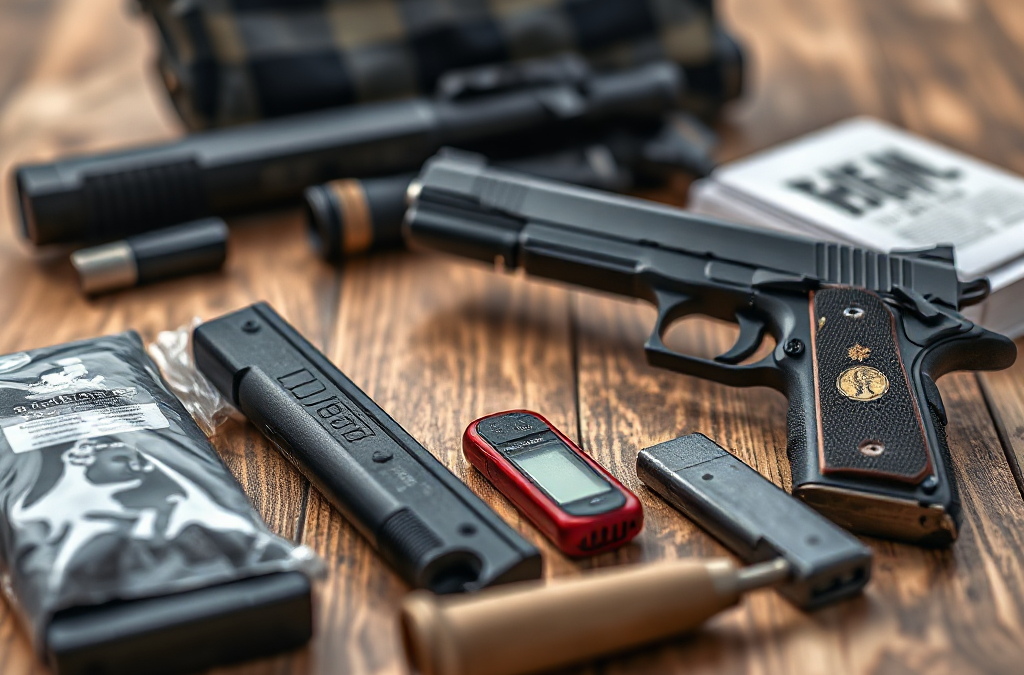
The types of self-defense supplies available to individuals can include firearms, pepper spray, stun guns, and personal alarms, each governed by different regulations. Firearms, for example, often require permits, background checks, and registration, reflecting the stringent regulations surrounding their use. In contrast, items like pepper spray may have fewer restrictions but can still be subject to local laws regarding size and concentration.
For instance, in some states, carrying a stun gun is legal, but it may be restricted in certain public spaces such as schools or government buildings. Understanding the specific laws that apply to each type of self-defense supply is crucial to ensure compliance and avoid legal issues.
Consequences of Non-Compliance
Failing to comply with local laws regarding self-defense supplies can lead to severe consequences, including criminal charges, fines, and potential imprisonment. For example, possessing a firearm without the necessary permits can result in felony charges, which may carry significant penalties. Additionally, using a self-defense supply in a manner deemed unlawful can lead to civil liability, further complicating the legal landscape for individuals.
Moreover, violations can have long-lasting repercussions, affecting an individual’s ability to purchase firearms or self-defense items in the future. Understanding the potential consequences of non-compliance underscores the importance of staying informed about local regulations and adhering to them strictly.
Practical Considerations for Compliance
To ensure compliance with local laws regarding self-defense supplies, individuals should take several practical steps. First, it is advisable to research local laws thoroughly, including any recent changes or updates. This can often be done through official government websites or local law enforcement agencies.
Second, individuals should consider attending workshops or training sessions on self-defense, which can provide valuable insights into legal rights and responsibilities. These sessions often cover not only the legal aspects but also practical applications of self-defense supplies in real scenarios.
Lastly, consulting with legal professionals who specialize in self-defense law can provide tailored advice and help navigate complex legal issues. By taking these steps, individuals can better equip themselves to make informed decisions about their self-defense supplies while remaining compliant with local laws.
Frequently Asked Questions
What types of self-defense supplies are legal in my area?
The legality of self-defense supplies varies by location; check local laws for specifics on firearms, pepper spray, and other items.
How can I find out about local self-defense laws?
Consult local government websites or legal resources to stay updated on self-defense laws in your area.
What are the penalties for violating self-defense supply laws?
Penalties can include fines, confiscation of supplies, and even criminal charges, depending on the violation.
Do I need a permit for self-defense weapons?
Many jurisdictions require permits for firearms; however, regulations for other self-defense supplies may vary.
Can I use self-defense supplies in any situation?
Self-defense supplies should only be used in life-threatening situations; misuse can lead to legal consequences.
Further Reading
Authoritative Sources
National Rifle Association Institute for Legislative Action nraila.org
This source provides comprehensive information on firearm laws across various states
Giffords Law Center to Prevent Gun Violence giffords.org
This organization offers insights into gun violence prevention and related legal resources
Conclusion
Understanding the impact of local laws on self-defense supplies is essential for anyone interested in personal protection. Individuals must stay informed about regulations to ensure compliance and avoid severe penalties. By taking proactive steps such as researching local laws, attending training sessions, and consulting legal experts, individuals can make informed decisions about their self-defense supplies while adhering to legal requirements.
Winter months can bring severe weather conditions, leading to power outages that disrupt daily life. Understanding these risks is essential for effective preparedness. Ice storms, heavy snowfall, and high winds can down power lines, causing extended outages. In regions prone to such conditions, knowing the specific risks can help you prioritize your preparations.
One common misconception is that power outages are short-lived and manageable. In reality, outages can last for days, especially during severe winter storms. This reality underscores the importance of having a robust emergency plan and adequate supplies to sustain yourself and your family during prolonged outages.
Essential Supplies for Winter Preparedness
Having the right supplies is crucial for surviving winter power outages. Start by creating an emergency supply kit that includes non-perishable foods, bottled water, a flashlight, batteries, a first aid kit, and personal hygiene items. Consider items like canned goods, dried fruits, and nuts as they have a long shelf life and require no cooking.
Additionally, include blankets and warm clothing in your kit to maintain body heat. A battery-powered or hand-crank radio can provide critical updates during an outage, while a multi-tool can assist with various tasks. Regularly check your supplies and replace expired items to ensure they are ready when needed.
Heating Alternatives During Outages
Maintaining warmth during a winter power outage is vital for safety. Explore heating alternatives such as portable propane heaters or wood stoves, ensuring they are used in well-ventilated areas to prevent carbon monoxide buildup. If using a generator, follow safety protocols to avoid electrical hazards.
Consider insulating your home effectively to retain heat. Use heavy curtains, draft stoppers, and weather stripping on doors and windows to minimize heat loss. This approach not only keeps your living space warmer but also reduces the energy needed to maintain a comfortable environment when power is restored.
Communication and Emergency Plans
Establishing a communication plan is essential for staying informed during power outages. Share your plan with family members, ensuring everyone knows how to reach each other in case of an emergency. Keep a list of important contacts, including local emergency services, neighbors, and family members.
Additionally, consider designating a meeting place where family members can gather if separated. Regularly review and practice your emergency plan to ensure everyone is prepared and knows what to do during a power outage. Awareness and preparation can significantly reduce panic and confusion during an actual event.
Frequently Asked Questions
What should I include in my winter power outage kit?
Your kit should include non-perishable food, water, blankets, a flashlight, batteries, a first aid kit, and personal hygiene items.
How can I keep warm during a power outage?
Use alternative heating sources like propane heaters or wood stoves, ensuring they are well-ventilated, and insulate your home effectively to retain heat.
How long can power outages last in winter?
Power outages can last from a few hours to several days, depending on the severity of the weather conditions and the extent of damage to power infrastructure.
What is the best way to stay informed during an outage?
Keep a battery-powered or hand-crank radio to receive updates and alerts from local authorities during an outage.
Why is it important to have a communication plan?
A communication plan ensures that family members can reach each other and stay informed about safety measures during an emergency.
Further Reading
Authoritative Sources
Library of Congress Research Guides guides.loc.gov
Research guides that help readers locate reliable background sources on a wide range of subjects
USA.gov Official Information and Services usa.gov
Official U.S. government information and public resources for practical reference
Google Scholar scholar.google.com
Academic search resource for finding research literature and source material
Conclusion
Preparing for power outages during winter months involves understanding the risks, gathering essential supplies, finding heating alternatives, and developing a communication plan. Prioritize stocking non-perishable food, water, and blankets while ensuring your home is insulated against the cold. By taking these proactive steps, you can enhance your safety and comfort during winter outages, reducing the impact on your daily life.
Understanding Inadequate Water Purification Methods
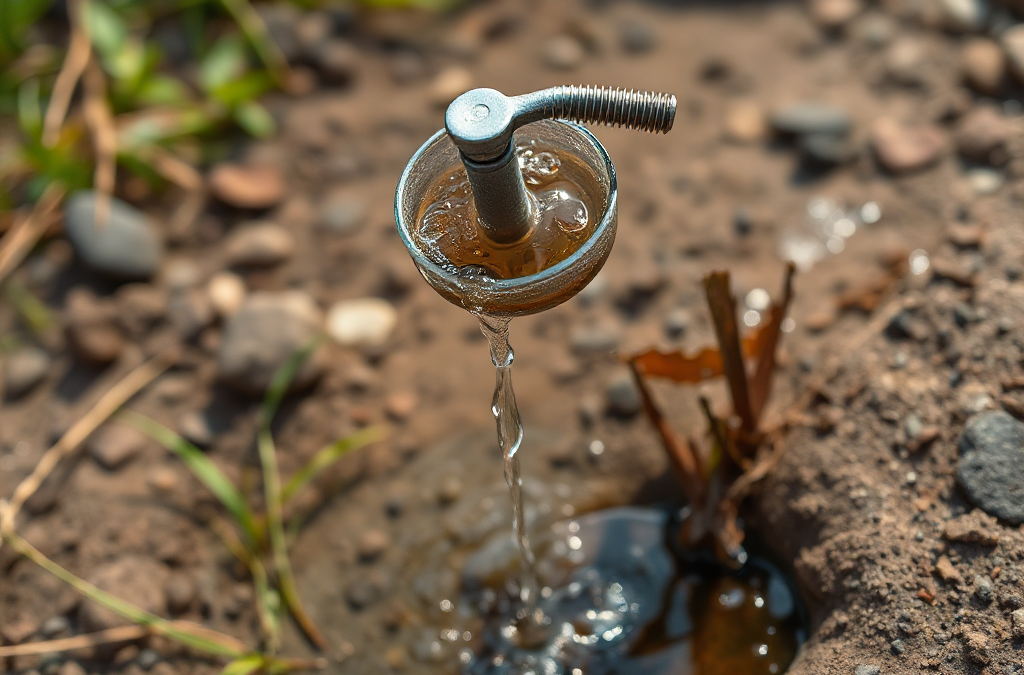
Inadequate water purification methods refer to techniques that fail to effectively remove contaminants from drinking water. This can include outdated filtration systems, reliance on chemical treatments that are ineffective against certain pathogens, or even the absence of any purification process. The importance of effective water purification cannot be overstated, as it serves as the first line of defense against various contaminants that can pose significant health risks. Commonly used methods like boiling or basic filtration may not eliminate all harmful substances, leading to the potential for serious consequences.
Many people underestimate the complexity of water purification, assuming that simple filtration or boiling is sufficient. Unfortunately, these methods often overlook specific contaminants such as heavy metals, pesticides, or viruses. Understanding the limitations of these approaches is essential for recognizing the need for more advanced purification systems.
Health Risks Associated with Poor Water Quality
The health risks associated with inadequate water purification are numerous and can be severe. Waterborne diseases, such as cholera, giardiasis, and dysentery, are often linked to contaminated water sources. These diseases can lead to chronic health problems, severe gastrointestinal issues, and, in extreme cases, death. Vulnerable populations, including children and the elderly, are particularly at risk.
Moreover, exposure to heavy metals like lead and arsenic, often found in poorly treated water, can result in long-term health issues, including neurological damage and developmental delays in children. The inability to eliminate harmful chemicals from agricultural runoff can also lead to acute poisoning or chronic health conditions. Understanding these risks emphasizes the critical need for reliable water purification methods.
Environmental Consequences of Inadequate Purification
Inadequate water purification not only affects human health but also poses significant environmental risks. Contaminated water can lead to the degradation of aquatic ecosystems, affecting fish and wildlife populations. Pollutants can accumulate in the food chain, leading to broader ecological imbalances.
Furthermore, the discharge of untreated or poorly treated wastewater into natural bodies of water can harm local flora and fauna, disrupt habitats, and contribute to the proliferation of harmful algae blooms. These blooms can produce toxins that further threaten aquatic life and human health. Effective water purification is essential not only for safeguarding human health but also for protecting our delicate ecosystems.
Effective Water Purification Techniques
To mitigate the risks associated with inadequate water purification, it is vital to adopt effective purification techniques. Advanced filtration systems, such as reverse osmosis and UV disinfection, are effective in removing a wide range of contaminants, including bacteria, viruses, and heavy metals. These systems offer a comprehensive approach to water purification, ensuring that drinking water is safe and clean.
Additionally, regular maintenance and monitoring of water purification systems are crucial to ensure their effectiveness. Users should also be educated on the importance of testing their water for contaminants, especially in areas with known pollution issues. By prioritizing advanced purification methods and ongoing education, communities can significantly reduce the health and environmental risks associated with inadequate water purification methods.
Frequently Asked Questions
What are the main contaminants found in untreated water?
Main contaminants include bacteria, viruses, heavy metals, and chemical pollutants, which can pose serious health risks.
How can I test my water for contaminants?
You can use home testing kits available online or consult local health departments for comprehensive water testing services.
What are the signs of water contamination?
Signs include unusual taste or odor, discoloration, or the presence of sediment in the water.
How often should I purify my water?
Water should be purified before consumption, and purification systems should be regularly maintained for optimal effectiveness.
What are the best purification methods for home use?
Effective methods include reverse osmosis, UV purification, and activated carbon filters, depending on the contaminants present.
Further Reading
Authoritative Sources
EPA Safe Drinking Water epa.gov
This source provides information on safe drinking water regulations and guidelines to protect public health
World Health Organization – Water Sanitation who.int
The WHO offers resources and research on water quality and health, emphasizing the importance of clean water
Centers for Disease Control and Prevention – Healthy Water cdc.gov
This site provides guidelines on safe water practices and the impact of water quality on health
Conclusion
Addressing the consequences of inadequate water purification methods is crucial for safeguarding both public health and the environment. By understanding the health risks and environmental impacts, individuals and communities can prioritize effective purification techniques. Implementing advanced filtration systems and ensuring regular maintenance can significantly reduce the chances of contamination. Communities must remain vigilant and proactive in tackling these issues to ensure access to safe, clean drinking water for all.
Resource sharing can present various risks that must be understood and managed effectively. These risks include exposure to fraud, theft, or misuse of shared resources, which can compromise personal safety. For example, sharing tools or supplies with unknown individuals can lead to liability issues if those items are misused or damaged. Recognizing these potential dangers is the first step in developing a balanced approach to resource sharing.
Moreover, the psychological aspect of sharing resources can also play a crucial role. Many individuals may feel uncomfortable or anxious about sharing their belongings, fearing that they may not be returned or could be damaged. It is important to acknowledge these feelings and create a supportive environment where all participants feel secure in their decisions to share resources.
Establishing Trust in Resource Sharing
Building trust is essential for successful resource sharing. This involves verifying the reliability and intentions of those you share with. One effective method is to create a vetting process, where potential resource sharers must provide references or demonstrate their commitment to responsible use. This not only helps ensure that shared resources are treated with care but also fosters a sense of community among participants.
In addition, establishing clear agreements regarding the terms of sharing is vital. These agreements should outline expectations for the use of resources, responsibilities for damages, and guidelines for communication. By setting these parameters, all parties involved can feel more secure and accountable, which ultimately enhances the overall safety of the resource-sharing experience.
Effective Communication Strategies
Effective communication is a cornerstone of balancing personal safety with resource sharing. Utilizing secure communication channels, such as encrypted messaging apps, can protect sensitive information from unauthorized access. This is particularly important when discussing logistics or sharing personal data related to the resources being exchanged.
Moreover, regular check-ins with participants can help monitor the status of shared resources and address any concerns that may arise. Open lines of communication foster transparency, allowing individuals to voice their apprehensions or suggestions. This proactive approach can prevent misunderstandings and reinforce trust among those involved in resource sharing.
Safety Protocols for Resource Sharing
Implementing safety protocols is crucial in ensuring that resource sharing is conducted securely. These protocols can include establishing guidelines for safe locations to exchange items, ensuring that meetings occur in public spaces, and encouraging participants to keep personal belongings secure during exchanges.
Additionally, providing training or resources on safe practices can empower participants to take responsibility for their safety and that of others. For instance, sharing tips on how to assess a situation for potential risks or how to handle conflicts can enhance the safety of the entire resource-sharing process.
Frequently Asked Questions
What are the primary risks associated with resource sharing?
The primary risks include fraud, theft, misuse of shared resources, and potential liability issues.
What communication strategies enhance safety in resource sharing?
Utilizing secure communication channels and maintaining open lines of communication for regular check-ins can enhance safety.
What safety protocols should I implement for resource sharing?
Implement protocols such as meeting in public spaces, securing personal belongings, and providing training on safe practices.
How can I address concerns about sharing my personal belongings?
Address concerns by creating a supportive environment, discussing apprehensions openly, and ensuring that clear agreements are in place.
Further Reading
Authoritative Sources
Library of Congress Research Guides guides.loc.gov
Research guides that help readers locate reliable background sources on a wide range of subjects
USA.gov Official Information and Services usa.gov
Official U.S. government information and public resources for practical reference
Google Scholar scholar.google.com
Academic search resource for finding research literature and source material