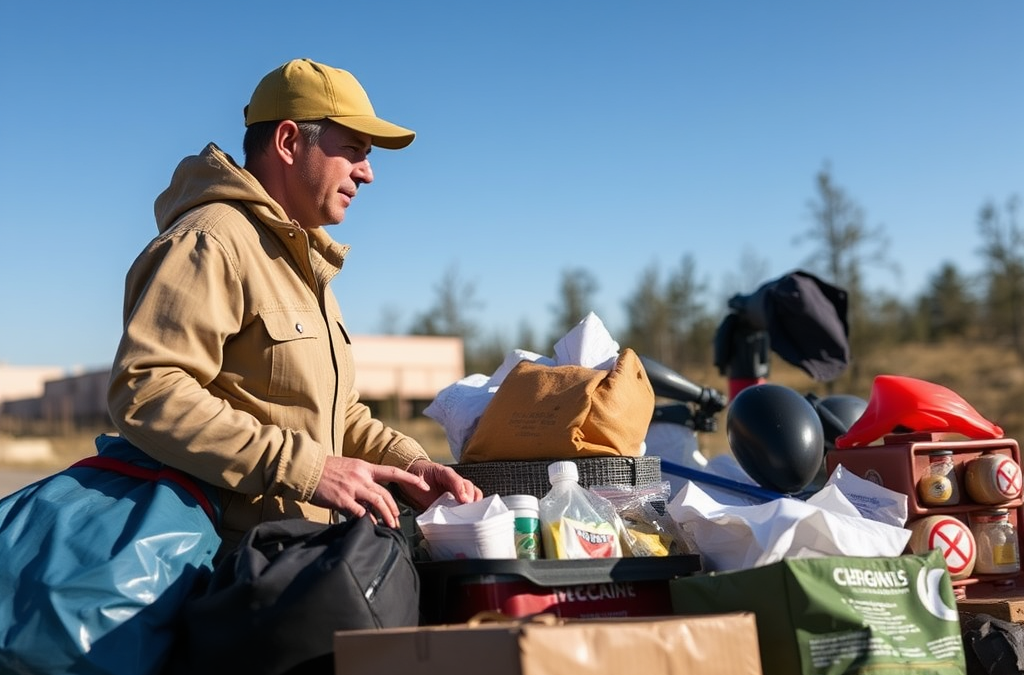
Identifying the types of emergencies you may face is crucial for effective supply prioritization. Emergencies can range from natural disasters like hurricanes and earthquakes to health-related crises such as pandemics or chemical spills. Each type requires different preparations and supplies. For instance, a natural disaster may necessitate non-perishable food and water, while a health crisis may require medical supplies and sanitizers.
Understanding the specific risks associated with your location or lifestyle can help you focus your efforts. For example, those living in flood-prone areas should prioritize waterproof storage for supplies, while those in wildfire zones may need to consider smoke masks and fire-resistant materials. By categorizing emergencies, you can better tailor your supply list to meet the unique demands of each scenario.
Assessing Your Needs
Once you understand the types of emergencies you might encounter, the next step is assessing your specific needs. Consider factors such as the number of people in your household, any special medical requirements, and pets. For example, families with young children may need baby formula and diapers, while those with elderly members might require specific medications and mobility aids.
Additionally, think about the duration of potential emergencies. Supplies for a short-term power outage will differ significantly from those needed for a long-term evacuation. A thorough assessment allows for a more personalized approach, ensuring that your supply list addresses the most pressing needs first.
Creating a Prioritized Supply List
Creating a prioritized supply list involves organizing items based on urgency and necessity. Start with essentials that support basic survival: clean water, non-perishable food, and first aid supplies. Following these, include items that enhance safety and comfort, such as flashlights, batteries, and blankets. It’s wise to categorize supplies into tiers: immediate needs, short-term needs, and long-term supplies.
For example, a tiered approach could look like this:
Immediate Needs: Water, food, first aid kit, medications.
Long-term Supplies: Extra food, tools for repairs, long-term medication supplies.
This structured approach ensures you can easily access the most critical items when time is of the essence.
Common Mistakes to Avoid
When prioritizing supplies for emergencies, it’s important to avoid common pitfalls that can undermine your preparedness. One frequent mistake is overloading on supplies that are not relevant to your specific risks. For instance, stockpiling items like camping gear may not be beneficial during a health crisis.
Another mistake is neglecting to update your supplies regularly. Items can expire or degrade over time, so it’s crucial to rotate stock and replace outdated supplies. Additionally, failing to practice emergency drills can lead to confusion during an actual emergency, rendering your preparation ineffective. Regularly review your supply list and practice using your supplies to ensure readiness.
Frequently Asked Questions
What should I include in my emergency supply kit?
Essential items include water, non-perishable food, a first aid kit, medications, a flashlight, batteries, and hygiene products.
How often should I check my emergency supplies?
It's advisable to review and update your emergency supplies at least every six months to ensure everything is current and functional.
How can I prioritize supplies for different emergencies?
Assess the types of emergencies you might face, then create a tiered list of supplies based on urgency and necessity for each scenario.
What are common mistakes in emergency preparedness?
Common mistakes include stockpiling irrelevant items, neglecting to update supplies, and failing to practice emergency drills.
How much water should I store for emergencies?
A general guideline is to store one gallon of water per person per day for at least three days, for drinking and sanitation.
Further Reading
Authoritative Sources
Ready.gov ready.gov
This site offers comprehensive resources on emergency preparedness and planning
American Red Cross redcross.org
Find guides and resources for creating emergency kits and plans
CDC Emergency Preparedness cdc.gov
Access information on health-related emergencies and necessary supplies
Conclusion
Prioritizing supplies for specific emergencies is essential for effective preparedness. By understanding the types of emergencies you may face and assessing your needs, you can create a tailored supply list that meets your most pressing demands. Regularly update your supplies and practice emergency responses to enhance your readiness. Taking these steps ensures that you will be well-equipped to handle any crisis that arises.
Understanding the Initial Costs of Prepping Supplies
The hidden costs of prepping supplies begin with the initial investment needed to acquire essential items. While many focus solely on the price tags of food, gear, and tools, it’s vital to recognize that these costs can multiply quickly. For instance, buying bulk food supplies might seem economical, but if you factor in the need for proper storage containers, oxygen absorbers, and moisture control, the expenses can escalate. Additionally, specialized equipment like water purifiers or solar generators can significantly impact your budget.
Another aspect to consider is the quality of the supplies you choose. Cheaper options may save money upfront but could lead to higher long-term costs due to lower effectiveness or shorter shelf life. Investing in quality gear and food can mitigate future expenses related to replacements or failures, but this requires careful planning and research to ensure you’re making wise choices.
Ongoing Expenses: Storage and Maintenance
Once you’ve acquired prepping supplies, ongoing expenses related to their storage and maintenance become apparent. Many preppers underestimate the cost of adequate storage solutions. Properly storing supplies requires not only space but also climate control to prevent degradation. For example, storing canned goods in a damp basement can lead to rusting and spoilage, while extreme heat can compromise food quality.
Moreover, routine maintenance is crucial for items like generators and fire-starting tools. Regular checks and potential repairs can add to your overall costs. Failure to account for these ongoing expenses can lead to unpreparedness during emergencies, as malfunctioning equipment can compromise your readiness.
Spoilage and Replacement Costs
Spoilage is a significant hidden cost that preppers often overlook. Food items, even those with long shelf lives, can spoil if not stored correctly, leading to wasted resources. For instance, freeze-dried foods may last for years, but once opened, they have a limited window of usability. Understanding the rotation of supplies and implementing a ‘first in, first out’ system is essential to minimize spoilage.
Replacement costs also factor into long-term prepping strategies. Emergency supplies may need to be replaced after a certain period, especially perishable items or batteries. Budgeting for these replacements is crucial to maintain a state of readiness without unexpected financial strain.
Assessing Your Budget for Long-Term Preparedness
To effectively manage the hidden costs of prepping supplies, a thorough budget assessment is necessary. Start by listing all potential expenses, from initial purchases to ongoing maintenance and replacement costs. This comprehensive view can help identify areas where you might be overspending or where savings can be made.
Consider creating a prioritization framework for your supplies, focusing on what is essential versus what is nice to have. This approach can help you allocate funds more efficiently and ensure that you’re investing in supplies that will provide the most benefit during an emergency. Regularly reviewing and adjusting your budget can also help you stay on track and prepared without breaking the bank.
Frequently Asked Questions
What are the most common hidden costs of prepping supplies?
Common hidden costs include storage solutions, maintenance of gear, spoilage of food items, and replacement of expired supplies.
How can I minimize spoilage in my prepping supplies?
To minimize spoilage, store supplies in a cool, dry place, use airtight containers, and implement a rotation system for perishable items.
What types of storage solutions are best for prepping supplies?
Optimal storage solutions include climate-controlled rooms, vacuum-sealed bags, and food-grade buckets for long-term storage.
How often should I check and replace my prepping supplies?
It’s recommended to review your supplies every 6-12 months and replace any items that are nearing expiration or show signs of damage.
Are there any budgeting tips for new preppers?
New preppers should prioritize essential supplies, create a detailed budget, and look for sales or bulk purchasing options to save money.
Further Reading
Authoritative Sources
Ready.gov ready.gov
This government resource provides guidelines on emergency preparedness, including budgeting for supplies
FEMA fema.gov
FEMA offers insights on disaster preparedness and the importance of maintaining a budget for emergency supplies
Preparedness.com preparedness.com
A comprehensive site with articles and resources on prepping supplies and budgeting strategies
Conclusion
Understanding the hidden costs of prepping supplies is essential for effective emergency preparedness. By factoring in not just the initial purchase price but also ongoing expenses related to storage, maintenance, and spoilage, preppers can develop a more sustainable approach. Regularly assessing your budget and making informed choices about supplies will ensure that you remain prepared without overspending. Prioritize quality and practicality to maximize your readiness while minimizing unexpected costs.
Inventory management refers to the systematic approach of overseeing and controlling the ordering, storage, and use of supplies. This process is vital for ensuring that the necessary materials are available when needed while minimizing excess stock. Proper inventory management is particularly important in emergency preparedness, where having the right supplies can mean the difference between safety and vulnerability.
Effective inventory management involves categorizing supplies, tracking their quantities, and regularly updating records. This not only helps in maintaining an adequate supply of essentials but also aids in identifying items that are nearing expiration or are no longer necessary. By understanding the flow of supplies, individuals and organizations can better prepare for unexpected events.
Benefits of a Detailed Inventory
Maintaining a detailed inventory offers several benefits that contribute to overall efficiency and effectiveness. Firstly, it enhances resource allocation by ensuring that supplies are available when required, which is crucial during emergencies. Secondly, it helps in budgeting by providing insights into spending patterns and identifying areas where cost savings can be made.
Additionally, a well-documented inventory reduces the risk of overstocking or stockouts. Overstocking can lead to wasted resources, especially with perishable items, while stockouts can result in critical shortages. Regular inventory checks also facilitate better decision-making, as they provide a clear picture of what is available and what needs replenishing.
Common Mistakes in Inventory Management
Despite its importance, many individuals and organizations make common mistakes in inventory management. One frequent error is neglecting to update inventory records regularly, leading to discrepancies between actual stock and recorded quantities. This can cause confusion and hamper effective decision-making.
Another mistake is failing to categorize supplies properly. Without clear categories, it becomes challenging to locate items quickly, which can be particularly detrimental in emergencies where time is of the essence. Additionally, relying solely on digital systems without backup can lead to issues if technology fails. It’s essential to have a contingency plan for inventory management that includes physical records or alternative systems.
Practical Steps for Effective Inventory Management
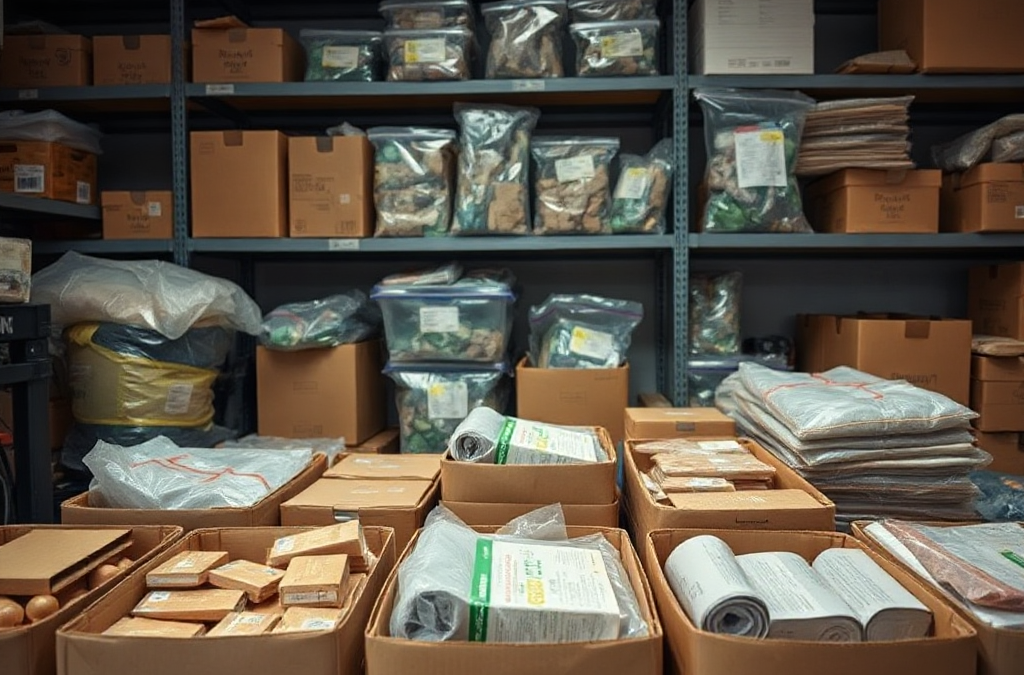
To establish an effective inventory management system, start by categorizing all supplies into logical groups. This could include food, medical supplies, tools, and other essentials. Clearly label each category to facilitate easy access and updates.
Next, implement a consistent tracking method, whether through digital software or manual logs. Regularly schedule inventory checks to update records and assess stock levels. During these checks, look for expired items, damaged goods, or supplies that need replenishing. Consider utilizing the FIFO (First In, First Out) method for perishable items to minimize waste.
All in all, train all relevant personnel on inventory management procedures to ensure everyone understands their roles in maintaining accurate records. This collective responsibility fosters accountability and enhances the overall effectiveness of the inventory system.
Frequently Asked Questions
Why is inventory management crucial for preparedness?
Inventory management is crucial for preparedness as it ensures that necessary supplies are readily available during emergencies, minimizing risks and enhancing safety.
How often should I check my inventory?
It is advisable to check your inventory at least quarterly, or more frequently if you have perishable items to ensure optimal stock levels.
What are the best practices for categorizing supplies?
Best practices for categorizing supplies include grouping items by type, usage frequency, and expiration dates to make tracking and access easier.
What is the FIFO method?
The FIFO (First In, First Out) method involves using older stock before newer stock, which is especially important for perishable items to reduce waste.
What technology can help with inventory management?
Inventory management software can aid in tracking supplies efficiently, providing real-time updates and analytics for better decision-making.
Further Reading
Authoritative Sources
FEMA Resources fema.gov
Explore guidelines on emergency preparedness and inventory management from the Federal Emergency Management Agency
American Red Cross redcross.org
Find resources on emergency supplies and how to manage them effectively
Conclusion
Maintaining a detailed inventory of supplies is essential for effective resource management, especially in emergency situations. By understanding the importance of inventory management, recognizing common pitfalls, and implementing practical steps, individuals and organizations can ensure they are well-prepared for unforeseen circumstances. Prioritizing regular inventory checks, proper categorization, and effective tracking methods will enhance readiness and minimize waste. Start organizing your supplies today to safeguard against future emergencies.