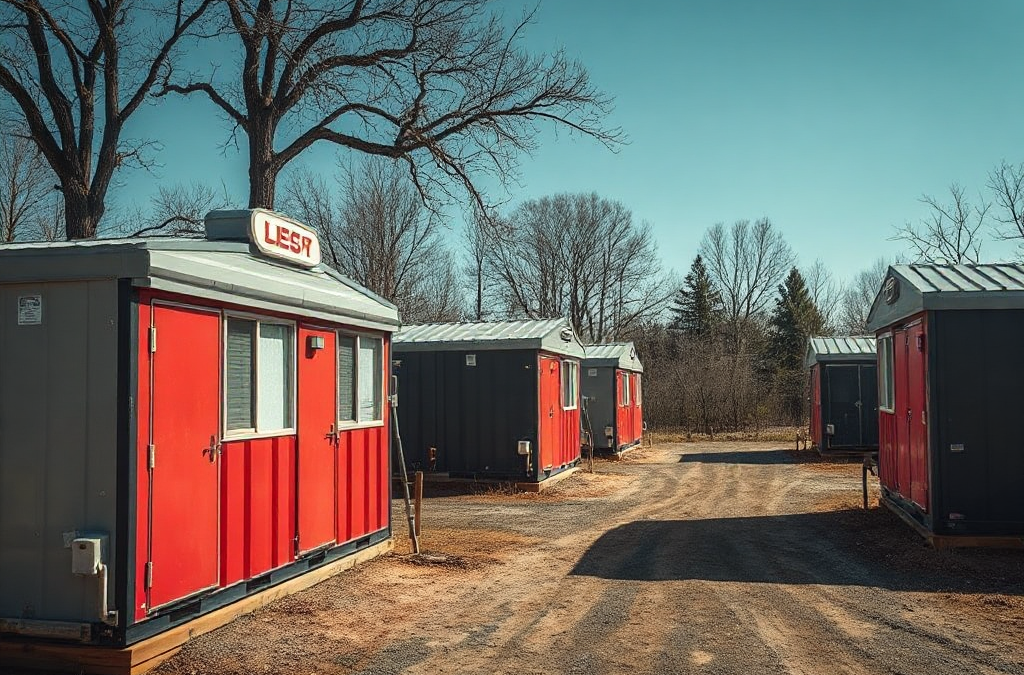
Accessibility is a crucial factor when determining emergency shelter locations. Shelters must be reachable by those in need, including individuals with disabilities or mobility issues. Evaluate existing transportation routes, such as major roads or public transit systems, to ensure they can handle the influx of people during an emergency.
For example, a shelter located near a highway or public transit hub may be more accessible than one situated in a remote area. Additionally, consider potential barriers, such as rivers or mountains, that could impede access. The goal is to select locations that minimize travel time and difficulties for evacuees.
Safety and Hazard Assessment
Assessing safety from various hazards is essential for selecting emergency shelter sites. Identify areas that are less vulnerable to natural disasters, such as floods, earthquakes, or wildfires. Conduct hazard mapping to visualize risks and avoid placing shelters in high-risk zones.
For instance, a community situated in a floodplain should avoid establishing shelters in that area. Instead, choose higher ground that is less likely to be affected by flooding. Regularly review and update safety assessments to account for changes in environmental conditions or urban development.
Proximity to Essential Services
Emergency shelters should be located near essential services to support evacuees effectively. This includes access to medical facilities, food supply sources, and sanitation services. Proximity to these services can significantly enhance the shelter’s effectiveness and the well-being of those housed within.
For example, a shelter near a hospital can provide critical medical care to those in need, while access to grocery stores ensures that food supplies are readily available. Evaluate community resources and collaborate with local service providers to establish a network of support around chosen shelter locations.
Community Needs and Capacity
Understanding community needs is vital when identifying emergency shelter locations. Engage with community members to gather input on their preferences and concerns regarding shelter locations. Consider factors such as cultural sensitivities and the unique needs of vulnerable populations, including children, the elderly, and individuals with disabilities.
Capacity is another important aspect. Assess how many people each potential shelter can accommodate and ensure it aligns with the expected population during emergencies. For example, a school gymnasium may serve as a shelter but might have limitations on how many people it can effectively support. Planning for these factors ensures that the selected locations can adequately serve the community in times of crisis.
Frequently Asked Questions
What should I consider when choosing an emergency shelter location?
Consider accessibility, safety from hazards, proximity to essential services, and community needs.
How do I assess safety from hazards for shelter locations?
Conduct hazard mapping and evaluate risks such as floods, fires, and earthquakes to avoid high-risk areas.
Why is proximity to essential services important for shelters?
Proximity ensures that evacuees have access to medical care, food, and sanitation, improving their overall well-being.
How can I engage the community in shelter planning?
Hold community meetings, surveys, and discussions to gather input on shelter preferences and needs.
What is the ideal capacity for an emergency shelter?
The ideal capacity varies by community size and needs; assess how many people the location can accommodate comfortably.
Further Reading
Authoritative Sources
Ready.gov Emergency Planning ready.gov
This resource provides comprehensive information on emergency planning, including shelter location considerations
FEMA Shelter Guidelines fema.gov
FEMA's guidelines offer insights into effective shelter planning and safety assessments
American Red Cross Emergency Response redcross.org
The Red Cross provides resources on emergency response, including sheltering strategies and community engagement
Conclusion
Identifying the best locations for emergency shelters requires careful consideration of accessibility, safety, proximity to essential services, and community needs. Prioritize locations that can effectively serve the population during crises, ensuring that shelters can accommodate evacuees while providing necessary support. Engage with the community regularly to refine shelter plans and address evolving needs, ultimately enhancing emergency preparedness and resilience.
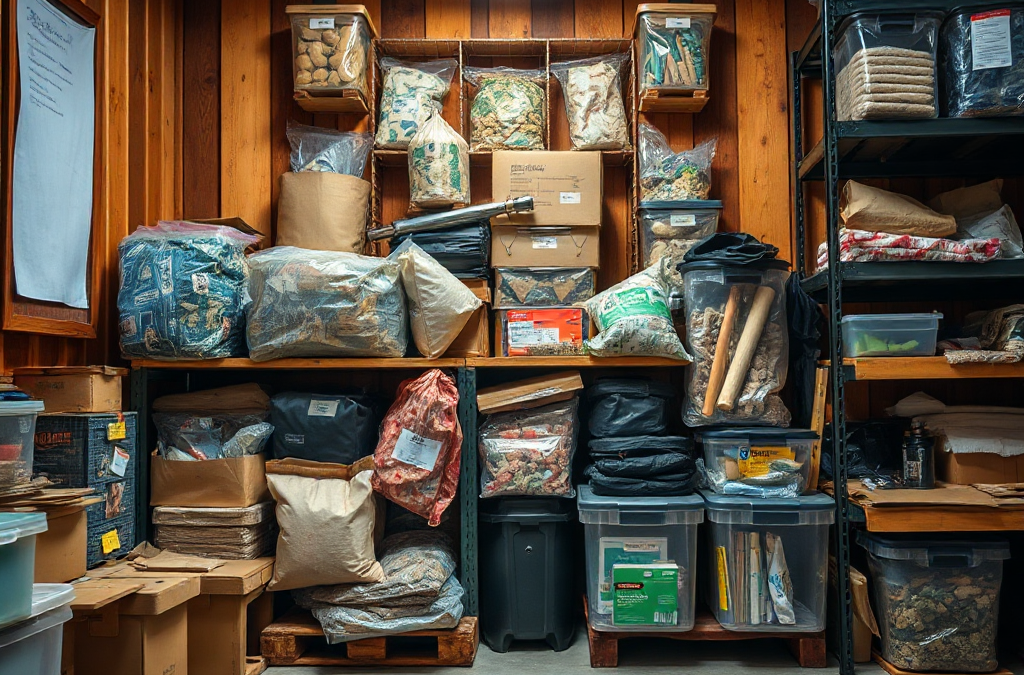
Storing large quantities of prepper supplies often begins with recognizing the limitations of available space. Many preppers face challenges in urban environments where storage areas are confined. This limitation can lead to inefficient use of space and may hinder the ability to stockpile essential items. To combat this, consider vertical storage solutions, such as shelving units and wall-mounted racks, which maximize the use of vertical space.
Additionally, utilizing underutilized areas like attics, basements, and even under furniture can create more room for supplies. Assessing the dimensions and layout of your storage area is crucial. For instance, using clear bins can help stack items while maintaining visibility, thus preventing the need to dig through boxes to find necessary supplies.
Effective Organization Techniques
Once space is optimized, the next challenge is organizing supplies effectively. A disorganized storage area can lead to wasted time and resources, as finding specific items becomes increasingly difficult. Implementing a labeling system is vital; categorize items by type, expiration date, or usage frequency. This not only speeds up access but also aids in inventory management.
Moreover, maintaining a detailed inventory list can enhance organization. Digital tools or simple spreadsheets can allow for real-time updates on stock levels and expiration dates, ensuring that supplies are rotated and used effectively. Regularly scheduled inventory checks can help identify items that need to be used soon, thus preventing waste.
Preservation Methods for Different Supplies
Preservation is critical in maintaining the viability of prepper supplies, especially perishable items. Different types of supplies require various preservation methods. For example, canned goods and dry foods often have long shelf lives, but they still need to be stored in a cool, dry place to prevent degradation. Consider investing in climate control options like dehumidifiers to maintain optimal storage conditions.
For more sensitive items, such as seeds or medicinal herbs, vacuum sealing can extend their shelf life significantly. Additionally, employing methods like freezing or dehydration for food items can preserve their nutritional value. Understanding the specific needs of each type of supply ensures that they remain usable when needed most.
Common Mistakes in Storage
Even seasoned preppers can fall victim to common storage mistakes. One significant error is neglecting the importance of rotation. Supplies should be used in the order they were acquired to ensure nothing goes to waste. Implementing the First In, First Out (FIFO) method can help mitigate this risk.
Another common mistake is underestimating the impact of environmental factors on supplies. Storing items in areas prone to moisture or extreme temperatures can lead to spoilage or deterioration. Regularly monitoring storage conditions and making necessary adjustments is vital to maintaining an effective prepper supply cache.
Frequently Asked Questions
What types of storage solutions are best for prepper supplies?
Using shelving units, clear bins, and vacuum-sealed containers can optimize space and organization for prepper supplies.
How can I prevent spoilage of food supplies?
Store food in cool, dry places, use vacuum sealing for perishables, and regularly check expiration dates to prevent spoilage.
What is the FIFO method?
The FIFO method stands for First In, First Out, which means using older supplies before newer ones to reduce waste.
How often should I check my prepper supplies?
Regular inventory checks every 3-6 months are recommended to ensure supplies are up to date and in good condition.
What common mistakes should I avoid when storing supplies?
Avoid neglecting rotation, underestimating environmental impacts, and failing to label items clearly.
Further Reading
Authoritative Sources
Library of Congress Research Guides guides.loc.gov
Research guides that help readers locate reliable background sources on a wide range of subjects
USA.gov Official Information and Services usa.gov
Official U.S. government information and public resources for practical reference
Google Scholar scholar.google.com
Academic search resource for finding research literature and source material
Conclusion
Successfully storing large quantities of prepper supplies requires strategic planning and organization. By understanding space constraints, employing effective storage techniques, and utilizing proper preservation methods, preppers can create a reliable supply cache. Prioritizing these elements will not only enhance preparedness but also ensure that supplies remain viable when needed most. Regular inventory management and awareness of common pitfalls will further streamline the process, leading to a more effective preparedness strategy.
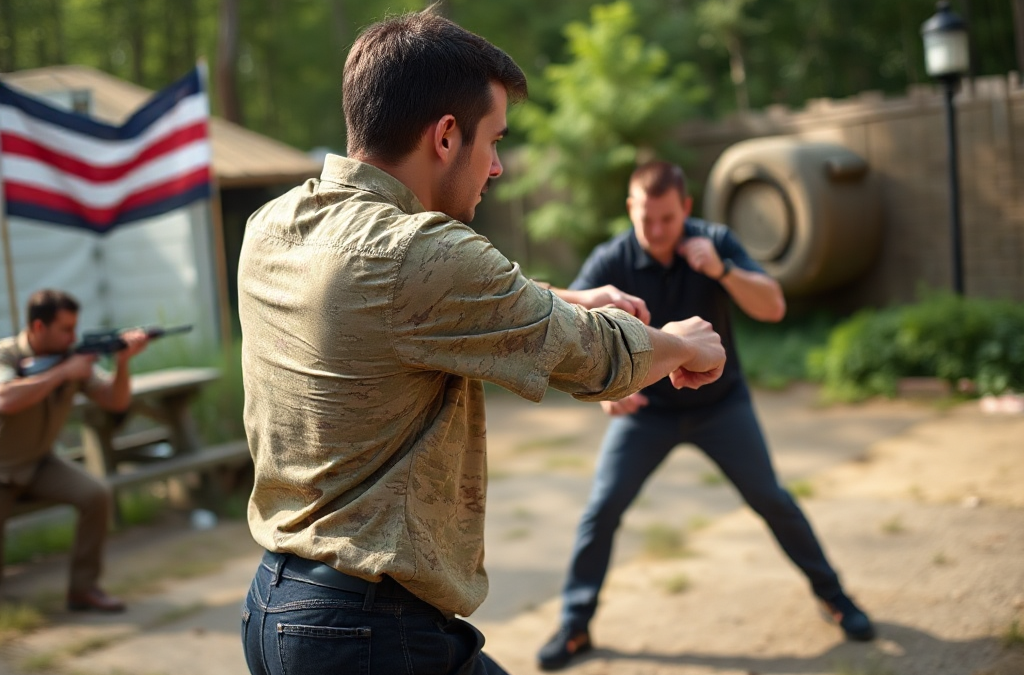
Self-defense training is crucial for preppers as it equips individuals with the skills to protect themselves and their families during emergencies. It encompasses a range of techniques and strategies designed to respond to threats effectively. The primary goal is to avoid confrontation, but when necessary, to defend oneself using appropriate and proportionate force. Understanding the legal implications and ethical considerations of self-defense is also critical, as misuse can lead to serious consequences.
Incorporating self-defense training into your prepper strategy means recognizing that threats can arise unexpectedly. This training should not only focus on physical techniques but also on mental preparedness. Situational awareness, for instance, helps individuals identify potential dangers before they escalate. By understanding the various aspects of self-defense training, preppers can create a comprehensive approach to personal safety.
Key Skills for Preppers
When prioritizing self-defense training, certain skills stand out as particularly valuable for preppers. First, situational awareness is essential; it enables individuals to assess their environment and recognize potential threats. This skill is not just about being alert but involves understanding body language, recognizing suspicious behavior, and planning exit strategies in various settings.
Another crucial skill is defensive tactics, which encompass techniques to evade, block, or counter an attack. Training should focus on practical moves that can be executed under stress. Additionally, conflict de-escalation techniques are important; knowing how to defuse a tense situation can prevent physical confrontations altogether. Training in verbal judo or negotiation can be beneficial in this regard.
Training Methods and Resources
To effectively prioritize self-defense training, preppers should explore various training methods. Enrolling in self-defense classes, such as Krav Maga or Brazilian Jiu-Jitsu, provides hands-on experience and expert guidance. Many local gyms and community centers offer classes specifically designed for beginners, which can help build confidence and competence.
Online resources have also become increasingly useful, offering instructional videos and virtual courses that cover a range of self-defense strategies. However, it’s essential to complement online learning with practical, in-person training to develop muscle memory and effective response mechanisms. Regular practice sessions, ideally in realistic scenarios, will reinforce skills and prepare preppers for real-life situations.
Common Mistakes to Avoid
While pursuing self-defense training, preppers often make several common mistakes that can hinder their progress. One frequent error is neglecting to practice consistently. Skills can diminish over time without regular reinforcement, so creating a training schedule is vital. Additionally, some individuals may focus too heavily on physical strength rather than technique, which can lead to ineffective responses in high-pressure situations.
Another mistake is underestimating the importance of mental preparedness. Self-defense is as much a mental challenge as it is physical. Preppers should work on visualization techniques, role-playing scenarios, and stress management to enhance their decision-making abilities during confrontations. By avoiding these pitfalls, preppers can ensure their self-defense training is both practical and effective.
For those looking to deepen their understanding of self-defense training, consider exploring authoritative resources such as local law enforcement training programs, reputable martial arts schools, and community workshops focused on personal safety. These avenues can provide practical insights and valuable skills.
Frequently Asked Questions
What is the best self-defense technique for beginners?
For beginners, basic striking techniques like punches and kicks, along with escapes from holds, are effective starting points. Learning to maintain distance and using situational awareness is also crucial.
How often should I practice self-defense skills?
Practicing self-defense skills at least once a week is recommended to maintain physical fitness and reinforce techniques. Regular training helps build muscle memory and confidence.
Are there legal considerations for using self-defense?
Yes, self-defense laws vary by location. It’s essential to understand the legal implications of using force, including the concepts of proportionality and necessity in defending oneself.
Can self-defense training help in non-physical confrontations?
Absolutely. Self-defense training often includes conflict de-escalation techniques that can help individuals defuse potentially violent situations without resorting to physical confrontation.
What should I look for in a self-defense class?
Look for classes that emphasize realistic training scenarios, qualified instructors, and a focus on both physical and mental aspects of self-defense. Classes should also cater to different skill levels.
Further Reading
Authoritative Sources
Library of Congress Research Guides guides.loc.gov
Research guides that help readers locate reliable background sources on a wide range of subjects
USA.gov Official Information and Services usa.gov
Official U.S. government information and public resources for practical reference
Google Scholar scholar.google.com
Academic search resource for finding research literature and source material
Conclusion
Prioritizing self-defense training is a vital aspect of preparedness for preppers. By focusing on key skills such as situational awareness, defensive tactics, and conflict de-escalation, individuals can enhance their ability to respond effectively to various threats. Regular practice and realistic training scenarios are essential for retaining skills and building confidence. Ultimately, a well-rounded approach to self-defense training can significantly increase personal safety and preparedness during emergencies.