One of the most critical emergency supply essentials is securing a reliable stockpile of non-perishable foods. In 2025, experts recommend storing at least a two-week supply per person, focusing on calorie-dense options like canned beans, dried fruits, energy bars, and freeze-dried meals. These foods have long shelf lives and require no refrigeration, making them perfect for unforeseen situations.
When choosing your emergency food supplies, consider dietary needs and preferences. Incorporate gluten-free, vegetarian, or allergy-safe options to ensure everyone in your family is covered. Additionally, rotate your stock every 6-12 months to keep supplies fresh and ready for emergencies.
Alongside food, water is paramount. The CDC advises storing at least one gallon of water per person per day for at least three days. Invest in robust water containers, and consider water purification options like filters or tablets for longer-term preparedness. Water storage should be located in cool, dark places to prevent algae growth and contamination.
<!– EXTERNAL LINK OPPORTUNITY: Link to authoritative guidelines from FEMA or CDC */}
2. First Aid Kit
Comprehensive First Aid Supplies
Having a well-stocked first aid kit is a cornerstone of emergency supply essentials. In 2025, advancements in portable medical devices make it easier to treat minor injuries on the spot. Your kit should include bandages, antiseptic wipes, scissors, gloves, pain relievers, and any necessary prescription medications. Remember to update your supplies annually to ensure effectiveness.
For added versatility, consider kits tailored for specific circumstances, such as burns, cuts, or choking. Including items like instant cold packs and trauma shears can be life-saving, especially during natural disasters or accidents!
Training your household members on basic first aid procedures is equally vital. Many organizations offer virtual courses that can boost confidence and response times during emergencies. Properly maintained first aid supplies can significantly reduce complications and aid recovery.
3. Portable Power Sources
Ensuring Continuous Power
In an emergency, reliable power sources are vital for charging devices, medical equipment, and essential appliances. As of 2025, portable solar chargers, power banks, and backup generators are increasingly efficient and eco-friendly options. Power banks with high capacity can charge smartphones multiple times, ensuring communication remains possible when grid power fails.
Investing in solar-powered solutions also aligns with the growing emphasis on sustainable preparedness. For longer-lasting power, consider portable solar panels that can be set up quickly and used repeatedly. Theyâre ideal for remote areas or extended outages.
Tip: Always keep your power sources fully charged and store them in an accessible area. Consider also portable multi-adapters and universal charging cables to connect various devices easily during crises.
4. Personal Protective Equipment (PPE)
Protecting Yourself and Your Family
PPE continues to be a crucial emergency supply essentials category in 2025, especially with ongoing health concerns globally. Masks, gloves, goggles, and respiratory protection like N95 masks help prevent the spread of germs and protect against airborne hazards.
Stock enough PPE to cover all household members for at least two weeks. Sustainable options such as reusable masks and washable gloves are increasingly popular, reducing waste and cost over time. Proper storage and regular replacement of PPE are vital to maintain effectiveness.
Educate your family on correct PPE usage and disposal. During emergencies, such as pandemics or chemical spills, this gear can be the difference between safety and significant health risks. Make PPE part of your foundational emergency supply essentials.
5. Communication Devices
Staying Connected When It Matters Most
In 2025, reliable communication devices are among the most critical emergency supply essentials. Traditional cell phones are essential, but having alternative options like battery-powered radios, satellite phones, or two-way radios can ensure connectivity, even during power outages or when cellular networks fail.
Consider a multi-band emergency radio that can pick up weather alerts, news updates, and emergency broadcasts. Solar-powered or hand-crank models are highly recommended for their independence from conventional power sources.
Proactively sharing emergency plans and contact information across devices helps prevent confusion during crises. It’s also wise to keep spare batteries and charging cables in your supplies to maximize device uptime during prolonged events.
6. Essential Hygiene Items
Maintaining Cleanliness and Health
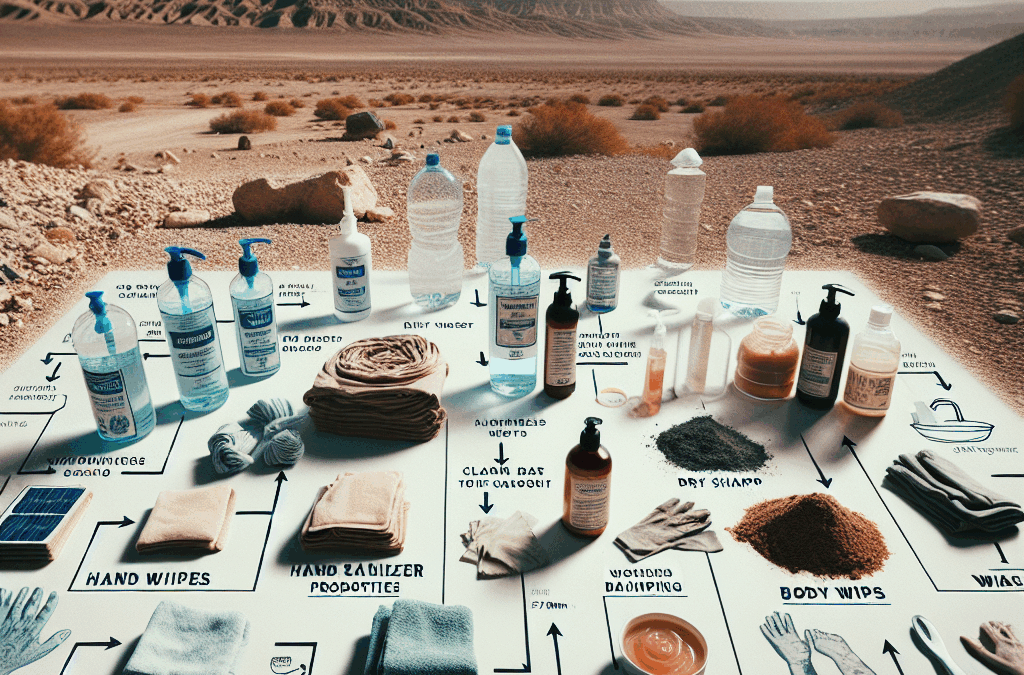
Keeping up with hygiene is often overlooked but remains vital in disaster preparedness. In 2025, stockpiling soap, hand sanitizer, moist towelettes, and feminine hygiene products can help prevent illness and maintain dignity during emergencies.
Include disinfectants and sanitation supplies to manage waste and reduce germs. Portable sanitation kits and collapsible toilets can be beneficial if traditional facilities are unavailable.
Good hygiene practices can drastically cut down the spread of infections. Make sure to train household members on proper hygiene techniques, especially when resources are scarce. Hygiene essentials are a key part of the emergency supply essentials list for safeguarding health in unpredictable situations.
7. Emergency Shelter Solutions
Protection from the Elements
An effective emergency supply essentials list must include shelter options. Lightweight tents, tarps, sleeping bags, and thermal blankets provide immediate protection from harsh weather conditions in 2025.
Look for multi-purpose shelters that are easy to set up and transport. Compact, weather-resistant tents are ideal for both short-term and long-term scenarios, especially during natural disasters like hurricanes or wildfires.
Investing in high-quality shelter gear ensures safety, warmth, and comfort amid chaos. Remember, planning for shelter and warmth is critical to prevent hypothermia, heatstroke, or exposure-related injuries during emergencies.
8. Important Documents & Cash
Ensuring Legal and Financial Security
In unpredictable events, having your essential documents secured and accessible can make a significant difference. Digital copies stored securely in encrypted cloud services or on portable drives can help restore identity and insurance info quickly.
Physical copiesâsuch as IDs, passports, insurance policies, and medical recordsâshould be stored in waterproof, fireproof containers. Additionally, a supply of cash in small denominations can be invaluable when electronic transactions arenât possible.
Preparing and organizing these items in advance ensures you won’t waste precious time searching for critical papers during emergencies. This data-driven approach to emergency supply essentials safeguards your financial and legal interests in 2025 and beyond.
9. Multi-Tools and Utility Devices
Versatile Tools for Crisis
Multi-toolsâcompact devices with pliers, knives, screwdrivers, and bottle openersâare a staple of emergency supply essentials. They help with repairs, food prep, and general maintenance when resources are limited.
For 2025, look for models made from durable, corrosion-resistant materials with multiple functions tailored for survival situations. Adding utility devices such as duct tape, paracord, and waterproof matches can further enhance your toolkit.
Having a well-organized multi-tool kit can save time and effort, ensuring youâre prepared for small repairs or survival tasks during crises. Prioritize quality and versatility to maximize your emergency preparedness.
10. Lighting and Signaling Devices
Illumination and Rescue Signals
Lighting is one of the most visible emergency supply essentials in 2025. Flashlights, headlamps, lanterns, and glow sticks are critical for visibility at night or in dark environments. Solar-powered options are especially popular this year, ensuring sustainable power.
Signaling devices like whistles, flares, mirrors, or flare lights can help rescuers locate you. Bright, reflective materials can also serve as low-tech signaling aids, especially in outdoor settings.
Invest in durable, waterproof lighting and signaling gear, and keep spare batteries or charging solutions handy. Proper illumination not only guides safety but can also prevent accidents during emergencies.
Conclusion
In 2025, understanding and assembling the proper emergency supply essentials is more important than ever. Whether youâre preparing for natural disasters, power outages, or health crises, having the right items can make all the difference. From reliable food and water stockpiles to essential communication and safety gear, each component helps you stay safe, resilient, and ready for the unexpected.
Remember, the key to effective emergency preparedness is regular review and practice of your plans. Stay informed about new innovations, updates, and best practices to ensure your emergency supply essentials remain current and effective. Prioritize your safety today by building a comprehensive kit suited for 2025’s diverse challenges.
By investing in these 10 emergency supply essentials, youâre taking proactive steps toward protecting yourself and your loved ones. Stay prepared, stay safe!
Frequently Asked Questions
Q1: What are the most important emergency supply essentials for 2025?
The most important items include food and water supplies, first aid kits, portable power sources, PPE, communication devices, hygiene products, shelter solutions, essential documents, multi-tools, and lighting equipment.
Q2: How much food and water should I stockpile for emergencies in 2025?
Aim for at least a two-week supply of non-perishable food per person and a minimum of one gallon of water per person daily, stored in a cool, dark place. Always tailor your stocks based on household size and specific needs.
Q3: How often should I update my emergency supply essentials?
Review and rotate your supplies every 6-12 months to ensure freshness and functionality. Check expiration dates on food, medications, and batteries regularly to stay prepared.
Q4: Why are communication devices considered an emergency supply essential?
They help maintain contact with emergency services, family members, and authorities during crises. Reliable communication devices like radios and satellite phones are crucial when traditional networks are down.
Q5: How can I make my emergency preparedness more sustainable in 2025?
Opt for solar-powered devices, reusable PPE, and eco-friendly supplies. Education on proper usage and regular drills also help ensure your readiness is both effective and environmentally conscious.
Before you learn how to build a go bag, itâs crucial to understand your specific needs. Are you in a flood-prone area, prone to hurricanes, or facing frequent power outages? Your environment heavily influences what supplies and equipment you should include. For instance, a city dweller may prioritize urban survival items, while someone in rural areas might need tools for outdoor scenarios.
Determining your risk level helps you customize your go bag for emergencies you are most likely to encounter. According to recent statistics, over 40% of Americans face natural disaster threats regularly, emphasizing the need for tailored emergency preparedness.
If you’re unsure, start by reviewing your local emergency alerts and historical disaster data. That way, your go bag becomes personalized, making it more effective when an emergency strikes.
Assessing Personal and Family Needs
Each person in your household may have different needs. Children, elderly family members, pets, and individuals with medical conditions all require specific items. Learning how to build a go bag involves considering all family members’ necessities, including medication, special foods, or comfort items.
For example, if you have a family member with allergies, include allergy medications. If pets are part of your family, donât forget pet food, leashes, and bowls. Customizing your go bag ensures everyoneâs safety and comfort during an emergency.
Plan for at least 72 hours of self-sufficiency, since many emergencies may prevent immediate aid or resupply. This proactive approach keeps your family prepared for any unexpected situation.
2. Choose the Right Bag
Selecting a Durable and Appropriate Size
The choice of a bag plays a vital role in successful emergency preparedness. When you think about how to build a go bag, consider a bag that is durable, water-resistant, and well-structured. Backpacks, duffle bags, or tactical bags are popular options, but the key is to pick one that fits your needs and lifestyle.
For most adults, a 30-50 liter backpack offers an ideal balance of space and portability. It should be sturdy enough to withstand rough conditions and have multiple compartments for organized packing. For longer-term or more extensive supplies, a wheeled suitcase might be suitable, especially if mobility is less of a concern.
Ensure the bag is comfortable to carry, with padded straps and ergonomic support, especially if you need to walk or hike with it. Test the bag with weight beforehand to ensure ease of transport during an emergency.
Material and Features to Consider
Opt for a bag made of high-quality, tear-resistant materials like nylon or polyester. Features like waterproof zippers, reflective strips, and hydration hose ports enhance functionality. Compartments for quick access to essentials like first aid kits or maps are also useful.
Think about adding a rain cover or a separate compartment for dirty or wet items. These small features improve the usability of your go bag in harsh conditions, helping you stay organized and prepared.
Remember, the right bag is a cornerstone of effective emergency preparedness, and it shouldn’t be overlooked in your plan on how to build a go bag.
3. Pack Essential Emergency Supplies
Food, Water, and Nutrition
Staying fed and hydrated is critical during emergencies. In 2025, recommendations suggest carrying at least one gallon of water per person per day, which equates to a three-day supply of about 9 gallons for a family of three. Consider including water purification tablets or a compact water filter for longer-lasting solutions.
For food, opt for lightweight, non-perishable items like energy bars, freeze-dried meals, and trail mixes. These provide essential calories without adding excess weight. Remember, food durability is vitalâcheck expiration dates regularly and replace as needed.
Pro tip: Incorporate a small portable stove with fuel if your situation might require cooking or boiling water. Proper planning of your food and water supplies is fundamental to your safety and comfort during critical moments.
First Aid and Medical Supplies
Having a comprehensive first aid kit is non-negotiable. Your kit should cover basic injuries like cuts, burns, sprains, and common medical needs. Include bandages, antiseptic wipes, pain relievers, antihistamines, and any specific medications for family members.
Include personal health items such as prescription medications, gloves, masks, and thermometers. For added preparedness, consider including a CPR mask and emergency blankets.
Research shows that a well-stocked first aid kit can significantly reduce the health impact of minor injuries and even save lives during larger disasters. Regularly check and update your supplies to keep your first aid kit current.
4. Include Important Documents and Personal Items
Storing Essential Documents Safely
One of the most critical aspects of understanding how to build a go bag is ensuring your vital documents are protected and accessible. Store photocopies or digital backups of passports, driverâs licenses, health insurance cards, birth certificates, and financial information.
Use waterproof, fire-resistant containers or zip-lock bags. Keeping these items organized ensures you can quickly access and verify your identity or insurance in emergencies.
Incorporate small flash drives containing scanned copies of critical documents for added security. This way, even if physical documents are lost, digital backups stay safe and accessible.
Personal Items and Comfort Items
Grocery cards, cash (preferably small bills), and emergency contact lists are small but powerful additions to your go bag. Consider including personal comfort items, like a favorite book, a photo, or some lightweight entertainment, to help calm anxiety during stressful situations.
Remember, staying mentally resilient is just as important as physical preparedness. Having personal items can provide emotional comfort and help maintain morale during challenging times.
Organizing these items efficiently and ensuring quick access can make a big difference during an emergency response.
5. Prepare for Different Scenarios
Plan for a Variety of Emergencies
When learning how to build a go bag, itâs crucial to anticipate different emergency scenarios: earthquakes, floods, fires, or civil unrest. Each event requires specific preparations. For example, during a wildfire, items like N95 masks and goggles are vital, while in floods, waterproof gear and extra batteries are more critical.
Including versatile supplies ensures your go bag remains useful across multiple situations. Think about items like multi-tools, flashlights, and backup power sources. Also, consider a lightweight, compact radio to stay informed during a power outage.
Review recent trends and local risks in 2025 to adapt your go bag accordingly, making it a comprehensive safety toolkit that covers all bases.
Developing Evacuation and Shelter Plans
Understanding how to build a go bag isn’t complete without planning your evacuation routes and shelter options. Keep maps and local emergency contact information in your bag for quick reference.
Practice different evacuation scenarios with your family so everyone understands the plan. This preparation can reduce panic and delay during an actual emergency.
Building a multi-scenario approach ensures youâre covered, whether you’re facing sudden evacuation or long-term shelter-in-place.
6. Organize and Maintain Your Go Bag
Proper Packing and Labeling
Efficient organization is essential when learning how to build a go bag. Use clear, labeled compartments and packing cubes to keep items sorted. Group similar items, like medical supplies or food, together to make retrieval quicker.
Label the outside of your bag with contact information and emergency instructions. Compact packing not only saves space but also ensures you can find what you need swiftly during a crisis.
Check your packing system regularly, replacing expired supplies and adjusting the contents based on seasonal changes or new family needs.
Regular Maintenance and Updates
A go bag isn’t a set-it-and-forget-it item. Schedule quarterly reviews to ensure supplies are in good condition and current. Update personal documents, medication, and food supplies at least annually.
Keeping your go bag fresh and ready reduces the risk of encountering unusable supplies during an emergency. Itâs a practical, proactive step that boosts confidence in your preparedness plan.
Remember, consistency in maintenance is key to keeping your emergency readiness at peak level in 2025.
7. Test and Update Your Go Bag Regularly
Conducting Drills and Practice Runs
Practicing with your go bag is the best way to ensure everything functions as expected. Conduct family drills annually, simulating various scenarios like fire evacuations or shelter-in-place orders.
Pay attention to how easily the bag is carried, accessibility of supplies, and clarity of your evacuation plan. Note any issues or delays encountered during practice runs, then refine your setup accordingly.
These exercises build confidence and familiarity, making real emergencies less stressful and more manageable for everyone involved.
Staying Up-to-Date with New Products and Trends
In 2025, new safety gear and technology emerge regularly. Keep informed about the latest advancements in emergency preparedness tools. Upgrading your go bag with innovative, lightweight, and efficient items can boost your survival chances.
Join online communities and read expert blogs to stay current on trends and best practices. Remember, a well-maintained go bag is a vital component of your overall safety strategy.
Consistent review and improvement are the final steps in mastering how to build a go bag that truly provides peace of mind.
Frequently Asked Questions
How often should I update my go bag?
Itâs recommended to review and update your go bag every 3-6 months, replacing expired supplies and adjusting for seasonal needs.
What are the most important items to include in my go bag?
essentials include water, non-perishable food, first aid supplies, important documents, clothing, flashlight, and personal medications.
How can I learn how to build a go bag?
Start by assessing your needs, choosing suitable gear, and following comprehensive guides like this one. Practice and regular updates are key.
Are there specific go bag kits recommended for beginners?
Yes, many emergency preparedness brands offer ready-to-pack kits that can serve as a good starting point, which you can customize based on your needs.
Whatâs the biggest mistake when building a go bag?
One common mistake is failing to tailor the contents to your local risks and personal needs. Avoid generic kits, and customize your pack for maximum effectiveness.
Final Thoughts
Effectively learning how to build a go bag is an essential step toward ensuring your safety and peace of mind in 2025. Whether you’re preparing for natural disasters, civil emergencies, or unforeseen events, a well-packed go bag is your portable safety toolkit. By understanding your unique needs, choosing the right gear, and maintaining your supplies, you can confidently face any emergency scenario. Remember, preparedness saves livesâstart building your go bag today!
In 2025, storms are becoming more unpredictable due to climate change, making it essential to have a well-thought-out emergency plan. A clear plan helps reduce panic and confusion during a storm, allowing you and your family to act swiftly. Iâve seen firsthand how families with a solid plan evacuate faster and recover more efficiently after severe weather events.
Your emergency plan should include designated meeting spots, communication protocols, and roles assigned to each family member. For example, decide who will handle pets, who will gather important documents, and how to stay in touch if separated.
Remember, an effective storm preparedness checklist isnât just about having suppliesâitâs about knowing what to do and when. Review your plan every year, especially as new storm patterns emerge in 2025.
Creating a Step-by-Step Action Guide
Break down your plan into simple, actionable steps. Map out evacuation routes using official government resources and practice the route with family members. It’s also helpful to simulate storm scenarios to identify gaps in your plan.
Provide contact information for local shelters and emergency services, and include backup options if your primary plans fall through. Practicing these steps makes the plan second nature during real storms.
Having a documented and rehearsed plan can be a lifesaver during high-stress situations, ensuring safety for everyone involved.
2. Prepare an Emergency Kit
Essential Items for Your Kit
A well-stocked emergency kit is fundamental to your storm preparedness checklist. In 2025, the recommended supplies include non-perishable food, water (at least one gallon per person per day for three days), first aid supplies, and necessary medications.
Donât forget batteries, flashlights, a portable phone charger, and hygiene items. I recommend storing at least a three-day supply for each family member, including infants and pets.
Having these supplies on hand ensures youâre ready to endure power outages or being stranded during a storm. Keep your kit in an accessible location known to all family members.
Storing and Maintaining Your Kit
Review and update your emergency kit every six months, especially in spring and fall when storm season peaks. Replace expired food and medicines, test batteries, and refresh water supplies. Proper storage in waterproof containers prevents damage and contamination.
Label items clearly for easy access, and consider adding special items for elderly family members or anyone with unique needs. By maintaining your kit diligently, you’ll reduce stress and improve your community’s resilience in 2025.
3. Stay Informed with Weather Alerts
Utilizing Technology and Alerts
Real-time weather updates are more reliable in 2025 than ever before, thanks to advanced technology and government alert systems. Sign up for alerts from the National Weather Service, local emergency agencies, and weather apps.
Many smartphones allow you to customize alerts based on your location, ensuring you get timely notifications about approaching storms. I always recommend enabling emergency alerts on your devices to stay updated even when your app isnât active.
Additionally, consider investing in NOAA weather radios that provide continuous broadcasts of severe weather warningsâ invaluable during power outages.
Interpreting Weather Data Effectively
Understanding weather forecasts can help you decide when to take immediate action. Look for storm track models and predicted wind speeds to assess risk levels. In 2025, predictive analytics have improved, giving communities a better window for preparation.
Follow reputable sources and avoid rumors that can cause unnecessary panic. Staying informed is one of the most effective components of your storm preparedness checklist, empowering you to act proactively.
4. Protect Your Property
Strengthening Windows and Doors
In 2025, strengthening your homeâs structure is crucial. Installing storm shutters, impact-resistant windows, and reinforcing garage doors can prevent damage from high winds and flying debris. These investments are cost-effective and can save thousands in repair costs.
I personally recommend using plywood or commercial-grade shutters for quick installation if permanent options arenât feasible. Additionally, sealing any gaps around windows and doors helps minimize water intrusion during heavy rains.
Securing your property not only protects your assets but also enhances safety for everyone inside during a storm.
Landscape Management and External Hazards
Trim trees and remove dead branches that could become projectiles during a storm. Clear gutters and downspouts to prevent flooding around your foundation. In 2025, smart landscaping includes planting wind-resistant native plants that reduce wind impact.
Backyard furniture, loose tools, and outdoor decor should be stored indoors or anchored. This reduces the risk of external hazards and ensures your property remains intact and safe.
5. Secure Important Documents
Organizing Essential Papers
Keeping your important documents safe is a fundamental step in your storm preparedness checklist. Store birth certificates, insurance policies, medical records, and financial documents in a waterproof, fireproof container.
I suggest digitizing these documents and storing copies securely online via encrypted cloud services. This way, you can access them from any location if your physical copies are compromised.
Regularly review and update your documentation to ensure all information is current, particularly before storm seasons peak in 2025.
Protecting Digital Data
Back up essential data regularly and consider investing in secure external drives. Use strong, unique passwords and enable two-factor authentication for online accounts.
In the event your home is affected by a storm, having access to digital records can speed up insurance claims and recovery efforts. Combining physical and digital protection forms a comprehensive approach.
6. Create a Communication Strategy
Staying Connected During a Storm
Effective communication during severe weather is vital. Establish a plan to contact family members, neighbors, and emergency services. Use multiple channelsâcell phones, social media, walkie-talkies, and community alert systems.
Designate a primary contact outside your immediate area who can coordinate updates. Inform everyone about backup communication options if conventional methods fail.
In 2025, many communities are adopting integrated communication platforms that combine alerts, text messaging, and social media updates. Coordinating these tools ensures youâre not left in the dark during a storm event.
Sharing Your Emergency Plan
Make sure all family members and neighbors are familiar with your storm preparedness checklist. Copy and share your plan with trusted contacts and local support networks.
This proactive approach encourages community resilience and ensures vital information reaches everyone when needed most.
7. Plan for Pets and Animals
Including Pets in Your Storm Prep
Pets often get overlooked in storm preparedness, but their safety is equally important. Prepare pet emergency kits with food, water, medications, and familiarity items like toys or blankets.
Identify pet-friendly shelters or accommodations in advance. In 2025, some regions have expanded their pet policies in emergency shelters, making it easier for pet owners to stay together during storms.
Ensure your pets are microchipped and have updated ID tags. These small steps increase the chances of reunion if youâre separated during a storm.
Securing Pet Safety at Home
Keep pets indoors during a storm and create a safe, comfortable space for them. Secure outdoor enclosures and avoid leaving animals outside where they could be exposed to flying debris or flooding.
Having a pet emergency kit as part of your storm preparedness checklist will help you navigate storm events with your furry friends confidently and safely in 2025.
8. Know Evacuation Routes
Planning Ahead for Evacuations
Evacuation plans are a cornerstone of your storm preparedness checklist. Familiarize yourself with local evacuation zones and routes well before a storm approaches. Keep printed maps and digital directions accessible.
In 2025, many cities have updated evacuation routes to improve traffic flow and safety. Practice driving these routes to identify potential bottlenecks or hazards.
Having multiple routes planned and knowing escape points can save critical minutes during an emergency, particularly if roads are compromised or blocked.
Preparing Transportation Options
If you donât own a vehicle, explore community transportation programs or arrange for alternate transportation. Stock your vehicle with emergency supplies and keep it fueled and ready.
Share your evacuation plan with neighbors and family members. Prearranged plans reduce confusion and help ensure everyoneâs safety during storm events in 2025.
9. Ensure Home Insurance Coverage
Review Your Policy Details
Insurance policies can vary in coverage, and in 2025, understanding whatâs included is more critical than ever. Review your policy to confirm it covers storm damage, flooding, and related events.
If necessary, upgrade your plan or add flood insurance, especially if you live in a high-risk area. Proper coverage can significantly reduce financial hardship after storm damage.
Keep records of your homeâs value, recent repairs, and detailed inventories to support claims promptly after a storm.
Working with Insurance Providers
Establish a good relationship with your insurer before storms arrive. Understand the claims process and ask about the timeline for reimbursements.
In 2025, digital claim filing and streamlined assessments can expedite recovery, so familiarize yourself with these modern tools. Being prepared with adequate insurance coverage is a vital part of your storm preparedness checklist.
10. Conduct Regular Drills and Reviews
Practicing Your Storm Preparedness Checklist
Regular drills ensure everyone knows their roles and the layout of your emergency plan. Schedule biannual simulations, especially before peak storm seasons in 2025.
Review your supplies, update documents, and assess the effectiveness of your strategies during each drill. Adjust your plan based on lessons learned, feedback, or new storm information.
Consistent practice builds confidence and reduces panic, making your entire family better prepared to face storms confidently in 2025.
Staying Up-to-Date with Best Practices
Follow weather organizations, community alert systems, and safety experts to stay informed about new best practices. Incorporate technological advancements, such as mobile apps and IoT devices, into your plan.
The more you practice and educate yourself, the stronger your resilience against storms becomes. Continuous evaluation and improvement are key elements of a comprehensive storm preparedness checklist.
Frequently Asked Questions about the Storm Preparedness Checklist
Q1: Why is a storm preparedness checklist important in 2025?
As storms become more severe and unpredictable due to climate change, having a comprehensive storm preparedness checklist ensures that youâre ready to protect yourself, your loved ones, and your property. Staying prepared reduces panic and increases safety during emergencies.
Q2: How often should I review my storm preparedness checklist?
I recommend reviewing and updating your checklist at least twice a year, ideally before the start of storm season in spring and fall. Regular reviews ensure your supplies, plans, and contact information remain current.
Q3: What are the top 3 items on a storm preparedness checklist for families?
Preparing an emergency kit with essential supplies
Developing a clear family emergency plan
Staying informed with reliable weather alerts
Q4: How can I make my home more storm-resistant?
Invest in storm shutters, impact-resistant windows, and reinforce doors. Trim trees and secure outdoor furniture. These steps are crucial parts of your storm preparedness checklist to minimize damage and ensure safety.
Q5: Are there specific tips for storm preparedness in urban vs rural areas?
Urban areas often have better access to evacuation routes, shelters, and emergency services, but may face traffic congestion. Rural areas might have limited resources but more space for safety measures. Customize your storm preparedness checklist accordingly, considering your locationâs unique risks and resources.
Conclusion
In 2025, being thoroughly prepared for storms is not optionalâit’s essential. Following a detailed storm preparedness checklist ensures that you and your loved ones can navigate severe weather events safely and confidently. From securing your property to establishing effective communication and reviewing insurance coverage, every step is vital. Don’t wait for the storm to approachâstart implementing these tips today and stay safe throughout the year. Remember, a proactive approach to storm safety saves lives and minimizes damage.