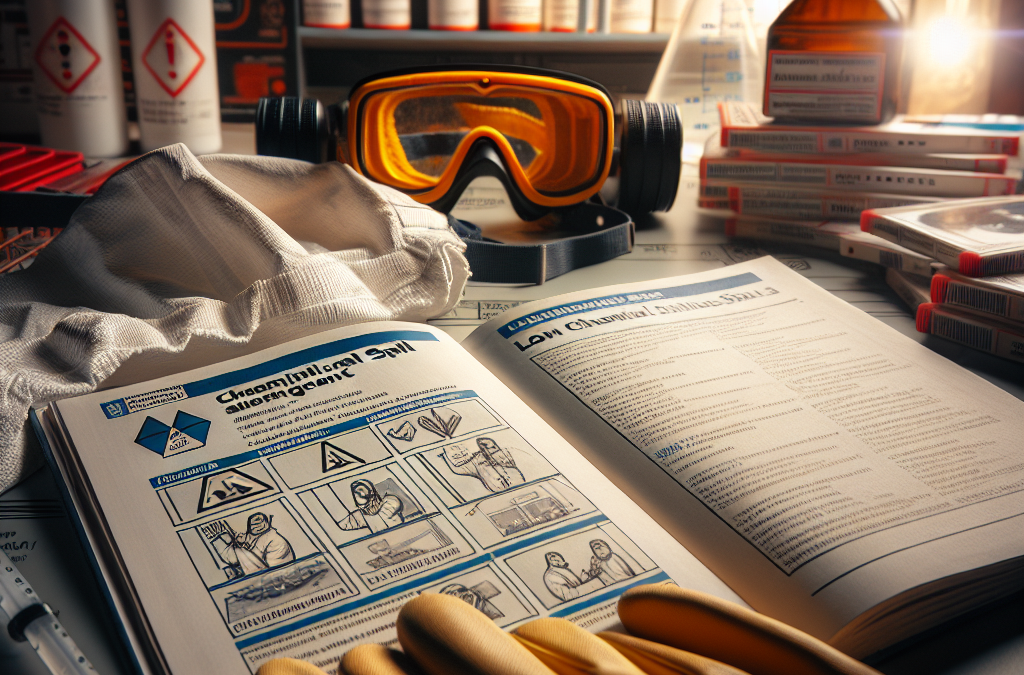
Having a well-prepared emergency kit is a cornerstone of effective home disaster preparedness. In 2025, experts recommend assembling a kit that can sustain your family for at least 72 hours. Essential items include water, non-perishable food, first aid supplies, flashlight, batteries, and personal hygiene items. Donât forget medications and important documents stored in a waterproof container.
For example, during recent hurricanes, families with comprehensive emergency kits could evacuate and survive without scrambling for supplies. Research shows that having an easily accessible kit can reduce stress and improve safety during emergencies.
How and Where to Store Your Emergency Kit
Your kit should be stored in an accessible location known to all family members. Consider placing it in a central location, like a pantry or closet, and keep spare copies of essential documents nearby. Label the kit clearly and ensure it is portable enough to grab quickly during an evacuation.
Regularly check and update your kit, replacing expired food or medications, especially as new products become available. Preparing a dedicated storage bin for your emergency supplies is a practical step to ensure rapid response when disaster strikes.
2. Establish a Family Communication Plan
Creating Clear Communication Strategies
Effective home disaster preparedness involves knowing how to contact each family member if you’re separated. Create a plan that includes primary and secondary contact methodsâsuch as phone calls, text messages, and social media. Make sure everyone knows the contact information of out-of-town relatives or friends as emergency anchors.
It’s crucial to designate specific meeting pointsâboth inside and outside your homeâso everyone knows where to gather after a disaster. Practice the plan regularly with your family to ensure everyone remembers what to do.
Utilizing Technology for Emergency Communication
In 2025, technology plays a vital role in disaster communication. Apps like emergency notification systems and location-sharing services can help families stay connected. Consider investing in devices such as two-way radios or satellite phones for areas prone to power outages or network failures.
Regular drills and updates to your communication plan can make a significant difference during the chaos of a disaster. Make sure your plan is adaptable to different scenarios, including power outages and infrastructure failures.
3. Safeguard Your Home Against Disasters
Structural Reinforcements
Strengthening your homeâs structure is key to home disaster preparedness. This includes installing storm shutters, reinforcing garage doors, and securing the roof. Modern building codes in 2025 emphasize disaster-resistant construction, so consult with a professional to upgrade your home accordingly.
For example, retrofitting older homes to withstand earthquakes or high winds can save lives and reduce repair costs. Additionally, securing heavy furniture and appliances can prevent injuries during shaking or impacts.
Installing Safety Devices
Install smoke detectors, carbon monoxide alarms, and fire extinguishers throughout your home. Smart leak detectors and sump pumps can prevent water damage from floods or storms. In areas prone to wildfires, clearing brush and creating defensible space around your property is advisable.
Regular maintenance and safety audits ensure these systems function correctly when needed. Remember, a proactive approach to safeguarding your home minimizes damage and enhances overall safety.
4. Train Your Family for Emergencies
Emergency Drills and Education
Practicing emergency procedures with your family builds confidence and ensures everyone responds correctly. Schedule regular drills mimicking scenarios like fires, earthquakes, or severe storms. In 2025, virtual reality and simulation tools make training more engaging and realistic.
Educate children about their roles during disasters, including how to call emergency services and recognize emergency signals. Knowledge empowers your family to act swiftly and calmly when it matters most.
First Aid and Basic Survival Skills
Take first aid and CPR courses so family members know how to handle injuries temporarily if professional help is delayed. Learning essential skills like shutting off utilities or making basic repairs can be lifesaving.
Sharing these skills encourages resilience and teamwork during a crisis, forming a critical part of your overall home disaster preparedness strategy.
5. Implement Early Warning Systems
Types of Alerts and Notifications
Early warning systems provide valuable time to prepare or evacuate. These include weather alert apps, siren systems, and government emergency notifications. In 2025, integrating smart home devices with these alerts can automatically activate lights, alarms, or shutdown systems.
Stay informed about the latest technologies being developed, like AI-driven predictive analytics that can forecast disasters with greater accuracy. This early awareness can drastically reduce risks to your family and property.
Connecting with Local Authorities
Register your household with local emergency agencies for customized alerts. Participating in community alert programs enhances your home’s disaster preparedness. Regularly check these systems to ensure they are functioning correctly.
Coordination with neighbors and community groups can further strengthen disaster response efforts. Prepared communities are more resilient in 2025 and beyond.
6. Know Your Local Evacuation Routes
Planning Your Evacuation Route
Understanding your designated evacuation routes is vital for fast, safe evacuation during emergencies. Map out multiple routes from your home, and practice them regularly with your family. Keep updated on changes or road closures through local authorities.
Develop a plan for transporting children, pets, and vulnerable family members. Having pre-packed evacuation bags makes the process smoother and more efficient.
Designating a Meeting Point
Establish a safe, reachable meeting spot outside your neighborhoodâsuch as a local park or community center. This ensures everyone reunites quickly after evacuating and reduces confusion during chaos.
Staying informed about hazards specific to your area, like floods or wildfires, helps tailor your evacuation plan to be more effective. Being prepared saves lives.
7. Prepare Utilities for Disasters
Shutting Off Utilities Safely
Knowing how to turn off water, gas, and electricity safely can prevent secondary disasters like fires or flooding. Teach all capable family members how to perform these actions and keep necessary tools accessible.
Regularly inspect utility systems for leaks or damage, especially before known storm seasons. In 2025, smart meters and shutoff valves offer automated safety features that can be activated remotely.
Maintaining Utility Backup Systems
Investing in generators and battery backups ensures essential appliances and communications stay operational during outages. Make sure to follow safety guidelines for generator placement and ventilation.
Monitor the condition and fuel levels of backup systems consistently. Properly maintained utilities enhance your home disaster preparedness readiness.
8. Insure Your Property Adequately
Understanding Your Insurance Coverage
Having proper insurance coverage tailored to your area is essential for home disaster preparedness. Review policies annually, ensuring they cover events like floods, earthquakes, or wildfires common in your region.
In 2025, look into specialized policies or riders that provide additional protection. Document your property thoroughly with photos and videos for easy claims in case of damage.
Maximizing Insurance Benefits
Work with insurance agents to understand claim processes and prepare a list of valuables. Keep copies of all policies and contact information in your emergency kit and cloud storage.
Being well-insured minimizes financial stress after a disaster, allowing you to focus on recovery and rebuilding efforts.
9. Conduct Regular Home Maintenance Checks
Routine Inspections of Structural Elements
Periodic inspections of your roof, gutters, foundation, and drainage systems help identify vulnerabilities before disaster strikes. In 2025, smart sensors can alert you to structural issues in real-time.
Address small repairs promptly, preventing costly damages later. For example, fixing leaks reduces the risk of mold and water damage during storms.
Preventative Upkeep for Disaster Resistance
Trim trees near your home to prevent falling branches during storms. Clean gutters to avoid flooding, and secure loose items on your property. Creating a home maintenance schedule keeps your property disaster-ready.
Investing in proactive maintenance pays off by reducing damage and ensuring safety during emergencies.
10. Build a Customized Home Disaster Plan
Creating Your Familyâs Action Plan
A personalized disaster plan considers your homeâs layout, familyâs needs, and local hazards. Include evacuation steps, shelter options, and communication strategies. Document the plan and review it annually or after significant changes.
Involving your family in the planning process ensures everyone understands their roles. Use visual aids or maps for clarity, especially for children or elderly members.
Incorporating Real-World Scenarios
Tailor your plan to specific risks like hurricanes, earthquakes, or urban fires. Role-play different scenarios to identify gaps and improve readiness. Keep emergency supplies accessible and up-to-date.
Building a robust home disaster preparedness plan enhances your resilience and confidence in facing emergencies in 2025 and beyond.
Frequently Asked Questions
1. Why is home disaster preparedness so important in 2025?
With climate change increasing the frequency and severity of natural disasters, being prepared is more critical than ever. Proper planning and readiness can save lives, reduce injuries, and minimize property damage.
2. How often should I review my home disaster preparedness plan?
Itâs recommended to review your plan at least once a year, after significant weather events, or when your familyâs circumstances change. Staying current with new technology and local hazards ensures ongoing effectiveness.
3. What are the key components of a good emergency kit?
A comprehensive kit should include water, non-perishable food, first aid supplies, flashlight, batteries, personal hygiene items, medications, important documents, and any specialized items for family members.
4. How can I make my home more resilient to natural disasters?
Structural reinforcements, installing safety devices, securing loose items, and regular maintenance are vital steps. Additionally, planning evacuation routes and building a comprehensive disaster plan strengthen your overall preparedness.
5. What resources are available for improving home disaster preparedness?
Consult local government agencies, community programs, and reputable online sources for checklists, training courses, and latest safety recommendations. Collaboration with neighbors can also boost community resilience.
In 2025, effective home disaster preparedness is a necessary investment for safeguarding your loved ones and property. By following these 10 proven tips, you can enhance your resilience against natural and man-made disasters. Remember, preparedness saves livesâtake action today to ensure a safer tomorrow.
Prepping for emergencies starts with understanding the specific risks you face in your area. In 2025, natural disasters like hurricanes, wildfires, and floods are becoming more intense and frequent due to climate change. For example, coastal regions should prioritize hurricane preparedness, while inland areas might focus on tornadoes or severe storms.
Research recent incident data from local authorities and emergency management agencies to identify patterns and high-risk areas. Knowing whether wildfires are increasingly threatening your region allows you to customize your prep strategies effectively.
Additionally, consider other potential threats, such as pandemics or civil unrest. A thorough risk assessment helps you prioritize which supplies and plans to focus on. Tailoring your preparations ensures that you’re not wasting resources on unlikely scenarios but instead ready for probable emergencies.
Assessing Your Personal Vulnerabilities
Beyond geographic risks, evaluate your personal vulnerabilities. Do you live alone, have young children, elderly family members, or individuals with special needs? These factors influence your prepping priorities, such as medical supplies or mobility aids.
Conduct a household inventory to identify gaps in your current preparedness level. For example, if you lack a sufficient supply of prescription medications or appropriate emergency footwear, these are areas to improve.
In summary, consider your available resources, like transportation options and access to community support. Building a comprehensive picture of your vulnerabilities allows you to develop targeted prepping strategies for 2025 that are realistic and actionable.
2. Create a Detailed Emergency Plan
Developing Family Communication Strategies
Clear communication is vital during emergencies. In 2025, with increasing reliance on digital devices, ensure your family knows how to stay in touch when networks are strained or down. Designate primary and secondary contact points, such as an out-of-town relative, who can coordinate information.
Practice communication plans regularly. For example, agree on a meeting spot if your home is unsafe or your phones become unusable. Use multiple methodsâtexts, calls, walkie-talkiesâto keep lines open.
Having a well-practiced plan reduces panic and confusion during crises. Remember, everyone in the household should know these protocols to ensure rapid response when needed.
Mapping Out Evacuation Routes
In 2025, many regions have updated evacuation procedures due to urban development and new hazards. Create multiple routes to safe locations, considering potential road closures or traffic congestion.
Use online maps and community resources to familiarize yourself with evacuation zones. Keep printed maps as a backup, especially if electronic devices fail. Practice evacuation drills periodically with your family to increase confidence and efficiency.
Having a well-prepared plan including transportation options like carpooling or emergency bicycles can be lifesaving in disaster scenarios. Your evacuation plan should be adaptable and reviewed annually.
3. Build a Well-Stocked Emergency Kit
Essential Supplies for 2025 Disasters
A comprehensive emergency kit is foundational to prepping for emergencies. Make sure your kit includes at least 72 hours of supplies, including food, water, medications, and sanitation items. In 2025, stock non-perishable foods with long shelf livesâthink freeze-dried meals or canned goodsâand enough water (one gallon per person per day).
Donât forget specialty items like baby formula, pet food, or medical supplies for chronic conditions. For medications, include extras of prescription drugs, along with copies of prescriptions.
Regularly check expiration dates and rotate stock to ensure everything remains usable. Consider investing in solar chargers or portable power banks to keep essential electronics charged.
Creating a Specialized Emergency Kit for Your Home
For home-specific needs, assemble a kit that addresses power outages, extreme weather, or seismic activity. Include backup power sources, like generators or battery packs, safety equipment such as fire extinguishers, and protective gear.
Implement organizational systemsâuse labeled containers and storage areasâto facilitate quick access during emergencies. By tailoring your kits to local risks in 2025, you increase your resilience and reduce response times.
Training household members on how to use equipment like fire extinguishers or first aid kits can make a huge difference in crisis management.
4. Develop Skills for Self-Sufficiency
Basic Survival Skills Everyone Should Know
Prepping for emergencies isn’t just about suppliesâitâs also about skills. In 2025, skills like first aid, CPR, fire starting, and water purification are more valuable than ever. These abilities can be lifesaving, especially if professional help isnât immediately available.
Take community courses or online tutorials to learn and practice these skills. Remember, practice makes perfect. For instance, mastering safe fire-starting techniques ensures you can cook or stay warm without relying solely on manufactured tools.
Every household member should know these basics, and drills should be conducted periodically to maintain readiness.
Growing Food and Water Independence
In 2025, climate instability can disrupt food and water supplies. Learning to grow your own vegetables, vegetables, or even small livestock can help secure your nutrition. Start a vegetable garden or keep small chickens if your living situation permits.
Water harvesting techniques, such as rainwater collection and purification, can supplement your emergency supplies. These practices reduce reliance on external sources and increase resilience during prolonged emergencies.
Developing these skills not only prepares you for crises but also fosters a sustainable lifestyle that benefits your family long-term.
Frequently Asked Questions
Q1: Why is prepping for emergencies important in 2025?
Prepping for emergencies in 2025 is crucial because of the increasing frequency and severity of natural disasters, pandemics, and other crises driven by climate change and societal shifts. Being prepared can save lives, reduce stress, and ensure your familyâs safety in unpredictable situations.
Q2: What are the most essential items for an emergency kit in 2025?
Key essentials include clean water, non-perishable food, medical supplies, flashlight, batteries, hygiene items, and power sources like solar chargers. Tailor your kit to specific personal and regional risks.
Q3: How often should I review and update my emergency plan?
Itâs recommended to review your emergency plan at least once a year. Changes in family circumstances, new risks, or updates in local emergency procedures warrant regular updates to keep your plans current and effective.
Q4: What skills should I learn to improve my preparedness for 2025?
Essential skills include first aid, CPR, water purification, food preservation, navigation, and basic construction or repair. Developing these skills increases your ability to respond effectively during crises.
Conclusion
Prepping for emergencies in 2025 might seem overwhelming, but taking strategic, practical steps can greatly enhance your safety and peace of mind. By conducting thorough risk assessments, creating detailed plans, building a comprehensive emergency kit, and developing essential skills, you position yourself and your loved ones for resilience. Remember, preparedness is an ongoing processâstay informed, adapt your strategies, and practice regularly. Ultimately, investing in your readiness today ensures that when emergencies strike, youâll be ready to handle whatever comes your way.
In any emergency, communication is key. Developing a detailed family emergency plan ensures everyone knows how to stay connected during a crisis. For 2025, keeping updated contact information and establishing primary and backup communication methods are essential. Consider using messaging apps, radios, and emergency contacts outside your immediate area to maintain contact.
My family’s emergency plan includes designated meeting points, both near our home and outside our neighborhood. This way, if transportation lines are disrupted, we can still reunite safely. Remember, practice makes perfectâregular drills help everyone remember their roles.
Designating Emergency Roles
Assign roles to each family member based on age and capability. For example, one person might be responsible for gathering supplies, while another handles communication. In 2025, technological tools like GPS trackers and emergency apps are invaluable for coordinating efforts.
An effective emergency plan considers everyone’s strengths and limitations. Having this structure in place can reduce panic and confusion. By preparing in advance, families increase their resilience against various threats, from natural disasters to accidents.
2. Build a 2025 Emergency Kit
Essentials for a Comprehensive Emergency Kit
One of the foundational aspects of this emergency preparation guide is assembling a well-stocked kit. For 2025, consider including at least a 72-hour supply of water, non-perishable food, first aid supplies, and personal hygiene items. Donât forget to tailor your kit to your familyâs specific needs, such as infants or pets.
Research shows that having emergency supplies prepared can drastically improve survival outcomes. For instance, the CDC recommends having at least one gallon of water per person per day. Consider packaging foods that require minimal preparation and have a long shelf life.
Storing and Maintaining Your Emergency Kit
Storage is crucialâkeep your emergency kit in an accessible location known to all family members. Periodically check and rotate supplies to ensure they remain fresh and functional. Label items clearly and include a list of contents to facilitate quick access during stress.
In 2025, innovative storage solutions like portable solar chargers and compact water purification devices have gained popularity. These additions can extend your survival capabilities in prolonged emergencies. Regularly updating your kit with new supplies ensures readiness whenever disaster strikes.
2025. Leverage Technology to Enhance Your Emergency Preparedness
Smart Apps and Devices
In 2025, technological advancements have revolutionized how we prepare for emergencies. Utilizing smart apps that provide real-time alerts for weather, earthquakes, or floods can save lives. Devices like GPS trackers and emergency communication apps keep your family connected, even when traditional networks are compromised.
Many municipalities now offer integrated emergency management platforms. These platforms provide tailored advice, shelter locations, and critical updates directly to your smartphone. Staying informed through these tools can help you react quickly and appropriately.
Training and Simulations Using Virtual Reality
Emerging technologies like virtual reality (VR) have made emergency training more immersive and effective. Practicing evacuation procedures or first aid in a virtual environment enhances retention and confidence. For families and organizations, investing in VR training modules tailored to 2025 threats prepares everyone better.
By integrating new tech into your emergency preparation guide, you not only improve your readiness but also engage family members of all ages in a practical and memorable way. Staying ahead with the latest tools ensures you’re prepared for the unpredictable challenges of 2025.
Conclusion
Creating a comprehensive emergency preparation guide is a vital step toward safeguarding yourself and your loved ones in 2025. From developing detailed family plans to updating your emergency kit and leveraging the latest technology, each step plays a crucial role in resilience. By staying informed and prepared, you can face any crisis with confidence and peace of mind.
Remember, the key to effective emergency preparation lies in consistent action. The strategies outlined in this guide will help you build a safer future, regardless of what 2025 brings. Stay proactive, stay prepared!
Frequently Asked Questions about the Emergency Preparation Guide
1. Why is an emergency preparation guide important?
An emergency preparation guide provides structured steps to ensure youâre ready for unexpected events, reducing panic and increasing safety for you and your family.
2. What are the top items to include in an emergency kit for 2025?
Key items include water, non-perishable food, first aid supplies, personal hygiene products, a flashlight, batteries, and any specific needs for family members such as medications or pet supplies.
3. How often should I update my emergency plan and kit?
Itâs recommended to review your plan and kit at least once a year or whenever significant life changes occur, like moving or health updates.
4. How can technology enhance my emergency preparedness in 2025?
Innovative apps, real-time alerts, GPS devices, and VR training tools offer improved communication, situational awareness, and preparedness exercises, making your response more effective.
5. What makes this the ultimate emergency preparation guide for 2025?
This guide incorporates the latest trends, technological advances, and practical strategies to ensure comprehensive readiness for any crisis in 2025.