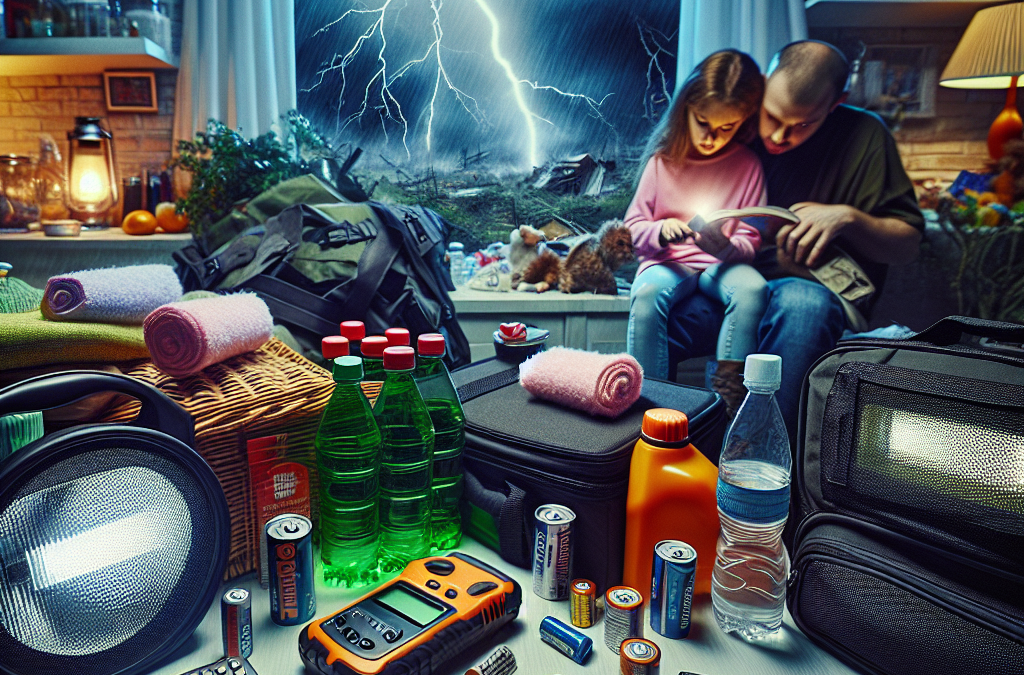
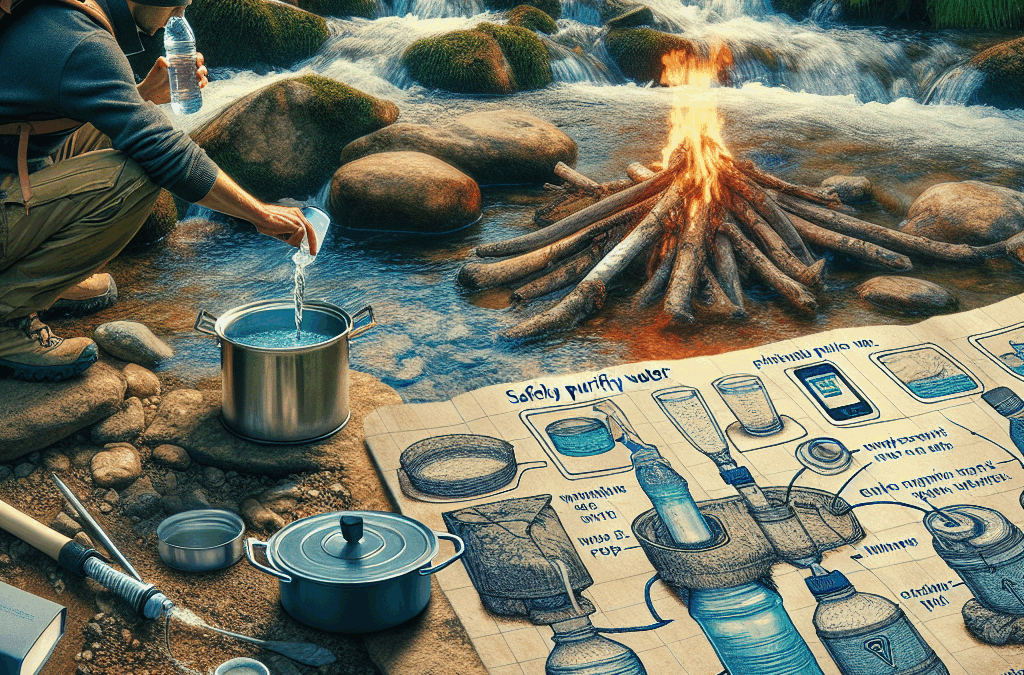
Before diving into any homestead preparedness planning, it’s crucial to fully understand your local environment. Variations in climate, terrain, and natural disaster history influence your preparedness strategy. For example, if you’re located in an area prone to hurricanes or floods, your plans should include specific measures to mitigate these risks.
Gathering local data helps you identify vulnerabilities and resources. Review historical weather patterns and consult local emergency agencies to understand the most common threats. Knowing your environment allows you to tailor your homestead preparedness planning effectively in 2025.
This initial step ensures that your planning isn’t generic but customized to your exact location. Itâs about turning knowledge into proactive strategies, reducing risks before they escalate into emergencies.
Identifying Your Homestead’s Strengths and Weaknesses
Once you’ve assessed external risks, turn inward to evaluate your homesteadâs strengths and weaknesses. For example, do you have mature fruit trees or a reliable water source? Are there areas susceptible to erosion or pest infestations?
Conducting a thorough homestead audit can highlight what resources are available and what gaps need filling. This might include pest control systems, security features, or backup power solutions.
Keeping detailed records of your homesteadâs assets and vulnerabilities helps in creating a realistic and effective plan for 2025, making sure youâre prepared for any situation that may arise.
2. Develop a Comprehensive Emergency Plan
Creating Clear, Actionable Procedures
A central component of homestead preparedness planning involves developing detailed procedures for various emergencies. Whether itâs a wildfire, power outage, or civil unrest, having a written plan ensures everyone on your homestead knows what to do.
Include steps for evacuation, shelter-in-place, and communication protocols. Practice drills regularly and update your plan as your homestead evolves. According to recent studies, households that practice emergency procedures are 70% more likely to respond effectively during crises in 2025.
Ensure your plan considers all family members, including pets, and includes contingencies for different scenarios. This minimizes chaos and enhances safety when emergencies occur.
Communication Strategies and Backup Systems
Effective communication is vital during emergencies. Establish multiple channels such as radio, satellite phones, and designated meeting points. In 2025, many homesteads are integrating solar-powered systems to maintain communication if power fails.
Invest in backup communication devices, and ensure everyone knows how to use them. Regularly test your communication systems to confirm reliabilityâespecially important with the increasing frequency of severe weather events.
Strong communication strategies keep everyone informed and enable coordinated responses, forming a backbone for successful homestead preparedness planning.
3. Build a Renewable Food and Water Supply
Growing Your Own Food Sustainably
Self-sufficiency is at the heart of homestead preparedness planning. In 2025, more homesteaders are shifting towards renewable food sources such as permaculture gardens, aquaponics, and food forests.
Start with high-yield, nutrient-dense crops suited to your climate. Implement crop rotation and composting to maintain fertility naturally. Emergency scenarios in recent years highlight the importance of having a reliable food systemâstatistics show that food insecurity increases sharply during disasters.
By investing in permaculture principles, you create resilient food systems that require fewer external inputs and are sustainable long-term.
Securing Water Resources for Long-Term Use
Water is the most critical resource for homesteads, especially during extended emergencies. In 2025, many homesteaders are installing rainwater harvesting systems, deep wells, and water purification units to ensure a continuous supply.
Design your water system with redundancyâhave multiple sources and backup storage tanks. Regular maintenance and testing of filtration and purification devices are essential to keep water safe for consumption.
Planning for water resilience not only boosts your homesteadâs self-sufficiency but also enhances overall preparedness for any crisis in 2025.
4. Stockpile Essential Supplies and Tools
Creating a Well-Stocked Emergency Pantry
Stockpiling supplies is fundamental to homestead preparedness planning. Focus on non-perishable food, medical supplies, hygiene products, and other essentials. In 2025, trends suggest a shift towards more organic and locally sourced stock, reducing reliance on supply chains.
Use a rotation system to keep supplies fresh, and categorize your pantry for easy access. Aim to store at least a 3-month supply for your family, considering potential disruptions in supply chains.
Remember to include special dietary needs and surplus seeds for planting once conditions stabilize.
Having the Right Tools and Equipment
Tools form the backbone of any homestead preparedness plan. Ensure you have quality hand tools, backup power sources, first aid kits, and survival gear in place. In 2025, many homesteaders are adopting smart tools and renewable energy systems to enhance efficiency and resilience.
Regular maintenance and familiarity with each tool increase safety and effectiveness during emergencies. Additionally, training family members on proper tool use is a vital preparedness practice.
Properly stocked and maintained tools streamline response efforts, reducing stress and injury during crises.
5. Implement Security Measures for Homestead Safety
Securing Property Boundaries
Establishing physical barriers like fences, gates, and surveillance cameras can deter trespassers and protect your homesteadâs assets. In 2025, many homesteaders are using AI-powered security systems integrated with smart alerts.
Regularly inspect and repair fencing, and consider natural barriers like thorny bushes or wildflower hedgerows to enhance security without compromising aesthetics. Community patrols or neighborhood watch groups also add an extra layer of safety.
Security measures are an investment that pays dividends during uncertain times, ensuring your homestead remains safe and resilient.
Lighting and Alarm Systems
Good lighting around your homestead is a simple but effective deterrent against intruders. Solar-powered motion sensor lights can be automated easily and are particularly useful for off-grid homesteads in 2025.
Alarm systems with remote monitoring capabilities provide peace of mind, alerting you instantly to any suspicious activity. Training your family on security protocols helps ensure swift responses to threats.
Security isn’t just about defense; itâs about creating a safe environment where you can focus on recovery and rebuilding after any emergency.
FAQs about Homestead Preparedness Planning in 2025
Q1: What is homestead preparedness planning?
Homestead preparedness planning involves creating a comprehensive strategy to ensure your homestead can withstand and quickly recover from emergencies, such as natural disasters, power outages, or economic disruptions. It covers risk assessment, resource management, security, and community support.
Q2: How often should I update my homestead preparedness plan?
It’s recommended to review and update your plan at least annually or after significant changes to your homestead. In 2025, staying current with new technologies and emerging threats is vital to maintaining an effective plan.
Q3: Why is water security important in homestead preparedness planning?
Water is essential for drinking, sanitation, and agriculture. Ensuring a reliable, clean water supply through rainwater harvesting, wells, and filtration systems is critical in 2025, especially during prolonged emergencies where municipal supplies may be disrupted.
Q4: How can community engagement improve homestead preparedness?
Building relationships with neighbors and local groups fosters mutual aid, resource sharing, and collective safety. Community networks can be invaluable in emergencies, providing support, information, and labor when needed.
Conclusion
In 2025, homestead preparedness planning is more vital than ever. By assessing your needs, developing comprehensive emergency strategies, securing essential resources, and fostering community ties, you create a resilient homestead capable of thriving amidst challenges. Remember, the cornerstone of success lies in proactive planning and ongoing educationâmaking your homestead not just a home, but a safe haven during times of crisis. Prioritize your homestead preparedness planning now to ensure peace of mind for the year ahead and beyond.
Local preparedness organizations are the backbone of community readiness. These groups often organize training sessions, dissemination of vital information, and mutual aid during emergencies. In 2025, many cities have revitalized their neighborhood response teams to enhance local resilience.
Being part of a local preparedness organization helps you understand the specific risks in your areaâwhether itâs hurricanes, earthquakes, or floodingâand equips you with tailored skills and resources. For example, some communities have started neighborhood watch-like programs focusing on disaster preparedness.
Joining or forming a local preparedness community resource network ensures swift, coordinated responses and promotes collective resilience. For practical tips, look for groups that regularly host drills and offer certification programs to boost your emergency skills.
Benefits of Engaging Locally
Community organizations provide not just training but also access to shared resources like emergency supplies and communication tools. In 2025, collaboration with local authorities and police enhances community safety during crises.
Participation in these groups fosters social cohesion, which is crucial during large-scale disasters when mutual aid becomes vital. Cities are increasingly recognizing the importance of grassroots initiatives as part of their official emergency preparedness plans.
Explore ways to get involvedâattend local meetings, volunteer for events, or even start a preparedness project tailored to your neighborhood. Your participation amplifies the effectiveness of preparedness community resources in your area.
2. Online Preparedness Forums
Connecting with the Global Preparedness Community
In the digital age, online forums are a powerful preparedness community resource, offering a wealth of information, advice, and support. Platforms like Redditâs r/preppers and dedicated preparedness forums provide spaces for sharing practical tips, gear reviews, and experience stories.
By engaging in these online communities, you gain access to a diverse range of perspectivesâlocal, national, and internationalâthat can broaden your understanding of best practices. Discussions often include latest trends, emerging threats, and innovative survival techniques relevant to 2025 scenarios.
Ensure you verify information from reputable sources, and participate actively. Many forums also host real-time chats and webinars, connecting you directly with experts and seasoned preppers who can guide your preparedness journey.
Advantages of Digital Preparedness Resources
Online forums serve as an ongoing educational resource, supplementing your local preparedness community resources with global insights. They are especially beneficial if you’re new to prepping or looking for specific, niche advice.
Moreover, these communities often share updates on policy changes, new gear, and safety alerts that can keep you ahead of potential threats. Make it a habit to check regularly for new discussions, helpful links, and event invitations.
Remember, staying connected digitally complements your hands-on community resources, creating a comprehensive preparedness plan for 2025.
3. Community Survival Meetups
Organizing Local Skill-Sharing Events
Community survival meetups are in-person gatherings aimed at building practical skills and strengthening neighbor ties. In 2025, these meetups are more popular than ever, often hosted in local parks, community centers, or even online via live streams.
Attending or organizing these events provides hands-on experience with vital survival skills such as first aid, food preservation, shelter building, and alternative energy solutions. Sharing knowledge face-to-face enhances trust and encourages cooperative prepping efforts.
To maximize the benefit, consider partnering with local experts or prepper groups to host workshops. These events can be free or low-cost, lowering barriers to wider community participation.
Strengthening Community Resilience
Having a network of neighbors prepared to act collaboratively during crises can dramatically improve survival outcomes. Community meetups foster relationships that translate into resource sharing and mutual aid during emergencies.
In 2025, some communities are even establishing barter systems or co-op gardens during these meetups, creating self-sufficient local economies. Participation encourages a culture of preparedness, making the community more robust against potential disruptions.
Start small by organizing a meetup about basic prep skills; gradually, your community can evolve into a strong, well-prepared neighborhood.
4. Disaster Preparedness Workshops
Structured Learning for All Skill Levels
Disaster preparedness workshops offer structured training designed to teach vital skills, from emergency communication to food storage. These workshops are often held by local agencies, nonprofit groups, or private trainers.
By participating in these programs, you can learn about the specific hazards in your regionâsuch as wildfire or winter stormsâand how best to prepare for them. In 2025, many workshops incorporate new technologies like drone mapping or digital emergency plans.
Workshops not only teach skills but also provide access to resourcesâsuch as free or discounted survival kitsâthat can be invaluable during a crisis. Check your local community centers, schools, and online calendar for upcoming events.
Why They Matter in 2025
As threats become more complex in 2025âcyberattacks, climate change, supply chain disruptionsâformal training ensures you’re equipped to handle unforeseen challenges. These workshops are crucial preparedness community resources that empower individuals and families.
Many programs now incorporate scenario-based drills that simulate real emergencies, helping participants develop confidence and competence. Early registration is advisable, as spots fill quickly in popular courses.
5. Regional Emergency Planning Groups
Collaborative Planning with Local Authorities
Regional emergency planning groups involve coordination among multiple communities, government agencies, and the private sector. They create comprehensive strategies for large-scale crises, like pandemics or catastrophic weather events.
Participating in or staying informed about these groups is a top preparedness community resource for 2025. They develop resource maps, evacuation routes, and community response protocols that benefit everyone involved.
Engagement can range from attending public forums to volunteering in planning committees. Your input can influence policies and help tailor plans to local needs, ensuring all community members are supported.
Impact on Local Resilience
These collaborative efforts improve the overall resilience of your region. Well-planned response initiatives reduce chaos and save lives during emergencies.
In 2025, advances in data sharing and communication technology have made regional planning more dynamic and responsive, thus providing an essential preparedness community resource for any resident.
6. Prepper Shops and Co-ops
Access to Quality Supplies and Bulk Buying
Prepping stores and community co-ops are vital preparedness community resources providing access to emergency supplies, gear, and bulk foods. Many stores now offer online shopping options, making it easier to stockpile essentials in 2025.
Co-ops often negotiate better prices for members and encourage communal buying strategies, which help reduce costs while ensuring quality. These resources are invaluable for maintaining a well-stocked emergency pantry and gear collection.
Look for local prepper shops or online marketplaces recommended by the preparedness community. Membership or subscription services often include exclusive discounts and updates on new products.
Choosing Reliable Sources
Since the market is saturated with gear and supplies, verifying quality and authenticity is critical. Trustworthy prepper stores will provide product reviews, certifications, and customer feedback.
In 2025, sustainability is also a focus; seek out eco-friendly gear and locally sourced supplies when possible. Building relationships with your prepper store or co-op ensures you stay informed about the latest innovations in preparedness community resources.
7. Non-profit Preparedness Initiatives
Supporting Community Resilience Through Non-profits
Many non-profit organizations focus on disaster preparedness and community resilience. They provide education, resources, and direct aid especially for vulnerable populations.
In 2025, these initiatives have become even more crucial, working alongside government agencies to fill gaps in emergency response. Examples include food banks with prepper training, and shelters equipped with survival supplies.
Getting involved or supporting non-profit preparedness initiatives can extend your impact beyond your household and ensure that entire communities are better prepared for crises.
Choosing the Right Organizations
Research local and national non-profits that align with your values and offer tangible resources or training. Look for transparent organizations with proven track records.
Volunteer time, donate supplies, or fund programs that educate and empower community membersâthese actions amplify your preparedness community resources impact. In 2025, collaborations among non-profits and local governments are expanding, broadening their reach and effectiveness.
8. Government and Embassy Preparedness Programs
Official Resources for Citizens Abroad and At Home
Government agencies offer various preparedness programs, including emergency alerts, community training, and embassy support for travelers. These programs are currently evolving with technological advancements in 2025.
They often include digital tools for real-time updates, evacuation plans, and safety checklistsâa crucial preparedness community resource for staying informed in crises. Embassies can also provide assistance during disasters abroad, ensuring expats and travelers are protected.
Registering for local government alerts and participating in community drills are simple steps to maximize these resources. Staying connected with official channels provides peace of mind and critical information during emergencies.
Enhancing Personal and Community Preparedness
Leveraging government and embassy programs as part of your preparedness strategy ensures you access authoritative, up-to-date information. Many jurisdictions offer free or low-cost training sessions and materials tailored to regional risks.
In 2025, integration of AI and data analytics in these programs enhances their efficacy, making them essential preparedness community resources for proactive safety planning.
9. Volunteer Preparedness Support Networks
Building a Culture of Community Support
Volunteer networks are grassroots initiatives that strengthen the overall preparedness of your community. They include medical volunteers, CERT teams, and community emergency response volunteers.
Participating in these networks in 2025 offers you an active role, sharpening skills like first aid, crisis communication, and logistics. These community preparedness resources are invaluable during large-scale disasters when professional services are overwhelmed.
Volunteer support networks foster trust and cooperation, which are critical for successful rescue and recovery efforts. Start by reaching out to existing programs or establishing new ones in your areaâevery effort counts.
Advocacy and Capacity Building
Volunteer networks also serve as advocacy platforms, promoting policies that enhance local resilience. They help organize community preparedness events, resource sharing, and training programs.
Your involvement not only improves your preparedness but also empowers others, creating a culture where everyone understands their role in emergency situations.
10. Educational Resources and Webinars
Learning Continuously with Digital Resources
In 2025, online educational resources, webinars, and e-learning modules are essential preparedness community resources, providing ongoing education regardless of physical location. Many organizations now offer free or subscription-based courses covering a broad range of topics.
These resources enable individuals and communities to stay updated on the latest best practices, technological advancements, and emerging threats. Participating in webinars hosted by experts can dramatically enhance your knowledge base and preparedness levels.
Make a habit of subscribing to trusted channels and attending virtual eventsâthese are invaluable for refining your emergency plans and understanding new preparedness tools.
Maximizing Learning Outcomes
To get the most from educational resources, actively engage during live sessions, take notes, and implement learned skills. Many platforms also provide downloadable checklists and resource guides to reinforce your training.
Sharing acquired knowledge within your community amplifies the impact of these preparedness community resources, creating a well-informed local network ready to face any emergency in 2025.
Frequently Asked Questions
1. What are the best preparedness community resources for beginners in 2025?
Joining local groups, online forums, and attending workshops are excellent starting points. These resources provide foundational skills and community connections.
2. How can I find trustworthy preparedness community resources?
Research local government and non-profit organizations, rely on reputable online sites, and seek recommendations from experienced preppers or community groups.
3. Why are preparedness community resources vital in 2025?
With increasing global threats like climate change and cyber risks, these resources enhance community resilience, knowledge sharing, and coordinated response efforts.
4. How do I get involved in community preparedness in my area?
Start by attending local meetups, volunteer for emergency response teams, participate in workshops, and connect with regional groups through social media or community boards.
Conclusion
Staying prepared in 2025 requires leveraging a variety of preparedness community resources. These resourcesâfrom local organizations and online forums to regional planning groups and educational webinarsâare vital for building resilience, sharing knowledge, and fostering a culture of readiness. Whether you’re just starting or looking to deepen your existing efforts, engaging with these invaluable tools will ensure you and your community are better equipped to handle any emergency that comes your way. Remember, the key to effective preparedness is active participation in these community resources, which collectively create a safer, more resilient environment for all.
In any survival scenario, access to clean drinking water is paramount. As we progress into 2025, having a reliable water filtration system remains one of the top survival prepping supplies. Contaminated water can carry pathogens like bacteria and viruses that cause serious health issues. Therefore, investing in durable water filtration systems ensures that you can secure safe hydration during emergencies. Modern options include portable filters, gravity-fed systems, and even UV purifiers that are lightweight yet highly effective.
One standout choice is the multi-stage filter that can eliminate not only bacteria and protozoa but also chemical contaminants. For example, the popular Sawyer PointONE filters can process up to 100,000 gallons of water, making them a cost-effective, long-term solution. Choosing the right filtration system depends on your environment and expected scenario, but durability combined with efficiency should always be top priority.
Features to Look For
When selecting survival prepping supplies, consider features like filter lifespan, flow rate, weight, and compatibility with water sources. In 2025, technology advances have led to filters that are more compact and capable of removing a wider range of contaminants. A good rule of thumb is to choose a system that can be easily transported and maintained with minimal effort, especially during long-term outages.
Having backup filters and spare parts is crucial, ensuring your water filtration system remains operational even when supplies are limited. Remember, clean water isn’t just a prepper’s luxury; itâs a necessity for health and survival.
2. Comprehensive First Aid Kits
Why First Aid Kits are Essential
Accidents happen, especially in emergency situations, making a well-stocked first aid kit a must-have survival prepping supplies list. In 2025, the best kits go beyond basic bandages, offering advanced supplies like antibiotic ointments, burn treatments, and tools for wound management. Being prepared to treat injuries quickly can prevent infections and save lives, particularly when professional medical help is unavailable.
Depending on your environment, your first aid kit may need customization. For wilderness prepping, include items like insect repellent, tick removers, and emergency suture kits. If you’re prepping for urban scenarios, consider anti-diarrheal medications and personal medications essential for chronic conditions.
Top Features of a Good Kit
In selecting survival prepping supplies for first aid, prioritize kits with clearly labeled contents, waterproof containers, and expandability. Consider adding items like a CPR mask, blood clotting agents, and sterile gloves. Additionally, first aid training vastly improves your ability to use these supplies effectively in emergencies.
Remember, a comprehensive first aid kit isn’t just a box of supplies; itâs an investment in your safety and those around you during critical moments.
3. Long-lasting Food Storage Solutions
Why Food Storage Matters
One of the most significant survival prepping supplies for 2025 is dependable food storage. In uncertain times, having an emergency food supply provides peace of mind and sustains you during shortages or disasters. Modern storage options emphasize nutrition, shelf life, and ease of preparation. Freeze-dried and dehydrated foods have become even more popular, with some brands now boasting shelf lives of 25 years or more.
Effective food storage solutions include vacuum-sealed pouches, oxygen absorbers, and airtight containers that prevent spoilage. Planning for caloric intake and variety is also essentialâranging from grains and legumes to canned meats and nutrient-dense snacks. Stockpiling food that requires minimal cooking and clean water simplifies rationing during prolonged emergencies.
Practical Tips for Food Storage
Keep your food storage organized by rotation: use older supplies first and replenish regularly. Store your supplies in cool, dry, and dark environments to extend shelf life. In 2025, integrating smart inventory management tools or apps can help track expiry dates and quantities, ensuring that your survival prepping supplies remain fresh and ready when needed most.
By selecting quality, long-lasting food storage solutions, you ensure that youâre prepared for various crisis scenarios with minimal stress.
4. Reliable Multi-tools and Knives
Multifunctionality in Survival Tools
When it comes to survival prepping supplies, multi-tools and knives are indispensable. In 2025, the focus is on compact, durable, and versatile tools that can handle everything from cutting to opening bottles or minor repairs. Brands like Leatherman and Gerber continue to innovate, offering multi-tools with blades, screwdrivers, pliers, and wire cutters all in one device.
High-quality knives, especially fixed-blade models, serve multiple functionsâhunting, shelter building, food prepâand should be lightweight yet robust. A good survival knife made with high-carbon stainless steel can be a game-changer in emergency situations, lasting for years with proper care.
Choosing the Right Tools
Prioritize tools that are corrosion-resistant, easy to clean, and designed for heavy use. Keeping sharpening tools on hand ensures your blades remain effective. Remember, the right multi-tool can.save space in your kit and eliminate the need for multiple single-purpose tools, streamlining your survival prepping supplies.
Practicing how to use these tools confidently makes a huge difference when it counts the most.
5. Portable Solar Power Devices
Harnessing Solar Energy
In 2025, portable solar power devices have become integral survival prepping supplies for maintaining communication and powering essential gadgets. Solar chargers and power banks solar-powered can keep smartphones, radios, and LED lights operational during outages or when away from grid power.
Efficient foldable solar panels are lightweight and easy to transport, making them ideal for outdoor survival scenarios. They can recharge your power banks or small appliances, offering a sustainable energy source without relying on fuel or batteries. Investing in waterproof and weather-resistant models ensures durability in harsh conditions.
Maximizing Solar Power Effectiveness
To maximize efficiency, position your solar panels in direct sunlight, ideally with adjustable angles. Keep your devices and batteries charged during sunny hours so you’re prepared for night or low-light situations. In 2025, many solar devices include smart technology that helps monitor power levels, ensuring your survival prepping supplies always support your energy needs.
Maintaining an adequate power supply can be vital for communication, navigation, and health monitoring in various emergencies.
6. Emergency Shelter Gear
Types of Emergency Shelters
Having the right shelter gear is essential to survival prepping supplies in 2025. Options range from compact tent systems and bivvy bags to emergency thermal blankets. These supplies help protect you from environmental elements, such as rain, wind, or cold, which can be life-threatening if unprepared.
Innovations in lightweight, quick-assemble shelters provide options for long-term wilderness survival or urban emergencies. Materials like ripstop nylon and mylar insulation are common, offering durability and warmth with minimal weight.
Choosing Shelter Equipment
Select gear based on your climate, mobility needs, and the number of people protected. Always carry a basic shelter system, even if your primary plan is to use existing structures. With proper shelter, you can significantly improve your chances of survival by maintaining body heat and avoiding exposure-related illnesses.
In 2025, combining shelter gear with insulation mats and sleeping bags enhances overall protection and comfort.
7. Quality Flashlights and Headlamps
Lighting for Emergencies
Reliable lighting is a critical component of survival prepping supplies. In 2025, LED flashlights and headlamps that provide long battery life and high luminosity are essentials. They improve safety during power outages, nighttime navigation, or outdoor activities.
Headlamps with adjustable brightness and tilting beams give hands-free operation, crucial for tasks like repair work or first aid. Many modern models come with rechargeable batteries, solar charging capabilities, and waterproof features, making them versatile for various scenarios.
Battery and Power Considerations
Always keep an ample supply of batteries and consider solar-powered or hand-crank options to ensure you never run out of light. Storage of extra batteries, in addition to rechargeable units, guarantees preparedness for extended emergencies. Proper maintenance of your lighting equipment is essential for reliable performance.
Excellent lighting equipment improves situational awareness and safety, making it a must-have survival prepping supplies item.
8. Communications Equipment
Staying Connected During Crises
In 2025, communications equipment is vital for coordinating with rescue teams, staying informed, or calling for help. Radiosâespecially hands-free, rechargeable, or solar-powered modelsâare a key survival prepping supplies item. They keep you connected when cell networks fail or are compromised.
Satellite phones provide an extra layer of security in remote areas, enabling communication regardless of local infrastructure. Additionally, emergency whistles, signal mirrors, and portable CB radios can dramatically enhance your visibility and connection capabilities.
Choosing the Right Communication Gear
When selecting survival prepping supplies for communication, focus on durability, battery life, and ease of use. Familiarize yourself with operation and carry spare batteries or power sources. Integrating a CB radio or ham radio license knowledge allows for broader communication ranges during large-scale emergencies.
Solid communication plans and reliable gear give you peace of mind, knowing you’re prepared to stay connected no matter what unfolds.
9. Personal Safety and Self-defense Items
Protection Strategies
Survival prepping supplies must include personal safety items. Pepper spray, tactical flashlights, and reinforced self-defense tools can deter threats and help you feel secure in unpredictable situations. In 2025, lightweight, legal, and effective self-defense gear is easily accessible and essential for safety planning.
Carrying easily deployable items like personal alarms or stun guns enhances your protection. It’s important to understand local laws governing self-defense tools and choose items accordingly. Preparedness also involves situational awareness and ongoing self-defense training to respond effectively in dangerous scenarios.
Storage and Accessibility
Store safety gear where itâs quick to accessâon your person or in your bug-out bag. Regularly check batteries and functionality to ensure readiness. Combining safety items with your other survival prepping supplies creates a comprehensive safety net against possible threats.
Prioritize personal safety as part of your overall emergency preparedness plan for 2025 and beyond.
10. Water Storage and Purification Containers
Reliable Water Storage Solutions
Having adequate water storage and purification containers is a cornerstone of survival prepping supplies. In 2025, high-grade, BPA-free water storage tanks and bottles ensure safe, accessible water for extended periods. Durable, stackable containers help you organize supplies efficiently, making logistics easier during emergencies.
Using collapsible water bottles is a space-saving option, especially for bug-out bags. Consider adding water purification tablets or chlorine drops as backup options for ensuring water safety if your primary filtration system fails.
Maximizing Water Safety
Regularly clean and inspect your water containers to avoid bacterial buildup. Label them clearly and rotate stored water supplies every 6-12 months. When combined with portable filtration devices, these supplies ensure your survival prep efforts provide a steady, safe water source in any crisis.
The importance of water storage and purification containers cannot be overstatedâthey are vital survival prepping supplies for ensuring hydration and health during emergencies.
Conclusion
As we look ahead to 2025, understanding the top survival prepping supplies is crucial for any serious prepper. From water filtration systems to personal safety gear, the right choices can make all the difference during an emergency. Incorporating these 10 essential supplies ensures you’re prepared for a wide range of scenarios, enhancing your safety and resilience. Remember, the key to successful prepping is staying informed, organized, and adaptable. Equip yourself with quality survival prepping supplies today, and face the future with confidence.
Frequently Asked Questions
1. What are the most important survival prepping supplies for 2025?
The most important supplies include water filtration systems, comprehensive first aid kits, long-lasting food storage, reliable tools, portable power sources, and shelter gear. These form the foundation of any effective prepping plan.
2. How do I choose the best survival prepping supplies?
Focus on durability, functionality, and suitability for your environment. Research brands with proven track records, consider space and weight, and ensure you understand how to operate each item properly. It’s also helpful to read reviews and gather advice from experienced preppers.
3. Why is water supply critical in survival prepping?
Water is essential for hydration, sanitation, and cooking. Lack of clean water can lead to dehydration and illness within days. Proper water storage and filtration are vital survival prepping supplies for ensuring safe drinking water during emergencies.
4. Are solar-powered devices reliable for survival prepping?
Yes, in 2025, portable solar devices have become more efficient and durable, providing a sustainable power source. They are reliable for charging essential electronics when grid power is unavailable, and they reduce dependency on batteries.
5. How often should I rotate my survival food storage?
It’s recommended to rotate your stored food every 6-12 months to prevent spoilage and maintain freshness. Regular inventory checks help ensure your survival prepping supplies are always ready for use when needed.