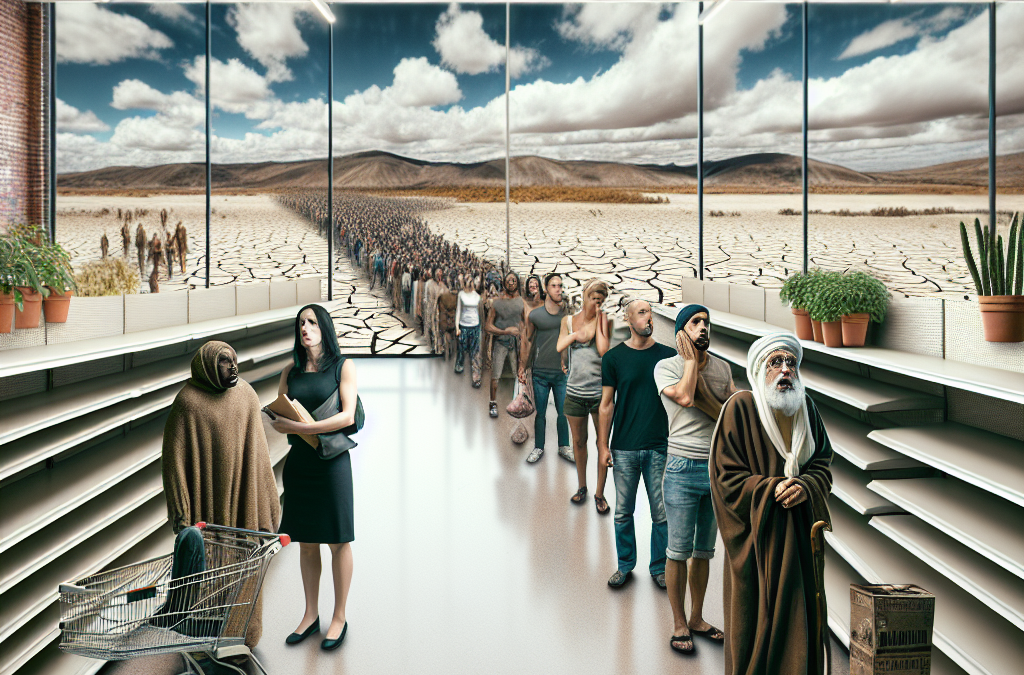
10 Effective Off Grid Survival Tips (2025 Guide) to Thrive Anywhere
Table of Contents
- 1. Master Off Grid Power Supply
- 2. Ensure Reliable Water Sources
- 3. Cultivate Food Self-Sufficiency
- 4. Build a Sustainable Shelter
- 5. Implement Off Grid Communication
- 6. Prioritize Waste Management
- 7. Use Alternative Heating Methods
- 8. Develop Essential Skills
- 9. Prepare Emergency Medical Supplies
- 10. Practice Off Grid Security
1. Master Off Grid Power Supply
Harness Renewable Energy Sources
One of the fundamental off grid survival tips is mastering your power supply. In 2025, renewable energy options have become more accessible and efficient. Solar panels are still the top choice for off-grid homes, providing clean power without reliance on external grids. Investing in high-efficiency panels and battery storage ensures you have electricity during cloudy days or nighttime.
Wind turbines can complement solar efforts, especially if you’re located in a windy area. Small-scale wind turbines can supply consistent power for essential appliances and lights. Combining renewable sources with energy-efficient devices minimizes consumption and prolongs battery life, making your off grid life sustainable and reliable.
Moreover, consider setting up backup generators as a contingency plan for long-term outages. In 2025, portable solar generators are lightweight and more affordable, offering emergency power when needed. Learning how to maintain and optimize your energy system is crucial for thriving off grid.
Optimize Energy Consumption
Reducing energy use is just as important as generating it. Simple steps like LED lighting, efficient appliances, and turning off devices when not in use can significantly extend your power reserves. Creating a power usage plan helps you prioritize essential needs and avoid unnecessary drain.
Monitoring your energy consumption with smart meters or battery monitors allows you to adjust habits proactively. For example, running high-energy appliances during peak sunlight hours maximizes solar efficiency. Staying mindful of your energy habits is a key off grid survival tip for 2025.
By mastering your off grid power supply, you’re setting a stable foundation for all other survival activities. Itâs a vital skill that ensures your comfort and safety in any emergency situation.
2. Ensure Reliable Water Sources
Identify and Purify Water Effectively
In off grid survival, water access is paramount. Always start by locating nearby natural sources like streams, lakes, or rainwater harvesting systems. However, naturally available water sources can carry contaminants, which is why effective purification is essential.
Using portable water filters, UV purifiers, or boiling methods ensures your water is safe for consumption. In 2025, advanced portable water purification devices can eliminate viruses, bacteria, and chemical pollutants efficiently, making them indispensable tools for off grid survival.
Regularly testing water quality with testing kits helps you identify contamination early. Developing a reliable purification routine guarantees a steady supply of safe drinking water, thereby safeguarding your health during off grid living.
Rainwater Collection and Storage
Another off grid survival tip is to utilize rainwater harvesting. Installing gutters and storage tanks can provide a sustainable water source, particularly in rainy seasons. Proper filtration and treatment before use prevent the buildup of harmful bacteria or debris.
In 2025, setting up an efficient rainwater collection system is easier and more affordable. Keep your tanks covered to prevent mosquito breeding and contamination. Routine maintenance ensures clean water availability year-round, reducing dependence on external sources.
Storing ample water reserves for emergencies coupled with purification methods forms a crucial part of thriving off grid, especially when facing prolonged periods without access to municipal water systems.
3. Cultivate Food Self-Sufficiency
Growing Your Own Food
Food independence is a cornerstone of successful off grid survival. Start small with vegetable gardens, herbs, and fruit trees suited to your climate. In 2025, innovative permaculture techniques and hardy crop varieties make self-sufficient food production more achievable than ever.
Consider raised beds, composting, and companion planting to maximize yields and maintain soil fertility. Growing nutrient-dense foods reduces reliance on external supplies and improves your resilience during emergencies.
Implementing rainwater harvesting into your gardening system further boosts sustainability, providing water directly for plants and reducing stress during dry spells.
Preserving Food for Long-Term Storage
Preservation methods such as canning, dehydrating, and fermenting are vital off grid survival tips for maintaining food supplies. In 2025, modern techniques and equipment allow for safer and more efficient food preservation, extending shelf life significantly.
Building a root cellar or insulated storage can keep perishables fresh without electricity. Properly preserved foods ensure you have a steady food supply, especially in winter or during extended emergencies.
Developing these skills helps you stay self-reliant and reduces your dependency on external food sources during off grid survival situations.
4. Build a Sustainable Shelter
Choosing the Right Location and Design
Your shelter is your sanctuary, and choosing a strategic location can make or break your off grid experience. Look for a site with good drainage, natural windbreaks, and access to resources. Designing your shelter with sustainability in mindâusing local materials and passive solar principlesâcan improve efficiency.
In 2025, eco-friendly construction methods, like straw bale, cob, or reclaimed wood, provide affordable and environmentally conscious options. Proper insulation and ventilation keep your shelter comfortable year-round.
Ensuring your shelter is expandable and adaptable allows for future improvements or additional safety features.
Energy-efficient Shelter Features
Incorporate energy-saving features such as solar-powered ventilation fans, passive solar windows, and natural lighting. These elements reduce your energy needs and enhance comfort. Good insulation minimizes heating and cooling demands, cutting down on fuel and power requirements.
Implementing rainwater collection, as noted earlier, also integrates seamlessly into your shelter design, ensuring water security. Combining sustainable building practices with efficient design makes thriving off grid not just possible but sustainable in 2025.
5. Implement Off Grid Communication
Reliable Communication Devices
Staying connected during off grid survival scenarios is crucial for safety and information. In 2025, satellite phones, handheld HAM radios, and long-range walkie-talkies are reliable options. They allow communication over long distances, even in remote locations.
Invest in equipment that can operate on multiple power sources, including solar-powered radios, to ensure continuous operation during outages. Testing your devices periodically keeps them ready when needed most.
Establishing clear communication protocols with family or team members ensures everyone stays informed and coordinated during emergencies.
Building a Community Network
Connecting with local off grid communities or neighbors enhances resilience. Sharing resources, knowledge, and safety plans offers mutual support. Consider creating a simple local network of trusted contacts and exchanging contact information.
In 2025, emerging mesh networking technology allows small communities to maintain communication without relying on external infrastructure, making off grid survival more manageable.
Open communication channels can dramatically improve your chances of thriving in any off grid situation.
6. Prioritize Waste Management
Composting and Recycling
Proper waste management reduces health hazards and environmental impact. Composting organic waste transforms kitchen scraps into valuable soil amendment, which supports your gardening efforts. Recycling materials like plastics, metals, and glass minimizes landfill waste and conserves resources.
In 2025, you can access advanced composting bins and recycling systems designed for off grid use. These systems help you maintain a clean, functional homestead without municipal waste services.
Developing a routine for waste separation and composting forms an essential part of sustainable off grid living, promoting environmental stewardship and self-sufficiency.
Safe Waste Disposal
Non-organic waste like chemicals or hazardous materials must be disposed of carefully. Establish designated disposal areas away from water sources to prevent contamination. Burnable waste can be safely incinerated, following best practices to reduce emissions.

In 2025, localized waste treatment solutionsâsuch as small-scale septic systems or composting toiletsâare becoming more efficient and user-friendly, ensuring health and safety on your off grid property.
Effective waste management not only upholds health standards but also reinforces your off grid survival tips for long-term resilience.
7. Use Alternative Heating Methods
Wood and Biomass Heating
In colder climates or seasons, reliable heat is vital. Wood stoves, pellet heaters, and biomass boilers are proven off grid heating solutions. Sourcing and storing adequate firewood or biomass ensures warmth during winter months.
In 2025, modern stove designs feature higher efficiency and lower emissions, making them safer and more eco-friendly. Proper insulation combined with these heating methods reduces fuel consumption and maintains comfortable indoor temperatures.
Learning how to safely operate and maintain your heating system ensures longevity and safety, key to thriving off grid in all seasons.
Passive Solar Heating
Passive solar design maximizes sunlight for natural warming. Positioning windows to face the sun, using thermal mass materials, and shading properly helps keep your shelter warm naturally.
In 2025, integrating movable insulation and smart shading devices further enhances passive heating, reducing reliance on active heating sources. This sustainable approach minimizes energy expenditure and promotes resilience.
Implementing these techniques makes your off grid shelter more energy-efficient, supporting your survival plans in the long term.
8. Develop Essential Skills
Practical Survival Skills
Skills such as fire-making, first aid, navigation, and tool repair are fundamental. Practice these regularly to ensure readiness in off grid situations. Learning to build shelter, forage, and treat injuries promotes independence and safety.
In 2025, online courses, local workshops, and community exchanges make acquiring these skills more accessible than ever. Investing time in skill development pays dividends in survival scenarios.
Document your progress and teach learned skills to others. A well-rounded skill set is one of the most reliable off grid survival tips for thriving in any circumstance.
Permaculture and Self-Reliance Techniques
Permaculture principles focus on designing ecosystems that are productive and sustainable. Applying these in your off grid setup enhances resilience and reduces external dependencies.
Incorporating water harvesting, soil building, and plant diversity creates a resilient and self-sufficient homestead. Learning resource management and crop rotation in 2025 aligns perfectly with off grid survival needs.
Continuously upgrading your skills ensures adaptability and increased chances for thriving off grid life in 2025 and beyond.
9. Prepare Emergency Medical Supplies
Building a Well-Stocked First Aid Kit
An essential off grid survival tip is having comprehensive medical supplies. Your kit should include bandages, antiseptics, pain relievers, and specialty items like sutures or antibiotics. Regularly check and update supplies to ensure they are effective and not expired.
In 2025, portable telemedicine devices and advanced first aid kits provide enhanced support, making remote health management possible. Training yourself and your family on basic first aid is equally important.
Preparedness in medical emergencies enhances your chances of recovery and stabilizes health until professional help can be reached, which is critical during off grid survival.
Knowledge of Medicinal Plants
Learning to identify and use local medicinal plants complements your medical supplies. Many plants have healing properties and can treat common ailments. Familiarize yourself with plants native to your region.
In 2025, apps and guides make identifying and preparing natural remedies easier. This knowledge reduces dependency on store-bought medicines during extended off grid situations.
Developing medicinal plant skills adds an extra layer of health resourcefulness to your off grid survival tips.
10. Practice Off Grid Security
Physical Security Measures
Securing your homestead against intruders is vital. Use fencing, locks, and secure entry points. Consider implementing motion sensors and cameras for remote monitoring.
In 2025, smart security systems designed for off grid use can run on batteries or solar power, providing continuous protection even during power outages. Training yourself and family members on proper security protocols enhances safety.
Combining physical barriers with strategic lighting and surveillance creates a safer environment for thriving off grid.
Community and Self-Defense Skills
Building relationships with nearby homesteaders or community groups increases collective security. Self-defense training and preparedness foster confidence and readiness.
In off grid scenarios, proactive security measures prevent theft, vandalism, and other threats. Maintaining awareness and staying vigilant are key survival tips for ensuring peace of mind.
Effective security practices underpin your ability to thrive anywhere in 2025âs off grid environment.
FAQs about Off Grid Survival Tips
Q1: What are the best off grid survival tips for water management in 2025?
In 2025, combining rainwater harvesting, advanced purification devices, and water testing kits ensures a reliable and safe water supply. Always store extra water and plan for long-term needs.
Q2: How can I improve my off grid power supply in 2025?
Utilize solar and wind renewable sources, optimize energy consumption, and consider portable backup generators. Regular maintenance and monitoring are crucial for efficiency.
Q3: Why are off grid survival skills important?
Developing practical skills like first aid, shelter building, and food preservation boosts your independence and resilience, especially during emergencies in remote areas.
Q4: How do I ensure safety and security on my off grid property?
Implement physical barriers, security systems, and community networking. Staying vigilant and prepared helps prevent threats and enhances safety.
Q5: What are key off grid survival tips for 2025?
Mastering renewable energy, water purification, food self-sufficiency, sustainable shelter, communication, waste management, alternative heating, essential skills, medical preparedness, and security are all critical for thriving off grid this year and beyond.
Conclusion
Following these off grid survival tips for 2025 ensures you are well-prepared to thrive anywhere, whether in a remote wilderness or a self-sufficient homestead. Mastering sustainable power, water, food, and security forms the backbone of off grid resilience. With ongoing advancements and practical experience, your off grid lifestyle can be safe, efficient, and fulfilling. Stay proactive, keep learning, and embrace the self-reliance that off grid survival champions in 2025!