Emergencies can strike when least expected, flipping our lives upside down in a matter of moments. Natural disasters, medical crises, or sudden evacuations demand swift action and clear-headed thinking. This is where the significance of an Emergency Action Plan (EAP) comes into play. Crafting a comprehensive EAP not only prepares you for the unexpected but instills a sense of confidence amid chaos.
*Understanding the Importance of an Emergency Action Plan**
Why bother creating a plan? The answer is simple: preparedness saves lives. An EAP provides a roadmap for you and your loved ones during crises, ensuring everyone knows what to do and where to go when disaster strikes. Think about it—when panic sets in, having predefined steps to follow can eliminate confusion and reduce the risk of injury or loss. Moreover, an effective plan fosters resilience within communities, encouraging collective readiness that can make all the difference in times of need.
*Key Components of an Effective Emergency Plan**
To build a robust emergency action plan, you must include several crucial elements:
1. **Contact Information:** Compile a list of important phone numbers—family members, friends, local emergency services—stored both digitally and on paper.
2. **Evacuation Routes:** Identify primary and secondary escape routes from your home or workplace. Familiarize yourself with local geography; knowing safe zones can be invaluable.
3. **Emergency Kits:** Equip yourself with supplies like food, water, first aid items, flashlights, batteries, and clothing essentials. Regularly check expiration dates and refresh your kit as needed.
4. **Communication Strategy:** Establish how you’ll communicate with family members during an emergency. Designate a meeting spot if separated and agree on messages to signal safety or distress.
5. **Special Needs Consideration:** If someone in your household has specific needs—like medications or mobility assistance—make arrangements tailored to those requirements.
6. **Information Sources:** Stay updated by designating trusted sources for news regarding emergencies such as weather alerts or community warnings.
*Developing Your Personalized Action Plan**
Now that you understand the key components of an effective EAP, it’s time to tailor one specifically for your unique circumstances. Gather your family together for this exercise; collaboration fosters accountability! Discuss potential threats you might face based on geographical location—earthquakes in California or hurricanes along the Gulf Coast—and brainstorm personalized strategies accordingly.
Create step-by-step actions tailored to each scenario discussed: What should you do if there’s a tornado warning? How will you respond if there’s flooding? Write these down clearly so everyone understands their roles during various emergencies.
*Practice Makes Perfect: Drills, Training, and Updates**
Once your personalized action plan is complete, don’t let it gather dust! Regularly practicing drills ensures that every member is familiar with procedures when the time comes to put plans into action. Schedule drills at least twice a year; consider simulating different scenarios each time to keep everyone engaged and prepared for unexpected twists!
Moreover, remember that plans are dynamic documents—they require regular updates as circumstances change (new family members join us; children grow up). Reviewing information periodically ensures your EAP remains relevant and effective over time.
Ultimately, transitioning from chaos to control starts with taking proactive measures today by crafting an Emergency Action Plan tailored just for you! Embrace preparedness as not just safety but empowerment—the ability to navigate uncertainty with confidence makes all the difference when facing life’s unpredictable challenges.
In 2025, early warning systems have become more sophisticated than ever, utilizing satellite data, weather radar, and AI algorithms to predict severe storms days in advance. Knowing how to interpret these alerts can make all the difference in your emergency preparedness. An effective emergency storm kit isn’t complete without staying informed about upcoming threats.
Many communities now offer real-time notifications via text or app alerts. I recommend signing up for alerts from local weather agencies and official government sources. This way, you’ll receive timely information, giving you ample time to prepare or evacuate if necessary. Staying informed is the first critical step in protecting yourself and your loved ones.
For those living in high-risk areas, consider investing in a portable weather radio that can receive NOAA alerts even without internet. These devices are reliable backups for staying aware of changing storm conditions, especially during power outages.
Advantages of Predictive Technologies
Predictive analytics and AI-driven weather models have improved significantly by 2025, reducing false alarms and improving the accuracy of storm forecasts. This allows individuals and communities to respond more effectively, minimizing damage and ensuring safety.
By incorporating the latest technology into your preparedness, you can better time your actionsâwhether it’s securing a sturdy emergency storm kit or evacuating to a safe location. Technology-driven alerts are essential for comprehensive emergency planning.
It’s worth noting that investing in these systems can be cost-effective when compared to the potential costs of storm damage or injury. Staying ahead with early warning systems is a powerful component of your overall emergency storm kit strategy.
2. Essential Preparedness Supplies
Must-Have Items in Your Emergency Storm Kit
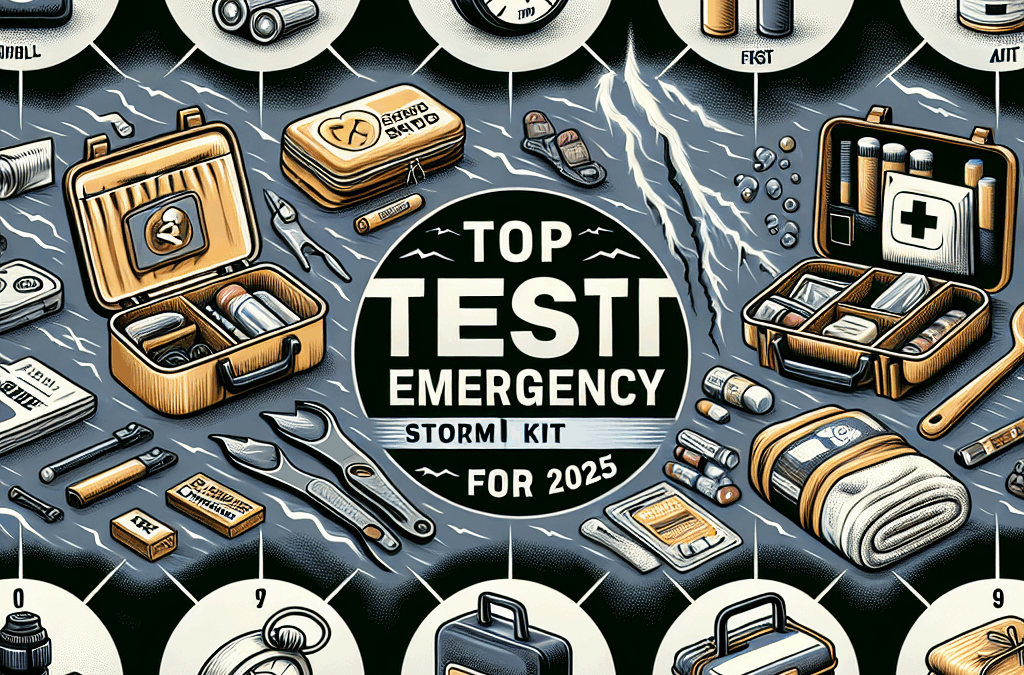
When assembling an emergency storm kit in 2025, certain supplies are non-negotiable. These include water, non-perishable food, flashlight, batteries, first-aid kit, and personal hygiene items. Remember, your kit should be tailored to your householdâs specific needs and potential storm impacts.
A practical tip is to have at least a three-day supply of essentials for each family member. This ensures you can sustain yourselves if access to stores or services is disrupted. Additionally, consider including multifunctional tools and emergency blankets that conserve space and provide versatility in different scenarios.
Regularly updating your suppliesâchecking expiration dates and rotating stockâis crucial. Storm seasons are unpredictable, and a well-maintained kit ensures readiness at all times.
Innovative Supplies for 2025
New advancements in emergency supplies for 2025 include solar-powered chargers, portable water filtration systems, and compact survival tools. Solar chargers can power your devices without needing electricity, which is especially vital during extended outages.
Portable water filtration bottles and emergency water pouches ensure safe drinking water even when the infrastructure is compromised. These innovations can significantly boost the effectiveness of your emergency storm kit, offering peace of mind during unpredictable weather events.
Investing in these modern supplies ensures you’re prepared for the increasing intensity and frequency of storms predicted in 2025’s climate outlook. Remember, a versatile emergency storm kit adapts to evolving threats.
3. Communication Devices
Staying Connected During a Storm
In 2025, reliable communication is more critical than ever. Smartphone apps, satellite phones, and walkie-talkies provide essential connectivity, especially when traditional networks fail during storms. Ensuring your emergency storm kit includes these devices can make a vital difference.
I recommend having a spare battery pack or solar-powered charger to keep your devices operational. Clear communication with family, neighbors, and emergency services keeps everyone safer and more coordinated.
Training family members on how to use these devices before a storm strikes can save valuable time. Practice makes perfect, and familiarity can turn an emergency into a manageable situation.
Emergency Communication Strategies
Establishing a communication plan before a storm hits is crucial. Designate a meeting point, create a family contact tree, and agree on message codes or signals to indicate safety or need for assistance. These steps can prevent confusion in chaotic situations.
Modern emergency storm kits often include digital tools like emergency apps that track storm paths or provide step-by-step safety instructions. Utilizing these tools enhances your preparedness and response actions.
Remember, having multiple ways to communicate ensures that if one fails, others can take over, keeping you connected with your loved ones and help sources.
Conclusion
Having a comprehensive and well-stocked emergency storm kit is essential for safeguarding yourself and your loved ones in 2025. The evolving storm patterns and climate changes make preparedness more important than ever. From early warning systems and modern supplies to reliable communication devices, every component of your emergency storm kit plays a vital role in ensuring safety during severe weather events.
Remember, the key to effective storm preparedness lies in planning ahead, staying informed, and continuously updating your kit according to the latest technology and recommendations. By following these tips and assembling an effective emergency storm kit, you’ll be better equipped to face whatever storms 2025 has in store.
Stay safe, stay prepared, and make 2025 your most resilient year yet with a top-quality emergency storm kit!
Frequently Asked Questions
What is an emergency storm kit? An emergency storm kit is a collection of essential supplies designed to sustain you and your family during severe weather events, ensuring safety and comfort when resources are limited.
How often should I update my emergency storm kit? Itâs recommended to review and update your kit every 6 to 12 months, checking expiration dates and replacing used or outdated items.
What are the most important items in a 2025 emergency storm kit? Key items include water, food, first-aid supplies, communication devices, lighting, and weather-resistant clothing, with modern additions like solar chargers and portable water filtration systems.
How can I ensure my family is prepared for storms in 2025? Conduct regular emergency drills, educate everyone on the kit’s contents, and establish clear communication and evacuation plans. Stay updated with the latest weather alerts and technology.
When disaster strikes, it often comes without warning, leaving chaos in its wake. Whether it’s a hurricane, earthquake, or wildfire, the key to weathering the storm lies in preparation. It’s not merely about survival; it’s about ensuring you and your loved ones can navigate through challenging times with confidence.
*Understanding the Risks: Assessing Your Vulnerability**
First things first—understanding the risks specific to your area is paramount. Are you living in a flood zone? Do earthquakes rattle your region? Take time to assess potential hazards that could impact your home and community. Conduct a vulnerability analysis by looking at historical data and consulting local resources. Engaging with community emergency management services can provide insight into prevalent risks and how they may affect you personally.
*Creating a Comprehensive Emergency Plan**
Once you’ve identified potential threats, crafting a detailed emergency plan becomes essential. This blueprint should include communication strategies—who will contact whom during an emergency? Establish meeting points where family members can regroup if separated. Be sure to incorporate evacuation routes specific to various scenarios. Remember that flexibility is key; plans should be adaptable as circumstances change.
Involving everyone in the planning process fosters a sense of responsibility and preparedness among family members. Assign roles based on individual strengths; perhaps one person is responsible for gathering supplies while another focuses on communications.
*Essential Supplies: What to Include in Your Disaster Kit**
A well-stocked disaster kit acts as your lifeline when emergencies arise. Include essentials like non-perishable food items, bottled water (one gallon per person per day), first-aid supplies, flashlights with extra batteries, multi-tools, and hygiene products. Don’t forget important documents—keep copies of IDs, insurance papers, and medical records sealed within plastic bags for easy access.
Consider unique needs as well—infants might require formula or diapers; elderly individuals may need specialized medications or mobility aids. Personalize your kit according to those who reside within your household.
*Staying Informed: Utilizing Technology and Local Resources**
In our digital age, staying informed is easier than ever before! Leverage technology by downloading weather apps that provide timely alerts tailored to your area. Social media platforms also serve as effective channels for real-time updates during disasters.
Don’t overlook local resources such as community centers or volunteer organizations dedicated to emergency preparedness—they often offer workshops or information sessions that arm you with vital knowledge while also connecting you with neighbors who share similar concerns.
*Practicing Your Plan: Training and Drills for All Situations**
Preparation doesn’t end once you’ve developed a plan—it’s crucial to practice it regularly! Schedule family drills that simulate various scenarios so everyone knows their roles instinctively when pressure mounts. Rehearsing these situations builds confidence and reduces panic during actual emergencies.
Consider engaging in broader community drills organized by local authorities; participating enhances not only personal readiness but also strengthens communal bonds.
Taking proactive steps today ensures resilience tomorrow. By understanding risks, creating comprehensive plans, stocking essential supplies, utilizing technology effectively, and practicing diligently—all of these components work harmoniously together in fortifying yourself against unpredictable storms ahead! Don’t wait until it’s too late—prepare today for peace of mind tomorrow!