The Ultimate Guide to the Best Emergency Prep Kit for 2025 (Top Tips & Strategies)
Table of Contents
- 1. Essentials for Starting Your Emergency Prep Kit
- 2. Essential Food Supply Items
- 3. Water and Hydration Solutions
- 4. First Aid and Medication
- 2025. Solar-Powered Emergency Communication Devices
1. Essentials for Starting Your Emergency Prep Kit
Understanding Basic Emergency Supplies
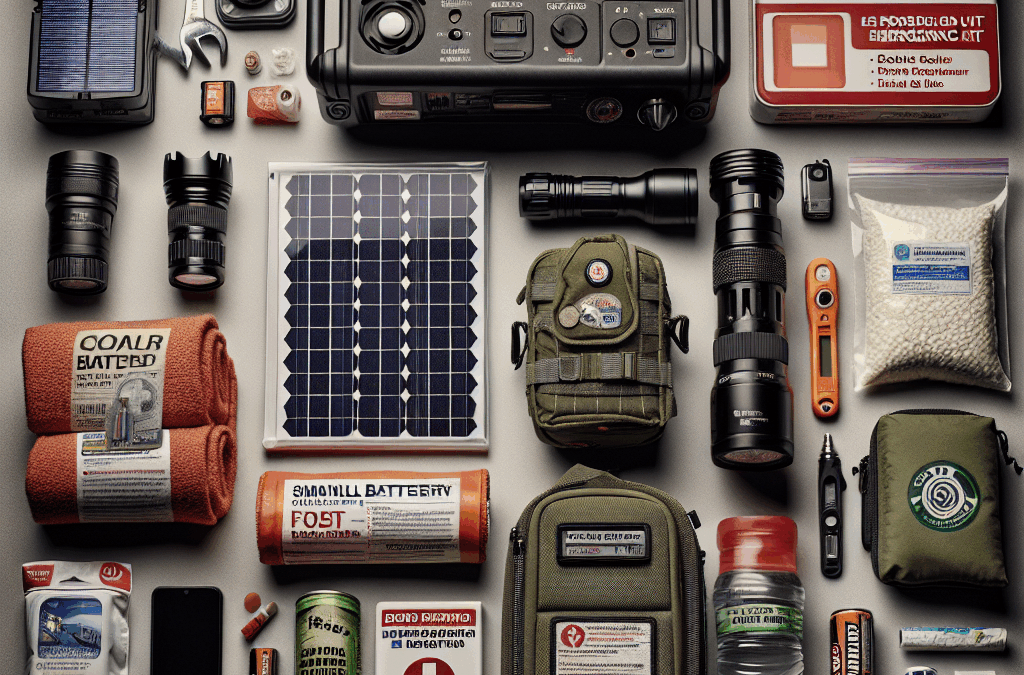
Building an effective emergency prep kit begins with understanding the fundamental supplies needed to survive the first 72 hours of any crisis. Basic items include non-perishable food, water, a flashlight, batteries, and a first aid kit. In 2025, it’s crucial to keep these essentials updated and tailored to your familyâs specific needs.
For instance, consider compact water purification systems that are lightweight yet reliable. Additionally, having a versatile cooking method, such as a portable stove, ensures you can prepare food even when power is out. Remember, the goal is to create a self-sufficient setup that can operate independently amid disruptions.
Research shows that a well-planned kit reduces stress and improves response during emergencies. As per recent statistics, over 60% of households in disaster-prone areas now prioritize quality emergency supplies to enhance their preparedness.
Selecting Durable and Compact Items
Durability and portability are key when selecting items for your emergency prep kit. Opt for lightweight, sturdy containers that resist the wear and tear of rough handling. In 2025, many manufacturers have introduced innovative gear made from high-tech, damage-resistant materials.
For example, multi-use tools and collapsible water carriers save space while providing multiple functions. Remember, a compact kit is easier to store and quicker to access, which can be crucial during rushed situations. Always test your gear regularly to ensure it remains functional over time.
Personal experience teaches that prepping with durable, multifunctional gear can make the difference between minor inconvenience and major survival challenge during an emergency.
2. Essential Food Supply Items
Non-Perishable Food Options for 2025
Choosing the right food items is pivotal for your emergency prep kit. In 2025, focus on nutrient-dense, long-lasting foods like freeze-dried meals, canned goods, and granola bars. These are lightweight, easy to store, and have extended shelf lives, often exceeding 10 years.
Consider food allergies and dietary restrictions when selecting supplies, ensuring everyone in your household is catered for. Incorporate variety to prevent meal fatigue during prolonged crises. Furthermore, look into innovative packaging that maintains freshness and prevents spoilage.
Research indicates that having a balanced diet with essential vitamins can boost immunity and overall health during stressful situations. Emergency food supplies should ideally include at least a two-week reserve per person.
Meal Planning and Storage Tips
Effective meal planning involves organizing your emergency food supply for easy access. Use clear, labeled containers to categorize food types, and rotate stock to consume older items first. In 2025, smart storage solutions, like vacuum-sealed packs, help prolong freshness.
Store your food supplies in a cool, dry place away from direct sunlight to maximize shelf life. Incorporate calorie-dense options that provide sustained energy, especially when physical activity may be necessary during emergencies. Remember, well-organized storage reduces panic and saves precious time.
Practical advice: Include a manual can opener with your canned food to ensure you’re prepared regardless of power availability.
3. Water and Hydration Solutions
Securing Safe Drinking Water
Water is the most critical component of your emergency prep kit. Experts recommend storing at least one gallon of water per person per day for a minimum of three days, but in 2025, planning for longer periods is wise. Consider multiple water storage options, such as large containers, water bottles, and collapsible bladders.
In addition to storing water, invest in portable purification devicesâlike UV sterilizers or advanced water filtersâthat can provide safe drinking water from natural sources when store-bought supplies run low. Test these devices regularly to ensure functionality during crises.
Statistics show that nearly 60% of urban households lack reliable access to clean water in disaster scenarios, emphasizing proactive water management as a vital part of your emergency prep kit.
Hydration Monitoring and Conservation
Monitoring your water usage ensures you’re conserving supplies effectively. Incorporate hydration tracking tools or simple charts to remind household members to drink regularly. Use water-saving techniques such as reusing water from washing or cooking for other needs when appropriate.

In 2025, innovative hydration solutions like flavored electrolyte powders or portable hydration packs have gained popularity, helping prevent dehydration during exertion or extreme heat. Staying hydrated boosts energy, resilience, and overall health during emergencies.
Practical tip: Always have backup containers to collect rainwater or natural sources, and know the safest ways to purify it.
4. First Aid and Medication
Compiling a Comprehensive First Aid Kit
A well-stocked emergency prep kit must include a thorough first aid kit. In 2025, select kits that contain bandages, antiseptic wipes, tweezers, pain relievers, and specialized items like burn ointment and allergy medications. Tailor the kit to your family’s specific health needs.
Beyond basic supplies, consider adding items like a digital thermometer, blood pressure cuff, and emergency blankets. Keep supplements and vitamins to maintain health and immune resilience during recovery periods.
Studies show that prompt basic medical treatment can significantly reduce complications after minor injuries, making this an indispensable part of emergency preparedness.
Managing Prescriptions and Medical Records
Ensure that all necessary medications are included in your kit, with extra doses where permissible. Keep copies of prescriptions and important medical records in a waterproof, portable file. In 2025, digital storage options paired with encrypted physical copies are recommended for quick access.
Coordinate with healthcare providers to maintain updated medication lists and discuss your emergency preparedness plans regularly. Having access to essential medicines can be life-saving, especially during extended outages or evacuations.
Practical advice: Use pill organizers to simplify medication management during stressful situations.
2025. Solar-Powered Emergency Communication Devices
Stay Connected When It Matters Most
In 2025, innovative communication devices powered by solar energy have become game-changers. These gadgets ensure you stay connected with loved ones and emergency services even when traditional power sources fail. Solar radios, handheld satellite communicators, and solar chargers are excellent additions to your emergency prep kit.
Having reliable information sources can be the difference between safe evacuation and unnecessary risk. Solar-powered devices eliminate worries about battery depletion during prolonged outages, keeping communication lines open.
Experts recommend testing these devices regularly and keeping them fully charged before emergencies occur. This proactive approach maximizes their reliability when you need them most.
Frequently Asked Questions
1. What should I include in my emergency prep kit for 2025?
Your emergency prep kit should include essentials like food, water, first aid supplies, sanitation items, communication devices, and personal medications. Tailor your kit to your specific needs and regional risks.
2. How often should I update my emergency prep kit?
It’s recommended to review and update your emergency prep kit at least every six months. Replace expired food and medications, check new technological gadgets, and refresh water supplies.
3. What are the top trends for emergency preparedness in 2025?
In 2025, technologies like solar-powered devices, advanced water filtration systems, and compact, multifunctional gear are leading trends. Focus on sustainability and long-term efficiency when building your kit.
4. How can I make my emergency prep kit more sustainable?
Opt for reusable, eco-friendly items such as solar chargers, biodegradable sanitation supplies, and durable containers. Reducing waste and energy consumption aligns with global sustainability goals and ensures preparedness in all scenarios.
Conclusion
Building the best emergency prep kit in 2025 is about thoughtful planning, choosing durable and modern supplies, and staying adaptable to new technologies. An effective kit empowers you to face unexpected events confidently, ensuring safety and well-being for your loved ones. By following top tips and strategies outlined in this comprehensive guide, you’re taking proactive steps towards a safer, more prepared future. Remember, the key to effective emergency preparedness is regular review and updates to keep your kit ready for whatever 2025 has in store.