
by Preparation Call Editorial Team | Aug 12, 2025 | Preparedness
Table of Contents
- 1. Building a Robust Emergency Supply Kit
- 2. Developing a Financial Safety Net
- 3. Learning Essential Survival Skills
- 4. Creating a Family Emergency Plan
- 5. Enhancing Home Security Measures
- 6. Staying Informed with Reliable News
- 7. Preserving Food and Water Supplies
- 8. Cultivating Self-Reliance and Resilience
- 9. Investing in Alternative Energy Sources
- 10. Building Community Connections for Support
1. Building a Robust Emergency Supply Kit
Understanding Essential Supplies
Preparedness for tough times begins with assembling an emergency supply kit that can sustain your family for at least 72 hours. Key supplies include non-perishable food, clean water, first aid essentials, and hygiene products. Modern families should also consider specialized items like baby supplies, pet food, and medications. In 2025, with climate uncertainties on the rise, adapting your kit with extra water and food reserves is more crucial than ever.
Creating a well-rounded emergency kit involves understanding the unique needs of your household. For instance, families with elderly members should include mobility aids and prescription medications. Including versatile tools such as multi-tools, flashlights, and portable chargers ensures you’re prepared for various scenarios. Remember, a preparedness for tough times plan is only effective if your kit is comprehensive and regularly updated.
A practical tip is to store your supplies in easily accessible containers and label them clearly. Rotate perishables periodically, and check expiration dates on medicines and batteries. Investing in high-quality supplies might cost more initially but pays off during critical moments. Digital copies of important documents stored securely can also be a vital part of your preparedness strategy.
Stockpiling Food and Water
In 2025, with supply chain disruptions becoming more common, stockpiling enough food and water should be a top priority. Experts recommend storing at least one gallon of water per person per day for a minimum of three days. Consider long-term food storage options such as freeze-dried meals and canned goods, which have extended shelf lives.
Diversifying your food storage helps ensure nutritional balance and accommodates dietary restrictions. Humidity-controlled storage rooms or containers prevent spoilage and pest infestation. Also, learning how to purify water â through boiling, filtration, or chemical treatments â adds an extra layer of security.
A good practice is to periodically test your food and water supplies, ensuring you know how to access and use them effectively during an emergency. The key is proactive preparation; this approach is essential to resilience in 2025 and beyond.
2. Developing a Financial Safety Net
Increasing Savings and Emergency Funds
Financial preparedness for tough times is critical. In 2025, economic volatility means having a robust emergency fund can be a game-changer. Aim to save at least three to six months’ worth of living expenses. This cushion helps cover unexpected job loss, medical emergencies, or market downturns.
To build this safety net, start by analyzing your monthly expenses and setting aside a fixed percentage of your income. Automated transfers to a separate savings account can facilitate consistent growth. Also, consider diversifying investments, including inflation-protected assets, to safeguard your wealth during turbulent times.
Financial resilience extends to debt management. Minimizing high-interest debt reduces financial stress and increases flexibility during tough times. Keep a disciplined approach, regularly reviewing your financial plan to adapt to changing circumstances in 2025.
Investing for Long-Term Stability
In the current economic climate, strategic investments can buffer your financial preparedness for tough times. In 2025, portfolio diversification remains vital, spreading risk across stocks, bonds, real estate, and precious metals. Historical data shows that diversified portfolios tend to outperform during market downturns.
Emergency savings alone are insufficient; you must also look at income-generating assets. Real estate investments or dividend-paying stocks can provide passive income streams during difficult periods. Additionally, stay informed about economic forecasts and adjust your investments accordingly.
Practical tip: Maintain liquidityâcash or cash equivalentsâso you can respond swiftly to sudden needs. Building this financial foundation enhances your overall preparedness for tough times and secures peace of mind.
3. Learning Essential Survival Skills
Basic First Aid and Medical Skills
Having survival skills is an often-overlooked aspect of preparedness for tough times. In 2025, more families are recognizing that knowing how to provide basic first aid can save lives during emergencies. Classes on CPR, wound treatment, and managing common injuries are highly recommended.
In a crisis, medical help may be delayed. Learning to properly use first aid kits, bandages, and antiseptics makes a difference. You can even practice scenarios like broken bones or choking to build confidence and readiness.
Online courses and local workshops are accessible and affordable ways to acquire these skills. Additionally, keeping a small, well-stocked first aid kit at home and in your vehicle ensures youâre prepared wherever you are during tough times.
Self-Reliance Skills: Gardening & Food Preservation
Growing your own food is a fundamental survival skill for preparedness for tough times. In 2025, urban gardening and vertical farms are gaining popularity, helping even small spaces produce fresh vegetables and herbs. This reduces reliance on external supply chains.

Food preservation techniques like canning, fermenting, and drying extend the shelf life of homegrown produce. These skills provide a buffer against food shortages and help maintain a balanced diet during challenging periods.
Practical tips include starting with easy-to-grow crops like tomatoes, lettuce, and herbs. Invest in quality canning equipment, and learn safe techniques through reputable sources. Building this skill set enhances your self-reliance in tough times.
4. Creating a Family Emergency Plan
Communication Strategies
An essential component of preparedness for tough times is establishing a clear communication plan with your family. In 2025, many families create multiple contact methods, including radios, social media, and emergency apps, to stay connected during crises.
Designate a primary meeting point and ensure every family member knows it. Practice communication drills to build familiarity and reduce panic during actual emergencies. Share important contacts and update information regularly.
Using technology to your advantage, such as shared cloud folders with critical documents, can make vital information accessible when needed most. Preparing your family with a communication plan minimizes chaos and improves response times during tough times.
Evacuation and Safe Zones
Planning evacuation routes and identifying safe zones is critical. Consider the most likely scenariosânatural disasters, civil unrest, or accidentsâand tailor your plan accordingly. Map out multiple evacuation routes and keep a ready-to-go kit packed.
Inform all family members about these routes and safe zones, rehearse evacuation drills, and keep your vehicleâs fuel tank full. In 2025, integrating GPS and emergency alerts into your plan enhances safety and preparedness.
Remember, flexible and well-rehearsed plans are key. Being prepared physically and mentally to evacuate quickly can make all the difference in tough times.
2025. [Placeholder for additional strategies – scalable for future sections]
Frequently Asked Questions about Preparedness for Tough Times
1. Why is preparedness for tough times important in 2025?
As global uncertaintiesâincluding economic challenges, climate change, and geopolitical tensionsâcontinue to rise in 2025, being prepared for tough times becomes essential for personal and family resilience. Preparedness helps reduce panic and ensures safety during crises.
2. How can I start building my preparedness for tough times without overwhelming myself?
Begin with small steps like creating an emergency kit, saving a little each month, and learning basic survival skills. Focus on one aspect at a time to gradually build a comprehensive plan that feels manageable.
3. What are the key components of effective preparedness for tough times?
Key components include a reliable supply of food and water, financial stability, knowledge of survival skills, a communication plan, and strong community ties. Regular practice and review are also vital.
4. How does community involvement enhance preparedness for tough times?
Community networks provide mutual support, sharing resources, and information. Building local relationships can offer safety, assistance, and collective resilience during crises, making your preparedness efforts more effective.
5. What are some innovative strategies for preparedness for tough times in 2025?
In 2025, leveraging technology such as emergency alert apps, solar-powered chargers, and community online platforms enhances readiness. Sustainable practices like urban gardening and renewable energy also play a significant role.
Conclusion
Preparing for tough times in 2025 requires proactive planning and continuous effort. From building a comprehensive emergency supply kit to developing financial resilience, each strategy enhances your ability to withstand various crises. Remember, the core of effective preparedness for tough times lies in staying informed, practicing your plans, and fostering strong community connections. By investing in these areas now, youâre not only safeguarding your future but also empowering your family to face whatever challenges lie ahead with confidence.
Stay vigilant, stay prepared, and embrace these effective strategies to ensure your resilience in 2025 and beyond.
by Preparation Call Editorial Team | Aug 12, 2025 | Preparedness
- 1. Comprehensive First Aid Emergency Kits
- 2. Food and Water Supply Kits
- 3. Power Backup and Flashlight Kits
- 4. Shelter and Warmth Emergency Kits
- 5. Communication and Navigation Kits
- 6. Personal Safety and Self-defense Kits
- 7. Sanitation and Hygiene Kits
- 8. Emergency Clothing and Gear Kits
- 9. Family Preparedness Kits
- 10. Special Needs and Pet Emergency Kits
- FAQs
1. Comprehensive First Aid Emergency Kits
Essential Components for Immediate Care
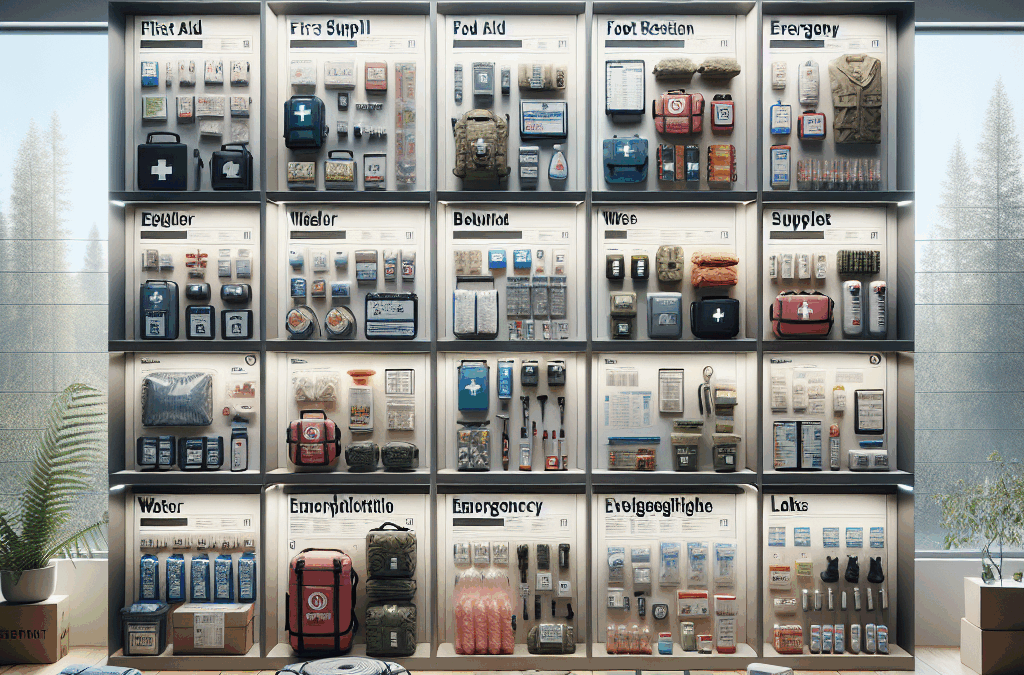
Having a comprehensive first aid emergency kit is fundamental to any home preparedness plan in 2025. These kits should include bandages of various sizes, antiseptic wipes, pain relievers, and specialty items like burn ointments and gauze pads. In an emergency, quick access to these supplies can make the difference between minor injuries and serious infections.
Studies show that proper first aid can reduce recovery times and prevent complications. When selecting a first aid kit for your home, look for one that is stocked according to official guidelines, like those provided by the American Red Cross or FEMA. Consider adding personalized items such as allergy medications or specific prescriptions for family members.
Pro tip: Keep your first aid kit in a designated, easily accessible location known to all family members. Regularly check expiration dates and replenish supplies accordingly. In 2025, smart kits equipped with digital instruction manuals and telemedicine access are gaining popularity for enhanced emergency responses.
Recommended Storage and Maintenance
Choose waterproof and shockproof containers to protect your first aid supplies. Clear labeling helps identify contents quickly during high-stress situations. For families with children or elderly members, consider child-proof or senior-friendly kits with adapted supplies.
Routine maintenance is key; schedule quarterly check-ins to review contents, replace expired items, and update your kit based on family health changes. A well-maintained first aid kit is arguably the most critical element of “emergency kits for home,” ensuring you’re prepared for a variety of injuries or health crises.
2. Food and Water Supply Kits
Stocking Nutritious Non-Perishable Food
In 2025, a resilient food and water supply kit ensures your family can survive several days without outside help. Include non-perishable food items like canned goods, energy bars, and freeze-dried meals. Opt for foods with long shelf livesâup to 25 years for some specialized productsâand essentials like baby formula or pet food if needed.
Proper storage of these supplies is crucial; keep them in a cool, dark place to maximize shelf life. Consider rotation systems to keep inventory fresh and reduce waste. Investing in emergency food ration kits designed for long-term storage can simplify this process and guarantee nutritional value during crises.
Water is even more vital: aim for a minimum of one gallon per person per day for at least three days. Use water purification methods such as portable filters, purification tablets, or boiling to ensure safety. An effective emergency kits for home always account for clean water access to prevent dehydration during emergencies.
Storage Tips and Practical Usage
Store your food and water supplies in sturdy, waterproof containers with clear labels. Use modular shelving units to organize supplies efficiently, making it easier to inventory and access items quickly.
Regularly inspect and replace expired food and water to ensure readiness. In 2025, technological innovations like smart storage containers that alert you when supplies are low or nearing expiration are becoming popular among serious prepper communities.
3. Power Backup and Flashlight Kits
Choosing Reliable Power Sources
Power outages can happen unexpectedly, especially with extreme weather events on the rise in 2025. A robust emergency kit for home must include reliable power backup options such as portable generators, solar chargers, and battery packs. These devices ensure that essential appliances, medical devices, and communication devices stay operational.
Invest in high-capacity, eco-friendly solar-powered options where possible. For example, portable solar panels can be used to recharge batteries and devices without relying on grid power. Remember, always have a diverse power backup plan to adapt to different scenarios.
Emergency lighting is also critical; include LED flashlights, headlamps, and lanterns with extra batteries. Consider rechargeable options to cut down on waste and cost. Well-prepared emergency kits for home in 2025 integrate smart technology alerts and remote control capabilities for added convenience and reliability.
Safety and Usage Tips
Store backup power sources in a dry, ventilated area away from combustible materials. Practice periodic testing to ensure equipment functions properly when needed. A portable LED flashlight with long battery life and built-in USB charging ports enhances overall preparedness.
Having a plan for how to operate backup power safely is essential. Follow manufacturer instructions strictly, and never overload generators or outlets to prevent fires or electrocutions. Building a comprehensive power backup system into your emergency kits for home strengthens your overall readiness for unexpected outages.
4. Shelter and Warmth Emergency Kits
Essentials for Staying Warm
In harsh winter conditions or after natural disasters, maintaining body heat is vital. Emergency kits for home should include thermal blankets, layered clothing, and portable heaters. Space-saving sleeping bags designed for extreme conditions can also be lifesavers.
Layered clothing with moisture-wicking base layers, insulation, and waterproof outer shells helps protect against the elements. Consider including hand warmers, hats, gloves, and insulated boots for comprehensive warmth.
For shelter, portable emergency tents or tarp setups can provide temporary protection. In 2025, innovations like heated blankets with rechargeable batteries and multi-purpose shelters that are lightweight yet durable are popular among prepper communities.
Creating a Safe Shelter Area
Identify a safe, accessible area within your home that can be quickly transformed into an emergency shelter. Keep supplies organized nearby, including blankets, pillows, and emergency heating devices. Ensure this space is free of hazards and easily ventilated.
Regular drills and practice setups enhance speed and confidence during actual emergencies. Effective shelter and warmth kits form an essential part of “emergency kits for home,” especially in climates prone to severe weather events.
5. Communication and Navigation Kits
Staying Connected When It Matters
Effective communication can save lives during emergencies. Your home emergency kit should include battery-powered or hand-crank radios, satellite phones, and portable chargers. Ensure these devices can receive NOAA emergency alerts and local broadcasts.
Navigation tools like printed maps, compasses, and GPS devices help you find your way if power or internet access is compromised. In 2025, smart emergency communication systems with built-in location tracking and emergency contact buttons are becoming standards for enhanced safety.
Teach your family how to operate these devices and establish communication plans before an emergency occurs. Keeping a small, dedicated communication kit ready is an often-overlooked yet vital component of comprehensive “emergency kits for home.”
Practical Tips for Effective Use
Regularly test communication devices to ensure they work properly and replace batteries annually. Store backup power sources and chargers in a protected, easily accessible location.
Develop a family communication plan, including rendezvous points and contact information, and review it every six months. Staying connected during emergencies is integral to effective preparedness and response.
6. Personal Safety and Self-defense Kits
Tools for Protecting Your Family
Safety always comes first in emergency scenarios. Self-defense kits should include items like pepper spray, personal alarms, and tactical flashlights. In some cases, non-lethal options like stun guns are worth considering, depending on local laws.
Additionally, carry multi-tool knives, door wedges, and safety whistles to deter threats and signal for help. Training in self-defense techniques enhances confidence and effectiveness in protecting yourself and loved ones.
In 2025, advanced personal safety gadgets such as wearable panic buttons and smart security systems integrated with your home emergency kits are increasing in popularity among safety-conscious families.
Precautionary Tips
Store self-defense items securely but accessibly. Make sure all household members understand how to use them responsibly. Regularly review safety procedures and ensure devices are in working order.
Remember, the goal of your emergency kits for home extends beyond basic survival; it includes ensuring personal safety and reducing panic during crises. Responsible handling and knowledge of self-defense tools are crucial components of a comprehensive emergency plan.
7. Sanitation and Hygiene Kits
Maintaining Health Amidst Crisis
Keeping clean during an emergency is essential to prevent infections and illness. Your hygiene kit should include hand sanitizers, moist wipes, toilet paper, sanitary supplies, and portable wash basins. Compact and lightweight options ensure ease of storage and use.
Good sanitation practices also involve safe waste disposal. Consider including sealable trash bags and disinfectants to manage waste effectively. Maintaining hygiene minimizes the spread of disease during extended emergencies.
In 2025, innovative hygiene solutions such as biodegradable wipes and compact portable showers are popular choices for home emergency kits, especially in disasters compromising sanitation infrastructure.
Tips for Effective Hygiene Management
Store hygiene supplies in sealed, waterproof containers to prevent contamination. Regularly review your stock and replace expired products. Training family members on proper hygiene practices during crises is vital.
The health of your family depends heavily on hygiene protocols maintained through well-stocked sanitation kits. Ensuring this aspect of emergency preparedness is a key element of effective “emergency kits for home.”
8. Emergency Clothing and Gear Kits
Preparedness for All Weather Conditions
An ideal emergency clothing kit includes waterproof jackets, sturdy shoes, thermal layers, and rain gear. Pack versatile items that can be layered, depending on weather conditions. Having suitable clothing ready ensures safety and comfort in unpredictable circumstances.
Include durable gloves, hats, and reflective vests for visibility and protection. Emergency gear like multi-purpose tools, whistles, and compact backpacks enhances mobility and preparedness.
In 2025, lightweight, packable, and multi-functional gear options are increasingly favored for home emergency kits, allowing quick deployment in various scenarios.
Storage and Usage
Keep clothing gear in waterproof, organized travel bags close to your main emergency kit. Regularly assess weather-specific needs and update gear accordingly. Practice quick dressing routines so family members can gear up efficiently when needed.
Having the right emergency clothing and gear can make a significant difference during evacuations or prolonged shelter-in-place situations, making this a crucial part of the “emergency kits for home.”
9. Family Preparedness Kits
Customizable Family Emergency Plans
Every family has unique needs, and their emergency kit should reflect that. Include supplies for infants, elderly members, and persons with disabilities. Customized kits enhance safety and reduce stress during emergencies.
Develop a family communication and evacuation plan, practice drills regularly, and involve everyone in prepping. Consider including family-specific items like comfort toys, special dietary foods, and medical devices.
Modern trends in 2025 show that digital planning tools and shared checklists improve coordination and preparedness across all family members. A well-prepared family is always better equipped to handle unforeseen crises.
Organizing for Quick Access
Designate specific storage spaces for your family preparedness kit, ensuring everyone knows its location. Use labeled containers and categorize supplies for quick retrieval.
Train all family members on emergency procedures and ensure everyone understands their roles. An organized, comprehensive family emergency kit reduces chaos and sets the stage for a safer response during disasters.
10. Special Needs and Pet Emergency Kits
Caring for Vulnerable Family Members
Special needs individuals require tailored supplies, including medical devices, medications, mobility aids, and communication devices. Their emergency kit should accommodate these and be easily accessible. Planning ahead mitigates risks and ensures their safety during crises.
For pets, include pet food, water, veterinarian records, and comfort items. Make sure your pet emergency kit is portable and stored alongside your family kit for quick access.
By 2025, innovative products like portable wheelchair chargers, medication reminder apps, and pet GPS trackers are increasingly integrated into emergency preparedness plans.
Practical Tips for Customization
Regularly update all emergency kits, especially for special needs or pets. Ensure everyone in the household knows how to assist and handle these specialized supplies during emergencies. Preparedness for vulnerable populations is a critical component of comprehensive “emergency kits for home.”
FAQs about Emergency Kits for Home
Q1: How often should I update my emergency kits for home?
It is recommended to review and update your emergency kits every 3 to 6 months. Check expiration dates, replace used supplies, and adjust contents based on any changes in family needs or new threats emerging in 2025.
Q2: What are the most important items to include in my emergency kits for home?
Key items include food and water supplies, first aid kits, power backup devices, lighting, communication tools, and personal safety gear. Prioritize items based on your familyâs specific needs and potential risks.
Q3: Can I buy ready-made emergency kits for home?
Yes, many companies offer prepacked emergency kits tailored for different scenarios. However, customizing your own kit ensures it meets your family’s unique requirements and includes everything you need for 2025.
Q4: What are some innovative trends in emergency kits for home in 2025?
Smart technology integration, such as IoT-enabled devices, solar-powered backup systems, and mobile app-controlled emergency solutions, are some of the latest trends. These enhance accessibility, monitoring, and efficiency in crisis situations.
Q5: Why is it essential to have emergency kits for home?
Having well-prepared emergency kits for home ensures your family can respond effectively to natural disasters, power outages, or other crises. Being prepared reduces panic, saves lives, and minimizes damage during unforeseen events.
Conclusion
In 2025, being proactive with your emergency preparedness is more important than ever. The right combination of emergency kits for home â from first aid supplies and food storage to power backups and specialized gear â can significantly impact your safety and peace of mind during unforeseen events. Remember, comprehensive planning and regular maintenance of your emergency kits ensure that when disaster strikes, your family is ready to face it confidently. Invest in quality, organization, and preparedness now to secure your home and loved ones for whatever 2025 may bring.
by Preparation Call Editorial Team | Aug 12, 2025 | Preparedness
When it comes to emergencies, preparation can make the difference between chaos and calm. Understanding how to navigate unexpected situations equips you with essential survival skills that could potentially save lives. Let’s delve into creating your ultimate emergency plan by examining four critical components: assessing risks, building an emergency kit, crafting a communication plan, and practicing your strategies.
*Assessing Risks: Understanding Potential Emergencies in Your Area**
The first step in your preparedness journey is identifying the types of emergencies you may encounter in your locality. Natural disasters such as hurricanes, earthquakes, floods, or wildfires often vary by region. For instance, if you live in a coastal area, hurricanes could pose a significant threat; meanwhile, those residing near fault lines should be particularly cautious about earthquakes.
Research local history and consult resources like government websites or community organizations to gain insights into past incidents. Additionally, consider human-made threats such as chemical spills or power outages caused by infrastructure failures. By evaluating these risks systematically, you’ll be better equipped to tailor your emergency plan effectively.
*Building Your Emergency Kit: Essentials for Every Situation**
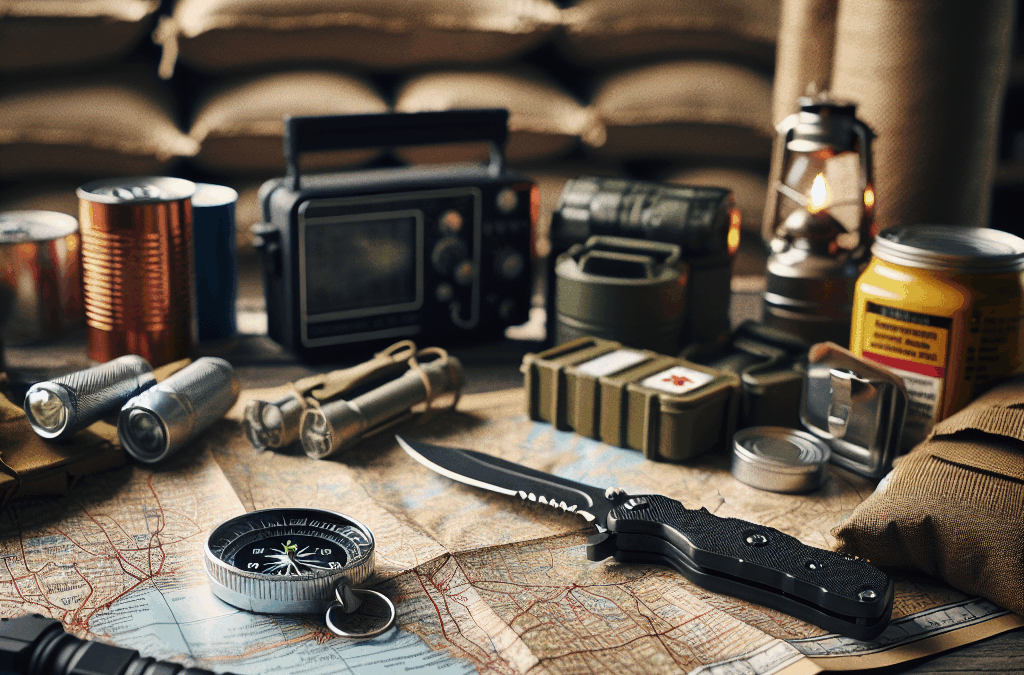
Once you’ve assessed potential threats, it’s time to focus on assembling an emergency kit—your lifeline during crises. The contents of this kit will depend on the unique challenges posed by your environment but generally should include:
1. **Water:** One gallon per person per day for at least three days.
2. **Non-perishable Food:** A variety of canned goods, energy bars, and dried fruits.
3. **First Aid Supplies:** Adhesive bandages, antiseptic wipes, pain relievers—anything essential for minor injuries.
4. **Flashlights & Batteries:** Power outages can happen unexpectedly; ensure you have reliable light sources.
5. **Multi-tool or Swiss Army Knife:** Versatile tools can prove invaluable in numerous scenarios.
6. **Whistle:** Use this to signal for help if needed.
7. **Personal Documents & Cash:** Keep copies of identification and insurance policies secure yet accessible.
Don’t forget to personalize your kit! If you have pets or specific medical needs within your family unit (like medications), ensure their requirements are also met.
*Crafting Your Communication Plan: Staying Connected During Crises**
In times of crisis, staying connected can be challenging due to network overloads or infrastructure damage. Establishing a robust communication plan is vital for ensuring everyone knows what steps to take and where to find each other.
Start by designating a meeting point outside your home where family members can rendezvous if evacuation becomes necessary. Additionally, identify an out-of-town contact who everyone can reach out to—this person serves as a central communication hub during chaotic times when local connections might fail.
Ensure all family members understand how to use text messaging apps or social media platforms as alternatives when phone lines are down or overwhelmed with traffic.
*Practicing Your Plan: Training and Drills for Family Readiness**
Preparation doesn’t end once your kit is packed and plans are made; regular practice is crucial! Conduct drills that simulate various scenarios—whether it’s evacuating due to a fire alarm or sheltering in place during severe weather warnings.
Get everyone involved—from toddlers learning how to grab their essentials quickly to teens understanding how they fit into the larger picture during emergencies. Assess what works well and adjust accordingly; preparedness is an evolving process!
By focusing on these four areas—risk assessment, emergency kit creation, communication planning, and regular practice—you lay the groundwork for resilience amidst uncertainty. Remember: being prepared isn’t just about surviving; it’s about thriving even when faced with adversity!





