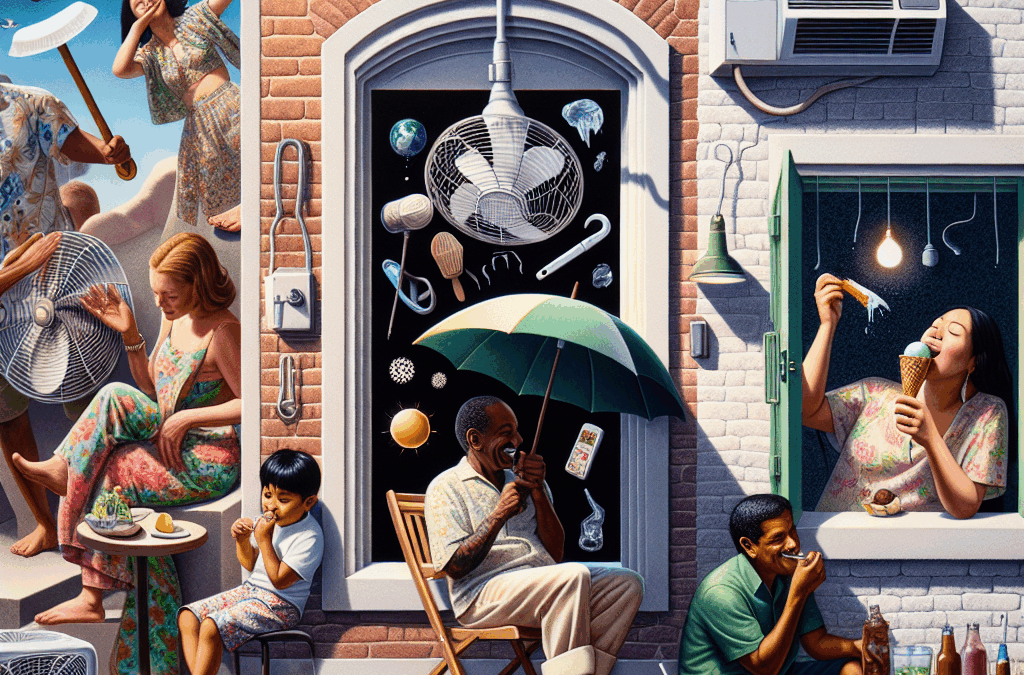
1. Utilize Natural Ventilation
Open Windows Strategically
One of the simplest ways to keep your space cool is by opening your windows. I like to do this early in the morning and late in the evening when the outside air is cooler. Just remember, you don’t want that midday heat creeping in, so timing is key!
Cross-ventilation is also super effective. I make sure to open windows on opposite sides of my house to create a nice breeze that helps circulate the air. You’ll be surprised at how effective this can be with just a little effort!
Don’t underestimate the power of a good fan either. If I’ve got a breeze coming in, I’ll set a fan near the window facing inward to draw that cool air inside more effectively. It’s like having mini air conditioning without the hefty bill!
Create Indoor Airflow
Now that I’ve got my windows open, I often move things around a bit to promote airflow. Clearing any obstructions in front of fans helps them circulate the air more freely. I might pull out my box fan and angle it towards areas where I hang out the most.
If you’re feeling crafty, try placing a bowl of ice in front of your fan for a hit of chilled air. I always love this trick during hot afternoons; it gives me just the refreshing boost I need!
Sometimes, I’ll also use a ceiling fan if I have one. These can work wonders when set to rotate counter-clockwise to push cool air down into the room. I’m always grateful when I remember this little tip during those scorching days!
Limit Heat Sources
Another handy method to keep cool is minimizing the heat generated indoors. I try to avoid using the oven or stove during the hottest parts of the day. Instead, I whip up no-cook meals or use a microwave.
Appliances like TVs and computers can generate heat too. I make sure to turn off devices when I’m not using them! Sometimes I even schedule my work hours around the cooler parts of the day.
Lastly, I ensure my light bulbs are energy-efficient, like LEDs. They don’t put off as much heat as traditional bulbs, and every little bit helps keep my space more comfortable!
2. Stay Hydrated
Drink Plenty of Water
It might sound basic, but staying hydrated is key in the summer. I aim to sip water regularly—especially during peak heat. When your body is well-hydrated, you can handle the heat a whole lot better!
I also like to keep a bottle or glass of water nearby—whether I’m working or lounging. It serves as a constant reminder to drink up, and I often throw in some lemon or mint leaves for an extra refreshing twist.
Don’t forget about foods, too! Stuff like watermelon or cucumbers are not just hydrating; they’re delicious and perfect for a warm day. I’ve enjoyed tossing them in my salads or snacking on them throughout the day.
Limit Caffeine and Alcohol
While I love a good iced coffee or refreshing cocktail, I’m mindful of how they can dehydrate me. I’ve learned to balance my intake, especially during extremely hot days, so I don’t feel sluggish or overheated.
If you usually enjoy your caffeine fix, I suggest switching to herbal tea or infused low-sugar beverages instead. These can be just as tasty while keeping hydration levels up. Plus, a chilled herbal tea can be super satisfying!
When it comes to alcohol, I’ll try to space drinks with water. It’s a win-win situation; I stay hydrated and still have a good time without feeling the effects of the heat!
Misting Yourself
Feeling a little warm? I often use a simple spray bottle filled with water to mist my face and neck. It’s such a quick refresher! Sometimes, I keep the bottle in the fridge for extra chill.
If you can, step outside and have a spritz in the shade. The difference is remarkable and gives a nice cooling sensation for several minutes afterward!
You can also try a damp cloth or bandana. I like to keep one in the fridge and pop it on my wrist or the back of my neck; you won’t believe how much cooler this makes you feel!
3. Dress Appropriately
Choose Lightweight Fabrics
When it comes to clothing, I swear by lightweight and breathable fabrics. Cotton and linen are my go-to materials since they allow air to flow through, helping me stay cool.
I like to avoid dark colors that absorb heat. Light-colored clothes are a lot better at keeping me feeling fresh under the summer sun. It’s true what they say: you can beat the heat with the right outfit!
Also, I love wearing loose-fitting clothing. This way, I don’t feel restricted, and it allows my body to naturally cool down, as the air can circulate more freely around my skin.
Use Accessories Wisely
Hats can be a great addition too. When I’m heading outside, I often throw on a wide-brimmed hat to shield my face and neck from direct sunlight. It provides shade and really helps cut down on the heat.
Don’t forget sunglasses for those bright days! They can make a huge difference in how comfortable you feel outdoors. Just the simple act of blocking out the sun can help keep your body from overheating.
Lastly, a light scarf can work wonders. I’ve found tying a scarf loosely on my head will both keep the sun off and hold back that sweaty hair situation. It’s a simple yet stylish way to beat the heat!
Plan Outdoor Activities Wisely
Whenever I want to enjoy some outdoor activities, I’ve learned to do so during the cooler parts of the day. Early mornings and evenings are usually much more pleasant, and it’s a great way to avoid the blazing midday sun.

If I plan to exercise, I’ll do it in the shade or find paths that are more breezy. A jog under trees or a walk near a lake tends to be much more enjoyable when I can feel that natural cooler air.
Also, having a backup plan with plenty of sunscreen, water, and shady spots is crucial. I try to take breaks in the shade, ensuring I’m rehydrating and keeping myself cool while enjoying the great outdoors.
4. Optimize Your Home’s Insulation
Close Blinds and Curtains
One of the first things I do during a heatwave is close my blinds or curtains during the day. This helps block out the sun and reduces the amount of heat that seeps into my home. I often choose light-colored or reflective blinds to maximize the effect.
This simple step can bring a surprising drop in temperature indoors! I highly suggest trying it—especially in rooms you use most. Just be sure to open them back up when the sun starts to go down!
Sometimes I find that thermal drapes can be a game changer too. They provide added insulation and can help keep the heat at bay, especially in rooms where I spend the most time.
Seal Windows and Doors
To maximize comfort, I ensure that my windows and doors are well-sealed. I take a look for any gaps where air might escape or enter, and I use weather stripping to close those off. It’s a small and easy fix that often pays off big time!
I also make sure to check my insulation. If I notice some cool air slipping out, I’ll consider upgrading my insulation. It’s an investment worth making to keep my home cool and comfortable during the hotter months.
On the same note, using draft stoppers at the bottom of doors is another quick and simple way to keep your home cool. I can’t tell you how much of a difference this can make!
Use the Roof to Your Advantage
If you’ve got access to a roof, consider planting some greenery! I love the idea of a rooftop garden or vegetation; it can help absorb heat and provide shade, keeping things cooler below.
Reflective roof coatings can also work wonders, redirecting sunlight away instead of absorbing it. This kind of upgrade can be really beneficial, especially if you live in a sunny area!
Lastly, ventilation in the attic is crucial, too! I try to ensure my attic has good airflow to prevent heat buildup, which can radiate into the rest of my home.
5. Embrace Simple DIY Solutions
Make Your Own Air Cooler
If I’m in need of a little extra coolness, I love making my own air cooler! It’s as simple as placing a bowl of ice in front of a fan to create a chilled airflow. It’s a super refreshing fix on those sweltering days.
Sometimes I get a bit more creative too. I’ve tried placing a humidifier near a fan to create a cool mist that fills the room with refreshing air. It’s a DIY hack that can add some moisture while cooling down the space!
Another fun idea is using plants as natural air coolers. A few strategically placed plants can add shade and moisture, and I find the greenery just lifts my spirits while providing that added benefit!
DIY Blinds and Shades
If you’re feeling particularly crafty, I suggest making DIY blinds or shades. Using reflective materials or light-colored fabrics can help keep the sunlight from heating up your space.
I’ve even repurposed old bed sheets for the cause! Sometimes an old fitted sheet makes for a great temporary shade when hung in the window. It’s a practical way to cool things down without spending a load of cash!
There are tons of tutorials online, and you can personalize them to suit your home’s style. Plus, it’s always fun to put your own spin on home decor!
Build a Heat Shield Outside
Having a shade structure outside can make a world of difference. I’ve built simple shades using canvas or tarps attached to poles to create a shaded area. This covers my outdoor spaces, making them usable even in the middle of summer!
Consider trellises with climbing plants too. They not only provide shade but also bring a natural beauty to your outdoor area. Plus, how nice is it to sip your drink in a shady spot instead of burning under the sun?
It’s all about getting creative and finding what works best for your outdoor setup. Every little bit helps when it comes to staying comfortable!
Frequently Asked Questions
1. Is it really possible to stay cool without air conditioning?
Absolutely! There are numerous natural methods and DIY techniques to keep your space comfortable, as outlined in the article, such as utilizing natural ventilation, staying hydrated, and using appropriate clothing.
2. What are some quick tips for staying cool during a power outage?
During a power outage, open windows for natural ventilation, use fans with ice in front of them, stay hydrated, and focus on creating airflow. Avoid heat-generating appliances and find cooler areas in your home.
3. Are there any specific foods that help with hydration?
Definitely! Foods high in water content like watermelon, cucumbers, and citrus fruits are great for hydration. Keeping these snacks on hand during hot days is a fantastic idea!
4. How can proper home insulation help with keeping cool?
Good insulation prevents warm air from entering your home, thereby reducing the temperature inside. Closing blinds and sealing gaps helps maintain a cooler home environment.
5. Can DIY solutions really be effective for staying cool?
For sure! Simple DIY solutions like creating your own air cooler or making reflective blinds can effectively lower temperatures without needing air conditioning. Plus, they’re often inexpensive and fun to make!