
by Preparation Call Editorial Team | Aug 3, 2025 | Preparedness
Hey there! You know, navigating the world after dark can be a bit daunting, especially when streetlights are few and far between. I’ve had my fair share of nighttime adventures, and over the years, I picked up some cool strategies that can help anyone feel a bit safer. Here are five major tips to keep in mind, based on my own experiences.
Plan Your Route Ahead of Time
Know Your Surroundings
Before stepping out, I like to take a good look at the area I’ll be traversing. Familiarizing myself with the streets, alleys, and shortcuts can make all the difference. If there are areas I consider dodgy or poorly lit, I’ll avoid them like the plague. It’s all about knowing, right?
It might sound excessive, but sometimes I even scout these routes during the day. By doing this, I can spot landmarks or safe havens, like shops or the odd house with lights on. It really helps build my confidence when I’m moving about at night.
If you’re heading out somewhere new, I recommend using apps or maps to help plan your route, highlighting any spots to steer clear from. It’s no fun getting lost in the dark!
Check for Safe Zones
Safe zones can be anywhere that feels welcoming and secure—think well-lit areas like gas stations, convenience stores, or the front steps of busy houses. Knowing where these spots are can provide a quick escape route if you need to change course.
I’ve found that it really helps to mentally note these spots as I walk. It gives me a sense of control and makes those dark moments feel, well, a little less scary. Trust me, having a plan in your back pocket is a game changer!
Also, if the area is new to you, don’t hesitate to ask locals about safe zones. They often have good insights and can steer you towards the best routes. Community is often more important than we realize, especially at night.
Use Technology Wisely
Now, I’m a huge fan of tech, so I can’t stress enough how helpful my phone’s navigation can be when it’s dark. Having a reliable app that gives turn-by-turn directions can keep you from making wrong turns in poorly lit spots.
Another smart move is using your phone’s flashlight. It’s like carrying a miniature streetlight! I keep my phone charged and ready; a small light can help illuminate uneven pavements or even deter a potential threat.
Lastly, sharing your location with a trusted friend can be a tremendous safety net. Let them know when you’re on the move, and they’ll feel more at ease, too. Nothing builds trust like keeping those in your circle informed!
Walk With Purpose
Stay Aware of Your Surroundings
When walking in the dark, I can’t stress enough the importance of being aware of my surroundings. This means not getting glued to my phone or wearing headphones. Sure, I love my tunes, but staying alert is far more important at night.
Each time I’m out, I try to notice small details, like if there are any unusual sounds or people lingering about. It may sound overly cautious, but even a slight change can signal a need to reassess my surroundings.
When I feel the tension in the air or see something odd, I instinctively adjust my body language to appear more confident. It’s funny how often that alone can shift things in my favor. Sometimes, it’s all about projecting strength!
Keep Your Body Language Confident
One of the tricks I’ve learned is the importance of confident body language. Standing tall and walking with purpose can actually deter unwanted attention. I try to keep my chin up and shoulders back, which not only portrays confidence but also makes me feel more secure.
When I encounter others while walking, I’ll make eye contact. Not in a confrontational way, but in a way that shows I’m aware of them. People often pick up on this and tend to be less likely to mess with you when they know you’re alert.
Body language can communicate a lot! I even practice my “power poses” when I’m at home, just to instill that sense of confidence in myself. It’s all about mindset, my friends.
Travel with a Friend
Whenever possible, going out with someone else is one of my favorite tips! There’s something about having an ally that eases the nerves and enhances safety. Plus, it can be a lot more fun to share experiences with someone else.
If my friend and I are heading out, we always chat about our plans and keep each other aware of our surroundings. It’s less about just feeling safe and more about having each other’s backs, you know?
Honestly, there’s a sense of comfort in numbers. We often find ourselves looking out for potential hazards, which makes the journey way more enjoyable and less stressful! Never underestimate the power of companionship.
Dress to Be Prepared
Wear Reflective or Bright Clothing
I can’t tell you how pivotal it is to wear bright or reflective clothing when heading out at night. I’ve made it a habit to sport something noticeable, especially if I’m walking near car traffic. It’s one of those little choices that can make a huge difference!
Last winter, I bought a reflective vest for my evening walks. I felt like a safety superstar turning heads, but honestly, I felt safer knowing drivers could actually see me. It’s worth every penny if it means being visible!

Remember, it’s not about being fashionable; it’s about being smart. Choose clothes that stand out, especially if the area you’re walking through is dimly lit.
Choose Comfortable, Sturdy Shoes
Comfortable shoes are a must! I’ve been in too many situations where I regretted my choices. Whether you’re sprinting away from a situation or just walking a few miles, make sure your footwear won’t let you down.
I’ve opted for shoes with good grips and sturdy soles since they’d not only keep me comfortable but help navigate tricky terrains. I’ve tripped on uneven sidewalks all too often to know that is vital!
It might sound trivial, but taking those extra minutes to choose wisely can save a lot of hassle when you’re feeling the pace after sunset.
Carry Essential Gear
Last but not least, I always carry a small bag with essential gear when I head out at night. A mini first-aid kit, a portable phone charger, and a small flashlight are my go-tos. You never know when you might need them!
I’ve been in situations where a tiny flashlight saved me from tripping or worse. I even consider my pepper spray a part of my nighttime essentials—just a small deterrent that provides peace of mind while walking alone.
Make it easy on yourself by choosing a compact bag that’s light but functional. This will make you feel prepared and safer during those dark ventures.
Trust Your Instincts
Listen to Your Gut
This is a big one! I’ve learned time and again that my gut feelings are usually spot on. If something doesn’t feel right—a person, a sound, or even a street—I trust that inner voice more than anything!
There have been times when I’ve felt uncomfortable and chose to change my course. It’s better to be safe than sorry, right? Listening to your instincts is a fundamental part of staying safe.
Sometimes, this might mean avoiding certain paths altogether or seeking immediate company. Never hesitate to act on those feelings; they’re there for a reason!
De-escalate When Necessary
If I find myself in a tense situation, I’ve learned a few tricks to de-escalate. I focus on staying calm and keeping my voice steady. Often, my calm demeanor can influence the mood around me—people respond to energy!
Also, avoiding direct confrontation is usually a smart approach. Sometimes, simply changing the subject or walking away can diffuse tension. I’m not about proving something; I just want to get home safe.
Having strategies like these has really set my mind at ease. Practicing calm communication helps not just in the moment but builds my confidence for future encounters too.
Know When to Seek Help
There’s absolutely no shame in seeking help if you feel threatened or in danger. If I notice someone is lingering a bit too long near me, I don’t hesitate to approach a nearby shop or even flag down someone for assistance.
I’ve often found that just being loud and drawing attention can sometimes deter unwanted attention as well. People are programmed to notice when someone’s in distress. I’ve had moments when a simple shout has helped to solve potential issues.
Don’t forget: you’re not alone in this! There are so many people around who can lend a hand. Never hesitate to reach out, even if it’s to simply share your fears with someone who looks supportive.
Frequently Asked Questions
1. What should I do if I feel unsafe while walking?
If you feel unsafe, trust your instincts. Change your route, head to a well-lit public area, or seek help from others around you. Always prioritize your safety and don’t hesitate to call for assistance.
2. How can I prepare for walking at night?
Plan your route ahead of time, wear bright or reflective clothing, and ensure you have a charged phone and essential gear like a flashlight. Staying aware and confident is key.
3. Is walking alone at night dangerous?
It can be, particularly in poorly-lit or unfamiliar areas. It’s important to stay aware, trust your gut, and follow the strategies outlined in this article to enhance your safety.
4. What if I notice someone acting suspiciously?
Trust your instincts and avoid engaging. If you feel particularly threatened, seek help immediately and consider contacting authorities if necessary. Always put your safety first.
5. How important is body language when walking at night?
Very important! Confident body language can deter potential threats. Walk with purpose, make eye contact with others, and be aware of your posture to avoid appearing vulnerable.
by Preparation Call Editorial Team | Aug 3, 2025 | Preparedness
*Introduction: The Importance of Being Prepared**
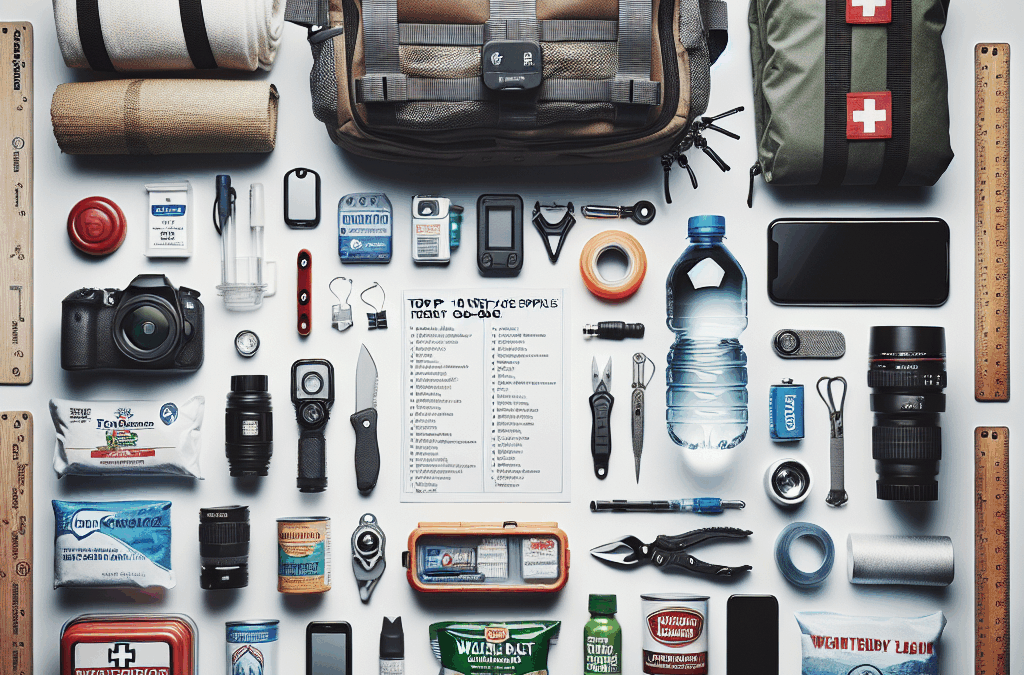
In an unpredictable world, emergencies can strike without warning. Natural disasters, power outages, or sudden evacuations remind us that being prepared isn’t just a good idea—it’s essential. Having an emergency go-bag at the ready can mean the difference between chaos and calm when crisis strikes. This bag is your lifeline in tumultuous times, packed with supplies to help you navigate through unforeseen circumstances.
*What is an Emergency Go-Bag?**
An emergency go-bag, also known as a bug-out bag or 72-hour kit, is a portable collection of essential items designed to sustain you and your loved ones during the critical first few days after an emergency occurs. It should be lightweight yet comprehensive enough to provide for basic needs until you can reach safety or access additional resources.
*Essential Supplies: The Foundation of Your Go-Bag**
While the specifics may vary based on individual requirements and potential risks in your area, there are several core items that form the foundation of any effective go-bag.
*Top 10 Must-Have Supplies for Your Emergency Go-Bag**
1. **Water:** Aim for at least one gallon per person per day for three days. Hydration is non-negotiable.
2. **Non-Perishable Food:** Pack energy-dense snacks like granola bars, canned goods, or freeze-dried meals that don’t require cooking.
3. **First-Aid Kit:** A well-stocked kit should include bandages, antiseptics, pain relievers, and any personal medications.
4. **Flashlight:** A reliable flashlight with extra batteries will illuminate dark paths during power outages.
5. **Multi-Tool:** A versatile multi-tool can assist in numerous situations—from opening cans to making repairs.
6. **Emergency Blanket:** Lightweight and compact; it retains body heat while taking up minimal space in your bag.
7. **Whistle:** Used to signal for help if you’re separated from your group or lost—its sound carries far!
8. **Maps and Compass:** While technology may fail during emergencies, traditional navigation tools remain invaluable.
9. **Personal Hygiene Items:** Consider including wipes, hand sanitizer, toothbrushes, and tissue to maintain sanitation.
10. **Cash:** In emergencies where card systems might be down, having cash on hand could be crucial.
*Bonus Items: Going Beyond the Basics**
If space allows, consider adding items like a portable phone charger (solar-powered if possible), local contact information for family members or friends outside affected areas, duct tape for quick repairs, and even a small camping stove for cooking food under challenging conditions.
*Customizing Your Go-Bag for Family Needs**
Every family has unique needs; thus customizing your go-bag is vital! For families with children or pets, include child-friendly snacks and toys to keep spirits high or pet food and leashes to ensure their comfort during uncertain times.
*Tips for Organizing Your Go-Bag Efficiently**
Use clear containers or zippered bags within your go-bag to categorize supplies—first-aid kits together, food items consolidated separately—to streamline access during crises when every second counts!
*Maintenance: Keeping Your Go-Bag Ready**
Regularly inspect your go-bag at least twice a year. Check expiration dates on food and medications; refresh water supplies as needed to ensure everything remains fit for use when required most urgently.
*Scenario-Based Packing: Tailoring Your Go-Bag for Specific Emergencies**
Consider potential threats specific to your region—earthquakes might necessitate different gear than hurricanes! Adjust contents accordingly so you’re fully equipped based on probable scenarios affecting you directly.
*Conclusion: Take Action Today for a Safer Tomorrow**
Being prepared isn’t merely about gathering supplies; it’s about cultivating confidence amid uncertainty. Take action today by assembling your emergency go-bag—your future self will thank you later! Remember: preparedness isn’t just a plan; it’s peace of mind wrapped up in practicality!
by Preparation Call Editorial Team | Aug 3, 2025 | Preparedness
Stay Calm and Assess Your Situation
Taking a Breather
First and foremost, when help doesn’t arrive, the instinct might be to panic. I’ve been there before; trust me, it’s not fun! The trick I’ve learned is to take a deep breath and hit the pause button. Panic doesn’t solve issues; it only adds to them. Remember, there’s always a way through any predicament.
Once you’ve calmed the nerves, I recommend assessing your situation logically. Determine exactly what’s going wrong. Is it a flat tire, a tech problem, or something more serious? Pinpointing the issue can offer clarity, and clarity is key in these daunting times.
Instead of focusing on the lack of help, shift your attention to what you can handle. This change in perspective can empower you to take action rather than waiting around feeling helpless. I’m always surprised by how much I can figure out when I take a step back and evaluate!
Gather Your Resources
Next up, it’s time to think about what you have at your disposal. Sometimes, all you need is a fresh pair of eyes on the situation. Grab a friend, a family member, or even a neighbor for their input. They might have experienced something similar or even have some tricks up their sleeves that you haven’t thought of!
Don’t forget about technology. In our hyper-connected world, you likely have access to online resources that can help you troubleshoot your issue. Whether it’s a quick Google search or a YouTube tutorial, you can often find step-by-step guides to sort out just about anything.
Your attitude matters too! Approaching your resources with a can-do mentality can turn the tide. Instead of thinking, “I can’t do this,” try saying, “Let’s find out what I can do.” This simple shift can lead to impressive results!
Make a Plan
Once you’ve gathered your resources, it’s important to formulate a plan. Break the problem down into manageable pieces and tackle them one by one. I’ve had moments where I felt overwhelmed, but creating a plan helped me see the light at the end of the tunnel—it’s achievable!
Writing it down also clarifies your thoughts. I like to use a trusty notebook or a note app on my phone to jot down each step I’ll take. It’s satisfying to cross things off the list, trust me! Plus, it keeps me accountable and on track.
Don’t forget to allow for flexibility in your plan. Sometimes things don’t go as expected, and that’s okay! Adjusting along the way ensures that I can handle any curveballs that might come my way.
Don’t Hesitate to Reach Out
Use Your Network
It’s so easy to feel isolated when help isn’t around, but I can’t stress enough how important it is to utilize your network. Friends, family, and colleagues can be invaluable sources of support. The next time you’re in a bind, don’t shy away from reaching out, even if it feels like you’re burdening them. Most people are happy to help!
I remember a time when I was stuck and reached out to a former colleague who had the expertise I didn’t. Not only did they help me out, but it also strengthened our professional relationship. So, don’t underestimate your connections!
Use social media wisely, too. You can post a simple request for advice or assistance. You’d be amazed at how many people are willing to lend a hand or provide guidance when they see someone in need.
Seek Professional Help
Sometimes, DIY solutions just don’t cut it, and that’s where professional help comes in. Don’t hesitate to contact experts in their respective fields. For example, if you’re dealing with a car issue and can’t figure it out, it’s perfectly acceptable to call a mechanic. I’ve learned the hard way that getting professionals involved can save you time and money in the long run.
When you do reach out for professional help, be ready to explain your situation clearly. This will help them understand your needs and provide the best support. I always jot down what I need to communicate beforehand, which saves both parties time.
Keep in mind that engaging professionals shouldn’t make you feel like a failure. Everyone has limits, and seeking assistance showcases wisdom, not weakness. We all need a hand sometimes!
Know When to Let Go
It’s crucial to recognize when we need to pivot our approach or even admit defeat in some situations. It can be hard to let go of something we’ve worked on, but sometimes it’s the best choice. I’ve had projects that I poured my heart into, only to realize they weren’t going anywhere. Being able to move on opened the door for new opportunities!
Letting go can also be freeing. It allows you to redirect your energy into something more positive or fruitful. As they say, “When one door closes, another one opens.” I always keep that in mind when I face setbacks.
Reflecting on the lessons learned from those experiences is equally important. As I move forward, I try to keep a notebook of insights that can help me make better decisions in the future.
Re-evaluate and Reflect
Learning from the Experience
After you’ve tackled an issue, take some time to reflect on what happened. What could have been done differently? What went well? I find that this reflection process is crucial for growth. It’s like a mini post-mortem that helps me review both successes and failures.
Keeping those insights captures a treasure trove of knowledge for the future. I like to document my takeaways in a dedicated journal, so when similar challenges come up, I can pull from my past experiences.
The beauty of reflection is that it aids in building your resilience. Every hurdle faced and overcome solidifies your ability to handle future obstacles with grace and agility.
Adjust Your Future Approach
Based on your reflections, it’s crucial to tweak your future approach. I often find that the way I handle problems evolves as I learn from them. For example, if I realized I waited too long to ask for help, I remind myself to reach out sooner next time.
It’s all about adapting. Each challenge equips us with new tools and strategies for the next round. I like to think of it as building my personal toolbox that I can access whenever challenges arise.
Becoming flexible in your problem-solving strategies can lessen stress and lead to faster resolutions. I’m often amazed at the creative solutions I come up with when I’m adaptable to change!
Practice Gratitude
In closing, practicing gratitude can shift your mindset from frustration to appreciation. Reflecting on the situations you’ve overcome and expressing gratitude for the help you eventually received (or the lessons learned) can be tremendously powerful.
I’ve made it a habit to journal about the things I’m grateful for following a turbulent period. It serves as a refreshing reminder of the positives in my life and what I’ve learned along the way. I get to focus on the silver linings!
Embracing gratitude also fosters a positive attitude. When I show appreciation for my journey—both the ups and downs—I find that it helps maintain a healthy perspective moving forward.
FAQ
1. What should I do first if help doesn’t arrive?
First, take a deep breath and assess your situation calmly. Determine the nature of the help you need and what tools or resources you might have at your disposal. It’s important to remain composed!
2. How can I gather resources effectively?
Gathering resources is about tapping into your network, whether through friends for advice or online for research. Utilize technology to your advantage—look for tutorials or forums that can help guide you!
3. When should I reach out for professional help?
Reach out for professional help when you feel stuck or when the issue is beyond your skills or knowledge. It’s smart and often saves you time and hassle in the long run.
4. What does it mean to let go?
Letting go means recognizing when it’s time to step back from a task or project that isn’t yielding results. Moving on can open the door for better opportunities and lets you refocus your energy on what’s truly important.
5. How do I find lessons in my experiences?
Taking time to reflect on your experiences helps identify what worked and what didn’t. I recommend keeping a journal to track these lessons, which can serve as a great reference in the future.





