by Preparation Call Editorial Team | Aug 3, 2025 | Preparedness
Visual Inspection of Water
Look for Color Changes
One of the first things I always do when checking the safety of my drinking water is to look for any changes in color. If your water suddenly looks murky or has a peculiar tint, that’s a big red flag. Typically, clear water should be the goal, so any deviation from that should raise concerns.
Sometimes this discoloration can come from rust, algae, or sediment. Communication with your local water authority might help you understand if any disturbances in the water supply might have caused it. Trust me, you definitely don’t want to drink anything that doesn’t look clear.
In my personal experience, I found that even small color changes can indicate larger issues. So always keep your eyes peeled! If you notice something off, err on the side of caution.
Check for Sediment and Particles
Next up in my checklist is the presence of sediment or floating particles. If you pour a glass of water and see little specks or cloudy elements, it might mean contaminants are lurking. Sediment could indicate that the water source isn’t properly filtered, or that there’s an issue with the plumbing.
I’ve taken the liberty to run some tests on my water at times. I simply fill up a clear glass and let it sit for a few minutes. If you notice anything settling at the bottom, that’s not a good sign – it’s time to investigate further!
It’s a simple test, but it can tell you a lot without the need for fancy equipment. And honestly, our health is definitely worth a little bit of vigilance.
Smell Your Water
Don’t underestimate your sense of smell! If my water has a funny odor, it’s usually the first warning sign that things might be off. A foul smell could indicate bacteria or other contaminants that can make you sick. That’s not something I want in my body!
For instance, if I notice a chlorine-like smell, I often wonder if there’s been an issue with how the water is being treated. Conversely, if it smells earthy or like rotten eggs, that could indicate sulfur compounds that I definitely don’t want to drink.
I always encourage family and friends to take a sniff of their water, too. It’s a quick and easy check that could save you from some nasty surprises later on.
Using Water Testing Kits
Understanding Water Testing Kits
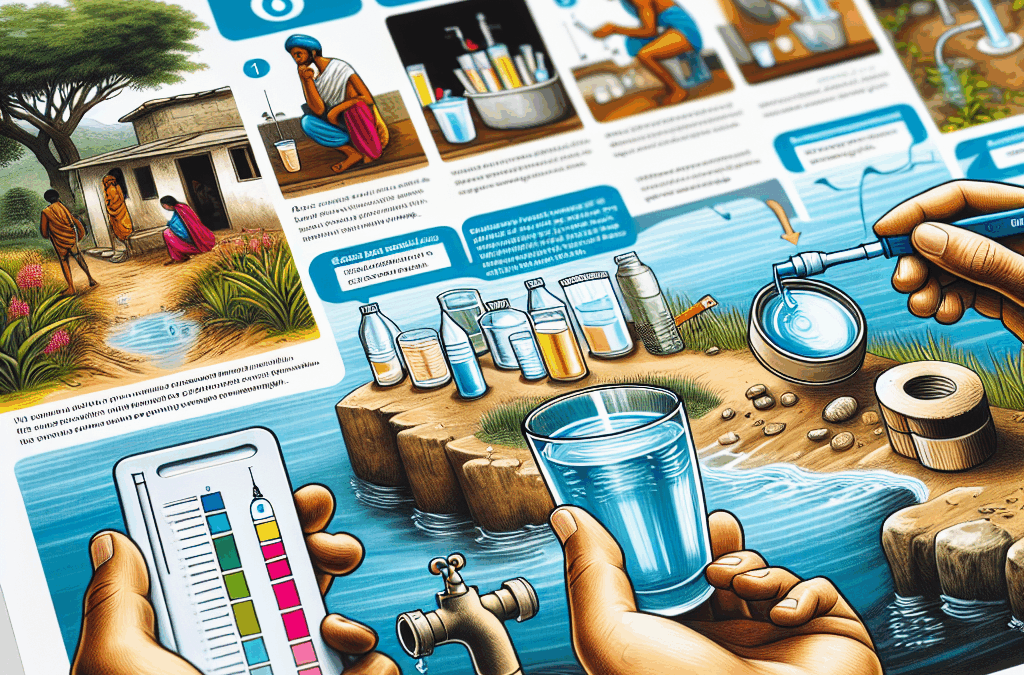
Using a water testing kit is a lifesaver in my home, especially if I’m uncertain about the tap water. These kits are relatively inexpensive and very accessible. They usually come with all the tools you need to get a quick read on what’s in your water.
Typically, these kits can test for chlorine levels, nitrates, bacteria, and pH levels. I’ve always found it reassuring to have a kit on hand, just in case I need to perform a quick test. It empowers me to take the necessary precautions without relying solely on municipal water reports.
When I’m testing, I make sure to follow instructions closely to get accurate results. It’s a small investment for peace of mind, and it allows me to keep my family safe.
How to Read the Results
So, you’ve tested your water—now what? Reading the results can sometimes feel overwhelming. But I’ve learned that it doesn’t have to be that way. Most kits come with clear instructions on how to interpret the data. I keep mine handy to ensure I’m not missing any important indicators.
For example, if I find high nitrate levels, I know it could signify agricultural runoff, which fans the flames of concern about safety. I always bookmark any numbers that seem off. If I’m unsure, I Google them or call up the local water authority.
Staying informed is key! It’s way better to ask questions than to just shrug it off thinking it might not matter. After all, your health and safety come first.
When to Seek Professional Help
If my testing kit shows something alarming, I’m not shy about reaching out for professional assistance. I’ve learned that sometimes it’s best to let the pros handle things. If you find troubling results showing up constantly, you may need a more detailed analysis.
Furthermore, if there’s any change in the taste of the water or if the issues persist, I don’t hesitate to ring up an expert. After all, it’s better to be safe and thorough than to put anyone at risk.
In my experience, knowing when to call in a professional can make a huge difference. They can offer solutions that I might not think about, and at the end of the day, a proactive approach always pays off.
Taste Testing Your Water
What Does Safe Water Taste Like?
Your taste buds can be a surprisingly good indicator of water safety. Safe water typically has a clean, neutral flavor. Nothing fancy, right? I mean, water shouldn’t have any weird metallic or chemical taste.
In my daily life, I think about when I’ve tasted water with a subtle sweetness; that usually indicates it’s spring water, which I find refreshing. However, if the water tastes off-prone to an alkaline or metallic flavor, it’s usually time to take further action.
Being aware of how my water tastes has helped me make decisions about what to drink or not. If it tastes bad, it’s my cue to pour it down the drain and look into filtration options.

How to Perform a Taste Test
To conduct my taste test, I sip on some water after letting it sit in a glass for a bit. It’s important to take that moment because certain flavors can mellow out, revealing underlying issues. I often give it a swirl before trying! It may feel silly, but trust me, you’ll be glad you did.
If I’m unsure, I often ask a friend or family member to taste it as well—you know, a second opinion never hurts. It might surprise you how sensitive other people can be to flavors you might miss.
Ultimately, it’s a straightforward process that can shine a light on any concerns. If something seems off, I always go back to the testing options or seek professional guidance.
Document Changes Over Time
I also keep an eye on how my water tastes and smells over different periods. By taking notes, I can track problematic patterns or trends in my water quality. It’s really eye-opening, actually!
When I spot consistent issues, I know it’s time to investigate further, whether by retesting, seeking help, or looking into filtration solutions. This documentation can be absolutely critical if I need to report issues to the water authority.
In my experience, noticing small changes early can save a ton of headaches further down the line. So grab your notepad and start documenting—it’s worth the effort!
Consulting Local Water Quality Reports
What Is a Water Quality Report?
Water quality reports—aka Consumer Confidence Reports—are a fantastic resource. I always make it a habit to check these reports for my area. They’re an annual overview provided by water suppliers and reveal a lot of valuable insights, like contaminant levels and safety metrics.
You’ll find the presence of various substances and whether they exceed federal regulations. Understanding these reports helps me gauge whether I can trust my drinking water or if I need to take precautions.
When I look through these reports, I usually look for anything unusual or unexpected. If I see contaminants listed, I take it as a heads-up to either filter my water or consult an expert for a further review.
How to Access These Reports
Accessing these reports is often as easy as a few clicks online. Most water suppliers have websites where you can find reports for your area. I’ve bookmarked mine to stay on top of changes when they come! You can also request a copy by mail if you’re more old-school.
If your water comes from a private well, things can get trickier. In those cases, I always recommend testing regularly. It’s a good way to keep track of any possible changes in quality.
Staying informed through local reports arms me with the knowledge I need to protect myself and my family from unsafe water. Never skip this step; knowledge is power!
Interpreting the Report
Once I have the report in hand, the real fun starts—actually understanding it! A lot of people get lost in the jargon, but I can assure you it’s not as complicated as it seems. Each report usually has a summary explaining the health risks related to finding specific contaminants.
I often take notes while reviewing to better comprehend each section. If there are terms I don’t grasp, quick online searches can help me understand—like, what is lead doing in my water?!
In short, taking the time to read and comprehend these reports can enhance my understanding of my water quality. It’s totally worth the effort to ensure everything is safe for my family!
Frequently Asked Questions
What are key indicators of unsafe water?
Key indicators include unusual color or odor, presence of sediment, and odd tastes. If you notice any of these, it’s time to investigate further.
How do I use a water testing kit?
Simply follow the included instructions carefully. Most kits will involve filling a vial with water, adding specified reagents, and comparing color changes to a chart.
Why is it important to check local water quality reports?
Local water quality reports provide important insights on contaminants, treatment processes, and safety levels, helping you make informed decisions about your drinking water.
When should I consult a water professional?
If you notice consistent issues in taste, smell, or unusual test results, consulting water professionals can provide deeper insights and solutions.
Can I rely solely on taste to determine water safety?
While taste is a good initial indicator, it’s essential to perform visual, smell, and testing methods for a comprehensive understanding of water safety.

by Preparation Call Editorial Team | Aug 3, 2025 | Preparedness
Creativity and Arts & Crafts
Encouraging Imagination
When a long emergency hits, it can be tough for kids to channel their energy. That’s where arts and crafts come into play! My experience has shown that providing kids with some basic supplies like paper, crayons, and craft materials can unleash their creativity. I often set up a “craft corner” in our house with everything ready to go.
I love to give my kids prompts for what to create. For example, I say things like, “Why don’t you draw your dream home?” or “Can you create a monster using these shapes?” This not only keeps them engaged but also sparks their imagination in fun ways.
Additionally, taking time to showcase their masterpieces by creating a little gallery on the wall adds a personal touch. Kids enjoy seeing their work displayed, and it gives them a sense of pride and accomplishment even during challenging times.
Homemade Games
Another exciting way to keep kids occupied is to create some homemade games. The best part? You don’t need fancy materials! I’ve made games using just a few cups, marbles, or even old puzzles. It’s amazing how much fun you can have just by getting a bit creative with what you have around.
My favorite is a scavenger hunt. I’ll make a list of items found around the house or yard and send the kids on an adventurous hunt. The laughter and enthusiasm during these games are priceless and perfect for lifting spirits.
Don’t forget to let them invent their games too! I’ve found that kids can be extremely innovative if you just give them the freedom to play. Encouraging them to come up with the rules fosters critical thinking and creativity while they have a blast!
Interactive Storytelling
Reading is a fantastic way to not only keep kids occupied but also fuel their imagination. I’ve created family reading hours where we dive into exciting books together. Each time, I let the kids pick the story, and I often find myself delighted with their choices!
For a twist, I often encourage interactive storytelling where we take turns to create a story. I’ll start with a sentence and let each child take a turn to add on. This activity often has us rolling with laughter and builds their narrative skills, all while having tons of fun.
And don’t forget, adding sound effects or silly voices can make stories come alive! It’s these small touches that keep kids engaged and present during tough times, and we all get to bond a little more in the process.
Physical Activities
Indoor Exercises
Keeping kids active, especially when indoors, can be a challenge, but it’s absolutely essential! From my perspective, simple indoor exercises can work wonders. Think about dance parties, obstacle courses, or even yoga sessions. I love putting on some upbeat music and letting the kids just let loose!
Jumping jacks, stretches, and dance moves not only get their bodies moving but also help release pent-up energy. My living room often turns into a mini dance floor, and I join in too. Seeing them giggle as they try out new moves together is a memory I cherish.
Indoor games like “Simon Says” can be both fun and a sneaky way to squeeze in some physical activity. My kids always love when I throw in some silly commands, and it’s a great way to get everyone laughing while still moving around!
Outdoor Exploration
If the weather allows, step outside! Being outdoors is revitalizing, and I always suggest a neighborhood exploration that can turn into a mini-adventure. Kids are naturally curious, and I often take them on walks where we can search for interesting plants, bugs, or simply enjoy nature.
I usually pack a small picnic and make it a fun day out! It feeds our bodies and does wonders for our spirit. Plus, it allows my kids to experience the world around them in a different light, making beautiful memories even during stressful times.
Organizing simple outdoor games like tag or catch can be a perfect way to encourage teamwork and camaraderie among your kids. Those little bursts of joy can keep their spirits high when essentially, they just need to run and play!
Setting Fitness Challenges
Why not turn fitness into a fun challenge? I often create a chart with various activities that the kids can complete each day. Challenges can include how many jumping jacks they can do or how long they can balance on one foot. The competitive spirit takes over, and they love to beat each other’s records!
This method encourages not only physical health but also gives them a goal to work towards. Celebrating their achievements, even in small ways, can significantly boost their confidence, especially when things around us seem uncertain.
Creating a “family fitness night” where everyone engages in these challenges together can be a nice bonding experience. Believe me, nothing beats a good laugh when someone tries to outdo their sibling by attempting cartwheels in the living room!
Educational Activities
DIY Science Experiments
Science can be both fun and educational! I usually have a stash of everyday items I can use for simple experiments. For instance, vinegar, baking soda, and food coloring can become a volcanic eruption in seconds. The kids are fascinated and often want to repeat it multiple times!
We follow up experiments with discussions: What did we learn? What were the outcomes? That way, they not only get to see the science in action but also understand the logic behind it. It’s a win-win situation!
Moreover, allowing them to suggest their own experiments taps into their inventive side. They often surprise me with ideas, and it encourages communication and teamwork as we figure it out together.
Learning Through Play
Board games and puzzles can also provide a great learning experience while engaging kids in critical thinking without them even realizing it! I keep a variety of educational games at home, especially ones that promote math or language skills. They think they’re just playing, but they’re learning a ton!
Assessing their skills can be fun too! For example, I can set challenges in math games and reward them with points or stickers. It motivates them and adds a little excitement to learning.
Integrating educational apps or videos also keeps them entertained while ensuring they’re gaining knowledge. I find that balance is key, so mixing screen time with hands-on activities is always my go-to strategy!
Storytime and Discussions
Engaging children in deep discussions about topics they find interesting can be enlightening. I often initiate these meaningful conversations around stories or themes from books we’ve read. It enhances their understanding and promotes critical thinking.
Moreover, storytime becomes a platform for discussions about emotions, friendship, and moral lessons. Kids can reflect, relate, and learn qualities that will serve them well in life. I find that they become more articulate and open when discussing their perspectives.
I love asking open-ended questions like, “What would you have done in the character’s situation?” or “How do you think the character felt?” Their imaginative answers are often trendy and enlightening, to say the least!
Digital Resources
Online Learning Platforms
In our tech-savvy world, turning to online platforms for learning can be a fantastic option. Websites like Khan Academy or PBS Kids offer great resources tailored for various age groups. I found my kids engaging with these platforms, finding topics that genuinely interest them.
These platforms often have interactive and visually stimulating content, which helps retain their attention longer than standard textbooks. It’s exciting to watch them tackle subjects they’ve previously found challenging with newfound enthusiasm.
We often set a goal and reward them with a little treat after completing certain modules. It’s essential to keep it fun and lighthearted, even when they’re learning, to ensure they associate education with positivity.
Interactive Educational Games
Games that challenge their thinking while being fun can keep kids occupied for hours! Whether it’s math challenges or trivia games, I’ve discovered that a healthy dose of competition can do wonders for their engagement.
Apps often have tracks to follow, and my kids love seeing how they stack up in comparison to others. I feel that it adds a layer of motivation, especially when they can work towards mastering skills through gameplay.
Make sure to regularly check in on what they’re doing. I like to play alongside my kids and see how they’re faring with the challenges, as it creates a sense of connection and encourages them even further!
Virtual Field Trips
Believe it or not, but there are tons of virtual field trips available! Museums, zoos, and even national parks offer online tours perfect for sparking kids’ curiosity. I have taken my kids on “field trips” to various locations around the world without ever leaving the house.
These experiences can be an eye-opener and an excellent segue into discussions about different cultures, animals, and more! I always make it a point to discuss what they observed and learned after each virtual trip.
Pairing virtual trips with related crafts or activities can also enhance the learning experience. For instance, after visiting a virtual museum, we might create our own art pieces inspired by what we saw. It adds a tactile experience to their virtual adventures!
Frequently Asked Questions
How can I keep my kids engaged during an emergency?
Using a variety of creative activities such as arts and crafts, educational games, and interactive storytelling can help keep them engaged. It’s essential to provide a mix of physical and mental stimulation to prevent cabin fever.
What are some effective indoor physical activities for kids?
Creating fun challenges, having dance parties, or setting up indoor obstacle courses work wonders. Simple family games like “Simon Says” or indoor tag can be exciting and beneficial for physical movement!
How can I encourage my kids to learn during emergencies?
Incorporate educational activities that feel fun! DIY experiments, interactive learning platforms, and even virtual field trips can help maintain their interest while providing valuable learning experiences.
Are there any digital tools you recommend for keeping kids occupied?
Absolutely! Online learning platforms like Khan Academy, interactive educational games, and resources for virtual field trips are all excellent ways to engage children and spark their learning interests.
How can I balance screen time with other activities?
Setting structured times for screen use and mixing them with hands-on activities is key. I often designate specific times for digital learning, followed by physical or creative tasks, to create a balanced routine.

by Preparation Call Editorial Team | Aug 3, 2025 | Preparation Call
In a world where natural calamities and unforeseen events loom large, taking proactive measures is essential. The truth is, disasters can strike without warning. From hurricanes to wildfires, earthquakes to pandemics, understanding the risks associated with your specific location is the first step toward safeguarding your family and property.
## Understanding the Risks: Identifying Potential Disasters
Start by assessing the types of disasters that are most likely to affect your area. Is it prone to flooding or tornadoes? Are earthquakes a frequent concern? Conduct thorough research through local government websites or community bulletins to identify prevalent hazards. By knowing what you may face, you can tailor your preparedness approach more effectively.
## Building Your Disaster Plan: Essential Steps for Every Household
Once you’ve identified potential risks, it’s time to create a disaster plan tailored specifically to your household’s needs. Discuss it with all family members—everyone should know how to respond in an emergency. Designate meeting points both inside and outside your home where everyone can gather if separated during an evacuation. Additionally, establish communication methods; consider how you’ll connect if cell service is disrupted.
## Stocking Up: Creating Your Emergency Supply Kit
A well-stocked emergency supply kit can be a lifesaver when disaster strikes. Start with the basics: water (one gallon per person per day), non-perishable food items, first aid supplies, flashlights, batteries, and personal hygiene products. Don’t forget about unique requirements like medications or pet supplies! Tailor kits for each family member’s needs and keep them in easily accessible locations. Regularly update these kits every six months—check expiration dates on food and replace any used items.
## Staying Informed: Utilizing Technology and Community Resources
In today’s digital age, staying informed has never been easier—or more critical. Leverage technology such as weather apps that send real-time alerts about impending threats. Social media platforms also provide vital updates from local authorities during emergencies. Beyond personal resources, engage with community organizations focused on disaster preparedness; they often offer workshops or training sessions that empower citizens with knowledge and skills.
## Training and Drills: Preparing Your Family and Community
Preparation doesn’t stop at creating plans—it involves practice too! Conduct regular drills within your household so everyone knows what to do when a crisis occurs. This not only instills confidence but also helps identify areas needing improvement in your plan. Consider organizing neighborhood gatherings or workshops aimed at community readiness; fostering connections among residents enhances collective resilience.
## Recovery and Resilience: Post-Disaster Action Steps
Even after a disaster has passed, recovery remains crucial for long-term resilience. Assess damage immediately while ensuring safety comes first—never enter unstable structures without professional guidance! Document everything for insurance purposes; photographs prove invaluable in claims processes. Stay connected with local resources offering assistance like temporary shelters or financial aid programs designed for recovery efforts.
Ultimately, being prepared means living with a sense of purpose rather than fear—embracing proactivity leads us down the path of resilience against life’s uncertainties. By understanding risks, building solid plans, stocking essentials wisely, leveraging technology effectively, practicing regularly—and preparing for recovery—we not only protect ourselves but empower our communities as well. Don’t wait until it’s too late; take these steps now!





