by Preparation Call Editorial Team | Aug 2, 2025 | Preparedness
Basic First Aid
Understanding Common Injuries
Getting a scrape or a cut is part of life, especially as a teen or a child. I remember the first time I got a nasty scrape riding my bike. I panicked at first, but learning about common injuries helped a ton. Knowing the difference between a minor scratch and something that might need stitches is crucial. It gives you confidence and helps you react appropriately.
Common injuries include cuts, scrapes, burns, and sprains. Each type has its own way of treating it effectively. For example, a scrape might only need cleaning and a bandage, while a sprain needs rest and maybe some ice. Understanding these can save a lot of stress in those moments!
First aid isn’t just about band-aids. It’s also about recognizing when to get help. If something doesn’t look right or if the pain is severe, knowing when to call an adult or head to the ER is a key skill that can’t be overlooked.
How to Handle Bleeding
When I accidentally cut my hand while chopping vegetables, I was shocked at how much it bled. I didn’t know what to do, but thankfully, I remembered a few basic first aid skills. Applying pressure with a clean cloth is the first step. It’s amazing how quickly that can help!
If the bleeding doesn’t stop after a few minutes, it might be time to elevate the injury above the heart level. Sometimes it feels like chaos, but staying calm and helping the blood clot is the best course of action. Remember, staying calm helps not just you, but the patient too.
If you ever find yourself in a situation where the bleeding won’t stop, don’t hesitate to seek medical help. It’s better to be safe than sorry, and there’s zero shame in calling someone for advice.
Using a First Aid Kit
Every teen should know how to use a first aid kit. I used to think these were just packed with random stuff, but I’ve learned they’re incredibly useful. Taking a moment to familiarize yourself with what’s inside can be a lifesaver—literally.
Check what your kit includes, like antiseptic wipes, gauze, and ointments. Each item serves a purpose, and knowing how to use them properly can make treating an injury a whole lot easier. For example, using antiseptic wipes will help prevent infection, which is super important for proper healing.
Also, don’t forget to keep your first aid kit stocked! It’s not only about having the items but ensuring they’re usable. Expired medication or used bandages don’t do anyone any good, so check your kit every few months.
Basic Cooking Skills
Essential Cooking Techniques
You’d be surprised at how many teens can boil water but leave anything else to the parents! I remember feeling super accomplished when I learned how to scramble eggs without burning them. Mastering the basics like boiling, frying, and baking is key; these simple skills can make a world of difference.
Learning how to chop, sauté, and season can take your cooking to the next level. You might start by following recipes, but soon you’ll see how enjoyable it is to experiment. Cooking isn’t just a chore; it can become a fun hobby! Plus, it saves you from relying on takeout every pizza night.
Practice makes perfect. Don’t worry if things don’t turn out great; I’ve burnt my fair share of food! Just keep trying, and it’ll get easier. Cooking for yourself is not only satisfying, but it promotes healthier eating habits as well.
Meal Planning and Prep
One of the craziest skills I picked up was meal planning. I used to just wing it every week, which led to a lot of last-minute fast food runs. Once I started planning my meals, not only did I save time, but money too. My grocery bill was cut in half!
Think about what you enjoy eating, and plan a mix of easy-to-make and a little more complex meals for the week. Shopping for ingredients ahead of time reduces that pesky stress when you’re standing in front of the fridge at 8 PM wondering what to eat.
Prep days are so fun. I’ll put on some music and spend a few hours prepping veggies or cooking in bulk. Setting aside some time makes it easier to nourish yourself during busy school weeks, ensuring you fill your body with what it needs to stay energized.
Kitchen Safety
Safety in the kitchen is super important. Whenever I’m cooking, I have a constant reminder: “Be cautious!” This means using oven mitts when grabbing hot pans and keeping knives pointed down while chopping. These little checks can prevent accidents!
During my early cooking days, I had a minor mishap with a knife. I learned the importance of how to cut properly and how to store knives safely. Keeping the kitchen tidy is another key element of kitchen safety—nobody wants to trip over a rogue pot on the floor.
Learning to use the stove and oven safely is vital. Know what to do if there’s a fire and how to properly extinguish it. Establishing these protocols will keep you and anyone else around you safe when you’re whipping up something delicious!
Communication Skills
Verbal Communication
Good communication can completely change the game, trust me! I used to struggle with speaking my mind, especially in group projects. But over time, I learned that expressing my opinions respectfully takes practice and will make me feel more confident.
Finding the right words is crucial, and applying active listening plays a significant role. When you’re genuinely engaged with someone, you can respond better and keep conversations flowing. Being present in a conversation is key to building relationships, and it’s something I keep improving every day.
Practicing these skills in daily conversations—whether it’s a casual chat with friends or standing up in class—can dramatically boost your communication. The more you practice, the more effortless it becomes.
Non-Verbal Communication
Ever heard the saying, “actions speak louder than words”? Non-verbal communication is huge, and I learned it the hard way on a few occasions where my body language didn’t match my words. If you’re slouching or crossing your arms, people might think you’re bored or closed off, even if you’re not.
Presenting yourself well also ties into this. Maintaining eye contact shows interest, while a simple smile can warm up the atmosphere instantly. Trust me, people respond better when you seem engaged and open.
The cool thing is that once you understand this, you can become more mindful in all kinds of settings, whether with friends or during job interviews. Being aware of body language can really set the tone for your interactions.
Conflict Resolution
Conflict is just a part of life! Whenever I had disagreements with friends, I had no idea how to resolve them smoothly. Learning how to approach conflicts calmly was necessary for my friendships to flourish. I found stepping back and viewing things objectively really helped!

Understanding other people’s perspectives is essential in resolving conflicts. It’s not always about winning an argument; sometimes it’s about compromise and finding common ground. I’ve found that asking questions and showing genuine interest can help de-escalate tense situations.
Reaching a resolution requires patience and practice. Don’t rush the process because the outcome is worth it. Keeping the lines of communication open is key, ensuring everyone feels heard and respected.
Outdoor Skills
Basic Survival Techniques
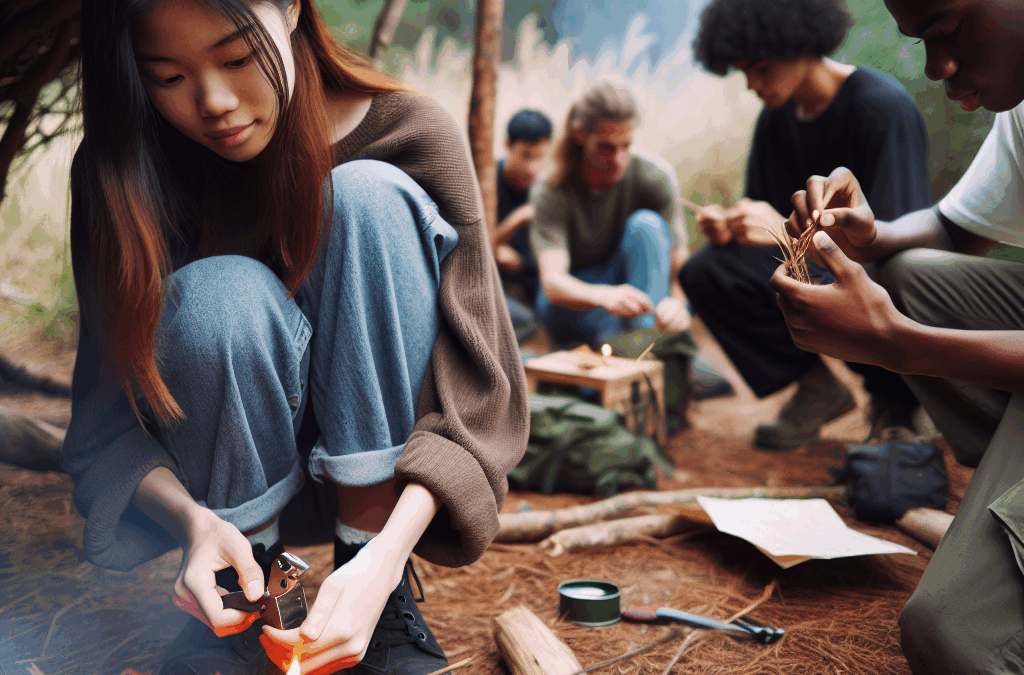
Being out in nature can be exhilarating, but it’s also important to know how to handle it! I remember my first camping trip; I was totally lost without some basic survival skills. Starting with knowing how to build a fire is a great kickoff to outdoor adventures. Fire can provide warmth, light, and the ability to cook. Just remember to practice safety first!
Another cool skill is learning how to identify edible plants. This is essential if you ever find yourself in a pinch. I took a nature walk guided by an expert, and it was eye-opening to see how much food is just around us if we know where to look!
And let’s not forget about navigation! Learning how to read a map and use a compass is a valuable skill that needs to be trusted. You might be surprised at how easy it is when you break it down into smaller steps, Avoid getting lost when you’re hiking or exploring!
Setting Up a Shelter
When you’re out in the wild, having a shelter can make all the difference. I remember the first time I had to build a temporary shelter—it was a learning experience! Finding the right materials like branches, leaves, and even moss can create a sturdy shelter.
Ensure your shelter is close to a water source but not too close to have flooding issues. That was one mistake I won’t forget! Pay attention to the wind direction; this helps in positioning your shelter to keep you comfortable while sleeping.
If you get the chance, practice setting up different types of shelters at home or on outings. Being prepared with options can be very helpful, especially in unforeseen situations that may arise outdoors.
Understanding Weather Conditions
Weather can be the difference between a great outdoor experience and a risky adventure. Keeping an eye on the forecast before heading out is vital. I learned to check things like temperature and precipitation chances regularly. It prepares you for what to expect!
Knowing how to observe the sky is essential too. Dark clouds can mean rain, and changes in wind can signal sudden storms. These clues can help you make informed decisions about your activities and keep you safe.
After all, being calm and prepared is the best way to enjoy nature. Embracing the outdoors means respecting it and ensuring you have the skills to handle whatever comes your way.
Financial Literacy
Understanding the Basics of Budgeting
Let’s be real: managing money can be tough. I used to spend my allowance on anything and everything until I realized how important budgeting is. Breaking down income and expenses is where it all starts! Learning to save some for future plans is key to being financially stable.
Set up a basic spreadsheet or use an app to track your money. With practice, you’ll see where your cash goes and where you can cut back. I often found it helpful to set a small, reachable savings goal to keep me motivated.
Budgeting isn’t a one-time thing; it’s an ongoing task. Monthly reviews of your budget help you stay in control. Flexibility is also crucial! Life tends to throw curveballs, so learning to adjust your budget is a valuable skill.
Saving and Investing
Saving money is important for future needs, right? I once started saving for a new phone, and it felt amazing to see my pot grow! The earlier you start, the better. Even putting just a few bucks aside each week adds up over time!
Now, let’s talk about investing. I was intimidated at first, thinking it was only for adults or rich people, until I learned how accessible it can be! Investing small amounts in stocks, or even apps aimed at young investors, is a great way to make your money work for you.
Understanding the difference between saving and investing is crucial! Saving is typically for short-term goals, while investing is for long-term growth. You don’t need a huge amount of cash to start; just a little effort can lead to great results!
Using Credit Responsibly
Credit cards can be confusing, but they’re also powerful tools! Getting my first card was nerve-wracking. I learned early on that using it responsibly means understanding interest rates and tracking spending. Making timely payments is essential, or else I’d face hefty fees!
Building good credit takes time but will pay off in the long run. It can impact things like renting an apartment or even getting a loan for a car. Learning how to use credit wisely empowers you to make better financial choices.
Just remember: credit isn’t free money! Treat it as part of your budget and always pay more than the minimum when possible. Developing healthy financial habits is something I wish I had focused on earlier.
Frequently Asked Questions
1. What are the most essential survival skills every teen should know?
Essential survival skills include basic first aid, outdoor skills like fire building and shelter setting, effective communication, basic cooking, and financial literacy. Mastering these skills will prepare you for various situations in life.
2. Why are cooking skills important for teenagers?
Cooking skills are important because they promote independence and healthier eating habits. Knowing how to prepare your meals can save money and improve your overall well-being.
3. How can I improve my communication skills?
You can improve your communication skills by practicing active listening, engaging in conversations, and being mindful of your body language. Join clubs or activities that encourage discussion to build confidence.
4. What should be included in a basic first aid kit?
A basic first aid kit should include adhesive bandages, antiseptic wipes, gauze pads, adhesive tape, scissors, tweezers, pain relievers, gloves, and a CPR face shield. Familiarize yourself with each item for effective use.
5. How can I effectively manage my budget as a teen?
To manage your budget effectively, track your income and expenses, set spending limits, and create savings goals. Review your budget regularly and adjust as needed to stay on top of your finances.
by Preparation Call Editorial Team | Aug 2, 2025 | Preparedness
In a world where uncertainty can strike at any moment, understanding the importance of emergency preparedness is not just a luxury; it’s a necessity. Whether it’s natural disasters, power outages, or unexpected medical emergencies, having a well-thought-out plan can mean the difference between chaos and calm. Every household should prioritize discussing and developing an emergency strategy tailored to their unique circumstances. It’s about ensuring safety for yourself and your loved ones when every second counts.
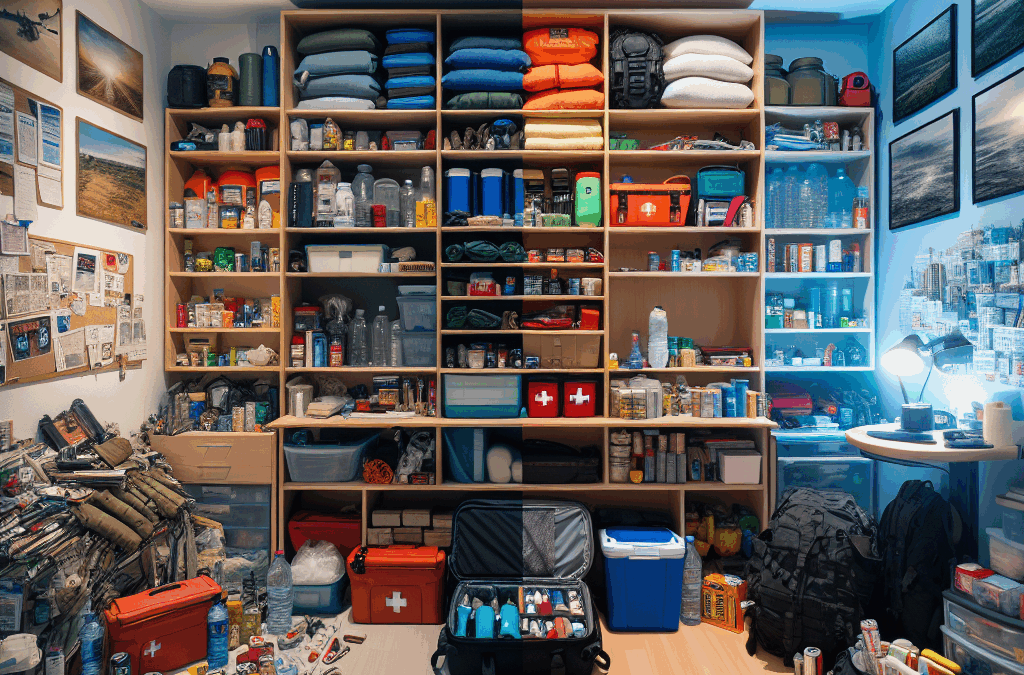
The backbone of effective emergency preparedness lies in assembling essential supplies. Building your ultimate emergency kit is not as daunting as it may seem. Start by gathering non-perishable food items, including canned goods, granola bars, and dried fruits—foods that provide energy while requiring little prep time. Don’t forget water! A gallon per person per day for at least three days is advisable. Include first-aid essentials such as bandages, antiseptics, and necessary medications in your kit. Flashlights with extra batteries are crucial for navigating those dark moments when power fails unexpectedly. Lastly, add important documents like identification and insurance information, stored in waterproof containers. When disaster strikes, having these resources at hand can save precious time.
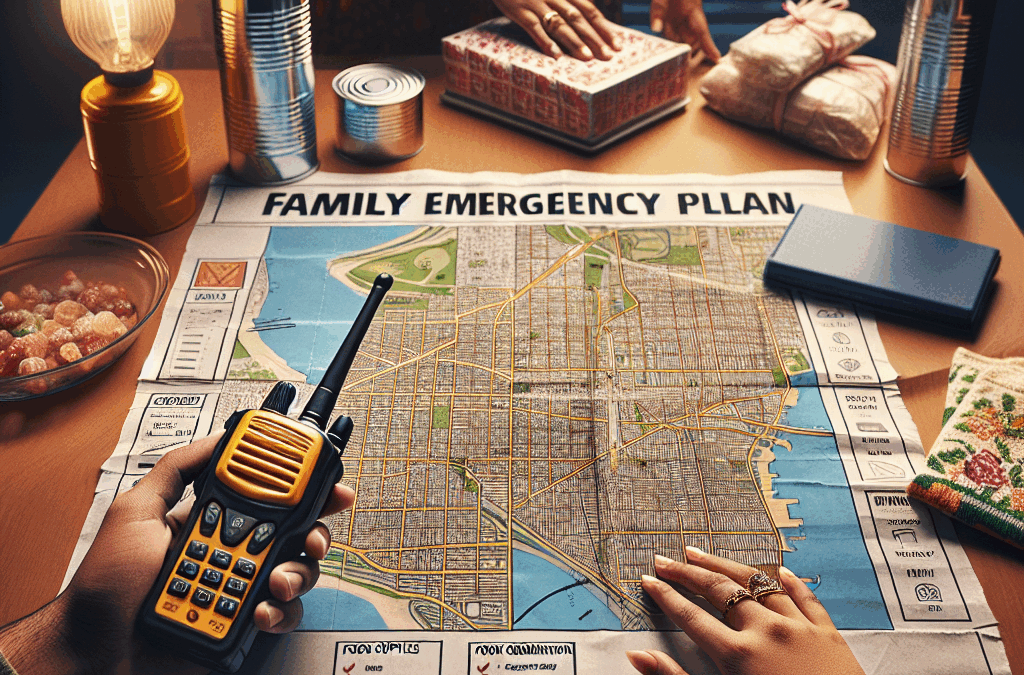
Creating your family emergency plan is another vital aspect of preparedness. This involves establishing clear communication strategies to ensure that everyone knows what to do and where to go during an emergency situation. Designate safe meeting spots both close to home and outside of the neighborhood so that family members can regroup easily if separated. Discuss how you’ll communicate if cell services become unreliable; consider using texts or social media platforms since they often operate better than voice calls during high-volume situations.
Moreover, make sure every member of your household understands the safety protocols associated with various emergencies—these could range from fire escape routes to procedures for severe weather events like tornadoes or hurricanes. Regularly practicing drills helps engrain these actions into muscle memory so that when panic sets in, instinct kicks in instead.
Staying informed is paramount on this journey towards mastering emergency preparedness at home. Utilize available resources to enhance your knowledge continually; local community centers often offer workshops on disaster preparedness led by trained professionals who specialize in safety techniques relevant to your area’s risks. Online resources from organizations like FEMA provide comprehensive guidelines on everything from creating plans tailored for pets to understanding the latest updates on potential threats facing your region.
Investing time into ongoing training elevates not only personal confidence but also collective readiness within families and communities alike—consider taking classes in first aid or CPR; these skills can be invaluable when help may be delayed due to overwhelming circumstances.
To wrap up, transitioning from chaos to calm requires deliberate efforts toward preparation—understanding its importance lays the groundwork for action while building comprehensive supply kits fortifies resilience amidst uncertainty. Clear communication strategies empower families during crises while staying informed ensures adaptability against evolving threats around us. Embrace this challenge with optimism; together we can turn potential turmoil into manageable scenarios through diligent planning!
by Preparation Call Editorial Team | Aug 2, 2025 | Preparedness
1. Communication Plan
Understanding the Importance of Communication
First things first, let’s talk communication. In any emergency, knowing how to reach each other is crucial. Whether it’s a natural disaster, medical emergency, or something else entirely, a solid communication plan can make all the difference. From my own experience, it’s easy to forget that phones might not work, so having a backup plan is key.
In our family, we designate a meeting place that everyone knows about. This place is central and easy to reach but also safe. It’s really comforting to know that if chaos happens, there’s a specific spot we can all meet up at without any confusion.
To wrap up, utilize technology. There are apps for that! You can send alerts through group chats or even use location-sharing apps that can help locate each other during emergencies. Just remember to keep everything simple and ensure everyone understands the plans.
Establishing Backup Contacts
Next up is picking people outside your household as backup contacts. This step is one I cannot stress enough! Choose someone who lives away from your area, just in case it gets really chaotic locally. It has worked wonderfully for us; when our local networks fail, it’s comforting to know there’s someone we can check in with.
It’s essential to discuss these contacts with your family so everyone knows who to call if they can’t reach each other. Make sure this person is reliable and understands the role they play in case of an emergency.
And don’t forget, the backup contact should also have a copy of your family’s emergency plan! Share it with them, so they can inform others where needed.
Sharing Information
Sharing is caring! I’ve learned that it’s vital to pass this information to your entire family. Schedule regular family chats where you review your communication plan. Things change rapidly, and it’s good to keep everyone updated. Plus, it fosters a sense of security when everyone’s on the same page.
Consider also writing things down. Keep a physical document with emergency contacts, essential numbers, and a summary of your communication strategy in an easily accessible place at home. This hands-on approach has helped us in more ways than I can count.
And lastly, remember to keep the information fresh in everyone’s mind. Reviewing it at family gatherings or during dinner can solidify the plan and make everyone feel prepared.
2. Emergency Supplies Kit
Gathering Essential Items
Let’s dive into something practical: the emergency supplies kit. Over the years, I’ve learned that having a well-stocked kit can be a lifesaver. First, gather essentials like water, non-perishable food, and basic first-aid supplies. I keep my kit in a designated spot where I can easily grab it when needed.
Don’t forget about personal items! Pack medication, glasses, and anything specific your family might need. Each member should have their essentials included in the kit—even your furry friends deserve to be accounted for with pet food and supplies.
What I love about preparing this kit is that you can customize it to fit your family’s needs. Take time to discuss what items each person would want to have in a crisis. It makes for a fun family activity that doubles as preparation!
Regularly Updating Your Kit
Another point worth mentioning is keeping your kit updated. Trust me, it’s easy to forget about! Go through the contents every six months, checking expiration dates on food and medication regularly. Make this a family ritual—it gets everyone involved and keeps things fresh.
Additionally, it’s important to adapt your kit based on seasons. For example, during winter, add items like blankets while in summer, include sunscreen and bug spray. Such small changes can make a sizable difference in an emergency.
Also, encourage each family member to take ownership of certain components of the kit. This might create a sense of responsibility and readiness knowing they play a vital role.
Storage and Accessibility
How you store your emergency kit matters, too. I’ve found it helpful to keep it in a spot that’s easy to access. Make sure everyone knows where it is! Clearly label the kit and ensure older kids can get to it if needed.
If possible, consider having multiple kits for different places, like inside the car or at work. Because let’s face it, emergencies can happen anywhere, and the more prepared you are, the less stress you’ll feel.
Lastly, check your kit periodically. Make sure it’s not being used for something else. Trust me; you don’t want to empty your kit searching for something else! Keeping it organized will help maintain its purpose and readiness.
3. Evacuation Routes and Shelter
Planning Your Evacuation Routes
When disaster strikes, knowing where to go is paramount. In my experience, having clearly defined evacuation routes is crucial. Map out several routes; can’t stress this enough! You never know when a road may be blocked, or traffic jams might arise. Having alternatives keeps options open.
It’s beneficial to practice these routes as a family. Take the time to drive through your planned paths. Ensuring everyone knows where to turn and what to expect can alleviate any panic later on. You’ll feel more composed knowing what to do when the time comes.
And don’t forget to check for local alerts that might shape those routes. Weather can change things, and being aware of your surroundings is crucial in times of crisis.
Identifying Safe Shelters
Next, let’s talk shelters. Identify nearby safe zones such as community centers or schools. Make sure everyone in the family knows these places and their addresses. I often recommend writing them down for quick reference.
If possible, visit these shelters beforehand to familiarize your family with the environment. Knowing where they are can ease anxiety if you find yourselves needing to head there quickly.
Plus, inquire about the facilities beforehand, especially during emergencies—they may not always be what you expect. Knowing what’s available can ease pressure on your family in a tense situation.
Incorporating Pets into Your Plan
Lastly, don’t forget about our furry friends! Your emergency plans should include provisions for pets. We love our pets, and it’s essential to find shelters that accept animals. Discuss this with family members and plan accordingly.
Gather supplies like food, leashes, and any medications your pet needs in your emergency kit. Planning for your pets can help keep everyone calm during stressful times.
It’s also good to have a designated person responsible for the pets in your emergency plan. It’s just little things like this that can make a world of difference when heading to shelter or evacuation spots.
4. Medical Preparedness
First Aid Knowledge and Skills
Medical preparedness cannot be overlooked. I think everyone in the family should learn basic first aid skills. Sign up for classes together—it can be a fun learning experience! Not only do you gain crucial knowledge, but it also brings everyone together for a common cause: safety.
It’s essential to practice scenarios regularly so that these skills become second nature. In tense situations, having a firm grasp on how to approach medical emergencies can save lives.
And you don’t have to stop there; consider expanding your skills. Learn CPR and how to manage common injuries. Equip your family with the confidence to face emergencies head-on.
Keeping Medical Information Handy
Don’t forget medical records! Having easy access to each family member’s medical history, allergies, and medications can be a lifesaver during emergencies. I keep a copy of everyone’s info in our emergency kit for quick reference. This way, if we ever need urgent care, it’s all right there.
It’s also wise to have a list of your family doctor’s contact information and nearby medical facilities. You can never be too prepared! Making this available to all family members helps ensure everyone knows what to do.
Additionally, swiftly informing healthcare providers about your family’s specific needs can speed up the process in a stressful situation. Planning ahead brings peace of mind when unexpected situations arise.
Managing Reactions and Stress
Lastly, emergencies can be emotionally charged And that’s why it’s important to discuss feelings and reactions. After all, everyone processes emergencies differently. Create a safe space in your home where everyone can express their feelings openly. This makes it easier for family members to seek help when needed.
Teach family members grounding techniques to use during stressful times. Breathing exercises can reduce panic, while practicing calming strategies can bring a sense of control in chaotic situations.
Moreover, involve family members in discussions about any previous emergencies and how they felt. Reviewing these experiences can help everyone feel more connected and understood. Then, you can approach future emergencies as a tight-knit unit.
5. Practice and Review
Conducting Drills Regularly
Practice makes perfect! It’s so vital to schedule regular emergency drills. One time, we simulated a home evacuation, and you know what? It was pretty fun! Getting everyone involved in a serious but lighthearted way builds preparedness.
Make sure to practice different scenarios—even ones that seem unlikely. The key is to keep it engaging to ensure everyone remembers the steps. Creativity in drills can keep participation high and lessen fear associated with real emergencies.
Consider rewarding the family after successful drills. This way, you mix enjoyment with seriousness and motivate everyone to take these drills seriously.
Reviewing and Adjusting Plans
After drills, always take time to debrief. Discuss what went well and what can be improved. Sharing perspectives allows everyone to learn from the experience and highlights the importance of adaptability when formulating necessary adjustments to the plan.
Set up a system where these reviews happen. I suggest quarterly reviews as the perfect time to refresh what we’ve learned. It keeps things top of mind and reminds everyone to stay prepared.
Plus, with the constant changes in life and world events, updating your emergency plan ensures it remains relevant. Keeping the family involved makes it a team effort rather than just falling flat on one person.
FAQs
1. What is the most important part of a family emergency plan?
The communication plan tops the list! Knowing how to reach each other and where to meet during an emergency is crucial for family safety.
2. How often should we review our emergency supplies kit?
I recommend reviewing your kit at least twice a year, ideally during seasonal changes. This keeps items fresh and appropriate for current needs.
3. What should I include in a first-aid kit?
Your kit should include items like band-aids, gauze, antiseptic wipes, scissors, tweezers, pain relievers, and any personal medications. Personalize it for your family!
4. How can we make drills fun for kids?
Incorporate games and challenges! For example, turn it into a scavenger hunt for supplies or time each family member on how fast they can follow the plan. Keep it light and engaging!
5. Should we involve pets in our emergency plans?
Absolutely! Be sure your emergency plans include provisions for pets, such as food, medications, and knowing where pet-friendly shelters are located. They’re part of the family!





