Select Page
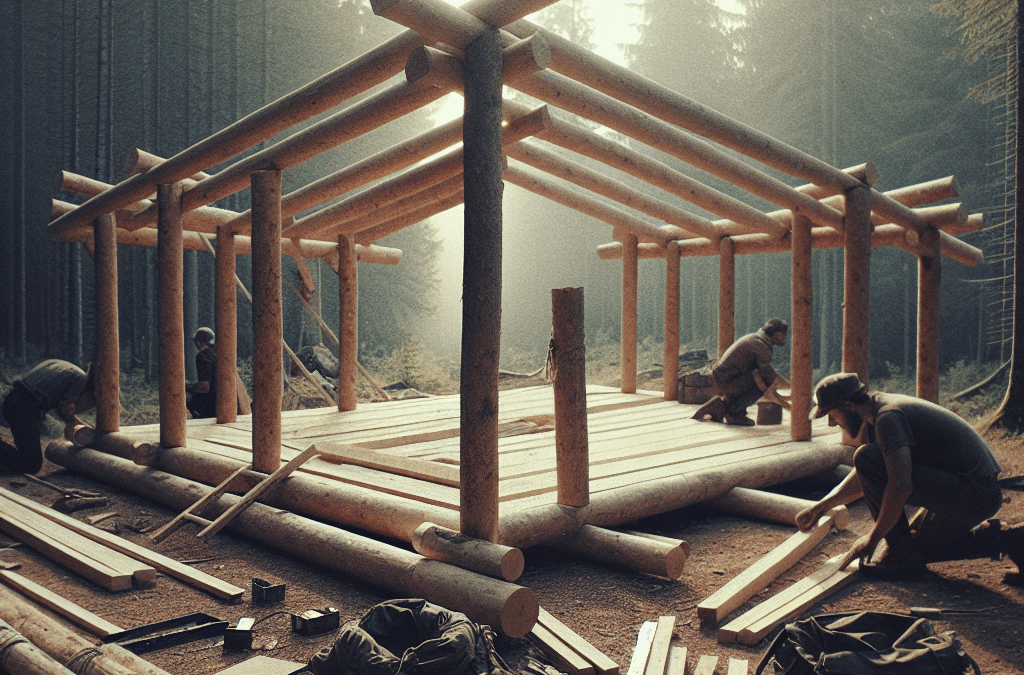
Building a Long-Term Survival Shelter

Building a Long-Term Survival Shelter

Assessing Your Needs and Environment

Understand the Purpose of Your Shelter

Before diving into building a shelter, I always remind myself to assess what I actually need it for. Are we talking about a short-term camping trip gone awry or a more prolonged situation due to unexpected events? Having a clear purpose in mind lays down the foundation (pun intended) for everything else.

For me, part of this assessment includes figuring out who will stay in this shelter. Is it just me, or do I have a family or a group of buddies? The more people involved, the more critical it becomes to have enough space. So this is definitely something to consider before picking up that axe.

Lastly, let’s not forget about the environment. Will your shelter have to withstand harsh winters or scorching summers? Different climates’ll prompt different design elements, and don’t forget to take local wildlife into account! You wouldn’t want to attract any unwanted guests.

Survey Your Surroundings

I can’t stress enough how important it is to explore the area where you plan to build. Finding a good location can make all the difference in the world. Look for flat ground that’s elevated to avoid flooding but also close enough to a water source. Plus, being near natural resources can ease the building process.

While scouting around, I usually pay attention to the direction of the wind and the position of the sun. Shelter design often depends on these factors—a place that blocks cold winds and allows sunlight to come in during the day is a total win!

Watch out for things like rotten trees or hanging branches; they could bring an unexpected crash if the weather decides to get rowdy. Avoiding such hazards will make your haven a lot more secure in the long run.

Gather the Right Resources

Your shelter is only as good as the materials you use, so I make sure to gather up everything I might need. Local materials like branches, leaves, and even stones can work wonders. However, always evaluate how sturdy or insulating each material is before committing.

Trust me; nothing feels worse than spending hours on a shelter only to find it’s flimsy as a house of cards. A solid framework can be achieved with hardwood sticks or logs for the main structure, and that’ll keep your shelter from collapsing—something I learned the hard way!

Don’t forget about insulation! Using grass or leaves can really help keep you warm in chilly conditions, while also giving your shelter that cozy vibe. Who says survival can’t have a touch of comfort?

Designing Your Shelter Structure

Selecting the Right Shelter Type

Once I’ve got my resources sorted, the fun part begins: designing the shelter! I usually weigh the pros and cons of different shelter types—will I go for a debris hut, a lean-to, or something a bit more complex like a log cabin? Picking the right one can be a game-changer.

If I want to stay hidden and use what the surroundings provide, a debris hut works beautifully. On the other hand, if I’m planning for a longer stay, then I’ll invest the time into a more robust design, like a cabin, which offers better protection.

Understanding the mechanics of how each structure holds up is crucial. I like to sketch out my designs to visualize how they’ll come together and to see where adjustments might be needed. It’s a bit like a puzzle, and I’m all in for a challenge!

Building Techniques

As I start constructing, I remember that solid building techniques can make all the difference. Starting with a good base is essential; if your base is weak, your entire structure is gonna follow suit. I usually like to create a framework first—it keeps me grounded, literally! I fasten logs together with rope or strong vines as I go to ensure everything’s stable.

When it comes to walls and roofs, I always prefer layering materials. Just slapping branches together won’t do; I’m layering these bad boys like a lasagna! Ventilation is super important, too; without it, I could easily turn my shelter into a sauna.

Lastly, I make it a point to regularly step back and assess my work. Sometimes it’s easy to get lost in the building process, but a quick look can help me spot any potential flaws before they become a non-fixable situation.

Improving Shelter Longevity

Once the structure is built, the next step is making it last. I always add some waterproofing measures—like ensuring the roof has a slope to let water run off instead of pile up. Nobody wants a soggy sleeping bag, am I right?
Copy of PREPARE Mag ad 970 x 250

I also keep an eye on any wear and tear as the seasons change, fixing or reinforcing sections as needed. It’s the little things that end up saving me from disaster later on down the road.

Plus, I like to add natural camouflage to my shelter to blend into the surroundings. That extra touch not only makes it feel cozier but also keeps me safe from passersby who might not have my best interests in mind.

Optimizing Comfort and Safety

Furnishing Your Shelter

Now that my shelter’s solid and ready, it’s time to think about comfort. I usually start by keeping things simple—just a bed made from leaves and some branches. It’s amazing what a good layer of foliage can do for a good night’s sleep!

A little organization goes a long way, too. Having designated spots for food, tools, and gear keeps my space clutter-free. Nobody likes tripping over stuff when they’re trying to find a single spoon.

If I’m going to be in my shelter for a while, I might even set up a small cooking area outside to keep the cooking smells away. Safety comes first, and managing fire responsibly is key in any survival situation.

Emergency Preparedness

Always being prepared for emergencies is a big part of making a long-term survival shelter. I always have a first aid kit handy, plus some fire-starting materials in an easy-to-access spot. You never know when you might need it!

In addition, I make it a habit to keep a whistle or signaling device around. If things go south, I want a way to alert people. Better to have a plan in place than scramble when the time comes.

Keeping a small stash of extra food doesn’t hurt either—having a backup can provide a safety net when life throws curveballs at you. It’s all about being smart and proactive, right?

Community and Communication

To wrap up, I can’t stress enough how valuable community can be during survival situations. Having a buddy system not only boosts morale but also provides double the resources in tough times.

Staying in touch is also important. I usually set up a way to communicate if I have a group around. Whether it’s through walkie-talkies or even signal fires, keeping everyone informed can be crucial, especially if plans change suddenly.

And never underestimate the power of shared skills! Everyone brings something unique. Whether it’s hunting, foraging, or fire-making, pooling our strengths can make a world of difference in our survival journey.

Frequently Asked Questions

What materials are best for building a survival shelter?

Natural materials like branches, leaves, and stones are ideal. They provide durable support and insulation, so seeking them out in your environment is key. The more local, the better!

How long will my shelter last?

The durability of your shelter often hinges on the materials used and the conditions it faces. Regular maintenance and waterproofing can extend its lifespan considerably—don’t forget your upkeep!

Can I stay in my shelter year-round?

It’s entirely possible, especially if you build with the right insulation and design. I’ve known folks who made it through all seasons with some smart improvements.

Is it safe to build a shelter alone?

While you can build a shelter by yourself, having a partner is highly recommended for safety reasons and shared tasks. Having a buddy by your side can also enhance both the building and survival experience!

What’s the most crucial aspect of a long-term survival shelter?

Ultimately, it’s about being safe and comfortable. A sound structure with proper insulation helps fend off the elements while ensuring your wellbeing is essential during any survival scenario.

Copy of PREPARE Mag ad 970 x 250

Positive Thinking Strategies for Emergency Situations

Positive Thinking Strategies for Emergency Situations

Stay Calm and Breathe

Understanding the Power of Breath

When an emergency strikes, our natural reaction might be panic. Trust me, I’ve been there. The first thing you’ve got to do is to hit the pause button. Breathing techniques can help clear the fog of panic. I remember a time when I was in a tense situation; focusing on my breath turned everything around for me.

Calming breaths essentially signal to your brain that it’s all going to be okay. When you exhale slowly, your body recognizes that it’s not in immediate danger anymore. It’s like telling yourself, “I got this!” I often find that inhaling deeply through my nose and exhaling through my mouth does wonders.

Try to implement deep breathing exercises every day, so you’re trained and ready when emergencies happen. Even simply counting your breaths can anchor you back in the present moment. Let this become your go-to strategy!

Reframe Your Thoughts

Identifying Negative Triggers

When trouble looms, our mind can go to dark places. I’ve learned the hard way that recognizing these negative thoughts is crucial. Grab a notebook, jot down your feelings during an emergency. Trust me, it’s validates what you’re feeling.

Reframing isn’t about lying to yourself; it’s about flipping the script. Instead of thinking, “I can’t handle this,” shift to, “I’m learning how to handle this.” This minor change in dialogue can really empower you to tackle the situation. It’s refreshing!

Next, consider the positive aspects of your predicament. For every emergency, there’s an opportunity for growth. Maybe it’s improving your crisis management skills or learning more about your support system. Keep reminding yourself: every cloud has a silver lining.

Visualize Success

Imagining Positive Outcomes

This might sound a bit cheesy, but visualization has been a game changer for me. When faced with an uncertain situation, I take a moment to vividly imagine a successful resolution. Picture it! What does that look like for you? The clarity really helps.

When you see yourself conquering the issue, you’re setting a positive tone for your actions. It’s like a mental rehearsal that boosts your confidence when faced with obstacles. Plus, I’ve noticed that imagining success reduces anxiety—how cool is that?

Can you envision your ideal outcome? Maybe it’s acing an important presentation or calmly managing a family emergency. Take that picture and hold on to it as a goal. Visualization can often lead to those goals manifesting in reality.

Seek Support

Don’t Hesitate to Reach Out

There’s a common misconception that we have to handle everything on our own. Let me tell you, that’s often not the case. When I face emergencies, reaching out to friends, family, or even professionals helps lighten the load. They can offer perspectives and support you might not even have considered.

Copy of PREPARE Mag ad 970 x 250

Support networks are crucial during crises. I remember a time when I was unsure how to maneuver through a tough situation; talking it through with a friend not only eased my mind but also provided solutions I hadn’t thought of.

Encourage yourself to express your feelings openly. Engaging in constructive conversations can help you realize you’re not alone in your struggles. A listening ear may be exactly what you need to see things in a new light. Keep that connection alive!

Practice Gratitude

The Bright Side in Dark Times

It’s easy to get bogged down by negativity during emergencies, but I’ve found that practicing gratitude helps shift my focus. No matter how bad things seem, there’s always something to be thankful for! Even if it’s just having a place to rest your head that night, acknowledging those wins matters.

Gratitude can alter your perspective. I learned to list three things I’m grateful for every day, even amid chaos. This ritual constantly reminds me that life has its ups and downs, and recognizing what’s good helps create a more balanced outlook.

Consider keeping a gratitude journal. It’s a fantastic tool I’ve used to document positive aspects of my life, especially during tough times. Revisiting those moments fosters resilience and positivity, turning emergencies into opportunities for growth.

FAQs

What is the first step to take during an emergency?

First and foremost, stay calm and breathe. This helps clear your mind and allows you to think more clearly.

How can I reframe my negative thoughts effectively?

Identify your negative triggers and consciously shift your thoughts to a more positive perspective, focusing on your ability to handle the situation.

Does visualization really help in stressful situations?

Absolutely! Visualizing a successful outcome boosts your confidence and reduces anxiety, making it easier to face challenges.

Why is seeking support important during emergencies?

Support from friends and family provides comfort and additional perspectives, helping you navigate through difficulties better.

How can gratitude change my perspective during tough times?

Practicing gratitude helps shift focus from negativity to positivity, enhancing your resilience and outlook on situations.

Copy of PREPARE Mag ad 970 x 250

Urban Survival Skills: Staying Safe in Cities

Urban Survival Skills: Staying Safe in Cities

Awareness and Observation

The Importance of Being Aware

Let me tell you, awareness is your first line of defense in urban settings. I’ve found that keeping my head up and really observing my surroundings can be the difference between feeling safe and feeling like a sitting duck. You wouldn’t believe how many times I’ve avoided sketchy situations just because I was tuned in. It’s all about being present and engaged with the world around you.

When you’re out and about, make it a point to notice the little things. Who’s around you? What’s the vibe like? Is there something that feels off? By honing your awareness, your instincts kick in, and trust me, they usually keep you out of trouble. I’ve had my share of close calls, but it’s been my intuition, born from a keen sense of observation, that’s often guided me to safety.

Try to avoid staring at your phone when you’re walking outside. It’s a total no-no. Not only is it a distraction, but it also makes you an easy target for thieves or anyone with less-than-noble intentions. So, keep that phone down and your eyes up; it’s a simple habit that pays off big time.

Situational Awareness Skills

In addition to being alert, developing situational awareness skills is key. Always assess what’s happening around you. Who’s acting weird? Are people rushing away from something? I remember a night out where I noticed a crowd acting strangely, and just by the vibe, I could tell a fight was brewing. Trust me, ditching that area was the best choice I made that night!

Practice reading people. Noticing their body language can tell you a lot about someone’s intentions. If you see someone leaning in too close or acting overly aggressive, it’s usually a sign to take a step back. Pick up on those cues! Your gut will often steer you right, so don’t dismiss that feeling. Listen to it and react accordingly.

To wrap up, remember to always have an escape plan. No need to be paranoid, but having a route in mind can ease a lot of anxiety. Whether it’s knowing where the nearest exit is in a building or locating a safe area in a park, being prepared helps you feel grounded. I can’t tell you how many times that mental map has come in handy when the unexpected occurs!

Utilizing Technology

We live in a digital age, so why not use technology to our advantage, right? My phone is my best friend when it comes to personal safety. Apps like safety alert systems or neighborhood watch platforms can keep you plugged in with community information. Seriously, knowing which areas have had recent disturbances can be a game-changer in determining your route through the city.

GPS services can help you find the safest paths, especially if you’re out at night. I regularly check if there are well-lit streets or populated areas. It adds a layer of comfort knowing I’m not wandering into potentially dodgy parts of town. If a route feels off, don’t hesitate to change it up; just like with people, trust your instincts.

Lastly, consider carrying a personal safety device, like a whistle or pepper spray. I know it sounds a bit extreme, but having something to deter would-be troublemakers can be a major confidence boost. Just remember, the goal here is to feel empowered and prepared, not anxious!

Developing Confidence

Understanding Your Boundaries

Personal boundaries are crucial. It’s essential to understand what feels comfortable and what doesn’t. The first time I had someone get too close for comfort, I froze up. But after that experience, I learned to assert my space — not aggressively, but confidently. You have the right to establish your personal bubble!

Knowing how to draw the line can prevent uncomfortable or unsafe situations. Practice saying “no” if someone invades your space. Whether it’s a stranger or someone you know, being firm yet polite sends a powerful message. Trust me, it’s all about what you project. When you look confident, predators often steer clear.

Remember, confidence starts from within, but it shows on the outside. Own your space and take pride in your ability to handle various situations. Each little victory builds your confidence, making the next challenge feel a little less daunting.

Practicing Self-Defense

Look, I’m not saying everyone should train to be a ninja, but knowing some basic self-defense moves can be really empowering. I took a self-defense class a while back, and whoa, it wasn’t just about fighting; it was about learning how to stay calm and think on my feet. This aspect is priceless, especially in a city where unpredictability lurks.

Finding classes in your area can be a fun way to not only learn skills but also meet folks who share your interests in safety. A tight-knit group of friends who are all about urban survival is invaluable! Training builds camaraderie, and having a buddy system makes you feel safer while venturing out.

Even if you just practice a few techniques at home, it’s all about creating muscle memory. When things escalate, panic can set in. But feeling prepared and knowing how to react can mean the world between fear and survival. So roll up your sleeves and find a class — you won’t regret it!

Staying Calm Under Pressure

Let’s get real; it’s one thing to have knowledge, but staying calm when chaos hits is another. In my own experiences, I realized that breathing techniques can save you in seemingly stressful situations. When I was surrounded by a rowdy crowd, I took a moment to breathe, which helped me stay centered and think rationally about my exit strategy.

Copy of PREPARE Mag ad 970 x 250

Practice mindfulness or meditation techniques to build this inner calm. Even a few minutes a day can do wonders. The more equipped your mind is to handle stressful situations, the less likely you are to feel overwhelmed when it matters most.

In closing, keep an open line of communication with friends or family during your outings. Letting people know your plans can lend extra peace of mind. If anything goes awry, someone has a heads-up and can check on you. Nothing beats a well-connected network, and it really adds to your confidence when you step out.

Building a Safety Network

Creating Connections

A strong safety network can be your best asset in urban survival. Whether it’s friends, family, or even co-workers, building a solid crew can prepare you for unexpected situations. I’ve often relied on a small group for late nights out, and knowing I had their backs and they had mine made it way more enjoyable and less stressful!

Don’t underestimate local community resources. Neighborhood watch programs or social media groups focused on local safety are fantastic platforms for sharing tips or alerting others about suspicious activity. Getting involved can help strengthen your network and foster a supportive vibe in your community.

Regularly check in with your circle. It’s easy to get caught up in our busy lives, but scheduling regular meets or chatting with your safety network ensures everyone stays connected and informed. A collective awareness is a powerful deterrent against crime.

Establishing a Buddy System

Having a buddy system is a classic but effective strategy. It’s just smart! There’s power in numbers, and knowing someone’s got your back can inherently boost your safety. Friends can cover each other’s blind spots and literally watch each other’s backs as you navigate through potentially sketchy scenarios.

Make it a habit to check in before heading out. “Hey, I’m going to this area”; simple texts can be lifesavers. Plus, if one of you senses trouble, you have someone to rely on, which can make all the difference in the world. Don’t leave home without a buddy (unless it’s absolutely necessary)!

Even if you don’t have a friend nearby, consider tagging along with groups or community events. There’s strength in numbers, and group outings often attract less trouble. Plus, you may make new friends along the way — it’s a win-win!

Resources and Support

Lastly, remember that resources exist for those who need additional help or guidance. Local organizations or helplines can offer support. Educate yourself about the area you live in, understanding what types of assistance are available for emergencies can add an extra layer of security.

Talk to your friends about sharing safety resources. Everyone wants to be in-the-know, and pooling resources might just lead to finding new safety apps or self-defense classes that none of you knew about previously. The more informed we all are, the better prepared we can be.

If you’re ever feeling threatened or unsafe, don’t hesitate to reach out to local support services. Whether it’s law enforcement or community outreach programs, these resources are available for a reason. Don’t tough it out alone — it’s perfectly okay to seek help.

FAQ

What should I do if I feel unsafe in a crowded area?

If you feel uneasy, trust your instincts. Move to a well-lit, populated space or seek out security personnel if available. Staying aware of exit routes can also help.

How can I improve my situational awareness?

Practice being present. Spend time consciously observing your environment without distractions like your phone. Look for odd behaviors or changes in the atmosphere.

What are the best apps for personal safety?

Some popular apps include bSafe, Noonlight, and Citizen. These can alert your contacts in emergencies and keep you connected to community safety alerts!

I don’t feel confident enough to handle dangerous situations. What should I do?

Consider taking self-defense classes to build your confidence. Additionally, practicing relaxation techniques can help you remain calm in stressful situations.

How can I build a safety network in my community?

Join local social media groups focused on safety, participate in neighborhood watch programs, and encourage friends and family to stay connected about safety concerns.

Copy of PREPARE Mag ad 970 x 250