Select Page
Survival Skills: Handling Aggressive Wildlife

Survival Skills: Handling Aggressive Wildlife

Understanding Animal Behavior

Identifying Warning Signals

During my numerous outdoor adventures, I’ve picked up some crucial lessons on spotting the red flags animals exhibit when they feel threatened. When a creature is in ‘fight or flight’ mode, it’s not just about their aggression—it’s about their body language. A stiff posture, pinned ears, or baring teeth are all classic signs that an animal is ready to defend its territory. Paying attention to these signals can be a lifesaver.

One key takeaway I’ve learned is to stay calm and not panic. When you notice these warning signs, it’s easy for your heart to race, but remember: animals often react to our energy. If we can remain steady, there’s a better chance the animal will sense our calmness and not see us as a threat.

Another aspect I always keep in mind is the actual environment surrounding us. Certain animals are more aggressive when protecting their young or resources. Being aware of these dynamics can give me a leg up in avoiding a tricky situation altogether.

Knowing the Species

It’s essential to understand which animals are more likely to exhibit aggressive behaviors and why. For example, bears typically become defensive near their cubs, while some birds could dive bomb if you’re too close to their nest. Knowledge of these habits has saved me from more than one close encounter.

When I’m in unfamiliar territory, I always do a bit of homework. Before heading out, I research local species, their behaviors, and what to expect. Honestly, taking the time to get to know the wildlife is not just safer but also enhances the overall experience with nature.

Moreover, there’s a whole different approach when dealing with primates or canines. These creatures are often more intelligent and aware of human behaviors, which means I always stay cautious and respectful when crossing paths with them.

Knowing Escape Routes

After getting a solid grip on animal behavior and species knowledge, my next priority is ensuring I have a clear escape route. I cannot stress enough how important it is to know my surroundings. I once hiked in an area where I didn’t scope out a safe way out, and wouldn’t you know it—I ended up startling a moose. Thankfully, I remembered a side path I had seen earlier, which got me out of there quickly!

While exploring, I tend to have a mental map of potential hazards, whether they’re cliffs, dense forest, or areas where wildlife is known to roam. This mental preparation allows me to react swiftly if I sense aggression from a critter.

Moreover, when I hike with friends, I talk about our escape routes. It’s super important everyone is on the same page, so if something goes south, we can navigate together without chaos.

Keeping Calm During Encounters

Staying Present and Grounded

In the heat of the moment, I’ve found that my heart races and my mind races with it. Whether it’s a bear blocking the trail or a wild boar snorting nearby, I focus on my breath to stay grounded. In my experience, an instinctive reaction often leads to panic, which can escalate the situation quicker than you think.

I try not to make sudden movements or loud noises. Instead, I focus on remaining still and assessing the situation. Sometimes just standing quietly might lead the critter to lose interest and wander off. I know it sounds simple, but this really works when I’m faced with an animal that’s aggressive.

A fun tip I learned from a fellow outdoorsman is to keep your eye on the animal’s movements. I usually take mental notes of where they’re going, which helps me understand better how to navigate around them if that becomes necessary.

Using Your Voice Wisely

On one unforgettable trip, I found myself surprisingly close to a group of aggressive raccoons. Instead of panicking, I raised my voice to establish a human presence. Speaking firmly, yet not yelling, often diffuses tension—this approach has proven effective time and time again.

I’ve learned that making noise can also serve as a warning to oncoming wildlife that I’m in the area. A whistle or clap works like a charm. Just remember, though, not to overdo it; I’m not trying to startle them further!

Additionally, following up with a calm yet firm “Go away!” can signal that I am not a threat, but I’m also not backing down. It’s a balancing act, but one worth mastering to avoid escalating a situation.

Managing Fear and Anxiety

Handling encounters isn’t just about physical safety; it’s also about managing that gut-wrenching fear. I’ll admit, facing a mountain lion is a chilling thought. But there are ways I’ve learned to manage anxiety in these moments. Preparation is key. When I’m mentally ready for wildlife encounters, I feel more in control and less anxious.

Sometimes, I remind myself that most animals would rather avoid confrontation just like I would. Reflecting on this can help ease the panic, allowing me to breathe and focus on my next step.

Practicing mindfulness techniques while out in nature has been another game changer for me. Whether it’s focusing on my surroundings or taking deep breaths, it helps me navigate precarious moments with grace and focus.

Preventive Measures

Dressing Appropriately for Wildlife Encounters

When hitting the trails, I’ve learned that being dressed appropriately isn’t just about comfort—it can also prevent dangerous wildlife encounters. Wearing bright colors can make me more visible to animals such as deer, which actually helps in avoiding interactions altogether.

Additionally, I always pack some bear spray when I’m hiking through regions known for bear activity. Just the feeling of having it on hand gives me peace of mind. Knowing how to use it and recognizing when it’s necessary is a part of my pre-hike routine.

Footwear matters too! Last summer, I found myself in a sticky situation when crossing some rocky terrain while chasing an animal off my path. Good grip and proper footwear can save me from slips and stumbles when quick movements are essential.

Choosing the Right Hiking Locations

I’ve come to realize that being picky about hiking trails can also absorb a bit of risk. I always check local trail reviews and websites, noting any recent wildlife sightings or warnings. Sometimes, it’s simply not worth the risk if the area has had reported aggressive wildlife activity.

Sticking to established paths teaches me a lot too. Animals often avoid areas with heavy human traffic, so busier trails tend to lower risk. I make it a habit to choose places where I can enjoy nature while being as safe as possible.

And let’s not forget about group hiking! I always prefer a buddy over heading solo, as it decreases my chances of encountering aggressive wildlife. Plus, exploring nature is always more fun with friends anyway!

Creating Wildlife Awareness

When I’m out with friends or family, I emphasize the importance of wildlife awareness. The more we chat about our surroundings and potential dangers, the more prepared everyone feels. Having a plan in place empowers all of us to react better if we find ourselves face-to-face with creature intentions.

We often utilize local experiences or story-sharing sessions around a campfire. Sharing anecdotes from previous encounters can really drive home the seriousness of wildlife behaviors in an engaging way.

To wrap up, I encourage everyone to respect wildlife. We’re just passing through their territory, after all. A core principle I believe in is leaving no trace—maintaining wildlife habitats goes a long way in promoting harmony between humans and animals.

FAQs

1. What should I do if I encounter aggressive wildlife?

Stay calm, don’t run, and assess the situation. Back away slowly and avoid sudden movements while trying to make your presence known.

2. How can I recognize animal warning signs?

Look for body language such as pinned ears, growling, or bared teeth. Understanding these signals can help you react properly.

3. Should I use bear spray if I see a bear?

Yes, bear spray can be effective if used correctly. Make sure to familiarize yourself with its use before heading out.

4. Is it safer to hike in a group?

Definitely! Hiking in a group decreases the chances of a close wildlife encounter and provides support in emergencies.

5. How can I prepare mentally for a wildlife encounter?

Mental preparation includes understanding what to expect and practicing mindfulness techniques to stay calm in stressful situations.
Copy of PREPARE Mag ad 970 x 250

Positive Preparedness: Cultivating a Survivor’s Mindset

Positive Preparedness: Cultivating a Survivor’s Mindset

Embracing Challenges with Optimism

Finding the Silver Lining

One of the first things I learned on my journey toward developing a survivor’s mindset is to find the silver lining in every challenge. It’s so easy to get caught up in the negatives, but shifting my perspective has been a game changer. Instead of dwelling on what’s wrong, I try to focus on what I can learn from the situation.

For example, when faced with an unexpected setback, I challenge myself to think about the lessons it offers. Sure, it can be frustrating, but every obstacle presents a unique opportunity for growth. I often remind myself that hardships make me stronger.

Practicing this mindset daily has transformed my outlook. By training my brain to seek out positives, I’ve been able to bounce back from tough situations more quickly. It’s all about flipping the script, and it’s something I wholeheartedly recommend doing!

Developing Resilience

Resilience isn’t just an innate trait — it’s a skill you can cultivate. When I began recognizing that resilience could be developed, I felt empowered to control my response to adversity. The first step for me was acknowledging my emotions, which allowed me to work through them instead of burying them.

I started to embrace hardships as natural parts of life. It’s not about avoiding difficulties, but rather how I respond to them that defines my resilience. I began practicing meditation and mindfulness exercises that helped me nurture a sense of calm and focus when under pressure.

A key strategy that really helped me was setting small, achievable goals. Every time I overcame a minor challenge, it boosted my confidence and fortified my resilience. It made me feel like I could tackle anything life threw my way!

Surrounding Yourself with Positivity

The people I surround myself with play a huge role in my attitude toward life’s challenges. I’ve found that being around positive, encouraging individuals can uplift my spirit and inspire me to adopt a more optimistic mindset. It’s like being on a team where everyone cheers each other on!

I consciously choose to invest my time in relationships that foster a sense of community rather than negativity. There’s something refreshing about connecting with others who share a similar mindset, and it can be contagious! I feel more motivated and enthusiastic about finding solutions with supportive friends and mentors.

Whenever I start feeling low, I reach out to my circle of positivity. Whether it’s a simple message, a phone call, or a casual meet-up, it reminds me that I’m not alone in my journey. Trust me, finding your tribe can make all the difference!

Taking Action: The Power of Proactivity

Assessing the Situation

When it comes to problem-solving, the first thing I do is assess the situation at hand. And, honestly, it’s about cutting through the noise and getting to what really matters. Understanding the core issue helps me address it head-on rather than letting it fester.

I ask myself key questions: What’s really going on? What are my options? And what can I do right now? These questions guide my thought process and prevent me from spiraling into panic. I’ve learned that clarity is my best friend during tough times.

This approach has allowed me to move from a state of anxiety to one of empowerment. Taking the time to assess allows me to devise a plan that is both effective and manageable, rather than feeling overwhelmed by the situation.

Implementing Solutions

After I’ve assessed the situation, it’s time for action! I’ve discovered that taking even small steps toward a solution helps ease feelings of helplessness. By breaking tasks into smaller, manageable actions, I feel a sense of accomplishment with every step I complete.

For instance, when I faced a significant personal hurdle, instead of overwhelming myself by tackling everything at once, I created a checklist. It sounds simple, but crossing items off gives me a boost of motivation! I realize that every little action takes me closer to overcoming the bigger challenge.

Additionally, being open to adapting my solutions based on new information has been crucial. Life is dynamic, and so are our challenges. Adapting my approach—rather than sticking rigidly to a plan—has led to better outcomes and less stress.

Learning from Experiences

Post-action reflection is something I can’t emphasize enough. After I work through a challenge, I take a moment to reflect on what went well and what could have been done better. This isn’t about beating myself up; rather, it’s an opportunity for growth.

I jot down my experiences and insights, turning them into valuable lessons for the future. I’ve discovered that these reflections contribute directly to my preparedness for the next challenge—I’m literally building a toolkit for resilience!

This cycle of action and reflection reinforces my survivor’s mindset and boosts my self-confidence. Knowing that I have a rich reservoir of past experiences to draw upon is incredibly reassuring. It’s a continuous process of growth, and I embrace it wholeheartedly.

Staying Grounded and Mindful

Practicing Mindfulness

Mindfulness is a practice I’ve integrated into my daily routine that has profoundly shifted my perspective. By being present in the moment, I cultivate a deeper awareness of my emotions and the situations around me. This practice grounds me, especially during turbulent times.

I often kick off my day with a few minutes of mindful meditation or deep-breathing exercises. This helps me set a calm tone for the day ahead and prepares me to face challenges with a clear and focused mindset. It’s like prepping my mental armor!

Mindfulness has also enhanced my ability to recognize negative thought patterns. By observing my thoughts without judgment, I learn to respond rather than react impulsively. This has created space for more constructive thoughts and a more balanced outlook on life.

Recognizing Stress Triggers

Identifying my stress triggers has been a game changer. Once I learned what situations or thoughts set me off, I could prepare myself better. It’s like shining a light on hidden fears, making them less daunting.

I keep a journal where I note my stress responses, and over time, I’ve been able to see patterns. Knowing what triggers my stress helps me equip myself with coping strategies in advance. Whether it’s practicing deep breathing or taking a walk, having a plan in place reduces my anxiety levels significantly.

Understanding my triggers also sets the stage for proactive decision-making. Instead of getting caught off-guard, I’ve become more adept at navigating stressful situations with a level head. That knowledge alone can be incredibly empowering!

Creating a Balanced Lifestyle

Lastly, a well-rounded and balanced lifestyle is essential in cultivating a survivor’s mindset. I strive to nurture my physical, emotional, and mental health through a mix of good nutrition, exercise, and leisure. It’s about fueling my body and soul to withstand life’s hurdles.

I prioritize creating a routine that incorporates physical activity. Whether it’s hitting the gym, a dance class, or a moonlit stroll, I’ve found that movement clears my mind and boosts my mood. It’s a win-win!

Ultimately, life is about enjoying the journey, not just surviving it. Investing in activities that bring me joy, like hobbies or spending time with loved ones, helps create that balance. Embracing a holistic approach goes hand-in-hand with my survivor’s mindset, ensuring I stay resilient no matter what.

Frequently Asked Questions

1. What is a survivor’s mindset?

A survivor’s mindset is an attitude of resilience, optimism, and proactivity in facing life’s challenges. It’s about embracing setbacks as opportunities for growth and maintaining a positive outlook.

2. How can I develop resilience?

Resilience can be developed by recognizing your emotions, setting small achievable goals, surrounding yourself with positivity, and learning from your experiences to build confidence for the future.

3. Why is mindfulness important in cultivating a survivor’s mindset?

Mindfulness helps you stay present and aware of your emotions. By practicing mindfulness, you can reduce stress, recognize negative thought patterns, and respond to challenges more effectively.

4. How do I recognize my stress triggers?

To identify stress triggers, keep a journal of your experiences and emotional responses. Over time, you’ll notice patterns that can help you better prepare yourself for future challenges.

5. What lifestyle changes can help with a survivor’s mindset?

Creating a balanced lifestyle that includes good nutrition, regular exercise, and activities that bring you joy can strengthen your resilience and enhance your overall well-being, empowering you to tackle life’s challenges!

Copy of PREPARE Mag ad 970 x 250

Preparing Your Vehicle for Emergency Situations

Preparing Your Vehicle for Emergency Situations

1. Keep Your Vehicle Well-Maintained

Routine Checks

One of the first things I learned was the importance of keeping my vehicle in tip-top shape. Regularly checking your tires, brakes, and lights is essential. You don’t want to be caught in the middle of nowhere with a flat or a headlight out. I mean, who wants to deal with that stress, right?

What I like to do is set reminders on my phone for these checks. It can be as simple as checking my tire pressure every month or giving my car a regular oil change. This keeps everything running smoothly and helps me avoid breakdowns when I least expect them.

Plus, a well-maintained vehicle usually saves money in the long run. You avoid those expensive repair bills that can sneak up on you if you’re not careful. Trust me, learning this the hard way wasn’t fun at all!

Fluid Levels

Another crucial aspect of maintenance is ensuring your fluids are at the right levels. This includes engine oil, coolant, brake fluid, and transmission fluid. It’s kind of like feeding your car; if it doesn’t get the right stuff, it’ll run into problems.

Checking these levels can be a quick task. I usually do it while I’m waiting for my coffee to brew in the morning. Just pop the hood, take a look, and top them off if needed. It honestly doesn’t take much time and can really save you a lot of headaches later.

If you’re unsure about how to check them, there are plenty of video guides out there. They can walk you through the process step-by-step. Once I learned how easy it was, I was hooked on keeping my fluids in check!

Battery Health

Let’s not forget about your battery. A dead battery can leave you stranded faster than you can say “help!” and knowing how to check its health is crucial. Look for corrosion on the terminals and make sure the connections are tight.

If you’re running into issues with starting your car or if the lights look dim, it might be time for a battery replacement. I remember once, my battery died out of the blue before a big trip, and I had to scramble for a jump start – not a fun scenario!

I recommend having a simple multimeter at home. It’s a small investment that can be a lifesaver. You’ll be able to check if your battery is still holding a charge effectively. Just a quick check before heading out can make all the difference.

2. Create an Emergency Kit

Basic Supplies

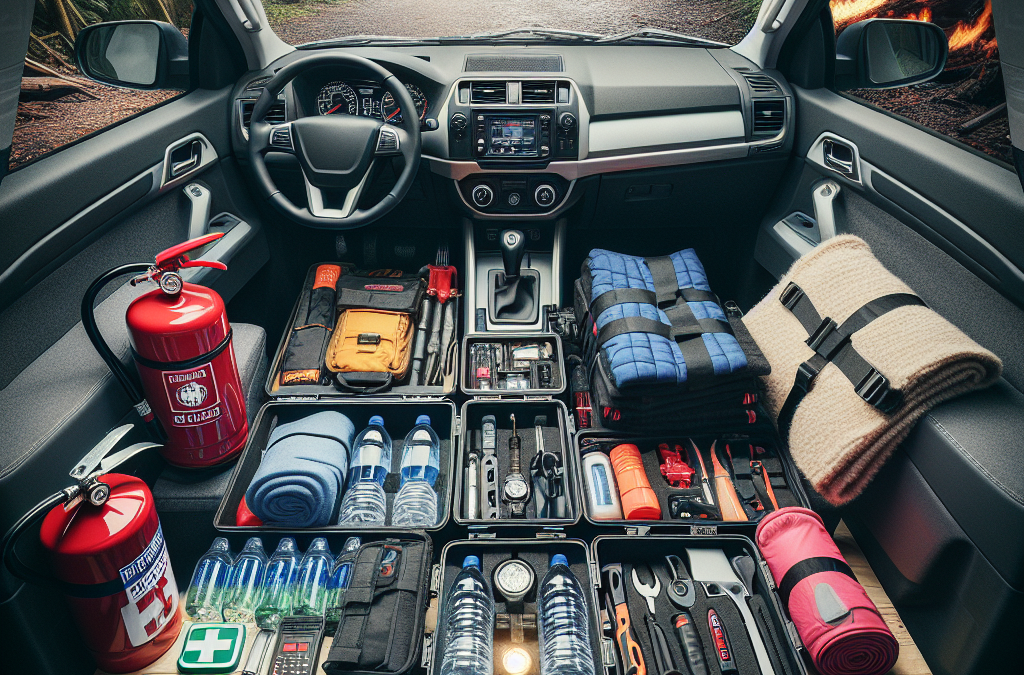
Now let’s talk about creating an emergency kit. I can’t stress how important this is! I’ve put together a bag loaded with the basics: first aid supplies, water, non-perishable snacks, and a flashlight. These items can come in handy if you find yourself stuck somewhere.

I usually keep everything in a sturdy backpack in the trunk of my car. That way, it’s easy to grab if I need it. And it’s really good peace of mind to know that I’m prepared for whatever could happen on the road.

Also, don’t overlook things like a multi-tool or a blanket. They may seem minor, but trust me—they’re lifesavers in tricky situations. Having them can keep you comfortable and safe until you get help!

Roadside Assistance Tools

Having the right tools is essential too. I always make sure to have a spare tire, jumper cables, and a basic tool kit in my vehicle. You never know when you might need to change a tire or jump your battery.

Learning how to use these tools can really help you feel empowered during emergencies. I remember the first time I had to change a tire by myself. It took some time, but I felt so accomplished afterwards! Plus, it saved me from waiting for a tow.

Consider joining a roadside assistance club as well. Having quick access to help can be a game changer, especially if you’re in a sketchy area or late at night.

Staying Informed

Part of being prepared is staying informed about any potential emergencies in your area. I’ve signed up for alerts on my phone, which notifies me about severe weather or road conditions. It’s a simple step, but it can prevent you from being caught off guard.

Additionally, familiarize yourself with local emergency services and how to reach them. Knowing the quickest route to the nearest service station can save precious time if you ever face a breakdown.

Educating yourself about common road issues in your area is also super helpful. If you’re in an area known for heavy snowfall, for example, just know what to expect and how to handle such conditions. It’s all about staying a step ahead!

3. Develop a Communication Plan

Who to Contact

In case of an emergency, having a plan for who to contact is crucial. I’ve designated a couple of friends and family members who I can call if I ever get into a pickle. It’s reassuring to know that I’ve got people who will drop everything to help me out if needed.

Make sure your emergency contacts are saved in your phone. I even have a little note in my wallet with important numbers, just in case my phone dies. Old school, but it works!

Think about what information you would need to relay in an emergency. You’ll want to share your location and a brief summary of your situation. Practice that communication in advance, so you’re ready to go when the time comes.

Sharing Your Plan

Don’t just keep your emergency plan to yourself—share it with those close to you. Talk through it with your family, so they know what to do if something goes wrong while driving. It can be helpful to discuss how each person would handle different scenarios.

I’ve found that meeting up with my family and discussing our emergency plans has really boosted everyone’s confidence. It’s a relief knowing we’re all on the same page and can help each other out if need be.

Consider using a messaging app where everyone can access important information like your routines or schedules for added convenience. It keeps communication flowing smoothly during emergencies.

Using Technology

Leverage technology as much as you can. There are some fantastic apps out there designed for emergency assistance. I have a few on my phone that allow me to quickly reach out for roadside help or know where local emergency services are located.

GPS tracking apps can be useful too. If you find yourself lost or in trouble, these apps can help responders know exactly where you are. Just sharing your location with a trusted contact can make all the difference.

Always ensure that your phone is charged before embarking on long trips, and consider investing in a portable charger. That little bit of preparation can be a lifesaver when you find yourself in a tough spot.

4. Understand Road Conditions

Seasonal Changes

Understanding how road conditions change with the seasons is also key. I’ve learned that winter weather can catch you off-guard if you’re not prepared. Snow, ice, and rain can turn a routine drive into a real adventure, and not always in a fun way!

During winter, I take extra precautions—more than just putting snow tires on. I keep an ice scraper and salt in my trunk, just in case. I also make it a point to check the weather before heading out so I’m not blindsided by unexpected storms.

Similarly, in the rainy season, watching out for areas prone to flooding can be a lifesaver. Knowing which routes to avoid can keep you safe and dry.

Traffic Patterns

A solid understanding of local traffic conditions helps as well. I like to use navigation apps to find the best routes during rush hour or when there’s an accident. Those little shortcuts can save a ton of time and frustration!

Beyond knowing traffic patterns, it’s good to be aware of common trouble spots in your area. For instance, if a certain intersection is known for accidents, always approach with caution. Keeping those mental notes can help prevent more serious situations.

Being proactive about these conditions means I can focus on driving safely instead of stressing over unexpected delays. It’s really made my driving experience much smoother!

Vehicle Preparedness for Environment

Your vehicle should be prepared for your specific driving environment. For example, if you live in a rural area, you might want to have a bit more gear handy compared to someone in the city. Out here, you might face more wildlife or even remote terrain challenges.

Understanding how your car performs in different conditions is important, too. I’ve spent time learning how to manage my vehicle’s braking and traction control in various scenarios. This knowledge can be a real lifesaver when the conditions turn tricky.

Sometimes, simply swapping out air filters or using the right fluids for hot or cold climates can help your vehicle perform optimally. The more I’ve learned about my car’s needs, the better prepared I feel!

5. Practice Your Skills

Hands-on Learning

All in all, practice makes perfect! I can’t tell you how many times I’ve watched tutorials on car care and emergency maneuvers, but nothing beats actually getting my hands dirty. Whether it’s changing a tire or using a first aid kit, putting knowledge into action builds confidence.

This past summer, I took a little weekend workshop on basic automotive skills. And let me tell you, it was a game changer! I left not only feeling proud of my new skills but also more prepared for any situation.

Ask a friend or family member if you can practice with them. You can swap skills—teach each other what you know. It’s a great way to bond and reinforce your emergency response skills!

Simulating Scenarios

I also like to simulate emergency scenarios. It sounds a bit silly, but role-playing what to do if my car breaks down or if I get into an accident really helps me think on my feet. You can even practice using your emergency kit!

This isn’t about creating anxiety; it’s about being prepared. Remember the first time I got stranded? My buddy and I had practiced what to do beforehand, and it made a world of difference in how calm I could stay.

Don’t forget to include your loved ones in these scenarios. It’s important they know what to do too. The more you all practice, the smoother it’ll go if you ever find yourselves in a tough spot.

Regular Refreshers

Lastly, keep learning and refreshing your knowledge. I like to read articles or watch videos every few months on car care and emergency preparedness. Things can change, and what I learned a couple of years ago might need updating!

Taking a class or seeking out local workshops can also help. Staying up-to-date makes sure I won’t be shaking in my boots if something goes wrong. Plus, it’s a good excuse to meet new people and share experiences!

So, always keep that curiosity alive! The more you know, the better prepared you’ll be in every driving scenario. Your future self will thank you!

FAQs about Preparing Your Vehicle for Emergency Situations

1. What should be included in my emergency kit?

Your emergency kit should include basic supplies like a first aid kit, non-perishable snacks, water, a flashlight, and a multi-tool. Items tailored to your specific needs, like jumper cables, blankets, and tire-changing tools are also really helpful.

2. How often should I maintain my vehicle?

I recommend doing routine checks every month. This includes looking over your fluids, tire pressure, brakes, and lights. Regular maintenance can catch small issues before they become big problems.

3. What technology can I use for emergency preparedness?

Using navigation apps can help you get roadside assistance quickly. Additionally, there are apps that offer local emergency services, and can even share your location with someone you trust in an emergency.

4. Why is it important to know local road conditions?

Being aware of seasonal changes, traffic patterns, and potential hazards in your area allows you to drive more safely and confidently. Knowledge about road conditions helps you avoid accidents or getting caught in bad situations.

5. How can I practice my emergency response skills?

Hands-on learning is key! Try changing your tire or going to a workshop on basic car care. Simulating scenarios with friends or family can also help prep you for real-life emergencies.

Copy of PREPARE Mag ad 970 x 250