Imagine you’re a firefighter, and suddenly you hear there’s been an incident at a nuclear plant. Understanding radiological hazards is crucial in these situations. Radiological hazards can range from exposure to radioactive materials to contamination of the environment.
It’s all about knowing how these materials behave and the health risks involved. For example, short-lived isotopes dissipate quickly while others can linger for years. A solid grasp of what’s at stake is vital, especially if you ever find yourself in the thick of a radiological event.
Being informed can mean the difference between safety and danger. Familiarize yourself with common terms and concepts in nuclear science. It won’t take long before you feel more confident when discussing these hazards with your colleagues or emergency responders.
Recognizing the Sources
In my journey to understand radiological hazards, I learned that knowing where these hazards might come from is just as important. Be it medical facilities using diagnostic imaging or nuclear power plants—these are hotspots of potential issues.
You should also consider the impact of natural occurrences, like radon exposure in some areas. Understanding these sources helps us prepare our response strategies better. You want your response to be smart, not just a knee-jerk reaction!
Getting to know the industry regulations and safety standards can also guide you in identifying these key sources. Knowledge leads to action, and understanding your environment is a huge part of that.
The Impact of Radiation on Health
Now, let’s dive deeper into why understanding radiological hazards matters—how does radiation impact health? Personally, once I grasped the basics, it completely changed my perspective.
A short dose might cause immediate effects like radiation sickness, but what about long-term consequences? Increased cancer risk or even genetic mutations are serious potential outcomes. This isn’t just theory; it’s reality for people affected by radiological events.
Hence, being knowledgeable about these health risks allows us to communicate effectively with the public and reassure them with facts. We need to educate, not scare people, and that requires a solid understanding ourselves.
Effective Communication Skills
Crafting Clear Messages
Communication is key when it comes to emergencies. I learned this early on in my career. Crafting clear, concise messages can help prevent panic and confusion. You want to make sure your message is understood, not just heard.
One effective way to do this is to avoid using overly technical jargon. Use straightforward language that anyone can understand. If you’re speaking to people who are already stressed, the last thing they need is to be confused.
I’ve practiced this method time and again, especially when I needed to explain complex terms like “radiation exposure” or “contamination.” Keeping it relatable and simple is the way to go!
Building Trust with the Community
Building trust within a community can be an uphill battle, but it’s essential for effective communication. I found that being transparent about potential risks and ongoing actions really helps.
When communities understand that you care and are working with them for safety, they’re more likely to listen and follow guidelines. I always strive to show that I’m on their side. Sharing personal stories or experiences can help humanize the message too.
Trust also comes from consistency. Regularly updating the community with accurate information helps establish that you’re a reliable source during emergencies.
Listening to Feedback
Don’t forget, communication is a two-way street! Actively listening to community feedback is just as important as conveying information. I can’t stress enough how valuable input from others can be. It helps us to adjust our messages for clarity and relevance.
Often, community members have unique insights into their own fears and concerns. Engaging with them allows us to tailor our communication strategies more effectively. It’s all about partnership!
Whenever I’ve hosted community forums or Q&A sessions, I’ve made it a point to really listen. This not only helps improve our response but also shows the community that their voices matter.
Preparedness Training
Creating Training Programs
Training is the backbone of preparedness. If there’s anything my experience taught me, it’s that creating thorough training programs is essential. These programs should cover radiological basics to proper emergency procedures—everything that could come up in a real scenario.
For me, hands-on training works wonders. Simulations can help your team practice their skills under pressure, which can be very different from theoretical knowledge. Have drills and make them as realistic as possible!
Incorporating different learning styles—visual, auditory, and kinesthetic—will help ensure the information sticks. Remember, not everyone learns the same way!
Engaging the Community
Training isn’t just for professionals; engaging the community is equally vital. I love organizing workshops where community members can learn life-saving skills. This not only empowers them but also fosters a culture of preparedness.
Demonstrating personal emergency kits, evacuation routes, and communication methods helps to instill confidence within the community. When they know what to do, they feel more secure.
It’s an amazing feeling to see people take ownership of their safety. Empowerment is a key component of a truly resilient community.
Continuous Learning
Preparedness training mustn’t be a one-off event. Continuous learning is crucial. As you might expect, things change—guidelines, policies, and even potential threats evolve over time.
I’ve made it a habit to stay updated with new research and best practices. This are also great opportunities for further training—for instance, workshops or online courses often provide insights into the latest methodologies.
The more informed we are, the better equipped we’ll be to handle real emergencies. The key takeaway? Stay curious and always look for ways to expand your knowledge!
Collaboration with Agencies
Building Relationships
Collaborating with various agencies can significantly enhance our preparedness efforts. Building relationships with local emergency services, health departments, and even national agencies can be immensely beneficial. These partnerships can lead to better resource sharing and communication during a crisis.
I’ve seen firsthand how effective these relationships can be; when everyone knows their roles and has established connections, the response is much smoother. Regular meetings and joint exercises can solidify these relationships.
Creating a network with diverse agencies means you can tap into various expertise and resources, making your response more comprehensive and efficient.
Resource Sharing
We’ve all heard the saying, “teamwork makes the dream work.” Resource sharing among different agencies can elevate preparedness to a new level. Whether it’s sharing manpower, funding, or even equipment, collaboration can enhance overall efficacy.
From my experience, pooling resources often results in better training initiatives, better equipment for responders, or even public awareness campaigns that reach wider audiences.
In moments of crisis, these partnerships can literally mean saving lives. We must embrace a collaborative mindset if we want our efforts to be as effective as possible.
Joint Training Exercises
Joint training exercises are another fantastic way to prepare—these simulations let different organizations practice how they would work together in an emergency. Playing out various scenarios helps identify strengths and weaknesses in our plans.
Personally, I’ve seen how these trainings can spark creative ideas and solutions. When multiple agencies come together, they can share insights that might not have surfaced otherwise.
These exercises can also help establish trust and understanding between agencies. Ultimately, it lays the groundwork for more fluid coordination when it really matters.
Community Awareness Programs
Educational Workshops
Fostering community awareness about radiological preparedness is something I feel passionate about. Educational workshops are hands-down one of the best ways to get the word out. In my experience, they provide hands-on learning, which people really benefit from.
Workshops can cover a whole range of topics, from basic radiological safety to emergency response actions. Not only does this empower individuals, but it also strengthens the community as a whole.
Seeing participants engage and ask questions reinforces the idea that they take it seriously. It’s vital to ensure everyone leaves with actionable knowledge they can apply.
Community Drills
Drills are another effective tool for increasing community preparedness. I’ve watched as communities come together for these events, feeling that surge of collective responsibility. Practicing evacuation routes, communication plans, and response strategies can really boost confidence.
Creating scenarios that simulate potential radiological incidents helps everyone in the community visualize their roles. It’s like preparing for a play—you wouldn’t go on stage without rehearsals, right?
The more familiar people are with the response procedures, the less anxious they will feel when it’s time to act. Trust me, repetition solidifies knowledge and decreases panic!
Public Information Campaigns
Last but not least, never underestimate the power of public information campaigns! Social media, flyers, or community announcements can be effective ways to disseminate information. I’ve found that creative and engaging content captures attention far better than just plain facts.
Using relatable language and visuals can make your message resonate more with the community. Sharing testimonials or stories can underscore the importance of preparedness without creating fear.
Ultimately, it comes down to fostering a culture of awareness and readiness in the community. The more people know, the better prepared they will be!
This is an informative article on the essential skills for radiological emergency preparedness, presented in clean HTML format with a friendly and personable tone.
Before heading out into the backcountry during winter, it’s crucial to understand how snowpack operates. Over the years, I’ve spent many hours studying snow layers. Each one behaves differently based on temperature, moisture, and wind. For instance, when new snow falls on a weak layer, it could lead to instability. Recognizing these signs is key to avoiding danger.
I often rely on local reports and guides who provide insights on conditions. Checking resources like the Avalanche Forecast Center can save you from potentially fatal trips. I learned the hard way that even slight changes in weather can make a big difference; for example, a beautiful sunny day can turn a solid snowpack into a risky situation.
Ultimately, understanding the dangers of avalanche terrain isn’t just about knowledge; it’s about being observant. Whenever I’m on the slopes, I make it a point to look for any signs of instability, like cracking or collapsing snow. It pays off to be vigilant.
Planning Your Route
Choosing Safer Terrain
Planning your route is a big deal in the snow. I can’t stress enough how important it is to choose the right terrain. I’ve quickly learned to respect the mountains and dodge steep, open slopes after hearing too many horror stories from fellow adventurers. Ideally, I stick to well-trodden paths or areas known to be safer in winter conditions.
When mapping out my route, I make sure to factor in the current snow stability reports and weather forecasts. Using modern navigation tools like GPS can be a lifesaver; just make sure you fully understand how to use them before you need them. I can’t tell you how many times I’ve had to rely on my device when visibility hit rock bottom!
An important part of route planning is also checking for potential escape routes. When traversing snowy landscapes, keeping your options open can mean the difference between safety and disaster. I have found that mentally navigating the area multiple times can be immensely helpful when you’re focused on getting back safely.
Essential Gear for Survival
Required Avalanche Safety Equipment
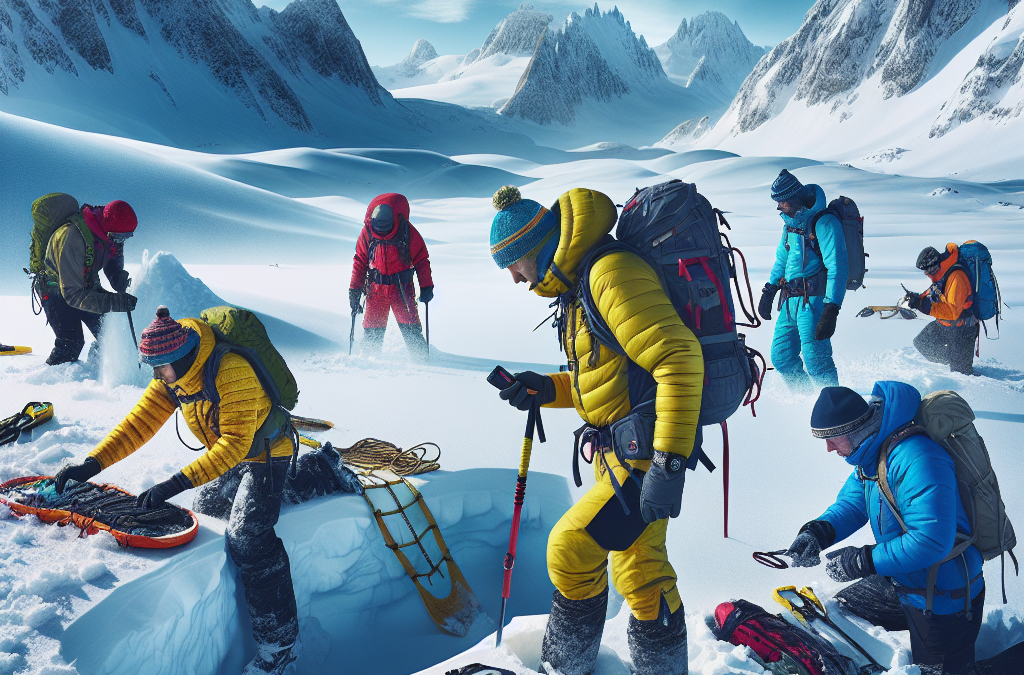
Now let’s chat about gear. There’s a bunch of crucial equipment I never hit the slopes without. A beacon, probe, and shovel are the holy trinity for avalanche safety equipment. I can’t stress enough how wearing a personal avalanche transceiver (beacon) can help rescue teams find you in the event of a tragedy.
Choosing a reliable probe is also essential; it can make the process of locating a buried person faster and more efficient. When I first got equipped, I spent time practicing with it before heading out. Learning how to deploy and use my gear in a controlled environment gives me confidence in real emergencies.
Lastly, my shovel – it might seem basic, but I can tell you that having a lightweight, durable shovel can make digging someone out an achievable task. I recommend going for one that’s easy to handle, especially with gloves on. Trust me, you don’t want to deal with a flimsy shovel in a panic!
Rescue Techniques and Practices
Understanding Search Methods
In the scary event that someone is caught in an avalanche, knowing how to conduct a search is crucial. I remember the first time I went through a search and rescue training. It was eye-opening! You’ve got to utilize your avalanche beacon because it dramatically reduces search time, but if the beacon fails, a systematic search is key.
The foundational technique I practice is the “parallel search.” This means moving back and forth across the likely burial area while listening for beeping signals. It’s like something out of a spy movie at times, but I assure you, it works effectively when you keep your focus. Knowing how to fine-tune your listening and watching for the slightest clue can be what saves a life.
And let’s not forget about teamwork. When I’m out there, everyone needs to play their part, keeping constant communication. We’ve got each other’s backs, so knowing who’s looking where and what techniques each person is using can make a big difference in how smooth the rescue goes.
First Aid in the Wilderness
Addressing Cold Injuries
Cold injuries can sneak up on you faster than you think. I recall a chilly day out on the slopes when I began feeling numb in my fingers. I had to immediately educate myself about frostbite and hypothermia symptoms; sometimes it’s just a little tingle that can lead to serious issues. Always be prepared!
Having basic first aid skills can prove invaluable. I’ve made it a rule to carry a first-aid kit whenever I’m out exploring. Basic supplies, including gauze, adhesive tape, and a good antiseptic, can address minor injuries and keep things from escalating. Nothing’s worse than having a long trek back with an injury you didn’t take care of!
Lastly, if you see someone else showing signs of cold injury, don’t hesitate to step in. I’ve learned that sometimes, a simple hot drink or warm pack of hand warmers can make a gradual difference. Keeping an eye on your friends is crucial because, in the snow, we can all get a little too focused on having fun—and safety often gets overlooked.
Frequently Asked Questions
What should I do before heading into avalanche terrain?
Always check avalanche forecasts, understand snowpack conditions, and learn to recognize signs of instability in the snow. It’s essential to plan your route around safer terrains and stay updated.
What gear do I need for avalanche safety?
Key gear includes an avalanche beacon, probe, and shovel. It’s also a good idea to carry a first aid kit and emergency supplies just in case.
How can I effectively search for someone buried in an avalanche?
Utilize your avalanche beacon first. If the beacon isn’t available, perform a systematic parallel search across the last known location of the victim, looking for clues and listening for signals.
What are the signs of cold injury in the wilderness?
Common signs of frostbite include numbness, discoloration of the skin, and pain. Hypothermia symptoms consist of shivering, slurred speech, and confusion. Be aware of these and act quickly!
How can I best prepare for first aid in snow emergencies?
Take a first aid course focused on outdoor scenarios. Always carry a well-stocked first-aid kit on your trips and familiarize yourself with the contents and their uses before you head out.
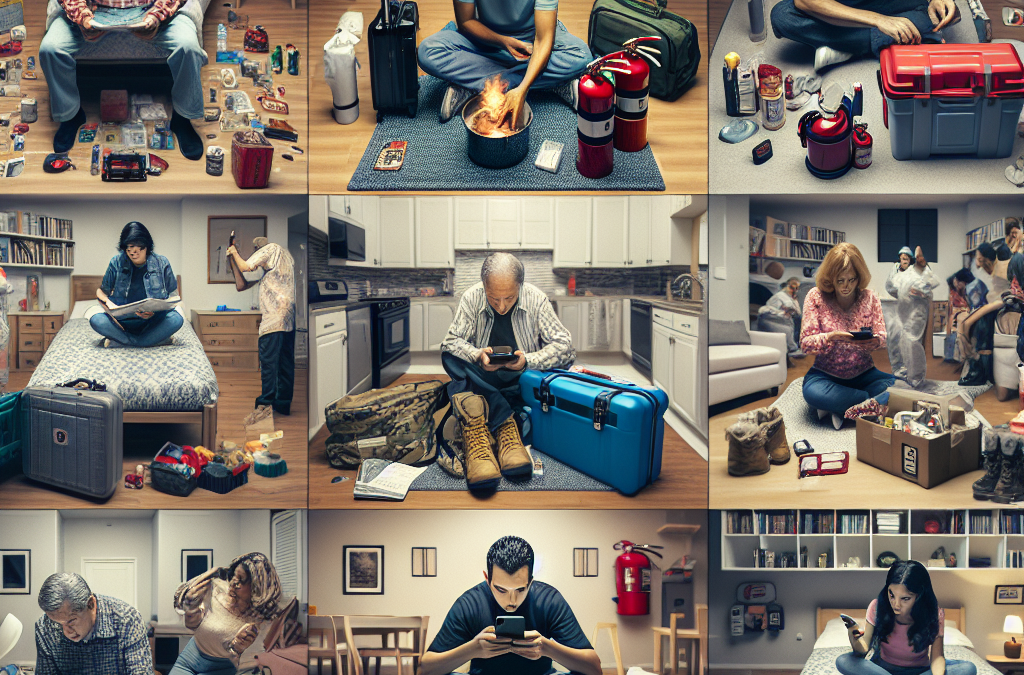
You know, living in an apartment can be pretty cozy, but it also comes with its own set of challenges when it comes to emergencies. For me, the first step in any preparedness plan is to recognize what hazards might actually pop up. Whether it’s a natural disaster like a fire, flood, or even a severe snowstorm, being aware of the potential risks you face in your area can go a long way in staying safe.
Take a moment to think about what could happen, based on your location. For instance, if you live in a flood-prone area, make sure to keep tabs on the weather. I’ve learned through my own experiences and chatting with neighbors that knowing these details can help you react quickly when trouble strikes.
Understanding your building’s emergency protocol is also crucial. Each place might have different rules when it comes to evacuations or sheltering in place. Ask your landlord or management to provide you with this information; it could be a lifesaver!
Creating a Personal Risk Plan
Once you’ve got a grip on the risks, it’s time to make a plan tailored just for you and your apartment. Think about how you’ll respond to different scenarios. Ask yourself questions like: “What will I do if there’s a fire?” or “How can I safely exit during an earthquake?” This kind of mindset sets you up for success.
Having a designated escape route is essential. In my experience, walking through these routes a few times, preferably during calm moments, really helps me remember my paths under pressure. And don’t forget to share this plan with anyone you live with so everyone knows what to do!
Additionally, consider specific accommodations for any family members who may need extra help, like kids or elderly folks. You never know what type of situation you might face, so being prepared for everyone can provide peace of mind.
Regularly Review and Update Your Plan
Just because you’ve made a plan doesn’t mean you can set it and forget it. Trust me, living a busy life often leads me to forget these important details, but I’ve learned the hard way that revisiting and updating my plan is key. Seasonal changes may bring new risks, so keep that in mind!
Schedule regular reviews of your plan. You might find that new neighbors or changes in your building’s structure could impact your safety. Include a periodic check at the beginning of every season in your calendar. That way, you won’t forget!
An additional tip here – involve your neighbors! Sharing your experiences and updates can foster a sense of community, and who knows, you might spark a group initiative that benefits everyone!
Building Emergency Kits
Choosing Essential Items
Okay, so you’ve assessed your risks and made a plan. Next up? Building an emergency kit! This might sound overwhelming, but trust me, you don’t need to go overboard. Start with the basics: water, non-perishable food, first aid supplies, and personal hygiene items. I found that having a backpack as a designated emergency bag makes it easier to grab and go!
This part can be both fun and practical. I like to customize my kit according to my specific needs. For example, I throw in my favorite snacks, extra medications, or a cozy blanket — anything that can make a tough situation a bit more bearable.
Don’t forget about important documents! Having copies of identification, insurance info, and medical records can be crucial during or after an emergency. I always keep these documents in a waterproof folder in my kit!
Storing Your Kit Safely
Where you store your kit is almost as important as what goes into it. I recommend finding a cool, dry place that’s easy to access. My kit is in a closet near the front door so I can grab it quickly when I leave in a hurry. You never know when you’ll need it!
Keep track of your kit’s items and expiration dates. I like to go through mine every six months and replace anything that might be getting outdated. It’s a small, simple step but can make a world of difference in an emergency.
Encourage anyone you live with to know where the kit is and what’s inside it — it could save them precious time in a chaotic situation!
Personalizing Your Kit for Unique Situations
As I mentioned earlier, it’s important to customize your kit. Think about your hobbies or lifestyle. Do you have pets? Make sure to include pet food, medications, and carriers for them too. You’d be surprised at how easy it is to forget furry family members!
If you enjoy camping, you might already have some useful gear. Consider adding a flashlight or multi-tool, which can be super handy during emergencies. Remember, your readiness kit should reflect your personal needs.
If you have kids, including some games or comforting items may help ease their anxieties in stressful situations. I always pack little toys or books for my nieces when they visit; it gives everyone a sense of comfort when the unexpected occurs.
Communication Strategies
Creating a Contact List
Communication is so vital during emergencies. I highly recommend creating an emergency contact list that includes both local and out-of-town family and friends. It’s a great way to ensure that if one method fails, you still have backup options.
List people who can check on you and vice versa, especially if you have family in different areas. This way, you don’t have to panic about finding out if everyone is okay. A quick text or call can do wonders!
Consider using social media or messaging apps as part of your communication plan, especially if traditional phone lines are down. I’ve found this to be efficient for tagging family in posts to alert them of our situation!
Establishing Meeting Points
If an emergency occurs and you can’t reach each other by phone, you’ll need to have an established meeting point. It could be a nearby park, a neighbor’s place, or any identifiable landmark. I like to choose spots that everyone knows about, as there’s less room for confusion.
Make sure to discuss these points with your loved ones in advance. You might also want to take a few different routes to get to your chosen location — exposing them to various scenarios can really help!
Always double-check these points regularly. I re-confirm my meeting places whenever I have family over or someone new joins our group; it keeps everyone in the loop!
Staying Connected with Neighbors
We often overlook the importance of connecting with our neighbors, but it’s super essential. Building relationships can foster a sense of community and means there’s someone looking out for you. If you ever need help, they’re first responders even before any official aid can arrive!
Consider starting or joining a neighborhood watch or community group. This can help everyone share resources, advice, and even skills that are incredibly helpful during emergencies. Personally, being involved has opened my eyes to lots of safety tips I hadn’t thought of before!
Regularly check in with your neighbors and be available for them to reach out. You never know when a little friendly chat can morph into a life-saving collaboration.
Practicing Your Emergency Plans
Conducting Drills
Alright, time to put your plan into action! Conducting drills is a fantastic way to prepare yourself, and honestly, it can even be a fun activity. I try to gather my family or roommates about once a year to practice our escape routes.
These drills help me visualize the process and identify any areas that might need improvement. Plus, it’s a great opportunity to have some laughs and strengthen our camaraderie!
Document anything that seems confusing or difficult to manage during the drill so you can refine your plan further. Remember, the goal is to feel more confident when the real deal happens, not stressed out!
Incorporating Feedback
After you conduct drills, it’s super important to talk about how things went. Get feedback from everyone involved and make adjustments as needed. Perhaps someone found a new obstacle that could slow you down during a real emergency.
Think of it as an opportunity for improvement, rather than a failure. I find that being open to suggestions not only helps fine-tune our plans but also strengthens our bonds as a group.
Encouraging this sort of feedback builds trust and confidence among group members. The more everyone feels heard, the better they’ll execute the plan when the time comes!
Keeping Skills Fresh
Lastly, make sure to keep your skills fresh! Knowing how to use a fire extinguisher, perform CPR, or stop bleeding are essential skills. I try to refresh my CPR knowledge every couple of years by taking a course; it’s an excellent way to stay current.
Invite friends over for informational meet-ups where you can practice these essential skills together. You’d be amazed at how empowering it is to feel confident in your ability to help others when it counts!
Also, keep an eye on any community workshops. Local fire departments or hospitals often host safety training events, and attending these will only enhance your knowledge and keep your skills fresh!
FAQs
What should be in my emergency kit?
Your emergency kit should include essentials like water, non-perishable food, first aid supplies, medications, a flashlight, batteries, and copies of important documents. Customize it further based on your personal needs, like pet supplies or comfort items.
How often should I review my emergency plan?
It’s wise to review your emergency plan at least twice a year, but consider doing so every season. This helps to keep it fresh in your mind and ensures you’re prepared for any new risks that may arise over time.
Why is it important to involve neighbors in preparedness?
Your neighbors are often your first line of defense in an emergency. Building a community can enhance safety and ensure everyone has a support network in place. Plus, sharing resources and experiences can provide valuable insights!
How do I practice my emergency plan effectively?
Conduct regular drills with your family or roommates. Utilize your escape routes and encourage open dialogue afterwards to share feedback. This keeps your skills sharp and enhances teamwork!
What if I have special needs in my family?
It’s essential to tailor your emergency plan to cater to the unique needs of your family members. Discuss their specific requirements, ensure comprehension of their roles during emergencies, and consider their comfort items in your emergency kit.