by Preparation Call Editorial Team | Jul 31, 2025 | Preparedness
Growing Your Own Food
Understanding the Basics of Home Gardening
One of the first steps I took on my journey to create a sustainable food system at home was to learn the basics of gardening. It sounds simple, but trust me, it’s a game changer! I started by picking up a few essential tools, like a shovel, a hand trowel, and some gardening gloves. It’s all about getting your hands dirty and developing a connection with the soil.
Next, I turned some of my backyard into garden beds. It didn’t have to be perfect; just enough sunlight in the right spots worked for me. I started small with a few pots of herbs and gradually expanded to tomatoes and peppers. Each plant taught me a little something about growing—like the importance of soil quality and water balance. Patience truly pays off!
Lastly, I researched companion planting, which is essentially planting different crops close together for mutual benefit. For instance, tomatoes thrive with basil, while carrots and onions can help each other out too. This holistic approach not only maximizes space but also minimizes pests naturally.
Composting: Turning Waste into Nutrients
Before diving into composting, I’ll admit—I was skeptical about mixing food scraps together, thinking it would smell terrible. But wow, was I wrong! Composting is a robust way to recycle my kitchen waste back into something valuable for my garden. It starts with a simple bin in the corner of your yard or kitchen counter.
I learned that it’s about balance: greens (nitrogen-rich materials like vegetable scraps and grass clippings) and browns (carbon-rich materials like dried leaves and shredded paper). Layering these helps speed up the decomposition process. I found that turning my compost every few weeks really did wonders, speeding things up and keeping that “fresh soil” vibe.
Composting not only reduces how much trash I send to the landfill but also enriches my garden soil. It took a bit of practice to get it right, but when I saw that dark, rich compost ready to mix into my flower beds, it felt like pure magic!
Choosing the Right Plants for Your Climate
When I started my gardening journey, I was so excited about growing all these incredible vegetables that I completely overlooked the importance of climate. Researching my local growing conditions helped me pick plants that would thrive without too much fuss. I learned about hardiness zones and figured out what plants actually do well in my area.
Once you know your climate, selecting the right seeds is a breeze. I remember my first year, I planted a bunch of beautiful French heirloom tomatoes, only to find out they needed way more sun than my shady plot offered. Now, I opt for varieties that are known to flourish in my specific conditions, making all the difference!
Additionally, I’ve recognized the value of seasonal planting. Incorporating crops that are ready to harvest in spring and fall maximizes yields. Quite honestly, the variety adds excitement to my gardening routine, and I just love the idea of eating the freshest vegetables right from my patch!
Creating a Community Network
Finding Local Growers and Farmers
Part of building a sustainable food system involves connecting with like-minded folks. I made it a priority to locate local farmers and growers in my community—trust me, it’s worth it! Visiting farmers’ markets has been a delightful excuse to spend my weekends checking out fresh produce, baked goods, and even homemade jams.
Plus, I realized that shopping local not only supports the community but also helps reduce my carbon footprint. And let’s not forget the enhanced flavors! Nothing beats fresh, local fruits and vegetables. I often chat with vendors about their growing practices, and it deepens my appreciation for each bite.
Engaging with local food groups on social media or joining community-supported agriculture (CSA) programs has become a regular part of my routine. Sharing tips and tricks with fellow enthusiasts is so fulfilling and really makes the journey more enjoyable!
Participating in Community Gardens
A few years back, I discovered the concept of community gardens, and it’s been a total game-changer for me. These spaces are invaluable for meeting neighbors and cultivating friendships with those who have the same passion for growing food. It’s a brilliant way to learn from experienced gardeners who can guide you based on their years of experience.
Community gardens offer access to land that might not be available at home, so it’s perfect for those with limited space. I love volunteering at mine, where we all pitch in to grow a variety of crops. The sense of pride when we harvest and share our bounty is absolutely incredible!
Overall, what really excites me about participating in community gardens is the diverse array of crops we plant—getting to try new veggies I may not have thought to grow at home. It feels great knowing we’re all contributing to more sustainable food practices together.
Networking for Sustainability Ideas
Being part of groups focused on sustainability has opened my eyes to countless innovative ideas. I find inspiration in connecting with entrepreneurs and everyday people who are passionate about creating better food systems. It’s super refreshing to share ideas, brainstorm projects, and motivate one another to make a positive impact.
Through online forums and local meet-ups, I’ve discovered fantastic resources like seed exchanges and permaculture workshops. You learn so much from others—techniques for organic gardening, how to save seeds, or even basic permaculture principles that can be applied anywhere.
Building this network has enriched my experience and commitment to sustainability. Knowing I’m doing this alongside others makes the journey feel less overwhelming and more about building a resilient community together.
Reducing Food Waste at Home
Understanding Expiration Dates and Food Storage
To really get into reducing food waste, I took the time to educate myself about expiration dates. Quite often, I found myself discarding food that was still perfectly edible! There’s a big difference between “sell by,” “use by,” and even “best before” labels. I learned that many items can be perfectly fine well after those dates with proper storage.
Speaking of storage, I’ve switched to glass containers and airtight options to keep food fresh for longer. I also learned some nifty storage tips, like keeping potatoes and onions separate to prevent sprouting. What a difference it made in my grocery shopping practice!
Realizing how much I was wasting made me rethink my shopping habits. Now, I plan my meals better and focus on what I truly need and can use within that timeframe, which inadvertently saves me money too. Win-win!
Repurposing Leftovers Creatively
Turning leftovers into something new has become one of my favorite kitchen activities. I’ve learned that rather than simply reheating meals, I can take a little creativity and transform them into exciting dishes! For example, leftover roasted vegetables can be tossed into a stir-fry or blended into a hearty soup.
Another fun trick is to make smoothies out of overripe fruits that are a bit too mushy for snacking. Throw them into the blender with some yogurt and spinach, and voilà, delicious and nutritious! I often look at what I have left at the end of the week and think, “What can I make that’s a little different?”
By repurposing food creatively, not only do I reduce waste, but I also keep things interesting in the kitchen. It’s like a little game I play, and the results often surprise me! Plus, it feels great to salvage food that would have otherwise been tossed.
Composting Food Scraps
As I mentioned earlier, starting a compost bin was a huge part of my food waste reduction mission. Rather than tossing apple cores or banana peels into the trash, they find a new life in my compost. It feels good knowing that I’m minimizing waste and also enriching my garden.
By implementing this step, I realized just how much food scraps I was actually discarding. Now, being mindful of where those scraps go has become a habit. I even keep a small compost bucket in the kitchen to make things easier, tossing everything from coffee grounds to vegetable trimmings right into it.
Seeing the compost transform into nutrient-rich soil is a beautiful cycle, and I love using it to nourish my plants. It’s a rewarding experience that continuously reinforces the idea of sustainability at home.
Educating Yourself and Others
Engaging with Educational Resources
My journey in building a sustainable food system wouldn’t have been complete without diving into educational resources. I hit the library and browsed online platforms for books and courses about gardening, permaculture, and sustainability practices. Knowledge is power, folks! I found some incredibly inspiring books and documentaries that fueled my passion.
I’ve also subscribed to a few gardening blogs and YouTube channels, which have become a treasure trove of tips and inspiration. The helpful tutorials and discussions opened my eyes to techniques I never even knew existed. I find joy in learning from seasoned gardeners who share their successes and failures, it’s like having a mentor right in my living room.
As I gained knowledge, I felt compelled to share it. Hosting small workshops and informational meet-ups in my community became a great way to uplift others. Through social media and word-of-mouth, I encourage newcomers to get excited about gardening and sustainability, guiding them where I can.
Sharing Knowledge with Friends and Family
Nothing feels quite as fulfilling as sharing what I’ve learned with those closest to me. I regularly invite friends over for a garden tour or cooking session, showing them all the edible plants thriving in my backyard. It’s amazing how enthusiasm can ignite others’ interest!
Cooking up recipes from my garden harvest and having them over for a meal has become a beloved tradition. I share my journey, discussing the importance of sustainability and the small steps we can all take. It’s rewarding to inspire them to grow their own food at home!
One powerful way I’ve found to disseminate knowledge is through hosting community workshop sessions where we delve into gardening tips, techniques, and even recipe-sharing. The more we all learn together, the stronger our community becomes.
Advocating for Sustainable Practices
As I learned more about sustainability, I realized the importance of not keeping all this great knowledge to myself. Advocating for sustainable practices locally and online became pivotal in my mission. I began to voice the significance of supporting local farmers and promoting sustainable food systems in conversations.
Engaging with local councils and participating in initiatives has broadened my influence. Whether it’s lobbying for a community garden or speaking at events, bringing awareness to the importance of sustainability is crucial. I’m happy to be a part of this bigger conversation!
Additionally, I’ve utilized social media platforms to share sustainable food ideas and practices. Inspiring others through posts, stories, and even videos inspires a ripple effect. It’s about building momentum and changing mindsets one heart at a time.
Frequently Asked Questions
1. What’s the best way to start a home garden?
Starting a home garden is easy—begin with selecting a sunny spot, preparing the soil, and choosing plants that thrive in your climate. Start small with pots or a few garden beds!
2. How can I effectively compost at home?
To compost effectively, create a balance of nitrogen-rich greens and carbon-rich browns, turn the compost regularly, and monitor moisture levels. A simple compost bin or pile works great!
3. How can I reduce food waste while cooking?
Plan meals, use leftovers creatively, and educate yourself on food storage to reduce waste. Keeping track of what’s in your fridge helps too!
4. How can I connect with local farmers?
Visit farmers’ markets, join community Supported Agriculture (CSA) programs, or follow local farms on social media. Building relationships is key!
5. What sustainable practices can I share with my community?
Share books, host workshops, and engage friends in gardening projects. Advocate for sustainability through conversations and by setting an example in your daily life. Every small step matters!


by Preparation Call Editorial Team | Jul 31, 2025 | Preparedness
Assessing Your Evacuation Routes
Understand Your Surroundings
First thing’s first, understanding your surroundings is crucial. It’s not just about knowing the roads; it’s about being aware of the potential hazards around you. Whether it’s a natural disaster like a hurricane or a fire, knowing the layout of your neighborhood can save you heaps of time and stress when the need arises.
Take a stroll around your area. Identify main streets, alternative routes, and areas that could be potential choke points during an emergency situation. You might find shortcuts or hidden paths that could offer a safer escape route. Plus, familiarizing yourself with landmarks can also help you stay calm under pressure.
Map out these routes and keep them handy. Whether it’s an app on your phone or a good old-fashioned paper map, having a clear idea of your possible escape routes is vital to ensuring the best chance of a smooth evacuation.
Identify Safe Zones
Next, let’s talk about safe zones. Even if your primary route is blocked, it’s super important to know where you can go to find shelter or help. This could be a friend’s house, a community center, or even a designated evacuation point in your area.
Every neighborhood has those hidden gems. It could be a local school or a church that opens its doors for emergencies. Knowing these spots can give you peace of mind; if all else fails, you have a safe haven to escape to.
After identifying these safe zones, make sure to clarify how you can reach them from various points in your area. Having a plan not only reduces panic but also gives you that safety net, knowing you’re heading toward security and support instead of just running blind.
Consider Traffic Patterns
You’d think that when panic strikes, the last thing on our minds is traffic, right? But understanding traffic patterns can be revolutionary when planning your evacuation. During an emergency, everyone’s gonna be hitting the road at the same time, which can create massive gridlocks.
Spend some time observing traffic flow during different times of the day. Certain routes may be more congested during peak hours, and knowing this can help you to plan alternatives that could save your bacon in a crisis.
Also, don’t underestimate the power of local alerts. Many cities have apps or services that provide updates on road conditions and closures. Keeping tuned in can provide real-time information and help you dodge those pesky traffic jams.
Creating an Evacuation Plan
Outline Your Steps
Once you have your routes and safe zones mapped out, outlining your evacuation steps is next. To get started, think about what you need to pack in case of an evacuation. Essentials like food, water, and medicines should be prioritized in your plan.
Write these steps down and keep them visible. It might sound a bit old school, but having something physical to look at reduces the chances of forgetting something crucial while you’re in a scramble. Plus, it can be helpful for other family members or friends to know the plan, keeping everyone in the loop.
Practice makes perfect. Just like any kind of planning, running through your evacuation plan will help engrain it in your memory. Grab the family, do a quick rehearsal, and let everyone know what to expect. This will help alleviate any anxiety when the time comes to put that plan into action.
Communicate with Your Family or Group
Communication is key. Make sure that everyone involved knows the plan and the routes you’ve chosen. Use group chats or family meetings to ensure that everyone understands their tasks and roles during an evacuation. Trust me, it helps reduce confusion.
Designate a point person who can help coordinate actions and relay updates. While it’s important for everyone to be informed, having a central communicator can streamline efforts and make sure things run smoothly as nerves may start to fray.
Also, discuss emergency contact numbers and methods to stay in touch if you get separated. Having a fallback plan will ease worries for both you and your family in stressful situations. Just knowing that everyone has each other’s backs makes a massive difference!
Prepare an Emergency Kit
Next up, let’s chat about emergency kits. This is something I truly swear by when preparing for any unexpected situations. An emergency kit can be your lifesaver, so you want to make sure it’s stocked and accessible.
For starters, it should include essential items like water, non-perishable food, a flashlight, batteries, a first-aid kit, and emergency contact information. When packing the kit, think about your family’s specific needs—like medicines or baby supplies if you have little ones.
Don’t forget to routinely check your emergency kit and refresh its contents as needed! You wouldn’t want to reach for your supplies in a crisis only to find that the snacks are expired or it’s missing a flashlight. Keeping everything up to date is crucial!
Staying Informed During an Evacuation
Use Technology to Your Advantage
During an evacuation, information is power. Leveraging technology can give you a leg up on chaotic situations. There are some incredible apps out there, from weather alerts to emergency news updates that will keep you in the loop.
Having your phone charged and ready is vital. Make sure you have your emergency contact list and any apps that will help you navigate road conditions and alerts. Staying informed can help you make the best decisions on the fly, allowing you to dodge potential pitfalls.
Additionally, don’t forget the good ol’ radio. Sometimes, when all else fails, a battery-operated radio can keep you updated with the latest information when the power is out or cellular networks are jammed.
Monitor Local Agencies and News
Another key element is staying tuned to local agencies and news. It’s tempting to only watch national news, but local stations will provide specific details relevant to your area. They can give you information about the safety of roads, updates on emergencies, and any changes to shelter locations.
Follow local emergency service accounts on social media platforms for real-time updates. Many agencies are increasingly using these platforms to share essential information quickly, which can be a game changer during a crisis.
Consider also signing up for local alert systems where you can receive emergency messages directly to your phone. The more plugged in you are, the better prepared you’ll be to make quick decisions.
Keep an Eye on Weather Conditions
Never underestimate Mother Nature! Regularly checking the weather can help you gauge whether it’s best to hold tight or get moving. Apps and websites have made this super easy. You can track real-time weather updates right on your phone.
Pay special attention to forecasts and warnings. If a storm is rolling in, you’ll want to be on top of that, planning your route accordingly. Also, check for any changes in local travel conditions and road safety.
Prepare for the worst, but hope for the best! Having a backup plan based on changing weather conditions can often mean the difference between a smooth evacuation and a chaotic scramble.
Reviewing and Practicing Your Plan
Regularly Update Your Plans
Life changes, and so should your evacuation plan. Family structures might change, job situations might shift, or the neighborhood itself may evolve. Reviewing and updating your plans ensures that everyone’s needs are still met.
At least once a year, go over the plan as a family. Discuss any changes that might affect the original strategy, and take the time to adjust your routes and emergency kits as necessary. This proactive step saves you from being unprepared in the heat of the moment.
Engage everyone in this discussion. Keeping everyone involved fosters a sense of responsibility and unity in dealing with emergencies. Plus, it can be a fun exercise to explore new routes or decide on new safe zones together!
Conduct Drills
Practicing your evacuation plan may sound a bit over the top, but those drills can provide significant benefits. Conducting family evacuation drills allows everyone to understand their role, know the routes, and get acquainted with the emergency kit.
This drill doesn’t have to be elaborate; just doing a quick run-through can help. You can set a timer to simulate a sense of urgency. It can be surprising how practicing a simple routine can enhance your clarity and confidence during a real situation.
Not only does this create familiarity, but it also builds teamwork. As a family, you’ll learn to communicate and rely on each other, ensuring that the process feels less daunting when it really counts.
Review After Each Event
When calm is restored after an evacuation or drill, gather the family and talk about how things went. Reviewing your response after an event is crucial for improvement. What worked well? What didn’t? You can only improve on what you critique.
This review process can create a healthy discussion around fears, adjustments needed, and lessons learned, making it a bonding experience. Plus, it reinforces a culture of preparation that will serve your family best in future emergencies.
As time goes on, also encourage any new family members who join to participate and familiarize themselves with your evacuation plan. The more practiced you are as a family, the more confident you’ll feel!
FAQ
What should I include in my emergency kit?
Your emergency kit should include essentials like water, non-perishable food, a flashlight, extra batteries, a first-aid kit, personal medications, and a battery-operated radio. Don’t forget personal identification and important documents!
How often should I review my evacuation plan?
It’s best to review your plan at least once a year. However, any significant life changes or changes in your neighborhood might warrant an immediate review.
Can I rely solely on technology during an evacuation?
While technology can provide real-time updates, it’s crucial to have a backup system, like a battery-operated radio in case of power outages, as you can’t fully rely on tech during emergencies.
How can I ensure my family is ready for an evacuation?
Engage in conversations about the evacuation plan, conduct practice drills regularly, and ensure everyone knows their roles. Staying updated and involved fosters confidence and readiness in your family.
Why should I identify multiple routes for evacuation?
Identifying multiple routes prepares you for unforeseen circumstances, like road closures or congestion. Having alternatives can significantly reduce stress and time during an emergency.
by Preparation Call Editorial Team | Jul 31, 2025 | Preparedness
Understand What Carbon Monoxide Is
What You Need to Know
Let’s start with the basics. Carbon monoxide (CO) is a colorless, odorless gas that can be super dangerous. I remember the first time I learned about it; I was shocked to find out how easily it could be produced by everyday appliances like gas stoves or heaters. You can’t see it, you can’t smell it, and yet it can sneak up on you. It’s essential to be aware of its nature so that you can take the right steps to protect your family.
This gas comes from burning fossil fuels. Think about your car, your furnace, or even your fireplace. If these appliances aren’t working right, they can release CO into your home. That’s why it’s not just important to know what it is, but to be proactive in understanding where it might come from.
Moreover, symptoms of CO poisoning – headaches, dizziness, and confusion – can often be mistaken for something else, which makes it even more dangerous. Staying educated is really the first step in keeping your family safe.
Install Carbon Monoxide Detectors
Choosing the Right Detectors
One of the best pieces of advice I can offer from my own experience is to invest in good carbon monoxide detectors. When I first moved into my house, I realized I didn’t have one. That made me really nervous, so I did some research. The newer models are pretty affordable and come packed with features, like smart technology that sends alerts to your phone.
Installing these detectors in key areas of your home is crucial. I’ve learned the hard way that kitchens and bedrooms should definitely be top priority. When I added a detector outside my son’s bedroom, I felt a weight lift off my shoulders. It’s a simple step, but it makes a world of difference.
Don’t forget to check the batteries regularly too. Set a reminder in your phone every six months; it’s easy to forget otherwise! Trust me, spending a few minutes checking your detectors is worth it for peace of mind.
Maintain Your Appliances
The Importance of Regular Check-Ups
Let’s talk about maintenance. I can’t stress enough how critical it is to keep your fuel-burning appliances in good shape. When I first bought my furnace, I was tempted to skip the yearly check-up, thinking it would be fine. Well, I quickly learned that neglecting maintenance can lead to some serious issues.
Regular inspections can ensure everything is working properly and dramatically reduce the risk of CO leaks. In fact, most service professionals recommend at least once a year to prevent any hazards. Having a checklist helps too, so you don’t miss anything important.
Plus, I’ve found that keeping my appliances clean and well-ventilated not only helps in avoiding dangerous gases but also boosts their efficiency! Efficient appliances save money and contribute to our family’s safety. It’s a win-win.
Know the Symptoms of CO Poisoning
Be Aware and Educate Your Family
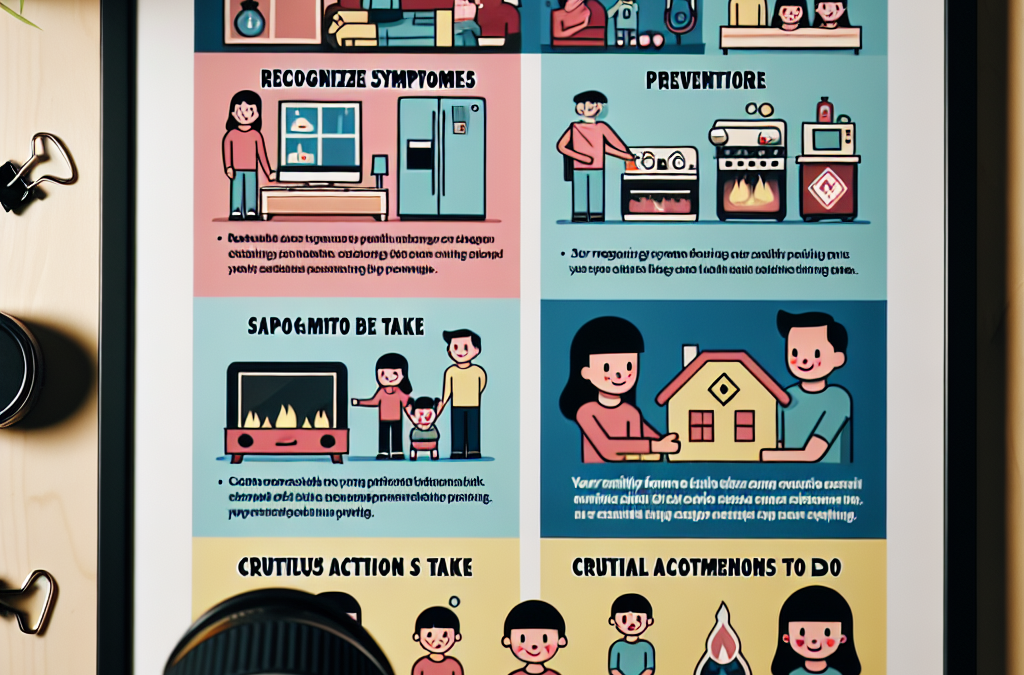
It’s essential to be aware of the signs of carbon monoxide poisoning. I remember when my cousin came to visit, he mentioned he had a headache, and I kicked into high alert mode. It’s so important to know the symptoms like headaches, dizziness, confusion, and even nausea. The more we talked about it, the more my family felt prepared.
Make it a family discussion! Teaching my kids about the symptoms has given them the ability to speak up if something feels off. I put together a little info sheet for my fridge, and it’s been a handy reference. When children understand, it empowers them to take action!
Staying informed helps everyone in the household recognize potential hazards and react more quickly. After all, acting fast is key – it can literally save lives!
Make an Emergency Plan
Preparing for the Worst
Having a plan in place is like having a safety net. My family and I sat down one rainy Sunday to talk through our emergency response plan. It might sound a bit dramatic, but knowing what to do in case of a CO alarm going off brings a lot of peace of mind.
We decided on a meeting spot outside, in case we ever need to evacuate. Everyone should know how to leave the house quickly and safely. We even practiced the drill a few times – it was fun and got everyone involved. It made me feel like I was doing something proactive, which is always nice!
Don’t forget to keep a battery-powered radio nearby for updates if the power goes out. I found one at a yard sale, and it’s a good reminder that you can often find practical solutions without breaking the bank. Stay prepared, and you’ll feel more secure.
FAQs
What are common sources of carbon monoxide in homes?
Common sources include gas furnaces, water heaters, car exhaust from attached garages, fireplaces, and gas stoves. Always ensure these appliances are well-maintained!
How often should I test or replace my carbon monoxide detector?
Test your detectors monthly and replace the batteries at least once a year. Also, replace the entire unit every 5 to 7 years depending on the manufacturer’s recommendation.
What should I do if my carbon monoxide alarm goes off?
If your alarm sounds, immediately evacuate your home and call emergency services. Do not ignore the alarm or try to find the source. Safety first!
Can carbon monoxide poisoning happen in the summer?
Yes, it can! Many people think CO poisoning only occurs in winter, but it can happen anytime there are working appliances that produce exhaust gases.
Is there a safe level of carbon monoxide exposure?
No, there is no safe level of exposure. Even low levels can cause health issues, so it’s best to invest in safety measures to prevent exposure entirely.