
by Preparation Call Editorial Team | Jul 31, 2025 | Preparedness
Understanding Your Mental Health
Recognition of Mental Health Needs
Let me tell you, the first step in taking care of your mental health is actually understanding it. I had to learn the hard way—mental health isn’t just about feeling sad or anxious. It’s about being aware of how you’re feeling and understanding what those feelings mean. When we recognize our emotional states, we can start to tackle any negative patterns head-on. Acknowledging our needs is the first step towards healing.
Sometimes, it’s mind-blowing how we downplay our feelings, thinking we should ‘just get over it.’ But trust me, it’s okay to ask for help or even just to sit with what you’re feeling. This self-awareness can prevent larger issues down the line. So when you recognize that something is off, don’t hesitate to dig deeper.
I found journaling to be incredibly helpful in this area. It gives you a safe space to unleash your thoughts and feelings without any judgment. Grab a pen and start writing! You might discover a lot about your mental state just by putting it down on paper.
Developing Healthy Coping Mechanisms
Exploring Coping Techniques
Let’s dive into coping mechanisms! Everyone faces challenges, and having healthy strategies to deal with them is crucial. Personally, I’ve tried various methods—from deep breathing exercises to yoga, and honestly, they all have their perks. You need to find what works best for you.
You might consider talking it out with someone close to you—friends, family, or even a therapist. Verbalizing what you’re experiencing can sometimes lighten your mental load and provide clarity. Sharing helps break down barriers, and it allows for support to flow both ways.
Another technique that I really fell in love with is mindfulness meditation. I’ve found that taking just ten minutes each day to focus on my breath and my surroundings can shift my entire mood. It’s like hitting the reset button on my brain!
Establishing a Routine
The Importance of Structure
Ah, routines. I know, they sound boring, but trust me, having a structured day can do wonders for your mental health. When I first implemented a more consistent schedule, I noticed a significant decrease in my anxiety levels. A routine gives your day purpose and helps you to manage time effectively.
Consider starting with a morning ritual. Whether it’s a warm cup of coffee while reading or a quick workout, these small habits help kickstart my day with positivity. What’s key here is that your routine doesn’t have to be rigid; it just needs to have a loose form that covers your essentials.
Additionally, don’t forget to include time for relaxation! Even in the busiest schedules, I always carve out space for myself. It’s vital to recharge and check in with how you’re feeling amidst the hustle and bustle of life.
Building a Support Network
Connecting with Others
We’re not meant to go through life alone! Building a support network is one of the most proactive steps I’ve taken for my mental health. Surrounding myself with friends and family who understand and uplift me has made a massive difference in how I cope with challenges.
Consider reaching out to groups—whether local or online—where you can share experiences. Just knowing that there are others who understand your struggles is incredibly comforting. I’ve found several online communities that offer support and friendship, and it has positively impacted my mental state.
Don’t overlook the value of professional networks either! Connecting with counselors or mental health professionals can provide insightful resources. They can introduce you to new coping strategies and help guide your mental health journey.
Practicing Self-Compassion
Cultivating Kindness Towards Yourself
This one took me a while to embrace. Self-compassion means treating yourself with the kindness and understanding you would offer to a friend. I realized that when I made mistakes or had tough days, I was much harder on myself than I would be on anyone else. Learning to flip that script has been life-changing.
Start by acknowledging your feelings without judgment. It’s okay to struggle! Recognizing that everyone faces challenges and that perfection is an unrealistic expectation can ease a lot of internal pressure.
Remember to celebrate the small wins too! I’ve started keeping a “win diary” where I jot down my accomplishments—big or small. It’s a great reminder that I’m doing my best, and it keeps my spirits higher on tough days.
Frequently Asked Questions
What is Positive Preparedness in mental health?
Positive Preparedness is about being proactive in managing mental health by using strategies that enhance well-being and resilience. It’s about preparing for challenges rather than just reacting to them.
How can I identify my mental health needs?
Recognizing your mental health needs often involves self-reflection. Journaling, speaking with trusted individuals, or consulting a mental health professional can help you gain insights into your emotional state.
What are some healthy coping mechanisms?
Healthy coping mechanisms include mindfulness practices, physical exercise, engaging in hobbies, and seeking social support. It’s essential to find what works uniquely for you.
Why is having a routine important for mental health?
A routine creates a sense of structure and predictability which can lessen anxiety. It helps you manage time effectively and ensures you allocate time for essential activities, including self-care.
How can I practice self-compassion?
To practice self-compassion, treat yourself gently—acknowledge your feelings and avoid harsh judgments. Celebrate your achievements and remember that everyone makes mistakes. It’s about understanding you’re human!
by Preparation Call Editorial Team | Jul 31, 2025 | Preparedness
Identify Your Essential Documents
Personal Identification
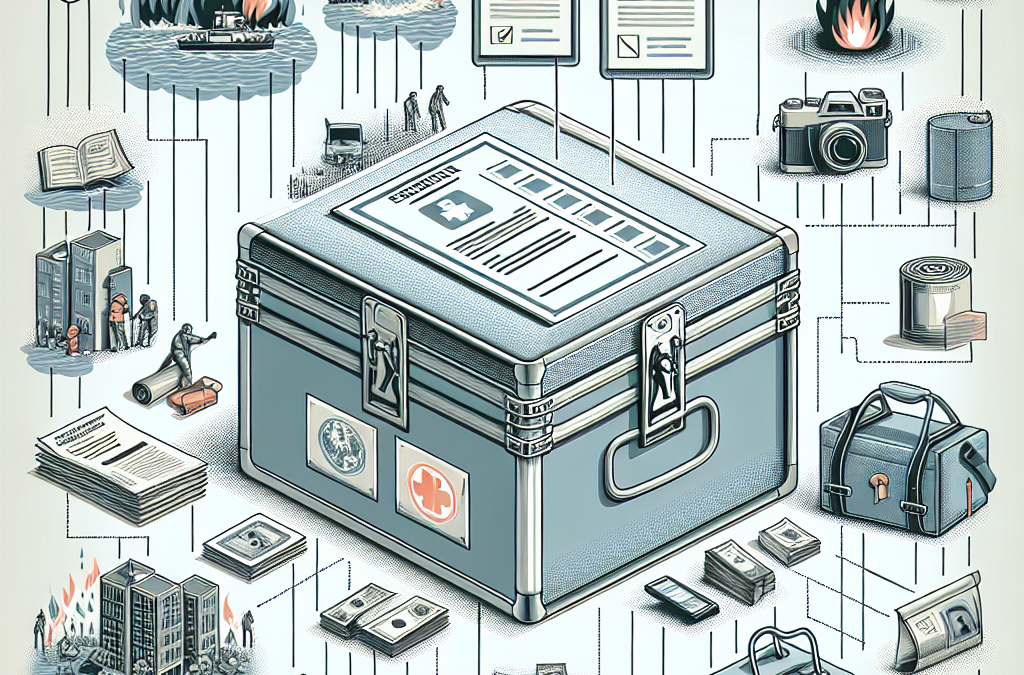
When I’m in a crunch, the first thing I focus on is my personal identification. This includes things like passports, driver’s licenses, and social security cards. These documents are often irreplaceable, and losing them can really complicate an already stressful situation. Without them, it’s tough to prove who you are, so I take special care to know where they are.
If I ever find myself needing to gather documents quickly, I have a mental checklist: Do I have my ID? My passport? These help not just in emergencies but also when traveling. Keeping these items safe and organized can save you a lot of hassle in the long run.
To make it easier on myself, I recommend keeping your IDs in a dedicated folder or envelope, so they’re all in one place. That way, when a crisis hits, the last thing I want to do is scramble and dig through piles of paperwork!
Financial Records
Next up on my list are my financial records. These cover everything from bank statements to investment paperwork. Personally, I find it super important to have this information on hand in case of theft, natural disasters, or anything else that might require me to prove my financial status.
In today’s world, it’s not just enough to keep a physical copy. I also use secure online storage options for digital copies. Having everything accessible yet protected gives me peace of mind knowing that if something happens, I won’t be starting from scratch.
Plus, being organized with your finances lets you manage your money smartly and makes tax time a whole lot easier! Seriously, nobody wants to be digging for their tax documents at the last minute.
Important Legal Documents
Legal documents can be a huge pain point when you’re in a bind. These include things like your will, property deeds, and any contracts. Keeping them safe is something I didn’t take seriously until I faced a situation where I needed them in a hurry.
Having these documents in a safe but accessible place is key. I suggest using a fireproof safe or a safety deposit box for the really important stuff. That way, I’m not left scrambling when I need to prove ownership or settle legal matters.
When I keep these documents close, it not only helps during a crisis but also makes me feel more in control of my life. It’s worth the effort to get them sorted and safely tucked away.
Organize Your Documents Effectively
Create a Document Inventory
When it comes to organization, I’ve learned that creating a document inventory is a game-changer. I list everything I have and categorize it: identification, finances, legal files, etc. This inventory acts as a roadmap when I need to find something quickly.
Every time I add or remove a document, I update the inventory. This way, I always have an accurate account of what I possess, which is helpful during emergencies or if I suspect something has gone missing.
Having this organized allows me to stay proactive. If something happens, I can whip out my list and know exactly what I need to grab. Super simple yet so effective!
Use a Secure Storage Solution
Finding the right storage solution made a world of difference for me. I recommend having both a physical storage option, like a fireproof safe at home, and a secure digital option, like a password-protected cloud service. Balancing both gives me the flexibility I need.
For the documents I keep digitally, I make sure to encrypt them, ensuring that they’re safe from prying eyes. It’s just another layer of protection, and honestly, it’s become second nature to me now.
Being a little extra cautious pays off, especially if I ever need access to my documents in a hurry. I feel like having a foolproof storage method really ups my preparedness game.
Regularly Review Document Status
Another thing that’s crucial in my document-safeguarding process is the regular review. I set reminders to go through my documents, check for updates or renewals, and ensure everything is where it needs to be. Sometimes things can slip through the cracks!
This practice not only keeps my documents current but also helps prevent any unpleasant surprises later on. It’s kind of like spring cleaning for my paperwork—it feels good to tidy everything up!
I also use this time to dispose of any unnecessary documents. Reducing clutter is like reducing stress; it helps me stay focused on what truly matters.
Utilize Technology Wisely
Cloud Storage Services
Let’s talk tech! Cloud storage has been a lifesaver for me. I use services like Google Drive and Dropbox to keep digital copies of all my important papers. This way, I can access them from anywhere, which is a huge perk if I’m ever out and about and need a digital version.
Of course, security is key here, so I make sure to use strong passwords and two-factor authentication. It might seem tedious, but trust me, it helps me sleep better at night knowing my documents are safe.
Plus, having everything in the cloud makes it easier to share files with trusted family members if needed. Coordination can be tricky in emergencies, so knowing they can access documents without hassle makes it all a bit easier!
Document Scanning Apps
File organization took a leap forward with document scanning apps on my phone. It’s super easy to scan documents directly from my phone. Apps like CamScanner or Adobe Scan let me create PDFs on the go, which is amazing for quickly digitizing important records.
When I’m at home, I can easily scan, upload, and organize everything right after I receive or create a new document. This not only reduces physical clutter but also ensures I have digital backups handy.
These apps really make the process efficient, allowing me to keep my documents neat without the worry of paper piling up around me. It’s a win-win situation!
Reminders and Alerts
When it comes to technology, I’m also a big fan of setting reminders and alerts. Whether it’s renewing my driver’s license or reviewing my files, tech can help me stay on top of it all. I use calendar apps to build alerts that give me a heads-up before deadlines.
In a crisis, time can fly, so these reminders keep me anchored. It minimizes stress when I know a renewal is around the corner, and I can plan accordingly.
It’s all about making technology work for me. By utilizing reminders, I seamlessly blend my organizational needs with digital help and stay one step ahead.
Share Critical Information with Trusted Individuals
Selectting Trusted Contacts
It’s important for me to choose my trusted contacts wisely. These are people who will help me in an emergency, whether it’s family members or close friends. I usually sit down and think about who I trust the most with my personal information.
Having these contacts in place provides me with a safety net. If something happens, I know that they will step in, whether that means accessing shared documents or helping me get through a difficult time.
Trusting someone with your document safety isn’t easy, but opening that door can truly be a lifesaver. Just be sure to pick folks who have your back no matter what!
Communicate Your Plans
Once I’ve decided on my trusted contacts, I make it a point to communicate my safety plans with them. This includes discussing where I keep my documents, how they can access them, and what to do in case of emergencies.
A clear communication channel makes it much easier to coordinate and reduces panic during stressful moments. I love the peace of mind that comes with knowing my closest allies are on the same page.
Also, I often have these conversations over dinner or casual catch-ups—keeping it light helps integrate these important discussions into our lives without feeling forced.
Establish Access Protocols
Lastly, I don’t just hand over access freely. Establishing access protocols is necessary to keep my documents secure while still allowing trusted contacts to help if needed. This could be a shared password for digital documents or a plan to go to a specific location to access physical files.
By laying down these protocols, I offer a level of control while ensuring my information doesn’t fall into the wrong hands. Honestly, it’s a balance, but I love feeling like I’m not in this alone.
Setting these guidelines brings accountability, and ultimately, it builds a safety net around my essential documents that I can rely on in tough situations.
Stay Informed About Document Protection
Understand Legal Requirements
One of the critical lessons I’ve learned in documenting protection is being aware of the legal requirements surrounding important documents. Different documents have different regulations, and knowing the basics helps a ton when it comes to safeguarding them.
I frequently check in with local laws and regulations regarding document security and storage. Make it a point to familiarize yourself with what you should be doing to keep your items secure and compliant.
Whether it’s updates on wills or legal changes in property ownership, staying informed can prevent a lot of unnecessary headaches later on. Knowledge is power!
Keep Up with Technology Changes
Just like any other area of life, technology is always evolving. I make it a priority to keep up with changes that might affect my document security. Whether it’s new encryption methods or better storage services, I’m always on the lookout for improvements.
There are plenty of resources out there, from tech blogs to webinars, and they offer valuable information on protecting your documents. By staying up-to-date, I can make sure that I’m taking advantage of the best practices available.
This way, I can incorporate any new tools that make the safeguarding process easier while still ensuring my information is safe.
Continual Education on Risks
Lastly, I focus on understanding potential risks that come with not safeguarding documents properly. Criminal activities and natural disasters can happen anytime, so being informed about the types of threats helps me proactively protect myself.
I often read articles or attend workshops about safeguarding personal information. Staying aware of what scams or real-world risks to look out for makes it easier for me to prepare.
This continual education gives me the upper hand and helps prevent any unfortunate surprises from shaking the foundations I built for protecting my important documents.
Frequently Asked Questions
1. What are the essential documents I should safeguard?
The essential documents include personal identification like passports and driver’s licenses, financial records, and important legal documents like wills and property deeds. It’s wise to have both physical and digital copies of these documents.
2. How can I create backups of my important documents?
You can create backups by scanning physical documents and storing them securely in the cloud. Apps like CamScanner can help convert hardcopies to digital formats, and always remember to use encrypted storage for security.
3. Why is it important to have trusted contacts for document access?
Having trusted contacts ensures you have help during emergencies. They can assist you in accessing essential documents or making informed decisions when needed.
4. How often should I review my document inventory?
I recommend reviewing your document inventory at least once a year, or whenever you have significant updates, like new documents or changes to existing ones.
5. What are the best methods for keeping documents secure?
Utilizing a mix of physical and digital storage solutions is key. Invest in a fireproof safe for physical documents, and use secure cloud storage with strong passwords for digital copies. Regularly update this information to keep it secure.
by Preparation Call Editorial Team | Jul 31, 2025 | Preparedness
Navigation Skills
Understanding Your Surroundings
First off, getting a good grip on your surroundings is key. I always take a moment to pause, breathe, and look around when I hit the wilderness. It’s like recalibrating your internal compass. Make a note of distinctive landmarks that can help you find your way, and keep an eye out for natural markers. This skill can seriously save your neck in unfamiliar terrain.
I also love using a map and compass alongside my gut. Sure, technology is great, but having a physical map means I’m not reliant on a battery. Study how to read terrain contours—it can show you elevation gains, water sources, and potential hazards. On more than one occasion, this knowledge has kept me on the right track.
And don’t forget to practice! Take some time to navigate in your backyard or local park. It’s easier than you might think, and it’s a blast, especially when you start finding shortcuts and fun trails.
Using a Compass
Your compass is like your best buddy in the backcountry. The process is pretty straightforward: learn how to hold it flat, align the bezel with your desired direction, and make sure the needle is pointing north. I can’t tell you how many times this has been a lifesaver, especially on cloudy days when the sun isn’t out to lend a hand.
Practice taking bearings regularly. Try to find your way to three different points on a hiking trail using just your compass. It’s all about building that muscle memory. Before you know it, you’ll feel like a true adventurer, effortlessly navigating through the wild.
Also, don’t be afraid to double-check your navigation a couple of times while you’re on the move. Sometimes, even the best of us can misread the situation, and a little extra caution can prevent some major headaches later on.
Identifying Landmarks
One major tip I can share is to become friends with your environment. Remember how I mentioned unique landmarks? That’s a biggie! Waterfalls, giant rocks, or even that peculiar tree can serve as your guide. Start taking mental notes of these features as they’re pretty darn helpful.
As you hike, practice identifying landmarks from different angles and distances. This way, your brain will be quick to recognize them, even if you’re coming from a different trail. Get used to the landscape, and each journey will be smoother, trust me!
And lastly, don’t forget about your sense of smell—yes, really! If you can catch the whiff of a river or smoke from a campsite, those scents can lead you back to safety faster than you think.
Fire Skills
Building a Fire
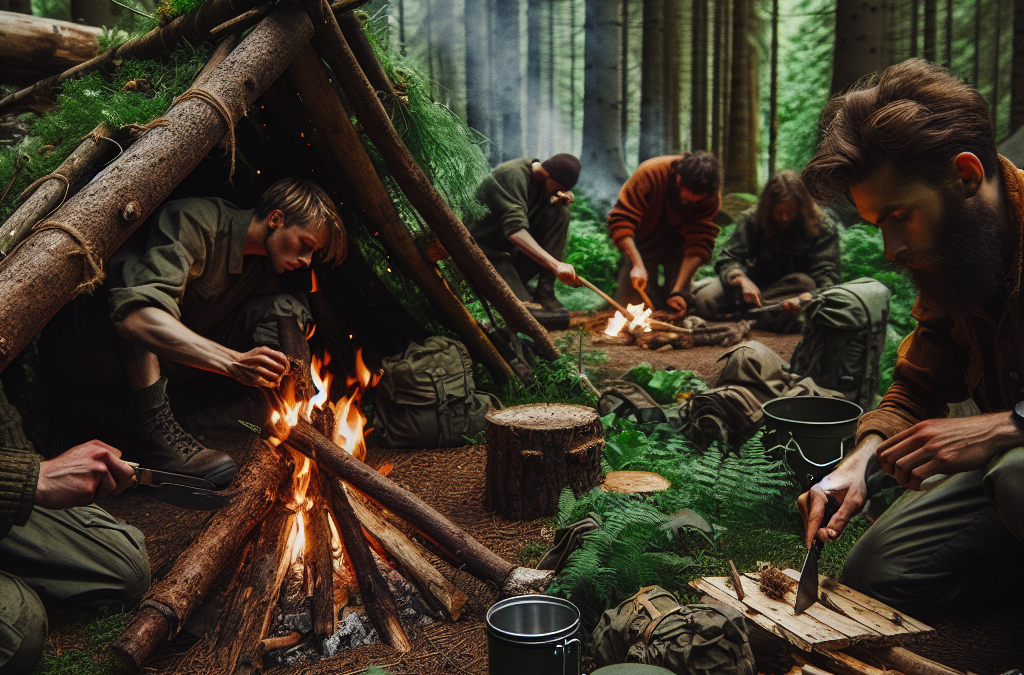
Next up, let’s talk fire! Nothing says survival like a good ol’ campfire, right? First, gather your materials: tinder, kindling, and larger logs. My secret? I often use dry leaves, small twigs, and even pine needles for tinder. When it ignites, it’s like magic!
Now, creating the right structure is crucial. I often use the teepee method where smaller sticks surround the tinder, giving it room to breathe. You want to keep feeding it too—once it grows, add those larger sticks, and before you know it, you’ve got a roaring fire to warm your soul.
And remember safety first! Always have a water source nearby or clear an area around your fire to prevent it from escaping. Being responsible ensures that we can enjoy these skills for years to come.
Fire Starting Techniques
Once you have everything in place, it’s time to strike that match! If you’re feeling adventurous, I’d suggest learning to start a fire without matches. A flint and steel or a bow drill can be super useful skills. Sure, it takes practice, but when you To wrap up get that spark, it feels like an accomplishment.
Practice different methods regularly. Find a clear day where you can try lighting a fire with just friction from wood. It’s all about finding the right technique that clicks for you. I’ve seen friends struggle at first, but with patience and determination, they really nailed it!
Fire is all about respecting nature too. Make sure you extinguish it properly. Douse it with water and stir the ashes until everything is cool to the touch. We owe it to the environment to keep it safe for future campers.
Maintaining a Fire
Once you got that fire going, how do you keep it alive? One way I learned is to keep an eye on the wood composition. Hardwoods burn longer, while softwoods are great for quick burns. If you bring a mix, you’re totally good to go!
While you’re at it, remember to keep the fire fueled. If it starts to wane, gently add more logs to rekindle the bliss. It’ll act like a campfire hug on chilly nights. Nothing beats sitting around a warm fire swapping stories or grilling up some food.
Also, learn to adapt to your surroundings. If it’s a windy night, create a windbreak using rocks or logs to shield your fire. Fire can be fickle, but with patience and experience, you’ll become a fire-keeping master.
Foraging Skills
Identifying Edible Plants
Foraging is so exciting, ya know? The thrill of finding wild edibles keeps me engaged every time I hit the trails. I like to carry a field guide or an app (but keep that battery in check!). Learning to recognize safe plants takes time, but it’s worth every minute.
Start with common edibles like dandelions, wild garlic, or berries. They’re just waiting for someone to pick ‘em! Spend some time in nature and try to learn a handful of plants each outing. I even made it a personal challenge to identify ten new edibles each month!
But always remember: when in doubt, don’t eat it! Some plants look similar to toxic ones, so it’s paramount to be 100% sure before munching on anything.
Understanding Seasons
Seasons play a huge role in foraging. Each one brings different plants to the table, literally! I always make a note of what fruits and nuts I can expect throughout the year. I love marking my calendar with seasonal hikes to grab those juicy blackberries that pop up in late summer!
In the fall, that’s when nuts and seeds are all the rage. I spend time scouting for acorns and chestnuts. And guess what? They’re not just for squirrels! Learn to collect and store them right, and you’ll have nutritious snacks for your adventures.
So, whether you’re scouting for spring greens or summer berries, keep an observational eye on your surroundings. Nature’s bounty is truly magnificent.
Safe Foraging Practices
It’s super important to forage responsibly. I make it a point to only take what I need for my meals. A good rule is to leave enough for wildlife and other foragers to enjoy as well. The wilderness should remain abundant, after all!
Always make sure you’re foraging in clean areas. In urban settings, for instance, be aware of pollution and pesticides. And hey, ask for permission if you’re foraging on someone’s private property.
Lastly, try to leave no trace. When I’m done, I’m careful to leave the area just as I found it—this keeps the wild places thriving while ensuring no one else stumbles upon evidence that foraging took place.
Survival Skills
Building Shelter
One of the first things I learned about survival skills is how to build a proper shelter. Honestly, it’s a game-changer in the outdoors. First, find a location that’s flat and away from hazards, like falling branches or rising water. I usually look for spots near a water source but not too close to avoid flooding.
Then, start gathering materials. Branches, leaves, and even evergreen boughs make excellent insulators. I often use a simple A-frame design or even a debris hut for quick, easy setups. It’s surprising how much warmth and protection you can get from nature’s resources.
Lastly, spend some time fine-tuning your shelter. Make sure it can withstand wind and wet conditions. Even a tiny adjustment here and there can make a huge difference. Trust me, it’s worth being cozy at night!
First Aid Basics
No one wants to think about injuries, but trust me, knowing some first aid basics can save the day. I always make sure I have a first aid kit handy, but knowing how to deal with scrapes or blisters on the go is crucial too.
Start by familiarizing yourself with basic procedures: how to clean a wound, apply a bandage, or treat a burn. I even practice wraps and slings on myself or my friends so I’m ready when it counts. And don’t forget to look into identifying poisonous plants—avoidance is key!
In the wild, I also make it a habit to stay calm when injuries happen. A clear head is essential for figuring out the next steps. After all, panicking won’t help anyone, right?
Emergency Preparedness
Lastly, be ready for emergencies. I always carry a whistle and a mirror in my pack—these little tools can be lifesavers! Practice signaling techniques with them. You’d be surprised how far sound can carry in the wilderness.
It’s also a good idea to inform someone about your plans before heading out. Share your route and expected return time. If something goes sideways, they’ll know when to raise the alarm.
Being prepared means having backup plans, too. What’ll you do if you get lost? Familiarize yourself with rescue signals or what direction to head based on your surroundings. It’s about setting yourself up for success.
Safety Awareness
Understanding Risks
Navigating the great outdoors can be thrilling, but it comes with its own risks. I always prioritize understanding potential dangers in the areas I’m traveling to. Whether it’s rocky terrain or swift river currents, being aware sets the stage for a great trip.
Research local wildlife as well. Knowing how to keep a respectful distance from bears or snakes can seriously reduce your risk. I’ve had a few close calls, but understanding their behavior helped keep me safe.
Take time to heed weather forecasts too. Sudden storms can turn an enjoyable hike into a treacherous situation. Know the signs of changing weather—you’ll thank yourself later.
Group Dynamics
If you’re heading out with others, understand group dynamics. Communication is key! I often make it a point to have clear conversations about expectations before we set foot on the trail. Who’s leading? What’s our plan? Having those decided early on helps keep the group cohesive.
As the journey unfolds, be willing to check in with each other. If someone is wearing out or struggling with something, it’s okay to adjust plans. Keeping the group’s morale high and sure-footed is as important as the physical skillset.
Lastly, don’t be afraid to lean on one another’s strengths! One buddy might be great at navigation while another handles cooking—together, we amplify our collective survival skills.
Best Practices
Staying safe also means making smart choices in your gear and tools. I’ve learned to invest in good-quality equipment that stands the test of time. You wouldn’t want to be caught off guard with faulty gear when you need it most.
Additionally, practice regular check-ins and safety drills within your group. They don’t have to be formal, just keep everyone on the same page. Life in the wild is unpredictable, but a little preparation goes a long way!
To wrap up, create personal safety records. Make notes about your experiences and lessons learned so that you’ll improve with each trip. Trust me, keeping those notes will help you build critical skills over time.
Frequently Asked Questions
1. What should I prioritize first when learning bushcraft skills?
You should begin with navigation skills, as knowing how to find your way can greatly increase your safety and confidence in the wilderness.
2. Are there specific plants I should focus on when foraging?
Yes! Start with common edibles like dandelions, clover, and berries. They are generally safe and relatively easy to identify.
3. How can I safely build a fire in different weather conditions?
Choose a sheltered spot and gather dry tinder and wood. Use the teepee method and ensure you have a way to extinguish the fire fast if conditions worsen.
4. What’s the best type of shelter for beginners?
The A-frame shelter is great for beginners as it requires minimal materials and provides good protection against the elements.
5. How often should I practice these skills?
As often as you can! Regular practice makes you more confident and adept. Try to challenge yourself with new skills every outing.






