by Preparation Call Editorial Team | Jul 31, 2025 | Preparedness
Assess Your Risks
Identifying Vulnerabilities
First up, I can’t stress enough how crucial it is to know what you’re up against. Take a good look at the geographical location of your business. Are you in a flood zone or an area prone to hurricanes? You’ll want to jot these vulnerabilities down and categorize them based on the likelihood of occurrence. Trust me, nothing beats being prepared based on solid knowledge.
Beyond just your location, consider the specific type of business model you have. Are there particular materials or equipment that could pose risks during a disaster? Knowing what’s on the line can help you make more informed decisions as you create your disaster preparedness plan.
Don’t forget to involve your team in this assessment. It’s always better to have multiple perspectives. Organize a brainstorming session where everyone shares what they think could be a risk, this not only creates a sense of involvement but also may surface some overlooked areas.
Utilize Resources
Another critical part of assessing risks is making full use of available resources. There are tons of online tools and local government resources that can help you gather data about potential disasters in your region. I often recommend checking out FEMA’s website for their comprehensive data on various natural disasters.
If you have the budget, consider hiring an expert or consultant who specializes in risk assessment. They can provide insights that you might miss as a business owner. Plus, it’s often worth the investment when you think about the potential losses you could avoid.
Lastly, don’t overlook community resources. Network with other local businesses to learn about what strategies they’re employing to mitigate risks. Collaboration can lead to innovative solutions that can keep everyone safer.
Regular Training and Drills
Once you’ve nailed down your risks, the next step is getting your team ready. Regular training sessions can make a world of difference. I recommend scheduling quarterly trainings that focus specifically on emergency preparedness. Go over what procedures to follow in different scenarios, whether it’s a fire, flood, or earthquake.
In addition to training, conducting drills is super important. Just like fire drills in schools, it’s essential for your team to get comfortable with the procedures. These drills help everyone know their roles and can significantly decrease panic during an actual event.
Make it fun! You can turn a serious training session into a team-building experience. Maybe have some friendly competitions about who remembers the most about safety procedures. This encourages participation and reinforces the importance of being prepared.
Create an Emergency Preparedness Plan
Outline Essential Procedures
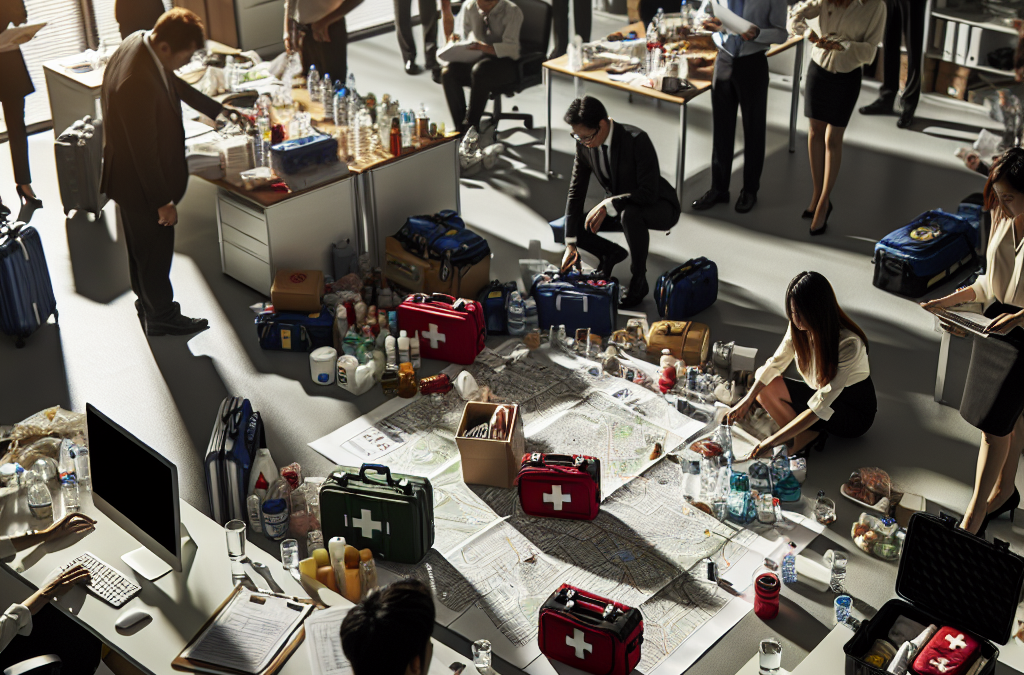
Alright, so now that we’ve assessed our risks, it’s time to create a solid emergency preparedness plan. This ain’t just any ol’ document; it needs to clearly outline procedures for any disaster scenario. Get down to the nitty-gritty like evacuation routes, communication channels, and roles for team members during an emergency.
Having a structured plan helps eliminate confusion. I can’t tell you how many times I’ve seen chaos ensuing in the absence of one. Try to keep it simple enough that anyone can understand it, even under stress. Use clear language and visual aids like maps or diagrams to illustrate key points.
Lastly, remember that a plan is a living document. Make sure to regularly revise and update it as your business grows or as new potential threats emerge. Keeping it fresh ensures everyone’s on the same page.
Communicate Effectively
Alright, so here’s where the rubber meets the road: communication. Your plan is fantastic, but if nobody knows it, it’s pretty useless. Establish effective communication channels before a disaster strikes. This could be through group texts, email chains, or even a dedicated app based on your team’s needs.
Involve your employees in this aspect as well. Ask for their preferences on communication methods and ensure everyone knows how to reach each other in an emergency. It’s all about creating a dependable network within your business.
And don’t forget about external communication with customers and stakeholders. Being transparent can help maintain trust during troubled times. Have a communication plan ready for how you’ll disseminate information about closures or reopening plans.
Regular Plan Review and Updates
Creating a plan is just the start; you’ve got to keep it alive by regularly reviewing and updating it. I’d recommend setting a schedule—maybe bi-annually—to revisit all components of the preparedness plan. This keeps things relevant and allows your team to adapt to any changes or new circumstances.
Encourage feedback from your employees on what works and what doesn’t with the current plan. Getting fresh perspectives can lead to improvements that you might not initially see. This fosters a culture of continuous improvement in safety measures.
To wrap up, documenting updates is key. Keep an updated version of your plan accessible to all employees, so they can refer to it whenever needed. This shows your commitment to safety and helps your team feel more secure.
Build Strong Connections with Local Agencies
Networking with Local Authorities
Building relationships is crucial, folks. One way to amp up your preparedness is by connecting with local emergency management agencies. By doing so, you gain access to crucial information and resources. Many local agencies offer workshops or meetings that can keep you informed about potential threats and best practices in emergency management.
Not only should you connect, but try to attend community meetings where these topics are discussed. It’s a great way to stay in the loop and show your business’s commitment to readiness. Plus, knowing who to contact in an emergency is vital for peace of mind.
These relationships can even lead to partnerships during community emergencies, where businesses can collaborate to provide mutual aid. It strengthens the resilience of your business and the community as a whole.
Collaborate with Other Businesses
Don’t be an island; it’s all about teamwork and collaboration! Partner up with other local businesses to develop a cohesive disaster response strategy. Sharing resources or ideas can have a massive impact when a natural disaster hits. You might even find that pooling resources can save everyone money and effort.
Think about creating a business alliance focused on disaster preparedness. This group can work together on training and resources, and even conduct joint drills together. It can vastly widen your safety net!
Another cool avenue can be sharing insights from your experiences. I’ve learned tons from other business owners who’ve been through the storm (literally and figuratively) and took the time to share their insights. Offer to share your own lessons learned; it’s a great way to build camaraderie and reinforce community resilience.
Stay Informed About Upcoming Events
Lastly, make it a habit to stay informed about upcoming weather events or natural disasters that might impact your area. This includes subscribing to alerts from local news, weather channels, or emergency management services. Being proactive about information can make a huge difference in your level of preparedness.
Moreover, encourage your employees to stay informed too. An informed team is a prepared team. You might consider a regular newsletter or chat group where people can share updates or news relevant to your industry and location.
Remember, staying informed means not just reacting but being ready before an emergency hits. The more steps you take to foster awareness, the better your business can respond when it counts.
Conclusion
Preparing for natural disasters is no small feat, but it’s essential for the longevity and safety of your business. Start with assessing your risks, creating an actionable emergency preparedness plan, establishing solid communication channels, and building meaningful connections in your community.
Staying proactive and involved will not only help protect your assets but also ensure the safety and well-being of your employees and customers. So, roll your sleeves up and start preparing today—it’s a task well worth the effort!
Frequently Asked Questions
1. What should I do first when considering disaster preparedness?
The first step is to assess your risks. Identify the potential natural disasters relevant to your geographical area and consider how they could impact your business operations.
2. How often should I review my emergency preparedness plan?
It’s recommended to review your plan at least bi-annually. Keeping it updated ensures everyone is aware of the current procedures and any significant changes in your setup or location.
3. Why is training important for my team?
Training prepares your team for real-life situations. Regular drills and training sessions help employees feel more confident, reducing panic and confusion during actual emergencies.
4. How can collaboration with local businesses benefit my disaster preparedness efforts?
Collaborating helps pool resources, share insights, and potentially develop joint strategies for emergency response, making the entire community more resilient.
5. What resources are available for disaster preparedness?
There are plenty of resources ranging from FEMA’s website to local emergency management services. Many offer workshops, online tools, and guidelines that can assist businesses in preparing effectively.

by Preparation Call Editorial Team | Jul 31, 2025 | Preparedness
Recognizing Toxic Animals
Understanding Common Species
One of the essential skills in handling toxic animals is knowing which ones to look out for. I’ve had my share of close encounters with species like the black widow spider and the Eastern diamondback rattlesnake. These creatures are incredibly dangerous and can cause serious harm if not respected. Educating myself about the various types of toxic animals in my area has been a game changer for my safety.
For instance, in my local hiking trails, I often encounter the heavily camouflaged poisonous toads. Not only do their vibrant colors signal danger, but also their skin secretes toxins that can be fatal to pets and even humans if ingested. Taking time to observe and educate myself about their habitats and behaviors has definitely sharpened my survival skills.
By keeping a field guide handy or using an app dedicated to wildlife, I can quickly identify potential threats. Each toxic creature usually has unique signs that can alert us to their presence. Whether it’s a certain coloration, body shape, or behavior, these are clues I’ve learned to recognize and respect.
Staying Safe in Their Presence
Keeping a Safe Distance
Whenever I’m outdoors, one of the first rules I abide by is to keep my distance from any wildlife that I suspect to be dangerous. With animals like snakes, it’s crucial to understand that they often won’t attack unless provoked. I make sure to always give them plenty of space. Trust me, a little caution goes a long way!
I also firmly believe in the power of observation. I stick to trails and well-lit paths to avoid surprising any hidden animals. Being aware of my surroundings is key. If I spot a snake basking in the sun or a spider spinning its web, I quietly back off and continue my adventure elsewhere.
And of course, wearing appropriate clothing—like sturdy boots and long pants—adds a layer of protection. This isn’t just about style; it’s about safety. I’ve had a few close calls where my gear saved me from accidentally stepping onto a spiky thorn or even a hidden snake. Dressing smart can be my first line of defense.
First Aid for Toxic Encounters
Basic Steps to Take
If a toxic animal does manage to bite or sting, it’s essential to stay calm. I’ve learned that panic can intensify the situation. The first thing I do is to assess the injury. Checking if the bite is localized or if I’m experiencing any systemic reactions can help dictate my next steps.
First aid techniques vary depending on the animal. For a snake bite, for instance, I’ve always been advised to keep the area still and below the heart, and to avoid sucking out venom or applying ice. Instead, I’ll seek medical attention promptly. Knowing the right responses can literally be life-saving!
And if the culprit is a sting, like from a wasp or bee, I use a card or my fingernail to scrape out the stinger and then apply a cool compress. I keep antihistamines handy for allergic reactions that may follow. Preparing ahead of time ensures I can act swiftly and effectively when things go awry.
Understanding Toxic Animal Behavior
How to Avoid Provocation
One of the most critical lessons I’ve learnt is to understand the behavior of toxic animals. Just like humans, many animals signal when they feel threatened. For instance, I’ve seen snakes coil back or puff up before an attack. Recognizing these signs helps me back the heck away before things get hairy.
Additionally, I’ve noticed that many toxic animals are more active at certain times, like dusk or dawn. Knowing when to avoid specific areas during those hours has helped me not encounter these creatures unexpectedly. It’s basically about respecting their territory and timing my adventures accordingly.
I always tell others that if you’re hiking with friends, make sure to maintain a group dynamic. Animals are less likely to approach larger groups. Loud chatter, while an annoyance sometimes, can be a great deterrent for unwanted encounters!
Educating Yourself and Others
Sharing Knowledge on Safety
Ultimately, I believe that one of the best survival skills is to educate not just myself but also those around me. I often organize small safety workshops, where we discuss how to identify toxic animals and what to do in case of an encounter. This is not only fun but also crucial for building a safer community.
It’s staggering how much misinformation exists about toxic animals. I’ve seen people believe that all snakes are inherently dangerous, which isn’t the case. By sharing accurate information, we create a better understanding and reduce unnecessary fears.
Additionally, community forums or social media can be fantastic platforms for sharing experiences and knowledge. I often update my friends about new species I’ve learned about or interesting encounters I’ve had. This helps everyone stay informed and prepared.
FAQ
What should I do if I encounter a toxic animal?
If you encounter a toxic animal, it’s best to stay calm and back away slowly. Avoid sudden movements that could provoke it. Keeping a safe distance is key!
Are all snakes dangerous?
No, not all snakes are dangerous! Many are harmless and play crucial roles in their ecosystems. It’s essential to be educated on which species are toxic.
How can I tell if a spider is poisonous?
Many poisonous spiders have distinctive markings or colors. Researching species in your area can help you identify them accurately. If uncertain, it’s best to stay away!
What are the signs of a toxic reaction?
Signs of a toxic reaction may include swelling, difficulty breathing, nausea, or other systematic responses. If you suspect a serious reaction, seek medical attention immediately.
Is it safe to handle all animals in the wild?
It’s generally not safe to handle animals in the wild. Many can carry diseases or may be toxic. If you must handle something, ensure you have the proper knowledge and equipment to do so safely.
by Preparation Call Editorial Team | Jul 31, 2025 | Preparedness
Understand Your Risks
Assessing Your Location
When I think about preparing for natural disasters, the first thing that jumps to my mind is understanding the risks associated with where I live. I mean, not all regions are created equal. For instance, if you’re in hurricane territory, you’ll need to have a different approach than someone living in a place prone to wildfires or earthquakes. I remember when I first moved to a coastal town, I did a bit of research to see which hazards were common. Trust me, it paid off!
Take some time to look up historical data on natural disasters in your area. This includes looking at past events and their impacts. Familiarizing yourself with scenarios that could affect you not only prepares you mentally but also financially. Knowing what hazards are likely to strike allows you to allocate resources wisely.
Lastly, don’t forget to take into account potential changes due to climate change. What was safe yesterday might not be safe tomorrow. So, keep your ears to the ground and stay informed about shifts in weather patterns that could affect your risk assessment.
Insurance Considerations
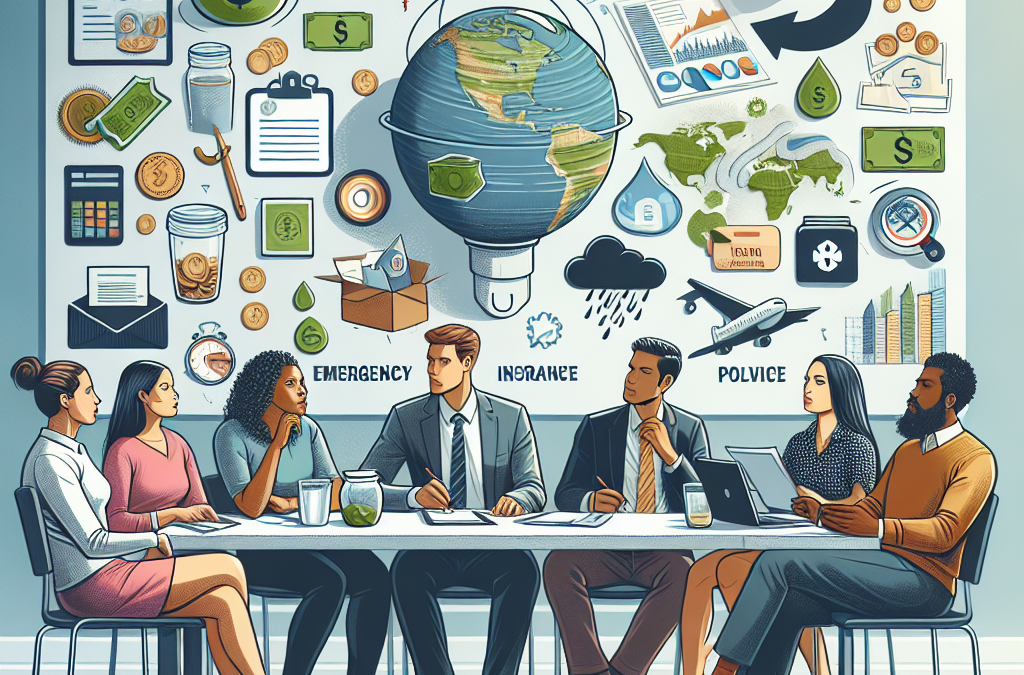
Alright, let’s talk insurance. This can be a bit of a headache, but it’s crucial. Properly insuring your home and belongings is one of the best ways to prepare yourself financially for natural disasters. When I first got home insurance, I’ll admit I didn’t read the fine print. Big mistake! Make sure you understand what is covered and what is excluded.
Sometimes, standard homeowner insurance doesn’t cover certain natural disasters, like floods. So, look into separate policies if needed. Check into federal programs like the National Flood Insurance Program to see if that’s right for you. Trust me, you don’t want to be frantically browsing insurance policies after a disaster hits!
Also, consider the value of your belongings. Conducting a home inventory might seem tedious, but it’s invaluable. Having a detailed list of your possessions will ease the claims process, ensuring you get back on your feet faster when disaster strikes.
Emergency Funds
Having an emergency fund is something I can’t stress enough. When a natural disaster hits, the last thing you want to worry about is whether you have enough savings to get through it. Ideally, your emergency fund should cover at least three to six months’ worth of expenses. Imagine losing power or being displaced—having that cushion would make life a lot easier.
Stashing away cash isn’t just smart; it provides peace of mind. I set up a separate savings account just for disasters, and honestly, it feels great knowing it’s there for a rainy day—or in my case, a snowstorm! Consider auto-depositing a small amount from your paycheck if you’re not great at saving on your own.
Lastly, keep that emergency fund accessible. It’s tempting to invest in stocks or high-yield accounts, but when disaster strikes, you want that money easy to get to. Think of it as your financial safety net, ready to catch you when you fall.
Document Everything
Keeping Important Records Safe
This is where I have learned my lesson the hard way. Maintaining a thorough documentation system can be a lifesaver after a disaster. I recommend making digital copies of important documents like your insurance policies, property deeds, and even your medical records. Trust me; you don’t want to be racing against time to find them after something has gone down.
Cloud storage is your best friend here. I store copies of my important records on a secure cloud service, so I can access them anywhere, even if I’m not at home. In addition, consider keeping a physical copy in a waterproof safe—just in case the internet’s down!
All in all, don’t forget to share critical information with loved ones. Having a designated person who knows where your information is stored and how to access it can be beneficial if you’re separated during a disaster.
Creating a Family Plan
Having an emergency plan is something I’ve come to realize is absolutely essential. Start by having family meetings where you discuss what to do if a disaster strikes. Cover things like where to meet up, how to communicate if the phones are out, and who to contact. I can tell you from experience, a little prep goes a long way.
Make sure everyone knows their roles and responsibilities. Whether it’s grabbing the emergency backpack or ensuring the pets are safe, each family member should have a job. I remember discussing this with my family and how grateful I was to find out that everyone felt empowered to contribute to our safety.
Once you’ve established your plan, practice it! Go through drills for different types of emergencies. The more familiar everyone is with the plan, the calmer you’ll all be when a disaster actually happens. Practice makes perfect, right?
Community Resources
Community can be a massive resource during a disaster. Get to know local organizations, emergency services, and community groups that play a role during emergencies. I’ve attended several community meetings, and they’ve helped me not only understand my local resources but also foster a sense of belonging.
Joining local social media groups can keep you updated on immediate needs and resources during a disaster. I can’t tell you how many times I’ve seen or benefited from neighbors helping each other out with shelter and supplies. It’s heartwarming and reinforces the importance of looking out for one another.
Lastly, consider volunteering with your local Red Cross or other organizations. Not only does it prepare you for problems, but you also get to meet people who are equally committed to making the community stronger. Plus, you’d be amazed at how much knowledge you’ll gain from those experiences!
Stay Informed
Monitoring Weather and Alerts
In today’s age, there are countless ways to stay updated on potential threats. I’ve invested in a weather radio that alerts me for severe weather warnings. It’s made all the difference! Whether it’s hurricanes, tornadoes, or floods, knowing what’s coming can save you time and stress.
Don’t just rely on one source. Use multiple platforms—social media, local news, and weather apps—to stay informed. I’ve found that combining these helps me get a clearer picture of what to expect. Always remember that information is power, and being prepared means being informed!
Lastly, sign up for emergency alerts from your local government. They often send notifications about shelters, evacuations, and vital updates during disasters. I keep my phone handy with notifications turned on. The peace of mind it brings is totally worth it.
Community Preparedness Initiatives
Look into community preparedness initiatives that your local government or organizations may offer. These usually come with great resources and tips on how to prepare personally and at the community level. I found it not only helpful but also inspiring to see my neighbors actively participating in making our neighborhood stronger.
You can often take part in workshops, training sessions, or simulations that many organizations host to raise awareness about disaster preparedness. The knowledge gained from these is not only useful but can become a shared experience to bond over within your neighborhood.
Once you’re involved, spread the word! Encourage friends and family to get on board! You’d be surprised how many people are willing to step up and help each other out when they feel informed and included.
Staying Educated on New Procedures
Lastly, keep educating yourself! New protocols and recommendations are frequently updated as we learn more about disaster preparedness. I make it a point to dedicate some time to read up on the latest safety guidelines and best practices. Following credible resources, such as FEMA, can keep you on top of new information.
Attend local workshops or online webinars that dive deeper into specific natural disasters or preparedness techniques. The knowledge will ultimately empower you. I like to consider myself a disaster prep enthusiast now, and it’s been a journey of continuous learning.
Inviting friends to join these classes or workshops not only helps them but also creates a support network. You can hold each other accountable and share tips to improve your overall preparedness. It’s more enjoyable tackling these subjects together!
FAQ
What should I do first to prepare financially for a natural disaster?
Your first step should be assessing the specific risks associated with your location. Understanding the common natural disasters in your area allows you to tailor your preparation and financial planning accordingly.
How can I effectively manage my insurance policies?
Start by reviewing and understanding the coverage of your homeowner’s insurance. Make sure you include any specific policies needed for natural disasters common in your area, like flood or earthquake insurance, and keep a detailed inventory of your belongings.
How much should I save in my emergency fund?
Ideally, aim for at least three to six months’ worth of expenses in your emergency fund. This safety net will help you cover costs if you’re faced with displacement or unexpected expenses due to a disaster.
What kind of records should I keep for emergencies?
Keeping a digital and physical copy of important documents, like your insurance policies, medical records, and property deeds, is vital. Ensure these copies are stored safely, preferably with cloud access and in a waterproof safe.
How do I get my community involved in preparedness efforts?
Encourage participation by sharing resources, organizing community meetings, and volunteering with local emergency organizations. Help create a supportive network where everyone feels empowered to prepare together.