by Preparation Call Editorial Team | Jul 31, 2025 | Preparedness
Understand Your Environment
Assess Potential Hazards
When I first started thinking about evacuation plans, I realized the importance of knowing what kind of hazards can affect my environment. For instance, if you live in an area prone to floods, wildfires, or earthquakes, then these factors are critical. Each hazard poses unique challenges and risks that we must be prepared for.
Understanding these dangers allows you to create a tailored plan that addresses specific scenarios. Take some time to research past incidents in your area. Reflect on how those events unfolded and what lessons were learned. This knowledge sets the stage for a more effective and relevant evacuation strategy.
In summary, I recommend checking in with local emergency services for their insights. Often, they can provide valuable information on identifying risks that might not be apparent at first glance. Knowledge is power, especially when it comes to safety!
Identify Escape Routes
Once you recognize potential hazards, the next step is figuring out how to get out. Identifying escape routes might feel pretty straightforward—just follow the signs, right? Well, not necessarily! It’s important to map out various escape routes. You never know when one route might be blocked or unsafe.
During my personal experience creating an evacuation plan, I found it useful to walk the routes beforehand. I practiced how to navigate each route, checking for potential obstacles like traffic or construction. This little exercise can ease anxiety and prepares you mentally and physically when the time comes.
Also, consider alternative modes of transportation. If you live in a city, public transport may be vital, while a rural area might rely on personal vehicles. Whichever applies, make sure you have a Plan B ready just in case things don’t go as planned!
Designate Meeting Points
After figuring out how to escape, take a moment to plan where everyone should meet. Designating meeting points is crucial for ensuring everyone is accounted for post-evacuation. Trust me, when chaos strikes, it’s easy to lose track of everyone.
Choose spots that are easily accessible and can accommodate your entire group, whether it’s a family or a larger organization. It’s best to select places that are far from the hazard zone, such as a local school or community center. Ensure every family member knows the chosen meeting points and the reasons behind it—you want everyone on the same page when it hits the fan!
And just like other parts of the plan, it’s wise to practice the meeting point strategy. Regularly schedule a family drill or even a community walk-through. The more familiar everyone is with the plan, the smoother the process will go in an actual emergency.
Gather Essential Supplies
Create an Emergency Kit
In my opinion, one of the easiest ways to prepare for an evacuation is by having an emergency kit ready to go. Load it up with essentials like water, non-perishable food, first aid supplies, and any necessary medications. Having this stuff in a single, easy-to-grab kit can save precious time when you’re on the clock.
When I was gathering my own supplies, I made it a habit to take inventory every few months. I found expired items and missing essentials that I hadn’t realized were out of date. It’s easy to overlook the supply stockpile until you really need it, but proactively checking can prevent chaotic last-minute runs to the store during an emergency.
Don’t forget about important documents, like IDs, insurance info, and any medical records. Storing these in a waterproof pouch ensures they’re safe from the elements if you need to evacuate in a hurry!
Plan for Pets and Special Needs
For pet owners like me, planning for your furry family members is a must. I learned early on that not every evacuation site accommodates pets. Keep this in mind when gathering supplies—make sure you have food, water, and identification for your pets. It’s important to have that ready, just in case.
Additionally, if you have family members with special needs, ensure their requirements are accounted for in your emergency kit. This could range from extra medication to mobility aids, and even just comforting items like a favorite blanket. Trust me, everyone will feel more at ease if they have their must-haves sorted out ahead of time.
Having training or reassurance methods for pets—such as leashes, carriers, or even training to respond to commands during an emergency—is also really helpful. Every little bit of preparation contributes immensely to a smoother evacuation!
Store Important Documents Securely
A lesson I learned the hard way was the importance of securing essential documents. When planning your evacuation, store documents like birth certificates, insurance policies, and medical records safely in your kit or a reliable cloud service. This way, you don’t have to scramble for paperwork in a time of urgency.
Consider having both physical and digital copies of these documents so you’re covered no matter the situation. Also, create a contact list of important phone numbers and addresses—this might include family, friends, and emergency contacts. Having someone to reach out to can provide both information and peace of mind if you’re in a bind.
Lastly, take some time to go over these documents periodically. Keep them updated and easy to locate! Learning from my experience, investing this small time regularly beforehand pays off big during urgent situations.
Practice Your Plan Regularly
Conduct Drills
I can’t stress enough how valuable it is to practice your evacuation plan regularly. It’s like a fire drill you had back in school. Rehearsing keeps everyone sharp and ensures that when the real thing happens, you’re prepared, not panicked.
Set aside time to conduct full drills with family, friends, or colleagues. Swap roles or test everyone’s knowledge of the meeting points and routes. Make it fun, like an adventure! You’ll be surprised how much easier it is to navigate the situation when you’ve already “been there, done that.”
After each drill, gather feedback. What was too complicated? What worked well? Use this information to tweak and improve your evacuation plan. Flexibility and continuity are key to developing plans that will actually work in times of need!
Simulate Different Scenarios
One of the best parts of planning is the creativity in simulating different scenarios. Whether it’s a fire, flood, or any other emergency, consider how each situation would play out. This helps you discover unique challenges or adjustments needed within your plan.
For example, what if members of your household are at different locations when an emergency occurs? Discussing and practicing these hypotheticals can spark discussions on logistics that might otherwise be overlooked—things like how to communicate or where to go without directions. It can be eye-opening!
Simulations can be fun and engaging, especially if you make it competitive or include themed scenarios. This way, everyone gets involved and takes the process seriously without feeling overwhelmed by the gravity of the situation. You might even uncover strengths and weaknesses in your plan you didn’t expect!
Review and Revise Your Plan
Once you’ve established a solid plan and practiced it a bit, the work isn’t done yet! Regularly review and revise your evacuation plan. I try to sit down with my family at least once a year to go over the details together. Doing this ensures that the plan stays current, relevant, and efficient.
Changes can happen—new children, pets, or shifts in your living situation all impact your evacuation readiness. Check for updates in local response plans or community resources too. Staying informed can help you make necessary tweaks to ensure your family stays safe and informed.
Feedback is also the name of the game here. When doing your drills and simulated scenarios, listen closely to everyone’s feelings and thoughts about the plan. They might uncover issues that you hadn’t even considered. By including everyone, you foster a sense of teamwork that is crucial during stressful times.
FAQ
1. What should be in my emergency kit?
Your emergency kit should include basics like water, non-perishable food, a flashlight, first aid supplies, and any necessary medications. Don’t forget personal documents and contact numbers!
2. How often should I review my evacuation plan?
It’s a good idea to review your plan at least once a year or when there are significant changes in your household or local circumstances. Regular practice makes perfect!
3. How can I ensure my pets are included in the evacuation process?
Have a plan ready for your pets, including carriers, food, and identification. Familiarize them with carriers and practice loading them ahead of time to minimize stress.
4. What is the best way to conduct a drill effectively?
Make it realistic! Assign roles, walk through routes, and simulate different scenarios. Afterward, gather feedback to improve the plan. Keep it less stressful and more like an adventure!
5. Are there community resources I can rely on during an emergency?
Absolutely! Connect with local emergency services, community centers, or neighborhood groups. They often provide valuable information and resources regarding evacuation protocols.


by Preparation Call Editorial Team | Jul 31, 2025 | Preparedness
Stay Physically Active
Set Up an At-Home Workout Routine
One of the biggest challenges during prolonged emergencies is staying active when you’re stuck at home. I found that creating a workout routine made all the difference. You don’t need fancy equipment – bodyweight exercises like push-ups, squats, and planks can be really effective. Plus, they can be done in a small space.
Set aside specific times in your day for exercise. Whether it’s a morning workout or an evening stretch, having a schedule keeps you accountable. I personally enjoy using apps or YouTube videos as guides. They’re super motivating and help me switch things up so I don’t get bored.
Don’t underestimate the power of a good walk around the block too. Fresh air and a change of scenery can rejuvenate your mood, and it’s a great way to clear your head. Turn up your favorite music or podcast and make it a mini escape!
Incorporate Fun Physical Activities
Who says workout routines can’t be fun? Try to think outside the box. When I’m feeling a bit blah, I like to do dance workouts or even yoga sessions online. They help me stay active and have a blast while I’m at it.
You could also turn household chores into a workout – vacuuming can become a mini cardio session, and gardening can be great strength training. Just look for any excuse to move around. The more creative you get, the better!
Connecting with others while staying active can also keep your spirits high. Consider virtual group workouts. Joining friends for a sweat session over video calls can be a fun way to stay motivated and socially connected while keeping fit.
Prioritize Stretching
After a long period cooped up, stretching is essential. I always make time for a good stretch because it keeps my body limber and helps reduce stress. Plus, it’s a great way to check in with myself and recognize any tension. Regular stretching sessions can work wonders for your mental and physical health.
Try to incorporate stretches into your daily routine. Even if it’s just a couple of minutes every hour. Simple neck rolls or toe touches can do wonders. There are plenty of online resources to guide you through effective stretching routines!
Lastly, don’t forget to listen to your body. If something feels tight or sore, maybe focus on that area a bit longer. Regular stretching not only helps with flexibility but also promotes mental clarity, which is crucial during stressful times.
Eat Nutritionally Balanced Meals
Plan Your Meals Wisely
When I’m stocking up for an emergency, I always take a moment to plan meals. It keeps me deliberate about what I’m eating and helps ensure I have a balance of proteins, carbs, and fats. Plus, it prevents me from making impulsive snack choices that are not the healthiest.
Creating a menu not only helps your health but also your budget. I often see what ingredients I have left over and plan meals around those to minimize waste. This way, I’m making the most out of my food supplies.
Don’t forget to include plenty of veggies and fruits. I try to keep them visible in my kitchen as a reminder to grab them first. Colorful plates are always more enticing and are generally a sign of nutritional goodness!
Stay Hydrated
Hydration is something I can’t stress enough. It’s easy to forget to drink water, especially when you’re busy. I like to keep a large water bottle within arm’s reach to make it easier. Setting reminders on my phone has helped too – sometimes a little nudge is all it takes!
Mixing it up can also prevent boredom. I’ll infuse my water with fruits like lemon or berries. It’s a great way to encourage myself to stay hydrated without the monotony of plain water. Herbal teas can be a great alternative, especially when I want something warm.
Keep in mind that staying hydrated doesn’t just benefit your physical health – it’s also crucial for your mental state. I always feel more energized and focused when I’m properly hydrated.
Limit Processed Foods
During emergencies, it’s tempting to rely on convenience foods, but I’ve learned that limiting processed foods is a game changer. I make it a point to choose whole food options whenever possible. They not only taste better but also nourish my body more effectively.
One tip I have found helpful is prepping snacks ahead of time. Slicing up fruits, nuts, or whole grain crackers to have them on hand saves me from digging into unhealthy options when I’m hungry.
Additionally, spending some time in the kitchen can also be therapeutic. Cooking from scratch might seem daunting at first, but with practice, I’ve grown to love it. Plus, knowing exactly what goes into my meals helps boost my confidence in maintaining my health.
Practice Good Mental Health Habits
Stay Connected with Others
Keeping in touch with friends and family is vital for my mental health during uncertain times. I make it a point to have weekly video calls or quick check-ins. These interactions serve as lifelines during emergencies, keeping loneliness at bay.
Social media can be a double-edged sword. While I enjoy staying updated with friends’ lives, I also make sure to take breaks from the constant feed of news. Sometimes, unplugging for a bit helps me regain my peace of mind.
Additionally, finding a supportive community online, such as a virtual book club or hobby group, can also create a sense of belonging during tough times. Sharing experiences and feelings can lighten the load and provide fresh perspectives.
Get Creative
Embracing my creative side has been a fantastic outlet during prolonged emergencies. Whether it’s painting, writing, or trying new recipes, engaging in creative activities helps me escape for a while and express myself.
Setting aside time for creativity can become a treasured part of my day. It’s fulfilling to see something come together that I created myself. I’ve even started journaling again – writing down my thoughts really helps clarify my feelings.
Encouraging my friends to join me in these creative endeavors can also be a fun way to bond. Hosting virtual crafting sessions or book readings can help us dive into creativity together, boosting our moods all around.
Incorporate Mindfulness Practices
Mindfulness has become a go-to technique for me during tough times. Taking 10-15 minutes each day to meditate or practice deep breathing helps calm my anxiety levels and brings clarity to my day.
There are numerous apps and guided sessions available that make it super easy to get started. I find that starting or ending my days with mindfulness truly shifts my mindset – it’s like a mental reset!
Even something as simple as savoring a cup of tea or taking a stroll and focusing on my surroundings counts as mindfulness. The key is to be present, and honestly, it can feel like a mini vacation for my brain.
Establish a Routine
Structure Your Day
Routines have provided me with stability during otherwise unpredictable times. I try to maintain regular waking and sleeping times to keep my body clock in check. Just like back in school, having a daily schedule can do wonders for productivity.
I usually set aside specific blocks for work, exercise, meals, and relaxation. Having this structure not only keeps me on track but also provides a comforting sense of normalcy. Plus, it helps prevent those wasted hours of figuring out what to do next.
Remember, flexibility is key! While routines are helpful, being adaptable to changes (like a spontaneous movie night) can make life a little more enjoyable, especially when tempers flare or stress levels spike.
Identify Priorities
Establishing my priorities helps tremendously in keeping stress in check. I often write down a small list of tasks I would like to complete each day. This keeps me focused and, more importantly, allows for a sense of accomplishment at the day’s end.
I also try to weigh tasks by importance. Sure, binge-watching a show can be tempting, but if I have a report due or some chores waiting, I find a balance that allows for reward and productivity.
Moreover, celebrating small wins is part of my routine. Completing even simple tasks brings a feeling of joy and can shift my mindset positively, which is especially needed during tough times.
Don’t Forget to Rest
To wrap up, while routines keep us organized, they shouldn’t overshadow the power of rest. I’ve learned that giving myself time to unwind is crucial for maintaining my mental health. Whether it’s curling up with a book or taking an afternoon nap, rest is non-negotiable in my schedule.
During prolonged emergencies, burnout is real, and I realize that I need to recharge regularly. Even scheduling breaks throughout my day can make a huge difference in maintaining my energy levels.
I also make sure to wind down before bed with calming rituals like listening to soothing music or practicing gratitude. These small acts help me to leave the day behind and prepare for a new one ahead!
Get Support When Needed
Recognize When You Need Help
It’s very human to feel overwhelmed sometimes, and I’ve had to learn how to admit when I need help. Asking for support isn’t a sign of weakness; it’s a step towards taking care of myself. I believe everyone should have a go-to list of trusted friends, family members, or professionals to reach out to in times of need.
Recognizing when I’m feeling low or anxious helps me take the necessary steps towards self-care. It could mean talking to someone about my feelings or simply venting my frustrations – the release is what matters!
If you find hesitation in seeking support, remember, it’s normal. Many people offer their help out of love and concern. Reaching out can truly lighten the emotional load you may be carrying.
Explore Professional Help Options
Seeking professional help has also become a part of my health routine, especially when emotions run high. Therapists and counselors offer amazing support. You can typically find online therapy options that are accessible and convenient, which really helps. Plus, it’s comfortable dealing with sensitive matters from home.
Going through an emergency or challenging period can evoke numerous emotions. Speaking to someone who knows how to navigate those can provide validation and give me the tools to unpack my feelings.
Never hesitate to seek help if needed! There’s no shame in prioritizing your mental health – it’s just as important as physical health.
Join Support Groups or Communities
Being part of a community can be tremendously uplifting during challenging times. I’ve benefited from joining support groups where individuals share their experiences and coping mechanisms. It’s comforting and reminds me that I’m not alone.
Whether it’s an online or local group, the shared experience fosters understanding and encouragement. Plus, exchanging tips and tricks from others can provide new insights into your own hardships.
Ultimately, surrounding myself with like-minded people helps me maintain a positive mindset. It’s a feeling of unity that’s comforting and motivates us all to keep pushing forward!
Frequently Asked Questions
1. What are the best exercises to do during a prolonged emergency?
Bodyweight exercises like push-ups, squats, and yoga can be very effective. You can also incorporate fun activities like dance workouts to keep things enjoyable!
2. How can I ensure I’m eating healthy during emergencies?
Planning meals ahead, staying hydrated, and limiting processed foods are key. Focus on whole foods and prep snacks in advance to avoid unhealthy impulse eating.
3. How can I manage stress and anxiety during emergencies?
Practicing mindfulness, staying connected with others, and incorporating creative outlets can be great for managing stress. Journaling or simply chatting with friends can help too!
4. Do I really need to establish a routine?
Absolutely! A routine provides structure and helps keep you grounded, particularly when life feels uncertain. Just make sure to include flexibility for unexpected changes!
5. When should I seek professional help?
If you’re feeling overwhelmed and struggling to cope, it might be a good time to reach out to a mental health professional. There’s no shame in prioritizing your mental health!
by Preparation Call Editorial Team | Jul 31, 2025 | Preparedness
Using Common Household Items
Finding Sources of Light Around the House
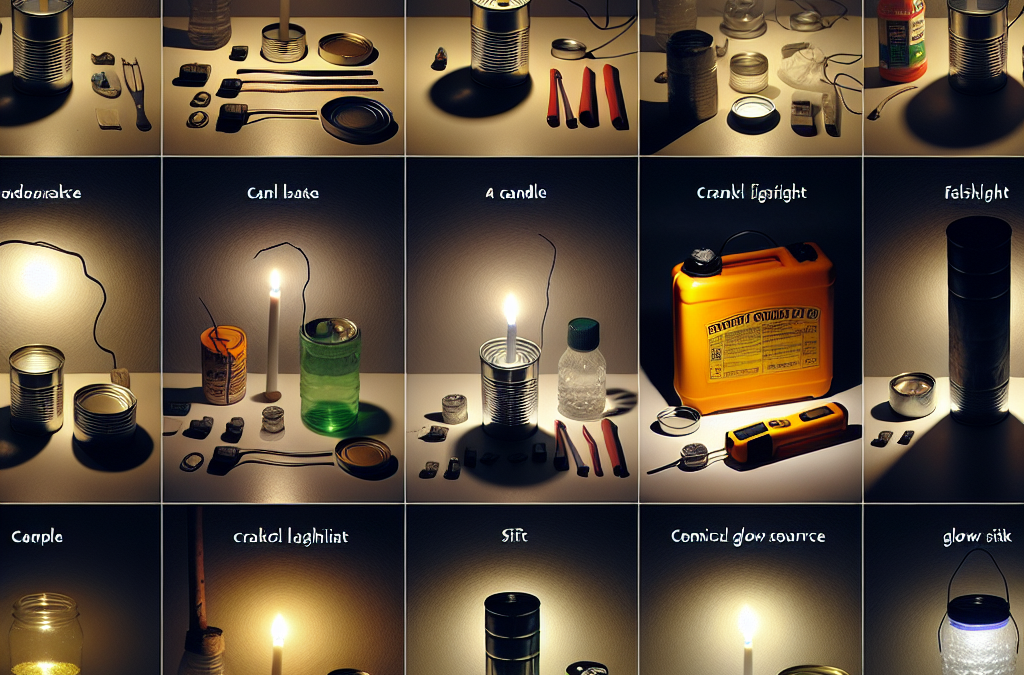
You’d be surprised at how many light sources you can find right in your own home when the power goes out. For instance, candles are a classic go-to. They not only light up a room but can also create a cozy atmosphere. So, gather up your candles, but don’t forget to have some matches or a lighter on hand. Otherwise, you’ll just be staring at something pretty!
Flashlights are another winner. If you’ve got a flashlight in your drawer or a camping gear kit, now’s the time to dig it out. Make sure you check the batteries, though. If they’re dead, it won’t help you much in the dark! I always keep a stash of batteries handy, just in case.
<pThen there’s your phone. Most of us have smartphones nowadays, right? They have built-in flashlight features that can be quite handy in emergency situations. Just remember to conserve your phone's battery; it’ll be your lifeline for more than just light if something goes sideways.
Create Your Own Oil Lamp
Gather Your Materials
If you’re up for a little DIY, making an oil lamp can be incredibly rewarding. You’ll need a container (an empty jar works perfectly), a wick (you can even use a strip of cloth), and cooking oil. It’s super easy, and I’ll show you how!
First, fill your container with oil, leaving enough space at the top to put the wick in. You want it to soak up the oil, so make sure it’s long enough to hang out of the jar a bit. This creates a nice flame when you light it. Just be careful — a flame means fire, and fire means safety precautions!
Once it’s assembled, light your wick, and voilà! You’ve just created your very own emergency light source. Trust me, it’s a pretty cool skill to show off and can really lighten up a dark space.
Harnessing the Power of Solar Energy
Using Solar Lights
If you have solar garden lights, you’re in luck! These little gems can be repurposed for indoor emergencies. Just bring them inside and, voila, instant light! They get their charge during the day, so if the sun’s out, they’ll be ready for any situation.
To maximize their effectiveness, try placing them in windows or sunny spots during the day. And if you’ve got a ton of these solar lights, you can even light up multiple rooms. It’s a fun little hack and incredibly resourceful.
The good thing about solar lights is that they don’t require any plug, so you can use them for outdoor emergencies as well, like camping or barbeques. Truly the gift that keeps on giving!
DIY Candle Holders for Safety
Choosing Safe Materials
When it comes to using candles, safety is key. You don’t want to accidentally start a mini bonfire in your home! Opt for sturdy, fireproof containers for your candles. Glass jars or metal tins work wonders. Just remember, don’t place them on surfaces that could catch fire!
To enhance safety, try using rice or sand as a base to stabilize your candle holder. Not only does it look nice, but it helps to keep the candle upright and secure. It’s a simple trick that makes a world of difference.
And always keep an eye on your candles while they’re burning. Nothing takes the cozy vibe away like a burnt-down candle causing chaos. Better safe than sorry, right?
Utilizing Rechargeable LED Lights
Battery Backup Systems
Rechargeable LED lights are a fantastic way to ensure you’re never left in the dark. Many of these lights can be charged using a USB cable, so they’re perfect if you have a power bank handy. I’d recommend investing in a few — they tend to be long-lasting and powerful.
Before an emergency strikes, make a habit of charging them regularly. You never know when you might need them, and it’s so much easier to grab a fully charged light at the last minute than rush to find the charger.
Plus, some of these lamps come with cool features like brightness settings. This means you can go full on disco mode for good vibes or mellow it out for a more relaxed ambiance. It’s your light, your rules!
FAQs
What are some easy emergency light sources I can create at home?
You can easily use candles, flashlights, and even your smartphone’s flashlight feature to create light when the power goes out.
How do I make a homemade oil lamp?
To create your own oil lamp, you’ll need a container, a wick, and cooking oil. Fill the container with oil, place the wick in it, and light it up!
Can solar lights be used indoors in an emergency?
Absolutely! Just bring your solar garden lights indoors and they will provide you with light. Ensure they’ve been charged during the day for best results.
What’s the safest way to use candles during an emergency?
Make sure to use sturdy, fireproof holders for your candles. Keep them away from flammable materials, and never leave them unattended while burning.
Are rechargeable LED lights worth it?
Yes! They are convenient, can be charged via USB, and often offer adjustable brightness. They are a wise investment for emergency preparedness.