
by Preparation Call Editorial Team | Jul 31, 2025 | Preparedness
Essential Supplies
Gathering Basic Supplies
So when I think of boating and survival, the first thing that pops into my head is supplies. You gotta have the right gear on hand. I always recommend packing things like non-perishable food, water, and first aid kits. If you’re stranded, you’ll be grateful you thought ahead!
When I put together my boat supplies, I also focus on multipurpose tools. A Swiss Army knife or a good multi-tool can take the place of a whole toolbox. This kind of prep lets you handle unexpected repairs or other challenges that crop up.
Lastly, don’t forget about your environment. Bringing along bug spray and sunscreen could make or break your experience. You don’t want to be the one swatting mosquitoes or getting sunburned while trying to survive, trust me!
Safety Equipment
On top of supplies, your boat needs safety equipment. I can’t stress enough the importance of life jackets – they’re a must-have! Make sure you have enough for everyone on board and that they fit properly, especially for kids.
Flares and signaling devices are another area I see people overlook. If something goes wrong, you need a way to signal for help. Floating distress signals can be a lifesaver—they can grab attention when you’re miles away from shore.
Another tip? Always keep a fire extinguisher on board and ensure it’s easily accessible. I once had a small engine fire, and the last thing you want is to scramble for safety gear when the heat is on—literally!
Navigation Equipment
Survival is not just about having supplies; it’s also about knowing where you are. A reliable GPS or a good old-fashioned map is something I always carry. These tools help you navigate the waters and find safe harbor.
Don’t just rely on electronics though. Make sure you can read a compass and understand navigational markers. I’ve had my share of adventures where technology failed, and trust me, being lost is not fun!
Ultimately, take some time to familiarize yourself with your navigation aids, both digital and traditional. This lets you navigate safely, and that peace of mind is invaluable when you’re out there.
Communication Methods
Staying In Touch
You’ve got all your survival gear, but what if something goes wrong? That’s where communication comes into play. I always have a VHF radio on hand because it’s reliable and can reach help in serious situations.
Additionally, a charged mobile phone is great, but don’t solely rely on it. Cell service can be spotty out on the water, so have backup plans. I recommend also getting a satellite phone if you’re planning on sailing in remote areas.
Lastly, let someone know your plans—where you’re going, how long you’ll be out, and when you expect to return. That way, if things go south, someone will notice quickly and send help when needed.
Emergency Plans
Having a solid emergency plan can make a world of difference. Make sure to have a buddy system in place. I always encourage my friends and family to know their responsibilities in case of an emergency.
Regular drills can be super helpful, too. We often practice abandoning ship or what to do in case of a man overboard. It’s easy to forget what to do in the heat of the moment if you haven’t practiced.
Also, keep a list of emergency contacts handy. It’s really important to know who to reach out to—think local authorities, marina contacts, or even friends who can help out on the shore.
Boat Maintenance
Regular Inspections
Maintaining your boat isn’t just about aesthetics; it’s crucial for safety. I make it a habit to conduct regular inspections—checking the hull for cracks, inspecting the motor, and ensuring everything is in working order are top priorities.
I also check the fuel system to avoid leaks and make sure all entry points are water-tight. Having a properly maintained boat is key to avoiding problems when you’re out on the water.
Whenever possible, I recommend bringing a toolbox with basic repair tools. You never know when something will break, and being prepared is half the battle!
Cleaning and Winterization
Cleaning your boat seems like a chore, but it can reveal any issues that might need addressing. Taking the time to clean regularly can help spot rust, wear and tear, or mold—all major troublemakers!
As the seasons change, winterizing your boat is essential if you live in a colder climate. I like to flush out the engine and treat the fuel to keep everything in good shape while I’m off the water.
Always make sure to remove anything perishable and keep your boat dry. A dry boat in the winter can prevent mold and serious damage, which means you won’t have to spend more money on repairs down the line.
Mental Preparedness
Staying Calm in Crisis
Surviving in tough situations isn’t just about physical gear. Staying calm can be your biggest asset. I’ve learned a few tricks to keep a level head. Deep breathing exercises can do wonders when anxiety kicks in.
Keep a positive mindset; it helps in any survival situation. I often remind myself that obstacles are just challenges waiting to be solved. A little optimism goes a long way when times get tough.
Also, remember that it’s okay to ask for help. Sometimes, just talking through a tough situation with a companion can bring clarity and solutions to what seems like an insurmountable problem.
Developing Skills
Building skills can really boost your confidence. I’ve taken courses on basic survival skills, which have helped me feel more equipped for handling emergencies. Things like fishing, cooking on a camp stove, or starting a fire can be invaluable.
Additionally, learning navigation skills not only makes you a better mariner but also enhances your problem-solving capabilities in general. It’s good to know how to improvise and adapt if you’re caught off-guard.
Keep honing those skills even when you’re not on the water. Each new skill you learn adds to your toolkit and prepares you for whatever comes your way.
Positive Relationships on Board
If you’re not solo sailing, then maintaining good relationships with your crew or passengers is paramount. It’s important to foster communication, so everyone feels heard and valued. I find that regular check-ins can help ease tension during stressful times.
Create a shared sense of responsibility. Whether it’s assigned roles or a buddy system, having everyone know what the plan is ensures that there’s less likelihood of panic if troubles arise.
Ultimately, working together in coordination not only strengthens your team but also cultivates friendships and lasting memories out on the water. After all, who doesn’t love a good adventure story?
Frequently Asked Questions
1. What are the essential supplies I need for my boat?
You should pack non-perishable food, plenty of water, a well-stocked first aid kit, and multipurpose tools. Don’t forget about bug spray and sunscreen!
2. How do I maintain effective communication while out on the water?
A VHF radio is crucial for reliable communication. It’s also smart to carry a charged mobile phone and a backup plan, like a satellite phone for remote areas.
3. What should a good emergency plan include?
Your emergency plan should include a buddy system, regular drills, and a list of important contacts. Make sure everyone knows their responsibilities.
4. How often should I inspect my boat?
Regular inspections are key; I recommend checking your boat before each outing, especially the hull, motor, and safety equipment.
5. Why is mental preparedness important in survival situations?
A clear mind can make all the difference in a crisis. Keeping calm, having a positive attitude, and building skills are vital components of staying prepared.

by Preparation Call Editorial Team | Jul 31, 2025 | Preparedness
Staying Calm Under Pressure
The Importance of Composure
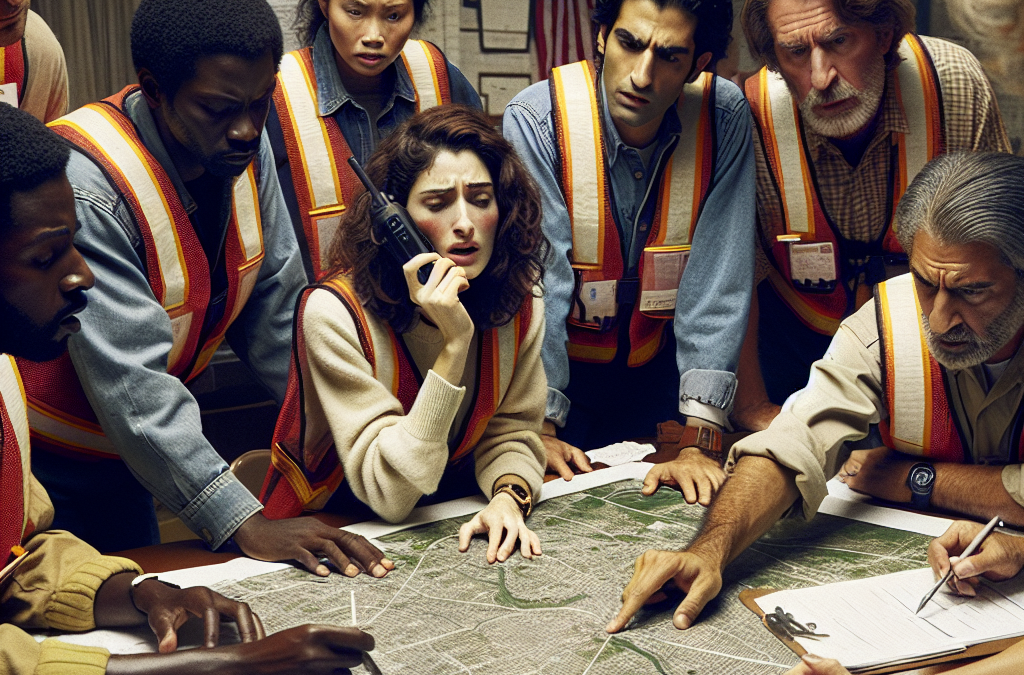
First things first, when disaster strikes, the chaos around us can be overwhelming. From my experience, one of the biggest assets you can have is calmness. A level-headed approach not only helps you think clearly but also reassures those around you. People tend to look to a leader during a crisis; if you’re composed, they’ll be too.
Why does it matter? Well, in my past experiences with emergencies, I’ve found that panic spreads like wildfire. If I could maintain my calm, it not only allowed me to make better decisions but also helped others to regain their own composure. So, take a deep breath and remind yourself that you can handle this.
Practice exercises like visualization or meditation beforehand so that when the real deal goes down, you’ll instinctively know how to stay calm. Trust me, your voice and demeanor will have a ripple effect in those stressful moments.
Clear Communication
When you’re in a tight spot, getting your point across is absolutely critical. What I’ve learned is that you must be concise and straightforward. This isn’t the time for long-winded explanations or jargon; keep it simple. For example, instead of saying, “We need to ensure that everyone evacuates in an orderly manner,” you might say, “Everyone, please exit the building quickly and calmly!”
Additionally, using clear, direct language reduces misunderstandings. I’ve seen how easily misinterpretations can happen in tense situations—one misplaced word can change everything. Avoid complex phrases; it helps people react quickly, which in turn might save lives.
Another point I can’t stress enough is the tone of your voice. Maintain a steady, firm but friendly tone; it encourages loyalty and trust. A calm voice amidst chaos serves as an anchor, keeping everyone connected and engaged.
Utilizing Technology
In modern times, technology can be a lifesaver. From my hands-on experience, using social media or emergency response apps can help spread the word faster than traditional methods. I’ve seen firsthand how a simple tweet or text message can alert a community to danger. Make sure you know the platforms available in your area that you can utilize during a crisis.
However, technology isn’t foolproof. It can sometimes fail, especially in natural disasters. So, ensure that you also have a backup plan, like a bullhorn or a group of people to relay messages. The goal is to be repetitive and consistent in your communication, so everyone stays informed.
Moreover, do not forget about the importance of two-way communication. Encourage people to report back any info they gather. This will not only keep everyone informed but also help in responding to evolving situations more effectively.
Being Empathetic
Understanding Emotions
During a crisis, emotions run high, and I can’t stress enough how crucial it is to acknowledge those feelings. When people’s fears are validated, it can drastically change the atmosphere. I learned to listen actively; just letting people vent can sometimes be the best support you can offer them.
Offering reassurance helps a lot. When I’ve provided a comforting presence, it seemed to ease their turmoil. Sometimes, just saying, “I know this is tough. We’ll get through this together,” can provide immense comfort during a disaster.
Being emotionally aware helps in tailoring your communication. If someone is particularly distressed, simple and direct messages might not be enough. I’ve found that a gentle approach can work wonders, showing you care about their wellbeing can open the lines of effective communication.
Encouraging Team Spirit
No one should feel alone during a disaster; that’s something I’ve taken to heart. Promoting a sense of teamwork can empower individuals and create a support network. When I’ve rallied people together, they seemed more willing to act, knowing they weren’t solo in the fight.
Consider organizing small groups where each member has a specific role. This not only spreads responsibilities but also gives people a sense of purpose amidst panic. I’ve seen how this can transform a chaotic environment into a well-oiled machine.
Don’t forget to celebrate the small wins. Whether it’s securing a safe space or assisting someone in need, acknowledging and praising those efforts can uplift spirits and reinforce that team bond, making the tough situation just a bit easier to handle.
Providing Accurate Information
Providing accurate information is absolutely non-negotiable during any disaster. Misinformation can lead to chaos and confusion, so always ensure you’re communicating the facts. From my experience, I’ve seen how misinformation hinders effective response and can even worsen the situation.
Make it a point to verify any information before sharing it, especially concerning resources or evacuation routes. I’ve learned to rely on trusted sources, and it’s truly crucial that everyone is on the same page, especially in a crisis.
Share updates regularly, as things can change rapidly. Keeping communication flowing not only informs everyone but also calms anxieties. Just being proactive really helps to maintain confidence among the group, which is vital for effective disaster management.
Conclusion
Mastering essential communication skills during a disaster isn’t just a nice thing to have; it’s a lifeline. From staying calm and clear to managing technology and emotions, every little detail counts. Remember, effective communication can be the difference between chaos and order, life and death, so take these skills to heart.
FAQ
1. Why is calmness important during a disaster?
Calmness helps to make clear decisions and reassure others around you. A composed demeanor can set a positive tone and help stabilize the situation.
2. How can I ensure clear communication in a crisis?
Use simple, direct language and avoid jargon. Keep messages concise and ensure your tone is steady and reassuring.
3. What role does technology play in disaster communication?
Technology can be used for rapid information sharing, alerts, and updates. However, always have backup plans like face-to-face communication or group relaying.
4. How can empathy enhance communication during emergencies?
Empathy helps you connect with people’s emotions. Acknowledging their feelings fosters trust and can make them more receptive to your messages.
5. What measures can I take to provide accurate information?
Always verify facts before sharing and rely on trusted sources. Providing regular updates keeps everyone informed and helps avoid the spread of misinformation.
by Preparation Call Editorial Team | Jul 31, 2025 | Preparedness
1. Understanding Animal Behavior
Recognizing Patterns
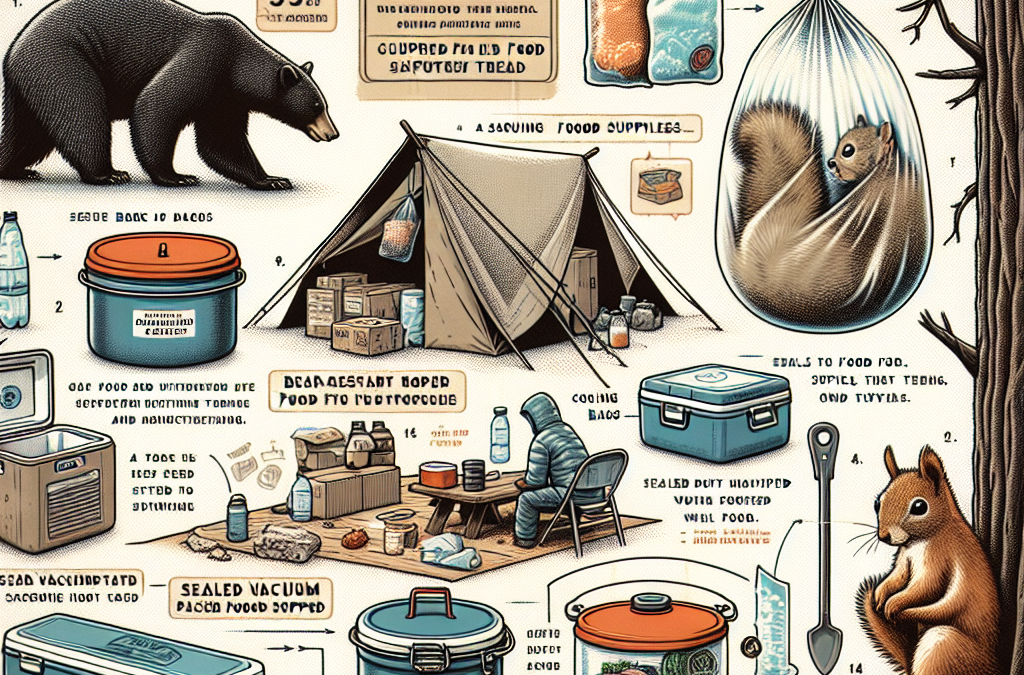
When I first started to deal with animals raiding my supplies, I quickly realized that understanding their behaviors was key. Animals like raccoons and rodents follow certain patterns. For instance, they tend to be more active at night. By observing their behaviors, I could adjust my own habits accordingly, such as securing my food right before dusk.
Did you know that some animals can smell food from great distances? This means that even if I think my food is well hidden, it can still be an easy target. Keeping food in sealed containers isn’t just about making it harder for the animals to get in; it’s about reducing the scents that attract them in the first place.
Learning to read the signs – like tracks or nests – gives me an advantage. The more I know about what these critters are up to, the better I can prepare to thwart their efforts. And trust me, once you have a few success stories, it becomes almost instinctual!
2. Proper Food Storage Techniques
Sealed Containers
I can’t stress enough how effective airtight containers have been in my efforts to secure food supplies. The investment in good quality bins has saved me lots of frustration. Not only do these containers keep out animals, but they also preserve freshness longer, which is a win-win.
Wooden crates or cardboard boxes just don’t cut it anymore. After a few encounters with mice gnawing through to my snacks, I quickly upgraded to thick plastic or glass bins. Every time I pop the lid open and see my food safely tucked away, it’s a little victory for me.
Labeling these containers with dates also helps me keep track of what I have. It’s so easy to forget what I stocked up on until it’s too late. Staying organized prevents waste and fortifies my defenses against animal intruders.
3. Creating Physical Barriers
Fencing Solutions
The first thing I did when trying to secure my food supplies was to build a fence around my garden. A simple fence made from wire mesh has proven to be quite effective. I opted for a height that would deter raccoons but also keep out smaller critters like rabbits.
Every few weeks, I take a stroll around the perimeter to check for any potential breaches. It’s all too easy for a tiny gap to turn into a quick access point for animals looking for a snack. Plus, I like to think of it as my weekly workout – who doesn’t want a little fresh air while ensuring security?
In areas where I store food outdoors, I also use gates and locks. While I wouldn’t call myself a master carpenter by any means, a simple latch and hinges can do wonders. Closing off access to food helps keep animals out and gives me peace of mind.
4. Utilizing Deterrents
Natural Deterrents
After countless snacks went missing, I turned to natural deterrents. Certain smells – like cinnamon or vinegar – repel many animals. So, I’ve started placing bowls of these substances around my food storage areas, and let me tell you, it’s been a game-changer!
Plants that animals dislike can also be strategically placed around my garden. For instance, marigolds are known to deter pests. Plus, they add a pop of color, so it’s a pretty functional decoration as well.
For me, utilizing these natural deterrents feels good because I’m not resorting to chemicals. I get to protect my food supplies and maintain a healthy environment. It’s about finding those eco-friendly solutions that align with my lifestyle.
5. Regular Maintenance and Monitoring
Frequent Check-Ins
Honestly, I stumbled into the habit of regular maintenance unintentionally. Once I started to see the difference in my food preservation, I began to check my storage areas daily. Doing quick visual scans can help me catch any signs of animals before they become a problem.
I keep a notebook handy where I jot down observations, like any unconventional activity or changes in odor. It’s not just a chore; it’s almost become a relaxing part of my day, as I reflect on how well my systems are working.
Also, I love involving my family in this process. Teaching kids about checking food supplies and understanding animal behavior has turned into a fun learning experience. Who knew that food security could turn into family bonding time?
FAQs
1. What types of containers are best for storing food?
Airtight containers made from heavy-duty plastic or glass work best. They help keep out moisture and odors, making it harder for animals to get in.
2. How can I tell if an animal has accessed my food supplies?
Look for droppings, gnaw marks, or tracks around the storage area. Any unusual odors may also be a sign that an animal has visited.
3. Are natural deterrents effective against all animals?
Natural deterrents can work well against many common pests, but results can vary. It’s good to combine them with physical barriers for the best results.
4. How often should I check my food supplies?
Frequent check-ins are essential, especially during warmer months when animals are more active. A quick daily visual scan can help you catch any issues early.
5. Can I train my pets to help deter animals?
Yes, pets like dogs can be trained to bark or patrol the areas where food is stored. Their presence can deter many animals.






