
by Preparation Call Editorial Team | Jul 31, 2025 | Preparedness
We’ve all been there—unexpected expenses pop up and suddenly, it feels like the world is caving in on our finances. Personally, I’ve faced my share of financial crises, and let me tell you, it’s a wild ride. But over time, I’ve learned some valuable lessons on how to prepare and protect myself from going broke during tough times. Let’s dive into the strategies that I’ve found helpful over the years.
Build an Emergency Fund
Understand the Purpose of an Emergency Fund
When I first heard about an emergency fund, I thought, “Do I really need that?” But then life tossed me a few curveballs—unexpected car repairs, medical bills, you name it. An emergency fund is essentially your safety net. It provides peace of mind knowing that you have money set aside for emergencies, so you’re not scrambling to find cash in a crisis.
The idea is simple: set aside enough money to cover at least three to six months’ worth of living expenses. This way, if something goes wrong, you’re prepared. It’s like having a cushion for when things get bumpy.
Plus, it helps you avoid putting expenses on credit cards or borrowing from friends and family, which can create additional stress and complications.
How to Start an Emergency Fund
Getting started is easier than you might think. First, take a look at your monthly expenses. Create a realistic budget that highlights where you might be able to pull some cash aside. I started out with small, manageable contributions—like skipping that extra venti latte each week!
Automating your savings can be a game-changer. Set up a regular transfer from your checking account into your savings account. This way, you won’t have to remember to do it—it just happens. Before you know it, you’ll see your emergency fund growing.
And don’t forget to celebrate your small wins! Each time you hit a savings milestone, treat yourself to something nice (but not too pricey). This makes saving feel rewarding rather than a chore.
Keep Your Fund Accessible yet Secure
Now, while it’s important to have your fund accessible, you don’t want to mix it up with your daily spending money. I recommend keeping your emergency fund in a high-yield savings account. This way, you can earn a little interest while still having quick access when you need it.
Just remember: this money is for emergencies, not for that cute handbag or the latest gizmo. Being disciplined about its use is key. I’ve had to remind myself, “This is for when life happens, not just when I feel like treating myself.” You’ve got this!
Reduce Debts Wisely
Assess Your Debt Situation
Debt can feel like a heavy weight on your shoulders. Trust me; I’ve been there. Before anything else, take a clear inventory of your debts. List everything out—credit cards, student loans, mortgages—whatever it is, get it down on paper. This clarity helps you understand just how much you’re dealing with.
Different types of debt can have different interest rates and terms, so knowing the details is crucial. It gives you a roadmap for repayment strategies down the line. Plus, it’s empowering to see the full picture—it’s the first step in taking control.
Don’t forget to reflect on what led to your current debt situation. This doesn’t mean berating yourself; think of it as learning from your past. What decisions can you change moving forward?
Create a Debt Repayment Plan
Once you have that assessment, it’s time to make a game plan. One technique I swear by is the snowball method: pay off your smallest debts first while making minimum payments on the others. There’s something super motivating about crossing that first debt off the list!
Alternatively, if you’ve got high-interest debt, consider the avalanche method. Tackle those high-interest debts first and save the most cash in the long run. Whichever method you choose, just get started! Action is the key here.
And remember to stay consistent. Set reminders to track your progress and adjust your plan if necessary. Life happens, and it’s okay to tweak things as you go. The goal is to keep moving forward!
Avoid Accumulating New Debt
As you work on reducing your current debts, it’s equally important to avoid adding new ones. I had to challenge myself to only use credit for planned purchases, and I stuck to it. If it wasn’t in the budget, it wasn’t happening.
Leverage cash instead of credit; believe me, there’s something satisfying about handing over cash and watching your spending limit right there in your wallet! Plus, it helps you stay conscious of how much you’re really spending.
Alongside this, consider building a lifestyle that encourages saving rather than overspending. Trust me, it opens up so many possibilities for financial freedom down the line!
Diversify Income Sources
The Importance of Multiple Income Streams
Having multiple sources of income has saved my bacon more than once. Whether it’s a side hustle, freelance work, or passive income, diversifying your income can provide security. It’s like having little safety nets scattered across your financial landscape.
In my experience, starting a side hustle doesn’t always mean turning your entire life upside down. Look for skills or passions you can monetize. For instance, I turned my love for writing into freelance gigs, and it has proven to be incredibly rewarding—both creatively and financially.
Don’t underestimate the power of passive income too! Whether it’s renting out a room, dividend stocks, or creating an online course, there are countless ways to grow your income streams. Get creative with it!
Explore Gig Economy Opportunities
In today’s gig economy, opportunities abound. Apps and platforms like Uber, Fiverr, and TaskRabbit can connect you to quick gigs whenever you have some extra time. I often pick up tasks on weekends or when I have a free hour here and there—it’s a fantastic way to bolster my income without committing to something long-term.
Experiment with different roles to find what fits your lifestyle and interests. Not only can this give you extra cash, but it can also lead to potential career changes or new skills you never expected to acquire!
And if there’s something you’re passionate about—like art, cooking, or coaching—why not try turning it into a side business? The possibilities are endless.
Invest Smartly
When it comes to diversifying income, investing is a powerful ally. In my journey, I’ve learned that even small investments can grow over time. Whether it’s stocks, mutual funds, or real estate, educating myself on different investment options has paid off tenfold.
Start small if you’re unsure—consider a robo-advisor for guided investment choices. And remember: the earlier you start investing, the more time your money has to grow!
Keep in mind that investing involves risks, so make sure to do your research and consider what fits your risk tolerance. Get in the habit of continuously learning about investment strategies to sharpen your skills further.
Stay Informed and Adaptable
Continuous Financial Education
Staying informed about personal finance is crucial. Over the years, I’ve made it a routine to read books, follow experts, and listen to podcasts. Financial literacy is the best form of self-defense against financial crises, in my opinion.
The world of finance is ever-evolving. New investment strategies, savings tips, and financial tools pop up frequently. Keeping up with these changes can make a world of difference in how I approach my own financial planning.
Consider joining online communities or forums dedicated to finance. Sharing insights with others and learning from different experiences can be invaluable. It’s like having a support system on your financial journey.
Track Financial Trends
Understanding broader financial trends can help you remain adaptable. For instance, keeping an eye on economic indicators, interest rates, and stock market fluctuations can provide insights that impact how you manage your funds. I often find myself watching financial news a few times a week to stay updated.
This knowledge empowers me to make more informed financial decisions—whether it’s knowing when to invest, when to save, or when to adjust my budget based on inflation, for example.
And if you’re not into traditional news outlets, look for financial apps that provide real-time updates and alerts about changes that could affect your financial situation. Stay plugged in!
Adjust Plans as Life Changes
Life is unpredictable. I’ve learned to embrace change and adapt my financial plans as needed. Whether it’s a new job, a change in family dynamics, or relocating, adjusting my budget and savings plans accordingly has kept me afloat during turbulent times.
Be proactive rather than reactive. Regularly review your financial goals and make any necessary adjustments. This habit ensures I’m always prepared, no matter what life throws my way.
Flexibility—it’s not just a yoga term, folks! In finance, being flexible means keeping a cool head and finding new paths when needed.
Seek Professional Advice
When to Consult a Financial Advisor
There’s no shame in asking for help! If you’re feeling overwhelmed, reaching out to a financial advisor can provide clarity and direction. I’ve done this a few times, and honestly, it’s been a game changer. Advisors are trained to see the bigger picture and offer personalized strategies.
They can help you assess your investment strategies, create a retirement plan, or even work through debt management. Choosing the right advisor makes all the difference. Look for someone reputable, ideally a fiduciary who puts your interests first.
And don’t forget, these consultations don’t have to break the bank. Many offer a free initial consultation, which can give you valuable insights without the commitment of a full service right away.
Utilizing Online Resources
If you can’t swing professional help yet, there are loads of online resources available. Websites, forums, and financial apps offer a wealth of information, often for free! I’ve found success with budgeting apps that guide me in tracking expenses and improving saving habits. They’re super handy!
Online courses or webinars can also offer guidance on specific topics—whether it’s investing basics, retirement savings, or tax strategies. I recommend dedicating some time to explore these resources to empower yourself.
Knowledge is a powerful tool; the more informed you are, the better decisions you can make. Take advantage of the resources at your fingertips!
Networking with Financial Peers
Believe me when I say networking can provide insights that professionals might overlook. Engage with others in financial wellness groups, online forums, or local meetups. Sharing experiences and strategies can open your eyes to new paths and resources you hadn’t considered before.
Talk about your financial goals and challenges with trusted friends or family. Those discussions often lead to helpful tips or support that can make a world of difference during tough financial times.
Remember, you’re not alone on this financial journey. Connecting with others who face similar challenges can provide motivation and accountability!
Frequently Asked Questions
1. How much should I have in my emergency fund?
It’s generally recommended to save three to six months’ worth of living expenses. This amount can vary based on your personal situation, risk tolerance, and job stability.
2. What is the best approach to paying off debt?
Two popular methods are the snowball method (paying off smallest debts first) and the avalanche method (paying off high-interest debts first). Choose the one that fits your motivation style best!
3. How can I find additional income opportunities?
Explore freelance gigs, side hustles, or even renting out a room on services like Airbnb. The gig economy is booming, and there’s plenty of opportunities waiting for you!
4. What should I do if I can’t save money each month?
If saving feels impossible, start small. Even setting aside a tiny amount can add up over time. Look for areas in your budget to cut back, even if it’s just a little at first.
5. When should I consider hiring a financial advisor?
If you’re feeling overwhelmed with your finances, a financial advisor can provide tailored advice and strategies. It’s especially useful during life changes, such as starting a family or nearing retirement.

by Preparation Call Editorial Team | Jul 31, 2025 | Preparedness
1. Basic Supplies for Injury Treatment
Understanding the Basics
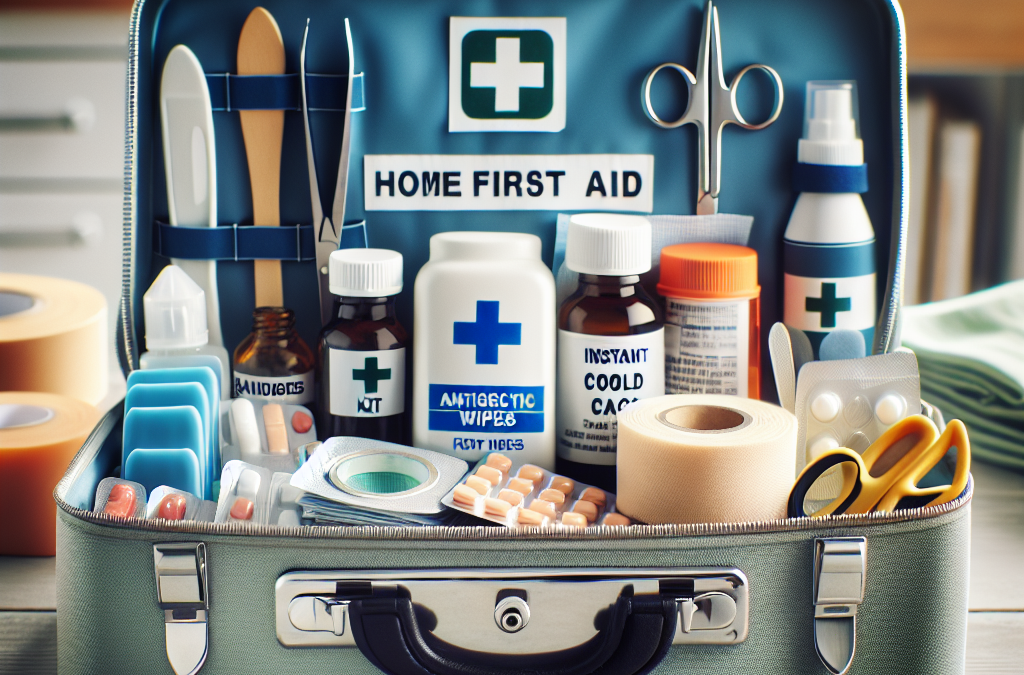
When I first started thinking about putting together a first aid kit, I realized how important it is to have the right supplies on hand. Basic supplies like adhesive bandages, gauze pads, and antiseptic wipes are the fundamental building blocks. Trust me, these items are lifesavers in small accidents, and it’s best to have them close by.
For me, the excitement of creating my own kit made me think of all the “just in case” moments we encounter—tiny cuts, scrapes, and even blister problems. Anyone who’s ever taken a hike knows those shoe blisters can sneak up on you, and having the right band-aid can make all the difference.
Moreover, stocking up on these basics doesn’t need to cost a fortune. You can find most essentials at your local pharmacy or even dollar store. Just remember, you want to ensure everything is easily accessible so you’re not scrambling around when you need it the most.
Choosing the Right Materials
So there’s more to first aid supplies than just what looks nice on the shelf. You really need to think about the materials you’re choosing. For instance, breathable bandages are a must because they help wick moisture away, reducing infection risk.
I like to choose products that come with clear instructions right on the packaging; if I’m in a panic, I don’t want to be deciphering tricky directions. That clarity can save lots of time and keep stress levels down.
Let’s not forget the importance of expiration dates. It’s easy to forget about items hiding at the back of the drawer! I set a reminder to check my kit every six months, so things like antiseptic wipes and ointments don’t go bad.
Special Considerations
Depending on your lifestyle, you might need to include some unique items. For example, if you or someone in your household suffers from allergies, having antihistamines on hand is crucial. Or if you have kids, those adorable cartoon band-aids can encourage them to keep their spirits up after a tumble!
Keep in mind any specific medical needs too. If someone has a prescribed medication or special equipment, that should definitely be included. I’ve learned from experience that incorporating those needs into your first aid plan prevents panic later on.
Last but not least, consider environmental factors. If you enjoy outdoor adventures, some insect bite relief or sunburn cooling gel could come in handy. It’s all about tailoring your kit to fit your personal needs and preferences.
2. Medications You Should Have
Basic Over-the-Counter Medications
I’ve discovered that having a few basic over-the-counter meds in my kit can be a game changer. Pain relievers like ibuprofen or acetaminophen help ease headaches or body aches that can pop up unexpectedly, especially after an active day.
Don’t forget about antacids, either. Those pesky moments when spicy food backfires can be uncomfortable, and having a little something to ease the burn can turn a rough evening into a more bearable one.
And let’s not skip over good ol’ allergy remedies—hay fever can hit hard when the seasons change. Keeping some antihistamines on hand will help you breathe a lot easier during those troublesome months.
Cold and Flu Essentials
No one wants to be caught off guard by a scratchy throat or runny nose, right? I always keep some cold and flu medications in my first aid kit. Syrups, throat lozenges, and nasal decongestants are must-haves for any unexpected illness.
I’ve learned by experience that a little preparation can prevent a lot of discomfort. When those symptoms hit, having the comfort of familiar remedies makes staying cozy on the couch a whole lot better.
Plus, I’ve got to say, it beats making a late-night pharmacy run when you just want to rest up. So stock your kit with what works for you!
Prescription Medications
Now let’s chat about prescription meds. This can get a little tricky because it’s not just about stocking up—it’s about staying organized. I dedicate a little space in my kit for personal prescriptions to ensure I’m always prepared.
One tip I’ve found helpful: keep a list of emergency contacts, including doctors. That way, if something happens and you need a refill or medical advice, you know right where to look.
Make sure to follow the guidelines for storage. Some medications should be kept in specific conditions—like out of sunlight or in a cooler environment. It’s all about keeping everything safe and effective.
3. Tools and Accessories That Matter
Basic First Aid Tools
Definitely don’t overlook the significance of good tools! Scissors, for instance, can help you cut through stubborn bandages quickly when you need to get to an injury.
Also, tweezers are excellent for removing splinters or pulling out ticks, which are way too common in warmer months. Trust me, these tools can make all the difference in an emergency.
Adding a digital thermometer to my kit has truly been a lifesaver. Checking temperatures can guide my responses, especially with the kiddos. A good thermometer means I know when it’s time for a cold compress or a doctor’s visit!
Personal Protection Equipment
When I think about first aid, I always consider personal protection. Disposable gloves have become a staple in my kits ever since I realized how handy they are when dealing with injuries.
Alongside gloves, a basic face mask could come in handy during specific situations, especially if you’re around someone who’s ill. It just adds a layer of safety that goes a long way.
And, don’t forget about a face shield or goggles if there’s a chance for blood sprays, especially in situations where safety is paramount. It might seem like overkill, but being prepared can be a lifesaver!
Storage and Organization
Having all the right tools and supplies is all well and good, but if they aren’t organized properly, it can feel like chaos. I recommend utilizing clear containers or pouches to help keep things sorted and easy to find.
Labeling each section or container makes things super simple. In a moment of panic, you want to grab what you need without hunting through layers of clutter.
Lastly, think about where you’re storing your kit. I’ve created a designated spot in my home that’s both easily accessible but also out of reach from little hands. Finding that balance means I’m ready for anything that comes my way.
4. Tailoring Your Kit to Your Family
Assessing Your Family’s Needs
Taking the time to evaluate my family’s unique needs has made tailoring our first aid kit much more effective. Think about the age of everyone in your household—do you have toddlers or teenagers? Each group brings different challenges.
For parents, adding items like teething gel or pediatric pain relievers can be crucial. And for teens, maybe some acne treatment should be thrown in the mix. It’s all about anticipating what might come up!
Consider any ongoing medical conditions too. Stocking your kit with necessary extras ensures you feel prepared for anything, whether it’s managing a fever for a child or preparing for a fainting spell in a grandparent.
Special Considerations for Pets
And let’s not forget about our furry companions! I’ve found it essential to have pet-specific items in my first aid kit. A basic supply of tweezers or special pet first aid guides can really help in emergencies.
If your pet has allergies, try to keep their antihistamines handy—because trust me; they can suffer too. Canine first aid can sometimes feel like a whole other ballgame, so having resources can ease some worries.
Don’t forget important items, like a muzzle or leash for a scared or injured pet. They can help you manage the situation safely while you access care!
Involving Family Members
One thing I’ve truly enjoyed is involving my family in building and maintaining our kit. It’s a great way to educate everyone about the supplies while also preparing them for possible emergencies.
Each person can take the time to learn what to do in certain situations, from basic CPR to identifying what to grab in a hurry. Plus, having everyone involved sparks interesting conversations about health and fitness!
Make it a family event to restock the kit together—checking expiration dates brings everyone together while also teaching responsibility. It becomes a communal activity, strengthening your family’s preparedness and confidence.
5. Training and Preparedness
Understanding Basic First Aid
If there’s one lesson I’ve learned, it’s that having a well-stocked first aid kit is only part of the equation. Gaining knowledge about how to use those supplies is equally essential. I took a basic first aid course, and it opened my eyes to what I can do in emergency situations.
Learning techniques like CPR, bandaging wounds, or how to treat burns encourages confidence when handling accidents. Plus, it’s empowering to know that I can care for myself and my family when needed.
Many organizations, like the Red Cross, offer great resources and even certifications in first aid and CPR. I highly recommend checking those out—they’ve been game changers for me!
Regular Refresher Courses
Knowledge isn’t enough if it gets rusty over time! I regularly sign up for refresher courses and online webinars, because staying informed is super important. Plus, it’s fun to meet others interested in emergency preparedness!
Even just reviewing materials or reading first aid manuals every now and then can keep life-saving techniques fresh in my memory. Journals and guides often have updated information that may improve my approach to home health emergencies.
Sharing that knowledge with my family can be a good bonding experience too. Together, we work through different scenarios, keeping those important conversations open and ensuring everyone knows what to do when a challenge arises.
Creating a Plan
Beyond gathering supplies, creating a comprehensive emergency plan is essential. I made sure to sit down with my family to discuss what we would do in different situations, like natural disasters or severe injuries. Everyone has a role to play, and knowing that is comforting.
We also set communication plans—deciding who to contact for help or how to find each other in public spaces if separation occurs. It’s all about feeling prepared and knowing we have each other’s backs.
Ultimately, I have a designated spot to keep our plan accessible, so in the heat of the moment, we can refer to it for guidance. It’s all about remaining calm and collected, and knowing what our next steps should be can help with that tremendously.
Frequently Asked Questions
What is the best place to store a first aid kit?
The best place to store a first aid kit is in a location that is accessible to all family members but out of reach of young children. A kitchen cupboard, a hall closet, or under a bathroom sink usually works well.
How often should I check my first aid kit supplies?
It’s a good idea to check your first aid kit every six months. This helps ensure that all items are in good condition and have not passed their expiration dates.
Can I use expired first aid supplies?
While some items might retain their effectiveness past expiration dates, it’s generally best to replace expired supplies to ensure optimal safety and effectiveness.
Should I include specific medications for family members in my first aid kit?
Yes, you should include any specific prescription medications or necessary items for family members who have ongoing medical needs. Just make sure they’re stored properly!
Is it worth it to take a first aid class?
Absolutely! Taking a first aid class prepares you to handle emergencies effectively and gives you confidence in your skills. Plus, it can be quite empowering!

by Preparation Call Editorial Team | Jul 31, 2025 | Preparedness
Disasters can shake us to our core in ways we never thought possible. Whether it’s natural disasters like hurricanes and earthquakes or man-made tragedies, the psychological toll is real. Having navigated my own fair share of emotional upheavals, I can tell you, it’s crucial to categorize our feelings and reactions. Let’s dive into how disasters can affect our mental state and more importantly, how we can learn to cope.
Understanding the Emotional Reactions to Disasters
Common Emotional Responses
Right after a disaster hits, it’s normal to feel a whirlwind of emotions. You might feel fear, sadness, anger, or even numbness. Every person reacts differently to trauma, and acknowledging your feelings is the first step. Once, after a significant event, I found myself oscillating between extreme sadness and a feeling of complete detachment from reality. I realized that these reactions, though unsettling, are part of the healing process.
Understanding that these feelings are common can be liberating. Whether it’s grief from loss or anxiety about future uncertainties, naming these emotions can help in processing them. I often recommend journaling to my friends post-disaster. Writing what you feel, even if it seems jumbled, creates a pathway to healing.
Also, don’t be surprised if these emotions linger longer than you’d expect. Many times, the psychological impact of disasters doesn’t vanish quickly; it morphs over time. Giving yourself permission to feel is key, and it’s perfectly okay to seek out support when needed.
Adjustment Difficulties
After experiencing a disaster, adjusting back to ‘normal’ life can be one of the toughest challenges. You might find reminders of the event trigger anxiety or distress. When I was attempting to resume my routine after a natural disaster, I faced difficulties concentrating on mundane tasks. Everything seemed tinged with worry.
Finding healthy coping mechanisms is vital. For me, joining a support group was a game-changer. Talking to others who had gone through similar experiences helped me realize that I wasn’t alone. Sometimes sharing your story helps weave a narrative that makes life seem less chaotic.
Routine is your ally too. Gradually re-establishing a sense of normalcy can offer comfort. In the aftermath of my own experiences, I focused on small daily tasks—like walking my dog or cooking dinner—as a way to anchor myself amid the chaos.
Physical Symptoms Related to Stress
It’s essential to realize that emotional turmoil can manifest physically. Stress from disasters can lead to symptoms like headaches, stomach issues, or fatigue. I learned this lesson during a particularly stressful time. My body literally started sending me red flags, and I knew I needed to listen.
When your mind is in distress, the body often reflects that turmoil. Acknowledging physical symptoms and treating them gently is so important. Techniques like deep breathing, meditation, or light exercise helped me. I even took up yoga, finding that it not only calmed my mind but also eased physical tension.
Remember, your body is battling too! Make sure to prioritize self-care. Whether that’s indulging in a hobby you love, or simply taking a warm bath, nurturing yourself can go a long way in helping you recover holistically.
Identifying and Addressing Trauma Symptoms
Recognizing Trauma Signs
Trauma can be sneaky. Sometimes, the signs don’t show up until weeks or even months later. For me, I noticed I was becoming easily agitated, and certain sounds or images from the disaster would send me spiraling. Recognizing these signs is crucial; it’s the first step toward finding help.
Symptoms can range from intrusive thoughts about the event, hypervigilance, or even avoiding places or reminders that trigger distress. I once avoided a park where I had experienced a traumatic event. Understanding that avoidance often stems from fear made it easier for me to confront my feelings.
It’s key to approach trauma with patience. Each person’s healing timeline is unique. Acceptance of where you are is essential for moving forward without fear or shame about your recovery journey.
Seeking Professional Help
Let’s face it—often we need a little extra help, and that’s totally okay! Talking to a professional can provide tailored guidance and coping strategies. I remember feeling apprehensive about seeking therapy after my experiences, but it turned out to be a blessing in disguise.
Finding someone you trust is essential. Whether through personal recommendations or online directories, look for someone who specializes in trauma care. Therapy gave me tools to manage my anxiety and helped me explore my feelings constructively.
Don’t hesitate to reach out! Seeking help is a sign of strength, not weakness. It’s okay to lean on experts who can provide a safe space for you to explore your feelings—trust me, it can transform your healing journey.
Building a Support Network
Connecting with family, friends, or community members can shore you up during tough times. After experiencing disaster, isolation can sneak in, but I’ve found that sharing the weight of that burden makes a world of difference. Organizing meet-ups or joining community support groups can strengthen your network.
Never underestimate the power of a listening ear. I often invite friends over just to hang out, allowing a casual environment to talk about life, feelings, or just to enjoy a good movie together. It’s comforting to know you’re not alone in the aftermath.
Remember that it isn’t just about talking; giving support to others can be equally healing. Sometimes, being there for someone else helps us process our own experiences. Strength breeds strength, and community can be a powerful part of our healing process.
Developing Coping Strategies and Skills
Healthy Coping Mechanisms
Creating a toolkit of coping strategies can help you navigate post-disaster life. I’ve learned to combat my anxiety through various methods—some are physical, while others are creative or contemplative. For instance, simple things like going for a run or engaging in art have proven therapeutic for me.
It’s all about discovering what works for you. Experiment with tools like mindfulness, journaling, or even gardening. When I tend to my plants, I find peace in the rhythm of watering and caring for them. That connection to nature brings grounding to the chaos within.
Your toolkit should be unique to you! Whether you enjoy cooking, running, painting, or meditating, prioritize activities that bring you joy and calmness. Having these coping strategies in place can arm you when stress strikes.
Building Resilience
Resilience isn’t about being tough but rather about adapting, learning, and bouncing back from adversity. I’ve found that every disaster has taught me something valuable about myself. It’s about reframing your mindset and embracing the idea that you can overcome challenges.
Start by setting small goals for yourself. After a disaster, I focused on tiny achievements—like getting out of bed on time or having a healthy meal. Celebrating those little wins can build confidence and encourage you to tackle bigger challenges ahead.
Building resilience often includes fostering optimism. Surrounding myself with positive and supportive people has helped craft an uplifting environment that encourages recovery. Remember, it’s okay to lean on others. Together, we can be stronger.
Practicing Self-Care
To wrap up, never underestimate the power of self-care. In times of crisis, self-care can often be neglected. I’ve realized that prioritizing my own needs is crucial in being able to show up for others. It’s not selfish; it’s essential.
Establishing routines that include self-care practices can provide stability. Whether that means reading a book, treating yourself to a spa night, or simply taking time to breathe deeply, it’s vital. After all, if your tank is empty, you can’t help others fill theirs!
Make self-care a non-negotiable part of your day. When I began checking in on myself regularly, I noticed that my overall wellbeing improved. You deserve love and care just as much as anyone else. Prioritize yourself because it’s a pivotal part of healing.
Frequently Asked Questions
1. What are the common emotional reactions to disasters?
Common emotional reactions to disasters include fear, anxiety, sadness, anger, and confusion. It’s perfectly normal to experience these feelings, as everyone copes in their own unique way.
2. How do I know if I’m experiencing trauma symptoms?
Signs of trauma can include intrusive thoughts related to the disaster, heightened anxiety, mood swings, and physical symptoms like headaches or fatigue. If these symptoms persist, it might be beneficial to consult with a professional.
3. What should I do if I feel isolated after a disaster?
If you feel isolated, reaching out for support is essential. Join local groups, connect with loved ones, or consider talking to a therapist who can help you rebuild your social connections.
4. How can I practice self-care during difficult times?
Practice self-care by incorporating activities that nourish your mind and body. This can include exercise, meditation, hobbies, and simply making time for relaxation. Prioritize your well-being like it’s your lifeline—because it truly is.
5. When should I seek professional help after a disaster?
If your symptoms are significantly impacting your daily life, or if they persist for several weeks, it’s a good idea to seek professional help. A therapist can provide valuable support and coping strategies tailored to your situation.






