by Preparation Call Editorial Team | Jul 30, 2025 | Preparedness
Building Trust Among Community Members
Creating Genuine Relationships
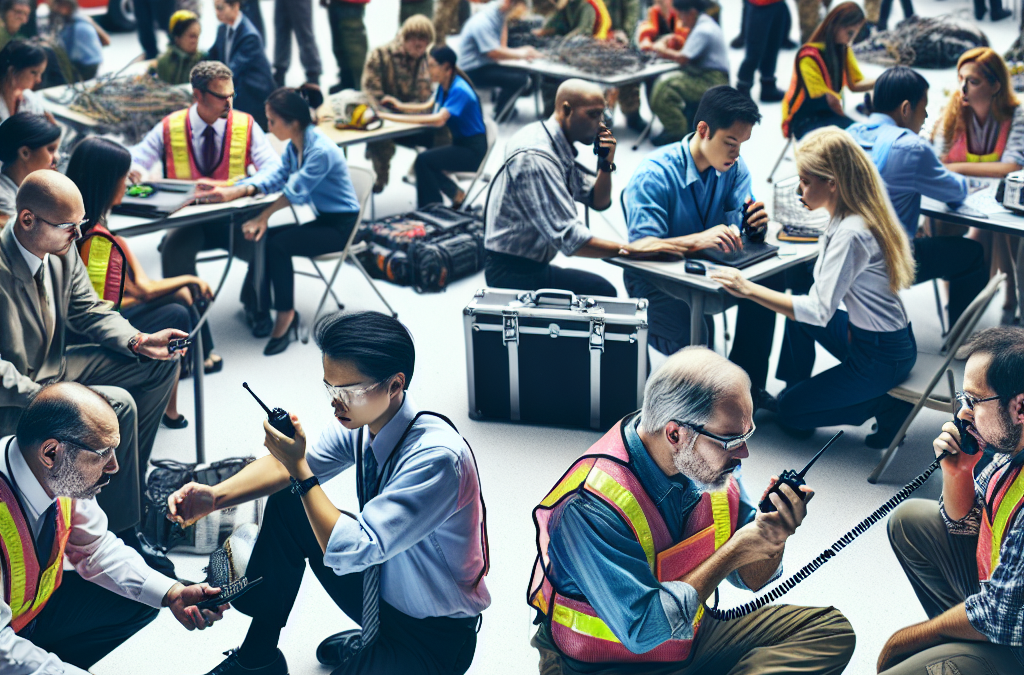
Let me tell you—when it comes to community networks, trust is the foundation. Over the years, I’ve realized that you can’t just walk into a neighborhood and expect people to rally together like it’s a blockbuster movie. It takes time to build genuine relationships. Join local gatherings, volunteer for community projects, or just hang out at your local café. When members see you caring and showing up, they become more open to connecting.
It’s not just about knowing each other by face; it’s about understanding each other’s stories. Sharing a cuppa or just shooting the breeze can bridge gaps you didn’t even know existed. These connections enhance the communal fabric, making everyone feel safer and more supported. Trust increases the likelihood that when an emergency hits, folks will check in on one another and help out—because that sense of care goes both ways.
Also, think about communication. Regular, open dialogue in person or through social media creates that trust dynamic. Whenever I’ve felt connected to my community, there’s an inherent sense of responsibility, like, “Hey, I got your back.” It’s this network of trust that can really shine through in times of crisis.
Utilizing Shared Resources
After trust, we must talk about resources. I can’t stress enough how valuable it is when community members pool knowledge and assets together. For instance, if a neighbor has a chainsaw and another has expertise in emergency medicine, that’s a killer combination. I’ve seen towns rally together, sharing everything from tools to knowledge during emergencies, and it’s awesome!
Don’t underestimate the importance of having a community emergency plan, either. We can each take stock of our talents, tools, or skills. Who’s got a truck? Who knows first aid? This kind of pooling of resources can mean the difference between chaos and calm in an emergency situation.
Hosting community meetings to explore resource sharing is a smart move too. You’d be surprised at what folks are willing to offer if they just know what’s needed. Plus, these meetings can serve as practice runs where everyone gets to rehearse their roles during hypothetical scenarios. It’s a win-win!
Emergency Response Training Together
When I think of emergency preparedness, I can’t help but think of training. Tackling possible disasters as a united front truly empowers individuals and families. Joining forces for training sessions—whether it’s first aid, CPR, or fire safety—brings people together. I remember enrolling with my neighbors for a community CPR class; it turned out to be super fun, and I made some new friends along the way!
Training together instills confidence among community members. If disaster strikes, everyone knows their role and feels competent in what they’re doing. Plus, practicing responses, like forming a buddy system or where to meet up in case of an evacuation, can save valuable time when seconds matter.
Having a plan is great, but knowing how to execute it is even better. So, get those walks in, practice some drills, and remember: every little bit helps build that resilience and spirit within your community.
Fostering Open Communication Channels
Keeping Everyone Informed
Alright, let’s dive into communication. I’ve always found that having an efficient way to exchange information is crucial—especially in emergencies. Misinformation can spread like wildfire, and that’s why keeping everyone informed should be a priority. Whether it’s through a neighborhood app or a good old-fashioned group chat, make sure there’s a platform for disseminating vital information.
Email lists, local community boards, or social media groups can help keep everyone in the loop about what’s happening, when, and where. And think about regular updates—maybe monthly neighborhood newsletters where everyone can share what’s happening and important info like evacuation routes or safety tips.
During uncertain times, the ability to speak openly about fears or updates builds that trust we talked about earlier. When folks feel included in the conversation, they’re more likely to engage and participate in emergency preparedness or response activities.
Establishing Crisis Communication Plans
A solid crisis communication plan can be your life jacket if the waters get choppy. What happens if there’s a natural disaster or a facility emergency? That’s where thinking ahead comes in handy. I’ve seen communities thrive when they draft a clear communication plan outlining how members will contact one another during crises.
This means figuring out who is responsible for what. Who’s the point of contact? Who needs to be alerted? Creating a flow chart might sound tedious, but trust me—it’s worth it. The clearer the plan, the less stress on everyone’s shoulders when the real deal hits.
Revisiting and practicing crisis communication plans also help keep everyone sharp. Each person’s role comes together, equipping them for the situation. Plus, it’s a great touchpoint to discuss any changes within the group, check-in on new members, and keep everyone feeling connected.
Leveraging Social Media and Technology
Let’s not forget about the digital frontier! Social media is an incredibly powerful tool when used correctly. Platforms like Facebook, Twitter, or community forums can serve as immediacy boosters during emergencies. I’ve noticed how quickly folks can bounce messages around to share critical updates or locate missing people.
Utilizing tech tools can enhance this too. Apps dedicated to neighborhood alerts could send out notifications, so people are informed in real time. I recently joined a local app that does just that, and it’s been a game changer in keeping information flowing during the unexpected.
And hey, older generations might not be as tech-savvy, so it’s helpful to foster an inclusive atmosphere where everyone learns together. Understanding how to use these tools makes your community stronger and better prepared!
Creating an Inclusive Community Culture
Encouraging Participation from All Members
If we truly want a robust safety net, including everyone is key. Everyone’s voice counts; I learned that the hard way. When I got involved in community planning, I realized not everyone felt comfortable speaking up. It was then I knew my job was to encourage everyone to share their insights—especially those who often stay in the background.
Starting with friendly discussions can really break down those barriers. Regular town hall meetings can not only aid in planning but also foster a welcoming space for everyone to feel part of the action. That way, we all play our part in mold-making emergency policies that fit everyone.
Creating subcommittees with diverse representation can also help bring various perspectives into play. Personally, I found it refreshing to collaborate with individuals from different backgrounds as we brainstormed ideas and plans—we ended up making a richer, more effective strategy together.
Celebrating Diversity and Inclusiveness
Next, let’s chat about diversity. Each member of the community brings unique skills and experiences to the table. That diversity is an asset in emergency preparedness! Emphasizing inclusiveness in planning meetings, events, and training is paramount. I’ve seen initiatives that not only engaged people practically but celebrated cultural differences in a vibrant way.
Consider hosting multicultural festivals or appreciation days to strengthen community bonds. In my experience, such events not only foster camaraderie but also educate members about the richness different backgrounds bring, which ultimately contributes to stronger emergency strategies.
Also, recognize that ensuring every voice is heard isn’t just about inviting participation; it’s also about valuing contributions. That culture of respect and acknowledgment encourages everyone to remain engaged and proactive in fostering an environment of safety and support.
Strengthening Community Identity
In summary, when every individual feels a sense of belonging, the community’s identity grows in strength. We’ve got to establish that there’s no “us and them.” Collaborating on projects like neighborhood gardens or cleanup days can boost that identity while making the place we all call home better too.
Encouraging folks to share their stories during community gatherings brings real relationships to the forefront. I often find it uplifting to hear how neighbors came together through random acts of kindness, and that kind of spirit generates goodwill that can last generations.
When emergencies arise, people tend to protect what they care for deeply. Establishing that kind of passion through shared identity can result in a more cohesive response when the unexpected happens!
Conclusion
At the end of the day, community networks play a crucial role in emergency preparedness. By building trust, embracing diversity, facilitating open communication, and collectively participating, we can create resilient communities ready to face whatever comes our way. The beauty of it all is not just about being prepared; it’s about creating relationships that last a lifetime.
FAQs about The Importance of Community Networks in Emergency Preparedness
1. Why is trust important in community networks?
Trust lays the groundwork for effective communication and cooperation, which are essential in emergencies. When people feel a sense of trust, they are more likely to look out for one another and share resources.
2. How can we effectively share resources in a community?
Creating lists or directories where members can indicate their skills and available tools is a great start. Regular meetings to discuss needs and resources can also foster sharing among neighbors.
3. What types of training should communities focus on?
Communities should focus on first aid, emergency response drills, and communication strategies. Training together ensures everyone knows their duties if the situation arises.
4. How can technology be leveraged in community preparedness?
Technology, such as social media and community apps, can facilitate rapid sharing of information. Setting up online groups or alert systems can help keep everyone informed in real time during crises.
5. How do I encourage participation from all community members?
Start by creating a welcoming environment where everyone feels safe to express their opinions. Encourage regular community meetings and seek to involve diverse voices in planning sessions to ensure inclusivity.
by Preparation Call Editorial Team | Jul 30, 2025 | Preparedness
Understanding Your Condition
Know Your Health Needs
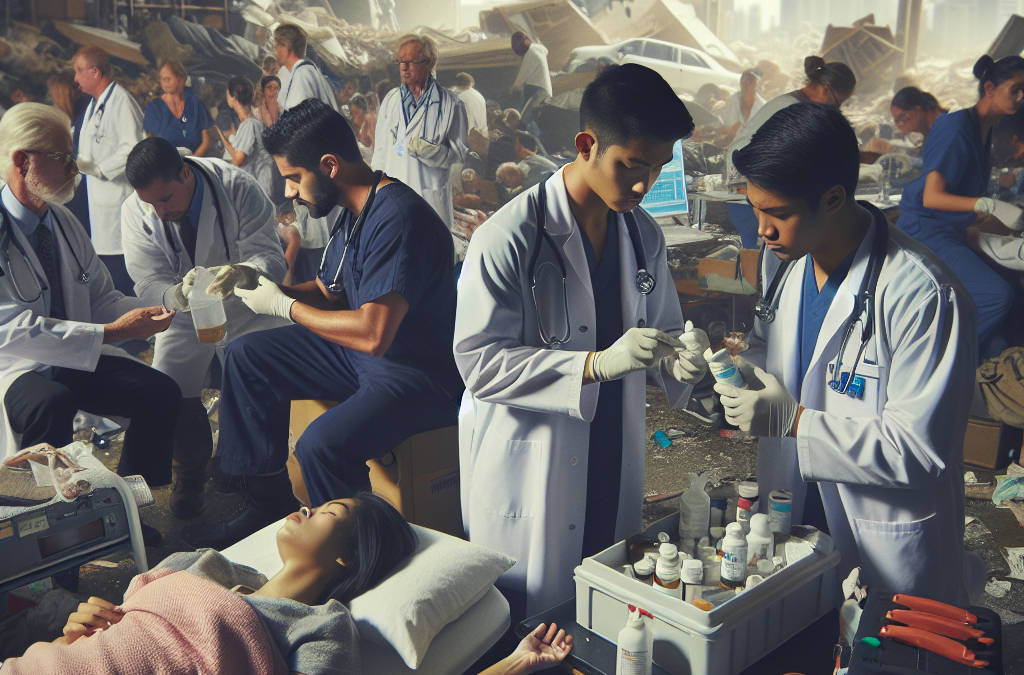
First things first, you gotta know your health needs. This means understanding what specific chronic conditions you have and how they affect you daily. Do you have diabetes, heart issues, or maybe chronic respiratory problems? Each of these conditions comes with its own set of required care and management. The better you understand your needs, the more prepared you’ll be in a disaster situation.
For example, if you have diabetes, you need to have a clear picture of your medication schedule, blood sugar monitoring needs, and dietary restrictions. Having a list of these essential factors makes it easier when you’re in a high-pressure situation where quick decisions are necessary.
Make sure to communicate your condition to your loved ones, too. They should know how to help in case you need assistance—this helps alleviate panic when things go south.
Know Your Medications
Alright, let’s talk meds. Having a grasp on what medications you’re on is super crucial during disasters. This means knowing not just the names of your meds but also their dosages and timing. Trust me, when things heat up, it’s easy to forget details like this.
One helpful tip? Keep a current list of your medications handy, ideally in your emergency kit. This list should include the names (both generic and brand, if applicable), dosages, and any potential side effects or interactions that might crop up during a crisis.
Also, if you’re reliant on specific medications, it’s a good idea to have a backup supply. During disasters, access to pharmacies might be limited, and running out of essential meds can turn a bad situation into a dire one.
Regular Health Assessments
Regular check-ups can’t be overstated. I’m a firm believer in proactive health management. If you’re routinely seeing your doctor for assessments, you’ll be in a better state to handle unexpected situations. Those visits can uncover potential complications before they blow up into major issues, especially during a disaster.
Keep detailed records of your health history and any recent lab results. This info can be invaluable if you need to seek help from a new doctor or clinic during a crisis. Knowing your baseline health can also assist healthcare providers in making quick decisions about your care.
Don’t forget, keep your vaccinations up to date, too! In times of crisis, we often see a spike in disease outbreaks, and being protected can help alleviate extra stress on your system.
Creating an Emergency Action Plan
Develop Your Plan
When it comes to real-life emergencies, having a solid game plan is all you need. I can’t stress this enough! Get together with your family or caregivers to create an emergency action plan. This plan should outline what to do in different scenarios, including natural disasters or health crises.
Don’t just talk about it; write it down! List out each member’s responsibilities, and be sure to include your health requirements. If you know how to get to safety, it’ll lessen the panic when the situation hits the fan. Plus, everyone feels more secure knowing their role during this chaotic time.
Keep this plan somewhere accessible—like on the fridge or saved on your phone. Trust me, this could save you a ton of stress later on.
Identify Safe Locations
Next, think about where you can go during a disaster. You wanna identify safe locations ahead of time. This might mean local shelters, friend’s houses, or even hospitals. Having a few options locks in that extra layer of peace when you know where to go.
Discuss these locations with your family or caregivers and ensure you’re all on the same page. Make sure they’re aware of your specific needs and how they can best support you in those places. It’s all about teamwork.
Make a map of your area marking these locations, and place it along with your emergency kit. It’s one less thing to think about when you’re in a pinch.
Communicate Your Plan
Once you’ve got a plan, communication is key. Make sure that your healthcare providers, family, and close friends are all aware of your plan for emergencies. Explain your chronic condition specifics and what they need to know about your care during these situations.
Consider putting together a contact list that’s easy to access. This list should have important phone numbers, medical information, and any other resources you might need in a disaster. Keeping this on your phone and printed out in your emergency kit can help everyone stay informed.
Practice makes perfect—go over your plan with everyone, and consider doing a trial run if you can. This helps everyone feel more comfortable and confident in an emergency.
Assembling an Emergency Kit
Gather Essential Supplies
Okay, this is where it gets practical: an emergency kit. You absolutely need to build one that caters to your specific health needs. Start by gathering essential supplies like medications, first-aid needs, and items to manage your chronic condition effectively.
Don’t forget things like extra batteries for medical devices, water, and nutritious snacks that align with your dietary needs. Seriously, it’s a simple way to keep yourself healthy even when the whole world seems chaotic.
Organize everything in a kit or bag that you can easily grab on your way out. That way, you aren’t scrambling last minute to gather supplies when every second counts.
Include Important Documents
Now, let’s talk about documents. In a disaster, you might need to prove your identity and health condition quickly. So, make copies of important paperwork like insurance info, medical records, prescriptions, and even identification. I suggest putting these in a waterproof container in your kit.
Keeping everything in one place helps streamline the process if you need emergency care. Plus, it saves you from the headache of trying to remember what you had to bring after the fact.
Don’t forget about including your emergency contact list with all necessary phone numbers and addresses. It may seem unnecessary, but trust me, it’s a lifesaver in crisis situations.
Regularly Update Your Kit
Your needs can change, and so can your medication prescriptions, so regularly updating your emergency kit is a must. I recommend checking your kit every few months to make sure everything is current and in good condition.
Also, watch for expiration dates on medications and snacks. If any items are nearing their expiration, replace them! This little routine will keep your kit in tip-top shape and ready for action when you need it.
Engaging your family in this process helps make it a collective responsibility, ensuring that everyone in the household is prepared and can contribute to keeping the kit updated.
Staying Informed
Know the Risks in Your Area
It’s super important to know the types of disasters that commonly occur in your area. Is it hurricanes, floods, wildfires, or something else? Understanding these risks will help you prepare more effectively.
I suggest signing up for local alerts and notifications. Local agencies often provide real-time updates on weather crises and disaster management. Staying informed can make a world of difference in how you handle unexpected situations.
Having a good grasp of these risks also allows you to devise specific strategies to cope and adapt based on what you might face. This level of understanding gives you confidence and encourages better preparedness.
Follow Trusted Sources
In today’s world, information is everywhere, but you need to filter it and follow trusted sources. Look at your local government’s official channels, health department updates, and high-quality news outlets for accurate information.
Having reliable information can influence your decisions during a crisis. It helps you discern what’s urgent and what can wait. And let’s be real, it saves you from the stress of misinformation that’s rampant during emergencies.
Share this reliable information with friends and family. Having clear and trustworthy knowledge helps keep everyone safe and informed, making for a smoother approach when facing a disaster.
Stay Connected with Your Healthcare Provider
Last but not least, stay connected with your healthcare provider. In times of crisis, don’t hesitate to reach out for guidance and support. Many healthcare facilities offer telehealth services, which can be a lifesaver when in-person visits may be risky or infeasible.
Engaging with your provider not only keeps your health on track but also gives you access to potentially life-saving advice tailored to your specific needs during emergencies.
In addition, be proactive with any follow-up appointments you might have. Keeping lines of communication open can be the key to effectively managing your chronic condition, even amid disasters.
Frequently Asked Questions (FAQ)
What should be included in an emergency kit for chronic health conditions?
Your emergency kit should include medications, medical devices, a first-aid kit, and any specific items required for your condition. Don’t forget important documents and a contact list.
How can I communicate my medical needs during a disaster?
Prepare a concise summary of your medical needs and include it in your emergency kit. Share this information with family members, friends, and caregivers to ensure they’re well-informed during a crisis.
Why is it important to have a backup supply of medications?
A backup supply ensures you don’t run out of essential medications during a disaster when access to pharmacies may be limited. It provides peace of mind knowing you can maintain your health when situations become unpredictable.
What can I do if I can’t reach my doctor during an emergency?
If you can’t reach your doctor, look for alternative healthcare services, like urgent care or telehealth, to receive guidance. Ensure you have a list of your medications and health history handy for any healthcare provider you consult.
How often should I update my emergency kit?
It’s wise to review and update your emergency kit every three to six months. Regular checks ensure that medications are not expired and that supplies are still relevant to your current health needs.
by Preparation Call Editorial Team | Jul 30, 2025 | Preparedness
Essential Tools for Roadside Assistance
Jumper Cables
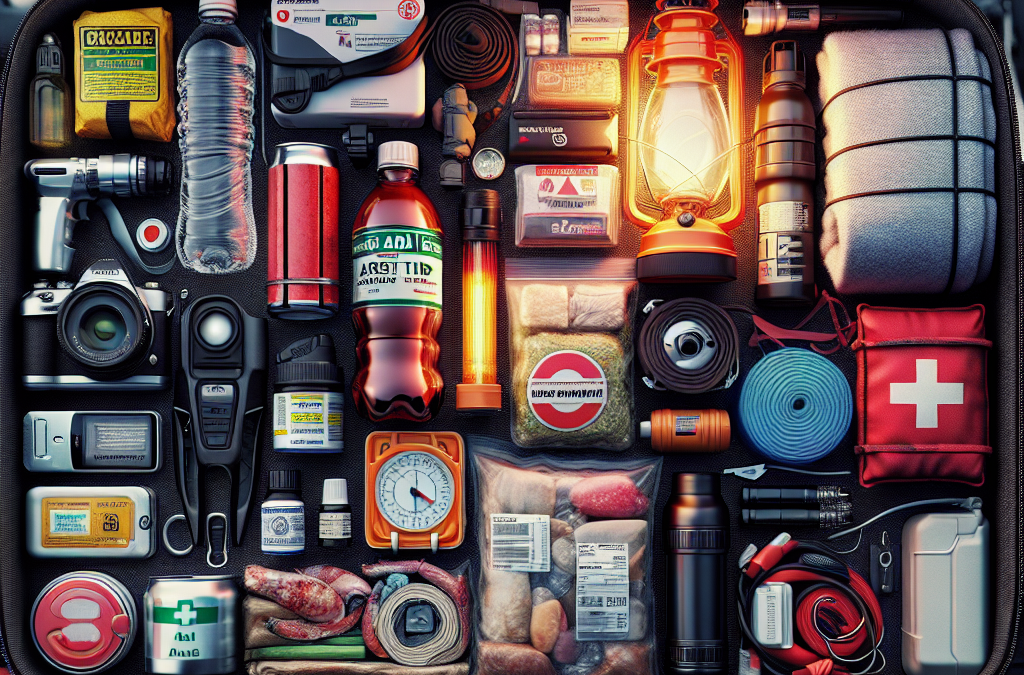
One of the most crucial items I’ve found in my car emergency kit is a good set of jumper cables. There’s nothing like the sinking feeling of getting into your car and realizing the battery is dead. Trust me, your day can go from bad to okay with just a quick jump start. Make sure you get cables that are long enough to reach across cars—nothing is worse than realizing they’re too short when you need them the most.
When picking out jumper cables, aim for a gauge of 6 or lower, which indicates they can handle a stronger current. The last thing you want in an emergency is a weak set of cables that can’t get the job done. I personally prefer cables that come with detailed instructions, just in case you need a refresher on how to jump a car.
Also, don’t forget to check them regularly for wear and tear. Just because they’re in your kit doesn’t mean they’ll work perfectly! If they look frayed or damaged, it might be time for an upgrade.
First Aid Kit
You’d be surprised how many people overlook packing a first aid kit for their car. I mean, you never know when a small accident could happen—a paper cut, a bug bite, or a blister from a long road trip. Having a basic first aid kit can really ease those little annoyances. Look for a kit that includes adhesive bandages, antiseptic wipes, and gauze.
If you’re like me and enjoy outdoor adventures, consider adding some extras like tweezers for splinters and even a cold pack for unexpected bumps and bruises. It’s super handy when you’re miles away from the nearest pharmacy.
And remember, just packing the kit isn’t enough! Make it a habit to check the contents regularly and replace any items that get used or expire. You don’t want to be in a bind, only to find your antiseptic is outdated.
Flashlight and Extra Batteries
A flashlight is another must-have in any car emergency kit. Picture this: it’s dark, you’re on the side of the road, and you need to see what’s going on. A flashlight can not only light your way but also signal for help if needed. I like to have a sturdy, rechargeable flashlight—those little mini ones just won’t cut it for serious situations.
Don’t just throw the flashlight in there though; make sure you also have extra batteries. It’s always a good idea to pack them in a waterproof bag, just in case. Check the flashlight every few months to ensure it still works and that your batteries aren’t leaking.
Plus, a simple headlamp can work wonders too—hands-free light while you dig through your trunk or attempt to change a tire? Yes, please! It’s one of those small gadgets that might just save the day.
Emergency Supplies You Can’t Ignore
Water and Non-Perishable Snacks
When I hit the road, I always make sure to pack extra water and some non-perishable snacks in my emergency kit. You’d be amazed at how dehydrated and hungry you can get if something goes awry and you’re stuck waiting for help. A couple of bottles of water should suffice, along with snacks like granola bars or nuts that can keep for a while without spoiling.
Pro tip: Look for snacks that are energy-dense but light, so you’re not lugging around a ton of heavy items. I love having a mix of protein and carbs to really keep my energy up if needed. A small stash can really make a difference.
Make sure to check the expiration dates on your food items regularly! You may think it’ll last forever, but you might be surprised by what can go stale or bad. Rotate your supplies just like you’d do in your pantry.
Blankets and Warm Clothing
Weather can be unpredictable, and trust me, getting stuck in the cold can be beyond uncomfortable. I always pack a couple of warm blankets in my trunk along with an extra set of warm clothing. Even in summer, it can sometimes turn chilly at night, especially if you’re in a remote area.
Make sure those blankets are not just lightweight fleece, but also something that can keep the heat in. My go-to is a thicker emergency survival blanket that’s compact and reflective—it’s cheap and incredibly effective.
And don’t forget a beanie and gloves! It’s often easy to overlook these small items until the moment you genuinely need them. Being prepared for temperature drops is one of those simple things that can really keep your spirits high in a frustrating situation.
Road Flares or Reflective Triangles
If you’ve ever seen an accident scene, you’ll know how important visibility is in emergency situations. A set of road flares or reflective triangles is vital for alerting other drivers of your presence if you’re stuck. I make sure to have a couple of flares on hand; they’re effective and straightforward to use.
Reflective triangles are a nice touch too, especially if you prefer something reusable. Just set them up behind your car, and they’ll help prevent any further accidents by letting drivers know you’re in distress. You could even make it a habit to practice setting these up in your driveway; it’s just one of those things that can feel a bit challenging when you’re nervous.
And let’s be real, we all appreciate anything that can make a tough situation a little less daunting. Both of these items will give you and any onlookers peace of mind while waiting for help to arrive.
Staying Informed: Emergency Contacts and Resources
List of Important Contacts
This might sound basic, but having a list of important contacts saved in your car can be a lifesaver. I keep a little laminated card with numbers for family, friends, and even my roadside assistance service. In an emergency, you might forget phone numbers, even those of your closest relatives!
Along with personal contacts, consider jotting down local emergency services numbers, too. You never know when you may need them. And if you have kids, pack a special list that includes a trusted neighbor’s number as well—it’s just good thinking.
Stash that list somewhere safe and easily accessible, like in your glove compartment, so you’re not fumbling around when stress hits. Sometimes it’s perfect to cover your bases, and this is one of those times.
Emergency Roadside Assistance
Having a roadside assistance plan is like having a good friend you can call when things go sideways! I highly recommend signing up for one if you haven’t already. There’s always peace of mind knowing you can call for help if your car breaks down, or you’re dealing with a flat tire.
Before hitting the road, be sure to have your membership information on hand, either in your phone or in your emergency kit. That way, you’re ready to make that call without scrambling through your paperwork. Trust me, organization counts when the nerves kick in!
Plus, in most cases, these services offer more than just towing. They often provide help with lockouts and running out of fuel as well, so having that membership can cover multiple bases. You never know what might happen, and it’s better to be prepared.
Emergency Apps for Your Phone
In this tech-savvy world we live in, utilizing your smartphone to stay informed during emergencies is on the table. I downloaded a few emergency apps that provide everything from car trouble assistance to navigation for the quickest routes when you’re stranded. It takes some of the stress away, knowing I can track my family’s location or get quick access to help.
Look for apps that provide real-time updates on things like weather conditions, traffic alerts, and emergency contact options. Some apps even allow you to store all your important information securely so you won’t lose it if your phone dies.
Just remember to keep your phone charged! That little battery icon becomes all too real when you’re in a tough spot, so occasionally check up on your charging habits before heading out on any adventures.
Frequently Asked Questions
What should I prioritize in my car emergency kit?
The top priorities should include jumper cables, a first aid kit, water, snacks, and a flashlight. Beyond these essentials, think about your personal needs and habits to customize your kit even further.
How often should I check my emergency kit?
I recommend checking your emergency kit at least twice a year. Make sure everything is in order, and replace any items that are expired or used. It’s a good habit to get into!
What snacks are best for an emergency kit?
Energy-dense non-perishable snacks are ideal! Look for items like granola bars, trail mix, or jerky. They provide quick energy and can last quite a while without spoiling.
Can I include personal medications in my emergency kit?
Absolutely! If you have medications that you need on hand, consider adding a supply to your car kit. Just remember to keep them in a safe, temperature-regulated spot to avoid any degradation or damage.
Is it necessary to have roadside assistance, or can I rely on my emergency kit?
While having a well-stocked emergency kit is super important, roadside assistance helps when the situation is too challenging to handle alone, like a major breakdown or if you lock your keys inside your vehicle.






