by Preparation Call Editorial Team | Jul 31, 2025 | Preparedness
Understanding Fire Hazards
Types of Fires
When I first started learning about fire safety, I didn’t realize there were different types of fires. Of course, I knew about destructive house fires, but did you know that there are actually five classes of fire? Each type has a different cause and requires a specific method of extinguishment. It’s pretty fascinating!
For instance, Class A fires involve ordinary combustible materials like wood, paper, or cloth. These are your standard household fires. Class B fires are fueled by flammable liquids such as gasoline and oil, which are a little trickier because you can’t just throw water on them. Similarly, Class C fires involve electrical equipment and require a different approach.
Understanding these distinctions can save your life. Each fire class needs a specific approach for prevention and extinguishment, which is essential to know when preparing for potential emergencies.
Identifying Risks in Your Environment
Now that you know the types of fires, it’s time to identify risks around your home or workplace. I like to walk around my house with a critical eye. Are there any overloaded power cords? Flammable materials stored too close to heat sources? This is where your detective skills come into play!
Keep a notebook and jot down any potential hazards you find. Once you have this list, prioritize what needs to be addressed immediately. It could be as simple as relocating a can of paint or getting rid of that old rag stuffed in the corner of the garage.
Regularly reviewing your environment means you’ll stay ahead of the game. Making fire safety a part of your routine can go a long way in preventing emergencies before they happen.
Fire Safety Equipment
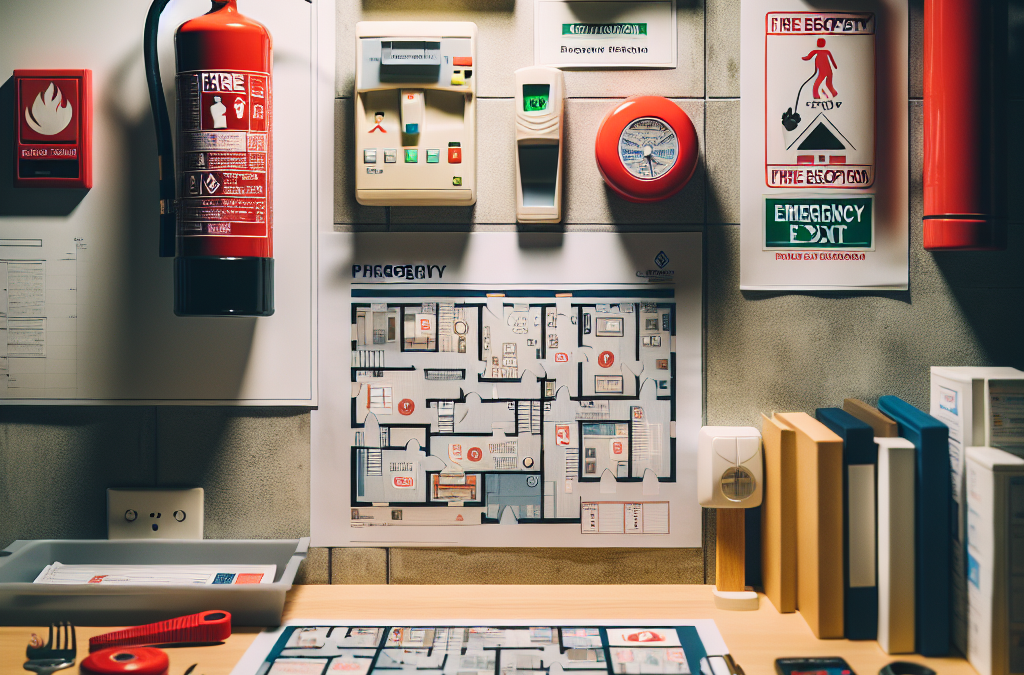
Ever heard the saying “better safe than sorry”? Well, when it comes to fire safety equipment, this couldn’t be more true. I always make sure I have the essentials around. A good fire extinguisher is like having a trusty sidekick at home. Just be sure it’s rated for the types of fires you might encounter!
Another vital piece of equipment is smoke alarms. I can’t stress enough how crucial these are. Place them in every sleeping area and check the batteries at least twice a year. You can never be too careful, and these devices are your first line of defense.
And let’s not forget about fire blankets! These can smother small fires before they spiral out of control. They also can be a lifesaver if someone’s clothing catches fire. Don’t wait for a fire to happen to think about these essentials—be proactive!
Creating an Emergency Plan
Developing a Fire Escape Plan
One of the most empowering things I’ve done is create a fire escape plan for my home. It’s not just for the kids or elderly members—everyone needs to know what to do in case of a fire. I suggest gathering everyone together to draw out an escape route. Make sure there are at least two ways to exit every room.
Rehearsing this plan is critical. We practice it every six months, and it’s essential to teach kids to stay low and crawl under smoke! Practicing can really help calm nerves in a real emergency.
Don’t forget to choose a meeting spot outside where everyone can gather after evacuating. This way, you’ll know if everyone made it out safely and can focus on calling for help.
Staying Informed
In today’s world, staying informed is more important than ever. Local authorities often share information about fire risks, and staying in the loop can help us all stay safe. I check out local fire department websites or social media pages to get updates on fire safety tips.
Sometimes, they host community events or training sessions on fire safety, which are invaluable. It’s a neat way to meet neighbors while learning something crucial.
And never underestimate the power of a good ol’ community chat! Talking with friends and family to share experiences or tips can strengthen your preparedness when it comes to fire safety.
Educating Others
After learning so much about fire safety, I felt the urge to share this knowledge with my friends and family. Education is one of the best forms of prevention. I often hold informal gatherings where we talk about safety practices over snacks—who says it can’t be fun?
Teaching kids about fire safety is especially important. I’ve found fun ways to engage them in learning, like games or simple demonstrations. The more they understand, the better prepared they’ll be.
Being an advocate for fire safety can create a ripple effect. Encourage your friends to have conversations at their homes, and watch the community become more aware and prepared.
Regular Maintenance and Safety Checks
Inspecting Equipment Regularly
Just like your car needs regular maintenance, so does your fire safety equipment. I can’t tell you how many times I’ve heard of extinguishers failing because people forgot to check them. Mark your calendar for routine checks—a little planning can help you avoid big headaches later!
Make it a habit to inspect smoke alarms, extinguishers, and other equipment at least once a month. You’d be surprised how easy it is to overlook the little details like changing batteries or checking expiration dates.
Taking a few minutes each month can give you peace of mind knowing that if a fire were to break out, you’re ready to handle it and have the functioning tools on hand.
Reviewing Your Fire Plan
Your fire escape plan is your roadmap to safety. But just like any good plan, it needs to be updated as life changes. Living situations, new family members, and renovations all warrant a good review of your escape plan. I go through mine every year; it’s like spring cleaning but for safety!
We chat about any new potential hazards that might have popped up and adjust our plan accordingly. Has a new room been added to the home? Do we need to identify a new exit route? Keeping these discussions ongoing ensures everyone remains informed and prepared.
Remember to include pets in your plan, too! Preparing for their safety can be just as crucial as our own, so think about ways to keep them out of harm’s way during an emergency.
Community Involvement
Being part of your community doesn’t stop at knowing your neighbors; it extends to fire safety, too! Get involved with local fire safety organizations. Many times, they conduct drills and have resources available for families.
Volunteering is not only rewarding but also a great way to learn more about fire prevention directly from the pros! These folks have vast experience and understanding of fire safety, and it can be super beneficial to soak in that knowledge.
And hey, consider hosting a fire safety workshop in your area—my friends and I organized one last year, and it was a hit! Knowledge is power, and the more we spread it, the safer our communities become.
Frequently Asked Questions
What types of fires should I be prepared for in my home?
It’s important to understand the five classes of fires: A (ordinary combustibles), B (flammable liquids), C (electrical), D (metals), and K (cooking oils and fats). Understanding these will help you prepare specifically for your home environment.
How often should I check my smoke alarms?
You should check your smoke alarms at least once a month and replace the batteries twice a year. Consistent checks ensure that they are working properly and ready for any unexpected fire incidents.
What should I include in my fire escape plan?
Your fire escape plan should include two exits per room, a designated meeting place outside, and safety routes to escape. Involving everyone in discussions and walkthroughs can help make the plan second nature for all family members!
How can I engage my kids in learning about fire safety?
Get creative! Use games, storytelling, or role-play to make fire safety engaging. Teaching them about the importance of staying low to the ground and practicing the escape plan together can make it fun and educational.
Why is community involvement important for fire safety?
Community involvement creates a supportive network where people share knowledge and resources. Engaging with local fire departments or safety organizations can also provide essential training, heightening preparedness for everyone.
by Preparation Call Editorial Team | Jul 31, 2025 | Preparedness
Creating a Solid Emergency Kit
Gathering Essential Supplies
When it comes to putting together an emergency kit, it’s all about the essentials. I remember when I started my own kit, it felt overwhelming at first. But, I learned that it’s all about having the right items that could really make a difference during a crisis. Basic things like water, non-perishable food, and first-aid supplies are crucial. Start with a checklist and make sure you don’t forget anything important!
You don’t have to buy everything brand new, either. You can often find items around the house or at thrift stores. I found a good flashlight in my garage—I just needed to buy fresh batteries. Getting creative with what you already have is not only budget-friendly but also quite satisfying.
Lastly, consider the size of your family when putting together your kit. You’ll want to ensure it can last for everyone, especially if you live in a more rural area. Customizing your kit to your specific needs will help keep costs down while being well-prepared.
Storing Your Supplies Wisely
Once you’ve gathered your supplies, the next crucial step is finding the right storage solution. Rather than buying expensive containers, I’ve repurposed old bins and shelves from around my home. It’s really about being resourceful and sensible with your space while keeping things organized and easy to access.
Labeling isn’t just for organization, it’s a lifesaver during emergencies. I labeled my bins according to their contents and it has saved me so much time when I need to grab something quickly. Remember, in a high-pressure situation, you’ll appreciate having everything at your fingertips.
Also, regularly check your kit to ensure everything is in working order. I set a reminder to do this every six months, and trust me, it gets easier with time! This not only keeps supplies fresh but guarantees that nothing questionable sneaks in.
Maintaining Your Kit on a Budget
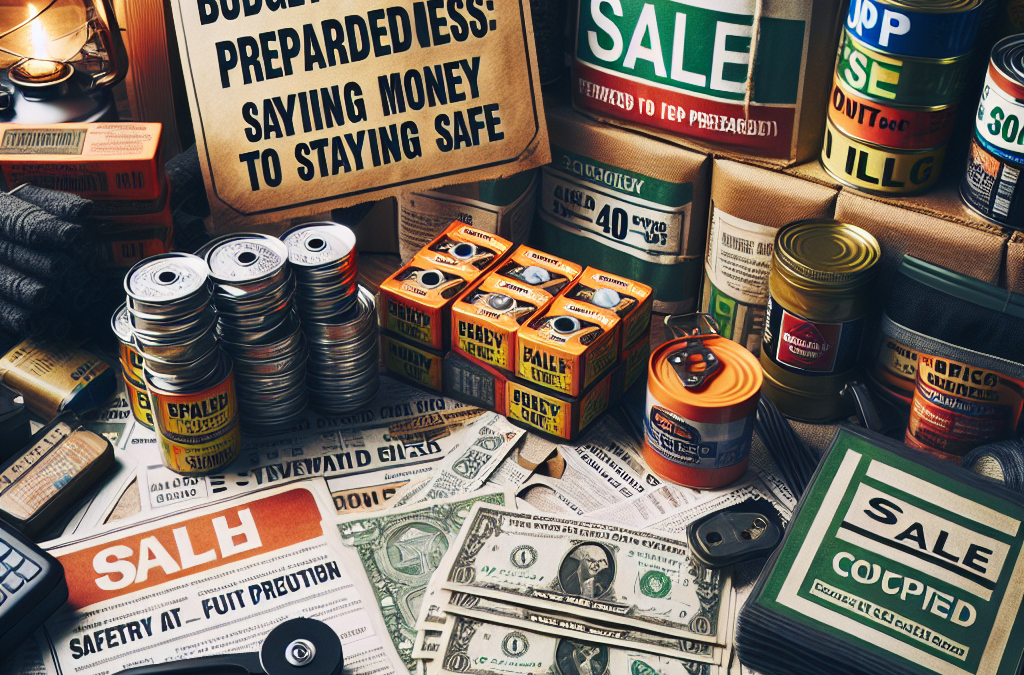
One of the best tips I’ve learned is to keep a close eye on sales and bulk prices throughout the year. When canned goods go on sale, load up! It’s an easy and budget-friendly way to ensure you have enough supplies without breaking the bank.
Don’t forget to use coupons! It may seem old-fashioned, but I have snagged some excellent deals just by taking the time to look for discounts. Combine that with weekly sales, and you’ll likely save a bundle next time you stock up.
Ultimately, connect with friends or neighbors to pool resources. Maybe you can share bulk purchases or trade items. I’ve found that working together not only helps keep everyone prepared but also adds a fun community aspect to the whole process!
Planning for Communication During Emergencies
Establishing Communication Plans
Creating a communication plan was one of the first things I did after setting up my kit. It’s crucial to have a clear understanding of how my family would reach each other during an emergency. We designated a meeting spot and agreed on contacts we would check in with.
I used to think this was just common sense, but I realized how often people overlook this vital detail. Write down all necessary contact info and keep a copy in your emergency kit. This simple step could save you a lot of stress later!
Make sure everyone is on the same page: practice your plan together. This initiative kept my family informed and ready. The more comfortable you become with your plan, the better prepared you will be in a real crisis.
Utilizing Technology
These days, there are tons of apps designed for emergency preparedness. My favorite one sends alerts based on my location for severe weather warnings! It’s free, and it helps me stay informed without any extra hassle.
However, I’ve also made non-digital plans just in case the worst happens—like power outages or losing service. Making physical note cards with critical information and keeping them with my emergency kit has been a lifesaver a few times!
Technology may fail us, but having multiple ways to communicate keeps me feeling secure. Being proactive is key in maintaining peace of mind, especially when unexpected situations arise.
Staying Informed and Up-to-Date
Knowledge truly is power. I stayed in touch with local news stations and weather updates to understand what possible risks I may face in my area. This habit keeps me prepared without spending a dime.
I also recommend following social media accounts from local emergency agencies. They’re great for finding the latest safety tips and alerts in real-time. I love that it keeps my community connected and informed.
Ongoing learning about preparedness techniques is vital. I frequently attend community workshops (many are free!) that provide insights into how we can be more prepared while staying budget-friendly. Don’t underestimate the power of shared knowledge!
Food Security Tips
Growing Your Own Food
One of the best things I’ve done for preparedness and my wallet is starting a small vegetable garden. Even just a few herbs can make a world of difference. It’s really satisfying to grow your own food while saving money on groceries!
You don’t need a big backyard, either. If space is tight, I’ve seen successful container gardens on balconies and porches. Consider what you use most often in your cooking, and start there!
Not only does gardening help with food security, but it’s also an excellent way to connect with nature. It has helped me unwind and appreciate my surroundings much more. Give it a shot, and you may find it’s not just cost-effective but also therapeutic.
Using Preserved Foods
Learning to preserve food has been an invaluable addition to my preparedness routine. I’ve tried canning and dehydrating, which helped stretch our food supply significantly. On top of that, it opens the door to trying new recipes!
When you take advantage of in-season produce, you can save a ton while stocking up for the future. I like to visit local farmers’ markets, where I typically find great deals on bulk items to preserve. Getting to know local farmers has been a bonus; they often share tasty tips!
Preserved foods last a long time, giving us peace of mind knowing we can rely on them in tough times. I feel like I’m also giving a little back by supporting local agriculture, and finding joy in the process itself!
Budgeting for Food Needs
A key element of budgeting for food preparedness is keeping track of what you spend. I started utilizing simple spreadsheets to organize my purchases and pinpoint areas where I could cut back. It feels empowering to watch my savings grow!
Utilizing a meal-planning strategy has been transformative. I now plan meals around sales and what I have stockpiled, which helps eliminate waste and saves money. It’s like a game, figuring out how to create delicious meals that fit my budget!
Regularly reassessing your needs and planning accordingly is crucial. This allows you to stay under budget while stocking up on essentials. I’ve learned that preparedness doesn’t have to be an expensive endeavor; it really just requires time and creativity.
Understanding Local Resources
Identifying Community Support Services
One of the first things I did was research the support services in my community. Local organizations often have resources available for emergency preparedness, including training and assistance.
Don’t hesitate to reach out and ask questions. I found that local fire departments provide free classes on preparedness and safety. Getting educated has not only helped me save money but expanded my network.
These resources are usually underutilized, so don’t wait until an emergency arises to understand what’s available to you. Getting involved now is great for building a relationship with your community!
Joining Local Preparedness Groups
Thanks to social media, I found a group of like-minded folks interested in preparedness right in my area. It’s amazing how much we can learn from each other’s experiences, and often, these communities are incredibly supportive.
Being part of a group helps me stay motivated and accountable. We come together for training sessions, share resources, and brainstorm new ideas on how to be better prepared. More brains are always better than one!
Plus, it’s heartwarming to become part of a tight-knit community that genuinely cares for one another’s safety. I’ve made several friendships through these gatherings, and it’s incredible how shared knowledge can enhance our collective security.
Volunteering and Giving Back
Lastly, I’ve learned that helping out in the community fosters a spirit of preparedness. Volunteering with local disaster relief organizations not only bolsters my skills but also strengthens connections with my neighbors.
This experience has opened my eyes to the challenges many face in emergency situations. Giving back not only helps others but has enriched my understanding of how to be a better-prepared individual. It’s a win-win!
Being part of something bigger than myself has been rewarding, reminding me that we are all in this together. I always encourage my friends to get involved—it can truly make a monumental difference.
FAQs About Budget-Friendly Preparedness
1. What items are essential for an emergency kit?
Essential items include water, non-perishable food, a first-aid kit, flashlight, batteries, and any necessary medications. It’s also good to include important documents and comfort items, especially for children.
2. How can I save money while preparing my emergency kit?
Start by gathering supplies you already have at home or buy from discount stores. Watch for sales and use coupons for bulk purchases. You can also swap items with friends or family to save more.
3. What should I consider when creating communication plans?
Establish clear contacts and meeting places for your family. Keep a copy of contact information in your kit and practice regularly to ensure everyone knows the plan and feels confident.
4. How can I grow my own food on a budget?
Start small with herbs or easy-to-grow vegetables. Use containers if you lack outdoor space, repurpose items you already have, and consider joining community gardening efforts to share resources.
5. Why is community involvement important for preparedness?
Being part of community groups helps share resources, learn from one another, and foster teamwork during emergencies. It builds stronger connections and enhances the overall security of everyone involved.
by Preparation Call Editorial Team | Jul 31, 2025 | Preparedness
Stay Connected with Loved Ones
Make Regular Calls and Video Chats
One of the best ways I manage my anxiety is by keeping in touch with friends and family. Regular calls or even video chats can be a game-changer. It’s so easy to feel isolated during stressful times. Just picking up the phone can brighten my day. I’ve found that seeing familiar faces—even through a screen—provides some sort of comfort that makes the uncertainty feel a tad more manageable.
During one particularly anxious week, I set up a weekly video hangout with a group of friends. We played games, shared stories, and honestly just laughed at how life was throwing curveballs at us. It’s incredible what a little connection can do to lift your mood. You realize you’re not alone in these feelings, and that can be a relief.
So, don’t wait around! Schedule those calls or get a group together for a virtual hangout. Life gets hectic, but if you prioritize these moments of connection, you’ll start to notice a shift in your perspective. It’s a little reminder that there are people who care, even amidst the chaos.
Join Group Activities
When times get tough, it’s easy to retreat into our shells. For me, joining a group activity was a fantastic step forward. Whether it’s a book club, yoga class, or even an online forum, engaging with others who share similar interests can ease the sense of anxiety. I attended an online cooking class once, and it wasn’t just about making new recipes; it was about the camaraderie that came with it!
Think about what you love to do. There are communities for everything these days! Meeting people who share your interests helps to create bonds and can often lead to lasting friendships. Plus, it distracts from whatever might have you feeling anxious. Every time I fire up that group chat after our meet-up, I feel a rush of joy.
So, jump into an activity that speaks to you! The beautiful part is that you’ll not only be learning something new, but you’ll also be forming connections that could help you through these uncertain times. And who knows? You might even find a new lifelong friend along the way!
Share Your Feelings
I can’t tell you how empowering it is to just speak openly about what’s weighing on your mind. Talking to someone, whether it’s a friend or a professional, really helps lift that heavy cloud of anxiety. I remember one day I decided to share my fears with a close friend. It felt risky at first, but once I did, it was like a weight had been lifted.
Sharing doesn’t mean you have to spill every detail, but just expressing how you feel can provide a sense of relief. It lets you know that others are there for you. Sometimes they might even relate and share their experiences, making it feel like we’re not alone—like we’re all in this together. What a comforting thought, right?
And if you need more support, seeking out a therapist can be a transformative step. I’ve done this personally, and that safe space to talk about my feelings has been priceless. It’s okay to ask for help. Everyone has their struggles, and finding someone who listens with compassion can make all the difference.
Establish a Routine
Set Daily Goals
Having a routine has always anchored me, especially when everything else feels unpredictable. Each night, I jot down three things I want to achieve the next day. It could be as simple as going for a walk, reading a book, or tackling a work project. These small, achievable goals give me a clear direction and a sense of purpose, even on tough days.
Sometimes, having a well-defined structure helps stave off those anxious feelings that come from feeling lost. There’s something satisfying about crossing things off my list. It’s like a little victory every time! Plus, it steers my mind away from worrying about what’s outside my control.
So, give it a try! Start small, and see how setting daily goals grounds you. You might be surprised by how much better you feel watching your accomplishments build up day by day. Routines may seem mundane, but they can also bring a sense of joy and control back into your life.
Practice Mindfulness
If you haven’t tried mindfulness yet, I can’t recommend it enough. It has been a total game changer for me. Taking time each day to meditate or practice deep breathing exercises calms my racing mind. When facing uncertainty, I find being present in the moment to be a lifesaver.
Mindfulness teaches us to acknowledge our feelings without judgment, and that alone can ease anxiety. I often use apps for guided meditation, and that really helps me focus. Plus, you only need a few minutes to start seeing the benefits. Just breathe, focus on your breath, and allow your thoughts to come and go.
So, carve out a little “me” time daily. Whether it’s meditating, taking a nature walk, or simply sipping tea in silence, give yourself the opportunity to recharge. It’s like hitting a reset button for my brain, and boy, does it feel good!
Create a Supportive Environment
My environment plays a massive role in how I feel. When I’ve got clutter and chaos around me, my mind tends to spiral with anxiety. Making my space cozy and uplifting helps shift my energy in a positive way. I prioritize decluttering and decorating to create an environment that feels safe and calming.
Adding plants, soft lighting, or a favorite blanket can make a space feel warm and inviting. I set up a little corner of my home just for relaxation—a comfy chair, some books, and a candle. Whenever I sit down there, it’s like my own mini sanctuary. It reminds me to take a breath and simply be.
So, take a moment to assess your space. Are there changes you could make to foster positivity? Creating a supportive environment can be incredibly soothing during troubled times.
Limit Media Exposure
Choose What You Consume
In today’s world, we are bombarded with news 24/7, and honestly, it can be overwhelming. I’ve learned the hard way that constantly checking the news only fuels my anxiety. Now, I consciously limit my media consumption. I designate specific times to check in and then step away.
Remember, not all news is beneficial. Sometimes, it’s just the same stories cycling through, adding stress without any solution. Instead, I focus on positive or inspiring stories. These not only uplift my spirit but provide a sense of hope during uncertain times.
So, make the decision for yourself! Choose the news outlets and content that resonates with a positive vibe. It’s up to you to protect your mental space. You deserve to consume content that nourishes your spirit, not weighs it down!
Set Boundaries
This was a tough lesson for me, but setting boundaries with media has been crucial. It’s okay to say no to conversations that dive deep into negativity. Surrounding myself with optimistic, hopeful people has been a game changer. I’ve started to gauge who lifts me up versus who drags me down.
I’ve also talked openly with friends about avoiding heavy topics. Creating that bubble of positivity feels freeing! Setting clear boundaries allows me to manage my emotional health better and reduce that feeling of being overwhelmed.
So, chat with your friends about establishing some boundaries. It can help as a group to recognize what might be triggering and support one another in maintaining a more positive atmosphere. Your mental health is too valuable to compromise!
Engage in Positive Activities
Finding ways to engage in uplifting activities has played a huge role in combating anxiety. Whether it’s picking up a hobby, watching feel-good movies, or volunteering, I strive to immerse myself in positivity. For me, painting has become my creative outlet, a space where I can express myself and forget about worries for a while.
The impact of participating in positive activities is profound. Each time I engage, I’m reminded that there are sources of joy amidst uncertainty. It provides a distraction from the chaos and allows me to pour my energy into something constructive. Plus, it’s fun to learn new skills!
So, explore activities that spark your interest! Dive into something new or revisit old passions. You’ll notice that as you fill your time with joy, there’s less room for anxiety to creep in. It’s all about channeling your energy where it truly counts!
Seek Professional Help
Recognize When You Need Support
There have been times when I realized that my coping strategies weren’t enough, and that’s completely okay! Recognizing that you might need support from a professional can feel daunting, but it’s an excellent step. When anxiety starts to become overwhelming, seeking help doesn’t mean you’re weak; it’s simply a sign of self-awareness and self-care.
It took me a while to accept that therapy was a viable option for me. It’s a space to explore feelings and strategies in a supportive environment, and I’ve learned so much about myself through it. I encourage anyone feeling stuck or excessively anxious to consider chatting with a mental health professional.
So, don’t shy away from seeking help. Your mental wellness is a priority, and sometimes, a little guidance can make all the difference. We all need a little help at times, and there’s strength in that acknowledgment.
Explore Treatment Options
There’s a world of treatment options out there! Sometimes, therapy alone isn’t enough, and that’s where additional resources can help. I learned about different forms of therapy, from cognitive-behavioral to holistic approaches. Each offers unique benefits that might resonate with you differently, and addressing anxiety in various ways can lead to more successful outcomes.
There are also medications available that can support mental health. Speaking openly with a healthcare provider about any options available is essential. It’s about finding what works for YOU. I’ve personally met people whose lives changed positively after exploring various treatments, and it’s heartening to know that relief is achievable.
So, don’t hesitate to do some research or ask for guidance from professionals! You deserve to explore every avenue that can help reclaim your peace and happiness in uncertain times.
Follow Up
After starting on a treatment path, following up regularly is crucial. This isn’t just about seeking help; it’s about maintaining and adjusting to ensure you’re on the right course. I like to schedule regular check-ins with my therapist to discuss what’s working and what isn’t. It’s important for us to communicate our needs and what we’re experiencing.
Adjusting the approach, whether that means trying new strategies or reassessing treatment methods, can elevate our journey toward managing anxiety. Reflection can lead to an incredible amount of growth and understanding.
So, don’t hesitate to reach out for continued support. Checking in with a therapist or support group helps create space for ongoing healing and learning. You’re taking steps in your mental health journey, and every follow-up counts!
Frequently Asked Questions
1. How can staying connected with loved ones help reduce anxiety?
Staying connected provides emotional support and reassurance during tough times. It helps reduce feelings of isolation and reminds you that others share similar experiences, which can be incredibly comforting.
2. Why is establishing a routine important for managing anxiety?
Having a routine creates structure in your day, helping reduce feelings of chaos and uncertainty. It allows you to focus on small, achievable goals, which can boost your sense of control and accomplishment.
3. What are the benefits of seeking professional help for anxiety?
Professional help provides a safe space to explore your feelings and learn coping strategies tailored to your needs. It can also offer insight into underlying issues contributing to anxiety, making it a valuable step toward healing.
4. How can mindfulness practices impact anxiety levels?
Mindfulness practices, like meditation and deep breathing, help you focus on the present moment, reducing overwhelming feelings of worry. They can promote relaxation and a greater understanding of your thoughts and emotions.
5. Is it okay to limit media consumption during anxious times?
Absolutely! Limiting media exposure allows you to protect your mental health by reducing the intake of negative or overwhelming information. It’s okay to prioritize your emotional well-being over constant news updates.






