by Preparation Call Editorial Team | Jul 31, 2025 | Preparedness
1. Planning and Coordination
Framework Development
When we talk about emergency preparedness, one of the first things that come to mind is planning. Local authorities take the lead in developing a solid framework that outlines how to respond during various emergencies. This includes everything from natural disasters to public health crises. They pull together resources, expertise, and community input to build a comprehensive plan.
In my experience, being involved in community safety meetings helped me see the meticulous work that local authorities put into creating these frameworks. It’s not just paperwork; it’s about ensuring we are ready for anything that might come our way. A well-thought-out plan acts as a roadmap, guiding everyone from first responders to ordinary citizens on what to do when disaster strikes.
Moreover, local authorities often collaborate with other stakeholders—like schools, businesses, and non-profits—to ensure the plan is inclusive. This partnership is vital because it brings multiple perspectives together, making the plan more robust and effective.
Resource Allocation
One of the unsung heroes of emergency preparedness is resource allocation. Local authorities work tirelessly to ensure that necessary supplies and personnel are in place before an emergency occurs. This includes everything from medical supplies to shelters. I’ve seen first-hand how this can make a huge difference when a crisis hits.
They assess various risks, identify what the community needs, and invest in those resources. It’s not just about having enough blankets or food; it’s also about logistics and ensuring that these resources can be delivered quickly when they are needed the most.
During a recent flood in my area, for instance, I noticed how quickly local authorities mobilized teams to distribute food and water. Their preparation and strategic placement of supplies truly exemplified how resource allocation plays a critical role in successful emergency response.
Training Programs
Training is another crucial element. Local authorities invest in training programs not only for their staff but also for the community. I remember the first time I participated in a community CPR class organized by my local fire department. It was eye-opening to realize how being prepared can actually save lives.
These training sessions range from basic first aid to more advanced crisis management strategies. They empower citizens to take action during emergencies, fostering a culture of preparedness. The more people who are trained, the less pressure there is on emergency services during a disaster.
I often encourage my friends and family to get involved in local training programs. Not only is it a great way to learn practical skills, but it also creates a stronger, more connected community during tough times.
2. Communication Strategies
Public Awareness Campaigns
Effective communication is key during emergencies, and local authorities are proactive in spreading awareness. Through campaigns, they educate the public about disaster preparedness and response. I appreciate how these efforts provide essential information on various hazards, from earthquakes to wildfires.
Local authorities often utilize various platforms—social media, community meetings, flyers—to ensure the message reaches everyone. In my neighborhood, I’ve seen flyers on preparing disaster kits and emergency contact lists, which can be truly lifesaving.
It’s all about keeping the community informed and prepared. The more we know what to do ahead of time, the more equipped we are when an actual emergency strikes. These campaigns create a sense of community responsibility and awareness that is invaluable.
Emergency Alerts and Notifications
One tool I’ve come to rely on is the emergency alert system. Local authorities ensure that timely notifications are sent out via text, sirens, and even social media platforms during emergencies. It’s a lifeline that can provide crucial updates when situations change rapidly.
In the past, I’ve experienced sudden storms that required quick action. Receiving an alert about the impending danger helped me and my family prepare and stay safe. Local governments are constantly improving these systems to ensure they are effective and reach as many people as possible.
Plus, many communities have apps that provide real-time updates, which I find incredibly helpful. It’s like having a direct line to the local authorities, keeping us in the loop and ready to respond as needed.
Crisis Communication Plans
When things go south, having a well-developed crisis communication plan is essential. Local authorities create these plans to manage information efficiently and reduce panic and misinformation. I’ve learned from attending workshops how crucial it is for them to have protocols in place for communicating during a crisis.
These plans often specify who speaks on behalf of the community, what information is shared, and how updates will be delivered. I remember a recent emergency where the local police chief held regular press briefings, which kept everyone informed and calm—definitely an example of effective crisis communication!
It’s also an ongoing effort. Local authorities continuously evaluate and improve their communication strategies after each incident, striving to be better prepared for the next time around. That adaptability makes a significant difference in community resilience.
3. Support Services during Emergencies
First Responders
First responders are the front lines of any emergency response; they’re the heroes that rush in when things go sideways. Local authorities are responsible for coordinating police, fire, and emergency medical services. I can’t stress enough how vital it is for these teams to work seamlessly together during a crisis.
From their training to their equipment, local authorities ensure that first responders are adequately prepared. I once attended a ride-along with my city’s fire department and witnessed first-hand the level of skill and commitment that goes into their preparations.
It’s all about saving lives. Coordinating these services effectively can drastically improve outcomes during emergencies. The better prepared our first responders are, the safer the community will be when disaster strikes.
Emergency Shelters
Another critical service involves emergency shelters. Local authorities establish these safe havens—allowing people to have a place to go when their homes are no longer safe. They coordinate resources to ensure that the shelters are well-stocked and ready to receive evacuees.
Having seen how quickly shelters are set up after a natural disaster, I’ve grown to appreciate the logistical efforts that go into providing shelter, food, and comfort during the worst of times. I remember volunteering at a shelter during a hurricane, and it was heartwarming to see how the community came together.
Being able to provide a safe place with emotional and practical support can make a world of difference for those affected by emergencies. It’s about more than just a roof over your head; it’s about community support in times of need.
Community Support Programs
Beyond immediate response, local authorities often implement community support programs to help those impacted by emergencies in the long run. For instance, financial assistance programs or counseling services are typically offered to help people recover.
It’s heartening to see how these services can help families regain stability. I recall hearing stories from those who benefitted from these support programs after a major wildfire in my area. The outreach and help provided were truly commendable and made a profound impact on people’s lives.
Moreover, local authorities actively engage with the community, seeking input on what support services are needed. This ongoing dialogue helps ensure that the assistance provided truly meets the needs of the people.
4. Recovery and Resilience Post-Emergency
Long-term Recovery Plans
It’s one thing to respond to an emergency; it’s another to build back stronger. Local authorities develop long-term recovery plans that address the aftermath of a disaster. They analyze the impact and prioritize what needs to be rebuilt, repaired, or restructured.
From my perspective, this is crucial. The decisions made in the wake of an emergency can shape a community for years to come. I recall how our local government rolled out plans to rebuild more sustainably after a major flooding incident.
These plans often involve extensive community engagement, as local authorities seek input from residents about what’s most needed. It’s a collaborative effort that helps foster a sense of shared responsibility and community spirit.
Infrastructure Improvements
Additionally, a post-emergency recovery phase usually includes upgrading infrastructure to better withstand future challenges. Local authorities are often on the front lines of advocating for improved roads, bridges, and utilities. I’ve seen some amazing projects come to fruition after a natural disaster.
These improvements aren’t just about repairing damage; they’re about resilience. For example, my town has invested in building better drainage systems in flood-prone areas to prepare for the next storm. The focus on long-term solutions makes a huge difference.
Seeing infrastructure evolve to become more disaster-resistant is a testament to how proactive local authorities are in protecting their communities. It shows a commitment that goes beyond just immediate response.
Community Education and Involvement
Lastly, local authorities cultivate community education and involvement every step of the way. They offer workshops, forums, and training sessions to ensure everyone knows how to prepare for future emergencies. It’s empowering for me to see the enthusiasm in community workshops, as people learn to advocate for themselves and each other.
Being actively engaged means that citizens are not just passive recipients of information but are empowered participants in emergency preparedness. This grassroots involvement strengthens community ties, which can be invaluable during an emergency.
If we all know what to do and how to help each other, we are creating a resilient community that is ready to face whatever comes next. Isn’t that what it’s all about?
5. Collaboration with State and Federal Agencies
Mutual Aid Agreements
Local authorities play a critical role in establishing mutual aid agreements with surrounding regions. These agreements allow communities to help each other during emergencies, sharing resources and personnel when local capacity is exceeded. I’ve observed how this collaboration can significantly enhance response capabilities.
For instance, during a massive wildfire, agreements enabled neighboring counties to send firefighters and equipment where they were most needed. It’s like having an extended family ready to lend a hand in times of trouble!
This network of support fosters a culture of cooperation that extends beyond geographic boundaries. Everyone works together toward a common goal: protecting and serving their communities effectively.
State and Federal Resources
Local authorities also tap into state and federal resources, particularly during large-scale emergencies. They navigate the complex channels to procure funding, specialized equipment, and expert personnel. The funding can make a huge difference in local response capabilities, and I have seen communities transform when they receive these resources.
It’s a bit like having a safety net. When local authorities can access state and federal assistance, it leads to stronger, more effective response efforts. It’s incredibly reassuring to know that support is available when things get tough.
Staying informed about available resources ensures that our community is never alone in facing hardships. Having reliable backup from larger agencies only strengthens our local emergency planning and execution.
Best Practices Sharing
Lastly, local authorities actively engage in sharing best practices with other agencies. Learning from each other is crucial for continuous improvement. I’ve attended conferences where leaders share their experiences and strategies. It’s inspiring to see how collaboration leads to better preparedness.
By sharing lessons learned and successes, local authorities can refine their strategies and apply innovative approaches to emergency management. It’s all about elevating our collective abilities and increasing our resilience as a community.
This culture of openness and sharing not only bolsters local preparedness but also reinforces the bonds between regions. After all, we’re all in this together!
Frequently Asked Questions
1. What specific roles do local authorities play in emergency preparedness?
Local authorities are involved in planning and coordination, resource allocation, training programs, crisis communication, and recovery efforts. They ensure that communities are prepared and resilient when emergencies occur.
2. How can residents get involved in their local emergency preparedness plans?
Residents can participate in community meetings, training sessions, and volunteer opportunities. Engaging with local authorities and providing feedback can also help shape effective preparedness strategies.
3. Why is communication so important during emergencies?
Effective communication helps keep the community informed and reduces panic. It ensures that accurate information is shared promptly, enabling residents to take necessary actions during emergencies.
4. What are mutual aid agreements?
Mutual aid agreements are partnerships between neighboring communities that allow them to share resources and personnel during emergencies. These agreements enhance response capabilities when local resources are overwhelmed.
5. How do local authorities learn from previous emergencies?
Local authorities evaluate their response to past emergencies, identifying strengths and areas for improvement. They also share best practices with other agencies and communities, contributing to continuous learning and refinement of strategies.
by Preparation Call Editorial Team | Jul 31, 2025 | Preparedness
Emergency Supplies
Water Storage
When I started prepping, the first thing on my mind was water. It’s literally the most crucial element for survival. I recommend at least one gallon per person per day for a minimum of three days. You can store this in 5-gallon jugs or use water bricks that come in stacks to save space.
Additionally, I found it useful to include purification tablets and filters to make sure that if I ran out, I could still get clean water from natural sources. Always remember, you might be okay without food for a few days, but without water? Not so much!
And don’t forget about pets! They need water too, so make sure you factor them into your calculations. An excited dog can go through water a lot quicker than you think!
Non-Perishable Food
Next up is food. You want to stock up on a variety of non-perishable items. I started with canned goods because they last a long time and provide a good amount of nutrition. Things like beans, vegetables, and meat can keep you fed when fresh supplies run low.
Don’t overlook dry goods like rice, pasta, and oats. They’re not only affordable but also versatile. I sometimes make a big batch of rice and mix in whatever canned veggies I have lying around for a quick meal.
And let’s not forget about those “comfort foods.” You know, snacks like granola bars or chocolate. When times get tough, having something sweet can lift your spirits, and I think we all deserve that little comfort during crises!
First Aid Kits
Your first aid kit can be a lifesaver—literally! When I compiled mine, I focused not just on band-aids and antiseptics but included a variety of items like tweezers, scissors, and even over-the-counter medications.
I read a lot about common injuries and health situations, so I stocked up on supplies like gauze, athletic tape, and antibiotic ointments. The best part is that you can often find ready-made kits online or in stores, but I’d recommend customizing it to your own needs.
Don’t forget to check expiring items regularly, and refresh your supplies as they get used. A first aid kit won’t do you much good if your ointment has expired and your bandages are covered in dust!
Safety and Security
Home Security Measures
When I began prepping, the safety of my home was a top priority. I started out by reinforcing doors and windows. A good deadbolt can make a huge difference, and I even invested in a security camera system to keep an eye on things from afar.
Taking an honest look at my property also helped me identify weak spots—places that could easily be compromised. Sometimes simple measures such as outdoor lighting or motion sensors can deter unwanted visitors.
And don’t forget to create a safe room or a designated area in your home that’s stocked and secured. This could be a basement or a closet that’s easily defensible if things go south. It’s all about being prepared, right?
Self-Defense Basics
Let’s talk self-defense—an essential skill in any prepper’s toolkit. I’ve taken a few classes to understand the basics of self-defense, from body language to more physical techniques. You don’t have to be a black belt—just knowing how to protect yourself can be enough in many situations.
Consider investing in some self-defense tools too, whether it’s pepper spray or a good tactical pen. I carry mine everywhere, and it’s better to be ready than caught off guard!
Above all, stay situationally aware. Trust your instincts; if something feels off, it probably is. It’s all about creating a mindset of awareness when you’re out and about.
Communication Plans
In case of emergencies, having a reliable communication plan can keep families connected. I made a point to write down important contacts and put them in my emergency kit—old-school, right? But it’s valuable when your phone battery is dead.
Setting up a meeting point where loved ones can regroup is also essential. You might come back to a home that’s not safe, so having a backup plan can ease anxiety and keep everyone on the same page.
And don’t forget about ham radios! They’re a great way to communicate if the grid goes down. I’ve spent some time learning about connecting with others this way, and it can really be a lifesaver.
Planning and Organization
Creating a Food Storage Plan
So, everyone knows food is important, but planning how you’re going to store it is just as vital. I started by measuring a dedicated space in my home—like a closet or a garage—to effectively arrange my supplies. It helps to visualize what you have and what you might need.
Next, I organized my stock by expiration dates and type of food. I wrote labels and used bins to categorize them, so when I need something, I can find it instantly. This helps me avoid any chaos down the line!
It’s also important to rotate your stock regularly. I try to eat the older stuff to clear my pantry, which helps keep everything fresh and reduces waste. Remember: food prep can be efficient and organized. No one likes a cluttered space!
Building a Bug-Out Bag
All right, let’s chat about bug-out bags. These are your go-to packs when life throws a curveball, and you have to get out fast. I started with a sturdy backpack and packed the essentials: food, water, clothing, first-aid supplies, and a flashlight. You really want to think about what you’ll need on the go!
I made sure to tailor mine to my personal needs and to include things like a fire starter or survival blankets. Preparing a bug-out bag is not just about the items, but also making sure you’re ready to use them efficiently.
It’s also a good idea to regularly check and update your bagments and practice using the items. Knowledge and familiarity can be a game-changer in critical moments!
Establishing a Family Emergency Plan
A family emergency plan is super important. I sat down with my family and discussed what types of emergencies we might face—natural disasters, local unrest, you name it. We all have different skills, so it’s great to know who’s doing what in a chaotic scenario.
We also established communication methods—just texting, for example, in case phones were down. Practicing what we came up with through drills can boost everybody’s confidence when it matters most, and honestly, it can be fun too!
When making plans, flexibility is key. Life is unpredictable, so knowing we can adapt is as crucial as having a plan in the first place. It should evolve as our circumstances change!
Community Engagement
Finding Local Events and Classes
Connecting with your community can really boost your prepping knowledge. I found local events and classes on emergency preparedness, survival skills, and first-aid—meeting people who share similar interests is a great way to learn and grow.
There’s something cool about gathering in groups and sharing experiences or knowledge! I often meet folks who are willing to share their stories and offer unique insights that I would have never considered.
Also, don’t be shy about asking questions; most preppers are more than happy to lend a hand. You’ll be surprised by how generous and friendly the prepper community is—it’s like a giant family!
Networking with Other Preppers
Networking can take your prepping game to the next level. I joined local prepper groups which meet regularly. Having a support system where we can swap ideas and resources really encourages me to stay on top of my prepping efforts.
Some members even organize skill-sharing workshops—perfect for expanding the skill set! I’ve learned wilderness survival skills and prepping hacks that I’d have never thought of alone.
The bonus? You get to make friends with some awesome, like-minded people. It motivates you to keep going and pushing your limits. It’s great to know you’re not alone in your prepping journey!
Volunteering and Helping Others
I realized that helping others in my community can be rewarding and actually prepare me too. Volunteering during local disasters or emergency drills has offered me hands-on experience on how to keep calm in chaos.
Plus, lending a hand helps build friendships within your community. The more connections you have, the better your support network will be if you ever need it! It’s a win-win!
Ultimately, it fosters a spirit of community resilience. We all come together to support each other when crises strike and strengthen the bonds that keep our neighborhoods safe.
Conclusion
Prepping starts as an individual effort, but it really flourishes when we think about our families and communities. By focusing on these comprehensive checklist areas, we can ensure that we’re ready for whatever life throws our way. I mean, who wouldn’t want that peace of mind?
FAQs
1. What are the essential items I should include in my emergency supplies?
It’s essential to have water, non-perishable food, a first-aid kit, and safety tools. Also, consider adding important medications and personal hygiene products.
2. How can I improve my home security for prepping?
Start with reinforcing doors and windows, install outdoor lighting, and consider a security camera system. Regularly check your locks and be alert to potential vulnerabilities.
3. What should I put in my bug-out bag?
Your bug-out bag should include food, water, clothing, first-aid supplies, a multi-tool, and items for fire starting and shelter. Tailor it to meet your specific needs.
4. How can I engage with the prepping community?
Look for local events, classes, or groups in your area to meet other preppers. Networking can enhance your knowledge and create a solid support system.
5. Why is it important to have a family emergency plan?
A family emergency plan ensures that everyone knows their role during a crisis, helping to minimize confusion and stress. It also promotes communication and preparedness.
by Preparation Call Editorial Team | Jul 31, 2025 | Preparedness
1. Leveraging Early Warning Systems
Understanding the Basics of Early Warnings
When it comes to disaster management, early warning systems are your best friends. These systems can predict natural disasters like floods, hurricanes, and earthquakes before they hit. Imagine knowing a storm is on its way days in advance—how cool is that?
In my experience, the effectiveness of these systems relies heavily on technology. Meteorological satellites, sensors, and even social media can help gather data and relay important information. It’s about connecting the dots so communities can prepare.
However, it’s not enough to just have this technology. It needs to be accurate, trustworthy, and accessible to everyone in the community. If you can’t rely on the system, then what’s the point, right?
Integrating Mobile Technology
In today’s world, nearly everyone has a smartphone, which is super handy in disaster situations. Sending immediate alerts and updates via SMS can reach people wherever they are. I’ve seen towns transform their approach to disaster readiness by tapping into mobile tech for real-time communication. Instantly notifying people can save lives!
Furthermore, apps can provide guidance on evacuation routes, shelters, and safety measures. Imagine getting a push notification that tells you not just to evacuate, but also gives you the fastest route to safety—seriously, that changes everything!
Also, let’s not forget about the importance of community engagement. How you use this tech matters. Conducting workshops to show folks how to use alerts and apps ensures that no one feels left in the dark when disaster strikes.
Utilizing Social Media Platforms
Social media can be more than just memes and photos of brunch. During disasters, these platforms are powerful tools for real-time updates. I’ve always found it fascinating how Twitter can disseminate information faster than any news outlet during an event. It’s raw, it’s real, and it’s instant.
Many organizations use platforms like Facebook to create community groups for sharing disaster information. That sense of community really shines here. People can share what they see, whether it’s road closures or signs of danger, helping to keep everyone informed.
However, beware of misinformation. It’s crucial to have trained moderators or reliable sources sharing content. The last thing we need during a crisis is to amplify panic through poorly vetted posts!
2. Employing Drones for Assessment and Aid Delivery
Improving Situational Awareness
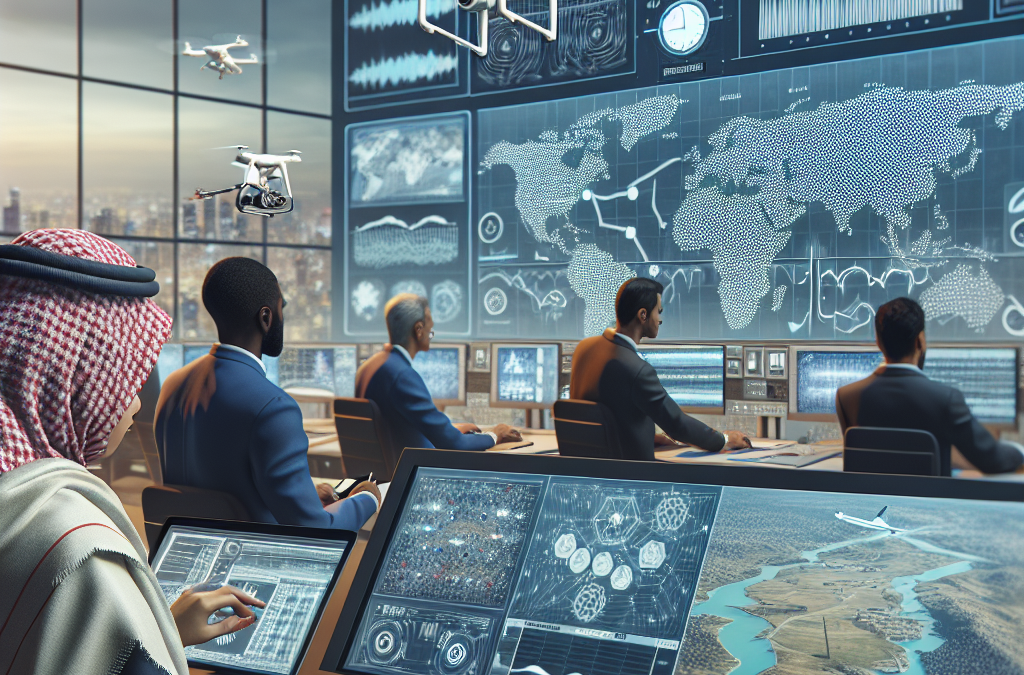
Drones are like the superheroes of disaster response! They can fly over affected areas to provide a bird’s-eye view of the situation, which is invaluable. I’ve seen them survey damage after hurricanes and deliver supplies when roads are blocked.
The beauty of drones lies in their ability to quickly gather data in potentially dangerous areas. This real-time information helps response teams make informed decisions about where to send help first. It’s a game changer in disaster management.
Plus, drones can reach areas that are otherwise inaccessible. Rather than sending people into harm’s way, utilizing drones can keep rescue teams safe while still getting critical information.
Delivering Supplies
When traditional transportation methods are compromised, drones can swoop in to deliver medicine, food, and other essentials. It’s honestly inspiring to see tech being used in such a creative and lifesaving way! I remember a story about a drone delivering insulin to a diabetic patient stranded by floodwaters—talk about technology saving lives.
However, there are challenges to this too. Regulations around airspace can impact drone usage. It’s vital for agencies to navigate these laws while ensuring that this innovation can be used effectively during disasters.
And let’s not discount the potential for collaboration. Some companies are experimenting with logistics partnerships that can streamline supply chains even more, making disaster response faster and more efficient.
Documenting Damage for Insurance and Recovery Aid
After a disaster, the road to recovery can be long and arduous. Drones can help document the damage, providing essential evidence for insurance claims and recovery aid requests. I’ve seen firsthand how having these detailed aerial images helps communities get back on their feet faster.
Creating an accurate record of what happened through drone footage can also help policymakers understand the extent of the damage for future planning. It’s about learning and improving for next time, which is crucial.
That said, it’s crucial to operate within privacy guidelines to ensure respect for affected individuals. Transparency in this process helps alleviate concerns about data misuse. It’s all connected, and we must tread carefully!
3. Implementing Geographic Information Systems (GIS)
Mapping Risk Areas
GIS technology helps visualize data in a way that’s comprehensible, which is why I’m a big fan. By mapping out risk-prone areas, communities can better prepare for disasters. You can’t prepare if you don’t know where the problems might arise, right?
I’ve worked with local governments using GIS to pinpoint flood zones or areas susceptible to earthquakes, which has led to more informed decision-making about evacuations and resource allocation. This kind of planning is a huge asset!
GIS can also continually evolve—tracking changes in demographics, land use, or environmental conditions. Keeping these maps updated actively aids in reducing vulnerability over time in communities.
Enhancing Response Coordination
Another cool feature of GIS is its ability to integrate data from multiple sources. When a disaster hits, the last thing teams need is to operate in silos. Using GIS ensures everyone—from emergency services to public health officials—has access to the same maps and data, facilitating seamless coordination.
During major incidents, I’ve seen how vital it is for teams to have debriefings based on real-time GIS data. It keeps everyone on the same page, literally and figuratively! No more guesswork; we can make decisions based on facts.
This level of collaboration enhances communication and helps avoid duplication of efforts. When resources are limited, efficiency is key. GIS is like a shared brain for responders, making it all work smoother.
Public Education and Training
GIS isn’t just for the authorities; educating the public about it is equally important. Hosting workshops to familiarize community members with maps and data can empower them to make better decisions during emergencies. I love seeing people feel more informed and in control.
Plus, GIS can help communities identify their risks. I’ve participated in programs where citizens map their own neighborhoods, identifying hazards and escape routes. When people understand their own environment, it builds resilience.
Knowledge is power, and I truly believe that understanding the tech behind disaster management can transform how communities prepare and react during emergencies.
4. Fostering Community Resilience with Technology
Creating a Network of Local Leaders
Effective disaster management often depends on strong community ties. By leveraging technology, we can foster a network of local leaders who can help organize efforts during and after a disaster. I’ve seen how groups using platforms like WhatsApp or Slack form instant communication channels—how cool is that?
Gathering local leaders enables each group to cater their response based on their community’s needs. You’ve got experts on the ground who can share intel about resources, which is vital for quick and effective action.
This network also encourages volunteerism. When people are connected, they’re more likely to step up during a disaster—whether that means cooking meals, helping with evacuations, or simply checking in on those who need help.
Utilizing Crowdsourcing for Information Gathering
Crowdsourcing represents an exciting frontier in disaster management. Community members can share real-time information, from road conditions to situations needing immediate assistance. I’ve seen this in action after hurricanes—neighbors posting updates, which helps everyone else plan their next steps.
However, it should be noted that information needs verification. Allowing local leaders or trained volunteers to sift through shared content can maintain the integrity of data while still making it an interactive experience for everyone involved.
Moreover, using dedicated apps for this process can streamline information collection. These apps can guide people on what kind of updates to share and how to report issues effectively—which I think is super helpful!
Engaging in Continuous Training and Drills
Technology can help simulate disaster scenarios for training purposes. For instance, virtual reality offers immersive training experiences without putting anyone at risk. It’s an intriguing way to prep community members for potential events, right? Whenever I see community drills being executed effectively, it’s like a breath of fresh air.
Regular drills using technology allow everyone to practice communication and coordination in a “low-stakes” environment. When disaster actually strikes, everyone feels more prepared and confident, cutting down on panic and confusion.
Let’s be real: practice makes perfect. The more familiar everyone is with response protocols and tech tools, the better they’ll perform when it counts. It’s all about honing those skills over time!
5. Utilizing Mobile Apps for Preparedness and Response
Creating Personalized Emergency Plans
I absolutely love the idea of mobile apps that help individuals create their emergency plans tailored to their needs. These personalized plans can guide users on what to include—like contact info, skills, and resources available in their area. It’s like having your very own digital safety buddy!
Engaging with technology this way encourages proactive measures. For me, knowing I have a plan makes me feel a whole lot better during those uncertain situations. And let’s face it, who doesn’t want to feel prepared when disaster looms, right?
Having an app to turn to takes the weight off shoulders—not just for individuals but for families and communities. This tech can truly empower everyone, giving them the tools to respond effectively.
Keeping Updated with Push Notifications
Apps allow for real-time alerts through notifications, ensuring users know what’s coming and when. I think this feature is a lifesaver! It keeps everyone in the loop about evacuation orders, weather changes, and safety recommendations—it doesn’t get safer than that.
Moreover, notifications can be tailored based on geographic location. If a storm is approaching your area, you can get notified immediately! It’s like having your own emergency siren right in your pocket.
And let’s not forget about accessibility. These apps should cater to various needs, including multiple languages or formats that cater to those with disabilities. Making tech inclusive means more people effectively stay informed and safe.
Building Community via Interactive Platforms
Mobile apps can serve as interactive platforms for communities to engage with each other before, during, and after disasters. I’ve seen apps where neighbors can form groups, share resources, and offer support to one another. This merely strengthens community resilience.
With a sense of belonging in place, people are more likely to share knowledge and offer help when needed. Building that connection is a beautiful thing—but it takes a tech-savvy approach to get it started!
Additionally, encouraging feedback through these platforms helps streamline community efforts. Listening to users allows developers to improve functionality and the overall experience, fostering an engaged community ready to tackle disaster together!
Frequently Asked Questions
1. How can technology improve disaster preparedness?
Technology enhances disaster preparedness by providing real-time information, personalizing emergency plans, and creating effective communication channels. Through mobile apps, individuals can access tailored plans, alerts, and community resources, making them feel more secure and informed.
2. What is the role of drones in disaster management?
Drones play a pivotal role in disaster management by providing aerial assessments, delivering supplies, and documenting damages for recovery. Their ability to gather real-time data helps teams make informed decisions, ensuring timely and effective responses.
3. Why is community engagement important in disaster management?
Community engagement is vital because local knowledge and relationships can significantly enhance response efforts. By utilizing technology to foster collaboration among residents and leaders, the community becomes better prepared and more resilient.
4. What is GIS, and how does it assist in disaster management?
Geographic Information Systems (GIS) help visualize and analyze geographical data. In disaster management, GIS is used to map risk areas, improve response coordination, and enhance community preparedness by providing critical information during emergencies.
5. How can social media be effectively used during a disaster?
Social media can be effectively used during disasters to disseminate real-time updates, share resources, and encourage community support. However, it’s essential to monitor content actively to prevent the spread of misinformation, ensuring reliable information reaches those in need.






