
Select Page
Essential Documents to Keep Safe in Emergency Situations

Essential Documents to Keep Safe in Emergency Situations

Identification Documents

Why They Matter

Alright, let’s chat about identification documents. Honestly, when stuff hits the fan, having these ready can be a game changer. They basically prove who you are, and without them, things can get really tricky. Imagine trying to prove your identity without an ID during an evacuation or a natural disaster, it’s a nightmare!

From government-issued IDs to social security cards, having a photo ID like your driver’s license or passport helps in so many situations. You’ll need this for anything from getting emergency services to even registering in a shelter. Seriously, don’t underestimate their importance.

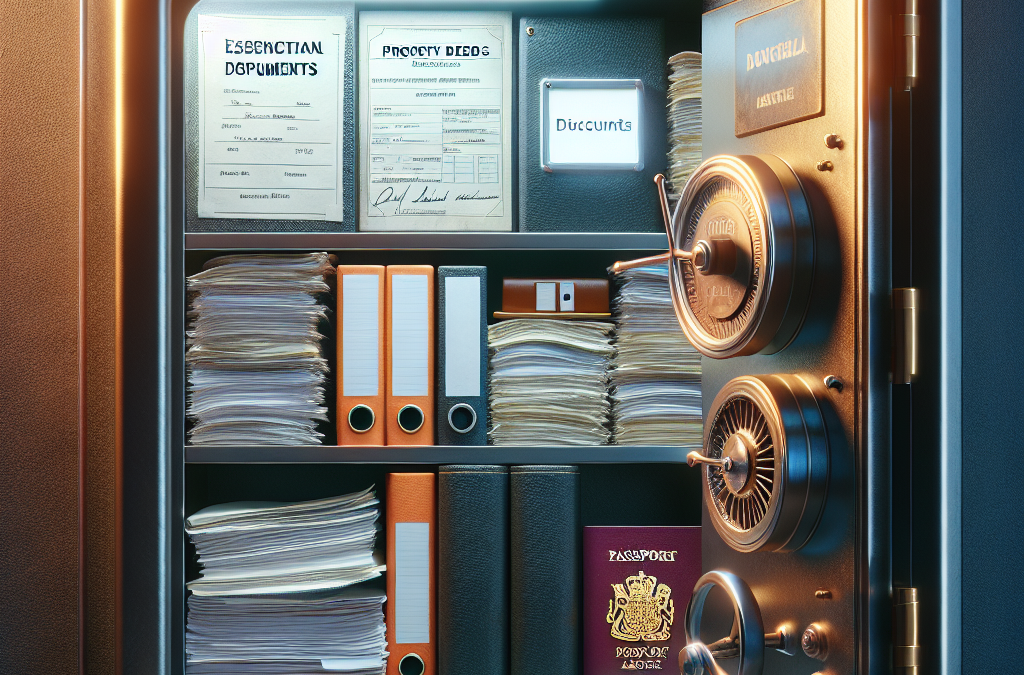
So, get a folder or a fireproof box, and stash all your important IDs together. It’ll save you a lot of stress when you need them most. Trust me, you don’t want to be rifling through paperwork while the world is going nuts around you!

Where to Store Them

Now, when it comes to storing your ID documents, think about accessibility and safety. A drawer might feel secure, but if it’s in the back of a packed closet, you might regret it later. It’s all about striking the right balance!

I personally prefer using a dedicated safe that’s both fireproof and waterproof. It’s a bit of an investment, but it’s totally worth it for that extra peace of mind. Plus, I know exactly where everything is when I need to grab it. No rummaging through bags for me!

And don’t forget, keep a digital copy too! Snap a pic of your important documents and save them in the cloud. That way, even if the physical copies are lost, you’ve got backups. Just make sure your cloud is secure, alright?

Updating Your Documents

Life happens, and our documents can become outdated fairly quickly, right? I’ve learned the hard way that keeping track of expiration dates can slip your mind. Passports, licenses, and even certain registrations have to be updated regularly.

Set reminders in your phone or calendar a month before any of your important documents are due to expire. It’s a pain, I know, but if you stay ahead of the game, you won’t be caught off-guard when you need them in an emergency.

Plus, after a major life event—like marriage, divorce, or change of address—make it a habit to check if you need to update anything. Keeping everything current can save you some serious hassle later!

Medical Records

What to Include

Next on the list? Medical records. Trust me, these are super crucial. I always make sure to have my and my family’s medical history documented—like vaccination records, allergies, prescriptions, and any ongoing treatments.

Now, you might think, “Why do I need this?” Picture this: you or a family member gets hurt or sick in an emergency, and the first responders need to know your medical history. It makes a huge difference in the care you receive and can even save lives.

So, gather everything in one file or folder. Include emergency contact information of your doctors and any special arrangements for ongoing treatments. It’s like your personal health cheat sheet!

Digital vs. Physical Copies

I’m a big fan of having both physical and digital copies of my medical records. Digital copies are so easy to access on my phone or tablet. But there’s something about having a physical copy in that safe I mentioned earlier—it just feels more secure.

Make sure that your digital copies are encrypted or stored in a secure place. You wouldn’t want your private health information exposed, right? Just check regularly to ensure the files are updated and accurate.

And a little tip: if you’re traveling, always keep a copy of your medical records in your travel documents. You never know when you might need to show them during a trip.

Regular Check-Ins

Over time, medical needs change, and it’s helpful to revisit your records periodically. I usually set a quarterly reminder to review and update my medical documentation. Trust me, it’s easier to do a little bit regularly than to overhaul everything in panic mode.

This is also a great time to check in with family members about their health information. Do they have chronic conditions you might need to consider in an emergency? Keeping communication open about health isn’t just smart; it can be lifesaving.

Plus, if anything major changes—like you start a new medication or have a significant health update—be sure to note it down immediately. You’ll thank yourself later when it’s all organized and ready to go in case of an emergency.

Financial Information

Key Documents to Secure

Let’s face it, financial information is vital, especially when you’re trying to get back on your feet after an emergency. Keep your bank statements, insurance policies, and tax documents together. If you have any outstanding loans or credit information, that goes in the pile too.

Your insurance details are particularly important. Whether it’s your home, health, or car insurance, knowing what’s covered can be a game-changer when you have to file claims quickly. I always ensure those documents stay updated!

I recommend organizing these papers by category. It saves so much precious time when you know exactly where your liability information lies or what your policy numbers are when you’re in a tight spot.

Where to Keep Financial Records

Much like your other sensitive documents, the safe route is to keep these records in a secure place. I prefer a fireproof and waterproof safe, but sometimes a locked drawer works just fine—especially if you need easy access.

A great idea is to use a password manager for all your digital financial information. This way, you’re not scrambling to remember what account goes where during a crisis. You’ll have everything at your fingertips, and it’s somewhat safer!

Don’t forget to share access with someone you trust, like a family member. This ensures that they can access important financial information if something happens to you and it becomes necessary.

Tracking Changes and Updates

Just like everything else on this list, your financial documents need regular check-ups. Every six months or so, sit down and go through your financial situation. Are there any changes? New accounts? Updated policies? It’s all worth addressing!

Seems tedious, I know, but having everything in order makes you feel so much better. This way, you’re less stressed when you have to access these documents later. Plus, it helps you stay on top of your financial health.

You don’t want to find out something important is missing at the worst possible time. So take the time, go through your documents, and keep them neat and clear!

Property Documents

What You Need

Property documents are another huge thing you want to keep under wraps. Deeds, titles, and lease agreements—these are critical when you need to claim ownership or address insurance matters. You never know when you might need to pull these out!

If you’ve got a mortgage, keep that document handy too. It’s especially important for insurance claims if your property gets damaged in an emergency. Plus, it can help you with refinancing later if need be.

Again, organizing these documents by property type is a smart approach. Whether it’s real estate, vehicles, or any rental agreements, ensure you know where they all are when you’re in a bind!

Safe Storage Options

When it comes to storing property documents, I’m all about creating a designated folder for each property. Whether it’s a physical folder or a digital one, having a separate space keeps it simple. Just make sure it’s secure—in a safe, of course!

Consider digitizing these documents as well. Use a scanner or a scanning app on your phone. Just like I mentioned previously, digital copies act as an awesome backup and are easy to access anytime—and you won’t have to worry about losing physical documents.

Also, don’t forget about copies. Keep duplicates in different locations, if possible. In an emergency where you have to evacuate quickly, it’s humbling to be able to grab important papers and not leave everything behind!

Regular Audits

Definitely don’t let your property documents collect dust! At least once a year, go through everything and check if there are updates or changes. Whether you’ve sold a vehicle or moved houses, keep your documents in sync with your life.

This also gives you a chance to review what you have and what you might need in the future. It keeps you prepared and organized. As they say, an ounce of prevention is worth a pound of cure!

Plus, it’s a good habit to check if there are any new property laws in your area. Being informed can save you from unexpected surprises down the line.

Important Contacts

Compile a List

Last but definitely not least, maintaining a list of important contacts is absolutely key. You want to have a written down or saved in your phone contacts anyone you might need to reach out to in an emergency—medical professionals, family, friends, and insurance agents. You don’t want to be scrambling for numbers when you really need them.

In my experience, I’ve made it a point to keep this list visible in my home, ideally near my phone or in my wallet. This way, I know it’s readily accessible should things go sideways. You can also categorize contacts by type for easier retrieval.

Also think about including emergency contacts who are out-of-state. In situations where local communication gets tricky, having someone in a different area who can coordinate information is really useful! Trust me on that one!

How to Update Regularly

As your life changes, so should your contact list. I try to review mine after significant changes, like moving or even when I just meet new people. It’s a good opportunity to reassess who’s my support system and who I might need to contact in a bind.

It’s also a good idea to ask your close contacts if they want to be included. Sometimes you think someone will want to be your go-to contact, but they might not be comfortable with that. Better to check than be caught off guard!

Another thing? Whenever there’s a change in someone’s information, make a habit of updating it right away. Digital tools can help too—there are apps designed to store emergency contacts securely!

Technology Aids

These days, there are tons of apps dedicated to emergency preparedness, which can help with maintaining and sharing your contact list. Some even send alerts for emergencies or provide quick ways to access critical information. I’ve found that super handy!

Just remember that if you’re using a tech-based solution, keep it secure. Regularly updating passwords and using two-factor authentication can protect your information from prying eyes.

Don’t depend only on technology, though. As someone who believes in a good mix, I still keep a physical list saved somewhere. Sometimes, in the heat of things, it’s easier to grab paper than your device!

Frequently Asked Questions

What are essential documents to keep safe in emergencies?

Essential documents include identification, medical records, financial information, property documents, and important contacts. Keeping these in a secure and accessible location can help in emergencies.

How can I best store my essential documents?

The best way to store essential documents is to use a fireproof and waterproof safe. Additionally, keeping digital copies stored securely in the cloud is a smart backup strategy.

How often should I update my documents?

It’s advisable to review your essential documents at least once every six months. Changes in personal situations or expiring documents should be addressed promptly.

Should I keep physical and digital copies?

Yes! Having both physical and digital copies can provide more security. Digital copies are easy to access, while physical copies can sometimes be your best bet during emergencies.

What can I do if I lose my essential documents?

If you lose your essential documents, the first step is to report it, especially for identification documents like your driver’s license or passport. Next, work on getting replacements as soon as possible, and don’t forget to check your digital backups if you have them!
How to Secure Your Home Against Looting in Crisis Situations

How to Secure Your Home Against Looting in Crisis Situations

Assess Your Home’s Vulnerabilities

Identify Weak Points

In my experience, the first step to safeguarding your home involves taking a close look at its vulnerabilities. Think about the windows that don’t quite lock all the way or the back door that’s seen better days. Walk around your property and jot down anything that feels insecure. A solid game plan starts with knowing what needs to be addressed.

Make a mental note (or write it down, you know what works for you) of areas around your home that might be hidden from view, like the side gate. These spots are prime for opportunistic looters who might think they’re hiding from plain sight. Being aware of your home’s layout is crucial.

Once you’ve pinpointed potential weak spots, it’s time to brainstorm ways to strengthen them. Whether it’s reinforcing a door or improving outdoor lighting, each little step counts and makes your home a harder target.

Consider Your Neighborhood

The environment around your home plays a big role in security. Chat with your neighbors; trusting relationships among those living close to you can create a natural security network. I’ve found that simple conversations can lead to group strategies that involve shared watchfulness, especially during uncertain times.

Pay attention to any upcoming events or issues in the neighborhood that could affect security. Community meetings are a great way to stay updated and share tips for keeping each other safe. I remember a time when our neighborhood banded together over a rumor of increased break-ins; it made a significant difference.

Be aware of your surroundings, too. If something seems off, trust your instincts. Making notes about unusual activity can help you communicate concerns even if they’re shared with local authorities or neighbors.

Enhance Overall Security

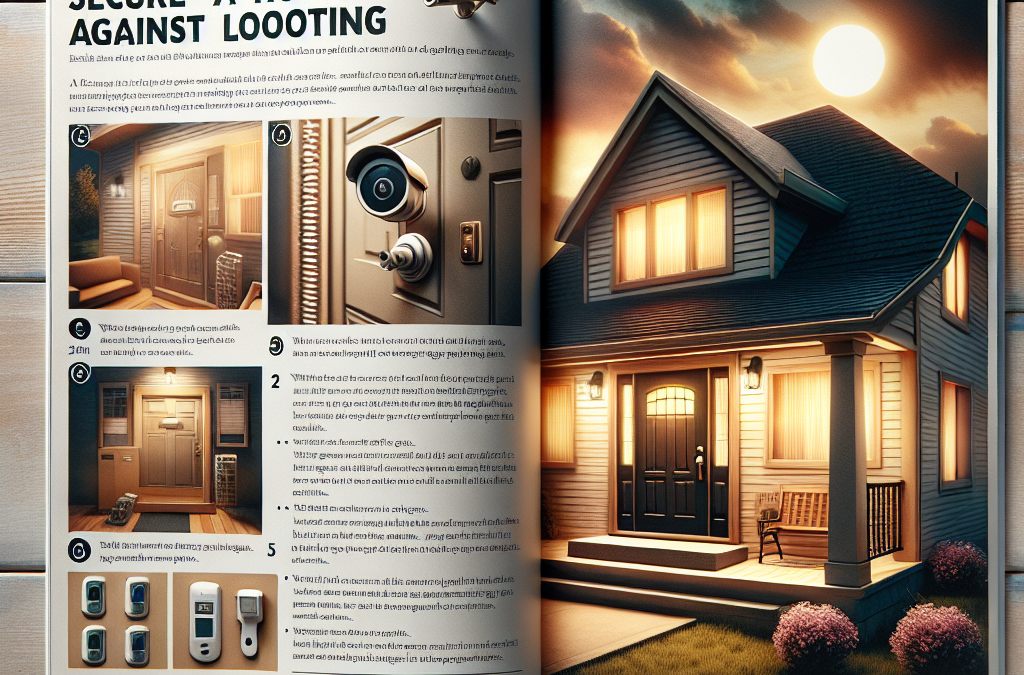
Beyond just locking doors and windows, there’s a wide range of measures I’ve implemented that heighten home security. Installing smart locks or an advanced security system has given my family more peace of mind. I mean, knowing that I can monitor my home from wherever I am really reduces anxiety. Plus, you can set it up so that it alerts you to any unusual activity.

Surveillance cameras have also been a game changer for me. Having eyes on the perimeter of your property not only catches potential threats but also deters them. I’ve noticed that just having visible cameras puts people on notice. It’s like an unspoken warning that your home is not an easy target.

Lastly, I can’t stress enough the importance of regular maintenance checks. Ensure that alarms, cameras, and locks are in good working order. Setting a calendar reminder to do this every few months can mean the difference between safety and an unfortunate event.

Create a Safety Plan

Develop Family Communication Strategies

Whenever a crisis pops up, having a solid plan is vital. I usually set up a comprehensive communication strategy with my family. This entails everyone knowing how to reach each other during emergencies. Trust me, nothing can replace the peace of knowing your loved ones are safe and accounted for.

In addition to that, establish a meetup point outside your home where everyone can regroup if the situation escalates. During a tough situation, sticking to the plan becomes crucial—everyone remains calm, and decisions can be made without panic.

Regularly discuss and practice your safety plan. It may seem redundant, but practicing drill scenarios makes everyone feel more prepared and can save lives if push comes to shove. I’ve learned firsthand that repetition really cements knowledge.

Emergency Supplies Preparedness

When the going gets tough, being prepared with emergency supplies can truly be a lifesaver. From basic stuff like food and water to medical kits, I took the time to put together comprehensive kits that my family can easily access during a crisis. Keeping an eye on expiration dates is crucial; no one wants to rely on expired supplies.

Besides food and water, consider including items such as flashlights, batteries, and even a portable phone charger. During my own experiences, I found that a reliable power source can make navigating through dark times much easier.

Lastly, it doesn’t hurt to have copies of important documents stored in a safe place at home, or even better, in a digital format. This can include insurance documents, identification, and property titles. It may seem trivial, but having easy access to these details can be the difference in recovery efforts.

Know Local Emergency Services

I can’t stress this enough: knowing your local emergency services can create a crucial lifeline during crises. Familiarize yourself with local police, fire stations, and emergency numbers—not just for your own sake, but for everyone around you. It’s always useful to have this information easily accessible.

I also recommend building relationships with local law enforcement. Previously, I attended community events where officers interacted with residents, which helped me learn their approach in emergencies. Having a rapport can lead to quicker response times when seconds matter.

Ultimately, don’t hesitate to reach out to these services during emergencies. They’re there to help, and many times, they can provide immediate advice on securing your home during a crisis. A little bit of knowledge can go a long way in ensuring your home’s safety.

Secure Your Home Before Crisis Strikes

Install Effective Locks and Reinforcements

Once I started thinking more seriously about home security, investing in sturdy locks became my first move. Simple deadbolts provide a good level of security. But consider upgrading to smart locks; they offer more flexibility, especially when you’re away and want to control access remotely.

I also noticed reinforced doors and windows can deter break-ins significantly. Installing window security film makes panes harder to break through, which delays any potential looters. It’s like an extra layer of armor for your home.

The improvements don’t stop at the doors and windows. Secure sliding doors with rod-style locks or have them fitted with extra locks for good measure. It’s the little things that stack up and create an incredibly protective environment for your family.

Landscape for Security

Surprisingly, how you landscape your yard can have a significant impact on home security. From my experience, maintaining low shrubbery and sparse trees around your home creates a clear line of sight for neighbors and security cameras. Thieves prefer to hide in overgrown areas, so keeping your yard tidy can help dissuade them.

If you can, consider planting thorny bushes near windows and entry points. Not only do they add a natural deterrent, but they also maintain your home’s aesthetic appeal without making it feel like a fortress. I’ve always found that balance between security and a welcoming home is essential.

Lastly, good lighting plays a critical role. Plenty of outdoor lights, especially motion-sensor ones, can disorient unwanted visitors. When landscaping, make sure you’re not blocking those lights with high hedges or trees.

Join or Form a Neighborhood Watch

If there’s one thing I’ve learned, it’s the power of a community. Joining a neighborhood watch is one of the best ways to improve the security of your area. When more people keep an eye out for peculiar activity, it creates a sense of collective responsibility for safety.

Add regular community meetings or just simple get-togethers where you can talk about concerns or observations you’ve made in the area. I’ve found that knowing who lives near you and having shared strategies makes us all feel more secure.

Moreover, consider creating a communication platform with your neighbors. Whether it’s a group chat or an email list, staying in the loop can be the key to acting quickly when issues arise.

Maintain a Low Profile

Control Visibility of Valuables

When it comes to home security, I always remind myself less is more. Avoid making it obvious that you have valuable items at home. That huge flat-screen TV in the living room? Maybe consider minimizing the drapes or curtains so they don’t scream “look at me!” when you’re not at home.

It helps to think about what you throw in the trash, too. Packaging from expensive gadgets is often a giveaway to potential thieves. Instead, find ways to disguise those items when you dispose of them. Keeping a low profile can be one of the heaviest hitters in security.

Also, think about your online presence. While social media is great for sharing life highlights, posting photos or statuses about your latest purchases or vacations can inadvertently advertise your valuables to the wrong audience. I know it’s tempting, but exercising a bit of caution is always wise.

Use Smart Technology Wisely

In a world where technology is king, I’ve found integrating smart devices into home security is a game changer. From smart cameras to home automation systems, there are plenty of options available to enhance your home security. These devices keep me connected to my home no matter where I am.

For instance, smart doorbells with cameras allow you to see who’s at your door without ever leaving the couch. Pair that with remote locking and unlocking features, and it almost feels like you’re there, even when you aren’t. That capability is priceless when it comes to security.

However, remember to use smart technology wisely. Ensure you’ve secured your Wi-Fi network, as overly connected devices can introduce vulnerabilities if not protected. Investing in cybersecurity measures is just as important as physical security for today’s homes.

Practice Everyday Vigilance

I’ve learned that security is an ongoing commitment. I make it a point to lock doors and windows, even when I’m home, to keep those habits firm. It’s easy to slip into a routine, but staying vigilant is vital, especially during uncertain times.

Keep an eye on your neighborhood, looking out for anything odd or out-of-place. I often encourage my friends to take note of their surroundings while walking or driving. A little awareness can go a long way in prevention.

Lastly, trust your gut feelings. If something feels off, don’t hesitate to reach out for help, whether that’s calling local authorities or just asking a neighbor for heightened vigilance. It’s in these simple actions that we cultivate a safer community.

FAQs

1. How can I identify vulnerabilities in my home?

You can identify vulnerabilities by walking around your home and examining all entry points—doors, windows, garages, and sheds. Look for wear and tear, and consider areas that aren’t visible to passersby, as these can be attractive to thieves.

2. What should be included in an emergency supply kit?

Your emergency supply kit should include non-perishable food, bottled water, a medical kit, batteries, flashlights, and a portable charger. It’s also wise to have sanitation supplies and essential documents on hand.

3. Is it worth installing a home security system?

Absolutely, a home security system can be a strong deterrent against crime and provides peace of mind. Look for options that allow remote monitoring and response features for added security when you’re away.

4. How can landscaping help with my home security?

Good landscaping reduces hiding spaces for criminals and enhances visibility around your home. Keeping shrubs low and well-trimmed helps neighbors and passersby keep an eye on potential threats.

5. What role does the community play in home security?

The community plays a significant role in home security through shared vigilance. Neighborhood watch programs or simple connections with neighbors create a network that can monitor and respond to suspicious activities effectively.

Choosing the Right Survival Gear for Different Climates

Choosing the Right Survival Gear for Different Climates

Understanding the Environment

Assessing Climate Types

When I first started preparing for different environments, I quickly realized not every climate is the same. There are tropical climates which can be hot and humid, polar climates that are frigid and unforgiving, and temperate climates that have a mix of both. Each of these settings demands its own unique set of survival gear. It’s all about understanding where you’re going and what conditions you’ll face.

With this in mind, you’ll want to know about seasonal variations too. For instance, a temperate zone can experience frigid winters and scorching summers. Pack accordingly! It’s not just about the current season; a good survivalist thinks ahead to what they might face next.

All in all, consider specific regional features. If you’re heading into a mountainous region, you need to gear up for altitude changes and harsh weather. Meanwhile, coastal areas may have their own challenges, like salty air and humidity. The more you know, the better prepared you will be

