by Preparation Call Editorial Team | Jul 30, 2025 | Preparedness
Ensure Your Safety and the Safety of Others
Assess Your Surroundings
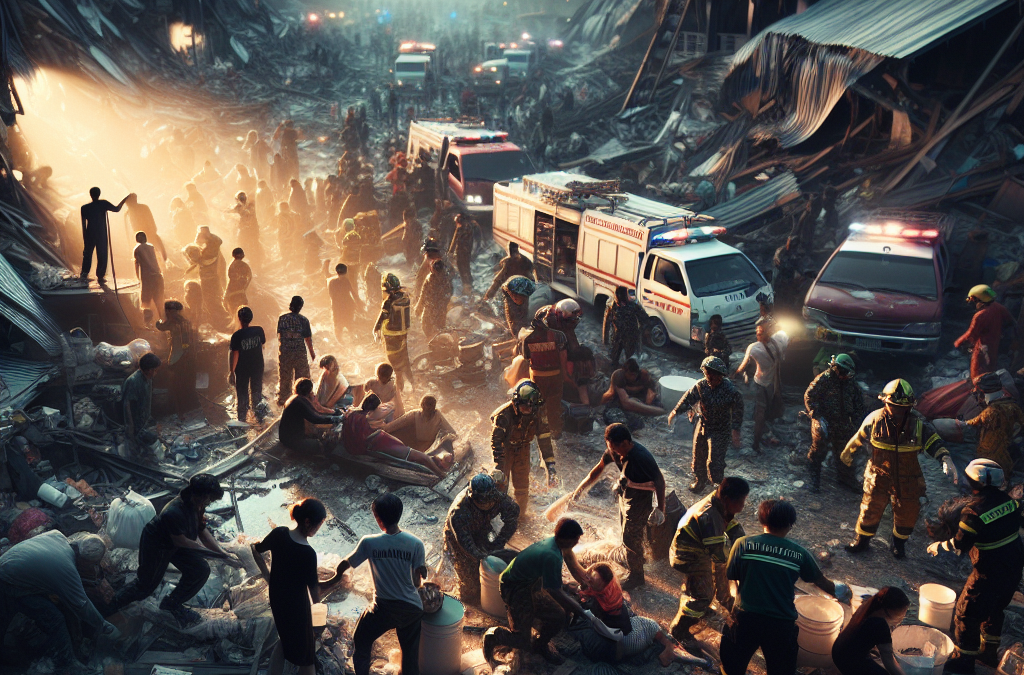
After a natural disaster strikes, the first thing I always do is take a good look around. Sometimes, in the heat of the moment, we forget to check for hazards. If you’re like me, the adrenaline might be pumping, but it’s crucial to assess any immediate dangers such as downed power lines or unstable structures. Trust me, stepping outside can reveal a lot about your surroundings.
It’s easy to get caught up in the aftermath and rush to help others. However, I’ve learned the hard way that ensuring your own safety first means you can be more effective when helping others. Avoid any areas that look hazardous and make a mental note of any unsafe spots before proceeding.
And remember, safety isn’t just about physical dangers; don’t overlook emotional wellbeing. In moments of chaos, people can react unpredictably. Stay on guard for your mental safety, too. A calm mind often helps us make better decisions in troubling times.
Check for Injuries
Next, I always check myself and those around me for injuries. It can be easy to forget about our own well-being when everything’s haywire. Do a quick scan of your body for any cuts, scrapes, or pains; sometimes, adrenaline masks injury. If I find someone else hurt, I try to stay calm and provide basic first aid if I can.
Even if you’re not a medical professional, knowing some first aid basics is a game changer. An old buddy of mine once saved this little kid’s life just by knowing how to stop a bleeding wound. So, investing time in a first aid course is totally worth it — trust me!
If you or anyone else has serious injuries, don’t hesitate to get professional help. Dial emergency services if needed. Staying composed can truly be a lifesaver for you and others in distress.
Follow Emergency Protocols
Another thing I’ve found useful is sticking to emergency protocols. Each area usually has a plan laid out for such situations, and it’s smart to know that stuff ahead of time. If you’re not sure what the emergency procedures are, try to locate your local authority and see if they have any plans in place.
Adhering to plans often ensures that affected communities get the help and prioritization they need. In each disaster I’ve faced, local authorities are bustling with teams doing their best. So play your part by staying informed and responsive. Following their guidance can enhance safety and reduce panic.
Letting people know you’re okay is also part of these protocols. Use social media or message trusted friends and family. Regular updates can soothe nerves and maintain a sense of community, even if you’re distanced by disaster.
Document Everything
Take Photos of Damages
As someone who appreciates the importance of documentation, my advice here is simple: take photos of any damages. Whether it’s property loss or injuries, capturing proof can ease the recovery process. Once I had to file an insurance claim, and let me tell you, having those photos ready made everything smoother.
Snap a pic of everything from fallen trees on your house to any personal belongings that got wrecked. A photo can tell a thousand words, especially when it comes to documenting your case with insurance or local authorities.
When possible, be methodical in your documentation. Organize photos by location or type of damage to create a clear file. This way, you’ll be utterly prepared when making claims or seeking assistance!
Write Down Important Information
After I’ve taken my photos, I jot down anything significant that’s happened. Details like the time the disaster occurred, how long the power’s been out, or specific dangers I’ve observed can become useful later. Note everything you can recall while it’s fresh in your mind!
Trust me, details fade after a while. Writing it all down helps keep the heavy feelings at bay and can even serve as a cathartic process. If crisis management comes up later, you’ll thank yourself for maintaining a record.
Additionally, keep a notebook near where you can easily access it, especially if you have ongoing claims. It could be your best friend during this hectic time! Plus, it shows that you are taking things seriously and staying organized amid chaos.
Contact Your Insurance Company
Man, talking to an insurance company always feels daunting, right? But reaching out is essential. I recommend doing this as soon as you’re able to share what’s happened and start the claims process.
Don’t worry if you feel overwhelmed; I completely understand – it’s like speaking a different language! Make sure to have your policy number and any notes from your documentation at hand. This keeps the conversation productive and makes you feel more in control.
To wrap up, be patient. They’re usually inundated with calls post-disaster. My motto? Plan for possible delays but keep following up to get things resolved. Patience will pay off long-term!
Stay Informed and Connected
Monitor News Updates
Staying connected with the outside world post-disaster is super critical. I make it a point to keep an eye on news updates for developments regarding the situation or necessary resources for my community.
In today’s age, you can find information through various channels, such as social media or local news channels. But I always try to stick with reliable sources. Fake news spreads like wildfire, and word-of-mouth can distort the truth in stressful situations.
Also, leverage updates to determine when it’s safe to return to certain areas or if any shelters are being set up. Keeping informed can bolster your peace of mind and provide the clarity needed to make important decisions in the following days.
Reach Out to Friends and Family
Using technology to contact friends and family is another step I find invaluable. Check in with loved ones to see how they’re doing. Sometimes, it cheers both parties up during dire times just to hear a familiar voice, right?
Also, if they are in the affected area, ask them if they need help. It’s easy to forget that others might be struggling, and being there for them can make a world of difference. Connecting in troubled times often helps us feel a little less isolated, which is so vital.
Also, create a group chat if you can. Keeping everyone in the loop makes it easier to share resources and updates. I’ve spent countless hours sharing information this way, and it’s always rewarding to see us come together as a team.
Participate in Community Efforts
Last but not least, don’t forget about the power of community! Often, I hold the belief that recovery is a team sport. Whether helping out locally or volunteering with organizations, doing something for others often rejuvenates our spirits.
Volunteer efforts can range from cleaning up debris to providing supplies for those who’ve lost everything. I absolutely love doing community drives to collect items for families in need. It not only helps those around us but brings a sense of purpose to our efforts.
So don’t just sit back and let things happen. Together, we can restore communities and offer support to those impacted. Each little gesture counts, and chances are, it’ll simultaneously heal our hearts, too.
FAQ
1. What is the first thing I should do after a natural disaster?
The first step is to ensure your safety and the safety of those around you. Check for hazards and assess your surroundings before proceeding further.
2. Why is documentation so important after a disaster?
Documentation helps provide evidence for insurance claims, allowing you to receive the assistance you need for recovery. It’s essential to have clear records of damages.
3. How can I help others after a disaster?
You can help by checking in with friends and family, volunteering for community efforts, and participating in local drives aimed at gathering supplies or providing support.
4. How do I stay updated during a crisis?
Monitor local news channels and trustworthy social media accounts for updates. Staying informed helps you navigate the aftermath effectively.
5. What if I have serious injuries after a disaster?
Do not hesitate to seek professional medical help. If injuries are significant, call emergency services right away to get the necessary assistance.

by Preparation Call Editorial Team | Jul 30, 2025 | Preparedness
The Role of Emotional Resilience
Understanding Emotional Resilience
Emotional resilience is like your mental scaffold. It’s the cushion that softens the blow when tough times hit you, and trust me, tough times can hit hard in any disaster scenario. This concept has been a game-changer for me; it’s all about bouncing back from setbacks and staying proactive. Building emotional resilience means facing challenges head-on and using them as stepping stones for personal growth.
I’ve learned that it’s not about avoiding stress or discomfort but developing the skills to navigate through them. You can do a few things to strengthen this resilience: practice self-care, maintain a positive perspective, and foster strong support networks.
In times of disaster, your emotional resilience can help you manage anxiety and the overwhelming feelings that arise. It helps you focus on survival and finding solutions rather than getting stuck in despair. I can’t stress enough how empowering it can be!
Developing Coping Strategies
Outfitting myself with coping strategies was another essential part of my journey. Coping strategies are the tools in your mental toolbox that you can lean on when times get rough. For me, it’s all about knowing when to take a breather, doing some deep breathing exercises, or even pursuing hobbies to distract myself from the chaos.
A big part of coping is recognizing the signs of stress. Sometimes we ignore the red flags until they become a flood. Journaling has helped me articulate these feelings—it’s like having a heart-to-heart with myself. Writing things down creates clarity, allowing me to tackle one concern at a time.
Moreover, connecting with others and sharing your experiences can be incredibly therapeutic. Engaging in community activities or simply catching up with friends has a profound impact, reminding me that I’m not alone in this struggle. Trust me, it’s a major key!
The Power of Positive Thinking
Shifting my mindset to a more positive outlook was a game changer. I’ve always believed that positivity attracts good vibes. Focusing on the silver linings, even in the darkest moments, has taught me to appreciate the small wins and maintain hope. Positive thinking doesn’t mean ignoring the bad stuff; it means choosing to focus on what you can control and making the best of it.
Affirmations, visualization, and gratitude practices can switch your brain into a survival gear that fosters optimism in stressful situations. I started by acknowledging every little thing I’m grateful for; it shifted my perspective and gave me strength to face each challenge.
Ultimately, being around positive people fuels this practice. Their energy can be contagious! When I surround myself with uplifting individuals, it helps keep me grounded, focused, and resilient through the ups and downs of disaster survival.
Building Strong Support Systems
Finding Your Tribe
Having a reliable support network is crucial. During times of disaster, relying on others becomes essential, and I’ve found that it’s all about finding your tribe. Surrounding myself with people who genuinely care and who I can lean on, whether it’s friends, family, or community organizations, lightens the load significantly.
I’ve discovered that joining local groups focused on disaster preparedness or recovery has offered me not just information but also lasting friendships. Having that sense of belonging has bolstered my mental health, reminding me that it’s okay to ask for help.
It’s crucial to cultivate relationships that lend emotional support. These connections turn into lifelines when the going gets tough. The sense of community can be incredibly powerful; we support each other through everything, from sharing resources to keeping each other’s spirits high.
Practicing Active Communication
When I talk about support systems, I can’t stress enough the importance of active communication. It’s essential to express thoughts and feelings. Bottling it all up can be detrimental! I remember times I felt overwhelmed and didn’t voice it—only to feel worse later on.
Having open and honest dialogue with those in my circle has been freeing. It creates an environment where vulnerability is normalized. I encourage you, find those safe spaces where you can share without judgment. Having these conversations can lead to increased understanding and stronger bonds.
Remember, it isn’t always about getting advice but simply feeling heard. Sometimes, it’s just about saying it out loud to help ease the burden and gain perspective.
Engaging in Community Activities
Community involvement has changed my mental landscape. Engaging in local initiatives has not only nurtured my mental well-being but also provided a sense of purpose. Whether it’s volunteering, organizing events, or participating in discussions, contributing to the community fosters a sense of belonging and connection.
These activities can be fulfilling while also distracting from personal stressors. When I focus on helping others, I find that my own worries take a back seat, allowing me to recharge emotionally.
Plus, you never know the connections you might make along the way! Building friendships through shared experiences can lead to even stronger support systems during challenging times. It’s truly a win-win for everyone involved.
Practicing Self-Care Regularly
The Basics of Self-Care
First and foremost, self-care is not just a buzzword; it’s a necessity. I’ve learned that taking care of myself physically, emotionally, and mentally is paramount, especially in stressful situations. Sometimes, focusing on the small stuff like drinking enough water, getting enough sleep, and eating well sets the tone for everything else.
I recommend establishing a routine. For me, it’s crucial to have structure in my day that includes time for self-care activities. Whether it’s morning yoga, evening reading, or indulging in a hobby, having that time to recharge is like filling up a gas tank to keep going.
Fitting these moments of self-care into my day helps me manage stress better. They serve as a buffer during chaotic times, allowing me to foster a more positive and resilient mindset.
Experimenting with Mindfulness and Relaxation Techniques
Okay, but let’s talk mindfulness. Several practices like meditation, deep breathing, or even mindfulness walks have varied results for everyone, but they’ve completely changed the way I handle stress! Spending a few minutes a day to slow down and simply be is refreshing.
I urge you to experiment and find what resonates with you. There’s no one-size-fits-all approach. Some folks vibe with guided meditations, while others prefer just silence in nature. Trying different things helps you discover what helps ground you the most.
Integrating these relaxation techniques into my life aids in reducing anxiety and fostering a clearer mindset, enabling me to tackle whatever comes my way with a sense of calm. Plus, it can feel pretty cool to take control over mental chaos!
Seeking Professional Help When Needed
Lastly, seeking professional help is undeniably an essential aspect of self-care. There’s no shame in reaching out to a therapist or counselor when you feel overwhelmed. In fact, I’m a huge proponent of it! Understanding that it’s perfectly okay to ask for help can be liberating.
Therapists provide tools and coping mechanisms tailored just for you. I remember how it helped to talk to someone professional about my feelings during tough times. The experience brought clarity and guided me to develop healthier coping strategies.
So if you’re feeling lost, don’t hesitate to reach out. Having a mental health professional in your corner can provide invaluable support, making your journey through disaster survival more manageable.
Continuously Educating Yourself
Staying Informed about Mental Health
Educating myself about mental health has been a stellar game plan. Understanding the psychology behind stress, anxiety, and depression equips me with the knowledge I need to recognize my feelings and deal with them effectively. There are countless resources out there—books, podcasts, and online courses—that can help expand your understanding.
I regularly dive into articles and discussions that explore mental resilience and coping mechanisms. Knowing the science behind how stress impacts the brain can refrain me from feeling overwhelmed. It’s empowering to understand that I’m not alone in these struggles!
Additionally, staying informed improves not only my mental well-being but also positions me to support others on their journeys. The more I learn, the more equipped I am to create a positive environment for myself and my community.
Recognizing the Signs of Struggle
Recognizing the signs of emotional struggle is essential in a long-term disaster scenario. I’ve learned to pay close attention to red flags in myself and others. Increased irritability, changes in sleep patterns, and social withdrawal can signal when someone, including myself, may need help.
Addressing mental health early can prevent more serious issues down the line. This practice of self-awareness can empower me to either adjust my coping mechanisms or ask for support from my support network.
Trust me, developing this skill has made a huge difference in managing my mental well-being throughout tough times! If you notice signs in others, reaching out can be incredibly supportive, fostering an environment where we all thrive together.
Exploring New Perspectives
Lastly, exploring new perspectives is like expanding your mental toolkit. Sometimes, we limit ourselves to a narrow view of our circumstances. But embracing different viewpoints, whether through books, documentaries, or conversations with people from varied backgrounds, allows me to have more compassion for myself and others.
Learning about others’ experiences with of survival and mental health can help me reframe my own struggles. It reminds me that everyone deals with challenges in their own way, and there’s beauty in that diversity. It’s all part of the human experience.
Ultimately, having an open mind promotes empathy and a stronger sense of community, fostering relationships that uplift and support one another amidst the challenges of disaster survival. It can be a continuous journey of growth!
FAQ
1. Why is mental health important in disaster survival?
Mental health is crucial during disaster survival as it helps individuals manage stress, anxiety, and emotional turmoil. Good mental health can lead to better decision-making and coping strategies in challenging situations.
2. What are some coping strategies I can use?
Some effective coping strategies include journaling, deep breathing exercises, practicing mindfulness, and reaching out to friends or support networks to share feelings and experiences.
3. How can I build a support system?
Building a support system involves connecting with like-minded individuals and surrounding yourself with people who genuinely care. You can join local community groups or engage in social activities to foster these relationships.
4. What role does self-care play in mental health?
Self-care is essential for maintaining mental health, especially during stressful times. Engaging in self-care activities can recharge your emotional batteries, helping you manage stress and promote a positive mindset.
5. When should I seek professional help for my mental health?
It’s advisable to seek professional help if you’re feeling overwhelmed, struggling to cope with daily challenges, or experiencing signs of anxiety or depression. A mental health professional can provide valuable support and coping strategies tailored to your needs.
by Preparation Call Editorial Team | Jul 30, 2025 | Preparedness
Identify Potential Risks
Understanding Your Environment
First off, let’s talk about the importance of understanding your surroundings. You’ve got to know what kind of emergencies are relevant to where you live. For instance, if you’re in a hurricane zone, that’s something to prioritize. For other folks, maybe it’s wildfires or earthquakes. Listing these risks gives you a clear picture of what you’re up against.
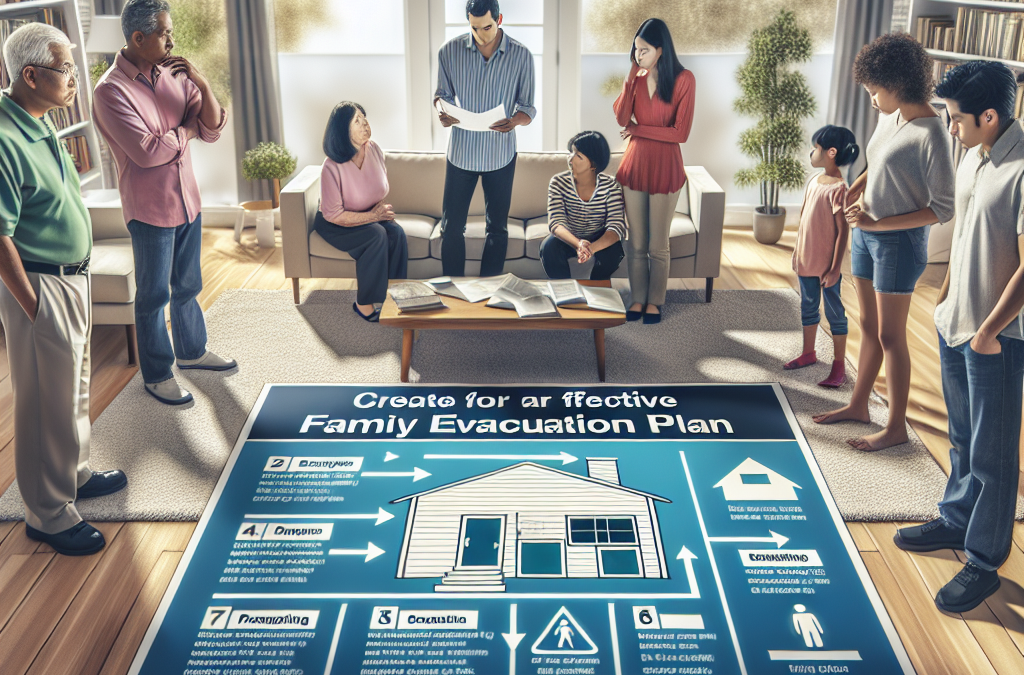
Once you’ve got a good grasp on your local risks, consider how they would impact your family. Think about things like whether you have pets, children, or elderly family members in the house. Each demographic will require different considerations. Personally, I find that bringing the whole family into the conversation makes everyone feel more secure and involved.
In my experience, staying informed is key too. Subscribe to local emergency management alerts or follow local news channels. It’s essential to stay in the loop, especially in times of crisis. This way, you’re not only informed but ahead of the game when planning your evacuation.
Establish a Meeting Point
Choosing the Right Location
Alright, next up is establishing a meeting point. This is like your family’s headquarters in case the chips are down. You want it to be somewhere safe, easily accessible, and known to all family members. My go-to spot is a nearby park or a friend’s house across town. Just someplace that makes sense!
Make sure every family member knows how to get to the location. I’ve learned from experience that during a stressful situation, people tend to forget directions, so practicing is key. We used to do mock evacuations just so everyone felt more confident! Seriously, it worked wonders for our peace of mind.
Also, consider establishing alternative meeting points, especially if your primary spot becomes compromised. It’s like having a backup plan for your backup plan. Life’s unpredictable; be prepared for anything!
Develop a Communication Strategy
Setting Up Channels
Next, communication is everything! You want a solid game plan for how your family will stay in touch. In our digital age, using tech tools can be a real lifesaver. I’d suggest setting up a group chat or using a family locator app. Whatever gets the job done and keeps everyone connected!
The tricky part is ensuring everyone knows how to use these tools. With kids, make it a fun learning experience. We often sit down together and have tech evenings where we go through our communication tools. It’s a great excuse to bond and build knowledge at the same time.
Don’t forget to plan for situations where cell service might be down. You can create a list of important numbers on a physical piece of paper to stash in wallets or backpacks. Trust me; your future selfwill thank you for this. I’ve learned the hard way how vital this small step can be!
Pack an Emergency Kit
What to Include
Now, let’s dive into the nitty-gritty of packing an emergency kit. I think of it as your survival toolbox. Some essential items to include are water, non-perishable food, first aid supplies, and flashlights. But go beyond the basics! Think about what your family specifically might need during a crisis. For example, allergy medications or favorite snacks for the kids are great additions.
I’ve also learned that it’s handy to have important documents readily available—things like insurance policies, identification, and medical records. I like to keep everything in a waterproof bag just in case water damage becomes a concern.
Make it a point to review and replenish your kit periodically. Food and medications can spoil or expire, so don’t let your kit become a relic of the past. I try to set up a routine check every six months. It’s straightforward, and I find it keeps our family thinking about preparedness all the time.
Practice Your Plan
Regular Drills
All in all, don’t just stick your plan in a drawer; you gotta practice! Organizing regular drill sessions helps everyone understand what they need to do in an emergency. We’ve made it into a family tradition, almost like a game. This way, the kids especially can get the hang of what needs to happen, and it eases their anxiety.
During these drills, encourage feedback. Ask your family what went well and what could improve. This not only enhances the process, but it also fosters open communication. I can’t stress enough how valuable this conversation is—it opens up channels for everyone to express concerns or suggestions.
In summary, celebrate your preparedness! After a practice session, we usually treat ourselves to something fun, like ordering pizza or watching a movie. It makes the whole preparation idea seem less daunting and reinforces our teamwork.
Frequently Asked Questions
1. What should I include in my emergency kit?
Your emergency kit should include essentials like water, non-perishable food, first aid supplies, flashlights, batteries, and essential medications. Think about your family’s specific needs when curating your kit.
2. How often should I review my evacuation plan?
It’s a good idea to review your plan at least twice a year, or whenever major life changes occur (like moving, adding new family members, etc.). Regular reviews ensure everyone is still on the same page and prepared.
3. What if my family can’t communicate during an emergency?
Creating a communication strategy that includes alternate forms of contact is vital. Consider meeting points, and using tools like group chats or family locator apps, and make sure to have important phone numbers documented physically.
4. Why is practicing the evacuation plan so important?
Practicing helps everyone know their specific roles and reduces panic during an actual emergency. It also encourages dialogue about the plan, ensuring everyone’s concerns and suggestions are heard.
5. How do I choose a meeting point?
Choose a location that is safe, familiar, easily accessible, and known to all family members. Having a backup meeting point is also safe in case your primary spot becomes compromised.






