by Preparation Call Editorial Team | Jul 30, 2025 | Preparedness
Stay Calm and Assess Your Situation
Taking a Moment to Breathe
First off, when you find yourself in a stressful survival scenario, the first thing I always recommend is to take a deep breath. Seriously, just stop for a second. Stress can hit you like a ton of bricks, and when that happens, the last thing you want to do is panic. By taking a moment to breathe, you give yourself the chance to think clearly.
Breathing is such a simple yet powerful tool. I often use a technique that involves inhaling for four counts, holding for seven, and then exhaling for eight. It sounds a bit fancy, but trust me, it works wonders to steady your heartbeat and clear your mind.
Once you’ve got your breathing under control, it’s time to assess. What happened? What resources do you have? This little moment of calm can help you transition from a reactive state to a proactive one.
Identifying Immediate Needs
Now that you’re calm, let’s chat about identifying what needs to be done right away. Focus on the essentials: shelter, water, food, and communication. These are the basics and will guide your actions moving forward.
For example, if you’re lost in the woods, your immediate need might be to find fresh water first. Understanding what’s critical means you can prioritize your plans and avoid getting overwhelmed by everything at once.
This step is all about survival tactics, but it’s so essential that you can’t skip it. Make a quick mental checklist of what you need versus what you want, and stick to that when planning your next steps.
Creating a Plan
Once you have your needs identified, it’s time to develop a plan. I can’t stress enough how important it is to have some sort of direction. It not only helps in survival but gives you a purpose, which can tremendously reduce stress.
Write things down if you have a pen and paper; sketching out your plan can make it feel more solid. If not, just keep repeating it to yourself. Remember, a plan doesn’t have to be foolproof, just something to guide you out of that initial chaos.
Having a plan gives you focus. It’s like having a roadmap in an unfamiliar landscape. The more clear your plan, the less anxious you might feel, which means you’re better equipped to handle the curveballs that come your way.
Stay Physically Active
Use Movement to Combat Stress
Staying physically active is another major key. I’ve found that moving my body helps shake off some of that initial stress response. Whether it’s a short hike, a little jogging in place, or even just stretching, it keeps the blood flowing and helps clear your mind.
When I’m stressed, I often think of my body like a pressure cooker; if I don’t let some steam out, it just builds up. Even simple exercises can be a great way to release those pent-up feelings and keep your energy levels up.
Plus, getting some physical activity can help you feel grounded in your situation. It’s like a little reminder that you’re still you, no matter what’s going on around you.
Utilizing the Environment
Look around you. Nature itself can be a form of therapy. I often take a moment to appreciate my surroundings, whether that’s the trees, the sound of a river, or even the stars at night. It’s a reminder that I’m part of something much larger.
Use your environment to encourage activity too. Climbing a tree for a better view or walking along a stream can help you feel more connected and less stressed. Engaging with nature can shift your mindset from one of fear to curiosity.
Moreover, being in nature can provide unexpected solutions to your problems. It’s amazing how a little exploration can lead to fresh water sources or edible plants that help you survive, all while taking your mind off the dire situation.
Physical Comfort Measures
Don’t underestimate the power of comfort. Find ways to make yourself comfortable, be it a makeshift seat or bundling up in leaves for warmth. Every little bit helps! If you’re comfortable, that relaxation will translate to less stress.
I remember a time I built a small shelter with branches and leaves. It wasn’t the prettiest thing, but hey, it kept me dry and gave me a sense of safety. Feeling secure in your physical environment helps bring down those anxiety levels.
Even consuming something as simple as a snack can be a great stress reliever. Food can have a grounding effect and provide the necessary energy for whatever comes next in your survival journey.
Stay Mentally Sharp
Keep Your Mind Engaged
Staying mentally engaged is crucial in a survival situation. The more you think and evaluate, the less time you have to dwell on stress. I love to create simple games in my head or recite facts I’ve learned about survival—anything that keeps my brain active.
Trying to visualize what could happen next also helps. Imagine the outcomes of your decisions. This not only keeps you focused but also gives you confidence in your abilities.
Moreover, don’t lose sight of your sense of humor either. Laughter can be a great stress buster, even in dire situations. Finding humor, when possible, can lighten the mood in any tense moment.
Mindfulness Techniques
Another approach that’s served me well is incorporating mindfulness techniques. It might sound a little out there, but focusing on the present can drastically decrease stress levels.
You can do this by engaging your senses. What do you hear? What do you see? What scents are in the air? This practice pulls your focus back to the now and reduces anxiety about the unknown.
Mindfulness can also involve meditation. Even a minute or two focusing on your breath or visualizing a safe place has helped me a ton—especially when the stress feels like it’s about to overwhelm me.
Reflecting on Past Experiences
Reflect on past experiences, even if they weren’t survival-oriented. Drawing parallels and remembering how you handled difficult situations before can boost your morale. I often think back on tough times I overcame and realize I got through them just fine.
Journaling your thoughts, when possible, can also be liberating. It may not be feasible during critical survival moments, but thinking about what has worked for you in the past can pave your path to success now.
This reflection helps me understand that I am capable of facing challenges, which can be incredibly empowering. Reminding ourselves of our capabilities can be such a game-changer in stressful situations.
Build Social Connections
Finding a Supportive Group
If you’re not alone, building social connections with fellow survivors can help tremendously. Sharing experiences, discussing plans, and supporting each other can alleviate stress levels. You’ll find that many minds working together can lead to better solutions!
Even just a conversation, a laugh, or a shared meal fosters camaraderie and helps individuals feel less isolated in their struggle. Teaming up can create a support system that’s crucial in stressful situations.
I remember being part of a group where we all felt the weight of our situation, but the simple act of sharing stories and working together transformed our stress into solidarity.
Effective Communication
When in a group, effective communication becomes key. Clearly sharing your thoughts and feelings can reduce misunderstandings and build trust among your group members. It’s a must if you want to thrive together.
Here, I recommend techniques like active listening—acknowledging what others say can make them feel valued and heard. When people feel understood, it can lower stress levels for everyone.
Moreover, it’s essential to be honest about your own feelings too. If you’re feeling overwhelmed, sharing that with your group can help create a supportive environment where others can offer help or encouragement.
Working Together Toward Solutions
Last but not least, collaboration can reduce individual stress by splitting tasks. Breaking down responsibilities allows people to feel less burdened. We can often come up with creative solutions when brainstorming together.
I’ve found that when we tackle survival needs together—like building a shelter or finding food—stress transforms into purpose. Everyone pitches in with their skills, leading to not only practical results but emotional relief as well.
This unified effort helps reinforce bonds and creates a sense of community, leading to less fear and anxiety overall. Having people you can rely on in high-stress situations is invaluable.
FAQs
1. What should I prioritize in a survival situation?
Your primary focuses should be on finding shelter, water, and food. Prioritize these essentials to stabilize your situation before moving into longer-term survival strategies.
2. How can I manage panic during a crisis?
Start by taking deep breaths to calm your heartbeat. Then, assess your situation and create a plan to regain a sense of control over your environment.
3. Is it important to stay active in stressful situations?
Absolutely! Physical activity helps alleviate stress. Engaging your body can keep your mind clear and boost your overall morale.
4. How can I maintain hope during survival challenges?
Reflecting on past experiences where you’ve overcome challenges can boost your confidence and help you stay hopeful. Finding reasons to stay positive helps shift your mindset.
5. Why is social connection vital in survival situations?
Building connections with others fosters support and reduces feelings of isolation. Teamwork can lead not only to better survival tactics but also emotional relief.
by Preparation Call Editorial Team | Jul 30, 2025 | Preparedness
Assessing the Water Quality
Understanding Possible Contaminants
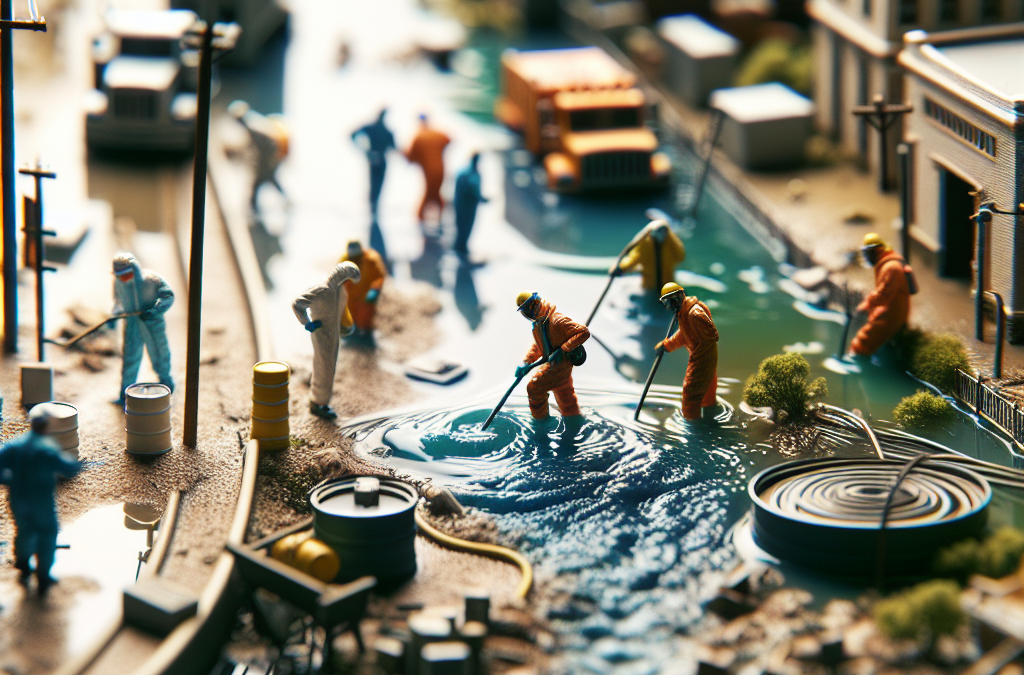
When floodwaters creep into a home, it’s easy to get lost in the chaos. The first thing you’ve got to realize is just how contaminated that water can be. It can carry chemicals from nearby factories, bacteria from sewage, and even heavy metals. Knowing what’s out there can help you take necessary precautions.
This kind of water isn’t just dirty; it can make you seriously sick. Pathogens like hepatitis A and E. coli thrive in these conditions. So, before you start splashing around in it, you’ve got to think about what’s lurking beneath the surface.
Always keep personal safety front of mind. If you suspect contaminants, either from industrial areas or agricultural runoff, don’t take chances. It might be time to call in some professionals to help with testing.
Testing Your Water
Once the flood has receded, get a grip on the water quality through testing. Local health departments often provide testing kits. This isn’t just a convenience; it’s essential for your health. You don’t want to find out the hard way that your water source is unsafe.
You can do simple tests for pH levels or bacteria levels at home, but don’t try to be a hero where it counts. Sometimes it’s best to reach out to a lab that specializes in water testing. They’ll give you a clearer picture of what you’re dealing with.
Another tip I learned? Don’t rely on looks alone. Clear water was not always safe during my experiences. Sometimes, it’s murky water that can be surprisingly less harmful than seemingly clean water!
Evaluating Your Water Source
It’s also crucial to examine the source of your water supply. If you’re on a municipal system, reach out to your local water authority for boil-water advisories or other safety measures that might be in place. For well water users, it’s best to be extra cautious as wells can be particularly susceptible to contamination.
If your well has been flooded, it’s highly probable that the integrity was compromised. Once you’ve done your testing, don’t hesitate to disinfect your well – it’s kind of a must-do!
Remember, some contaminants require specialized treatments to bring your water back to a safe standard. Don’t just think you can fix this with a Brita filter; that’s not going to cut it in many cases.
Cleaning Up After the Flood
Prioritizing Safety
Before diving into the cleanup process, let’s talk about safety gear. Equip yourself with gloves, masks, and waterproof boots. I can’t stress this enough – your health is your wealth!
As you sift through the soggy remnants of your home, be aware of potential dangers like sharp objects or hazardous materials. You might unearth items you didn’t expect, and some of them can be more dangerous than they look.
Trust me, the last thing you want is to put your hands in contaminated water without proper protection. Gloves are not just a suggestion; they’re your first line of defense!
Removing Contaminated Materials
Start by identifying the materials that can’t be salvaged. If your carpets or furniture have been soaked for too long, they might need to be tossed out. The bacteria can set in quickly, leading to more severe contamination later.
Take the time to document what you’re disposing of for insurance purposes. Pictures can be worth a thousand words in a claim process. You’d hate to find out a year later that your insurance didn’t cover a lost item because you didn’t keep a record!
While it’s tough to throw away precious items, your health comes first. Encourage friends or family to help; it’ll make the process smoother, and you can share stories about the stuff you’re discarding!
Disinfecting Your Space
Once everything that needs to go has been taken out, it’s time to roll your sleeves up and start disinfecting. Use a mix of bleach and water (about one cup of bleach per gallon of water) to wipe down all surfaces.
Don’t forget to ventilate the area—open windows and doors to let fresh air circulate. The smell can be overpowering, and you want to keep the environment nice and fresh.
Taking time to disinfect thoroughly will reduce your risk of lingering contamination. Mold loves damp spaces; don’t give it a chance to call your place home!
Restoring Your Water Supply
Contacting Water Authorities
If you’re lucky enough to be connected to a public water system, don’t hesitate to reach out to them. They will have the protocols in place to test and treat any potential issues with contamination.
They often provide updates about the safety of the water, and you may even find they can help with community resources for cleanup and recovery. It’s worth tapping into these local networks!
In many instances, there are financial aid programs available to assist you. Knowledge is power, so ask questions to get the best information for your particular situation.
Cleaning Your Water System
If you depend on well water, after a flood, you’ll need to disinfect your well. This usually involves shocking your well with a bleach solution and then testing it. I’ve learned from experience that regular well maintenance is essential, particularly after major weather events.
The disinfection process isn’t just a one-time deal either. You need to test your water quality again a couple of days after disinfecting and to ensure the contaminants are gone. Patience is key here.
If you don’t feel comfortable doing this by yourself, don’t hesitate to call in an expert. It’s totally worth it to get some peace of mind that your water is back to being safe.
Monitoring Ongoing Water Safety
Even after cleaning up, you shouldn’t let your guard down. Regular water testing will help you catch any lingering issues before they become bigger problems. Many health departments offer ongoing monitoring, and it’s a good idea to keep this on your radar.
Stay informed about local weather forecasts. Heavy rains can lead to more floods, and being on guard is vital for keeping your water supply safe.
Make it a point to establish a water safety plan with your family so everyone is on the same page. You’ll all feel better prepared knowing that you know what to do in unexpected situations!
Preventing Future Contamination
Improving Your Home’s Resilience
After going through the flood experience, it’s time to think about bolstering your home against future disasters. This can be as simple as ensuring proper drainage around your property or even investing in flood barriers. Every little bit can help.
Also, consider elevating anything that could be damaged just a little too easy if another flood hits. Elevating appliances or putting essential documents in waterproof containers can save some serious heartache.
Talk to neighbors who have faced similar challenges. Sometimes wisdom from others can spark ideas on how to prevent future hassles!
Educating Yourself and Others
The more I’ve learned about flooding and its repercussions, the more I’ve felt empowered not just for myself but for my entire community. Local workshops on flood preparedness can make a huge difference.
Joining community groups focused on climate resilience can help you share resources and tips with each other. The more knowledge circulating, the better equipped everyone will be when disaster strikes.
Sometimes it feels a bit overwhelming, but each conversation about safety makes a potentially dangerous situation a little less scary. We’ve got to stick together on this!
Regular Maintenance and Upgrades
Make sure to regularly check your plumbing and drainage systems. Regular maintenance can keep your home safe from unwanted water issues. By staying on top of it, you can catch early problems before they erupt into big ones.
If your budget allows, consider investing in flood-proof fixtures or landscape improvements that direct water away from your property. Small upgrades can have a big impact on your home’s resilience!
Building a relationship with a local contractor or plumber can pay off when you need quick assistance. They’ll remember all the little things about your home and can give you tailored advice on how to maintain it better moving forward.
Frequently Asked Questions
1. What types of contaminants are common after a flood?
Common contaminants can include bacteria, viruses, chemicals from nearby leaks, and heavy metals. It’s vital to test your water to understand what you’re dealing with before any use.
2. How can I test the water quality after a flood?
You can obtain testing kits from local health departments or professional labs. They can test for things like bacteria and chemical pollutants effectively.
3. What should I do if my well is flooded?
If your well has been flooded, it’s crucial to stop using the water and disinfect your well with a bleach solution, followed by thorough testing.
4. How can I prevent future water contamination from floods?
Improving drainage around your home, regularly maintaining plumbing, and investing in flood barriers are effective ways to prevent future issues.
5. Should I contact professionals for cleanup and testing?
Yes, if you feel overwhelmed or uncertain, it’s often a good idea to reach out to professionals who specialize in water contamination and restoration. They can ensure everything is safe and up to standards.

by Preparation Call Editorial Team | Jul 30, 2025 | Preparedness
Understanding Your Environment
Mapping Out Key Locations
First things first, whenever I think of urban survival, I can’t help but stress the importance of knowing the landscape around you. Familiarize yourself with important landmarks, like hospitals, police stations, and public transport hubs. It’s kind of like playing a real-life game of Connect Four. You want those pieces in your favor, ready to snag a quick escape if needed.
Make a personalized map. This doesn’t mean pulling up Google Maps, but rather getting out there and making observations. Walk the streets, note what looks off, and where you might find shelter. The more you know, the better equipped you’ll be if you need to make a fast move.
And let’s be real—having this mental map loaded can really give you peace of mind. You won’t be scrambling to figure out how to get to safety; you’ll already have exits planned, which can take a huge chunk of anxiety away in tense situations.
Emergency Kits and Gear
Choosing Essential Items
Next, let’s chat about gear. I remember the first time I packed my emergency kit—my friends laughed at me for being overprepared. But let me tell you, they weren’t chuckling when the lights went out. Make sure your kit includes basic first aid supplies, food, water, and a flashlight. Seriously, don’t skimp on the snacks! Your brain needs fuel to think clearly in crises.
Water is a non-negotiable. Some people suggest a gallon per day per person—do your own math based on your needs, but have a plan for hydration. The ability to stay nourished and hydrated gives you way more stamina, which you’ll definitely need if you’re hightailing it out of dodge.
Last but not least, think about comfort; a good pair of sturdy shoes is a game-changer. You need to be able to move fast and far if necessary. Don’t get trapped in flip-flops, people! Invest in something durable for your escape.
Accessing Routes and Exits
Identifying Multiple Pathways
In any urban area, always have a few escape routes in your back pocket. I can’t emphasize enough the need for alternatives. Not every route is going to work during an emergency—the roads might be blocked or too crowded. Explore side streets, alleys, and parks that could lead you away from trouble. It’s like covering your bases before calling in that big project at work.
Try to drive or walk the routes you’ve identified, so you really understand how long they’ll take and what obstacles you might run into. Being aware of your surroundings means you’ll be prepared for anything, even how a spontaneous street festival might throw a wrench in your plans.
Also, keep an eye on the traffic patterns; certain areas get jammed quick. You don’t want to be caught in a bottleneck if a rush hour hits at the wrong time. Plenty of apps track real-time traffic—keep that in mind when you’re scouting your escape routes! This can save you major hassle.
Staying Calm Under Pressure
Developing a Cool Mindset
A huge piece of planning your escape is all in your mind. Figuring out how to keep your composure when the world feels upside down is crucial. I know it’s easier said than done, but practicing deep breathing can help a ton. When panic sets in, we often forget our basics—breath brings clarity.
I also recommend visualizing potential scenarios. You know, play out what you’d do if an unexpected situation arose. The more you rehearse it mentally, the less daunting it will feel in the moment. Picture yourself moving through the scenario calmly and efficiently, like a pro in an action movie.
Lastly, trust your instincts. If something feels off, don’t hesitate to act. Staying aware and listening to that gut feeling can often lead you in the right direction. Remind yourself that the goal is to stay safe, and don’t be afraid to change your plans as needed.
Practice Makes Perfect
Conducting Drills
Let’s wrap up with why it’s super important to practice your escape plans. Just like any other skill, coming up with your routes and strategies is great, but putting them into action is what makes them stick. I remember my first drill felt like playacting in my backyard—embarrassing but helpful! Grab some friends, set up scenarios, and see how everyone reacts.
Be Creative! Throw in layers of complexity: Maybe simulate a medical issue, or have someone posing questions as you mastermind your escape. Trust me, it’s eye-opening to see what works and what needs rethinking when the pressure is on. It’s all about refining those reactions until they become second nature.
Don’t forget to tweak your training to align with the season or the specific urban setting you’re in. What works during a sunny summer day in the city might not hold up during the winter month’s ice storm. Flexibility in your plans is the name of the game!
FAQ
1. What should I put in my emergency kit?
Your emergency kit should have first aid supplies, enough food and water for several days, a flashlight, extra batteries, and sturdy shoes. Don’t forget any personal items that could be important, like medications!
2. How do I find alternative escape routes?
Explore your surroundings ahead of time—walk or drive through various streets and alleys. Use apps that show real-time traffic to help identify less congested options during an emergency.
3. What should I do if I start to feel panicked during a situation?
Take a deep breath and try to ground yourself. Visualize navigating the exit calmly and focus on what you need to do next. Trust your instincts; if something doesn’t feel right, adjust your route.
4. Is it really necessary to practice escape scenarios?
Absolutely! Practicing makes your response automatic, which can save crucial time in a real emergency. The more familiar you are with your plan, the better you’ll handle unexpected challenges.
5. How often should I update my plans or emergency kit?
Check and update your emergency kit at least twice a year, or whenever you notice a significant change in your life circumstances. It’s a good time to reassess your escape routes as well!