
by Preparation Call Editorial Team | Jul 30, 2025 | Preparedness
Understanding Your Environment
Know Your Location
When it comes to mobile home living, the Lay of the land is critical. You might be situated in a beautiful spot, surrounded by nature, but this also means you need to be aware of potential risks. Are you near flood zones? Is there a history of tornadoes in your area? Understanding your location can help you take the necessary precautions.
I remember moving into my first mobile home, thinking I had everything figured out. But boy, was I wrong! After a storm caused some flooding, I realized I needed to pay attention to my surroundings. Knowing what environmental threats are common in your area can help you prepare ahead of time.
Moreover, connecting with neighbors is huge. If they’ve dealt with tough weather before, they can share insightful tips and tricks that might just save your skin someday. It’s like having a local support network that’s looking out for each other.
Assess Natural Hazards
Now that you know your location, let’s dive deeper into assessing natural hazards. You want to be aware of things like wildfires, earthquakes, or sinkholes, depending on where you’re located. Reviewing local mapping resources for such hazards can be a lifesaver.
For instance, I took the time to visit my local city hall and grabbed some pamphlets that outlined potential risks. This gave me a roadmap of sorts, showing which areas were most vulnerable to different types of disasters.
Keep in mind, it’s not only about knowing them but also creating a personalized action plan. Whether it’s checking for earthquake insurance or preparing for a potential wildfire evacuation, proactive planning can make a significant difference in keeping you and your loved ones safe.
Be Informed About Weather Patterns
Staying informed about the weather can be your best friend, especially for those living in mobile homes. I’ve found that setting up alerts on my phone for severe weather updates is a total game changer. It gives me a heads-up to make any last-minute preparations.
It can be easy to ignore those weather updates, but trust me, you don’t want to be caught off guard during a thunderstorm or hurricane. Sometimes, those notifications can lead to life-saving actions, like strengthening your exterior or moving valuable items inside.
Additionally, understanding seasonal weather patterns where you live helps too. For example, if you know that hurricane season is approaching, you can take specific duties around securing your home and stockpiling supplies so you’re not scrambling later on.
Securing Your Home
Strengthening Your Mobile Home
Once you’re clued in on the hazards, it’s time to get serious about securing your mobile home. You want your home to be as strong and safe as possible, especially since they can be more vulnerable during extreme weather.
One of the first things I did was inspect the skirting around my home. Loose or damaged skirting can lead to structural issues and make your home more susceptible to damage. A tight seal can help prevent wind and flooding from making their way into your living space.
Additionally, think about anchoring your home properly if that’s feasible for your area. I recently had my mobile home anchored, which gave me peace of mind that it wouldn’t be easily moved during a storm.
Creating an Emergency Plan
Creating an emergency plan is all about knowing what to do before, during, and after a disaster strikes. I can’t stress the importance of having a solid plan that everyone in your household knows and understands.
In my case, I gathered my family and drafted a plan together. What would we do if a tornado hit? Where would we meet if we were separated? Not only did it get everyone involved, but it also eased a lot of anxiety regarding what could happen.
Make sure to also practice regular drills. It sounds a bit cheesy, but when we had our first practice drill at home, it really helped us see areas of improvement. We even discovered our pet’s emergency kit wasn’t where it should have been!
Gathering Supplies
Okay, now let’s talk about supplies because having those on hand can make or break your preparedness. I’ve learned over the years that a basic emergency kit is a fantastic foundation. From food and water to first-aid supplies, each item plays a vital role in keeping you safe and healthy during a crisis.
I recommend checking your supplies every few months, like I do. You’d be surprised how quickly things can expire or run out. And don’t forget about the little things–like flashlights and batteries–they always seem to be needed when you least expect it!
Moreover, personalize your kit. Do you have pets? Make sure to pack supplies for them. Is there anyone in your home with special medical needs? Tailor your preparation to meet those needs, so you don’t find yourself caught off guard.
Communication is Key
Establishing Communication Plans
Let’s face it—communication during a disaster can be tricky, but having a plan can make all the difference. Establish communication channels with your loved ones ahead of time, so everyone knows how to reach each other when things get crazy.
I once missed an important family check-in during a storm simply because I didn’t have a planned approach. We’ve since established group texts and made sure everyone knows how to use them, in case the power goes out and phones are all over the place.
Also, don’t forget about your neighbors. Having a buddy system can really help. If anything happens, check in on each other and share resources. Remember, you all share a community. A little teamwork goes a long way!
Utilizing Technology
Technology is an amazing tool for communication during emergencies. I’ve found it super helpful to have weather apps and emergency services numbers saved into my phone. Also, social media can be powerful when alerts go out rapidly.
But don’t just stop there! Look for apps designed specifically for emergencies, whether they track family locations or provide quick access to important documents you might need in a hurry.
And hey, if you’re tech-savvy, consider setting up an emergency email account or a social media group just for these kinds of situations. It can make all the difference if the usual phone lines aren’t working.
Staying Updated
Lastly, staying updated with local news is crucial during any disaster situation. I like to have a battery-operated or hand-crank radio handy, so no matter what happens to the internet, I’ll stay in the loop.
Regular check-ins with trustworthy news sources can offer the latest weather conditions and safety responses happening in your area. It pays to know what’s happening outside your mobile home.
Plus, consider joining local community forums or groups that focus on preparedness. They often share updates and insights that could be a lifesaver. Remember, knowledge is power!
Final Preparations
Review Your Insurance Coverage
Insurance isn’t the most thrilling topic, right? But trust me, reviewing your insurance coverage is one of the least stressful tasks you can do when not in a crisis. Understanding what your insurance covers can save you big time if the worst does happen.
I learned this the hard way after a minor incident left me questioning whether I was fully covered. It turned out I needed a special rider for flooding. Understanding your coverage now can give you peace of mind when the storm clouds roll in.
Don’t hesitate to reach out and chat with your insurance agent. They can guide you through the specifics and help address any burning questions you might have!
Practice Safety Drills
Another great way to finalize preparations is through regular safety drills. I still recall my first time organizing a drill at home; needless to say, things were a bit chaotic, but it ended up being so beneficial.
Everyone got a chance to practice what we’d do in an emergency. This way, when something does happen, you don’t have to think—you just react. Make these drills part of your routine, perhaps every six months, to keep the memory fresh!
So, want to take it a step further? Include friends or neighbors in the exercises. The more familiar everyone is with potential emergency plans, the stronger our community becomes. It’s all about teamwork, folks!
Stay Positive and Resilient
Prepping can be a bit overwhelming at times, so don’t forget to stay positive. Life throws a lot our way, but having a solid plan in place gives me comfort on the tough days. Knowing that I am prepared lessens anxiety.
Mental preparedness is just as essential as physical preparedness. I often practice mindfulness techniques to calm my mind, especially when I think about potential emergencies. Staying mentally resilient can truly affect how you respond in a crisis.
Lastly, always remind yourself that it’s okay not to have everything figured out immediately. Take things one step at a time, and before you know it, you’ll be on a solid path to preparedness!
FAQ
1. Why is it important to understand my environment when living in a mobile home?
Understanding your environment helps you assess inherent risks like natural disasters, which allows for better preparation and safety for you and your family.
2. What should I include in my emergency supplies kit?
Your emergency kit should ideally include non-perishable food, water, a first-aid kit, flashlights, batteries, hygiene products, and any personal medication or documents you may need.
3. How can I strengthen my mobile home?
Strengthening your mobile home can involve checking and repairing your skirting, ensuring it’s anchored properly, and making necessary repairs to the structure itself to withstand strong weather.
4. How often should I review my emergency plan?
It’s wise to review your emergency plan at least every six months, or after any significant life changes to ensure everyone remains informed and ready to respond.
5. What role does communication play in mobile home preparedness?
Effective communication ensures everyone knows their role during an emergency, making it easier to coordinate responses and stay connected when chaos strikes.
by Preparation Call Editorial Team | Jul 30, 2025 | Preparedness
Understanding the Importance of Hygiene
Why Hygiene Matters
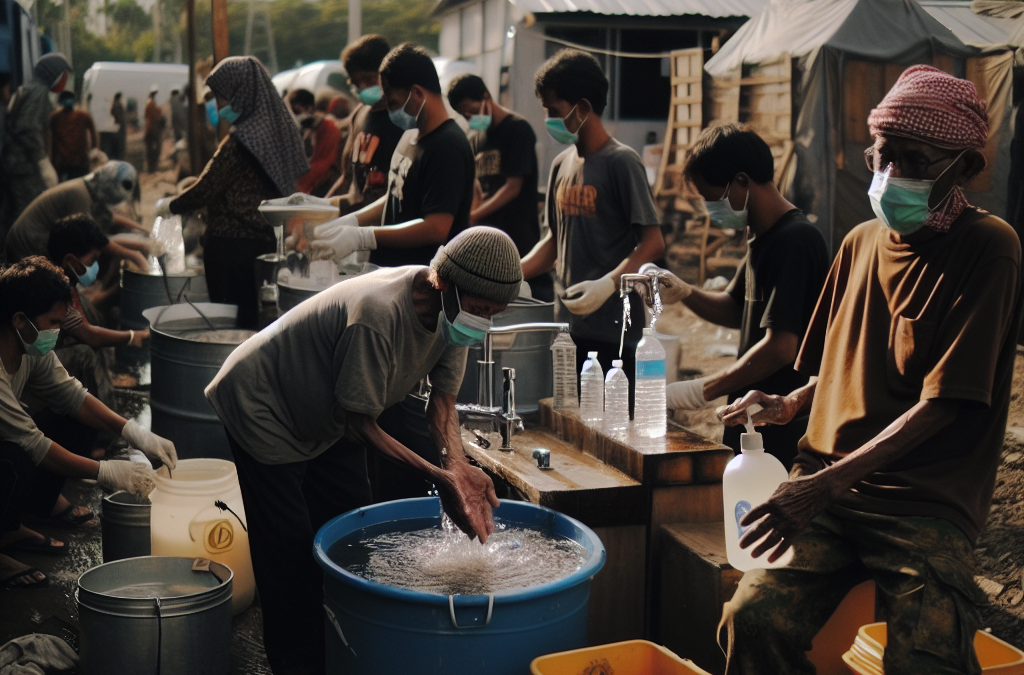
In times of crisis, it can be so easy to let hygiene slide. I’ve been there, and trust me, maintaining hygiene is crucial. It not only helps prevent disease but also boosts morale. Think about a time when you felt clean and fresh amidst chaos. It’s that little bit of comfort that can make a huge difference.
When we’re faced with an emergency, like a natural disaster or a pandemic, germs and bacteria can spread like wildfire. Keeping up with hygiene practices helps us stay healthy, which is the last thing we want to compromise on. Remember that your health is one of the things you have control over when everything else seems out of whack.
Moreover, maintaining hygiene during extended emergencies instills a sense of normalcy. It brings back some of that peace of mind and structure that might otherwise be lost. I can’t tell you how uplifting washing my hands or taking a quick shower felt during stressful times.
Creating a Hygiene Plan
Assessing Your Resources
In my experience, the first step to creating a hygiene plan is to assess what resources you have. Don’t wait until you’re in a bind; evaluate your supplies now. You may think you have enough soap or sanitizers, but when push comes to shove, that might not be the case.
Take inventory of what you have and be creative. In emergencies, you sometimes have to improvise. I remember using vinegar as a natural disinfectant when I ran low on commercial products. It worked just fine and reminded me that there are always alternatives out there.
To wrap up, do what you can to gather essential items before they’re hard to find. Planning ahead strengthens your hygiene plan. Reassessing your situation regularly will also keep you on top of things, making it easier to adapt as the situation evolves.
Establishing Routine Hygiene Practices
Key Practices to Follow
One of the best pieces of advice I can give you is to establish a daily routine. You might have to push through the fear and uncertainty, but setting aside time for hygiene will help keep those germs at bay. I love starting my day with a refreshing shower and brushing my teeth, and I try to stick to that schedule as much as possible, even when things get crazy.
Handwashing is a must! I can’t stress this enough. Once I made it a habit, I began to feel the difference. Wash your hands before eating, after using the bathroom, and whenever you touch something that could be dirty. It’s simple but it works, trust me.
And don’t forget about keeping your living spaces clean. Dusting and sanitizing surfaces can feel like a chore, but I’ve found that it’s a great way to blow off some steam while also maintaining a safe environment. Plus, your space feels so much more inviting when it’s fresh and organized!
Managing Waste Effectively
Understanding Waste Disposal
Let’s talk waste management. This is an area that can be overlooked but is super important. When we don’t manage waste appropriately, it can lead to sanitation issues and possible outbreaks of illness. I remember when we didn’t have power during an emergency, and trust me, waste can pile up quickly if you’re not careful.
Learn about proper waste disposal methods that fit your circumstance. If you can’t take trash out regularly, designate a specific area away from your living space for waste. Just keep it clean and manageable, and always remember to use gloves when handling waste. It’s a small step that keeps contamination to a minimum.
And let’s not forget composting! I’ve started to love composting as a routine in my household, even during emergencies. It reduces waste and provides nutrients to the plants around, creating a lovely symbiotic relationship. It feels good to know that I’m not only cleaning up but also helping the environment in the process.
Staying Informed and Adapting
Researching Best Practices
In our tech-driven world, it’s easier than ever to stay informed. I can spend a few minutes each day reading up on hygiene practices during emergencies. Knowing what’s effective helps me make better choices and also share valuable information with friends and family who might be struggling.
Keeping updated on new guidelines or recommendations is essential, as hygiene standards can change based on emerging threats. Resources like the CDC or local health department updates are great starting points to keep your practices aligned with current health advisories.
In summary, be adaptable. Emergencies can change quickly, and that may require a shift in your hygiene practices. I learned to stay flexible and adjust to new situations, and remember—just because something worked yesterday doesn’t mean it will work the same today. Embrace change as part of the journey.
FAQ
1. Why is it important to maintain hygiene during emergencies?
Maintaining hygiene during emergencies helps prevent the spread of diseases, boosts morale, and instills a sense of normalcy in chaotic situations.
2. What are some essential items for a hygiene kit?
Essential items include soap, hand sanitizer, disinfectant wipes, toothbrushes, toothpaste, toilet paper, and any personal hygiene products necessary for you and your family.
3. How can I establish a hygiene routine at home?
Set specific times throughout the day for washing hands, cleaning surfaces, and taking care of personal hygiene. Stick to these times to create a new routine that feels natural.
4. What should I do with waste during an extended emergency?
It’s crucial to designate waste disposal areas away from living spaces. Learn about proper disposal methods for various types of waste and always wear gloves when handling it.
5. How can I find reliable information on hygiene practices during emergencies?
Check resources like the CDC, WHO, or local health departments. These organizations update their recommendations based on current health threats and best practices.

by Preparation Call Editorial Team | Jul 30, 2025 | Preparedness
Utilize Offline Resources
Local Libraries
Let me tell you, local libraries are a treasure trove of information! They’ve got newspapers, magazines, and a ton of books on various subjects. Even without the internet, you can dive into well-researched materials that keep you aware of the world around you. Plus, libraries often have community bulletin boards with local happenings.
Another cool aspect is that many libraries offer free workshops or events that can help you stay informed on different topics. From guest speakers to lectures, you can learn a lot in just a couple of hours. So, I definitely recommend you check your local library’s calendar!
Don’t be shy about asking librarians for assistance. They’re usually super knowledgeable and can guide you to some great resources that you might not stumble upon otherwise. Libraries are like your local information hubs!
Print Media
When was the last time you actually picked up a newspaper or a magazine? In today’s digital age, I think we often forget about the power of print media. Make it a habit to grab a newspaper during your morning coffee or browse through magazines at your local café. It’s a great way to get diverse perspectives on current events.
Many magazines focus on niche topics – health, travel, technology, etc. – so find a few that interest you. Reading cover-to-cover can give you a well-rounded view on specific subjects that you might not consider otherwise. Plus, it feels good to flick through the pages instead of scrolling through a screen!
To add a bit of flair, consider subscribing to a few print publications. It can be something to look forward to each month, and you’ll always have access to a tangible source of information on hand, whether you’re at home or on the go.
Community Boards and Local Gatherings
Never underestimate the power of face-to-face communication! Community boards at local cafes, grocery stores, and community centers often have valuable information. You can find flyers about local events, discussions, or even activism groups that keep you in the loop.
If you’re looking to stay informed, actively participating in community events can be incredibly beneficial! Whether it’s a town hall meeting or a local discussion group, you not only gain insights but also make connections with others who have similar interests.
Remember, the local community is a rich resource for knowledge. Engaging with people is a fantastic way to gather local stories and stay informed about what’s really happening in your area—sometimes you just need to ask someone what’s up!
Engage with Podcasts and Audiobooks
Downloading Content
Even without reliable internet, you can prepare ahead of time! Podcasts and audiobooks are lifesavers when it comes to staying entertained and informed. Before you head out or to a place without reliable Wi-Fi, download a few episodes or books that interest you.
I’ve found a bunch of informative podcasts that cover everything from history to science and even politics. By downloading these in advance, you can listen while you’re commuting, exercising, or just relaxing at home. It’s like carrying around a library in your pocket!
Make sure to set aside some time each week to catch up on your downloaded content. This not only keeps you updated but also makes those mundane activities feel more rewarding and engaging.
Curating Your Own Content
We often curate our online feeds with social media, but how about curating your own audio library? Finding and compiling content that aligns with your interests can keep you informed. Just think about the topics you’re passionate about and seek out the corresponding podcasts or audiobooks.
If you’re into true crime, for instance, you can find a plethora of podcasts dedicated to that genre. Not only does this let you stay updated, but it also gives you a chance to explore deeper subjects while enjoying the content in a fun way.
The best part is that you can listen anytime, anywhere! Walking your dog, cooking, or commuting—just put on your headphones and you’re set. It’s an easy way to soak up knowledge while staying entertained.
Creating a Listening Circle
Have you ever thought about getting together with friends or family to share what you’ve learned from podcasts or audiobooks? A listening circle can be a fun way to keep you all informed while also sparking interesting discussions.
It’s super easy! Pick a podcast episode or audiobook chapter, listen to it separately, and then gather to share thoughts, insights, and reactions. It’s such a unique and enjoyable way to explore topics alongside people you care about!
You’ll not only strengthen your bonds but also discover new perspectives. Sometimes, hearing how someone else interpreted the same content can completely change your understanding of it!
Leverage Social Media Wisely
Using Offline Features
If you find yourself in a pinch without reliable internet, make the most out of social media’s offline capabilities. Many platforms allow preloading content for offline access. Downloading content prepared in advance ensures you won’t miss out on important updates.
Keep your social media apps ready to go! You can save links, articles, and posts that you can refer back to later when you don’t have a connection. I often bookmark interesting articles to read whenever I Ultimately settle down somewhere that has decent Wi-Fi.
Also, consider turning on notifications for pages or individuals that provide essential news updates. Once you’re back online, you can catch up quickly without wandering aimlessly through your feed.
Follow Relevant Groups and Pages
One great way to stay informed is by following local interest groups or pages on social media. These often provide updates related to your area, community events, or other relevant news that might not make it to broader news networks.
I’ve joined a few groups focused on historical discussions in my city and it keeps me clued in on interesting events and debates happening locally. Discussions often arise that touch upon facets of our community I wasn’t even aware of!
Engaging in these groups also opens the floor for dialogue. Sharing and discussing information within these communities can provide you with diverse insights and viewpoints.
Share and Participate
Don’t just be a passive consumer. You know what I’ve found really useful? Sharing relevant content or insights you’ve gleaned with your social media circles! By posting articles, your thoughts, or events you find exciting, you can keep others informed, too!
Engaging users with questions or discussions around these topics can lead to a vibrant dialogue. Another great idea is to post your own queries and seek updates—there’s wisdom in the crowd!
Participating rather than just observing can create a sense of community and it might just lead you to some great information you hadn’t considered!
Connect with Friends and Family
Regular Check-Ins
Honestly, one of the best ways to stay informed is simply by having regular chats with friends and family. They might be catching the news you’ve missed or have insights on what’s happening around you. Make it a point to check in with loved ones regularly!
Whether it’s a casual coffee catch-up or a video call, discussing various topics can keep you in the loop. You’d be surprised at how much you can learn just by swapping stories and tips with people close to you.
It’s not just about news either! Sharing personal experiences or findings from books and other sources can enrich your view of both the world and your immediate surroundings.
Organizing Informal Meetups
Why not take it a step further and organize informal meetups? Invite friends over for a potluck dinner where everyone brings something to share—be it news, a book summary, or even a documentary they watched. This creates a collaborative environment where everyone can share information.
You can set themes for these meetups, focusing on current events, different cultures, or even shared hobbies. It not only makes for a fun evening but also encourages active sharing of information.
Sharing is caring, right? This way, everyone walks away with new knowledge and perspectives, and it enhances your social life along the way!
Creating a Group Chat or Message Board
In a world where we often rely on instant messaging, setting up a group chat or message board with friends and family can be a soft yet effective way to stay informed. You can share interesting articles, videos, and personal insights as you come across them.
Platform options are endless! You could use WhatsApp, Facebook, or even dedicated apps like Discord. Each has its pros and cons, but what matters is the community and the information shared within it.
Messages can be both casual and informative, helping maintain connections while ensuring everyone is updated on various topics—just make sure to keep it fun and light-hearted!
Frequently Asked Questions
What are some offline resources I can use to stay informed?
You can utilize local libraries, print media like newspapers and magazines, and community boards that often have relevant postings. Networking through local gatherings and engaging with others can also provide valuable insights.
How can podcasts help me stay informed without the internet?
By downloading episodes and audiobooks ahead of time, you can consume informative content on the go. Podcasts cover a wide variety of topics, keeping you engaged and informed even without internet access.
Should I follow social media accounts to stay informed?
Absolutely! Just ensure you’re following relevant groups and pages that align with your interests. Engaging with these communities can provide a lot of local news and discussions that keep you in the loop.
How can I make sure I’m getting diverse views on current events?
Participate in discussions, listen to podcasts with different perspectives, and connect with friends who have varying viewpoints. This way, you’ll gain insights that might challenge your thinking.
What’s the best way to have engaging discussions with friends and family?
Organizing regular meetups, setting up group chats, or simply having open conversations about what you’ve learned can create a rich dialogue. Sharing experiences and thoughts can lead to meaningful exchanges of information!






