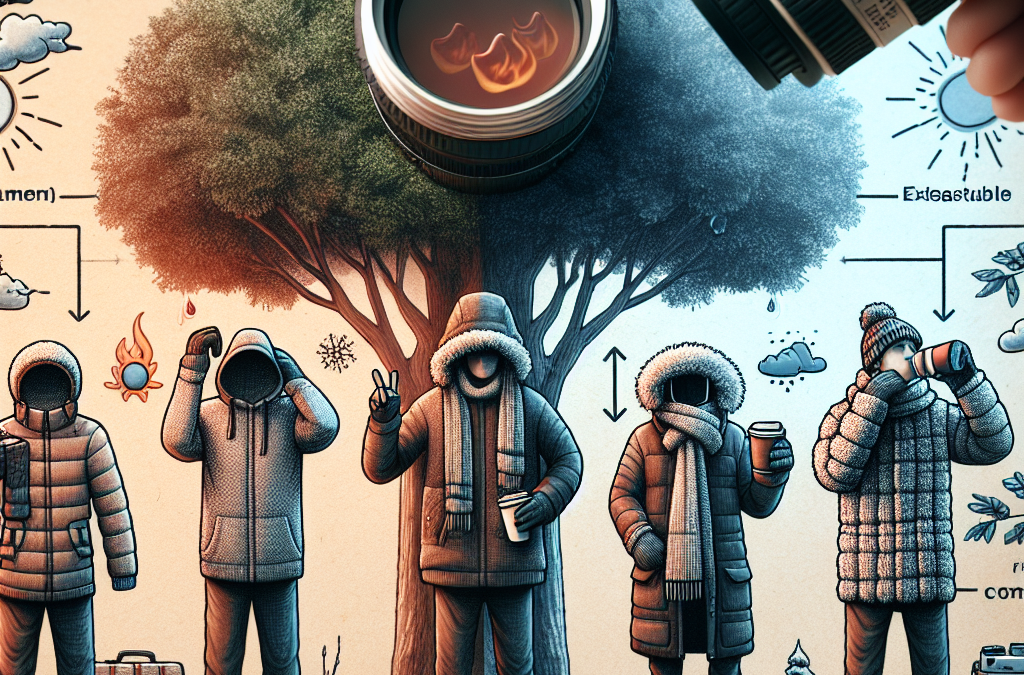
You know, our bodies are amazing machines, but they need the right fuel to function correctly. When it’s sweltering outside or frigidly cold, hydration becomes key. In the heat, I personally drink lots of water, and I don’t just wait until I’m thirsty. Being proactive about hydration helps to keep my energy up and fight off fatigue.
During winter, the dry air can be deceptive. Even if it’s cold, you can still get dehydrated. For me, I make it a point to sip herbal teas or even warm water. It’s comforting and good for my system.
Don’t forget about electrolyte drinks, especially if you’re sweating a lot in the heat. These help replace lost salts. Trust me; I’ve felt the difference when I choose a sports drink over plain water on those hot summer days. It’s a game-changer!
Wear Appropriate Clothing
Light Fabrics for Heat
When the sun is blazing, I notice that wearing light-colored, breathable fabrics makes a world of difference. Cotton is my go-to. It’s comfy, and it absorbs sweat better than synthetic fibers. Once, I made the mistake of wearing dark colors in the summer—big no-no!
If you’re heading out in the heat for a while, don’t skip the hat or sunglasses, either. A wide-brimmed hat not only protects my face from sunburn but also keeps me cooler. And let’s not forget about the sunscreen!
In winter, layers are my best friends. I tend to wear thermal tops and bottom layers under my regular clothes. It helps trap warmth while also allowing for airflow. Plus, if I get too warm, I can adjust layers easily—I love that flexibility!
Adjust Indoor Environments
Temperature Control
When it’s scorching hot or freezing cold, my indoor environment needs to be just right. I often crank the air conditioning on those hot summer days. It’s crucial to find that sweet spot where it’s cool enough, but not freezing. I’ve learned to set the thermostat a few degrees higher to save on energy bills.
In the winter, keeping the heat steady is important. I always make sure to close curtains to keep warmth in. It’s all about creating that snug atmosphere. I’ve also invested in a space heater for areas where it’s drafty in my home.
During both extremes, I use fans to circulate air. A good ceiling fan can actually make you feel cooler in the heat and help distribute warmth in the cold—multi-functional magic right there!
Limit Outdoor Activities
Timing is Everything
One lesson I’ve learned through trial and error is that timing outdoor activities during extreme weather is crucial. In the summer, I try to exercise early in the morning or later in the evening when it’s cooler. It’s amazing how a little planning can keep you from overheating.
When winter strikes, I keep an eye on weather alerts. If there’s a severe cold warning, I skip any unnecessary outings. Short errands can turn into a long cold battle if I’m not careful!
I also keep a close watch on my pets. Hot pavement can hurt their paws in summer, and they need breaks, just like I do when it’s scorching. On chilly days, I make sure they wear their little sweaters—because who wouldn’t want to be warm and cozy?
Monitor Health Closely
Watch for Symptoms
Keeping an eye on my body’s responses to extreme temperatures has been a game changer. Signs of heat exhaustion, like dizziness or excessive sweating, should never be ignored. I’ve learned to listen to my body—if something feels off, I pay attention. I’ve even had friends who ignored their symptoms and regretted it later.
In the cold, symptoms like shivering and breathlessness can sneak up on you. I make sure to dress warmly enough and not stay out too long. Frostbite is no joke; it can happen quicker than you think.
In closing, I recommend checking in on elderly family members or neighbors. They can be more susceptible to temperature extremes, and a friendly check-in can ensure they’re staying safe and healthy.
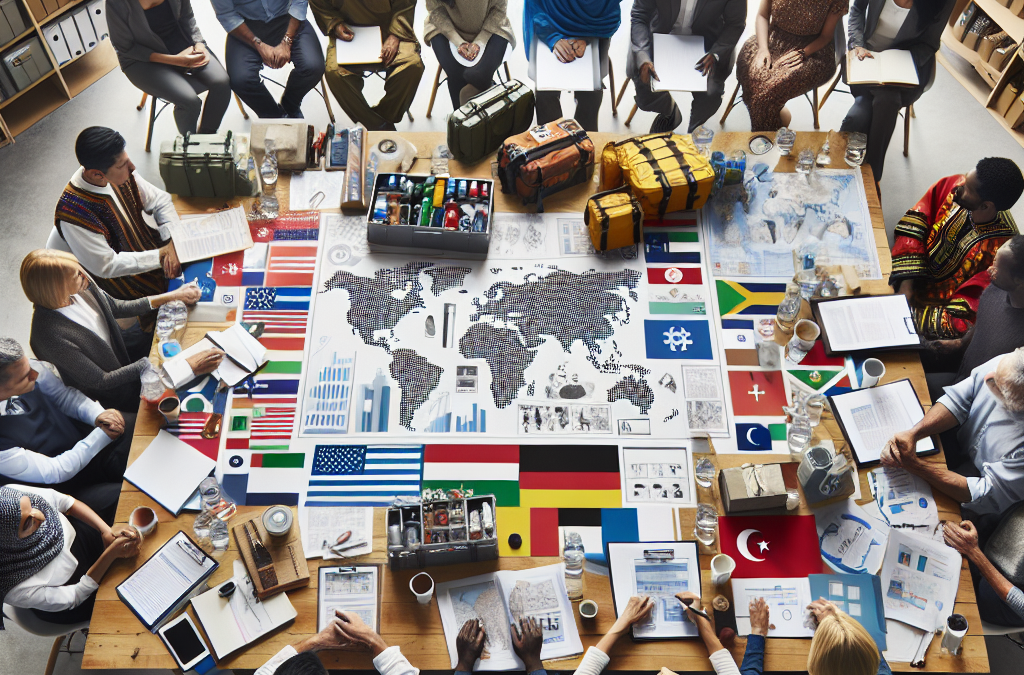
When I started working on community preparedness, I quickly realized just how diverse the communities I was dealing with were. Each group had its unique set of cultural norms that influenced how they interpreted risks and responded to emergencies. Understanding these differences became crucial. For instance, some cultures might prioritize family gatherings as a first response, while others rely heavily on institutional instructions.
It was a real eye-opener for me to see how different beliefs and values shaped people’s perspectives on safety and security. Engaging with various community leaders helped me gather insights into what those norms were. By spending time with them, I developed a better understanding of how to create a more inclusive and effective preparedness plan.
Without recognizing these cultural nuances, any preparedness plan could fall flat. It’s vital for us as planners to immerse ourselves in the community’s cultural outlook. A little effort goes a long way in enhancing trust, leading to a more resilient community when faced with crises.
Language Barriers
Language plays a huge role in how communities prepare for emergencies. In my experience, failing to accommodate language differences can leave entire communities in the dark about vital information. When I put together preparedness materials, I always made it a point to translate them into the predominant languages of those communities.
One time, working in a multilingual neighborhood, I collaborated with local schools to create bilingual pamphlets. The feedback was incredibly positive! It turned out that families were more likely to engage in preparedness activities when they understood the information in their own language.
Going beyond just translation, I learned that incorporating visual aids also helped overcome language barriers. Infographics, pictures, and easy-to-read bullet points could convey critical information even for those with limited reading skills. It’s all about making sure that everyone feels informed and involved in their own safety.
Community Engagement Techniques
Getting the community involved is another key aspect. I found that organizing workshops in different neighborhoods allowed for open conversations about preparedness. People were more receptive when they could discuss their concerns actively. This co-creation not only empowered the community but also ensured the plans resonated with their experiences.
We also discovered that using local events, like festivals or farmer’s markets, as platforms to share preparedness information was super effective! It created a laid-back atmosphere where people were willing to stop, chat, and learn without feeling overwhelmed by the seriousness of the subject.
Building relationships with community members is about trust. When they saw us genuinely interested in their needs, it became a partnership rather than just a top-down approach. Effective engagement leads to better preparedness and boosts morale, making everyone feel like they’re in it together.
Incorporating Community Values
Identifying Core Values
When the time came to incorporate community values into our preparedness plan, I was amazed at how much joy and pride people took in their customs. Each community I worked with had core values that defined them. For some, it was about coming together as a family during crises; for others, it was about maintaining traditions through challenging times. Understanding these values helped me design a plan that was truly reflective of each community’s spirit.
Aside from the values, I also learned the importance of honor in certain cultures. Many groups place a high value on respect and honor, with some even having rituals that involve ancestors during emergencies. By respecting and incorporating these traditions into our plans, we found deeper connection points with the community.
Ultimately, the takeaway was clear. If we wanted to build a community preparedness plan that truly resonated, we had to align it with their core values. This understanding fosters a natural sense of ownership among community members, leading to better engagement overall.
Utilizing Cultural Competence
Cultural competence is a skill I’ve invested a lot in mastering over the years. It enabled me to engage more effectively with diverse community groups. It’s not just about knowing a few facts; it’s about understanding and appreciating those differences. I always remind myself to be approachable and open-minded when interacting with different cultures.
One practical skill I honed was active listening. I truly took the time to listen and seek clarity on how people felt about various issues related to preparedness. This approach not only improved my knowledge but also made residents more comfortable in expressing their thoughts and concerns.
Ultimately, practicing cultural competence means that you’re committed to ongoing learning. Each interaction serves as a learning opportunity to understand how best to engage with communities, thus enriching both professional and personal experiences.
Building Trust Through Transparency
In my journey towards building community preparedness, I learned that transparency is vital in establishing trust. I made it a priority to communicate openly about what our preparedness plan entailed, how decisions were made, and who was involved. Residents appreciate honesty, especially when it comes from someone who genuinely cares about their well-being.
Creating an open-door policy where community members could approach us with their thoughts and suggestions was important. This not only built trust but also fostered a stronger partnership between us and the community. I realized early that people were more likely to engage in preparedness activities when they felt they were included in the process.
To wrap up, I found that consistently providing updates, particularly during emergencies, goes a long way in reinforcing that trust. By sharing real-time information and being upfront about challenges, we built a resilient community that remained proactive even in tough times.
Educational Outreach
Creating Targeted Educational Programs
When it came to educational outreach, I quickly identified the need for targeted programs. Not every community will respond the same way to general preparedness education, and that’s something I learned the hard way. By focusing on specific needs and challenges faced by distinct groups, we could create effective educational sessions.
I started partnering with local organizations and schools to help reach diverse audiences. We emphasized hands-on learning experiences, which resonated well with participants. This kind of engagement made them feel like they weren’t just students but active participants in their preparedness education.
Topic-wise, we tailored our programs to cover culturally relevant information that aligned with their values. For instance, incorporating examples from their everyday lives made the lesson plans more relatable. This approach allowed community members to see preparedness as not just a task, but a lifestyle.
Empowering Community Leaders
Empowerment is a big theme I’ve witnessed over the years. One of the most effective ways to enhance educational outreach is by empowering local leaders to take charge. I’ve found that training community leaders enables them to share knowledge with their own networks effectively. They often have established trust, which makes them credible messengers of preparedness.
I remember a particular instance where we conducted workshops specifically for community leaders. Instead of just handing them information, we encouraged them to share their perspectives and techniques for engagement. The outcome? A ripple effect where leaders could multiply the impact of the training by sharing it with their communities.
Empowering leaders not only educates but also fosters a sense of ownership over the preparedness process. They become champions of change and advocates within their communities, creating a more robust preparedness culture overall.
Leveraging Technology for Outreach
Technology has played a huge role in how I approach educational outreach. Digital platforms allow us to reach even the most remote communities. Utilizing social media, apps, and websites helped share information quickly and effectively. I started collaborating with tech-savvy individuals within the community to enhance our outreach capabilities.
Webinars and virtual workshops became a mainstay, especially during the pandemic, bridging the gap when in-person gatherings weren’t possible. We utilized storytelling and local examples, making our virtual interactions just as engaging as face-to-face meetings.
As we continued to innovate our outreach strategies through technology, we realized that using interactive platforms led to more engagement. Polls, Q&As, and “Ask Me Anything” sessions facilitated a dynamic two-way conversation that made residents feel included and heard.
Feedback and Continuous Improvement
Encouraging Community Feedback
One of the best lessons I’ve learned is the importance of gathering community feedback. After implementing our preparedness plan, I started creating simple channels for community members to share their thoughts and suggestions. Whether through surveys or community gatherings, the aim was to create a continuous cycle of feedback.
In my experience, community members often have insights that surprise you! Their unique perspectives helped me better understand what worked and what didn’t. For instance, a community member once mentioned that the information sessions were too formal, leading us to revise our approach and make it more inviting and relaxed.
Encouraging this feedback fosters a sense of collaboration and makes the community feel valued. People appreciate being able to voice their opinions and witness their feedback lead to tangible changes in the plan.
Implementing Changes Based on Feedback
Taking feedback seriously is crucial. I learned that when community members see their suggestions result in changes, it builds trust and engagement. Each time we adjusted our plan, based on their input, we showcased our commitment to doing what’s best for the community.
For instance, after receiving feedback on the accessibility of our meeting locations, we adjusted our venues to better accommodate everyone. Enabling all members of the community to participate enhances our preparedness efforts.
This iterative process of implementing feedback ensures that the preparedness plan adapts over time, staying relevant to the community’s evolving needs. Ultimately, it’s about creating a living document that grows alongside the community.
Establishing a Review Process
Lastly, establishing a regular review process ensures that everything stays on track. I made it a point to set quarterly meetings where we would assess the effectiveness of our preparedness efforts. During these meetings, we celebrated successes and identified areas needing attention or adjustment.
In our reviews, I’ve found that involving community partners brought additional value. They provided insights into how our plans were impacting the community positively or negatively. It was an excellent platform for collaborative problem-solving, enhancing both our plan and our relationships.
This commitment to review fosters accountability and transparency in the preparedness process, allowing for a smoother transition through challenges. It reminded all of us that preparedness is not just a one-time task but a continuous journey.
FAQ
1. What are some key cultural considerations in building a community preparedness plan?
It’s essential to understand cultural diversity, address language barriers, engage effectively with the community, incorporate their values, and always promote educational outreach.
2. How can language barriers affect community preparedness?
Language barriers can lead to miscommunication and misinformation about important safety measures, making it critical to create translated materials and use visuals to ensure everyone understands the information.
3. Why is community engagement important in preparedness planning?
Engaging the community fosters trust, ownership, and empowerment. It allows for the creation of a plan that reflects the needs and experiences of local residents, ultimately resulting in a more resilient community.
4. How do I empower community leaders to effectively communicate preparedness?
Providing training and resources for community leaders helps them share knowledge within their networks. This approach leverages their established trust and credibility, enhancing the overall outreach.
5. What role does feedback play in improving preparedness plans?
Feedback is crucial for making necessary changes to preparedness plans. It allows communities to feel heard, ensures that plans remain relevant, and fosters a culture of collaboration and continuous improvement.
Let’s be real—radiation is no joke. When someone gets exposed to high levels of radiation, the immediate effects could be brutal. Things like nausea, vomiting, and fatigue can hit hard and fast. Honestly, you wouldn’t want to find yourself in that situation. It isn’t just about bad vibes; it’s about feeling physically awful.
These symptoms can onset very quickly after an acute exposure, often within hours. What’s scary is that some folks might not realize what’s happening to them at first. It can throw a wrench in your plans, making it essential to recognize the signs and seek help immediately.
In addition, the psychological aftermath can also be daunting. People often feel a sense of fear and anxiety about their health after these disasters, which can linger long after the physical symptoms fade away. That emotional toll is just as significant as the physical damage done.
Long-Term Health Risks
The long-term risks of radiation exposure can be even creepier. Cancer is the big bad wolf here. Those who’ve been exposed to significant radiation may have an increased risk of various cancers years down the line. It’s a grim truth that many don’t like to think about but ignoring it won’t help.
Other potential long-term effects include cardiovascular diseases and damage to your thyroid. Studies have shown that radiation can impact organs that we might not even immediately think about. Keeping an eye on your health post-exposure is crucial.
Your mental well-being plays a role too. Survivors often deal with anxiety and depression stemming from the event. It’s vital for folks to have access to mental health support to process what they’ve gone through and rebuild their lives.
Vulnerable Populations
And, of course, we can’t forget about vulnerable populations. Kids, pregnant women, and even the elderly are at greater risk during radiological events. Why? Their bodies are more susceptible, and the long-term effects can hit harder for them. It honestly breaks my heart when I think about how these disasters can impact those who are already vulnerable.
This vulnerability is a reminder for all of us to stay informed and prepared. When we know that certain groups are at a higher risk, it motivates us to create safer environments and advocate for better disaster preparedness.
The community plays an essential role here. Helping one another during crises—especially those most at risk—fosters resilience and supports recovery efforts across the board.
Environmental Impacts
Contamination of Land and Water
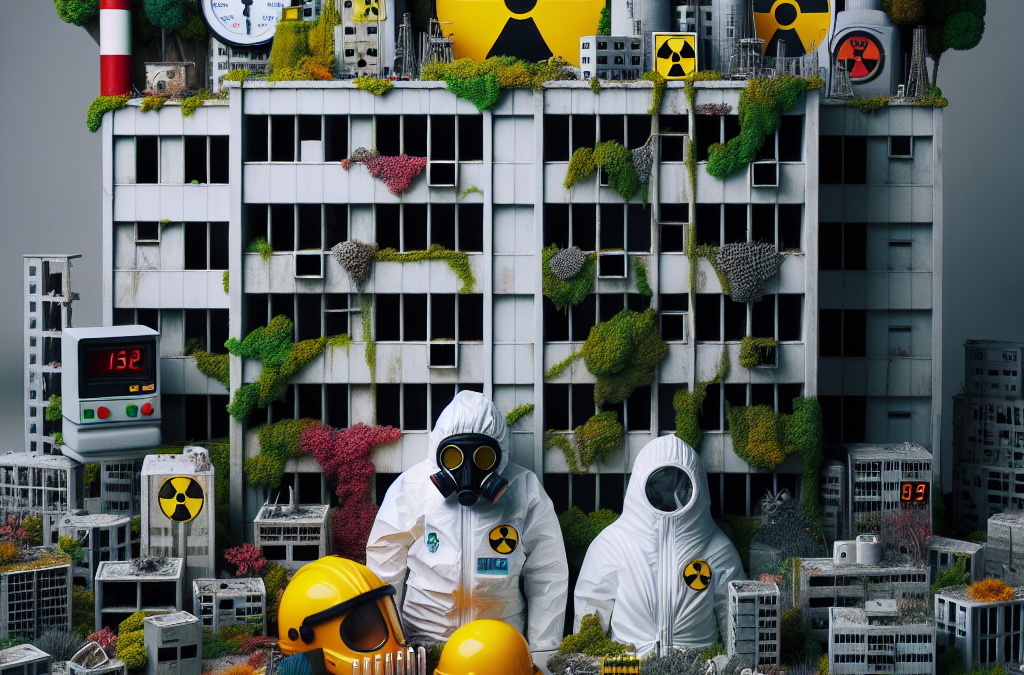
Now, let’s dive into the environment. One of the major issues following a radiological disaster is the contamination of land and water. The impact can last for decades, or even longer in some cases. Sites can become uninhabitable for a long stretch of time, and that’s a big deal!
Water sources can also be compromised, making them unsafe for drinking or irrigation. This can result in food shortages and health crises, creating a vicious cycle of issues. People need clean water, and when that gets messed up, it’s a problem shared by everyone.
As someone who has seen the effects of environmental disasters firsthand, I can say that the scars they leave can take generations to heal. It’s vital for society to develop robust cleaning and containment responses to deal with the fallout.
Impact on Flora and Fauna
Let’s talk about our furry and green friends. Radiological disasters don’t just affect people; they also have devastating effects on wildlife and vegetation. You can imagine that once an area is contaminated, the native species suffer, often leading to drastic declines in their populations.
This decline can disrupt entire ecosystems, creating imbalances that have long-lasting effects. It changes the landscape—both literally and figuratively—transforming vibrant areas into ghostly reminders of their former selves.
It’s sad to think about, but recovery for affected wildlife can take years. We really need to think about how we can mitigate these impacts ahead of time and preserve what we can.
Economic Consequences
Lastly, let’s touch on the economic fallout. After a radiological disaster, local economies can crumble. Property values can plummet, and businesses may close down for good. People are often hesitant to return—and who can blame them? The fear of radiation lingers long after the physical cleanup is done.
Tourism can take a massive hit as well, which can starve a community of much-needed revenue. With fewer visitors, local services suffer, creating a ripple effect of economic hardship. Recovery isn’t just about cleaning up; it’s about revitalizing a community.
As someone interested in marketing and community resilience, I believe we need to foster proactive approaches to recovery, so that when disaster strikes, communities aren’t left in the dust, financially or emotionally.
Preparedness and Response
Emergency Plans
So, how do we get ourselves set up for success? Well, emergency planning is a biggie. Communities need to create and communicate clear emergency plans for radiological disasters. This means everything from evacuation routes to communication methods for keeping everyone informed.
I remember a community drill I participated in; we learned about these plans firsthand, and it was honestly eye-opening. Preparedness isn’t just a bunch of jargon—it’s what can save lives when the crunch comes.
Having these plans in place also helps to mitigate panic and confusion when an actual disaster occurs. Clear communication can guide people and keep emotions at bay during a tense time.
Education and Training
Education is key! Folks need to know what they’re up against and how they can protect themselves. Community workshops could provide training on recognizing signs of exposure and how to decontaminate yourself if you find yourself in a disaster zone.
Kinda wild to consider how much power knowledge can give us. It can help individuals and communities band together and respond effectively, transforming a potentially chaotic situation into one where everyone knows what’s going on.
Having trained personnel ready to step in is vital too. First responders who have dealt with radiological threats can make all the difference in those early hours of a crisis. It’s refreshing to see communities prioritizing this level of preparation.
Community Engagement
Last but not least, community engagement is an essential piece of the puzzle. When people come together to prepare for potential disasters, it builds a sense of unity and resilience within the community. Sharing resources, planning, and participating in drills allows everyone to feel more secure and informed.
One thing I’ve noticed is that engaged communities handle crises better. There’s a certain trust that builds when people collaborate on preparation efforts. It’s reassuring to know that we can rely on each other when push comes to shove.
Plus, it’s pretty empowering to take action. People love being part of solutions, and when we rally together, we create stronger, safer environments for everyone.
Regulatory and Safety Measures
Government Regulations
Government regulations play a pivotal role in managing the risks associated with radiological disasters. There are strict rules dictated by organizations meant to keep us safe. These guidelines often revolve around proper containment measures, emergency response protocols, and worker safety measures.
Having those regulations in place is crucial—not just for preventing disasters but also for effectively responding when they do happen. I’ve seen communities that are proactive about implementing these standards set an example for others.
It can create a culture of safety where everyone knows their responsibilities and can act accordingly. In times of crisis, that culture can be life-saving!
Safety Training for Workers
Safety isn’t just about regulations; it’s personal, especially for those working in industries where exposure risks are higher. Regular training about safety procedures can empower workers to keep themselves and their colleagues safe. This kind of training can be lifesaving.
For example, learning to identify radiation hazards and how to mitigate those risks can create a safer workplace. Remember, those frontline workers become our first line of defense during a disaster.
So, when I think about safety training, it’s all about building a culture of vigilance. Workers should feel confident and equipped to face hazardous situations, and that starts with comprehensive training.
Community Involvement in Regulation
Lastly, community involvement in regulations is super important. It’s one thing to have regulations on paper, but when folks are involved in the process, it adds a layer of insight that’s invaluable. Communities can bring their experiences and knowledge to the table to create better regulations.
Public forums, discussions, and participation in licensing processes can result in regulations that truly reflect the community’s needs and concerns. This isn’t just top-down governance; it’s a collaborative approach that can foster trust.
From my experience, when local voices are heard, the regulations are often more effective and embraced by the community since people feel like they have a stake in their safety protocols.
Conclusion
To wrap up, understanding the risks of radiological disasters requires a multi-faceted approach. From grasping the health implications and environmental impacts to ensuring preparedness, response, and safety measures, it’s a lot to digest. But facing these challenges head-on can ultimately foster resilience and community strength.
My takeaway? It’s essential for all of us to stay informed, engaged, and prepared to tackle these very real risks together. When we band together and take knowledge to heart, we create safer worlds for our families and communities.
FAQ
1. What are the immediate health effects of radiation exposure?
Immediate effects of radiation exposure can include symptoms like nausea, vomiting, and fatigue. These symptoms can present themselves within hours of exposure, highlighting the need for prompt medical attention.
2. How does radiation affect the environment?
Radiation can contaminate land and water sources, making them unsafe for living organisms. It can disrupt ecosystems and lead to declines in plant and animal populations, impacting biological diversity.
3. Why is community engagement important in disaster preparedness?
Community engagement fosters collaboration and trust among residents. When people work together to prepare for disasters, they create a network of support that can make a significant difference in recovery efforts.
4. What role do government regulations play in preventing radiological disasters?
Government regulations set safety standards for industries and establish protocols that help prevent disasters from occurring. These regulations ensure that organizations are equipped to handle potential radiological risks effectively.
5. How can individuals prepare for a radiological disaster?
Individuals can prepare by creating emergency plans, participating in community drills, and staying informed about safety protocols. Being knowledgeable and ready can help mitigate the impacts of a radiological event.
This HTML article provides insight into the understanding of radiological disasters, structured to be informative and approachable. The tone is friendly and personal, aiming to both educate and engage the reader.