
by Preparation Call Editorial Team | Jul 30, 2025 | Preparedness
1. After a Major Life Change
Recognizing Life Changes
So, let’s kick things off by chatting about one of the most obvious times to rethink your emergency preparedness plan: after a major life change. We all go through changes—whether it’s moving to a new home, getting married, having a baby, or even experiencing loss. Each of these events comes with new responsibilities and dynamics that can affect your safety and preparedness.
For instance, if you’ve just welcomed a new family member, your emergency plan should reflect this change. Kids have different needs and vulnerabilities that require you to consider their safety specifically. It’s all about tailoring your plan to match your current situation.
Additionally, if you moved to a different region, the types of emergencies you might face could be entirely different. From hurricanes to wildfires, your new locale might bring new risks that you need to account for in your emergency plan.
Updating Contact Information
Another important aspect of dealing with life changes is updating your contact information. Whether it’s family members, close friends, or work contacts, make sure that your emergency communication network is solid. I’ve often found that if I don’t keep this up to date, it can create chaos when it comes time to reach out in an emergency.
This means not only ensuring your phone numbers are correct but also including alternative means of communication. In the modern age, you might even want to include social media connections in your plan! You never know how crucial those can be when reaching out for help.
Regularly checking in on these details can save you a lot of headaches down the road, so make it a habit to reassess them whenever something big happens in your life!
Assessing Emotional Readiness
Let’s also not forget about our emotional readiness. Major life changes can take an emotional toll, and that can cloud our judgment when it comes to planning. Taking a moment to assess whether you and your family are mentally prepared for emergencies is crucial.
Coping with stress and fear is essential; consider involving a trusted friend or family member to discuss your emotional preparedness. Talking about fears can sometimes alleviate those worries and make it easier to focus on planning.
In my experience, creating an environment where everyone feels safe discussing their concerns leads to a more comprehensive plan. Emotional readiness also means having open lines of communication among family members when it comes to emergency situations.
2. After a Major Disaster Event
Reflecting on Real-Life Experience
Watching any major disaster unfold—even if it’s not happening right in my backyard—gives me the a-ha moment that it’s time to reevaluate my emergency preparedness plan. Seeing communities affected by natural disasters is a stark reminder of how unpredictable life can be. It compels me to think about how effective my plan actually is.
Reflecting on these real-life experiences can help you identify weaknesses in your own plan. Did I have enough supplies? Were my communication methods effective? It’s crucial to learn from these events, even if they’re happening miles away.
Taking a proactive approach to update your plan after such events is not only smart, but it also helps prepare for future uncertainties. This is an opportunity to think critically about your preparedness rather than waiting for something to happen to you.
Community Response
Another aspect worth considering is how your community responds to disasters. Community plans and resources can greatly differ, drastically influencing your own plan’s effectiveness. After witnessing how your town—like mine—responds during a disaster, you might want to reach out to local agencies and learn about their protocols.
Is there a community center designated as a shelter? Are there local alerts you can subscribe to for disaster updates? Understanding these resources can strengthen your own plan immensely. Often, the more connected I feel to my community, the more prepared I feel overall.
Plus, being aware of local resources can foster a sense of solidarity with your neighbors, which is essential during tough times!
Resource Inventory
One thing I love to do after a major disaster event is perform a thorough inventory of my emergency resources. This means going through my supplies—checking if they’re up to date, complete, and functioning. I’ve learned from personal experience that forgetting to do this can leave me in quite a bind.
Items like batteries, water, and food can expire. Making a checklist of everything I have and the expiration dates is a game changer. It’s easy to shove the emergency kit in a closet and forget about it, but regularly checking on it keeps me feeling prepared.
By maintaining an updated inventory, I assure that when an emergency arises, I’m not left scrambling at the last second trying to gather supplies. That’s the last thing I want when chaos strikes!
3. Changes in Regulations or Standards
Staying Informed
As someone who takes preparedness seriously, I can’t stress enough the importance of keeping up with changing regulations and standards. Governing bodies and organizations periodically revise their disaster preparedness guidelines based on research and changing risks. This means my plan might need a little tweaking too!
I find that subscribing to emergency management newsletters or checking websites like FEMA’s can help keep me informed about any changes that may impact my plan. It’s easy to get lost in day-to-day life, but taking the time to stay educated pays off when it counts the most.
Plus, staying informed lets me add new resources or techniques to my plan, making it even stronger. A little knowledge goes a long way when it comes to keeping my family safe.
Reviewing Safety Equipment
Your fire extinguisher may pass the eye test, but I’ve learned the hard way that neglecting to review safety equipment is a big no-no. Regulations about safety features and equipment can change, and what once was good enough might not meet current standards.
If you’re like me, check the expiration dates and the effectiveness of items like smoke detectors, carbon monoxide detectors, and other safety equipment. Regular maintenance is key to ensuring that if the time comes, my equipment will perform as intended.
Updating your equipment based on new standards not only keeps your home safer, but it also helps all family members know how things work in an emergency. Everyone should be familiar with the tools at their disposal!
New Technology
Technology is constantly evolving, and I often find myself amazed at the innovative solutions that come up for emergency preparedness. Apps that track weather alerts, devices that monitor home hazards, or even smart home features can enhance the way I prepare for disasters.
Taking the time to explore new technology and incorporating those advancements into my plan can boost its efficiency. For example, I recently downloaded a home security app that also alerts me to weather updates, ensuring I’m never caught off guard.
Being open to new tech not only modernizes my preparedness plan but also provides my family with more tools to manage difficult situations. If it helps keep my loved ones safe, I’m all for it!
4. Changes in Family Dynamics
Understanding Family Needs
As families evolve—kids grow up and leave, new members join—it’s essential to revisit my emergency preparedness plan as well. Each person has different needs, and ensuring that the plan accommodates everyone is key to effective safety.
For example, my teenager’s independence means he might not be home during an emergency. Creating a separate plan for him and explaining our family protocols is crucial. Ensuring he knows where our emergency go-bags are and how to reach me is a great way to prepare him for any situation.
Meanwhile, if you’ve got elderly family members, their specific needs should be at the forefront of your plan. From mobility issues to medication requirements, tailoring the plan to suit everyone’s circumstances ensures everyone knows what to do and who will assist them during emergencies.
Gathering Family Input
Here’s a tip I’ve picked up from experience: involve the whole family when re-evaluating your emergency preparedness plan. Holding a family meeting to discuss roles and responsibilities helps everyone feel included and clarified in case emergency protocols need to be executed.
By talking it out, we can address any concerns or misunderstandings among family members. Plus, it’s a good way for everyone to pitch in and add their thoughts! Kids often come up with creative ideas that can improve our strategy, making it even stronger.
Having this open dialogue fosters accountability and makes everyone feel engaged in the process—because let’s be real, no one wants to be the only one confused in a crisis.
Reassessing Responsibilities
Family dynamics aren’t static, so I make it a point to regularly reassess who does what in an emergency. As roles change, a reassessment provides clarity on who’ll take charge of specific tasks, ensuring chaos doesn’t reign when emergencies arise.
Maybe now the youngest kid is old enough to take on responsibilities, I might need to shift tasks around. Ensuring everyone has a clear understanding of their roles comes from these regular reviews.
In my experience, it keeps me and my family calm during an emergency when everyone knows their lane and can act quickly without hesitation. It’s one less thing to worry about when push comes to shove!
5. Significant Changes in Local Hazard Assessment
Monitoring Environmental Changes
Every year, environmental conditions shift. Having lived in a few different places, I know firsthand how crucial it is to stay updated on local hazards and risks. From wildfires in some areas to earthquakes in others, understanding what could happen is vital to my emergency preparedness plan.
Checking local news, attending community meetings, or even following emergency management agencies on social media can provide me critical info about any changes in risk profiles. Knowledge is power, and being in the loop allows me to anticipate issues before they arise!
New hazards can surface, and ignoring them could be dangerous. I treat hazard assessments like I would a weather forecast—something that needs regular attention!
Adapting to Community Resources
Speaking of local risks, changes in community resources can often be tied to local hazard assessments. It’s something I like to keep track of. A new shelter opening up or a local emergency response unit being established means changes to my emergency plan.
This is a fantastic opportunity to connect with those units, engage with community members, and understand how we can work together during crises. Being proactive means I can help shape the support network in my community during tough times.
Whether it’s new volunteer opportunities or gathering resources for emergency training, keeping my ear to the ground allows my family to be better prepared.
Avoiding Complacency
Ultimately, staying fresh with local hazard assessments prevents complacency. It’s easy to fall into a routine and think everything’s hunky-dory, but regular review of hazards keeps me alert to potential issues.
I make it a habit to create a timeline for when I’ll revisit my plan based on local assessments. This way, I’m proactive rather than reactive, putting my family in a better place to handle emergencies.
It’s a spicy blend of being concerned yet prepared, and that balance is invaluable. I never want major changes to catch me off guard when there’s plenty of information at my fingertips!
FAQ
1. How often should I re-evaluate my emergency preparedness plan?
I recommend re-evaluating your emergency preparedness plan at least annually, but more often is beneficial, especially after significant life changes, community disasters, or new regulations.
2. What should I do if I’ve experienced a major life change?
After experiencing a major life change, assess your family’s needs and ensure your emergency plan addresses any new vulnerabilities or responsibilities. Update contact information and involve everyone in the discussion!
3. How can I stay informed about local hazards?
Stay informed by following local news outlets, subscribing to emergency management newsletters, and attending community meetings. This keeps you in the loop about changing risks in your area.
4. What should be included in an emergency preparedness plan?
Your emergency preparedness plan should include contact information, emergency supplies inventory, roles for each family member, communication methods, and resources relevant to your area’s hazards.
5. How can I involve my family in emergency planning?
Hold family meetings to discuss the plan, gather input, and clarify roles. This creates a sense of teamwork and ensures everyone knows what to do in an emergency.

by Preparation Call Editorial Team | Jul 30, 2025 | Preparedness
Community Organizations and Local Groups
Finding Your Local Preparedness Groups
One of the best places to start is by checking out community organizations focused on disaster preparedness. I remember when I first got into this, I stumbled upon a local group that meets monthly. They’re passionate about educating the community on risks and planning ahead. These groups often post their events on community boards, social media, or even websites dedicated to local activities. Getting involved can make a real difference!
Be sure to reach out to local nonprofits. Some are specifically dedicated to disaster preparedness. They often offer training sessions and workshops that not only inform you but allow you to meet like-minded individuals. It’s a perfect way to share experiences and resources. Plus, you get to learn from folks who have dealt with emergencies firsthand.
Sometimes, you can even find volunteer opportunities within these organizations. Taking action not only boosts your skills but also helps you forge stronger connections with others who care about disaster preparation. Trust me, it’s rewarding to be part of something bigger than yourself.
Online Forums and Social Media Groups
Utilizing Social Media for Connections
In this digital age, online forums and social media are gold mines for connecting with others interested in disaster preparedness. Platforms like Facebook and Reddit have numerous groups dedicated to this cause. I’ve made some great connections just by joining a few of these communities and engaging in discussions about best practices and experiences.
Don’t shy away from participating in these conversations! Ask questions, share your own tips, and learn from others. I once posted about an emergency kit I was assembling, and the feedback and suggestions I received were incredible. People love to help, and you’ll find loads of generous folks offering their insights.
Moreover, attending virtual events or webinars hosted by these online communities is another fantastic way to connect. You’ll often find experts sharing their knowledge, and it’s a fantastic opportunity to network with attendees as well. It’s all about being proactive and putting yourself out there.
Workshops and Training Sessions
Enrolling in Local Workshops
Another hands-on way to connect with others is through workshops. Many organizations hold training sessions on various aspects of disaster preparedness, from first aid to emergency planning. When I attended a local workshop that involved creating an emergency plan, I realized how beneficial it was to interact with others in a learning environment.
These workshops not only equip you with valuable skills but also create a sense of camaraderie among participants. You’re all there for the same reason: to be better prepared for the unforeseen. I met several people who have since become friends, and we often exchange ideas on how to improve our preparedness efforts.
Keep an eye out for certifications, too! Some places offer official training that could enhance your personal resume while connecting with others on the same path. It’s both fulfilling and instrumental in building a network of preparedness-minded individuals.
Neighborhood Associations and Community Plans
Engaging with Your Neighbors
Don’t underestimate the power of your immediate surroundings! Neighborhood associations are often key players in disaster preparedness efforts. I started attending my local meetings, which led to discussions on safety and emergency plans tailored specifically to our area. Engaging with your neighbors builds a foundation of trust and mutual support.
It’s a great way to get a pulse on what resources are available in your community. Some neighborhoods even set up brigades for emergencies, which means you’ll know exactly who can help in a crisis. The feeling of knowing that you’re all on the same team is comforting.
Plus, you can collaborate on community-wide drills and create a neighborhood emergency response plan. It’s empowering to feel like you’re not just preparing personally, but building a resilient community. It turns something daunting into a group effort – and that’s pretty special.
Emergency Services and Government Programs
Building Relationships with Local Services
Lastly, connecting with emergency services can be a huge asset. Fire departments, police, and local emergency management offices often offer workshops and resources for the public. I attended a session hosted by our fire department that not only provided valuable information but also allowed me to meet local responders.
These services are not just there when disaster strikes; they want to promote preparedness in the community too! Establishing a connection with them can provide you with additional support and resources that you might not find elsewhere.
Furthermore, local governments often have programs aimed at improving community resilience. Stay updated on what they offer; they might share your interest in having a well-prepared community and provide tools and initiatives that can further enhance your preparation efforts.
FAQs
1. Why is connecting with others important for disaster preparedness?
Connecting with others allows you to share resources, experiences, and tips, making your preparedness efforts more effective. It also creates a support system that can be crucial during emergencies.
2. Where can I find local preparedness groups?
Check community bulletin boards, social media platforms, and local nonprofit organizations. Often, these groups will hold regular meetings and events that anyone can join.
3. How do online forums and social media help in preparing for disasters?
They provide a space for discussion and sharing of best practices. You can connect with experts and peers who can offer insights and advice tailored to your situation.
4. Are workshops really beneficial for disaster preparedness?
Absolutely! Workshops provide you with practical skills and knowledge while also giving you a chance to meet others who are equally invested in being prepared.
5. How can I involve my neighbors in disaster preparedness?
Start by discussing the importance of preparedness in your neighborhood associations or simply through casual conversations. You can organize meetings, share resources, or even practice drills together!
by Preparation Call Editorial Team | Jul 30, 2025 | Preparedness
1. Preparedness for Emergencies
Understanding the Unexpected
You never know when an emergency might strike. I remember a time when my friend cut himself pretty deep while we were out hiking. Luckily, I had my first aid kit with me, and we were able to manage the situation effectively. In a situation like that, being prepared can make all the difference between a minor incident and a major crisis.
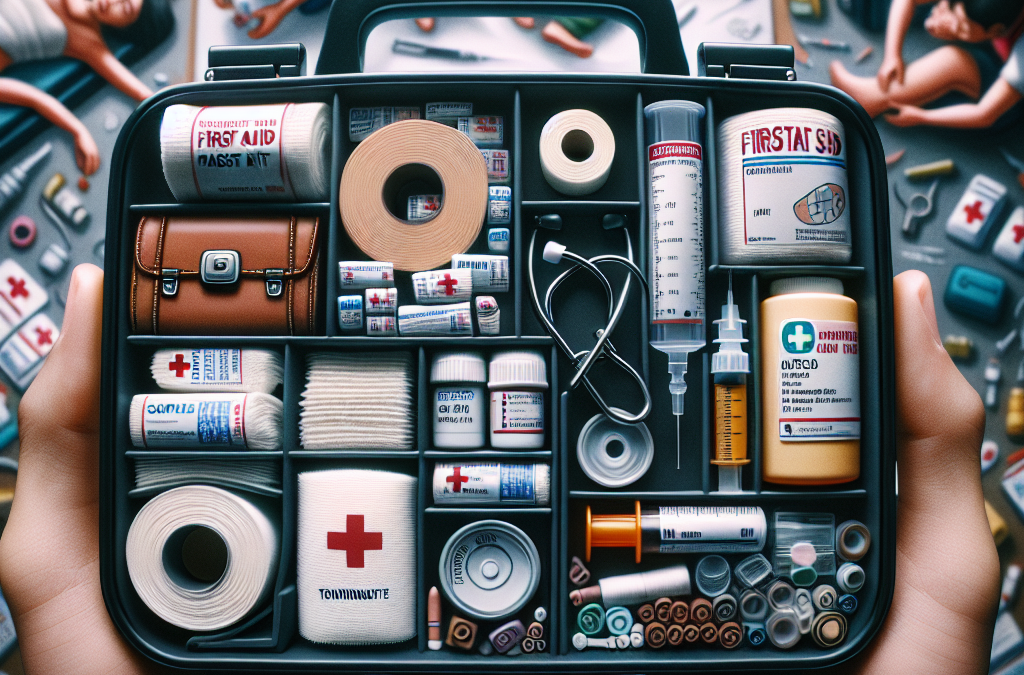
Having a complete first aid kit means you’re ready for a variety of situations—from treating cuts and scrapes to more serious injuries. Emergencies can happen anywhere, so it’s essential to be equipped, especially if you’re a parent, traveler, or outdoor enthusiast.
Moreover, preparedness gives you a sense of confidence. Knowing that you have the necessary tools to handle minor injuries or medical emergencies allows you to act swiftly and think clearly during a stressful situation.
Minimizing the Severity of Injuries
In my experience, having the right supplies at hand can greatly reduce the severity of injuries. For instance, if you have bandages, antiseptics, and gauze readily available, you can immediately address wounds before they become infected or worsen. Quick action is crucial.
When we help a person immediately after they’ve sustained an injury, it can significantly minimize pain and complications. A complete first aid kit contains items like cold packs to reduce swelling and pain relief options, which can be invaluable in those first minutes post-injury.
Realistically, not all injuries are severe, but failing to address even minor ones can lead to bigger issues later. A first aid kit lets you take control of the situation right away and keeps things from escalating unnecessarily.
Building Confidence and Knowledge
Investing in a complete first aid kit isn’t just about the supplies; it’s also about empowering yourself with knowledge. I took a basic first aid course after buying my first kit, and it was a game-changer! Understanding how to use the items effectively gives you confidence in emergencies.
Furthermore, certain kits come with pamphlets or manuals that guide you through various procedures. With this knowledge, you’re not just equipped physically but mentally prepared to help those in need.
Having this skill set is something I believe everyone should invest in. You can be a source of comfort and support when someone needs it most, and that’s powerful.
2. Comprehensive Coverage of First Aid Needs
The Essentials of a Complete Kit
A complete first aid kit means you have a wide range of supplies to cover various injuries and ailments. Think about it: band-aids, antiseptics, gauze, medical tape—they all serve different purposes. When I put my kit together, I made sure to think about everything I might need in common scenarios.
Also, consider that not all injuries require the same treatment. Having access to a variety of supplies enhances your ability to respond appropriately. There’s nothing worse than reaching for a bandage only to find out you’re out of it!
A thorough first aid kit caters to different situations, making it much more effective than just a few random supplies thrown in a bag. When you’re prepared, you can act swiftly and effectively, which is incredibly reassuring during an emergency.
Specific Items for Unique Situations
In addition to the basics, I’ve found that thinking ahead about potential unique situations can be really helpful. For instance, if you’re an avid hiker or camper, consider including specific items like splints for fractures or snake bite kits.
Even more, if you travel often, including medications for allergies or stomach upsets makes sense. I always carry a few over-the-counter meds in my personal kit—it’s a lifesaver! These specific items ensure that you are truly ready for any eventuality.
By tailoring your first aid kit to your unique needs, you’re not only better prepared but you also feel more in control. You can’t predict every emergency, but you can make educated guesses based on your lifestyle and needs.
Family-Specific Needs
When considering a first aid kit, think beyond yourself. If you have kids, elderly relatives, or pets, your first aid kit should cater to their specific needs as well. For instance, my daughter has very sensitive skin, so I always pack hypoallergenic bandages.
Moreover, if you know someone in your family takes particular medications, it’s wise to have a plan in place. Keeping spare medications or specific treatments in your kit ensures you’re prepared to handle health issues as they arise.
Ultimately, having a family-oriented first aid kit gives you peace of mind, knowing you’re equipped to handle kid-related scrapes or the unique needs of older family members. It’s a must if you want to ensure everyone feels safe and looked after.
3. Enhancing Home Safety
Proactive Safety Measures
Investing in a complete first aid kit at home is an excellent proactive safety measure that can prevent serious health crises. Imagine the peace of mind you would feel knowing that you’re prepared at home for anything that might happen. I actually keep a well-stocked kit in my kitchen and another one in the living room.
By having a kit close at hand, you’re more likely to take swift action during a small emergency—whether it’s a burn from a hot pot or a scrapped knee from falling off a bike. Timely response can make a world of difference!
Creating a family safety plan around your first aid kit also helps everyone understand its importance. I often hold mini-trainings with my kids on how to use the kit properly—they love it! It becomes a fun family activity rather than a daunting task.
Encouraging a Culture of Safety
Having a first aid kit at home encourages a culture of safety. When you invest in the right supplies, you send a strong message to your family that safety matters. I often talk about safety with my family, and it’s refreshing to see my kids take an interest in being safe.
This culture doesn’t stop at home. It spills over into schools, outings, and other environments where your family exists. By instilling the importance of safety in the early years, you’re teaching them to look out for themselves and others.
There’s something empowering about knowing you can help in an emergency. When your family is on board with this idea, it fosters responsibility and an overall mindset of care for each other, which is something I genuinely cherish.
Creating a Safe Environment
Lastly, let’s not forget that having an organized first aid kit is actually part of creating a safe environment. I have to admit, I used to have a chaotic kit filled with half-used supplies, and it did more harm than good. Now, I regularly check the contents and make sure everything is accessible and well-labeled.
This organization means I can find precisely what I need when an emergency arises, whether it’s a swift bandage application or grabbing some ointment for a sunburn. I can’t stress enough how essential it is to keep your supplies in check!
Moreover, organizing your kit can be a fun little project. My kids help me with it every few months, and they actually enjoy sorting through supplies. It’s a hands-on way to keep safety on everyone’s mind!
4. Cost-Effectiveness in the Long Run
The Price of Preparedness
When I first looked at the price of a complete first aid kit, I thought, “Do I really need to spend this much?” But then I realized the cost of an injury or illness without proper supplies could be much higher. This perspective shift showed me how effective investing in a first aid kit can be.
Let’s say you don’t have the necessary items during an emergency—you may end up spending way more on doctor visits for something you could have handled at home. That realization alone made me a firm believer in investing in good supplies!
Additionally, many kits contain items that are specialized or hard to find elsewhere. Think about how much time and energy you’d waste trying to piece together supplies from various stores in a panic. Investing upfront saves you from that chaos!
Long-Term Use of Supplies
Another consideration is that the supplies in your first aid kit can last long-term if stored correctly. With the right maintenance, items such as bandages and antiseptic wipes have a viable shelf life, so you’re not just throwing money away. I keep an eye on expiration dates and restock as needed, and it’s been a game-changer.
The prolonged utility also means that you save in the long run since you’re prepared over years rather than just months. Plus, a well-maintained kit can handle the unexpected, so you’re less likely to find yourself scrambling for supplies.
This method of cost-effectiveness is practical and intelligent. Imagine how much stress you could avoid simply by having your kit stocked and ready rather than having to make an emergency run to the pharmacy.
Peace of Mind Equals Value
All in all, let’s not overlook the value of peace of mind. Knowing I have a complete first aid kit helps me relax more, whether I’m hosting a party or going on a camping trip. It’s worth every penny to eliminate that worry!
When I’ve got my kit ready, it changes how I approach activities with my family. I’m there to enjoy quality time rather than constantly fretting over what could go wrong. It’s about enhancing the experiences and being genuinely present.
In the end, the cost of a complete first aid kit is a small price to pay for that sense of security. It’s an investment in health, safety, and happiness, allowing you to focus on making memories rather than worrying about the “what-ifs.”
5. Encouraging Community Awareness
Being a Resource for Others
One of the most rewarding aspects of having a complete first aid kit is the opportunity to help others in need. I can’t count how many times my neighbors have come by, whether it was for a scraped knee from a bike accident or a child complaining of allergies at a playdate. I’m always happy to share resources!
This willingness to share encourages others to think more about safety and preparedness, too. When people see you taking action, they’re more likely to step up and follow suit. It’s all about creating a ripple effect in the community.
Also, teaching others about first aid resources can foster a greater sense of safety within your neighborhood or even at the workplace. Who knows, you might inspire someone else to create their first aid kit, and before long, everyone is looking out for each other!
Hosting First Aid Workshops
If you’re feeling ambitious, consider hosting a first aid workshop in your community! I’ve done a couple of these sessions where I walked folks through assembling a first aid kit and demonstrated how to use the supplies effectively.
These workshops can be engaging learning experiences and a great way to bring people together. Plus, I was pleasantly surprised by how many people wanted to learn! It turns into a communal effort where we can all become more aware and knowledgeable about health and safety.
The sense of camaraderie that comes with teaching someone else is powerful. You’re not only helping individuals but contributing positively to a community culture that prioritizes health and safety.
Building a Culture of Preparedness
Lastly, encouraging community awareness helps establish a culture of preparedness. Just like we look out for our families, we can extend that same care to those around us. When emergencies arise, we often lean on one another for support, and knowing our neighbors are trained and prepared is a tremendous relief.
By creating a community that values readiness, we’re also creating a safer space for everyone. It’s a win-win situation where we all can thrive together, knowing we’ve got each other’s backs!
Investing in a complete first aid kit ultimately fosters a connected and aware community. It starts with individuals and can create a ripple effect, making your neighborhood or workplace a safer place for everyone!
Frequently Asked Questions
1. Why is a complete first aid kit better than a basic one?
A complete first aid kit contains a wide range of supplies that prepare you for various emergencies, while a basic kit might only have a few essentials. Having complete coverage can make all the difference in a critical situation.
2. What items should I include in my first aid kit?
A well-rounded kit should include bandages, antiseptic wipes, gauze, medical tape, scissors, tweezers, and over-the-counter medications, among other supplies. Tailor it to your lifestyle and family needs for maximum efficacy.
3. How do I maintain my first aid kit?
Regularly check your kit for expired items and restock any supplies that are running low. I recommend doing this every few months to ensure you have what you need when it’s crunch time.
4. Can first aid kits be customized?
Absolutely! You can customize your first aid kit based on personal needs, activities, or family members’ specific health requirements. Adding unique items can enhance preparedness based on your lifestyle.
5. What’s the best way to educate my family on using the first aid kit?
Hold family training sessions where you go over the contents of the kit and how to use each item. Keeping it interactive and engaging makes it fun, and it empowers everyone to be prepared in emergencies!






