by Preparation Call Editorial Team | Jul 30, 2025 | Preparedness
1. Risk Assessment
Understanding Local Hazards
One of the first steps in creating a disaster response plan is to get a solid grip on the risks your community faces. Having lived through various emergencies, I cannot stress enough how crucial this is. Natural disasters like floods, wildfires, and hurricanes may be prevalent in one region while entirely avoidable in another.
By mapping out local hazards, you’ll be able to prioritize your response efforts. Each hazard presents unique challenges that demand specific strategies. For instance, a region prone to earthquakes might need to focus more on structural integrity and evacuation routes, while a coastal community needs to think about storm surges and high winds.
Always remember: knowledge is power. The better you know your risks, the more effective your response plan will be. If your town holds a community meeting to discuss preparedness, don’t miss it—this is your chance to get informed and involved!
Vulnerability Analysis
Once we’ve identified the risks, the next step is analyzing who and what might be vulnerable in our community. This includes assessing the safety of buildings, the readiness of emergency services, and even the resourcefulness of local residents. I’ve seen countless neighborhoods shockingly unprepared for a minor flood simply because they didn’t realize the low-lying areas were at risk.
Look into demographics, too. Certain groups such as the elderly or people with disabilities may require extra assistance during disasters. A well-rounded plan isn’t complete without accounting for those who might need a little extra help in a crisis.
This isn’t just about “doing the right thing”—it’s also about rounding up the troops (i.e., your neighbors) to ensure that everyone knows their part in keeping our community safe. Knowledge shared is preparedness multiplied!
Resource Inventory
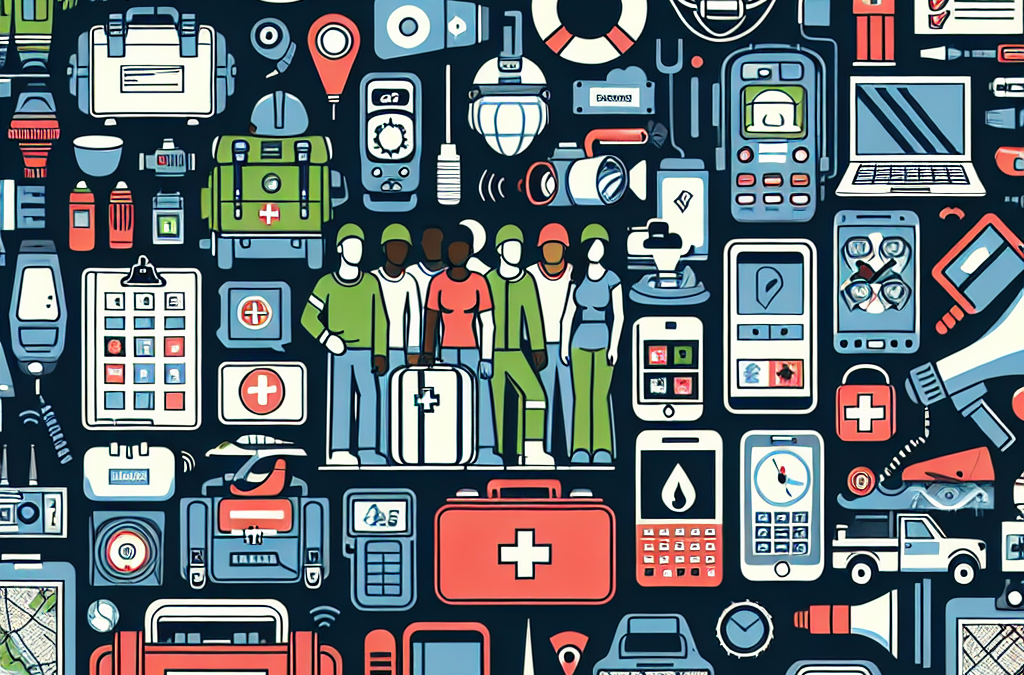
Every good disaster response involves knowing what resources are available, and it often surprises me just how many people overlook this critical component. Think about it: do you know where your local first aid supplies are stocked, or which neighbor has a generator they’d be willing to share? Being proactive and assembling an inventory of community resources can make all the difference in a disaster.
I suggest creating a list—yes, good ol’ paper and pen style works best! Note down shelters, medical facilities, and various supplies available. Teach your community about these resources so that when the time comes to respond, everyone is on the same page.
When you know what’s out there, it’s easier to identify gaps in resources. Are there things we can work together to procure or stockpile? Just like we share cookie recipes, we need to share our community resources and bolster one another.
2. Communication Strategy
Establishing Clear Channels
I can’t stress enough how vital clear communication becomes during a disaster. Think about times when the Wi-Fi goes down—chaos, right? Now imagine it during an emergency when every second counts! Establishing reliable and clear communication channels ahead of time can’t be understated.
Consider multiple methods of communication. Frequently, people think of the internet or phones, but what happens if those are down? A good old-fashioned walkie-talkie system might come in handy! Local radio stations or even a community message board can serve as alternative communication sources.
Everyone should know how to access information—be it through social media, community bulletin boards, or a neighborhood group chat. Just thinking about the tech side of things can sometimes make our heads spin, but remember that the easier it is to share information, the more lives it may save.
Emergency Contacts
Compile a list of essential contacts under various scenarios. I personally recommend keeping this info accessible both digitally and physically. That way, if something serious happens and your phone is inaccessible, you’ve got a backup. Think police, fire departments, hospitals—every emergency service in our area needs to be easily reachable.
And let’s not forget about each other! In a crisis, neighbors can be the first responders. Having a list of nearby friends and family can help to establish a quick support system. Trust me, it’s always better to have buddy check-ins rather than panicked phone trees.
Practice makes perfect, so don’t hesitate to run drills with your family. Know who to contact and practice communicating efficiently in less-than-ideal conditions. You’ll be impressed at how much calmer you feel when you know exactly who to call!
Regular Updates
Communication shouldn’t only happen in crisis mode. Regular updates about community preparedness initiatives can ensure everyone remains in the loop. I encourage everyone to set up a time, whether it’s monthly or quarterly, to discuss updates within the community plan. Sometimes, things change in local emergency protocols or even available resources.
Creating an open dialogue allows individuals to voice their needs or concerns. Picture a town hall meeting or community barbecue where safety messages are shared alongside laughter and food. Building relationships within your community fosters a spirit of cooperation and preparedness.
The importance here is to keep the conversation going. Don’t just leave your plan gathered dust on a shelf! And with each passing day, make sure to update anyone who may have fallen behind, fostering a supportive environment.
3. Training and Drills
Providing Education
I’ve seen countless communities come together to learn vital lifesaving lessons, making training a must in every disaster response plan. It’s one thing to have an emergency guide, but it’s an entirely separate ballgame to know how to execute it. Offering preparedness training can familiarize community members with procedures and resources.
Consider organizing workshops on first aid, search and rescue techniques, or even CPR certifications. It’s such a rewarding thing to learn these skills, and they might really save a life someday—including your own. In my experience, the more educated a populace is, the more resilient we become as a whole.
Remember to tailor your training to your community’s unique needs. If you live in an area with a high elderly population, teaching evacuation protocols should be emphasized. Awareness leads to empowerment, which increases the likelihood of a successful response.
Conducting Drills
Talking the talk is one thing, but walking the walk is essential. Drills simulate real-life scenarios, and boy, do they shine a light on gaps we didn’t see coming! Regularly conducting drills helps community members practice what they’ve learned and apply it to actual situations.
Whether a smoke alarm test, earthquake drill, or hurricane preparedness practice, holding these drills encourages commitment to the response plan. Plus, they foster a sense of community as people come together to collaborate and share knowledge.
Don’t be shy about throwing in a fun incentive for participation! Who doesn’t love free pizza after a community drill? Trainers and volunteers can find creative ways to keep spirits high while still driving home the seriousness of these events.
Inclusivity in Training
Consider the essential nature of inclusivity when training a community for disaster response. We all come from varying backgrounds and have unique challenges to face. It’s incredibly important to ensure that education and drills cater to everyone—those with disabilities, language barriers, and elderly individuals.
Having materials in different languages or formats can go a long way. Tailoring training sessions to be accessible and relatable ensures that every participant walks away feeling empowered and educated. It’s about creating a united front where no one is left behind.
Plus, encouraging diverse perspectives within these drills can lead to innovative solutions! Sometimes the best ideas come from the most unexpected sources. Remember, a diverse community response is a powerful one!
4. Resource Management
Establishing Inventory Protocols
One aspect of an effective disaster plan that often gets overlooked is resource management. I’ve been involved in situations where resources go to waste simply because we hadn’t kept track. Establishing an inventory protocol helps ensure that everything is tracked, reported, and used efficiently when emergencies strike.
Think about creating a checklist of all physical assets available in your community. This could range from medical supplies to emergency housing. Knowing what’s available ahead of time makes distribution more efficient during a crisis.
Don’t forget to periodically check and update this inventory. It’s amazing how quickly supplies can dwindle or expire. Regular assessments keep resource management relevant. This way, you won’t end up with cans of soup that expired in 2005!
Establishing Partnerships
Another layer of resource management involves forming partnerships with other organizations, such as NGOs, local businesses, and even neighboring communities. When disaster strikes, pooling resources can mean the difference between chaos and effective response. I’ve seen how collaboration can create a strong network that can respond to emergencies more effectively.
Consider reaching out to local businesses for support. They can provide materials, personnel, or even funding that can dramatically enhance our resources during a disaster. Establish strong relationships before crises happen! This camaraderie builds trust and cooperation that can be invaluable when the heat is on.
Remember, it’s not all about the big-ticket items either. Small community organizations can also play significant roles in your disaster response plan. Reach out to them and learn how you might be able to work together effectively.
Monitoring and Evaluation
Management doesn’t stop once a disaster occurs. Post-disaster evaluations are essential for refining resource allocation. I can’t emphasize enough how valuable it is to sit down afterward and assess what worked and what didn’t. Honest feedback will allow for improved resource management in future scenarios.
Involve community members in the evaluation process. They hold valuable insights into their needs and challenges during a crisis. Collecting survey data and community feedback provides tangible evidence that can lead to better strategies in the future.
Ultimately, effective management ensures we stick with our resources and use them in the best possible way. That way, when disaster strikes, we can spring into action—and that’s the goal, right?
5. Continuous Improvement
Regular Training Updates
So, you’ve created a killer disaster response plan—awesome! But let’s not get too comfortable. Constantly evolving circumstances may render parts of your plan obsolete. Regular training updates are essential in ensuring every participant is up to speed with changes, improvements, or new strategies.
I urge communities to be curious and bring changes to your resources as they arise. Remember that open feedback mechanisms allow for continued improvement. You can create a culture that values continuous learning and adaptation. This is key to staying relevant and effective as a disaster response team.
Establish specific times throughout the year to revisit training sessions and ensure new members have a chance to learn and old members stay sharp. Think of it as keeping your team in “game shape”—because you never know when the next storm is coming!
Community Feedback Loop
Feedback can be an incredible tool for continuous improvement. I encourage communities to create an incubator for fresh ideas, where everyone feels welcome to contribute. Inputs drawn from the experiences of locals who have lived through disasters are invaluable for fine-tuning your response plan.
I mean, who knows better than those who directly faced the challenges? Encourage communication and create forums for discussion where shortcomings can be addressed without fear. This shared learning experience inevitably strengthens the entire community, making us more resilient.
Moreover, celebrating successes is equally essential! Recognizing and sharing what worked can inspire others to contribute actively and encourage the entire community to keep showing up and engaging.
Adapting to Future Challenges
The world isn’t static. New risks arise; climate change has already changed the playing field dramatically. As community members, it’s paramount to stay adaptable in our plans. I’ve found that regularly reviewing and adjusting our guidelines helps keep everyone aligned with current needs.
Being proactive about these changes can enhance community preparedness. Regularly assess potential future risks and update your strategies accordingly, ensuring they stay relevant to what your community might face down the road.
Embrace a mindset of growth. Each disaster we experience is a chance to learn and evolve into a more formidable team. Change is the only constant in life, but with a solid plan, our community can ride those waves rather than drown in them!
FAQ
1. What is a disaster response plan?
A disaster response plan is a strategic framework designed to prepare communities for emergencies, outlining actions for risk assessment, communication, resource management, and continuous improvement.
2. Why is risk assessment important?
Risk assessment is critical as it helps identify potential hazards in your area, allowing for prioritized and targeted planning based on specific community needs and vulnerabilities.
3. How can community members get involved in planning?
Community members can get involved in disaster planning by attending meetings, participating in drills, assisting with resource inventories, and providing feedback on existing strategies.
4. What role does education play in disaster response?
Education empowers individuals with critical skills and knowledge for effective response to emergencies. It builds confidence and ensures everyone knows their roles during a crisis.
5. How often should disaster plans be updated?
Disaster plans should be regularly updated, ideally at least once a year or whenever significant changes occur in community resources, risks, or personnel.
by Preparation Call Editorial Team | Jul 30, 2025 | Preparedness
Understanding Self-Reliance
What is Self-Reliance?
Self-reliance is all about depending on your own capabilities to manage life’s challenges. It’s that inner strength that helps you make decisions and act on them without always leaning on others. I’ve learned that self-reliance isn’t a destination, but a journey that requires continuous effort.
In my experience, embracing self-reliance means understanding my strengths, weaknesses, and preferences. It encourages me to foster skills that drive more independence in my life. It’s empowering to know I can tackle obstacles head-on with the right mindset.
Ultimately, self-reliance fosters confidence. The more I rely on myself, the more I recognize that I am equipped to handle whatever comes my way. This realization has transformed how I approach problems, allowing me to take on challenges fearlessly.
Why is it Important?
The importance of self-reliance cannot be overstated. In a world where we’re constantly bombarded by distractions and uncertainties, cultivating a self-reliant mindset allows us to remain grounded. In a way, it’s like having a personal compass that guides our decisions.
Being self-reliant helps in developing resilience. There will be moments in life when everything seems out of control, and having the ability to depend on oneself is crucial. I’ve found that this skill forms the backbone of a fulfilled and autonomous life.
Moreover, self-reliance can enhance relationships. When you’re not always dependent on others for emotional or practical support, you nurture healthier interactions. It’s a balancing act, where mutual support and independence coexist beautifully.
My Journey to Self-Reliance
Looking back, my journey towards greater self-reliance was driven by a variety of personal experiences. It wasn’t always easy—sometimes it felt like I was climbing uphill. But through trial and error, I began to appreciate every stumble as a lesson learned.
I set small goals that cultivated my self-reliance. For every challenge I faced, whether it was managing finances or tackling home repairs, I aimed to find solutions on my own first. This intentional practice made a significant difference in my confidence levels.
Sharing my insights with friends and family not only helped me grow but often opened up deep conversations about self-reliance. It’s fascinating what we can learn from one another’s experiences when we take the time to listen.
Finding the Right Mentor
Identifying Potential Mentors
Finding someone who can genuinely help you become more self-reliant can be a game-changer. I began my search for mentors by looking at people in my life who demonstrated independence and resilience. Sometimes, they were not the most obvious choices.
It’s all about observing who inspires you. Whether it’s a colleague who confidently takes the reins in projects or a friend who navigates life’s hustle with poise, make a list of individuals you admire. They might not even know the impact they have on you!
Don’t forget to consider online communities and networks. Platforms like LinkedIn or various forums can connect you with individuals who share your interests and values, even if they are geographically distant.
Building Relationships with Mentors
Once you’ve identified potential mentors, it’s crucial to establish a genuine connection. I found that reaching out proactively makes all the difference. A simple message discussing your admiration for their work often opens doors!
Show your enthusiasm for learning. I often express my eagerness to gain insights into their journey toward self-reliance. Most mentors appreciate when someone approaches them with curiosity and respect.
Remember to nurture these relationships. Regular check-ins, even just to share updates or ask for advice, help create a supportive network that fosters growth for both parties.
Value of Mentorship in Self-Reliance
Having a mentor can drastically streamline your self-reliance journey. Through my personal experience, mentors provide invaluable feedback and perspective. I often found that learning from their mistakes was just as beneficial as celebrating their successes.
Mentorship encourages accountability as well. When you have someone who’s invested in your growth, it gives you that extra push to stay true to your self-reliance goals. Having someone you can discuss your challenges and achievements with brings clarity and motivation.
In closing, mentors open up new opportunities. They can introduce you to networks and resources that you wouldn’t have encountered on your own. That’s how I stumbled upon incredible workshops and brainstorming sessions that significantly improved my skills.
Embracing a Growth Mindset
Understanding Growth Mindset
To truly become self-reliant, adopting a growth mindset is essential. This concept revolves around believing that your abilities can improve over time with effort. When I first grasped this idea, it was like a light bulb moment for me!
Having a growth mindset means embracing challenges rather than shying away. I started tackling difficult tasks headfirst, reminding myself that struggles are opportunities for growth. Each setback became a stepping stone towards greater self-sufficiency.
It’s all about believing in yourself and your potential. The more you push your boundaries and step out of your comfort zone, the more you’ll realize your capabilities. That’s an integral part of becoming self-reliant.
Overcoming Challenges
On the journey to self-reliance, you’ll encounter various challenges. It’s crucial to reframe these as learning experiences rather than obstacles. I’ve faced plenty of difficulties that at the time felt like roadblocks, but with the right mindset, I managed to reposition them as invaluable lessons.
Persistence is key. I learned early on that resilience doesn’t mean never failing; it means getting back up and continuing on your path. Each ‘failure’ contributes to your knowledge base and strengthens your resolve.
Seeking help when needed isn’t a sign of weakness; it’s part of the growth process. I’ve come to appreciate that asking questions or seeking guidance opens doors to learning and helps me overcome hurdles more efficiently.
Celebrating Progress
Ultimately, while striving for self-reliance, it’s essential to recognize and celebrate your progress. I’ve found that acknowledging achievements—no matter how small—can be incredibly motivating! Whether it’s mastering a new skill or simply being proactive in daily decision-making, each step counts.
Keep a journal to track these victories. I started noting down milestones, and it’s fascinating to revisit how far I’ve come. It acts as a reminder that progress is a journey, not a sprint.
Cherishing these moments reinforces my commitment to self-reliance. Every time I celebrate, I solidify my understanding that I am capable of navigating life independently.
Conclusion
Embarking on the journey toward self-reliance not only empowers you but also enriches your life in countless ways. With the right mentors, a solid growth mindset, and the willingness to embrace challenges, I believe anyone can cultivate this essential quality. Remember, it’s all about progress, not perfection!
FAQ
1. Who can be a mentor for self-reliance?
A mentor for self-reliance can be anyone who inspires you—friends, family members, colleagues, or even someone you admire in your community. It doesn’t have to be formal; even casual conversations can be enlightening.
2. How do I identify my self-reliance goals?
Start by reflecting on the areas of your life where you feel dependent on others. Write down specific goals you’d like to achieve independently, whether it’s financial, emotional, or related to skills.
3. Can I be self-reliant without a mentor?
Yes! While mentors provide invaluable guidance, self-reliance is fundamentally about believing in yourself and your capabilities. Learn from resources like books, online courses, and experiences to develop independence.
4. What if I feel overwhelmed while trying to be self-reliant?
It’s completely natural to feel overwhelmed. Take a step back, breathe, and break down your goals into smaller, manageable tasks. Celebrate even the tiniest progress, and don’t hesitate to ask for support when needed.
5. How can I cultivate a growth mindset?
To nurture a growth mindset, remind yourself that failures are learning opportunities. Challenge yourself regularly, and surround yourself with people who encourage growth. Acknowledge your achievements and reflect on your journey.

by Preparation Call Editorial Team | Jul 30, 2025 | Preparedness
Understanding the Nature of Long-Term Crises
What Constitutes a Long-Term Crisis?
Long-term crises can come in various forms. They might be environmental disasters, economic recessions, or even societal upheavals. Recognizing what defines a long-term crisis is the first step toward effective preparation. In my experience, understanding the scope and scale of these crises helps in assessing their potential impact on my life and community.
One thing I’ve learned is that these crises aren’t just isolated events; they often have cascading effects. For instance, an economic downturn can lead to job losses and increased poverty, which can, in turn, lead to social instability. That’s why it’s so crucial to think about the long-term implications of any crisis.
Moreover, long-term crises often require sustained responses, whether it’s stocking up on supplies, building strong community ties, or continuing to educate oneself and others. It’s not just a one-time effort; it’s an ongoing commitment to being prepared for whatever might come our way.
Historical Examples of Long-Term Impact
History is filled with examples of crises leading to long-standing changes in society. The Great Depression is a classic case — it not only affected the economy for years but also changed how people viewed financial security and government support. Learning from these events can be incredibly insightful.
I remember reading about how communities banded together during the tough times of the Depression. They created their own support networks, which is something we should consider today. History teaches us that resilience can emerge from crisis; it begins with preparation.
Understanding these historical contexts helps us frame our preparations today. It’s not just about stockpiling supplies; it’s about building a mindset of community resilience and emphasizing sustainability for the future.
Crisis Prediction and Early Warning Signs
Being able to predict a crisis is tricky, but there are warning signs we can watch for. Environmental changes, economic indicators, and political unrest can signal that something bigger is brewing. I’ve spent a fair amount of time looking at trends and trying to make sense of them.
It’s essential to stay informed — read reputable news sources, follow scientific studies, and get involved in community discussions. This knowledge will not only help in preparing for a crisis but also in potentially mitigating its impact through early action.
So, becoming proactive rather than reactive is key. By recognizing these signs early on, I can take meaningful steps before a crisis engulfs us, whether it’s storing supplies or advocating for community preparedness initiatives.
Building a Personal Crisis Plan
Identifying Your Needs and Resources
When I first started creating my personal crisis plan, I realized that the first step was to assess my individual needs. What do I have at my disposal? What would I need in case of an extended disruption? This was a real eye-opener for me.
To effectively prepare, it’s crucial to take stock of your resources — that means food, water, medical supplies, and even emotional support networks. Understanding what you have and what you might need can help narrow down your preparation efforts significantly.
From my own experience, I’ve also found that reaching out and discussing these things with friends and family can provide more insight. They may think of needs I hadn’t considered, and together we can come up with a comprehensive plan that covers a wider range of scenarios.
Creating a Sustainable Supply Cache
Once I’ve assessed what I might need, the next step is to create a sustainable supply cache. This part can be a bit daunting at first — where do I even start? I’ve learned that starting small is key. I began with non-perishables, like canned goods and dry grains, and steadily built from there.
Sustainability is also about choosing items that I can incorporate into my daily life. This way, I can avoid waste. For example, purchasing extra of the things I regularly eat means I can rotate through supplies while ensuring I have extras when needed.
Ultimately, having a well-thought-out supply cache not only gives me peace of mind but also prepares me for various long-term crises without having to scramble at the last minute.
Practicing and Updating Your Plan
Once I have my plan and supplies sorted, practice is essential. Just like a fire drill, I need to go through my plan and ensure that I know what to do in different scenarios. Regularly revisiting this plan helps me feel more confident and allows me to make any necessary updates.
In some instances, I’ve found that equipment I had set aside for emergencies can become out of date or impractical. By practicing, I ensure that I have what I need and that it’s still effective. Plus, it gives me a chance to get creative and think about new strategies that could work.
Also, inviting friends or family to join practice scenarios creates a sense of community, making preparations feel less daunting and more collaborative. After all, we’ve got each other’s backs during a crisis.
Connecting with Your Community
The Importance of Building Community Resilience
Your personal plan is a great start, but it’s vital to think about the larger community as well. From my experience, community resilience can make or break our ability to withstand a long-term crisis. I make it a priority to engage and encourage dialogue within my neighborhood or social circles.
Participating in or organizing community preparedness meetings can foster relationships and awareness. When we know our neighbors, we not only have a support network in place but we can also quickly mobilize resources and assistance during emergencies.
Building that community connection ensures a more significant support system, which increases our collective resilience against crises. No one should face a long-term crisis alone if we can help it.
Establishing Local Support Networks
Strong local networks are essential. I believe in the power of grassroots support groups and organizations that help facilitate resources and information in times of need. Finding or creating these networks allows for better preparedness and response during a crisis.
During my journey, I’ve found that local food co-ops, community gardens, and skill-sharing events have not only improved my network but have also created stronger ties within the community. The interactions I’ve had have been invaluable, as we can learn from each other’s experiences and expertise.
Having a local support system means timely assistance and resources as well. In the event of a crisis, knowing where to turn can be invaluable. Plus, those connections make us more adaptable to the changes a crisis may bring.
Emergency Communication Plans
Establishing effective communication during a crisis can be a game-changer. As part of my community efforts, I’ve worked on creating emergency communication plans so that everyone knows how to reach each other before, during, and after a crisis.
Whether that’s setting up group chats, creating a community bulletin board, or having a designated meeting point, clear communication is crucial. It makes sure we can coordinate responses, share resources, and check on each other’s well-being in times when information can be scarce.
Ultimately, the idea is to ensure everyone is on the same page so nobody feels isolated during tough times. We might not be able to predict every crisis, but we can certainly prepare to face them together.
Maintaining Adaptability and Continuous Learning
Staying Informed and Updated
In a world that’s constantly changing, adaptability is survival. Staying informed about new trends, potential crises, and innovative solutions can significantly enhance my preparedness. I regularly read about new research and listen to podcasts on emergency preparedness, which keeps my knowledge fresh.
Adapting to changing situations also means learning from past experiences. Reflecting on what went well and what didn’t during previous crises helps me fine-tune my approach continually. No two crises are identical, but there’s always something to be learned from each experience.
Moreover, connecting with experts in various fields allows me to gather diverse perspectives and strategies, leading to a more robust preparedness plan. Whether it’s through workshops or online webinars, continuous learning is essential.
Encouraging Flexibility in Plans
I’ve come to realize that no plan survives contact with the real world unchanged. It’s essential to keep my crisis preparedness plan flexible. If the situation changes, my strategy might need to shift as well. Being too rigid can lead to missed opportunities to adapt and respond effectively.
For example, if I originally plan to stock up on one type of food supply but later find a better option, I should be open to changing my strategy. The best plans aren’t set in stone; they evolve with our understanding and circumstances.
Creating a culture of flexibility within my community has also proven beneficial. When everyone is willing to adapt and adjust, we can respond to crises more effectively together, reinforcing our resilience.
Fostering a Culture of Preparedness
Lastly, fostering a culture of preparedness within my community is crucial. This means encouraging others to consider their plans, share ideas, and participate in preparedness activities. By collectively prioritizing disaster readiness, we can create a strong foundation for resilience.
I often organize workshops and discussions that raise awareness and share knowledge, making it a community effort. The more we talk about these topics, the less stigma there is around them, and the more normal it becomes to be prepared.
Ultimately, creating a culture of preparedness means that we take care of each other and are proactive about minimizing the impact of long-term crises. Together, we can build an unshakeable network of readiness!
FAQ
1. What is a long-term crisis?
A long-term crisis is an extended period of instability or hardship that impacts individuals and communities. This can include economic downturns, natural disasters, or significant societal changes.
2. Why is it important to prepare for long-term crises?
Preparing for long-term crises is essential because it helps individuals and communities to respond effectively to challenges, ensuring safety, security, and resilience during difficult times.
3. How can I start building a personal crisis plan?
Start by assessing your needs and resources. Identify what supplies you might need and begin creating a sustainable cache. Don’t forget to practice and update your plan regularly!
4. How can community connections aid in crisis preparedness?
Community connections provide support, resources, and shared knowledge during crises. Being part of a network can improve overall preparedness and response, making everyone feel less alone.
5. What role does adaptability play in crisis management?
Adaptability is crucial in crisis management as it allows for responding to changing circumstances and unexpected challenges. Keeping plans flexible and staying informed are key factors for success.






