by Preparation Call Editorial Team | Jul 30, 2025 | Preparedness
Local Wholesale Stores
Finding Your Nearest Wholesale Store
First things first, if you’re looking to buy bulk emergency supplies, you’ve got to know where to go. Local wholesale stores are often just a stone’s throw away. I recommend checking online directories or Google Maps to find the nearest ones. They usually stock a wide variety of emergency supplies at a fraction of the retail cost, which is a huge win for your wallet!
Once you locate a few candidates, take a little time to call them or check their websites. Some places may even let you order online, which is super convenient when you’re in a hurry. Plus, many wholesalers provide local delivery options, perfect for stocking up without the heavy lifting.
Also, remember to check if the store offers membership options. Many wholesale clubs offer discounted rates for members on various emergency supplies, which could save you some serious cash in the long run.
What to Look For
When you arrive at the wholesale store, you might feel a bit overwhelmed by all the stuff. It’s vital to have a plan! Focus on what emergency supplies are most crucial for your needs. Think about food, water, first-aid kits, and other essentials that your family might rely on in a pinch.
Don’t hesitate to ask store employees for advice. They often have great insights into which products are most popular or cost-effective. I’ve found that the staff are usually pretty knowledgeable about what’s good to stock up on and can even point you to seasonal deals.
Lastly, keep your eyes peeled for bulk options. For example, buying a large pack of batteries or canned goods can save you a good chunk of change. I often stock up on these items when I see them on sale, so definitely keep your shopping list flexible!
Building Relationships
If you find a local wholesaler that you like, building a relationship with them can really pay off. Often, small businesses appreciate repeat customers and might even give you a heads up on upcoming sales. I’ve formed great connections with some of the folks at my local stores, and it’s resulted in better deals and insights over time.
Plus, remember to follow them on social media! Many businesses announce special promotions or loyalty programs on platforms like Facebook or Instagram. You’ll never know when a flash sale could save you a lot.
Lastly, sharing your experience through recommendations can benefit you, too! Many wholesalers appreciate word-of-mouth marketing, and they might offer discounts for referrals which are a win-win situation.
Online Retailers
Benefits of Shopping Online
If the thought of walking through the aisles of a big store doesn’t excite you, no worries! Online shopping for bulk emergency supplies is a game-changer. I personally love the convenience of ordering supplies right from my couch. Plus, you can often find better deals online compared to the in-store price.
You get to compare prices among several retailers with just a few clicks, making it easier to find the best deals. Many websites even have customer reviews that can help evaluate the quality of the supplies you’re considering. Nothing like wisdom from fellow survivalists, right?
Just be sure to factor in shipping costs. Sometimes, they can eat into your savings. I usually wait for free shipping offers or spend just enough to qualify for it, maximizing my deals!
What to Consider When Buying Online
While the online shopping scene has a lot of perks, it also comes with its challenges. Be cautious and check the seller’s reputation. Look for sellers with high ratings and good reviews, especially on platforms like Amazon or even specialized emergency supply sites.
It’s also smart to read the fine print regarding return policies. You don’t want to get stuck with items that don’t meet your needs. Having a clear understanding of return options ensures that you’re covered in case things don’t go as planned.
Lastly, an item could be listed at an attractive price, but make sure you check its details. What may seem like a great offer at first glance might turn out to be smaller sizes or quantities than expected, so do your due diligence!
Finding the Best Deals
Alright, let’s talk about saving some cash while shopping online. One of my top strategies is to set up alerts on deal sites like Honey or Rakuten, which notify you of price drops or cashback options on emergency supplies. Trust me; it’s saved me a good amount over the years!
You can also follow various online retailers’ newsletters; they often send out exclusive discounts and promotional codes for subscribers. Why not save some dollars while equipping your emergency kit?
Lastly, wait for holiday sales or specific “Preparation Month” deals that many retailers might run. Timing your purchases can lead to significant savings. Keep an eye out for trends or events, and jump on those sales!
Specialty Emergency Supply Stores
Why Specialize?
When it comes to assembling a quality emergency kit, specialty supply stores are sometimes the way to go. These places focus specifically on products designed for emergency situations, and that kind of expertise can be invaluable. I’ve found everything from durable food rations to professional-grade first-aid kits at these shops.
Not only do specialty stores often stock high-quality items, but they also provide knowledgeable staff who are usually well-versed in survival tactics and emergency planning. Talking to someone who knows the ins and outs can really arm you with useful advice.
Plus, they often carry unique and hard-to-find items that the big-box stores may not have. If you’re preparing for a specific threat—like natural disasters in your area—these stores can be particularly beneficial.
What to Expect
Visiting a specialty emergency supply store can feel like being a kid in a candy store. You’ll find everything from tools, gear, and foods specifically designed for long shelf life, to personal safety items. Just be prepared to spend some time browsing and asking questions.
Moreover, many of these stores often offer workshops or classes that can teach you practical skills—like wilderness survival or first-aid techniques. I’ve loved attending these sessions because they boost my confidence when it comes to dealing with emergencies.
And if you ever get overwhelmed, don’t hesitate to ask for help! The staff can guide you through your purchases and direct you to the essentials you need, making the process a breeze.
Networking and Community
There’s something special about connecting with like-minded folks in person. Specialty stores often serve as hubs for local survivalist communities. I’ve met tons of knowledgeable people who share tips, resources, and even form local prepper groups to exchange ideas and plans.
Keep an eye out for bulletin boards or events hosted at these stores. Many times they organize meetups where you can network with experts and fellow enthusiasts who can provide additional knowledge and support.
Plus, being part of a local community helps to strengthen preparedness efforts. Who knows, you might even find someone who can help you with skills you want to learn or equip you with tools you hadn’t considered yet.
Government and Non-Profit Organizations
Utilizing Government Resources
Some people overlook this option, but local and state government organizations often provide resources for emergency preparedness. Depending on where you live, they may offer bulk supplies at discounted rates or even for free, especially for essential items during crisis situations.
Don’t hesitate to check the official website of your local emergency management office. They often have lists of resources available and might even offer workshops to educate residents on preparation strategies.
Additionally, some organizations run community programs that distribute supplies to those in need during emergencies and disasters. It’s a great way to get involved with your community while ensuring everyone is prepared!
Non-Profit Organizations and Contributions
Engaging with non-profit organizations can also lead to valuable resources. Many of these groups focus on disaster relief and preparedness. For example, organizations like the Red Cross often have educational resources and bulk supply options. They can guide you through what you need based on your specific situation.
Moreover, some non-profits host donation drives or create emergency supply kits for communities. Participating can not only score you supplies but also foster teamwork in your community, which can be incredibly beneficial in emergencies.
Lastly, consider donating or volunteering with these organizations. Often, in return, you’ll gain knowledge and insight into how they prepare and respond to emergencies, making you better armed for your own needs.
Staying Informed
Keeping up to date with local emergency management and non-profit organizations can help keep you informed about available resources. Consider subscribing to newsletters or joining social media groups focused on emergency preparedness. I find it super helpful to stay connected and learn about new programs or supplies being provided.
They can also provide you with timely alerts regarding emergency situations, which can assist in your preparedness by offering relevant tips and resources. It’s important to stay vigilant and aware of local situations and how they may impact your supply needs.
Connecting with these organizations promotes a sense of community, whether you’re facing an emergency or just looking to prepare for any situation. You’ll make lasting connections and become a more informed member of society.
Conclusion: Your Path to Preparedness
There you have it! Buying bulk emergency supplies doesn’t have to be a chore. Whether you prefer local stores, online shopping, specialty shops, or tapping into government and non-profit resources, there’s a world of options available to you. Each of these avenues has its unique perks, and together they help ensure that you and your loved ones are well-prepared for whatever life throws your way.
Taking steps today to gather these supplies can give you peace of mind knowing that you’re proactive. Emergency preparedness isn’t just about supplies; it’s about knowledge, community, and being ready to handle whatever comes next!
FAQ
1. What should I prioritize when buying emergency supplies?
Focus on essential items like food, water, first-aid supplies, and any specific gear that caters to your family’s needs. It’s best to evaluate your unique situation and base your purchases around those priorities.
2. Are there significant savings to be gained when purchasing in bulk?
Absolutely! Buying in bulk often reduces the per-unit cost, letting you stock up on essential supplies without breaking the bank. Plus, if you keep an eye out for sales, the savings get even better!
3. What resources can I find through local government or non-profit organizations?
These organizations often provide educational resources, workshops, and even bulk supplies at discounted prices. They can also guide you through preparations based on specific local risks.
4. Is it worth joining a wholesale membership for bulk purchases?
Yes, if you buy in bulk frequently, a membership can yield significant discounts on necessary supplies. Just ensure that your projected savings will outweigh the cost of membership.
5. Can I return items if they don’t meet my needs when purchasing online?
Most online retailers have return policies, but it’s essential to read the specifics before purchasing. Always check the seller’s return policy to avoid any surprises!
by Preparation Call Editorial Team | Jul 30, 2025 | Preparedness
1. Understanding the Importance of Water Availability
The Essential Role of Water in Survival
Water isn’t just good for quenching your thirst; it’s essential for life. I remember when I first started looking into preparedness, one of the most striking realizations was how quickly I can dehydrate. Without water, I’d only have a few days before I’d be in serious trouble. It’s amazing to think that your body can only last about three days without it!
Think about it: we need water for drinking, hygiene, food preparation, and even medicine. So, when imagining a scenario where resources become scarce, water becomes even more critical. That’s why having a solid plan for water storage is, in my opinion, non-negotiable.
Having a sufficient water supply not only ensures that you will stay hydrated, but it also aids in your overall well-being during emergencies. In the past, I’ve experienced situations where access to clean water was a challenge, and it was a wake-up call to prioritize water storage.
Potential Emergencies That Might Affect Water Supply
Floods, droughts, and natural disasters — these can all wreak havoc on our water supply. I once lived through a major storm that knocked out our power for days. We lost access to tap water because the machinery that pumped it was down. It made me realize that I needed to have a backup plan.
In many areas, if the local water supply becomes compromised, it could take a long while for things to return to normal. Having stored water not only addresses immediate thirst but also prepares you for longer-term disruptions.
Each type of emergency has its twists and turns, but one thing remains constant: people need water. Knowing that I have my bases covered with my water storage gives me peace of mind — a luxury I am always grateful for during turbulent times.
Building a Resilient Community Through Preparedness
Preparedness isn’t just a solo journey. When you invest in water storage, you’re actually contributing to a more resilient community. If we all take steps to have our own water reserves, we can better support each other during times of crisis.
I’ve seen neighbors banding together during emergencies, sharing resources, and helping one another. When everyone has done their part, we create a safety net for our community. Having enough water can help you assist friends or family who might be struggling, and it always feels good to lend a hand.
Ultimately, prioritizing water storage means promoting a culture of preparedness and fostering connections in your community. And trust me, that’s something we all need more of!
2. Simple and Effective Storage Solutions
Choosing the Right Storage Containers
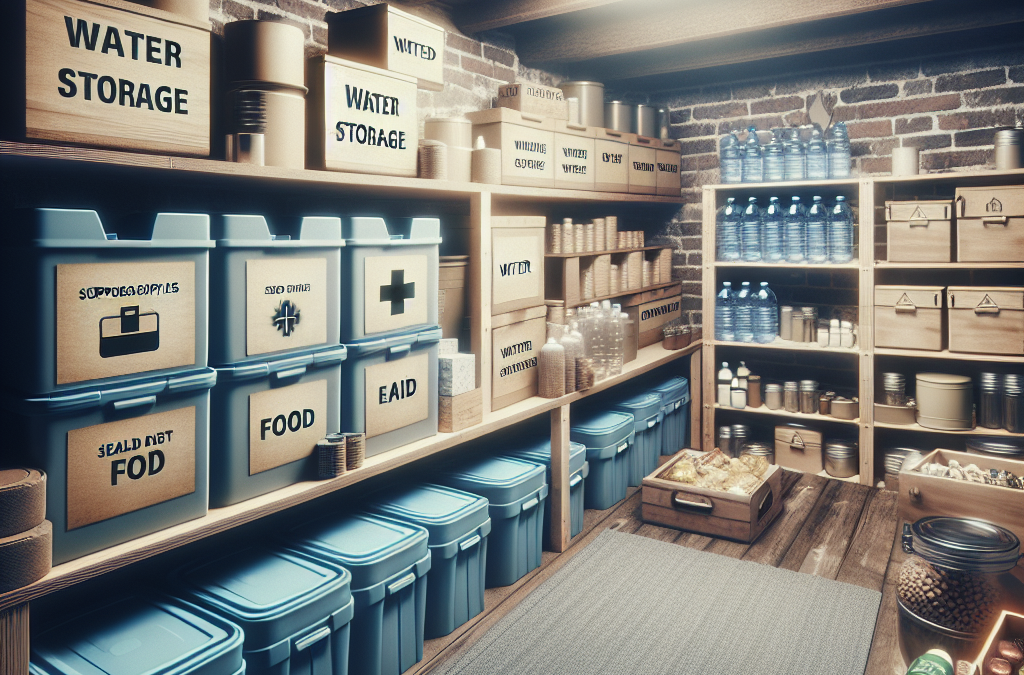
The type of container you choose for your water storage can really make a difference long-term. I’ve learned that not just any old container will do. You want food-grade water containers that are sturdy and free from harmful chemicals.
One of my go-to discoveries has been 5-gallon BPA-free buckets. They’re affordable, easy to store, and with a little bit of care, they can last for years. Plus, they stack nicely, which is always a bonus in our homes where space is tight!
Don’t forget to label your containers with the date they were filled. It’s a simple tip that saves a lot of headaches down the line. You’d be surprised how crammed your mind gets when you’re trying to remember which container is which!
Water Purification Methods
One of the most important takeaways I have from my preparedness journey is learning about purification. It’s not just about having water; it’s about having safe drinking water. There’s nothing worse than having a stash of water that could potentially make you sick.
Boiling is a classic method — just bring your water to a rolling boil for about one minute. I’ve done this many times when we’ve been camping, and it’s super effective. However, in a more extended emergency, this gets tricky due to fuel supply.
Other options include chemical treatments or filters. I came across some handy portable water filters that can eliminate various pathogens. They’ve saved me a few times, and I recommend checking them out if you’re serious about safe water storage.
Regular Maintenance of Stored Water
Your water storage shouldn’t be a “set it and forget it” situation. I learned this the hard way when my stored water didn’t taste quite right. Water can sit too long and lose its quality if you’re not careful.
Depending on how you store it, it’s wise to rotate and refresh your water every six months to a year. I mark my containers with dates, which makes it so much easier to remember when it’s time for a swap.
A clean storage environment is key too! Make sure containers are stored in a cool, dark place to minimize bacterial growth and algae formation. Happy water, happy me!
3. How Much Water Should You Store?
Guidelines for Personal Water Needs
Now, you might be wondering how much water is enough for your specific situation. A common rule of thumb I’ve heard is to store at least one gallon of water per person per day for a minimum of three days. This means if you have a family of four, you’re looking at a minimum of 12 gallons!
That might sound like a lot at first, but once you start breaking it down, it’s more manageable than you think. For instance, if you set a goal to store a couple of extra containers each month, you’ll reach that target sooner than later.
Of course, that’s just the base amount. Consider any special needs in your household as well, like young kids needing extra hydration during play or someone with a specific medical condition. Always be prepared for unique situations!
Factors Influencing Water Storage Volume
Your location and lifestyle can heavily influence how much water you should put aside. I live in an area prone to seasonal hurricanes, so I’ve learned to keep additional reserves on hand during hurricane season. In contrast, someone in a more stable environment might not feel the same urgency.
Also, consider how many days you realistically think you might be cut off from your supply. I typically plan for a week — it gives me peace of mind that I’ll be good to go if something happens unexpectedly.
Lastly, include pets in your calculations! I can’t imagine forgetting my furry friends. Just like us, they need water too. It’s crucial to factor in their needs when planning your water storage.
Strategies for Increasing Storage Capacity
If you’re thinking, “Wow, that sounds like a lot of water!” trust me, I’ve been there. Finding room for it can be a challenge, but it’s definitely doable with some creativity. I’ve repurposed space in my garage and under beds — wherever I can find a nook.
Another tip is to consider water storage bladders. These can be placed in large spaces and are super flexible. Plus, they don’t take up a lot of space when not in use, which is a total win in my book!
In closing, don’t hesitate to join forces with family or friends. Teamwork makes it much easier to get your water storage plans off the ground. Plus, you can share supplies or knowledge, which is always a bonus!
4. Financial Considerations for Water Storage
Budgeting for Water Storage Supplies
I know budgeting can be a bit of a bummer, but setting aside a little cash for water storage each month can really make a difference. It doesn’t have to be expensive, either — I often find great deals on containers at local stores.
I usually keep an eye out during sales events, and I’ve snagged some fantastic discounts. Plus, think of it this way: investing now can save you a lot of headaches down the line.
Aside from the containers, think about any extra purification supplies you might need. And don’t forget the reinforcements to help with maintenance! Every little bit helps when you’re prepping.
Long-term Savings on Emergency Supplies
When you think about it, having a solid water storage plan can save you money in emergencies. Rather than rushing out to buy overpriced bottled water during a crisis, my stored water will keep my costs down significantly.
I remember a time when a natural disaster led to insane price hikes on bottled water. Through my stocking up strategy, I was able to sit back and relax while others scrambled to find supplies.
Not only does proper water storage result in savings, but it can also help avoid impulse buying when emotions are high. My wallet definitely appreciates that!
Potential Financial Assistance for Preparedness Planning
There are communities out there that focus on helping people get prepared. Sometimes, local organizations or government initiatives can offer resources or even discounts on preparedness supplies, including water storage items.
I’ve seen workshops conducted in my area that offer subsidized materials, so it’s worth checking out what’s available. Every little bit counts when it comes to preparedness!
Also, don’t hesitate to reach out to friends or family. They might share some of the supplies or resources they already have. It’s all about being smarter about our investments and supporting one another along the way.
5. Establishing a Practical Water Plan
Setting Realistic Goals
Like any goal, establishing a water storage plan requires realistic expectations. I love starting with small, achievable goals. Whether that means focusing on one water container a week or exploring purification methods, each step is worthwhile!
Build a timeline depending on your family’s needs and lifestyle. For individuals or small families, my favorite approach is to set aside a specific date each month for stocking, cleaning, and refreshing supplies. It’s challenging, but the rewards are worth it!
You know, it’s about making preparedness part of your routine rather than an afterthought that feels overwhelming. It’ll become second nature before you know it — trust me on this!
Planning for Water Distribution
Once your water storage is up and running, think about how you plan to distribute it during an emergency. I like to have a small kit ready with some essentials, including a handy container to take on the go if I ever need to leave home.
Also, consider how you’ll prioritize family needs. If you have children, elderly family members, or pets — their hydration should be a top priority, so have it planned out! Knowing your plan can keep you calmer in stressful situations.
It’s super helpful to discuss these logistics with your family so everyone knows what to do in case of an emergency. Having shared knowledge eases the decision-making process under pressure.
Regular Review of Your Preparedness Plan
Lastly, I can’t stress enough how important it is to routinely review and adjust your preparedness plan. Life changes, and so do our water needs! I’ve found that by re-evaluating my plan a couple of times a year, I can tweak it to meet our current lifestyle.
Whether it’s new family members or shifts in seasons affecting how I store water, being adaptable is key. Don’t let your plan gather dust! Updating and reinforcing your strategy keeps you on top of your preparedness game.
And you know, it’s also a chance for me to get my family involved. Talking about our water plan sparks interesting discussions about the importance of preparedness, and the kids actually get excited about being part of the solution.
FAQ
1. How much water should I store per person?
It’s generally recommended to store at least one gallon of water per person per day for a minimum of three days. This allows for drinking, hygiene, and basic needs.
2. How often should I refresh my stored water?
You should refresh and rotate your stored water every six months to a year to ensure it remains safe and palatable.
3. Can I use regular containers for water storage?
No! You should use food-grade containers specifically designed for water storage to prevent contamination or leaching of harmful chemicals.
4. What are some simple methods for purifying my stored water?
The simplest methods include boiling the water for at least one minute or using chemical treatments like chlorine tablets. Portable water filters are also a fantastic option.
5. How can I get my family involved in water preparedness?
Involve your family by discussing water needs and making it a fun activity. Plan your water storage goals together and assign roles, turning it into a bonding experience!

by Preparation Call Editorial Team | Jul 30, 2025 | Preparedness
Establish a Clear Communication Plan
Define Your Objectives
When I first started working in emergency management, I quickly realized the importance of having a clear communication plan. This involves identifying the main objectives of the communication during an emergency. Ask yourself: What are we trying to achieve? Do we need to inform the public, coordinate with teams, or direct first responders?
Taking the time to define these objectives allows everyone involved to stay on the same page. It’s all about creating a streamlined process that helps the right information flow to the right people efficiently. Trust me, when chaos hits, having clear objectives can make all the difference.
Moreover, make sure your objectives are flexible enough to adapt to different kinds of emergencies. Whether it’s a natural disaster or a security threat, a one-size-fits-all approach usually doesn’t cut it. Tailoring your objectives can help you respond more effectively when the unexpected happens.
Identify Key Stakeholders
Once you’ve clarified your objectives, the next step I took was figuring out who needs to be involved. Mapping out key stakeholders is crucial. This includes local government agencies, emergency services, the media, and of course, the community.
Each stakeholder brings something unique to the table. Having all these voices in the room ensures that your communication lines are robust and well-rounded. Sometimes you might be surprised at how even the smallest organization can play a critical role in an emergency situation.
Don’t forget to establish points of contact for each stakeholder. A good practice I’ve learned is to create a stakeholder directory that includes not just their information, but also their roles and responsibilities during emergencies. This way, everyone can jump into action without wasting precious time searching for who’s who.
Develop a Training Program
Training is another vital piece of the puzzle. You can have the best plan in the world, but if people aren’t prepared, it’s all for nothing. I really emphasize regular training sessions to keep everyone sharp. Scenarios and drills help familiarize stakeholders with their roles in an emergency.
Over the years, I have seen how simulated exercises can help uncover gaps in communication, which is pretty cool. They not only allow people to practice but also provide an opportunity to critique and improve the overall plan. Make sure you document these sessions so everyone knows what went down and can pick up from there.
Lastly, make training engaging. Use real-life examples or fun competitions. The more people feel involved and invested, the better prepared they will be when the moment actually arrives. I always try to bring in creativity when doing training, as it makes for a way more memorable experience.
Utilize Effective Communication Tools
Choose the Right Platforms
Picking the right communication tools is paramount. In my experience, relying on a single method can be a huge hiccup if technology glitches. When I developed our emergency communication strategy, I made sure to incorporate multiple platforms—like text alerts, social media, and even good old-fashioned radio.
Different methods cater to various demographics, which means you’re more likely to reach everyone in the community. While some may prefer getting the news via social media, others may feel more secure with a text alert. The goal is to cover as many bases as possible.
Also, you want to ensure that the tools are user-friendly. There’s no point in having a complex system that takes forever to learn, especially when quick communication is key during emergencies. Keeping it simple goes a long way in ensuring that people can use the resources efficiently.
Establish Redundancies
Redundancy is a fancy word for having a backup—something that I’ve learned is super beneficial over time. Ensuring there are backup communication lines can save the day when primary channels fail. Think about it, if your phones go down during a power outage, what’s next?
Throughout my career, I have seen instances where secondary methods like two-way radios or satellite phones were lifesavers. These alternatives can be a huge asset in maintaining communication when everything seems to go haywire.
Making sure that these backup tools are readily available and tested regularly ensures you’re not left in a tight spot. Don’t underestimate the impact of having redundancy. It’s all about creating that safety net that can catch you when things tumble down.
Regularly Update Tools and Systems
Just like any other part of your strategy, your communication tools must not be left to gather dust. I can’t stress enough how crucial it is to regularly update your systems and platforms. This includes checking that everything works seamlessly, removing outdated protocols, and incorporating new technology as it becomes available.
When a disaster strikes, there’s no time to be fumbling with old systems that are no longer efficient. Taking the initiative to keep everything fresh helps maintain clarity and quality in your communication channels. Trust me, staying proactive is a much better approach than reactive.
Additionally, gather feedback from users to understand their experiences with the tools. You’d be surprised at how valuable this information can be. Applying it to make improvements can drastically enhance your effectiveness. Regular updates aren’t just a task; they’re a commitment to excellence.
Ensure Training and Drills
Implement Regular Drills
Time and again, I’ve seen the value of drills. They’re like a dress rehearsal for an emergency situation. Implementing regular drills assures that everyone knows their roles, which can vastly improve response times during real emergencies.
Plus, drills create a sense of urgency and seriousness, helping participants grasp the weight of the situation. When you simulate real-life scenarios, people become more prepared for the unpredictability that an actual emergency may bring.
Keep it fresh by changing up the scenarios to avoid monotony. Every drill should feel like a new challenge that deserves their full focus, making teams more adaptable when the time comes to act.
Conduct Post-Drill Evaluations
One of the most insightful practices I’ve learned is conducting evaluations after each drill. This means bringing everyone together to discuss what worked, what didn’t, and areas we can improve. It’s like showing love to your team by learning from experiences.
During these evaluations, encourage open and honest feedback. This builds a culture of trust, where people feel comfortable sharing their insights without the fear of criticism. The goal is to harness collective wisdom to make everyone and everything better equipped for the future.
Taking these evaluations seriously means our communication plans evolve and improve over time. It shows that you value the effort everyone puts in, and you’re all in this together—ready to face whatever may come.
Engage the Community
Lastly, don’t overlook the power of community engagement! Involving the local community in training and drills can make a huge difference. I’ve found that when people know their roles and responsibilities, it strengthens trust and bolsters effective communication.
Host open days, workshops, or public training sessions to build a network of informed citizens. The more people understand the protocols, the better the communication during real emergencies. It’s all about spreading the word and getting everyone onboard the train.
Additionally, maintaining an ongoing dialogue with the community fosters relationships that become invaluable during times of crisis. Remember, communication is a two-way street. It’s not just about relaying information but also actively listening to concerns and suggestions.
Utilize Technology for Efficiency
Leverage Mobile Apps
Mobile apps have revolutionized emergency communication. I remember when I first started noticing their potential—they can streamline how information is shared. Using apps specifically designed for emergencies can keep everyone informed in real time.
These apps often come with features that allow for instant alerts and situation updates, which are invaluable when seconds count. It allows you to push notifications to users, letting them know crucial information while also giving them a platform to report issues.
Moreover, integrating mobile technology allows for easier access to resources. Adding tools that help users know evacuation routes, nearest shelters, or emergency contact numbers can really empower the community to take charge during a crisis.
Implement Social Media Strategies
Social media is another game-changer in emergency communications. As someone who has navigated the waters of social media strategy, it becomes evident how effective it can be in disseminating information quickly. Platforms like Twitter and Facebook allow real-time updates and facilitate rapid response.
Creating a dedicated social media page for emergencies allows for centralized communication. You can share tips, updates, and resources effectively. It also enables wider reach—going beyond just those directly affected, helping inform friends and family who may be concerned.
However, it’s essential to monitor these accounts diligently. Responding to inquiries and keeping the information updated is crucial for building credibility within the community. Being reliable on social media can significantly enhance trust during critical moments.
Utilize Data Management Tools
Data management tools play a critical role in ensuring comprehensive communication. I’ve found that leveraging systems that help track resources and needs provides clarity and improves coordination among agencies. These tools can provide insights into where help is needed most.
Maintain logs of incidents and responses, allowing for reflection and assessment post-event. This helps ensure you’re not just reactive but proactive in your approach to emergencies. By analyzing patterns and data, you can anticipate needs better and allocate resources accordingly.
Also, make sure to train stakeholders on how to use these tools effectively. Understanding how to input and retrieve information is crucial for making the most of the technology available to you. Proper training can elevate an emergency communication plan from average to exceptional.
Conclusion
Securing emergency communication lines is no small feat, but by following these guidelines, you can develop a robust system that stands the test of time. Establishing a clear communication plan, utilizing effective tools, and ensuring consistent training can make all the difference.
As I reflect on my own experiences, I hope these lessons resonate with you. Remember that communication is an ongoing process that requires nurturing. Stay proactive, engaged, and prepared to foster an environment where information flows freely and efficiently.
FAQ
1. Why is a clear communication plan important in emergencies?
A clear communication plan ensures that everyone knows their roles, the flow of information is effective, and objectives are met during an emergency. It saves time and reduces confusion, which is crucial during crises.
2. What tools should I consider for emergency communication?
Consider using a mix of tools like mobile apps, social media, text alerts, and traditional radio. Each has its strengths and can help reach diverse demographics effectively.
3. How often should training and drills occur?
Regular training and drills should occur at least biannually. However, adjusting frequency based on the community’s familiarity with procedures and potential risks is wise.
4. What role does the community play in effective communication?
The community plays a vital role by being informed and engaged. Encouraging public involvement in training makes everyone more aware of procedures, strengthening overall emergency response.
5. How can I stay updated on best practices for communication?
Stay connected with local emergency management organizations, attend workshops, webinars, and follow best practice guides. Networking with experts in the field can also provide valuable insights.