
by Preparation Call Editorial Team | Jul 6, 2025 | Preparedness
Lifestyle Adjustments
Downsizing Your Space
So, you want to become more self-reliant but think you need a sprawling estate to make it happen? Trust me, you don’t! Downsizing your living space can have a super-positive impact on your self-reliance. When you manage with less, you simplify your life, making you more adaptable, approachable, and ready for those self-sufficient adventures.
I started relocating to a smaller apartment in the city, which pushed me to be creative. I focused on multi-functional furniture and efficient storage solutions. Suddenly, life felt lighter. It’s amazing how tweaking your lifestyle to fit into a smaller space can also push you to think outside the box.
You don’t have to give up comfort. With the right mindset and resourcefulness, a small space can lead you to a self-sufficient lifestyle that’s rich in experiences rather than possessions!
Minimalist Living
Minimalism is more than just a trend; it’s a lifestyle choice that can help you break free from the chains of consumerism. By embracing minimalist living, you reallocate your time and focus on what truly matters. Instead of filling your home with stuff, I shifted my perspective to focus on skills and hobbies that enrich my life.
For example, I started growing my own veggies on my small balcony. That tiny garden became my pride and joy, giving me fresh produce while saving money! This isn’t just about lack of stuff; it’s about craving experience over possession.
Trust me, when you learn to appreciate the essentials, your path to self-reliance becomes illuminated. Less really is more!
Community Connections
Another way to embrace a self-reliant lifestyle is by connecting with your community. You’ll be surprised at how much you can learn from your neighbors or local networks. While many think ‘self-reliance’ is a solitary endeavor, collaboration often strengthens our ability to thrive.
When I moved to my neighborhood, I joined a community garden. It was a fantastic way to meet people and share practices. We exchanged tips on planting as well as tools and resources. This connection not only expanded my skill set but it helped to foster a sense of belonging too.
Don’t hesitate to reach out! Building relationships can be an awesome resource and a safety net as you navigate this journey. Finding others with similar goals makes the whole experience richer and more enjoyable.
Sustainable Practices
Gardening and Urban Farming
No large property? No problem! Starting a small garden or an urban farming space can yield amazing results. I initially thought I needed a massive backyard to grow my own food, but I quickly discovered small containers and vertical gardening techniques can work wonders, even in tight spaces.
Growing your own herbs or vegetables encourages self-sufficiency, cutting down grocery bills while giving you the joy of nurturing something from seed to plate. The best part? There’s pure satisfaction in gathering your homegrown salad!
Even if you’re only using a few pots, you’ll start to appreciate fresh produce in a totally new way. So, whether you’re trying basil in your window sill or carrots in your backyard, every little bit helps!
DIY Projects
Getting hands-on with DIY projects is another way to embrace self-reliance. It could be anything from crafting homemade cleaners to creating your own furniture from reclaimed wood. Embracing this philosophy has allowed me to save a ton of cash, and I found a newfound appreciation for what I can create with my own two hands.
The process can feel a little daunting at first. I remember fumbling through my first attempt at woodworking, but hey, practice makes perfect! And you know what? My creative mishaps turned into great learning lessons.
DIY projects not only save you money, but they also provide a sense of accomplishment that’s hard to beat. Plus, you never know when you’ll need to fix something or create a solution on-the-fly!
Energy and Resource Efficiency
Being mindful of energy consumption is crucial in developing a self-reliant lifestyle. I began making small changes like switching to LED bulbs and unplugging devices when not in use. I’ve noticed a significant dip in my electricity expenses since taking these steps!
Additionally, consider investing in energy-efficient appliances or even looking into renewable options like solar panels if it’s feasible for your situation. There’s a great sense of peace in knowing that you’re consuming resources more responsibly and sustainably.
Tracking energy use encourages mindfulness. When I started paying attention, I discovered so many simple tweaks to drastically reduce my carbon footprint without sacrificing comfort. Sometimes it’s all about the little things!
Resource Networking
Shared Resources with Neighbors
When it comes to living self-sufficiently, sharing is caring—especially when it comes to resources! I’ve realized that my neighbors are often my best asset. Whether it’s tools, knowledge, or even pooling together for larger projects, there’s a treasure trove of possibilities.
For instance, if you need a ladder for a project, why not ask a neighbor instead of purchasing one? Building these relationships fosters a spirit of collaboration that makes everyone’s life a bit easier, while also promoting the self-reliant lifestyle.
Remember that sharing doesn’t only lessen your burden; it cultivates community spirit and deepens bonds. Who knew cooperation could be so fulfilling?
Trade and Skill Sharing
A cool way to enhance self-reliance is through barter systems. If you have a skill—like sewing, cooking, or even digital marketing—why not trade it with someone for something you need? It’s a win-win! I’ve participated in various skill-sharing sessions, and they not only allowed me to learn immensely but also let me contribute my knowledge with others.
Let’s say you can fix a bicycle; maybe a neighbor who bakes delicious bread could use your skills! Creating this cycle of bartering can reduce the need for money and foster a vibrant neighborhood.
Sharing skills also makes you a part of something bigger. It revitalizes the importance of community while continuing to build a self-reliant lifestyle together.
Online Community Engagement
In today’s digital world, online platforms can be game-changers for self-sufficient living. From forums to social media groups, I stay engaged with like-minded folks who share tips and tricks for living off the land or becoming more sustainable.
Think about it; you can access a wealth of knowledge from anyone around the globe! It’s exhilarating to see what others are experimenting with in their self-reliance journeys, and it gives you fresh ideas and perspectives.
Sharing your progress and insights can also establish connections that’d surprise you. I have met so many wonderful individuals virtually who share the same goals, and some even convert into real-world friendships. It’s pretty amazing!
Final Thoughts
You might’ve come in thinking that a self-reliant lifestyle is only achievable with acres of land, but I hope I’ve shown you that that’s just not true! By focusing on lifestyle adjustments, sustainable practices, resource networking, and establishing community connections, you can absolutely make it work—regardless of property size.
Every step you take, no matter how small, brings you closer to a life where you feel empowered, knowledgeable, and independent. So why wait? Dive into this rewarding lifestyle, and relish in the strides you’ll make toward self-reliance!
FAQ
1. Can I really be self-reliant in a small apartment?
Absolutely! You can grow herbs, make homemade products, and build community connections, all of which contribute to self-reliance without needing a large space.
2. What if I don’t have any gardening experience?
No worries! Start small with easy-to-grow plants like herbs or lettuce. There are loads of tutorials to help you along the way!
3. How can I connect with my neighbors?
Start with small gestures, like introducing yourself or inviting them for coffee. Getting involved in community events or sharing resources is also a great way!
4. What are some DIY projects I can start with?
You can start with simple projects like making cleaning products, repairing small items, or even crafting. Just pick one that excites you!
5. How can online communities help with self-reliance?
Online communities offer support, shared resources, and tips from people with similar goals. They can be a great source of motivation and inspiration!

by Preparation Call Editorial Team | Jul 6, 2025 | Preparedness
Understanding the Importance of Evacuation Plans
Why You Need a Plan
Let’s face it—when disaster strikes, the last thing anyone wants is to be scrambling for solutions while chaos ensues around us. Having an evacuation plan is our first line of defense. It’s like having a map when you’re navigating unfamiliar territory, you just can’t go wrong! A plan gives us clarity and a sense of control in what can often feel like a helpless situation.
From my experience, I’ve seen families torn apart during crises simply because they didn’t know where to go or what to do. It’s heartbreaking. An effective evacuation plan educates everyone involved and minimizes panic, making the process smoother for everyone.
Additionally, it’s important to recognize that not every disaster gives us a heads-up. Sometimes, we need to be ready to act on a moment’s notice, and that’s where a well-rehearsed plan can save the day.
Identifying Risks
Every community has unique risks, whether it’s from hurricanes, floods, wildfires, or even more localized threats like gas leaks. My journey into implementing an evacuation plan started with understanding what could happen in my area. I took the time to research common disasters that affect our local community—because knowledge is power!
Start small: Think about your neighborhood. Are there any weak points that make it vulnerable? Knowing the potential threats helps you tailor your evacuation plan. It’s like customizing a recipe; you can make it work for you and your specific situation.
You should also consider your family and pets—who’s most vulnerable in your group? Tailoring your plan around these factors can help you address risks that might not be so obvious at first glance.
Creating a Communications Strategy
When disaster strikes, communication is often the first to falter. That’s where a solid communications strategy comes into play. I remember during a minor hurricane warning, my family and I had set up a group chat. It ended up being a lifesaver! We knew exactly who was in charge of what, and who would check in on whom.
Make sure everyone knows who to reach out to during a crisis, and have backup plans. Maybe have a designated relative who lives outside the disaster-prone area that everyone can call. This way, you won’t just be relying on the often-overworked phone lines.
Don’t forget to have a way to charge your phones! Maybe consider investing in portable chargers. Just some simple planning goes a long way in ensuring safety and keeping everyone informed.
Practicing Your Evacuation Plan
Why Practice Matters
Alright, here’s where it gets real. Once you’ve got your plan, you need to practice it! It might sound like overkill, but trust me, doing a run-through can make all the difference. Take it from someone who’s done it: it’s way less stressful to practice in a controlled environment than during an actual emergency.
Set aside a day to simulate your evacuation. I usually gather my family, and we walk through all the steps. Timing each part helps us understand how long different portions might take. You’d be surprised by how many small details can trip you up if you’re not prepared.
Make it kind of fun though! Maybe throw in a little reward afterward for getting it right. That way, everyone feels involved and engages more positively with the process.
Assessing and Adjusting Your Plan
Just like life, our circumstances change, and so should our plans. I review my family’s evacuation plan every season—a little date on the calendar just to keep things fresh. New family members, changes in jobs, or even moving houses can all impact how effective your existing plan is.
Make it a team effort! Have family meetings where everyone can share updates on their lives that might affect the plan. I find this also fosters conversations about safety, and it opens doors for everyone to contribute ideas.
And remember, flexibility is key! The best plans can quickly grow outdated, so being adaptable will help maintain a effective evacuation response when needed.
Educating Your Community
Once you’ve got your personal evacuation plan in shape, why not take it a step further? Engage your neighbors or even your kids’ schools in safety dialogues. I’ve hosted informational gatherings, and trust me, it feels good to contribute to public safety. I mean who doesn’t want everyone to be ready?
Sharing resources and opening discussions on emergency preparedness in your community can foster stronger bonds too! We can learn so much from each other’s experiences and specific knowledge. I always encourage people to talk about their own evacuation experiences; it covers a lot of ground!
Plus, it’s empowering! The more people in your community who are prepared, the better off everyone will be when disaster strikes. Together, we can bolster resilience across our neighborhoods.
Conclusion
Ultimately, preparing an effective evacuation plan is crucial, not just for individual safety but for community wellbeing. We must adapt and communicate our plans, practice them often, and share knowledge within our neighborhoods for a comprehensive response to disasters.
Frequently Asked Questions
1. What should be included in an evacuation plan?
An evacuation plan should include escape routes, communication strategies, emergency contacts, and a safe meeting point for everyone to gather.
2. How often should I update my evacuation plan?
It’s a good idea to review and update your evacuation plan at least once a year or whenever there’s a significant change in your personal circumstances.
3. Can I practice my evacuation plan at home?
Absolutely! Practicing at home is a great way to familiarize yourself and your family with the steps needed to take during an actual emergency.
4. What makes a good communications strategy during a disaster?
A good communications strategy includes having multiple methods to reach loved ones, establishing a contact person outside of the affected area, and ensuring everyone knows their responsibilities.
5. How can I encourage my community to prepare for disasters?
Engage your neighbors by hosting meetings or workshops centered around disaster preparedness. Sharing personal experiences and resources can be a big motivator for collective planning!
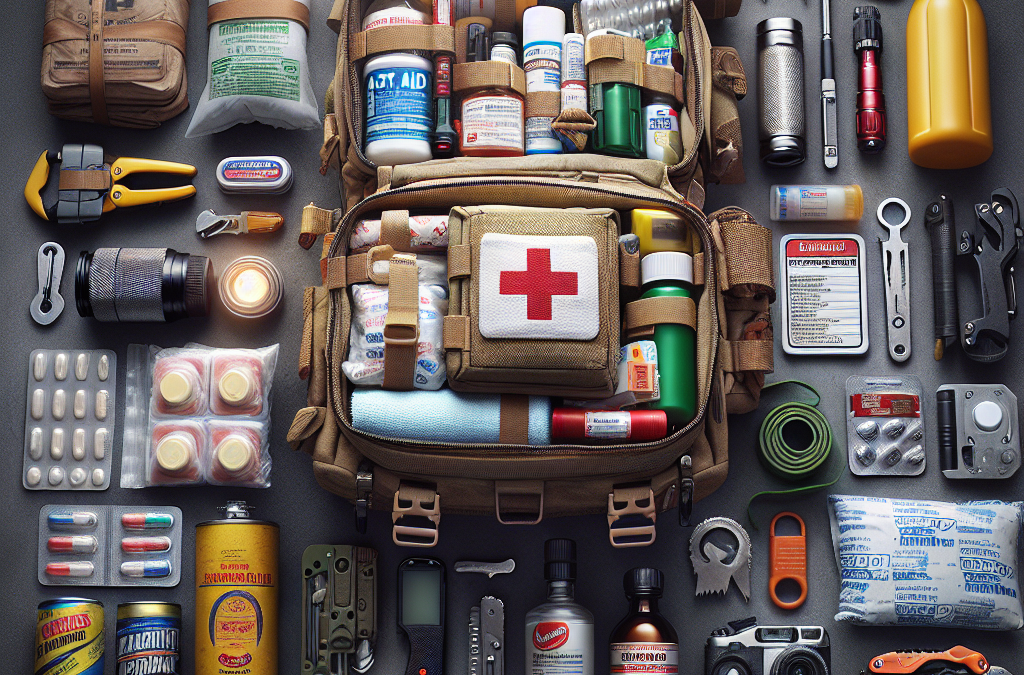
by Preparation Call Editorial Team | Jul 6, 2025 | Preparedness
1. Emergency Supplies
Food and Water
When I think about prepping for an emergency, food and water are at the top of the list. It sounds obvious, right? But the reality is, having enough non-perishable food and fresh water could be the difference between comfort and panic. Stock up on items like canned goods, granola bars, and dried fruits. And don’t forget about water—aim for at least one gallon per person, per day.
It’s not just about quantity, though. You also want to think about the variety in your food supplies. Having some fun snacks can lift spirits during tough times. So, throw a few bags of your favorite chips or chocolate bars into the mix. It’s all about keeping morale high!
Lastly, don’t forget to rotate your supplies. Eating the canned food that’s been sitting on the shelf for a while is great, but make sure to replace it with fresh stock every now and then. It’s all part of staying prepared.
First Aid Kit
Next up is the first aid kit. I cannot stress enough how important it is to have a well-stocked first aid kit on hand. Accidents can happen at any time, and having the right supplies ready to go can be a lifesaver. Make sure your kit contains bandages, antiseptic wipes, gauze, pain relievers, and any personal medications you or your family might need.
Don’t just grab a pre-packaged kit, though; personalize it! For example, I always add in some allergy medications for pollen season and a few extra band-aids because my kids seem to attract scrapes and bruises like a magnet.
And remember, it’s important to know how to use the items in your first aid kit. Consider taking a basic first aid course. Honestly, it doesn’t hurt to be prepared to help others, too, especially in emergency situations.
Flashlights and Batteries
Imagine a storm knocking out power in the middle of the night. That’s why having a few trusty flashlights and a stash of batteries is so crucial. I keep flashlights in various places around my house—one in the kitchen, one in my bedroom, and a couple in the garage—just in case. You never know when you might need one!
When selecting flashlights, I always opt for LED versions; they last longer and provide brighter light. Plus, I recommend getting solar-powered or rechargeable flashlights to save on battery costs in the long run.
Lastly, remember to check those batteries frequently. There’s nothing worse than reaching for a flashlight and finding dead batteries. Tossing a reminder on my calendar to check them every few months keeps this simple task from slipping out of my mind.
2. Communication Tools
Emergency Contacts
Having a list of emergency contacts is super vital. I like to have a printed list stuck on my fridge and a digital version on my phone. This list should include family members, neighbors, and local emergency services. Having these contacts handy means you can reach out for help or coordinate with loved ones easily.
When making your list, consider including contact info for your children’s schools and daycare centers, too. If anything goes wrong during the day, knowing who to call can save time and stress. And don’t forget about backup contacts; sometimes, having someone a little further away may be more effective if local resources are stretched thin.
I also find it helpful to talk through this list with my family. Setting up a communications plan ahead of time helps everyone know exactly what to do, and it eases that panic if you ever find yourself needing to use it.
Two-Way Radios
Cell phones can be unreliable during emergencies, right? That’s where two-way radios come into play. I’ve got a set of these at home, and they’ve proven to be lifesavers during camping trips and stormy nights. They offer a direct line to friends and family without needing cellular service.
When choosing two-way radios, I recommend selecting ones with a decent range, so you’re covered even if you end up a little farther from each other during an emergency. Plus, look for models that are easy to use. Nothing is worse than fumbling around with complicated gadgets when every second counts!
Practicing how to use them can also be a fun family activity. It’s not just about function; it’s about creating a connection. Next time you’re out at the park or hiking, practice with the radios to make sure everyone knows how to operate them.
Different Communication Methods
To wrap up, having multiple methods of communication is a smart move. Consider apps that allow for messaging without cell service, like WhatsApp or messaging services specifically designed for emergencies. You want to be prepared for a range of scenarios.
Also, social media can be a great tool during emergencies. Many communities set up informal messaging boards to keep everyone informed. Just remember, relying solely on one method can leave you vulnerable; redundancy is key!
And as a bonus, talk to your family and ensure everyone knows these different methods and what they should do in case of an emergency. Again, setting this all up beforehand can save loads of stress later!
3. Shelter and Warmth
Tents and Tarps
Creating a temporary shelter is an important aspect of emergency preparedness. If something catastrophic ever happens, I want to ensure I’ve got a solid tent or tarp on hand. These items are versatile; you can use a tarp for quick shelter or cover up supplies, and a proper tent can help keep everyone safe and dry.
When selecting your gear, make sure to invest in quality. It’s worth spending a bit more for durable materials that can withstand the elements. Plus, a tent that’s easy to set up is a blessing during high-stress situations.
Don’t forget to practice setting up your tent at home! I find that it eases my mind knowing that when push comes to shove, I can set it up without a hitch—and it’s also a fun camping practice with the kids!
Sleeping Bags and Blankets
Keeping warm is another must during emergencies. I recommend investing in good-quality sleeping bags that are suitable for colder temperatures, as well as having extra blankets on hand. You can’t go wrong with a cozy setup when things get chilly.
Consider adding emergency Mylar blankets as well. They’re lightweight, compact, and can help trap body heat without taking up too much space in your emergency kit. You never know when they might come in handy!
As a side note, I always have at least one portable camping stove or a way to cook food that’s safe for indoor use. Having hot food can warm up your spirits—although, if you’re not careful, it might lead to a bit of a dinner disaster!
Fire-Producing Tools
Let’s not forget the power of fire! A reliable way to start a fire is essential for warmth, cooking, and even signaling for help. I personally prefer waterproof matches and lighters, coupled with fire starters like cotton balls saturated in petroleum jelly—it’s a game changer!
Be sure to store these items in a dry, accessible spot. You want to keep them handy but safe from moisture or damage. And remember to practice fire safety. Teaching everyone how to safely build a fire will take the worry off your shoulders if you need that warmth later on.
There’s something comforting about firelight, too. It creates a space to gather and share stories, which can be really important during stressful times.
4. Personal Protection Equipment
Masks
In today’s world, having the right protective gear is essential. Masks should always be part of your emergency kit. They can help you filter air in cases of smoke or dust, allowing you to breathe a bit easier during a crisis.
When selecting masks, look for those that offer good filtration, like N95 or KN95. They might feel a bit restrictive but trust me; it’s worth it to feel secure! And hey, having a few styles at home means you can switch it up depending on your needs.
Consider keeping both reusable and disposable masks on hand, too. That way, you’ll have options based on the situation at hand. Staying protected is key, and every little bit helps!
Gloves and Protective Clothing
In emergencies, having protective clothing can also be super practical. I keep a stock of gloves in my kit, ranging from rubber gloves for cleaning to heavy-duty work gloves for handling debris. You never know what you might encounter when you’re digging through your stuff!
When it comes to clothing, layers are your friend! Make sure to have some durable clothes that are appropriate for the climate. I also recommend including an extra pair of sturdy shoes because, trust me, you don’t want to be walking around in flip-flops during an emergency.
Lastly, think about safety goggles. If you ever find yourself in a situation with flying debris or hazardous materials, they can protect your eyes and make a significant difference.
Self-defense Tools
In emergencies, personal safety should be a top concern. Whether it’s a natural disaster or an unexpected situation, having self-defense tools can provide peace of mind. I keep some options at home, including pepper spray and personal alarms. It’s a small step toward feeling secure!
However, it’s not just about having these items—it’s crucial to know how to use them. Consider taking a self-defense class, not just for emergencies but for daily situations as well. Knowing how to protect yourself can boost your confidence.
Ultimately, it’s about feeling prepared for whatever life throws at you. And being equipped isn’t just about the tools; it’s a mindset that helps you stay calm in the chaos.
5. Financial Preparedness
Emergency Cash
Having a little cash tucked away for emergencies can be a lifesaver. In today’s digital world, we often forget that during big events—like a natural disaster—ATMs and credit card systems might be down. Keeping some emergency cash on hand (think small bills) is a smart move.
Where do I stash mine? I keep it in a separate location from my main money stash, just in case. This ensures that I can access funds even if I have to evacuate. Plus, having cash readily available can make all the difference in a pinch!
And while you’re at it, don’t forget to document your cash stash, including serial numbers. This makes it easier to manage and replace later if need be. Just one more way to keep yourself organized!
Important Documents
Collecting important documents might seem like a chore, but trust me, it’s so essential! You want to have copies of your ID, insurance policies, medical records, and any valuable documents stored securely but accessible. I keep mine in a waterproof fireproof box—just to be extra cautious.
Consider going digital, too. Many cloud services exist that allow you to store documents securely online. This measure ensures that even if you lose physical copies, you still have access to them. Important documents give you leverage while dealing with insurances and services during emergencies.
Be sure to periodically review your documents as well. Changes in your life, like moving places, business changes, or family situations mean documents need to meet your new reality. Keeping everything updated will save you headaches down the line!
Emergency Plan
You’ve got your supplies, but what’s the plan? I always encourage people to sit down and create an emergency plan with their families. This plan includes meeting points, communication methods, and roles for each family member. It’s all about making sure everyone is on the same page.
I cycle through what our plan should look like every few months, discussing what to do in case of different scenarios. From fire drills to tornado warnings, it’s invaluable to run through these things when everyone is calm.
The best part? It turns into a bonding experience. It’s not just about preparation; it’s about making sure everyone feels included and empowered to act in tough situations.
FAQs
1. What basic supplies should I have for emergency preparedness?
You should focus on necessities like water, non-perishable food, a first aid kit, flashlights, batteries, and a multi-tool. These form the core of your emergency supplies.
2. How often should I check my emergency supplies?
I recommend checking your supplies at least once every six months. This way, you ensure that everything is up-to-date, especially food and medications.
3. What communication methods should I include in my emergency plan?
Your plan should feature a list of emergency contacts, two-way radios, and alternative messaging apps that can work without a cell signal.
4. Why is it important to practice my emergency plan?
Practicing your plan helps everyone understand their roles and reduces panic during an actual emergency. It turns a stressful situation into a more manageable one.
5. What is the best way to store important documents for emergencies?
The best practice is to keep copies in a waterproof fireproof box. Additionally, consider using cloud storage to access them anytime, anywhere.
This article covers essential tools for emergency preparedness in a friendly and personable tone while following the specified structure. Hope you enjoy reading through it!






