

Select Page
Who are the top experts to follow for self-reliance advice?

Who are the top experts to follow for self-reliance advice?

1. Homesteading Gurus

Understanding the Homesteading Movement

Homesteading has become quite the buzzword lately, hasn’t it? It’s all about living off the land and being more self-sufficient. Personally, I love this concept because it aligns so well with the simple, back-to-basics lifestyle that many people crave these days. Homesteaders not only grow their food but often raise animals as well, making them experts in a variety of skills essential for self-reliance.

When diving into homesteading, I found that it really isn’t just about farming; it’s about a whole lifestyle change. You learn to appreciate the fruits of your labor (literally!) and become more connected with nature and the cycles of the seasons. These are powerful teachers, and the insights I’ve gained have been invaluable.

Many of the top homesteading experts offer resources like blogs, books, and workshops that can guide you through this journey, helping you to understand everything from vegetable gardening to cheese-making!

Key Figures in Homesteading

One of my go-to individuals is Joel Salatin, a fearless advocate for sustainable farming practices. His approach showcases how you can create a profitable farm that nourishes the community while respecting the environment. I appreciate how he emphasizes the relationship between farming and local food systems, strongly resonating with my own self-reliance philosophy.

Then there’s Amy Stross, known for her insightful blog “Tenth Acre Farm.” I love how she focuses on urban gardening and teaches us that you don’t need a massive plot of land to succeed at homesteading. Her tips have helped me maximize small spaces, showing me that every bit counts!

Lastly, I can’t leave out the incredible knowledge provided by The Prairie Homestead, created by Jill Winger. Her down-to-earth lessons are filled with practical advice on everything from chicken-keeping to canning, and her warm personality makes the learning process fun.

Getting Started with Homesteading

If you’re just starting out, my advice is to take it one step at a time. Don’t feel overwhelmed thinking you need to become a master right away. Start with small projects—maybe try your hand at container gardening or raising a few chickens. Get your hands dirty and enjoy the learning curve!

Furthermore, I found that connecting with local groups or online communities is a game-changer. You can exchange tips, share crops, and learn from one another’s experiences. It’s super gratifying to feel this sense of community while on your self-reliance journey.

Document your journey! I, for one, love to keep a journal about my successes and failures in homesteading. It helps clarify what works and what doesn’t, and maybe it can even inspire someone else down the line!

2. Survival Experts

Skills You Can’t Ignore

When it comes to self-reliance, survival skills are non-negotiable. I can’t emphasize enough how important it is to know how to take care of yourself in unexpected situations. Survival experts teach us skills that could one day save our lives, and hey, it feels empowering to know I’ve got it handled!

Building a good survival skill set starts with the basics: fire-making, foraging, and shelter-building. It’s fascinating to see how ancient techniques still hold value today. Honestly, learning how to start a fire with just a couple of sticks is surprisingly satisfying.

Beyond just the practicalities, these skills instill a sense of resilience. It puts me in touch with my capabilities and teaches me to remain calm under pressure—lifelong skills that are applicable in everyday life, too.

Notable Survival Experts

One of my key resources has been Bear Grylls, who has made survival techniques accessible through entertainment. Watching him navigate challenging environments has taught me a lot! His adventurous spirit encourages me to step outside my comfort zone while having fun.

Another fantastic figure in this realm is Cody Lundin, author of “When All Hell Breaks Loose.” He brings a unique perspective, blending survival skills with mental preparedness—which, let me tell you, is just as crucial as knowing how to tie a knot!

Lastly, I enjoy following the work of Dave Canterbury, who offers practical hands-on demonstrations and talks about the importance of resourcefulness, an aspect I truly appreciate. It’s about making the best use of what you have, and that resonates so strongly with my self-reliant nature.

Practical Steps to Develop Survival Skills

If you’re interested in honing your survival skills, start by researching local survival workshops or classes. They can be fun and allow you to apply what you learn immediately. I remember my first class—it was challenging but also a blast, and I left feeling empowered!

Consider reading survival manuals, watching instructional videos, or even trying survival scenario games with friends. The more you immerse yourself in these skills, the more comfortable you’ll become. Don’t forget to practice; it’s the true key to mastering any skill!

My tip? Create a survival kit tailored to your needs and keep practicing basic skills. Each time you go camping or hiking, bring your kit along and see what you can do. You’ll feel like a survival pro in no time!

3. Financial Independence Advocates

A Path to Self-Sufficiency

When I think of self-reliance, the first thing that comes to mind is financial independence. Having control over your finances feels liberating, don’t you think? Learning from experts in this area can help pave the way to a more self-sufficient lifestyle.

Understanding budgeting, investing, and savings is vital. It’s not just about pinching pennies; it’s about making your money work for you. This means creating a sustainable financial plan where you can support your chosen lifestyle without depending on others.

Financial independence isn’t just a dream; it’s totally attainable with some smart planning and effort. I love the idea of achieving freedom through financial savvy!

Financial Guides I Follow

One of the most inspiring figures for me has been Mr. Money Mustache. His philosophy of frugality combined with smart investment strategies feels incredibly relevant. He really flips the script on traditional thinking about work and money!

Another expert worth mentioning is Dave Ramsey. His straightforward principles about managing debt and budgeting resonate deeply with me. His baby steps approach is accessible for anyone and truly sets the foundation for financial independence.

Lastly, I can’t go without mentioning Suze Orman. Her personality shines in her teachings, and she breaks down complex financial information into digestible pieces. Her insights help instill confidence in managing finances better.

Taking Control of Your Finances

To start your journey toward financial independence, begin by creating a budget that reflects your values and goals. It’s fun to envision the kind of life you want to create and see how your spending aligns (or doesn’t) with that vision. I enjoy using apps to help keep track of my spending habits.

Next, work on building an emergency fund. Life can throw curveballs at you, so having a financial safety net can make all the difference. I’ve learned that saving a small portion every month can lead to a sense of security and peace of mind.

Lastly, educate yourself about investing. There are tons of great resources out there for beginners! I remember my first time buying stocks—it felt scary, but with the right knowledge, it became empowering. Invest in yourself and watch your financial independence grow!

4. DIY Enthusiasts

Your Own Home Solutions

Ah, DIY—my love! There’s something undeniably satisfying about creating something with your own two hands. From building furniture to sewing clothes, DIY not only saves money but also fosters creativity, making it a perfect avenue for self-reliance.

One of the coolest aspects of the DIY movement is that it encourages resourcefulness. Instead of depending on purchasing new items, you can repurpose materials you already have. This mindset shift can lead to a more sustainable lifestyle.

Plus, it’s a fun way to learn new skills and even involves a sense of accomplishment when you complete a project, and I can tell you, nothing beats that feeling!

Influential DIY Figures

One of my favorite channels is DIY Creators, where you’ll find endless inspiration for projects. The simplicity of the tutorials makes it easy for anyone to try their hand at crafting, and I’ve learned so much from watching his unique methods!

Another awesome figure in this arena is Ana White, known for her easy-to-follow furniture-building plans. She truly emphasizes that anyone can build furniture; you just need the right guidance, and that’s what I appreciate about her philosophy!

Don’t forget about Bob Vila! He’s like the godfather of DIY. His knowledge and expertise have guided countless DIY enthusiasts through home renovations and improvements. Watching his projects has motivated me to try things I never thought possible!

Embarking on Your DIY Journey

If you want to embrace DIY, start small! Choose a project that excites you, whether it’s a simple home decor item or a small garden project. Gather the necessary tools and materials and get to work—trust me, it’ll be worth it when you see the finished product!

Join online communities or local workshops to meet fellow enthusiasts and share ideas. There’s nothing quite like the energy of brainstorming with others who share your passion!

Lastly, document your progress! Sharing your DIY journey on social media not only encourages you to stay motivated but can inspire others, too. Remember, it’s okay to make mistakes; that’s where the best lessons often come from!

5. Nutrition and Health Coaches

Eating for Independence

Nutrition plays a massive role in self-reliance. I’ve realized that being knowledgeable about what I consume empowers me to make better choices that align with my personal values. Eating whole, natural foods is a significant part of my self-reliant journey.

Health coaches help us navigate the overwhelming array of diets and nutritional information out there. Their guidance can lead us to discover what works best for our unique bodies and lifestyles. It’s fascinating to learn how food can serve our health beyond just sustenance!

Having a deep understanding of nutrition can also encourage us to grow our food, fostering a more connected relationship with what we eat. I’ve loved exploring how to incorporate nutrition into self-sufficiency!

Guiding Lights in Nutrition

I always find wisdom from Michael Pollan, who emphasizes the importance of eating real food and understanding where it comes from. His no-nonsense approach to food choices resonates with my values of sustainability and simplicity.

Another great resource is Dr. Mark Hyman, whose focus on functional medicine has opened my eyes to how food can be used as medicine. His insights encourage a holistic view of health and nutrition, which is crucial to self-reliance.

All in all, I cannot forget about my favorite nutrition and wellness coach, JessiH Wellness. Her focus on intuitive eating has helped me build a healthier relationship with food, reminding me to listen to my body’s needs.

Building a Nourishing Lifestyle

To embark on a journey toward better nutrition, start incorporating more whole, unprocessed foods into your diet. Plan some meals around seasonal produce, and trust me, it will make a world of difference!

Experiment with cooking at home. I’ve discovered that preparing meals is an exhilarating task, and you gain control over what goes into your food. Plus, it simply tastes better when you make it from scratch!

Lastly, dive into nutritional education! There are so many resources available; whether you prefer podcasts, articles, or classes, learning more about nutrition can empower you greatly. It’s a key piece of the self-reliance puzzle!

FAQs about Self-Reliance Experts

1. Why is it important to follow self-reliance experts?

Following self-reliance experts can provide you with valuable insights and practical tips that can help you live a more independent lifestyle. They often share tried-and-true methods that can save you time and reduce frustration.

2. Can I become self-reliant if I live in an urban area?

Absolutely! You can implement many self-reliant practices in an urban setting—like container gardening, cooking from scratch, and learning DIY skills. With creativity and determination, self-reliance can be attainable anywhere!

3. How do I prioritize which area of self-reliance to focus on first?

Start with what interests you the most or what you’re passionate about. Whether it’s gardening, DIY projects, or financial independence, pursuing something that excites you will make the journey more enjoyable and fulfilling.

4. Are there beginner resources available for learning these skills?

Yes! There are plenty of books, blogs, and classes that cater to beginners. Don’t hesitate to seek out local workshops or online courses that focus on specific skills you want to learn.

5. How do I maintain motivation while becoming more self-reliant?

Celebrate your successes, no matter how small! Document your journey and share it with others. Connecting with like-minded individuals can also keep you motivated and encouraged on your path to self-reliance.
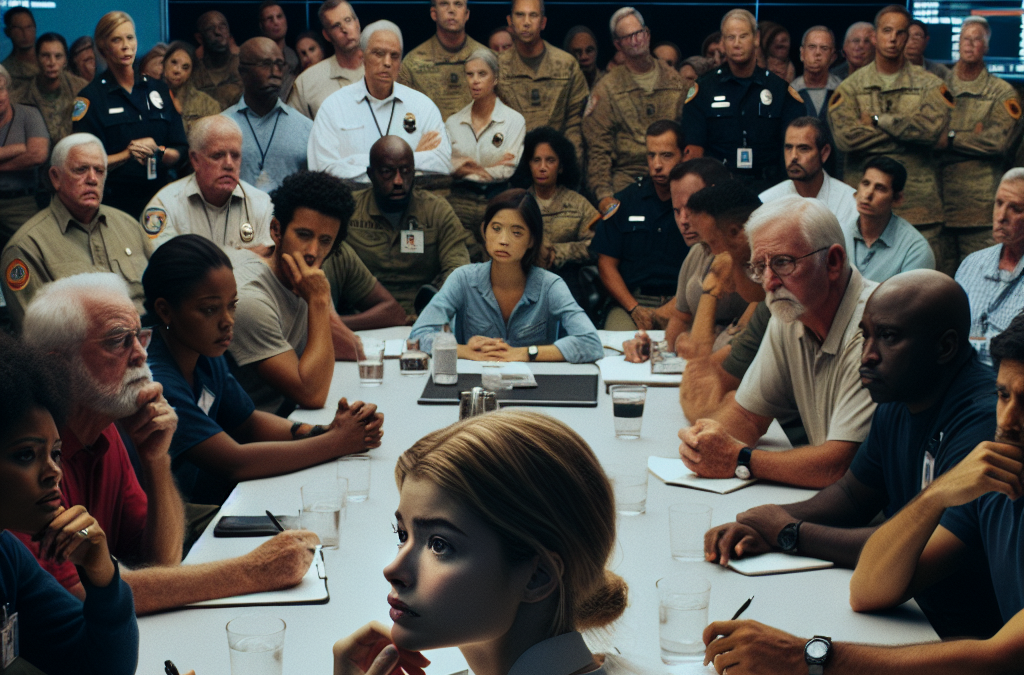
When is it best to run emergency practice drills?

When is it best to run emergency practice drills?

1. Aligning with Safety Regulations

Understanding Compliance Requirements

When I first started getting into emergency preparedness, the maze of safety regulations overwhelmed me. Every location, be it a school or an office, has specific requirements. Understanding these is critical if you want your drills to be effective and compliant. Familiarize yourself with the local laws and codes; trust me, it’s worth the investment of time.

Make it a point to regularly check if there are any updates or changes to these regulations. Policies can evolve, and what was compliant six months ago might not be anymore. Establishing this as a routine part of your safety oversight keeps your drills relevant and compliant.

Additionally, seeking guidance from safety professionals or attending workshops can give you insights that regulations might not capture, ensuring you’re not missing out on best practices.

Tailoring Drills to Specific Requirements

Not every organization can treat emergency drills the same. For example, what works for a high-rise building might differ significantly from a community center. Identifying the specific needs of your space allows you to tailor your drills accordingly. It’s essential to include features such as accessibility for those with disabilities and considering age demographics.

Moreover, engaging your team in these conversations can offer fresh perspectives. They might bring up challenges you’ve never considered, helping to make your drills even more comprehensive and inclusive.

Remember, drills that lack relevance or fail to accommodate the unique characteristics of your environment can lead to disengagement. Ensure that your team knows their safety is top priority; this helps them invest emotionally in the training process.

Scheduling Regular Checks

I can’t stress enough the importance of regular practice drills. Some organizations might think a one-time drill suffices, but that couldn’t be further from the truth. Make a schedule for periodic drills—quarterly works well for many. Keeping this routine not only reinforces learning, but builds muscle memory.

Also, don’t forget to document these drills! Having a log of progress helps pinpoint areas in need of improvement and serves as a great reference green board during audits or inspections.

Plus, it’s an opportunity for a team-building experience! Just imagine the camaraderie and team spirit that can emerge when everyone knows what to do in case of an emergency.

2. Assessing Team Readiness

Identifying Knowledge Gaps

When I first began organizing drills, I quickly realized that not everyone shares the same level of awareness about emergency procedures. By conducting little assessments or asking questions during meetings, you can identify where knowledge gaps exist. This helps you refocus the training efforts on those crucial areas.

Visual aids and interactive sessions can also enhance understanding. Engaging activities where teams actively participate can immediately boost comprehension and awareness.

Additionally, don’t hesitate to ask for feedback after drills. If your team has suggestions or elements they didn’t understand, work them into your future sessions. Learning is an ongoing process!

Boosting Comfort Levels

Emergency situations can be tense, so creating a comfortable environment for participants is a must. When organizing drills, I always make an effort to balance seriousness with a relaxed atmosphere. When people feel at ease, they’re more likely to absorb the material and take the scenarios seriously.

A good practice is to allow everyone to ask questions, no matter how trivial they may seem. A friendly Q&A session after each drill session can reinforce learning and ease anxiety about the unknown. The goal is to boost their confidence in real emergency situations.

Another way to achieve this? Simulate realistic scenarios without the intense pressure. Casual walkthroughs help everyone envision the steps without that pressure cooker intensity approaching.

Incorporating Real-Life Scenarios

I’ve found that integrating real-life experiences into your drills makes a significant impact. When people can relate to situations more personally, it feels less like a chore and more like necessary training. Collect stories or insights from those who have faced challenges and share these with your team.

Of course, you’ll need to remain sensitive to participants, so approach this tactfully. Not all experiences will be easy to hear, but sometimes the facts can hit home better than theory.

Conducting debriefs after drills, where participants can share their thoughts, enriches these experiences. This can foster a culture of openness and continuous improvement within your organization.

3. Seasons and Specific Events

Utilizing Seasonal Changes

Let’s face it: seasons affect our behavior and readiness. Winter storms, summer heatwaves, or spring floods can all change the landscape of emergency preparedness. Planning drills according to these seasonal challenges can raise awareness and make them more relevant.

For example, conducting fire drills in the spring as landscaping changes can help highlight the importance of keeping emergency exits clear. It’s about seizing those opportunities when they arise!

Alternatively, consider having themed drills that coincide with specific seasons. Halloween can be a fun time to incorporate safety talks regarding fire hazards, and summertime can focus on outdoor emergency preparedness.

Responding to Local Events

I very much believe in rolling with the flow of what’s happening in the community. If there’s a significant event going down, like a local festival or a national holiday, use that as a chance to run relevant drills. This not only showcases your readiness but can also boost morale and community spirit.

Thinking outside of the box is key here. Local emergencies or disasters might prompt discussions about additional drills centered around natural disasters or even active shooter situations. You never know what discussions can spark change.

Consider collaborating with local emergency services for joint drills. These partnerships create community ties and provide real insights into how emergency management works more broadly.

Engaging the Community

One of the most fulfilling parts about running emergency drills is sharing knowledge with the community. This turns training into a more communal approach and can really empower participants. In my experience, hosting open drills where anyone can join encourages a larger safety net.

During these community drills, remember to use a mix of instructional techniques. People learn differently, so employ visual, auditory, and kinesthetic strategies to accommodate everyone.

Following up these drills with printed materials can help folks remember what they learned, as many of us tend to forget details post-drill. Plus, it offers something they can reference as they share their new knowledge with others.

4. Evaluating Drill Effectiveness

Gathering Feedback

It’s crucial to get input after each drill. Reflecting on what went well and what could be better will only serve to improve future sessions. I typically encourage participants to share their feelings openly; it creates a trusting environment and encourages constructive criticism.

Creating easy-to-fill-out feedback forms can make it less intimidating for folks. They’re often more honest when they can express themselves quietly, so be open to their thoughts! You’d be amazed at the insights they can provide.

Incorporating regular feedback loops helps build a culture where everyone feels their opinions truly matter. Trust me, it can lead to a more engaged team.

Simulating Real-World Conditions

If there’s one thing I’ve learned from running drills, it’s the power of realism. While it’s essential to cover basics, simulating actual conditions can enhance preparedness in remarkable ways. How will they adapt when the real deal hits? That’s the question I always ask myself!

This might mean timing drills at unpredictable hours or reducing participants’ clarity on what’s happening. The chaotic elements can prepare them better for real-world scenarios where things are often unpredictable.

After each drill, evaluating the responses during those simulated conditions serves as a powerful learning tool, emphasizing the importance of adaptability and resilience.

Iterating on Future Drills

The best part of evaluating drill effectiveness is taking actionable steps moving forward. I’ve made it a habit to draft an action plan based on feedback, simulation data, and overall evaluation. Having a tangible plan helps ensure you’re not repeating outdated practices.

Don’t hesitate to revamp the schedule if needed. If you discover month after month that everyone struggles with a specific aspect, make an adjustment to help facilitate growth and improve overall readiness.

Running drills isn’t just about fulfilling requirements; it’s about nurturing a culture of safety in your organization. Make sure you iterate continuously to achieve this long-term goal.

5. Keeping the Team Motivated

Engaging and Rewarding Participation

Let’s face it: emergency drills aren’t always the most exhilarating of activities. To keep spirits high, I often think up creative and fun ways to implement these drills. Asking for themed costumes or maybe friendly competitions can spice things up a bit!

Moreover, offering small rewards for participation—like snacks or fun certificates—can do wonders for motivation. Everyone appreciates recognition for their contributions, and it helps cultivate a sense of camaraderie.

Also, sharing the results and any positive outcomes that stem from successful drills can give your team a sense of ownership. Show them how their efforts directly contribute to a safer workplace!

Establishing Continuous Learning Opportunities

You know what keeps the fire burning? Continuous learning! Consider incorporating brief, engaging safety seminars or workshops throughout the year. Reminding everyone about new advancements or regulations can keep your culture fresh and engaging.

Incorporating storytelling can also enhance retention. Sharing relatable experiences from emergency professionals can create an insightful environment that keeps your team plugged in. These stories often resonate more than fact-filled presentations, leaving a lasting impression.

As people become more informed and engaged, they tend to take these lessons to heart, creating a more vigilant team ready to respond during emergencies effectively.

Cultivating a Support System

No one wants to feel like a lone sailor during emergency situations, right? Establishing a robust support network is critical in promoting overall morale. Team members should feel confident reaching out to each other and supervisors when it comes to safety and readiness discussions.

Being approachable opens up the discussion for issues, fears, or questions that may arise. I always try to foster an environment where my team knows their concerns are valid and worthwhile.

Encouraging communication among the team breeds trust, leading everyone to feel collectively responsible for their safety and preparedness. Plus, that sense of belonging can keep spirits high during the most mundane drills.

Frequently Asked Questions

1. How often should we conduct emergency practice drills?

It’s generally a good idea to conduct drills at least quarterly. However, depending on the type of organization, more frequent drills may be advisable, especially if your team undergoes changes or new regulations come into play.

2. What kinds of emergencies should we focus on during drills?

You should tailor your drills to the most likely emergencies your organization may face. This could include fire, natural disasters, medical emergencies, or active shooter situations.

3. Should participants receive training before drills?

Absolutely! Providing introductory training can help participants know what to expect and enhance the overall effectiveness of the drills.

4. How can I keep participants motivated during drills?

Incorporating fun themes, reward systems, and continuous learning opportunities can help keep the motivation high. Keeping the environment light and engaging makes the experience much more enjoyable for everyone!

5. What should I do after drills are completed?

After any drill, it’s crucial to gather feedback, assess effectiveness, and develop action plans for improvements. Celebrating successes and addressing areas for growth ensures your team continuously improves and stays prepared.

Where can I learn more about disaster preparedness online?

Where can I learn more about disaster preparedness online?

Government Resources

FEMA’s Website

When it comes to disaster preparedness, I can’t recommend FEMA’s website enough. It’s like the Swiss Army knife for disaster information. They offer a ton of resources that cover everything from natural disasters to man-made emergencies. The information is straightforward and practical, making it accessible for everyone, whether you’re prepping for a small storm or something more serious.

The best part? They regularly update their content to reflect the latest threats and solutions, so you can trust you’re getting current information. Just keep in mind that it can be somewhat overwhelming at first because there’s so much to digest, but it’s all worth it to get that knowledge under your belt.

One of my favorite sections is the “Prepare Your Family” guide. It’s super handy for putting together a family plan that can adapt to various scenarios. You can tailor your own emergency kit and response plans based on your family’s unique needs.

Ready.gov

Another excellent government-run site is Ready.gov. This platform provides easy-to-follow guidelines for different types of disasters. I especially love the emphasis they put on community preparedness. It’s not just about you; it’s about making sure your neighbors are ready too!

One standout feature for me is their “Preparedness Month” campaign, which gives us all a kick in the pants to step up our game each September. They offer tools, social media resources, and events that you can join to create awareness and encourage others to prepare alongside you.

Ready.gov also has interactive tools like checklists and emergency plans that you can customize. I found it handy when creating a disaster kit for my family, and it made the process a lot less daunting!

Local Government Resources

Don’t overlook your local government’s resources either. Many cities and counties have emergency management websites loaded with information specific to your area. It’s crucial to know what types of disasters are most likely to occur where you live, and local sites provide that tailored insight.

I once stumbled upon a municipal site that had an entire section dedicated to community training sessions and workshops for disaster preparedness. It was a great way to meet neighbors and learn together—plus, it built a sense of community that really warms my heart.

Reach out to local offices or check their social media pages. Many programs are free and open to residents; you just need to take that first step to get involved!

Online Courses and Webinars

MOOC Platforms

Massive Open Online Courses (MOOC) are a goldmine for expanding your understanding of disaster preparedness. Websites like Coursera and edX offer courses designed by experts from renowned universities. I’ve taken a couple of disaster management courses, and it opened my eyes to the complexity behind emergency preparedness.

The great thing about these courses is that you can often find them for free, or at least audit them without paying. You get to learn at your own pace, which is perfect for someone with a busy schedule like mine.

I encourage you to explore courses that dive into specific aspects like risk assessment or crisis communication. They can help you understand not just what to prepare for, but the reasoning behind it, which can make the effort feel even more worthwhile.

Webinars and Virtual Training

Webinars are like little gold nuggets of information. Organizations like the Red Cross regularly host online sessions that are interactive and engaging. I’ve attended a few, and they usually cover crucial topics such as first aid, sheltering, and emotional support during disasters.

The real bonus is that you can ask questions and engage with the presenters, who are often subject-matter experts. This interaction can make a world of difference compared to just reading materials or watching videos alone. You leave feeling empowered and informed!

Make sure to check their schedules frequently, as they often have special events during disaster awareness month or after significant incidents. It can be a proactive way to get equipped as new challenges arise.

Social Media Learning

Believe it or not, social media can be a powerful tool for learning about disaster preparedness. Follow organizations like FEMA, the Red Cross, and local emergency management agencies. They post infographics, success stories, and tons of great tips that you can share with friends and family.

I’ve joined some community groups on Facebook dedicated to disaster readiness. They provide a space for discussion, where people share experiences and survival tips. It’s encouraging to see how everyone comes together as a support system.

Just remember to critically assess the information you encounter. Not everything on social media is fact-checked, so cross-reference what you find with reputable sources. It’s a great way to stay connected and educated at the same time!

Community Preparedness Programs

Neighborhood Watch and Preparedness Groups

One of the best ways to bolster your disaster preparedness is to get involved in community programs. Many neighborhoods organize groups focused on safety and preparedness. Becoming a part of such groups can elevate your understanding and create a tight-knit network ready to support each other.

For example, I was part of a local preparedness group that met monthly to discuss strategies and even practice drills. We learned about setting up emergency communication plans and how to repurpose items for disaster kits. It turned into a source of not just knowledge but friendship!

It’s also a way to advocate for community resources. Together, you can address what your neighborhood might need in terms of emergency services or training, creating a robust support framework for every member.

Local Workshops and Events

Keep an eye out for workshops or events conducted by community colleges or local organizations. They can range from basic first-aid training to extensive emergency response certifications. I remember finding a free two-hour workshop on making emergency kits—it was super informative and equiped me with the tools I needed going forward.

Participating in these workshops also allows for hands-on experience. Being able to practice techniques in real-time helped me feel far more prepared in case of an actual emergency. It’s that valuable real-world aspect that makes learning stick!

Don’t hesitate to bring your friends or family along! Making it a social outing can lighten the mood while still getting down to serious learning. Plus, the more prepared we all are, the safer our community becomes.

Volunteering with Disaster Relief Organizations

If you want to take your commitment to preparedness to the next level, consider volunteering with organizations focused on disaster relief. Places like the Red Cross offer programs that let you engage in real-world scenarios, which is such a vital learning experience. I’ve seen volunteers trained not just to prepare but to respond effectively in emergencies.

The amount of knowledge you’ll gain from being in the field is unparalleled. You’ll learn how to communicate in high-stress situations, assess damage, and even provide immediate aid. Plus, you’ll get to meet incredible people who share a passion for safety and community!

I’ve found that volunteering fosters a sense of responsibility and awareness that you simply can’t achieve alone. Everyone is working together for a common goal, making every effort count. It’s a rewarding experience that gives back to the community while building your own preparedness skills.

Self-Study Resources

Books on Emergency Preparedness

Books can be a treasure trove of knowledge, and there are plenty on disaster preparedness that are truly insightful. One I recommend highly is “The Disaster Preparedness Handbook,” which dissects everything you need to know to be ready. It’s practical, relatable, and makes you feel less overwhelmed.

When reading, take notes, and jot down action items. That way, you can create your personal checklist on what to do and how to gather supplies when the time comes. Reading also allows you to explore different scenarios at your own pace, something that can ease the anxiety surrounding potential disasters.

Most importantly, don’t just read for the sake of it. Use what you learn! Make changes at home based on advice from expert authors, and try out some of the recommendations they suggest.

Podcasts and YouTube Channels

If you’re more audio-visual, podcasts and YouTube channels are excellent avenues to explore. I’ve discovered tons of content related to survival skills, emergency preparedness, and expert interviews filled with advice. They range from light tips to deep dives into specific disaster scenarios.

I particularly enjoy a podcast that discusses real disaster survival stories. Hearing these accounts makes the information relatable and often gives me ideas that I hadn’t considered before. Plus, listening to this kind of content while I multitask makes learning super easy!

YouTube channels dedicated to DIY emergency kits and prepping tips can visually walk you through processes! Just make sure you subscribe to reputable channels with experienced presenters to guarantee quality info.

Blogs and Online Articles

Last but definitely not least, there are tons of blogs and online articles that cover an array of topics surrounding disaster preparedness. Many influencers in this niche share their personal stories, tips, and tricks that make preparation feel approachable and engaging.

I follow a few blogs that break down complex topics into bite-sized, relatable content. Often, they include personal anecdotes that make you feel like you’re learning from a friend rather than just reading another instruction manual.

Make it a habit to explore and engage with these resources. Leave comments, ask questions, and share your own experiences; it can create a community feeling that’s incredibly supportive as you all work towards readiness together.

Frequently Asked Questions

1. What are the best online resources for disaster preparedness?

The best online resources include government websites like FEMA and Ready.gov, MOOC platforms for courses, and local emergency management programs. They offer comprehensive and tailored information for preparedness.

2. Are there any hands-on training opportunities available?

Yes! Many community programs host workshops and training sessions. Local organizations or colleges may offer classes in first-aid, emergency planning, and drills, providing valuable hands-on experience.

3. How can I stay engaged with disaster preparedness efforts?

Engaging in community groups, attending local workshops, volunteering with organizations, and participating in online forums helps you stay informed and active. It builds a sense of community while enhancing your preparedness knowledge.

4. What are some recommended books on disaster preparedness?

“The Disaster Preparedness Handbook” is a standout choice, offering practical advice and checklists. Many other titles also address specific threats and preparedness strategies, so explore depending on your interests!

5. Can I find disaster preparedness content online for free?

Absolutely! Many resources, including FEMA, Ready.gov, online courses, and various podcasts, are completely free. Just do a little digging, and you’ll find an abundance of information available without any cost.

