by Preparation Call Editorial Team | Jul 6, 2025 | Preparedness
Hey there! Let’s talk about something super important—keeping your emergency supply stockpile fresh and ready for anything life throws at you. It’s not just about gathering supplies; it’s about knowing when and how to ensure they’re still viable and useful. I’ve learned a lot about this over the years, and I’m here to share my insights with you! Here are the five key areas we should focus on.
Assessing the Current Situation
Identify What You Already Have
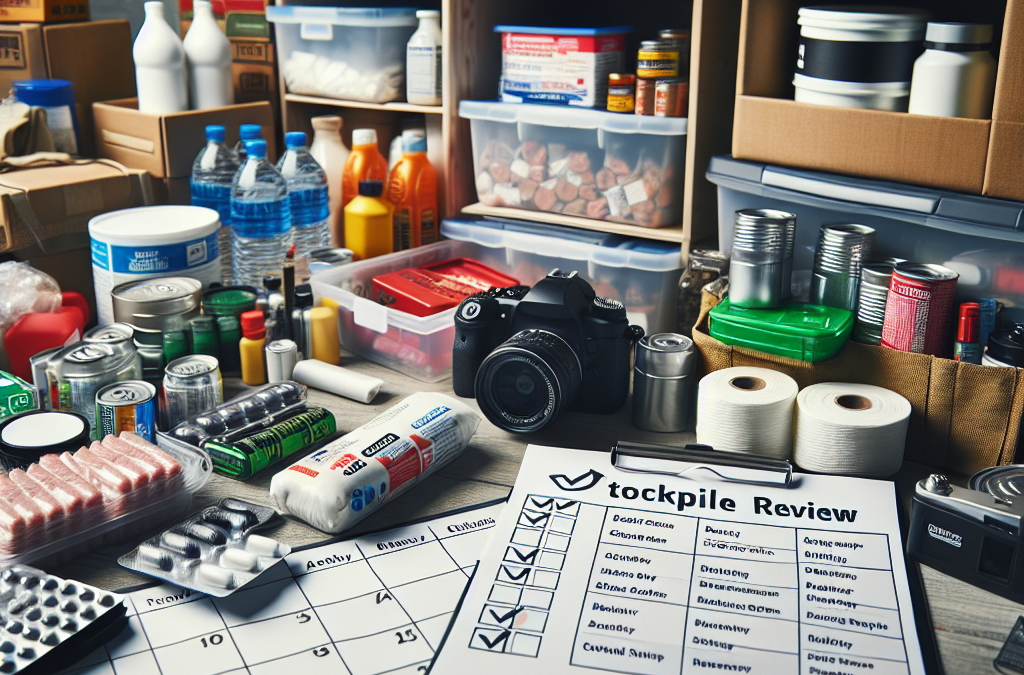
The first thing you want to do is take stock of what you currently have in your emergency supplies. This isn’t just a casual glance—really dig in and check each item. I always find it helpful to make a list. That way, you can visually see what’s in your stockpile and what you might be missing.
Don’t forget to involve your family in this process. Having everyone contribute to identifying what’s on hand can be enlightening. Plus, it gets everyone on board with the idea of preparedness, which is key. You’d be surprised at how many cans of soup I’ve found hidden in the back of my pantry!
Take note of what’s expired or nearing expiration. You don’t want to keep items that could potentially do more harm than good when you need them the most. Keep in mind that some foods, like canned goods, may last longer than their expiration dates if stored properly, but it’s always safer to check.
Evaluate Your Needs
Next up, think about your specific needs. This involves understanding your household dynamics—how many people are in your family? Are there any special dietary restrictions or medical needs? These factors should heavily influence what you keep in stock.
I remember when I first started stocking up, I completely forgot about my partner’s gluten sensitivity. A few months later, we ended up with a bunch of items he couldn’t eat. Be smart about this! Tailor your stockpile to reflect your family’s needs so you’re not caught off guard.
Also, consider the types of emergencies you might face in your area. If you live in a hurricane zone, water and non-perishables should be prioritized. If earthquakes are common, focus more on medications and supplies that help you sustain yourself while waiting for help.
Check for Damages
Once you’ve assessed what you have and what you actually need, it’s time to check for any damaged items. Damaged supplies can sometimes go unnoticed until you really need them. Look for dents in cans, cracks in water supplies, or any expired medical supplies.
In my own experiences, I once had a bottle of medicine in my stock that had leaked. I had to toss it out and quickly replace it! So, don’t take it lightly. Check everything! This ensures that you’re only keeping high-quality supplies.
Regularly checking for damage will save you tons of panic down the line. Trust me, you’re gonna want to make sure your emergency supply stockpile is ready to go whenever the world decides to throw you a curveball!
Setting a Schedule for Updates
Regular Intervals
Now that you know what’s in your stockpile, it’s time to set a schedule. I find that checking my supplies at least twice a year works wonders. It’s like getting a tune-up for your car—necessary maintenance that keeps everything running smoothly.
Consider tying these checks to something memorable, like the changing of the seasons. For me, I do my checks during spring and fall. It helps me remember, and I can switch out seasonal items. You can also plan around major holidays when you might expect more people to be in and out of your home.
Having an established routine gives you peace of mind. You know when to expect to refresh your supplies, and it won’t feel like a chore. It just becomes part of your regular upkeep!
Document Changes
Sure, it’s all nice and good to check in regularly, but you should also document any changes. I’ve started keeping a simple logbook where I jot down the items that are replaced, updated, or removed entirely. This makes it super easy to see trends over time!
Plus, having it documented provides accountability. It’s easy to forget what you’ve done if you don’t write it down. After a few months, it’ll be hard to remember what you needed to add or adjust without a little help from your notes.
Also, this log can help in planning future purchases. You can check what items were most frequently replaced and adjust your stock accordingly. It’s a game-changer of a strategy!
Adjusting Based on Usage
One aspect that’s often overlooked is adjusting your supplies based on usage. If you find that you’re consistently using certain items faster than others, it’s a signal to stock up on those items. Understanding the dynamics of your household can help in this regard.
I realized that every time a winter storm approached, my family would consume way more canned soup than expected. So, on the next check, I made sure to bulk up on those supplies. Don’t shrug off how your circumstances can change; always be adaptable!
This is also an opportunity to evaluate what’s not being used. If you notice specific items consistently sit untouched, consider swapping them out for something more useful to your family. Remember, this is your stockpile, and it should work for you!
Incorporating New Supplies
New Items You Discover
Even though you’ve spent a good amount of time assessing and organizing, new supplies might pop up here and there, whether due to changes in market offerings or recommendations from friends. If you discover cool products—especially those designed for emergencies—make sure to incorporate those into your stockpile sessions!
For example, I came across a new type of survival food that was being reviewed positively. I gave it a shot and then added it to my main stock. It’s essential to stay informed about useful supplies and regularly update your stash.
Also, keep in mind that new technology can play a role in upgrading your supplies. There are always new gadgets that can improve your survival experience. So stay curious and keep exploring what’s out there!
Local Availability
Also, keep an eye on local supply availability. The market has its own cycles, and what was once available might be harder to find. Regular updates can help mitigate shortages if something suddenly becomes a hot commodity.
If a particular item starts flying off the shelves in your area, it might signal that you need to stock up before it becomes unavailable. This happened to me with certain types of batteries one winter—grabbing them early saved me from scrambling later!
Make sure that your stockpile reflects not just your preferences but also what’s realistically available to you.
Sustainable and Eco-Friendly Options
As I’ve dived deeper into my emergency preparedness journey, I’ve started to think about sustainability. What if I can stockpile items that are not only great in emergencies but also better for the planet? Consider updating your stockpile with eco-friendly options!
This might include planning to use reusable items instead of disposable ones. I’ve incorporated things like bulk food storage options that prevent waste and eco-friendly canned goods. It’s gratifying knowing my supplies help during emergencies and do good for the environment!
Plus, as you make these sustainable swaps, it can spark discussions with friends and family about their own emergency prep plans. You could even host a swap day to share tips and supplies—spreading knowledge is just as vital as stocking up!
Final Thoughts and Takeaways
Ultimately, updating your emergency supply stockpile is all about regular checks, being adaptable to your circumstances, and making informed knowledge-driven updates. By considering what you have, what you need, when to evaluate, and what new items to add, you can maintain a robust stockpile that truly meets your needs.
Staying prepared isn’t just a one-time effort—it’s an ongoing process. And trust me, the peace of mind that comes with knowing you’re ready for anything is totally worth it. So, get started with those updates today!
FAQ
1. How often should I check my emergency supply stockpile?
I recommend assessing your supplies at least twice a year. Regular checks help ensure everything is fresh and usable.
2. What should I do with expired items?
Expired items should be disposed of safely. Replace them with fresh supplies to ensure you have usable products when you need them.
3. How can I document my stockpile updates?
Keeping a simple logbook is a great way to note changes. jot down what items you’ve replaced or discarded during each update.
4. Should I include specialty or dietary-specific items in my stockpile?
Absolutely! Tailor your stockpile to include items that meet the dietary needs of everyone in your household.
5. What are some eco-friendly options for emergency supplies?
Look for products that are reusable or have sustainable packaging. Transitioning to bulk food storage options is also a smart choice.
by Preparation Call Editorial Team | Jul 6, 2025 | Preparedness
1. Understanding the Basics of Disaster Preparedness
What is Disaster Preparedness?
First off, let me tell you, disaster preparedness isn’t just about having a bunch of supplies stacked up in your basement. It’s about having a plan, knowing what to do, and being ready for anything that comes your way. When I first started looking into this, I realized it’s like creating a roadmap for safety; you need to know the routes you’d take during an emergency.
Different disasters require different plans. Whether it’s a natural disaster like a hurricane or a human-made one, like a power outage, understanding what’s at stake will guide your preparations. For me, having that understanding was like flipping a switch; it made everything else fall into place.
A thorough understanding of potential risks ensures you’re not caught off guard. So grab a pen and jot down what disasters might affect your area. You’ll thank yourself later when you’ve got your bases covered!
Why Create a Disaster Checklist?
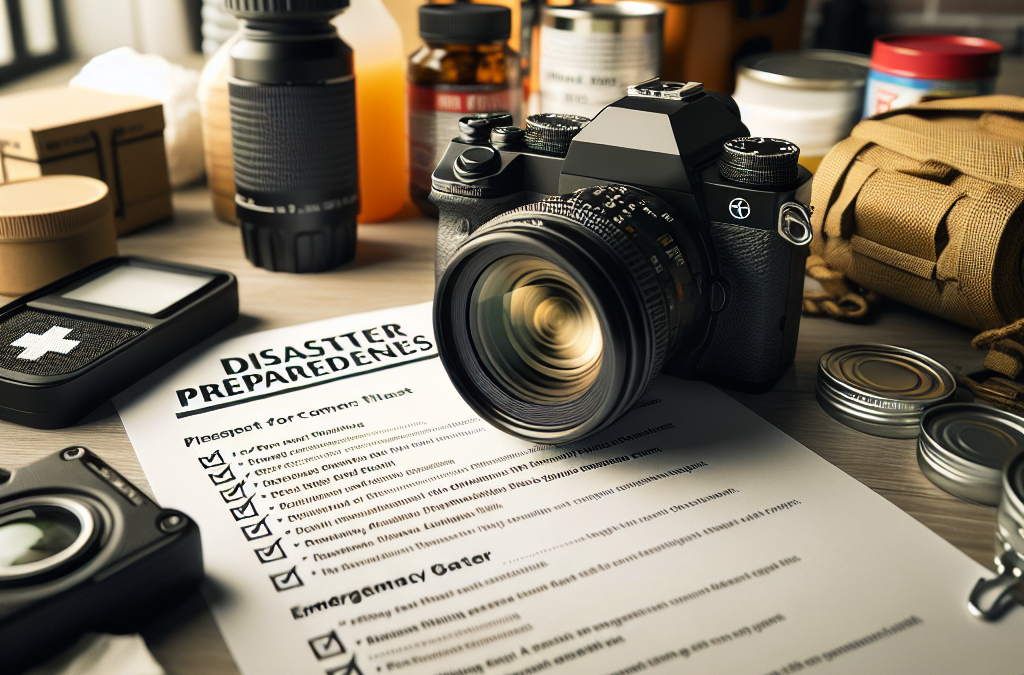
Creating a disaster checklist is like packing your bag before a big trip. You want to make sure you’ve got everything to keep you safe and comfortable. In my opinion, having a checklist gives you peace of mind—it can be pretty nerve-wracking not knowing if you have everything in place.
Moreover, a checklist helps you stay organized. When chaos strikes, your brain might just go to mush. It’s easy to forget critical things! By having a prepared list, you make sure you don’t miss anything essential. Trust me, nothing is worse than realizing you left the flashlight behind in the dark!
Lastly, a checklist is a living document. It should evolve with you; update it regularly as your life changes—new kids, new pets, or even a move. Keeping it fresh ensures you’ll be ready no matter what gets thrown your way!
Components of a Good Preparedness Checklist
Now, let’s break down what goes into these checklists. First, you’ll need basic supplies—think non-perishable foods, water, a first aid kit, and emergency tools. I remember when I built my first kit, and I was amazed at how much stuff I had to consider; I felt like a survivalist!
Then there’s the important aspect of communication. Who do you contact after a disaster? Having a list of family and friends, complete with phone numbers and addresses, is crucial. You don’t want to be searching through your phone in a crisis!
In summary, don’t overlook your insurance and important documents. I learned the hard way that keeping digital copies of essential documents in a cloud storage or a safe place makes everything easier in a pinch.
2. Sources for Reliable Checklists
Government Websites
One of the best places to start looking for reliable disaster preparedness checklists is through government websites. Agencies like FEMA (Federal Emergency Management Agency) have extensive resources that are detailed and regularly updated. These checklists are tailored to various types of disasters, and they really know their stuff!
When I first explored FEMA’s site, I was impressed at how straightforward their materials were. They break down everything you need depending on the disaster you might face. Plus, it’s nice to know you’re getting this info straight from the source!
Sometimes, local government websites can have more specific advice tailored to your area. If you live somewhere with unique risks, they’ll have the goods to keep you prepared!
Non-Profit Organizations
Another great resource is non-profit organizations focused on disaster relief. Groups like the Red Cross not only aid after disasters, but they also publish incredible preparedness materials. I often find their checklists comprehensive and to the point, perfect for someone who wants information without the fluff.
These organizations frequently update their materials and have volunteer programs that can educate you further on preparedness. Participating in their programs has been eye-opening, giving me a greater understanding of what to include in my own plans.
Don’t forget to check their websites for community events or workshops focused on disaster preparedness; you might meet some like-minded folks while getting the intel you need!
Community Resources and Local Workshops
Sometimes, the best resources are right in your community! Local fire departments or community centers often hold workshops or informational sessions on disaster preparedness. I attended one not too long ago—it was surprisingly informative and I met some cool neighbors!
Community discussions are also a fantastic way to learn about what types of disasters are most common in your area. Just listen to others’ experiences, and you’ll pick up helpful tips you might not have thought of.
Don’t miss out on the local library either. They often have books and pamphlets specifically geared towards disaster preparedness that can be a goldmine of information!
3. Tailoring Your Checklist to Personal Needs
Assessing Your Unique Risks
When you create your disaster checklists, you really need to think about your unique situation. What risks do you face? Is it flooding? Earthquakes? Or maybe tornadoes? The first step in tailoring your checklist is acknowledging those risks because what’s relevant for me might not hold true for you.
I’ve found that when I took a close look at what I might face in my region, I could tailor my supplies and preparations accordingly. You’ll be amazed how much peace of mind you get just by knowing you aren’t over- or under-prepared for your circumstances!
Don’t hesitate to consult with friends, family, or local experts to really nail down what you should prioritize based on real-world conditions.
Including Family Preferences and Needs
Now let’s talk about your family. If you have kids, pets, or elderly relatives, you need to consider their specific needs in your checklist. For instance, I learned the hard way that packing some comfort items for my kids made a huge difference in their stress levels during an emergency!
Additionally, any family members with medical conditions may need specialized supplies. Make sure you have extra medications, mobility aids, or anything else critical for their comfort and safety. Tailoring your checklist isn’t just practical; it shows your loved ones you care.
This attention to individual needs creates not only a more effective plan but fosters a sense of teamwork among family members—no one wants to be left out in tough times!
Review and Revise Regularly
One thing I learned through this whole planning process is that a checklist isn’t static. Needs change, and new threats emerge. Make it a habit to sit down once or twice a year and review your checklist, updating as necessary. This way, nothing will slip through the cracks!
It might sound boring, but I often make it a family event. We all gather around and discuss what worked, what didn’t, and what we could do better. It turns into a really good bonding experience, and we often come up with great ideas while chatting!
Plus, regular review keeps everyone on the same page and ready for action if disaster strikes. It’s all about staying informed and being flexible!
4. Online Tools for Disaster Preparedness
Mobile Applications
In this tech-savvy world, there are tons of mobile apps designed specifically for disaster preparedness. Apps like FEMA’s own can send you emergency alerts and reminders about your preparedness tasks. It’s like having a little preparedness buddy in your pocket!
When I downloaded one of these apps, it made my life way easier. I could track what supplies I had at home and even set reminders to review my checklist every few months. This tech could make all the difference when you’re running on adrenaline or just plain busy.
Don’t forget to check the reviews—some apps are more user-friendly than others, so find the one that vibes with your needs!
Online Forums and Communities
The internet is a treasure trove of forums and communities focused on survival and preparedness. Engaging in these spaces not only gives you access to a wealth of knowledge but also connects you with enthusiastic folks who share your interests!
I’ve learned a ton just from reading about other people’s experiences and recommendations. People are always happy to share tips on improving checklists or adding to your disaster preparedness repertoire.
Plus, there’s a certain comfort in knowing you’re part of a community that takes this stuff seriously. It makes the process feel less daunting.
Interactive Educational Resources
Lastly, look out for interactive courses or webinars offered by organizations dedicated to disaster preparedness. I took one a while back, and it changed my perspective completely! Learning from experts kept me engaged, and I picked up some valuable skills along the way.
Many of these courses provide downloadable templates for building your own checklist, which I found incredibly helpful. They guide you through the nitty-gritty details without overwhelming you.
Don’t underestimate the power of hands-on learning—being involved in discussions or simulations really solidified concepts and gave me more confidence in my planning.
5. Sharing Your Preparedness Knowledge
Teaching Family and Friends
It’s great to be prepared yourself, but sharing that knowledge with family or friends amplifies the impact. Have a little family night where everyone discusses the checklist. You can even role-play some emergency scenarios together!
Seeing those around you educated and prepared can ease your own worries. Trust me; I feel way less anxious about emergencies when I know my family has done their homework. Plus, it encourages a culture of responsibility!
Sharing your checklist and experiences can empower those around you to prepare; birdies of a feather flock together, right?
Engaging with Your Community
Consider organizing community preparedness fairs or workshops! You’d be surprised how many folks are willing to join in. Just a little gathering can start discussions and raise awareness about disaster preparedness.
Sharing resources can help ensure that everyone in your area has access to vital information. I’ve seen communities come together after disasters, and laying the groundwork beforehand makes a huge difference.
Encouraging informed conversations about preparedness helps foster resilience in the community, allowing you all to bounce back together in times of crisis!
Using Social Media for Outreach
In today’s world, social media can be a powerful tool for sharing knowledge. Posting tips, resources, or inspiring stories can ignite interest among your followers. I often share little snippets of what I’ve learned because it’s a conversation starter!
Plus, platforms like Facebook or Instagram can help you create groups focused on disaster preparedness. This way, everyone can share their knowledge and support each other in being proactive.
Letting people know you care about their safety not only enhances your preparedness but enriches your connections with others.
Frequently Asked Questions
1. Where can I find the most reliable disaster preparedness checklists?
Government websites like FEMA and non-profit organizations such as the Red Cross are excellent places to find reliable and updated disaster preparedness checklists.
2. How often should I update my disaster preparedness checklist?
It’s a good idea to review and potentially update your checklist at least once or twice a year. Changes in living situations, health, and available resources should be reflected in your plans.
3. What should I include in my disaster supplies kit?
Your disaster supplies kit should include basic supplies like non-perishable food, water, a first aid kit, communication tools, necessary medications, and important documents.
4. How can I engage my community in disaster preparedness?
You can engage your community by organizing workshops, sharing resources on social media, or even hosting community gatherings focused on preparedness. Collaboration increases overall safety!
5. Are there any apps to help with disaster preparedness?
Yes! There are several mobile applications designed for disaster preparedness, such as FEMA’s app, which can send alerts and provide you reminders for your checklist tasks.
by Preparation Call Editorial Team | Jul 6, 2025 | Preparedness
1. Increased Confidence in Personal Skills
Empowerment Through Knowledge
One of the first things I noticed when I started focusing on self-reliance was a huge boost in my confidence. Learning new skills, whether it’s growing my own food, repairing my home, or knowing how to cook from scratch, made me feel empowered. There’s something about being knowledgeable that does wonders for your self-esteem. It’s like I Ultimately realized, “Hey, I can do this!”
Every time I learned a new skill, such as sewing or woodworking, I felt less reliant on others. The first time I fixed a leaky sink by myself, I was on cloud nine. It’s incredible how small achievements can lead to a mountain of confidence over time. Because when you rely on yourself, you start believing in yourself.
This newfound confidence spills over into other aspects of life too. It changes your mindset—suddenly you see challenges as opportunities to grow. Instead of running for help at the first sign of trouble, you start to think, “What can I do to fix this?” It shifts your whole perspective!
Preparedness for Unexpected Situations
Life is unpredictable, right? When I made self-reliance a priority, I felt much better prepared for whatever might come my way. Whether it was a sudden job loss, an emergency at home, or even the global pandemic, I found that I was able to handle situations better simply because I was more self-sufficient.
This preparedness not only applies to physical emergencies like power outages or natural disasters, but also to economic ones. Knowing how to can your own food or even have a small emergency fund set aside gives you a sense of security that is priceless.
As I became more proactive, I started to see problems from a different angle. Instead of feeling overwhelmed by emergencies, I felt like they were just challenges waiting to be tackled. I mean, who wouldn’t want that level of calm in chaotic times?
Developing Problem-Solving Skills
With every obstacle I faced, whether big or small, I began honing my problem-solving skills. The more I relied on myself, the more I had to think creatively about how to solve problems. I can’t tell you how many times I had to figure out how to patch a hole in my car without a mechanic!
This creative thinking spills out into everyday life too. It’s amazing how you can adjust your approach to small nuisances in life; say, fixing up old furniture instead of buying new. That’s not just self-reliance at play, but a way to make life a little more exciting and fulfilling.
It’s like becoming your own personal MacGyver. And hey, who wouldn’t want to feel like they could tackle anything that comes their way—whether it’s an unexpected bill or an appliance that’s on the fritz?
2. Financial Independence and Savings
If I Can Do It, Why Pay for It?
When I embraced self-reliance, one of the first things I noticed was my finances reshaping in a positive way. Tackling tasks myself—like landscaping or home repairs—cut costs significantly. It’s kind of wild how you can save a chunk of change just by putting in some elbow grease!
After a while, I could type up a lengthy list of things I no longer paid for. Fancy dinners out were replaced with home-cooked feasts, and I found myself spending less on clothes thanks to thrifting and upcycling. The savings added up pretty fast! It’s a collective effort, and the best part is you usually end up with a bigger sense of accomplishment.
This financial independence means I have more freedom with my money now. I have the ability to invest and save for what actually matters to me rather than dishing it all out for services I can provide myself. You get a real sense of control over your financial future.
Strategic Budgeting Skills
Not only have I saved money, but I’ve also sharpened my budgeting skills. It’s crucial to keep track of what I spend versus what I save. I started paying attention to my expenses in a way I never did before, which is super empowering. You really start to see where your money goes!
I began using apps and tools to help me track where I could cut back, and it became almost a fun little game. I set challenges for myself around savings, and it became satisfying seeing those numbers go up. It’s like playing Monopoly but in real life!
Moreover, this skill applies in multiple areas—whether it’s planning a trip or figuring out how to allocate money for emergencies. The growing ability to strategize makes me feel more stable overall.
Investing in Future Security
Another major perk of self-reliance is the ability to invest in things that will boost my long-term security. I’ve prioritized learning how to grow my own food, which not only helps with the grocery bill but also sets me up for sustainable living.
This type of investment isn’t just a financial one. It’s about investing time in learning new skills that will benefit me in the long run. I’ve even found some community resources that guide you in sustainable agriculture—a double win!
Ultimately, all these smart moves lead to a sense of safety, knowing that I have the tools to be less reliant on the system. It’s comforting to know I’m building a future based on sustainable choices and not simply reacting to whatever life throws my way.
3. A Deeper Connection to Nature
Understanding the Natural World
As I delved into self-reliance, I found myself connecting with nature in ways I never anticipated. From growing my own vegetables to foraging for wild edibles, I developed a genuine appreciation for the environment surrounding me. It’s not just about living off the land, but about understanding it.
This exploration led to countless “aha!” moments. I discovered the subtle changes in seasons, learned how various plants can offer nourishment, and connected with local wildlife. My backyard became a mini-laboratory where I stopped and just observed.
There’s something grounding about being more attuned to nature. I feel more centered and harmonious with my surroundings. Plus, the environment is just downright beautiful and knowing how to co-exist with it adds a layer of richness to my life.
Promoting Environmental Sustainability
Self-reliance isn’t just about personal skills; it’s also about making more sustainable choices. I transitioned to using biodegradable materials and reducing waste, and let me tell you, it feels incredible! It’s nice to know that I’m playing a part in preserving the environment while also feeding myself.
Gardening, composting, and upcycling have become super rewarding projects. It feels good to know I’m making a positive impact. Plus, I’ve seen just how little I can live on without contributing to the waste that often comes with consumerism. Every small step counts!
This aligns perfectly with my belief that our planet deserves care and respect. It’s about being mindful and living with purpose. So, embracing self-reliance also turned into a chance to promote greater environmental consciousness.
A Sense of Community and Collaboration
While self-reliance often makes me think of solitary pursuits, it also opened doors to amazing community connections. By diving into this lifestyle, I found neighbors sharing resources, ideas, and skills. We banded together to learn from one another, whether it was sharing gardening tips, hosting workshops, or trading home-grown produce.
The feeling of camaraderie is great. It shows that self-reliance isn’t solely an individual endeavor; rather, you gather a supportive network along the way. It enhances the whole experience. Knowing there’s a tribe behind you can make even the toughest projects feel manageable.
I’ve learned so much from others’ experiences and enthusiasm. It’s an enriching cycle where everyone wins. We share knowledge and resources, and it turns into a challenge that’s way more fun and engaging.
4. Enhanced Emotional Well-being
Improved Mental Resilience
Focusing on self-reliance has done wonders for my mental well-being. I’ve cultivated a resilience that allows me to tackle challenges head-on. When you’re self-sufficient, you learn to adapt. Whether it’s dealing with a tough job or personal issues, I feel I’ve grown more stubborn in a good way.
This resilience has helped me deal with stress and anxiety in a healthier manner. As I embrace challenges, I find myself becoming better equipped to handle life’s ups and downs. There’s a sense of empowerment that comes with knowing you can navigate troubling waters by relying on your own strength.
It’s like building muscle for your brain. The more you exercise that ability to adapt and overcome, the stronger and more capable you become in various situations, which greatly lifts your emotional state.
Creating a Sense of Purpose
Living a self-reliant lifestyle infuses my daily routine with purpose. I find satisfaction in caring for myself and my surroundings, which is a big mood booster. Whether it’s cooking a meal from scratch or completing a DIY project—those little victories accumulate into an overwhelming sense of accomplishment.
This newfound purpose extended to my broader life goals. I became more intentional about how I spend my time and energy, which has led to happier living. I’ve crafted a life that’s focused on what truly matters to me. This clarity lifts up my spirits every day.
Also, having purpose means having something to look forward to. Whether it’s growing a new crop or mastering a new skill, there’s always a next step to chase, which boosts my overall happiness and satisfaction in life.
Building Stronger Relationships
Surprisingly, choosing self-reliance has strengthened my relationships. As I began sharing my knowledge and experiences with friends and family, I noticed the warmth that came from connecting over common projects or goals. Even simple tasks like making jam or gardening together turned into memories we cherished.
This collaborative spirit has helped foster a sense of belonging. When you’re part of a community that values resilience, it only enhances your connections with one another. We uplift each other through shared expertise and experiences.
Ultimately, those stronger relationships lead to a more fulfilled and balanced life. There’s something heartwarming about doing life alongside others who appreciate the journey toward self-sufficiency. Togetherness coupled with resilience can create powerful bonds.
5. Lifelong Learning and Growth
Endless Opportunities for Learning
One of the coolest aspects of embracing self-reliance is that there’s always something new to learn. From knitting to woodworking or solar power—every day offers up a lesson. This lifestyle keeps me on my toes and stirs my curiosity, which keeps life vibrant and refreshing.
Learning new skills ignites that childhood excitement of “what’s next?” It can be anything from diving into homesteading or exploring natural remedies. Once you get started, the possibilities are truly endless!
Furthermore, I’ve made it a habit to remain adaptable and open-minded. It’s no fun to stagnate. The more skills I learn, the more I notice that I want to keep pushing myself. This creates a hunger for knowledge that’s hard to beat.
Pursuing Passion Projects
Self-reliance has also opened doors for me to pursue projects I’ve always dreamed about but never dared to tackle. For instance, I’ve been dabbling in writing and photography while documenting my progress in self-sufficiency. It’s super rewarding to see the fruit of that labor unfold!
These passion projects fill my life with happiness and creativity. Instead of spending free time idly, I’m crafting stories and taking photos that tell my journey. They represent all the trials, errors, and ultimate successes that come from stepping out of my comfort zone.
It’s about living fully and allowing the things I love to intertwine with the skills I’m mastering. It nurtures my soul while keeping life interesting, and honestly adds spark to my everyday routine. What a combination!
Embracing Change and Growth
Self-reliance naturally fosters a mindset that encourages personal growth. The more I embrace this lifestyle, the more I recognize change as an opportunity instead of a hurdle. It morphs your outlook and helps you tackle any changes head-on rather than hiding or running away from them.
This growth mindset translates into so many areas of life: relationships, career, personal development—the way I tackle challenges has transformed. It fosters adaptability and encourages me to embrace the unpredictability of life.
Moreover, acknowledging that growth can be uncomfortable allows me to find comfort in discomfort. It’s truly liberating! I feel more prepared for changes down the road, and that’s a beautiful thing to carry into my future.
Frequently Asked Questions (FAQs)
1. What are the main benefits of self-reliance?
Some of the key benefits include increased confidence in personal skills, financial independence, a deeper connection with nature, and enhanced emotional well-being. It really transforms the way you approach life!
2. How can self-reliance affect my financial situation?
Self-reliance encourages you to manage your resources better. By doing things yourself—like cooking and DIY projects—you reduce expenses and learn valuable budgeting skills, leading to better financial health overall.
3. Is self-reliance purely an individual endeavor?
No way! While it promotes independent living, it also fosters community. You’ll often find connections with neighbors or friends who share interests and support each other’s goals, making it a collaborative effort!
4. How do I start on a path to self-reliance?
Begin by identifying skills you want to learn or projects you want to undertake. Start small and gradually build your skill set as you gain confidence. Whether it’s a DIY project or learning to grow your food, every step counts.
5. Can self-reliance contribute to personal happiness?
Absolutely! By gaining control over your skills, finances, and environment, you create a fulfilling lifestyle. The sense of accomplishment and deeper connections that come from self-reliance can lead to greater happiness and emotional well-being.