
Select Page
What’s the best way to keep my family safe in an emergency?

What’s the best way to keep my family safe in an emergency?

Create an Emergency Plan

Gather Your Family

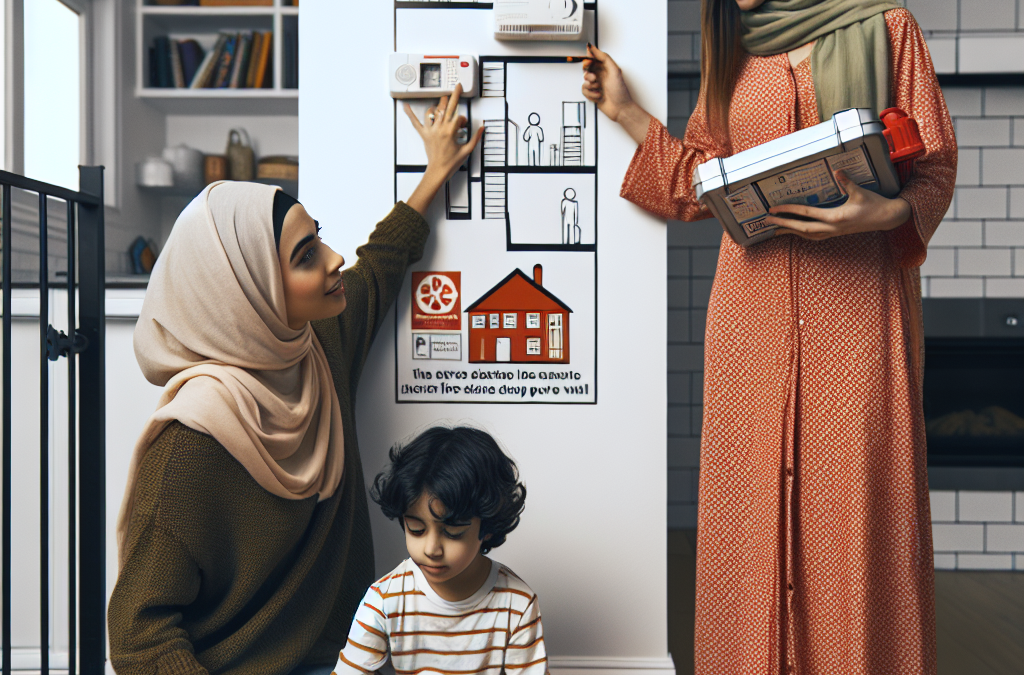
So, the very first thing I did was bring the family together. It’s super important to sit down as a unit. I made sure everyone, from the little ones to the adults, understood the gravity of the situation—any emergency can knock on our door at any time.

We talked about what emergencies could happen—natural disasters, fires, and even home intrusions. It’s not all doom and gloom, but knowledge is power! Each family member felt more involved and it made the discussions way less scary.

Everyone had a voice; we tossed around ideas about the best ways to react in emergencies. This isn’t just a mom or dad thing; it’s a team effort to make sure we’re all on the same page when things hit the fan.

Assign Roles

After we established our plan, the next step was assigning roles. This was something that truly made me feel comforted! I assigned simple and clear responsibilities, so if something happens, everyone knows what to do without scrambling.

For instance, I designated one of my kids to grab the emergency kit, while another was in charge of keeping track of our pet. Knowing who’s doing what helps a ton to keep our minds clear during chaos. It made them feel important, and that little boost of confidence is key.

Every role was age-appropriate. I remember my youngest was proud to help by dialing an emergency number. Making them part of the solution really eased my nerves—if everyone knows their part, we’re much more likely to succeed!

Regular Drills

Next up was the fun part—practicing! We started conducting regular drills. I turned them into games to keep the atmosphere light and engaging. Kids love playtime, and it makes learning less intimidating!

Doing these drills made it clear what needed to be done without panic. It’s amazing how these repetitive actions became second nature for us all. We’d practice logging out of our home quickly, taking our emergency kit, and checking in with each other afterwards.

I can’t stress enough how vital those moments are; when the real deal comes knocking, it’s too late to be figuring things out. So, we made it a tradition—silly but effective in getting our kid’s little hearts ready for the “what ifs.”

Emergency Supplies

Pack an Emergency Kit

Now, let’s talk about emergency supplies! I can’t stress this enough: having an emergency kit ready is crucial. I created a checklist, or as I like to call it, our ‘survival backpack’!

This kit is stocked with essentials like water, snacks, first aid supplies, and flashlights. I made it a rule to check it every six months and rotate the snacks. Trust me, you don’t want scampering kids and expired granola bars when the stress is high!

There’s a certain peace of mind that comes with knowing you have what you need ready to go. Next time a storm is brewing, I know I won’t be flying by the seat of my pants—I’ve got our backs covered!

Plan for Basic Needs

Aside from just the emergency kit, I made sure we had plans for basic needs too. That means knowing where to find alternative sources of food, light, and warmth. We diversified our supplies beyond the initial kit.

For instance, we now keep extra blankets and warm clothes in our car, just in case we find ourselves stuck somewhere. It’s about being proactive rather than reactive. No one wants to find themselves cold and hungry; it’s about ensuring comfort in discomfort.

We even researched local shelters and resources, so we’d know where to turn in case home isn’t safe. Making these plans gave me an overwhelming sense of responsibility; the “What ifs?” could now have answers.

Regular Updates

Just as important as packing the kit is making sure it’s updated! I learned the hard way that supplies can change, kids grow, and what we need may vary over time. So, keeping our emergency kit fresh was essential!

I began scheduling those refreshes on our family calendar to make them a priority. A simple reminder helps us remember, “Hey, it’s time to sift through the emergency stuff!” and we all get excited about it together!

It’s a great bonding time, sorting out what’s still useful and perhaps letting go of things we no longer need. Update your kit, and it gives another angle of peace, knowing you’re all prepared for whatever comes your way.

Communication

Establish Safe Words

The next gem I discovered is communication. Establishing safe words can be a literal lifesaver. We came up with words that would signify we need to act securely without creating too much panic.

For example, if I shout “pineapple,” everyone knows it isn’t a joke—they need to gear up and follow the backup plan. It’s fun to see the kids shout it out around the house, knowing it means serious business when it counts!

This ability to communicate effectively brought us much closer. By establishing these codes, we ensure that a stressful situation does not spiral into chaos; clarity transforms what could have been confusion.

Emergency Contacts

Another crucial aspect of communication is having updated emergency contact lists. I made it a habit to have my family’s contacts written out, including out-of-town relatives who can help.

We put this list on the fridge to ensure it’s visible. The kids learned how to dial those numbers, giving them a solid grasp of who to reach out to when needed. It’s all about making sure they feel a sense of safety in their ability to communicate.

This is doubly important in an age where phones can die. A little old-school paper works, too! We even laminated our list so it stays intact. I encourage you to gather those numbers, as it truly saves worry when the chips are down.

Community Resources

Engaging with community resources and emergency services can bolster our safety protocol. We reached out to our local sheriff’s office to understand better what resources were available, which led to some invaluable insights!

They provided resources for neighborhood watch programs and local shelters. That networking helped us stay informed about community drills or exciting family safety events, encouraging more families to be aware and prepared.

Once we participated in a local emergency preparedness fair, the kids loved learning about it while also earning some fun giveaways. Getting involved nurtured a supportive environment for the whole family. Two heads are better than one, right?

Stay Informed

Emergency Alerts

Staying informed is key. I’ve set up emergency alerts through our local government and weather services. Getting these alerts can really help navigate through potential disasters before they strike.

There’s nothing worse than being caught off guard! Our phones buzz, and I gather everyone around to explain what we need to do next. This knowledge ahead of any emergency is empowering and helps decrease panic levels.

Besides, it’s cool to be in the know. I mean, who doesn’t love feeling like the family hero with timely updates? It has also encouraged my kids to pay attention to the world around us.

Trustworthy Sources

In our digital age, there’s a ton of info online—but not all of it is trustworthy. I’ve established a list of reliable sources that I check for updates, like the CDC or local government pages.

I talk with my family about fact-checking and distinguishing between real news and clickbait. I think it’s so important to instill that understanding in them early on; it builds a strong knowledge base.

We even decided to turn it into a family project; they’d grab a news source and share what they found, and we’d discuss it. Keeps them engaged while learning what’s trustworthy, and earns parental brownie points!

Regular Family Meetings

Lastly, I can’t emphasize enough the importance of regular family meetings. We set aside time to gather everyone to share updates on our emergency plan. It’s as much about sharing knowledge as it is a reunion.

This leads to open discussions about any concerns, adjustments in plans, and sharing our success stories from practicing drills. It warms my heart to see the kids taking pride in what they’re learning!

Reinforcing this ongoing open communication fosters a safety net of support and knowledge that will carry us through any emergencies. It’s more than just plan updates; it’s our family growing together!

Conclusion

Keeping my family safe in an emergency boils down to preparation, communication, and education. From creating a solid emergency plan to building bonds through practice, every step I’ve taken has been rewarding.

It gives me peace to know that we are well-prepared. Setting everything in motion has not only enhanced our safety but transformed our family dynamic—creating an encouraged and united front.

So, I encourage you not to wait. Take that next step in preparing your family—it’s one of the best things you can do for peace of mind. Remember: it’s a journey, and every small effort counts!

FAQ

1. What should be included in an emergency kit?

Ideal items include water, food, a flashlight, batteries, a first aid kit, and personal medication. Tailor it to the specific needs of your family!

2. How often should I review and update my emergency plan?

It’s a good idea to review your plan at least every six months or after any significant life changes, like moving or adding new family members.

3. What is a good way to establish a family communication plan?

Gather your family and discuss roles and safe words, and ensure everyone knows how to contact each other during an emergency. Keep that list handy!

4. How do I find trustworthy emergency resources online?

Stick to official resources like government websites, the CDC, and trusted news outlets. Always cross-check information for accuracy!

5. Can community resources help during an emergency?

Absolutely! Engaging with community resources can provide critical support, and networking helps you stay informed about local safety initiatives.


How can I improve my home’s disaster resilience?

1. Strengthening the Structure

Assessing Current Structural Integrity

When I started thinking about disaster resilience, my first step was to take a hard look at my home’s structure. I poked around, checking for any signs of disrepair. Cracks in the walls or a shaky foundation can be big red flags. I even called in a local contractor who had experience with disaster preparedness. They gave me a thorough assessment and made some recommendations that really opened my eyes to potential risks.

One thing I found super helpful was understanding the different materials used in my home. For example, masonry buildings tend to be stronger against wind and water damage compared to wood. Knowing what I was working with helped me prioritize which areas needed the most attention.

After the assessment, I made a list of repairs and upgrades, from bolstering beams to reinforcing roofs. It was a bit of an investment, but I knew these changes could save me a heap of trouble if disaster ever struck. Plus, feeling safe in my home is totally worth it!

Upgrading Materials

Once I knew what needed fixing, I focused on upgrading materials to something sturdier and more disaster-resistant. I swapped out old windows for impact-resistant ones, which is a game changer if you live in a hurricane zone like I do. It took some getting used to seeing the price tag, but man, the peace of mind was unbeatable.

I also tackled my roofing. By choosing a durable metal roof, I not only improved the lifespan of my home’s covering but also its resistance to extreme weather. It was a big chunk of change upfront, but it paid off when I had lower insurance premiums and fewer worry lines on my forehead!

Lastly, I added some exterior features, like storm shutters and reinforced doors. These upgrades made me feel like I could batten down the hatches and keep the bad elements at bay. Trust me, these little tweaks can make a world of difference!

Creating Safe Spaces

I knew I had to think about where to hang out during a disaster. For that reason, I dedicated a part of my basement as a safe room. The combination of sturdy construction and stored supplies created a reassuring atmosphere. I furnished it with comfy blankets, some food, and even a little entertainment, just in case we were in there for a while.

I also took a moment to think about my yard. I removed any big trees that could potentially come crashing through if high winds hit. It’s such a bummer to lose some greenery, but I always remind myself it’s better than losing my roof or worse!

Having a safe space didn’t only mean physical safety. Psychologically, it helped my family feel more secure. We even did some emergency drills together, which eased those pre-disaster jitters and made for some bonding along the way!

2. Emergency Preparedness Plans

Creating a Family Plan

Setting up an emergency preparedness plan with my family was probably one of the most important aspects I tackled. We gathered around the kitchen table and discussed various scenarios – everything from flooding to tornadoes. Just getting it all out there started some great conversations.

Each family member had a role to play, which made things less overwhelming. We established a meeting point and reviewed multiple escape routes out of the house. Knowing we were all on the same page put me at ease. In a chaotic moment, it’s comforting to know exactly what to do.

I made sure to jot everything down and keep copies handy. Plus, digital copies stored safely in the cloud were a lifesaver. Trust me, having a plan ready gave me a sense of control over any situation. It’s kind of like having a backup battery for your phone – you never realize how essential it is until it’s needed!

Building an Emergency Kit

Next up was assembling an emergency kit. I scoured some checklists online and began gathering essentials like non-perishable food, water, flashlights, and first-aid supplies. I won’t lie, it felt like a bit of a scavenger hunt, but it was oddly satisfying slotting each item into my designated storage bins.

Incorporating some personal touches to that kit made it less of a chore. I added my favorite snacks and books to keep everyone’s morale high. Trust me, when you’re hunkered down, a little comfort food can go a long, long way!

I also made sure to rotate the food and check expiration dates regularly. There’s nothing worse than thinking you’re all prepared only to find outdated supplies when you need them most. A little upkeep every month kept my kit ready for action!

Staying Informed

I To wrap up realized that being disaster-ready also means staying informed. I signed up for local weather alerts and followed the news to stay on top of any approaching threats. Having that information at my fingertips helped me make timely decisions and stay a step ahead.

I also talked about important resources with my neighbors. Community is everything, and knowing my neighbors had a plan made me feel like we were all in this together. Plus, we exchanged tips that opened my eyes to additional resources I had never considered before.

And let me tell you, I also developed a trust in the Red Cross apps that can provide safety information during disasters. It became one of those things I didn’t want to live without, ensuring I had access to critical information no matter what!

3. Insurance and Financial Preparedness

Reviewing Insurance Policies

Now, let’s talk about a less exciting topic: insurance. It might not be as thrilling as picking out new plants for your garden, but trust me, understanding your insurance policy is crucial. I spent an afternoon going through my coverage, and it was eye-opening, to say the least.

Many policies vary widely in what they cover. I learned that my standard homeowners’ insurance didn’t cover flood damage, and that would have left me hanging out to dry. After some research, I found additional policies that fully covered me, especially since living in a flood-prone area is a reality I face regularly.

Reviewing and adjusting my coverage regularly became a habit – just like changing the batteries in smoke detectors. I set reminders a couple of times a year to ensure I’m never caught off guard, and I suggest making a plan to do the same!

Financial Preparedness

You know how they say cash is king? Well, that phrase becomes particularly valid in a disaster. I decided to stash away some cash, just in case bank access was restricted. I learned that having emergency funds on hand can ease so many worries during a turbulent time.

Additionally, creating a detailed inventory of my possessions was a game changer. I took pics and recorded values, which could help with insurance claims later. I stored everything on a secure cloud service, so I could access it whenever necessary.

Cleaning out old stuff and documenting it also felt surprisingly therapeutic. Who knew disaster prep could lead to a decluttering spree? Not to mention, it made my home a bit more organized, which I love!

Community Resources

Finding out what local resources are available is another significant step that often gets overlooked. I discovered a ton of programs through my local government and community organizations designed specifically for disaster preparedness. They had training sessions and even offered discounts on emergency kits!

Joining a local neighborhood group helped me network with others who share similar concerns about preparedness. We’ve had some epic book exchanges, but more importantly, we strategized and learned from each other’s experiences, which was invaluable.

And don’t get me started on the workshops! Some were even hosted by retired professionals who shared electric information. I learned so much and made friends along the way, too. The power of community can do wonders when it comes to facing potential disasters!

4. Landscaping for Safety

Choosing the Right Plants

Let’s dig into landscaping because, boy, did it make a difference for my disaster resilience. I took a good hard look at my garden, and I realized I could use my plant choices to my benefit. Certain trees and shrubs are more wind-resistant, which can help during storms.

For example, choosing deep-rooted trees like oaks over shallow-rooted species like pine can provide better stability, and they resist uprooting during a storm. I carefully planned my garden thinking about potential wind patterns and the best spots to plant those sturdy plants!

I also made sure to keep my landscaping away from home structures. Fire-resistant plants like native grasses are not just great for controlling erosion, but they create a buffer zone if wildfires hit. It’s all about creating a protective barrier while still rocking that garden aesthetic!

Drainage Solutions

Another essential factor in my yard was proper drainage. Being near a waterway, I learned the hard way that standing water can wreak havoc during heavy rains. I invested in grading my yard to encourage water to flow away from my home, which literally saved my foundation from water damage.

I also added features like French drains and rain gardens, making my garden not only beautiful but functional. These installations not only help absorb rainwater but also give wildlife a little place to thrive!

Plus, it’s a fun conversation starter during BBQs – trust me, friends dig it when they hear about your awesome environmental consciousness!

Wildfire Defensible Space

If you live in an area prone to wildfires like I do, establishing a defensible space is a must. I made a ten-foot buffer around my home by cutting back branches and ensuring that any flammable materials were nowhere near the structure. It felt like I was building a fireproof fortress!

I added gravel paths, which help break the continuity of vegetation, as well as some strategically placed stones. It was kind of like creating my very own mini-defense station and helped keep my house safe no matter the season.

Talking to a fire mitigation expert opened my eyes to even more incredible strategies. Having backup plans and strategies for fire spread provided some serious relief and put me on high alert!

5. Regular Drills and Maintenance

Emergency Drills

Just like every good team, practices make perfect. I realized that conducting regular emergency drills with my family was not just beneficial but downright essential. Every few months, we would run through our plan from start to finish.

It became almost routine – we would practice how to exit our home quickly and gather at our designated safe spot. I incorporated fun elements to break the tension, such as timing ourselves to see how fast we could evacuate. It’s amazing how much laughter and preparation can go together!

Having kids made it even more enjoyable. They loved playing their roles, while it reinforced the seriousness of being prepared. It sparked some discussions, too, about what to keep in our kits and how to stay calm in emergencies!

Regular Maintenance Checks

Routine home maintenance checks became my new weekend project. I set aside time every month to inspect my home — from checking smoke detectors to ensuring gutters were clear. There’s nothing quite like that feeling of being proactive!

I also made sure my emergency kit remained fully stocked and updated. Just last month, I swapped out my old flashlights for some new ones, and I even added a portable charger for my phone. Staying ahead of the game kept me relieved and ready!

And let me tell you, keeping up with yard work and repairs not only helps with disaster prep but gives my home that homely vibe, you know? It’s like a double win!

Reviewing and Adapting Plans

As life changes, so must our emergency plans. I regularly took time to review and update them. When I got a new pet, for example, I made sure to adjust our drills and kits accordingly. Keeping the family on the same page was key.

I also sought feedback from family members about our plans. This way, I could tweak things based on preferences and ideas. After all, resilience isn’t just about stockpiling supplies; it’s also about having everyone engaged in the process.

Mixing it all up kept things interesting and reminded us that being prepared is ultimately a team sport!

FAQs

1. What is disaster resilience?

Disaster resilience refers to the ability of a home or community to prepare for, respond to, and recover from various disasters, such as floods, hurricanes, or fires. It involves a combination of structural integrity, emergency preparedness, and community involvement.

2. How often should I review my disaster preparedness plan?

It’s best to review your disaster preparedness plan at least twice a year. However, each time there are significant changes in your living situation, such as new family members or moving, you should take the time to adjust your plan accordingly.

3. What should I include in my emergency kit?

Your emergency kit should include essentials like non-perishable food items, a battery-powered or hand-crank radio, water, a first-aid kit, a flashlight, extra batteries, and any necessary medications. Personal touches like favorite snacks or comfort items are excellent additions, too!

4. Can landscaping help in disaster preparedness?

Absolutely! Choosing the right plants, ensuring proper drainage, and creating defensible spaces in your yard can significantly enhance your home’s resilience against natural disasters. It’s a great way to combine beauty with functionality!

5. What role does community play in disaster preparedness?

Community plays a crucial role in disaster preparedness. Sharing resources, supporting each other during emergencies, and participating in local training initiatives can strengthen overall resilience. Together, communities can create a robust safety network that benefits everyone!

What could happen if I don’t prepare for potential food shortages?

What could happen if I don’t prepare for potential food shortages?

Increased Food Prices

Understanding Supply and Demand

One of the first things that come to mind when I think about food shortages is how supply and demand work. If there’s less food available, the prices naturally spike. I’ve seen this during various crises, where folks scramble to grab what they can, driving prices up dramatically. It’s like watching a stock market surge, but this time, it’s your groceries!

Let me tell you, if you’re not prepared for this unpredictability, it can hit your wallet hard. Imagine needing basic staples like rice or flour but finding that the price has doubled or even tripled overnight. Trust me, that’s a tough pill to swallow.

To avoid this, keeping a stockpile of essentials can save you not just money, but a lot of stress. You won’t have to rush to the store, and you can avoid those inflated prices when things get tight.

Long Lines and Empty Shelves

As someone who has been through the panic buying phase, I can tell you firsthand that the sight of empty shelves can be gut-wrenching. Picture this: you head into the grocery store expecting to grab some milk and bread, only to find that everyone else had the same idea! Long lines and bare aisles quickly become the norm during food shortages.

If you’re not prepared, you risk running out of necessary items. Plus, those long waits can eat up your precious time, leaving you frazzled and frustrated. It’s one experience I wish on no one!

By planning ahead, you can stock up on what you need without feeling that rush. You’ll have your essentials at home, and you won’t have to worry about the chaos as everyone else starts panicking.

Dependency On Others

Another downside to not preparing is becoming overly reliant on others. If food shortages hit and you find yourself without supplies, you’ll be dependent on what’s available around you. This dependency isn’t just about struggling to find food; it can also lead to vulnerability.

I’ve seen people feel uneasy about asking neighbors for help, and it’s tough to witness. It’s frustrating to know that you could have been self-sufficient if only you had prepped a bit more. You don’t want to find yourself in a position where you’re scrambling for help when you could have been covered.

Being independent means confidence. By stocking up before an emergency, you can stand your ground, knowing you have what you need without scrambling for assistance from others.

Health Concerns

Nutritional Deficiencies

When food becomes scarce, I worry about nutrition. If you’re not stockpiling nutritious food, your meals may lean towards whatever is available. This can lead to significant nutritional deficiencies, which is no joke, folks!

I recall a time when I let my pantry run low, and I ended up eating takeout way more often than I’d like to admit. It was only after a few weeks that I noticed a dip in my energy levels and overall mood. It’s easy to overlook this until it slaps you in the face.

To prevent these health issues, make sure to stock up on a variety of foods—nuts, grains, and canned veggies can be lifesavers. This way, you can keep a balanced diet, even during a shortage.

Food Spoilage and Waste

One aspect that saddens me about food shortages is the waste that can often accompany them. If you’ve got extra food that you’re not using, it can spoil and rot away. I’ve experienced this, where I had too much food that went bad before I could finish it. It’s a frustrating loss that can easily be avoided with better planning.

Understanding what you’ll realistically use can help mitigate spoilage. I started keeping track of what my family actually consumes, and it has helped tremendously. Not only do you save money, but you’re also reducing waste—good for your wallet and the planet!

So, while preparing is essential, knowing how to prep wisely is equally vital. Stock just enough to maintain a balance without relying on excess that can spoil.

Emotional Stress

One thing I can’t emphasize enough is the emotional toll of food shortages. The thought of having insufficient supplies weighs heavily on a lot of people, including me! The feelings of anxiety can be overwhelming, and I’ve heard this from friends and family as well.

No one wants to face the uncertainty of where their next meal is coming from. It affects your overall outlook, leading to stress not just for you but for those around you too. Keeping a well-stocked pantry can bring peace of mind as you know you’re covered.

I’ve found that staying prepared helps keep panic at bay, allowing me to focus on what’s truly important—family, well-being, and daily life without unnecessary stressors. Just think, with a plan in place, you can focus on enjoying life rather than worrying about potential shortages!

Conclusion

In retrospect, preparing for potential food shortages is not just a practical issue; it’s a holistic approach to ensuring well-being for yourself and your loved ones. From preventing financial stress to keeping yourself healthy, the benefits of being prepared really shine through.

So, whether it’s stocking up on non-perishables, ensuring a good balance in your pantry, or maintaining your peace of mind, carving out that preparation time is crucial. After all, you never know what tomorrow might bring!

Frequently Asked Questions

1. What are some essentials I should stock up on for potential food shortages?

Focus on non-perishables like canned goods, dry beans, rice, pasta, and grains, as well as some frozen fruits and veggies. Having a variety also helps with nutritional balance!

2. How can I avoid food spoilage when stocking up?

Keep track of what you buy and rotate stock, using older items first. Make sure you’re not over-purchasing items that have a short shelf life.

3. What’s the best way to handle food shortages emotionally?

Being prepared ahead of time can significantly reduce anxiety. Additionally, practicing mindfulness and focusing on what you can control will help. Surrounding yourself with supportive people is key!

4. How should I budget for stocking up on food?

Set a monthly budget for pantry staples and gradually increase your stock over time. This method helps ease financial stress and allows you to prep without breaking the bank!

5. Can I rely on my community during food shortages?

While community support can be valuable, it’s best not to fully rely on it. Prepping ensures you’re self-sufficient and reduces pressure on others during tough times.
