
by Preparation Call Editorial Team | Jul 6, 2025 | Preparedness
1. Sustainable Food Sources
Growing Your Own Food
One of the best ways to ensure self-reliance is by growing your own food. This is not just a hobby; it can be life-changing. I started with a small garden in my backyard, and now I have a veggie miracle! You don’t need a huge plot of land; even a balcony or a few pots will do.
Planting seasonal vegetables will help you sustain yourself with the fresh produce you need. Tomatoes, peppers, and leafy greens are great starters, and they require minimal maintenance. I remember my first harvest – the sense of pride was unmatched!
Additionally, don’t forget about companion planting. This technique can help you maximize your yield. For example, planting basil next to tomatoes not only saves space but also enhances growth. Trust me, your garden will flourish.
Preserving Food
Once you’ve got your food supply, it’s essential to learn how to preserve it. Canning might seem overwhelming, but it’s totally doable. I started off with small batches of jams and pickles, and now I have a pantry full of preserved goodies that last all winter.
Fermentation is another fun way to preserve food. It’s not only a method for storage but also adds some unique flavors to your meals. Think sauerkraut, kimchi – all delicious and nutritious! Plus, it’s a great way to tinker in the kitchen.
Drying fruits and veggies is simple too. Sun-drying is a natural method, and it feels so satisfying to see the fruits of your labor turned into something shelf-stable. You can snack on dried fruits or toss them in your meals for an extra kick.
Animal Husbandry
If space allows, consider keeping a few chickens or goats. Chickens provide eggs almost daily, which is a wonderful protein source. They are also surprisingly low-maintenance and easy to care for. I started with just a couple of hens, and they quickly became part of the family!
Goats can provide you with milk, which you can drink or turn into cheese. They are charming and have fantastic personalities, making them enjoyable companions as well. Just a couple of goats can significantly boost your self-reliance.
Always ensure that you’re aware of your local laws regarding livestock. It’s exhilarating to be able to rely on your small herd, and having direct access to fresh food is beyond rewarding.
2. Water Management
Collecting Rainwater
Collecting rainwater is a game-changer. If you set up barrels at your downspouts, you can gather a significant amount during a rainstorm. I was amazed at how quickly my barrels filled up. This water can be used for gardening and other non-potable uses.
Make sure to cover your rain barrels to prevent mosquito breeding. Using a simple mesh cover does the trick while allowing rainfall to flow through. Keeping the water clean is essential, and a little maintenance goes a long way.
It’s fulfilling to know that you’re utilizing natural resources responsibly. Plus, it feels good to be less reliant on public water systems when you’ve got your own little water collection going on!
Water Purification
Knowing how to purify your water can make a huge difference. Boiling works, but if you want something more convenient, consider investing in simple filtration systems or solar stills, which don’t require electricity!
I often use charcoal and sand to create a DIY filter. It’s amazing how effective these natural elements are at making water safe to drink. This local approach restores my faith in nature’s resources.
Always have water purification tablets on hand as a backup. When you’re in a pinch, these are lifesavers. Being prepared for any situation gives you peace of mind!
Efficient Use and Storage
Efficiency in water use is crucial. Simple habits, like fixing leaky faucets or only watering your plants in the early morning or late evening, can save gallons daily. I’ve started using a watering can instead of a hose, and it’s made me way more conscious of my water usage.
Storing water in opaque containers can help keep it cool and reduce algae growth, especially in sunny areas. I’ve got a few barrels tucked away in the shade; they are my trusty reserves during dry spells.
Lastly, consider implementing greywater systems. reroute your household water from sinks or showers to irrigate your garden. It’s a super sustainable practice that makes excellent use of resources!
3. Renewable Energy Alternatives
Solar Power Solutions
While I may not have a full-scale solar power system, I’ve created little solar projects like solar ovens or solar chargers for my small devices. It’s fascinating to see how much you can do with just a little sunlight! I often make meals in my solar oven during the summertime – it’s like cooking with the sun!
If you’re serious about solar energy, investing in small solar panels can be incredibly rewarding. You won’t be able to run a whole house off them, but they can power lights or charge batteries for your essential devices. I started with a few portable panels, and it’s been a miracle for camping trips!
Always keep an eye on advancements in solar technology. The industry is making huge strides, and it’s an investment that pays off in both sustainability and your wallet. Looking into government incentives can help you get started!
Wind Energy Components
If you have consistent wind in your area, setting up a small wind turbine can be beneficial. Though I’ve not done it myself, I’ve seen some remarkable DIY projects that people have successfully completed. It takes a bit of effort, but the payoff is remarkable.
Even small windmills can generate enough electricity to power tools or lights, and it’s a renewable source that lowers your reliance on traditional power sources. Experimenting with different designs can be a thrilling challenge.
Becoming familiar with your local weather patterns will help you determine if wind energy is feasible for you. Both solar and wind complement each other well – using them in tandem works wonders!
Manual Alternatives
Old-school tools can save the day when electricity isn’t available. Hand-crank generators for lights or tools may seem antiquated, but they work like a charm when needed. Having a selection of manual tools can assure you’re not completely in the dark, both literally and figuratively!
Using a pedal-powered washing machine or hand tools for gardening can be an engaging way to workout while being productive. I’ve found great satisfaction in chopping wood with a handsaw or hand-mowing my lawn. It takes me back to the basics and is a form of exercise I actually enjoy.
Knowing these working methods helps groom a more self-sufficient mindset. You might find that you learn new skills along the way, making you more capable and confident.
4. Skills Development
Learning Basic Survival Skills
Taking the time to learn basic survival skills can prepare you for any situation. I would suggest starting with a survival guide to practice skills like building a fire, navigating with maps, or foraging for edible plants around your area. Nature has so much to offer if you know where to look!
Taking a course can be beneficial too, whether it’s focused on wilderness survival or urban preparedness. I recently took a weekend workshop that taught me how to construct shelters. It was extremely fun, and it’s something I hope to never use, but it’s good to know!
These skills not only provide practical knowledge but also build confidence. When you learn to fend for yourself, you gain the peace of mind that comes from knowing you can handle tough situations. Plus, they make for great stories around the campfire!
Crafting and DIY Projects
Embracing a DIY mindset is one of the coolest shifts I’ve made. Not relying on stores for every little thing has made a world of difference. From making my cleaning supplies to creating home decor from recycled materials, it’s led to a sense of accomplishment.
YouTube is a treasure trove when it comes to finding tutorials. I’ve learned so much just by watching other crafty folks share their skills. Building furniture, repairing my clothes, and creating art for my home have all become new hobbies that fuel my creativity.
Having the ability to create and fix things instead of buying new all the time saves money and resources, and it’s fulfilling to see your hard work in action. Trust me; once you start, you’ll wonder how you ever lived without these skills!
Community Connections
Being part of a community that values sustainability and self-reliance can bolster your skills tremendously. I joined a local sustainability group that meets monthly to share ideas, swap goods, and learn new skills together. It’s such a great way to build lasting friendships!
Collaborative workshops often offer invaluable insights from folks who have experience in areas you may not. I’ve learned baking, soap-making, and even sewing through my group. The best part is that we all support each other in our growth.
Network with like-minded individuals. Whether it’s online forums, local meetups, or even community gardens, connecting with others helps enrich your self-reliance journey.
5. Financial Independence
Budgeting and Saving
Getting a grip on your finances is essential when trying to be self-reliant. I started with a simple budget app to track my spending and trends. The clearer view of my money helped me identify areas to cut back, and surprisingly, that was liberating!
Start saving for emergencies, too. Having funds in reserve allows you to tackle bumps in the road without stress. My “emergency fund” has come to my rescue more times than I can count!
With electricity costs constantly on the rise, budgeting gives you the flexibility to invest in sustainable practices without feeling strapped. Being mindful of your spending today can help you build a more secure future tomorrow.
Finding Alternative Income Streams
Create avenues for making extra cash. I started a small veggie stand, and it’s been a fun way to share my gardening bounty while making a bit of cash on the side. It’s a win-win because I get rid of extra produce while engaging with my local community.
Freelancing or picking up an interesting side job can also help. Using skills you already have, like writing or crafting, can pad your income without demanding too much extra time.
Utilizing online platforms to sell your crafted goods, baked treats, or homemade products can expand your reach, adding extra financial security for those unexpected times when self-reliance is put to the test.
Investing in Skills
Lastly, think about investing in courses or workshops that enhance your skills. I’ve taken a few classes on permaculture and gardening, which not only expanded my knowledge but also opened new opportunities for income. Learning continuously pays off in so many ways!
Knowledge is power. The more you know, the more capable you become. Your skills can lead to side projects or even full-time what ifs. Investing in yourself is one of the best decisions you can make for your future.
Every new skill cultivated not only builds experience but also helps in achieving greater self-reliance. It’s an enriching journey that feels rewarding on so many levels.
Frequently Asked Questions
1. Can I still be self-reliant in an urban environment without electricity?
Absolutely! Urban gardening, community workshops, and sustainable practices can thrive even in city environments. You just need to get creative with your space!
2. What is the easiest crop to start growing at home?
Herbs are often the easiest to start with. They require less space, grow quickly, and can be used in everyday cooking. Try basil, cilantro, or mint!
3. How can I purify water without electricity?
You can boil it, use filtration systems, or employ solar stills to purify water without any electricity. Keeping these methods handy is always a good idea!
4. What skills should I focus on first for self-reliance?
Starting with gardening and food preservation is key. Building these skills lays the foundation for self-sufficiency before tackling more complex areas.
5. How can I find community resources for learning self-reliance skills?
Look for local sustainability groups, check community centers for workshops, or explore online platforms. Networking with like-minded folks can lead you to great opportunities!
by Preparation Call Editorial Team | Jul 6, 2025 | Preparedness
Understanding Different Types of Emergencies
Defining Emergencies
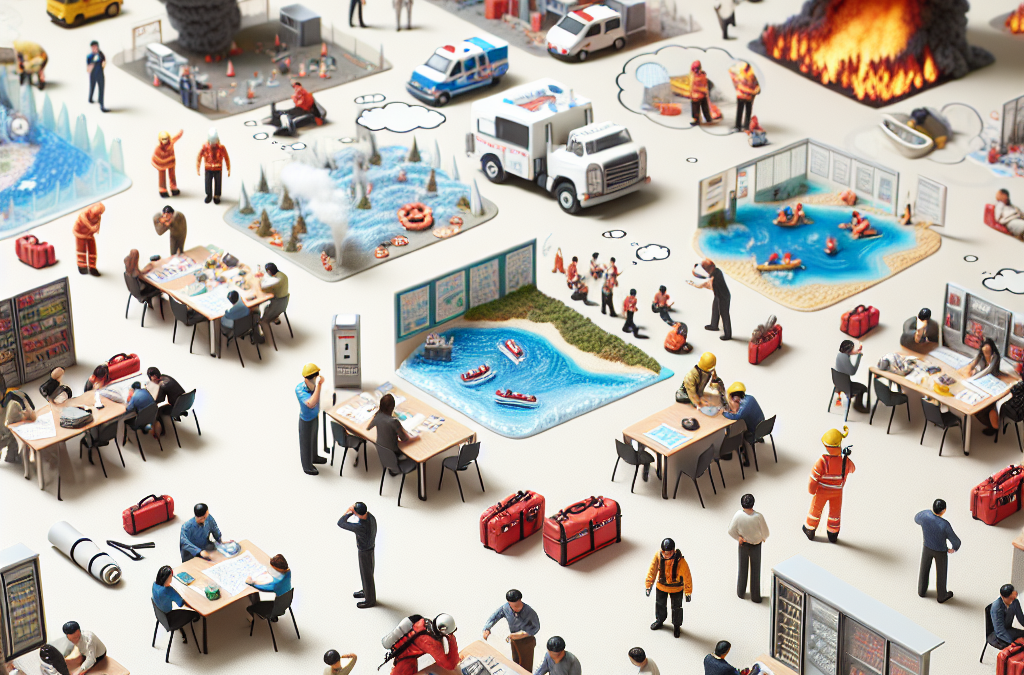
Alright, let’s start with the basics: what exactly qualifies as an emergency? We’ve all seen those crazy disaster movies where chaos ensues, but in real life, emergencies can range from natural disasters like hurricanes and earthquakes to personal crises like medical emergencies.
Each type of emergency has its own characteristics, and understanding these can help you prepare effectively. For example, a natural disaster might require you to think about physical supplies, while a personal emergency might need medical knowledge or contacts ready to go.
Recognizing the different types of emergencies out there is crucial if you want to get ahead of the game. It’s like doing your homework before a test—knowledge really is power!
The Impact of Emergencies
You know, the impact of not being prepared can be staggering. Imagine waking up in the middle of a storm without a flashlight or food! The feeling of panic can be overwhelming. From my personal experience, a buddy of mine was caught in a flash flood because he didn’t think to check weather alerts. Trust me, you don’t want to be that person.
Emergencies can disrupt everyday life, leading to losses—of property, health, and even lives. This is why understanding emergencies is so crucial; when you know what could hit, you can strategize and mitigate those risks.
So, take it from me, taking the time to assess your specific region, lifestyle, and possible emergencies is a smart move that can save not just your sanity, but possibly your life.
How Preparedness Influences Outcomes
Here’s the scoop: preparedness can literally change the game. When I was super prepared for a hurricane last year, I felt an inexplicable sense of control. I had supplies stocked up, a plan in place, and even a fancy little evacuation route laid out!
The most interesting part? The people who weren’t prepared were running around, panicking. They were scrambling for last-minute supplies—grabbing whatever they could find at stores with empty shelves. It was sheer madness! On the other hand, my friends and I were comfortably watching movies while the storm raged outside because we had our act together.
So yeah, being prepared not only makes YOU feel better but can positively influence those around you. When you’re calm, that calmness can spread to your family or neighbors, creating a more organized environment during chaotic times.
Creating a Preparedness Plan
Identifying Your Needs
So, let’s chat about putting together a preparedness plan. First things first—know your needs! This varies from family to family and even person to person. For me, I’ve got kids, pets, and a couple of family members who have special needs. Each of those factors means my plan will look different than a single friend’s.
Think about your lifestyle. Do you live in an area prone to certain natural disasters, or are you more likely to face medical emergencies? Tailor your strategies based on these risks to best fit your situation.
Once you figure out your needs, everything else starts to fall into place. It’s like building a house; you wouldn’t try to put up walls without first laying a solid foundation!
Building an Emergency Kit
Next on the list is crafting that all-important emergency kit. Trust me, having one will save a ton of headaches down the line. Start by gathering essentials like water, non-perishable food, first aid supplies, and flashlights. I like to throw in some comforting snacks too—like chocolate—it’s all about mental peace, right?
Also, don’t forget those crucial documents! Keep copies of your ID, insurance information, and anything else vital stored somewhere water-proof and easily accessible. Those will be game changers if you have to evacuate.
Just a little tip from my own experience: every few months, check your kit. I found out the hard way that my canned goods had expired (oops). Staying on top of this prevents any nasty surprises when it’s crunch time!
Practicing Your Plan
Now that you’ve got a plan and a kit, it’s time to practice. Drills might sound a bit over the top, but trust me, they are super beneficial. They help everyone know what’s expected during real emergencies. I like to involve my family in these drills. It’s not just about seriousness; we try to make it a fun routine so that everyone’s on board and knows their roles.
During our last fire drill, I made everyone race to the “safe spot”. Gotta say, seeing my kids take it seriously while still having a blast was pretty awesome! Plus, knowing that they can react calmly in a real emergency makes my heart feel just a bit lighter.
Remember, practicing makes perfect, and it comes in handy when adrenaline is pumping during a real incident. You’ll be the household hero when everyone else is freaking out!
Staying Informed
Regular Updates from Reliable Sources
Staying informed is key in any emergency situation. I’m a big fan of technology, and you bet I have notifications from weather channels, local news, and emergency management agencies. It just makes sense. Knowledge is kinda like a shield; it protects you when things go sideways.
Make it a habit to check in regularly. For instance, during hurricane season, I always stay posted on updates. Even if nothing seems to be brewing on the radar, you never know what’s coming! Having a solid grasp on what’s happening around you can save your hide.
Plus, sharing this info with your neighbors or family adds an extra layer of community preparedness. The more connected we are, the stronger we become!
Utilizing Technology and Apps
One of my favorite parts about staying informed is using technology. There are tons of apps designed just for emergencies, from weather apps to local alert systems. They’re super intuitive and quite handy! Personally, I find them invaluable when I’m out and about.
Using tech can make it easier to communicate with loved ones during an emergency. A simple text can save panic and misunderstandings while keeping everyone in the loop.
And let’s be honest, who doesn’t love a little gadget action? I’ve got my emergency kit set up with a portable phone charger, so I’ll always have a way to get information, even if the power goes out. It’s like being a superhero in your own right!
Building a Community Emergency Network
All in all, building a community network is so important. Knowing your neighbors and figuring out a plan together can be a lifesaver. When I moved into my neighborhood, I reached out to some of the folks nearby to get on the same page. We even organized a little community meeting to discuss emergency plans!
By pooling resources and information, we learned about specific risks in our area and how to address them. It turned our short, “hello” exchanges into solid relationships built on collaboration and support.
Having that bond can make the toughest situations feel just a tad easier to manage. Plus, it’s nice to know you’ve got people looking out for each other when chaos strikes.
Conclusion
So, is it important to prepare for different types of emergencies? 100% yes! The preparedness journey is all about understanding risks, planning, staying informed, and creating that vital network around us. Honestly, it’s worth the time and effort.
Take it from me, when I implemented these steps, I could feel the weight lift off my shoulders. You’ll sleep much better knowing you’re ready for whatever life throws at you!
FAQ
1. What should I include in my emergency kit?
Your emergency kit should include water, non-perishable food, a flashlight, batteries, a first aid kit, important documents, and any medications you need. Don’t forget snacks for mental peace!
2. Why is it crucial to understand different types of emergencies?
Understanding different types of emergencies helps tailor your preparations to your specific situation. Each emergency requires a unique approach, so knowledge is key!
3. How often should I practice my emergency plan?
I recommend practicing your emergency plan at least twice a year. That way, everyone stays sharp and knows what to do when the time comes.
4. What are some resources for staying informed about emergencies?
Check local news stations, emergency management websites, and download apps focused on weather alerts or emergency notifications. Stay connected!
5. How can I involve my community in emergency planning?
Start by reaching out to your neighbors or organizing community meetings. Share resources and create a shared emergency plan to strengthen your network.
by Preparation Call Editorial Team | Jul 6, 2025 | Preparedness
Utilize Official Emergency Alerts
Sign Up for Local Alerts
When a disaster strikes, you want to be the first to know, right? That’s why signing up for local alerts is crucial. Most cities or counties have emergency services that send out text messages or emails when a significant situation arises. I remember when there were wildfires near my home; the alert helped me pack my essentials before the evacuation notice came.
Those alerts can save lives! They keep you updated on critical information about evacuation routes, shelter locations, or even road closures. Simply head to your local government’s website to check what options are available for you. Don’t forget to customize your preferences to get alerts that matter most to you.
Trust me, having those alerts can give you peace of mind. It’s like having a personal assistant whispering in your ear about what you need to do. So, if you’re not already signed up, do it now! It could be a game changer during a crisis.
Enable Wireless Emergency Alerts (WEA)
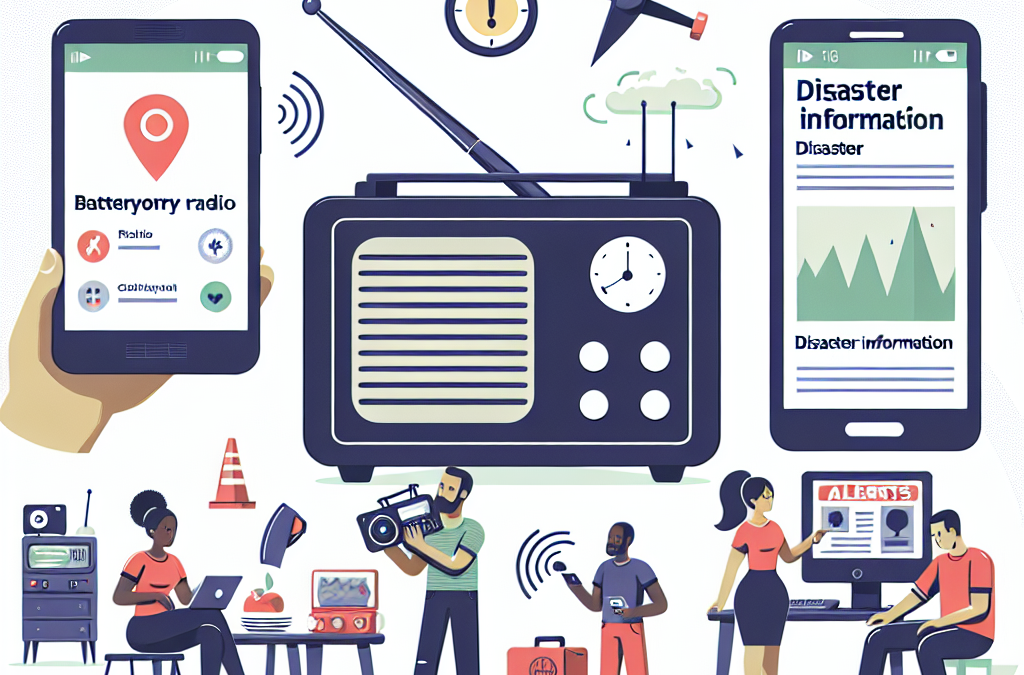
Another nifty little feature that not everyone utilizes is Wireless Emergency Alerts (WEA). These are short emergency messages from authorized officials that pop up right on your phone, no app required. I still remember the first time I got one; it startled me at first, but I quickly realized its importance.
This system will alert you about severe weather, local emergencies, and even Amber Alerts. All you have to do is make sure your phone settings allow for these alerts. A quick check in the settings can go a long way, and it takes, like, five minutes at most!
Imagine being in the midst of a chaotic situation and your phone buzzes with a crucial alert. It’s comforting to know your device can keep you informed, especially when you’re in the dark about what’s happening around you.
Listen to Local Radio
This might seem old-school, but local radio is still a fantastic resource during disasters. While I love my podcasts, I’ve learned that turning on the radio can be a live-saver in times of crisis. There’s something about that familiar voice providing real-time updates that feels grounding.
Besides, radio signals can reach areas that phones and internet connections might not cover during a disaster, making it a reliable source of information. So, keep a portable radio handy in your emergency kit, or even crank it up in your car if you’re on the go.
And seriously, don’t underestimate the community aspect! Local radio stations often bring in emergency management professionals, community leaders, and more to give ongoing updates, which is priceless during an emergency situation.
Leverage Social Media
Follow Local Authorities on Social Media
Social media is not just for sharing cat memes; during a disaster, it can be a vital tool. Following your local authorities helps you get instant updates on the situation. I’ve found myself scrolling Twitter to keep up with breaking news while situations unfold.
Most government agencies and emergency services are pretty active on platforms like Facebook and Twitter. They provide timely updates, which are often more detailed than those general alerts you’re getting on your phone.
Just be cautious about misinformation. Stick to official accounts and verified news outlets to avoid getting sidetracked by rumors. Social media should complement, not replace, other informational resources during a crisis.
Join Community Groups
Did you know that being part of community groups on social media can provide valuable information during disasters? I joined a local neighborhood group, and during emergencies, people would share real-time updates of the situation in our area. It was amazing to see neighbors helping each other out!
These groups often create a space where you can ask specific questions, get advice, or share resources. Plus, there’s a sense of camaraderie that makes you feel less alone during tough times.
Just remember to contribute to the discussion. If you have updates or useful information, share it! Your insights could really help someone in need, and you’ll find people appreciate the effort.
Stay Up-to-Date with Hashtags
Another cool trick is using specific hashtags to find relevant information. During significant events, I can search for hashtags related to the disaster and quickly sift through the latest updates from various sources. It’s quite enlightening!
It’s also a way to see how others are reacting or what they’re experiencing, which can provide a greater context to the situation. Plus, it’s an easy way to get a pulse on the feeling of the community during stressful times.
Of course, as with any online source, you have to be vigilant and confirm information using credible sources. But overall, hashtags can be a goldmine for timely updates and information-sharing when every second counts.
Prepare and Train for Emergencies
Understand Your Emergency Plans
Let’s get real for a second: preparation is everything. Knowing your emergency plan inside and out makes you feel a lot more secure. I sat down with my family one evening, and we mapped out what we’d do in various disaster scenarios. It was comforting to have a solid plan!
Take the time to familiarize yourself with various evacuation routes and emergency services in your area. It’s not just about having a plan; it’s about knowing how to execute it under pressure. This knowledge can be a massive advantage when you need to act quickly.
Practice these drills periodically so everyone is on the same page. The more you practice, the more instinctive those responses will become when an actual disaster hits. Trust me, you’ll thank yourself later!
Keep an Emergency Kit Ready
Having an emergency kit is like a safety net you can rely on. I spent an afternoon gathering supplies and packing them neatly, and I sleep better knowing I’m prepared. Make sure to include essentials like water, food, medications, and a flashlight in your kit.
But don’t just shove everything in a bag! Organize your kit so you can access what you need quickly. I always recommend doing a clear inventory of items, so if you need something in a hurry, you’re not fumbling around trying to find it.
And remember to update it! Every few months, check expiration dates or swap out emergency contact information. Keeping your kit fresh can make a real difference when those moments of crisis come knocking at your door.
Participate in Training Workshops
Look for workshops that focus on disaster preparedness in your area. I attended a CPR training session, and it opened my eyes to ways I could help not just myself, but others as well in a disaster. It’s such a confidence-booster!
Many local organizations offer courses on first aid, fire safety, or even survival skills. Participating in these activities equips you with crucial skills that can help you or someone else during emergencies.
Plus, it’s a great way to connect with others who share similar interests in safety and preparedness. You might make some friends along the way, which is nice when building a community that looks out for one another.
Stay Connected with Loved Ones
Establish Communication Plans
Time and time again, when disaster strikes, being connected with loved ones becomes paramount. I always recommend discussing and solidifying a communication plan ahead of time. Decide on how you’ll check-in and what to do if you can’t reach each other.
Maybe you set up a designated meeting spot or agree to communicate through a specific app. Whatever works for your situation, just make sure everybody knows the plan. It avoids chaos and confusion when things go sideways!
It’s not just about having a plan; it’s about communicating that plan clearly with those you care about. Trust me, having that understanding can make all the difference when you’re navigating a crisis.
Utilize Technology for Check-Ins
Thanks to modern technology, check-ins have never been easier. I use group messaging apps during emergencies to keep everyone in the loop. There’s just something comforting about seeing a “thumbs up” from loved ones who are safe and sound.
Find applications that allow location sharing or emergency notifications. You can set them up to alert family or friends when you’re in a tough spot. It’s like giving your loved ones a nudge to let them know, “I’m okay!”
During stressful moments, knowing you have additional support allows you to focus on the task at hand. This tech can alleviate worries, and keep your friends and family less anxious about you when things go south.
Share Resources and Information
Lastly, don’t hesitate to share useful resources and information with your circle. If you find updates or resources that are beneficial in a disaster situation, pass them along! I often share links to local shelters or aid services in our group chats during emergencies.
Becoming a reliable resource for friends and family can boost everyone’s preparedness and ensure you’re all equipped to handle any situation. Communication goes both ways; encourage them to share their insights too!
Ultimately, it strengthens your support network and helps everyone feel a little more connected during uncertain times. A little teamwork can go a long way in keeping the stress down for everyone involved.
FAQ
1. How important are official emergency alerts during a disaster?
Official emergency alerts are crucial as they provide timely and accurate information, including evacuation orders, shelter locations, and emergency services updates that can help you stay safe.
2. What should I include in my emergency kit?
An emergency kit should include essentials such as water, non-perishable food, first aid supplies, medications, a flashlight, batteries, and important documents, ensuring you have what you need during crucial moments.
3. Can social media be reliable during disasters?
Yes, following local authorities on social media can provide real-time updates. However, always double-check information against official sources to avoid misinformation.
4. How can I prepare my family for emergencies?
Establish clear communication plans, conduct regular drills, and discuss what everyone should do during various emergency scenarios to ensure everyone is prepared and less anxious.
5. Why is it important to stay connected with loved ones during a disaster?
Staying connected can provide peace of mind, helping to coordinate plans, check on each other’s safety, and share resources, which can significantly ease the stress during a crisis.






