Alternative communication methods refer to non-traditional channels used to convey information during crises. These include technologies such as social media platforms, SMS notifications, and community radio broadcasts. Their significance lies in their ability to reach diverse audiences quickly, providing critical updates and instructions when conventional communication methods may falter. For instance, during natural disasters, these channels can be used to disseminate emergency alerts, safety tips, and resource availability, ensuring that affected populations remain informed.
One common misconception is that alternative methods are less reliable than traditional media. However, these channels are more effective in real-time dissemination, especially when traditional infrastructures are compromised. For example, social media platforms can facilitate immediate interaction between authorities and the public, allowing for a rapid exchange of vital information.
The Importance of Timely Information
Timely information is critical during crises as it enables individuals and organizations to make informed decisions. The role of alternative communication methods becomes evident when considering how they can deliver urgent updates in real-time. For instance, during an active shooter situation, immediate alerts via SMS can inform nearby individuals to evacuate or seek shelter, potentially saving lives.
Moreover, these methods help prevent the spread of misinformation, which can exacerbate chaos during emergencies. By providing reliable information directly from authoritative sources, alternative communication channels can counter false narratives that often proliferate through unofficial channels. Establishing a clear line of communication allows authorities to guide public behavior effectively, reducing panic and confusion.
Case Studies of Effective Communication
Several examples illustrate the successful implementation of alternative communication methods in crises. One notable case is the use of social media during the 2011 earthquake and tsunami in Japan. Authorities utilized Twitter and Facebook to provide updates and safety instructions, reaching millions of people almost instantaneously. This rapid communication helped coordinate rescue efforts and inform the public about safety measures.
Similarly, during Hurricane Harvey in 2017, local officials employed SMS alerts to keep residents updated on evacuation routes and shelter locations. The effectiveness of these alerts contributed to saving lives and minimizing injuries as residents received timely information tailored to their specific locations.
Challenges and Limitations
Despite the advantages of alternative communication methods, several challenges can hinder their effectiveness. One major issue is digital divide, where not all individuals have equal access to technology. This disparity can lead to segments of the population being left uninformed during crises. In rural areas, for instance, limited internet connectivity can restrict access to social media updates or emergency alerts.
Another limitation is the potential for information overload. During a crisis, the volume of messages can overwhelm individuals, making it difficult to discern critical updates from less important information. Authorities must prioritize clarity and conciseness in their messaging to combat this challenge, ensuring that vital information stands out amidst the noise.
For those interested in exploring more about the role of alternative communication methods in crises, consider looking into local government resources on emergency preparedness, academic studies on communication strategies during disasters, or specialized publications from organizations focused on disaster management.
Frequently Asked Questions
What are alternative communication methods?
Alternative communication methods include non-traditional channels such as social media, SMS alerts, and community radio, used to disseminate information during crises.
Why is timely information important during crises?
Timely information helps individuals make informed decisions, reduces panic, and prevents the spread of misinformation, ultimately saving lives.
How can social media be used effectively in emergencies?
Social media can provide real-time updates, facilitate interaction between authorities and the public, and counter misinformation by disseminating reliable information directly.
What challenges do alternative communication methods face?
Challenges include the digital divide limiting access to technology and information overload, where the volume of messages can overwhelm recipients.
Can alternative communication methods replace traditional methods?
While alternative methods enhance communication, they should complement traditional methods rather than replace them, ensuring comprehensive coverage during crises.
Further Reading
Authoritative Sources
Library of Congress Research Guides guides.loc.gov
Research guides that help readers locate reliable background sources on a wide range of subjects
USA.gov Official Information and Services usa.gov
Official U.S. government information and public resources for practical reference
Google Scholar scholar.google.com
Academic search resource for finding research literature and source material
Understanding the Importance of Financial Planning
Financial planning is crucial when stocking emergency supplies, as it helps ensure that you invest wisely in items that will truly benefit you during a crisis. A well-thought-out plan not only prevents overspending but also maximizes the value of what you purchase. By understanding your specific needs, you can allocate resources effectively, avoiding unnecessary purchases or shortages in critical areas.
Moreover, financial planning takes into account the potential costs associated with maintaining supplies, such as storage, rotation, and replacement of perishables. Without a solid plan, individuals may find themselves either underprepared or overstocked, both of which can lead to financial strain during emergencies.
Common Financial Pitfalls in Emergency Supplies
One major financial pitfall when stocking emergency supplies is overestimating the amount needed. Many people tend to purchase large quantities of items based on fears rather than actual needs. This can result in wasted money on supplies that may never be used or that expire before they can be consumed. For example, buying a year’s worth of canned goods may seem prudent, but if those items aren’t consumed or rotated, they can lead to significant waste.
Another common mistake is failing to account for the total cost of ownership, which includes not just the purchase price but also the costs of storage, maintenance, and eventual disposal. Additionally, neglecting to keep track of expiration dates can lead to purchasing items that become unusable, thus throwing money away. Those who do not regularly check their supplies may find themselves in a situation where they have to purchase replacements at a higher price in a time of crisis.
How to Assess Your Needs Accurately
To avoid financial pitfalls, it’s essential to conduct a thorough needs assessment before stocking supplies. Start by evaluating your household’s specific requirements based on factors like the number of people, dietary restrictions, and the types of emergencies you are likely to face. For instance, a family with children may need different supplies compared to a household of adults.
Consider creating a checklist of essential items categorized by priority. This strategy helps ensure that you focus on the most critical supplies first, allowing you to spread your budget effectively. Regularly updating this list based on changing needs or circumstances is also vital, as it helps prevent unnecessary purchases.
Effective Budgeting Strategies
Implementing effective budgeting strategies can significantly reduce the risk of financial pitfalls when stocking emergency supplies. Start by establishing a clear budget based on your assessment of needs. Allocate funds specifically for emergency supplies to prevent overspending in other areas.
Additionally, consider bulk purchasing for non-perishable items that you know you will use, but do so cautiously. Buying in bulk can lead to savings, but only if you are certain that you can consume the items before they expire. Another effective strategy is to take advantage of sales and discounts, ensuring that you are getting the best prices for your supplies. This approach requires vigilance and regular monitoring of prices to capitalize on savings opportunities.
Frequently Asked Questions
What are the most common mistakes when stocking emergency supplies?
Common mistakes include overestimating needs, neglecting expiration dates, and failing to track total costs, leading to waste and financial strain.
How can I determine what supplies I need?
Assess your household's specific needs based on factors like size, dietary restrictions, and the types of emergencies you may encounter.
Is bulk purchasing always a good idea for emergency supplies?
Bulk purchasing can save money, but only if you are sure you can use the items before they expire. Assess your consumption patterns before buying in bulk.
How often should I check my emergency supplies?
Regularly check your emergency supplies at least every six months to ensure items are in good condition and to rotate stock based on expiration dates.
What budgeting strategies can help with emergency supply stocking?
Establish a clear budget for emergency supplies, allocate funds specifically for them, and take advantage of sales to maximize your purchasing power.
Further Reading
Authoritative Sources
Ready.gov ready.gov
This government resource provides guidelines on preparing for emergencies, including financial planning tips for stocking supplies.
American Red Cross redcross.org
A comprehensive guide on emergency preparedness that includes financial considerations for stocking supplies.
Further Reading
Authoritative Sources
Ready.gov Preparedness Guidance ready.gov
Federal preparedness guidance for household planning, alerts, supplies, and emergencies
American Red Cross Emergency Preparedness redcross.org
Emergency preparedness resources for families, disasters, and practical safety planning
FEMA Preparedness Resources fema.gov
National preparedness resources for planning, mitigation, and response readiness
Conclusion
To effectively stock emergency supplies while avoiding financial pitfalls, it is essential to conduct a thorough needs assessment and create a specific budget. Focus on purchasing only what is necessary, regularly check the condition of supplies, and take advantage of sales and bulk purchasing when appropriate. By implementing these strategies, you can ensure that your emergency preparedness efforts are both financially efficient and effective.
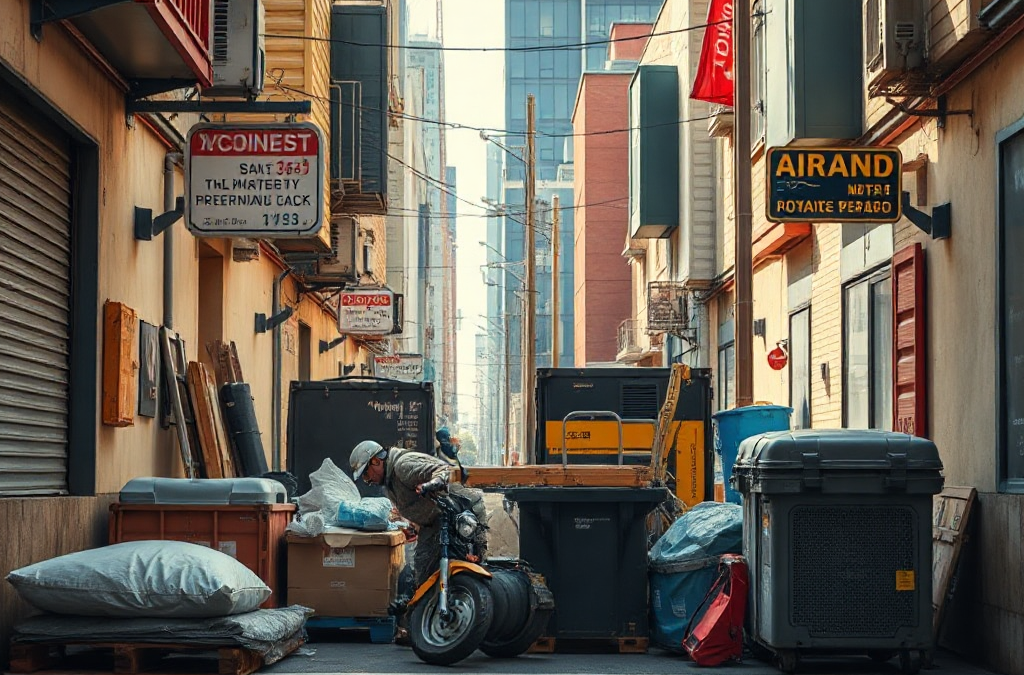
Prepping in high-density areas often means facing significant spatial limitations. Urban living typically restricts the amount of storage available, which can hinder one’s ability to stockpile essential supplies. In small apartments or shared living situations, every square inch counts, making it crucial to adopt creative storage solutions.
For instance, using vertical space effectively by installing shelves or utilizing under-bed storage can maximize the available area. Additionally, consider investing in collapsible or multi-functional furniture that can double as storage units. These strategies not only help in organizing supplies but also make efficient use of limited space.
Resource Scarcity and Competition
In densely populated areas, the competition for resources can be fierce, especially during emergencies. High demand for food, water, and medical supplies often leads to rapid depletion of stock in local stores. This reality necessitates a strategic approach to resource acquisition and management.
To mitigate these challenges, it’s vital to establish a diverse network of suppliers and local farmers. Engaging with community-supported agriculture (CSA) programs or local co-ops can provide reliable access to fresh produce, while also fostering community ties. Furthermore, understanding the peak times for shopping and using bulk buying strategies can help ensure that you are well-stocked when needed.
Building Community Networks
Building a network within your community is essential for effective prepping in high-density areas. Collaborating with neighbors can lead to shared resources, skills, and information, enhancing overall preparedness. By forming a community group focused on emergency preparedness, individuals can pool resources and skills, making it easier to navigate crises together.
For example, organizing regular meetings to discuss emergency plans, share skills, and distribute tasks can strengthen community resilience. Additionally, creating a neighborhood contact list can facilitate quick communication during emergencies, ensuring everyone is informed and prepared.
Effective Storage Solutions
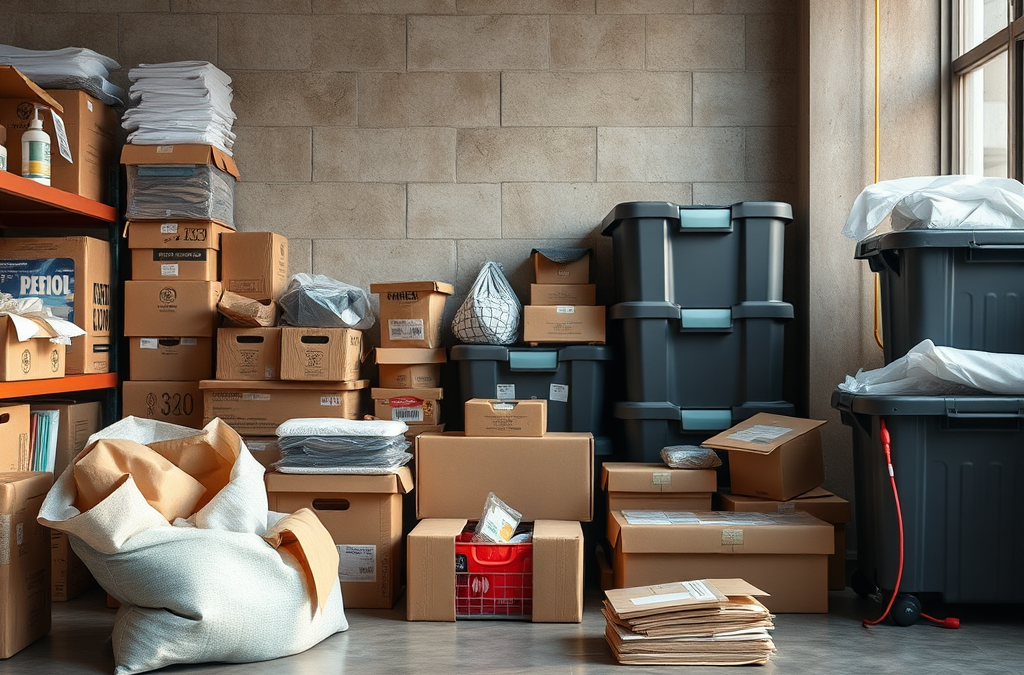
Finding effective storage solutions is critical for prepping in limited spaces. Utilizing containers that stack or fit neatly into corners can maximize available space while keeping supplies organized. Consider using food-grade storage bins for long-term food storage, ensuring that items are protected from pests and humidity.
Moreover, investing in a quality food dehydrator can extend the shelf life of perishables, allowing for more efficient use of space. By prioritizing items that are compact and versatile, you can maintain a well-rounded supply without overwhelming your living area.
Frequently Asked Questions
What are the main challenges of prepping in urban areas?
The main challenges include limited storage space, resource scarcity, and competition for supplies during emergencies.
How can I maximize storage in a small apartment?
Utilize vertical space, invest in multi-functional furniture, and consider collapsible storage options to make the most of your available area.
What role does community play in urban prepping?
Community networks can provide shared resources, skills, and information, making it easier to prepare for and respond to emergencies collectively.
What are some effective long-term food storage solutions?
Use food-grade storage bins, vacuum-sealed bags, and a food dehydrator to extend the shelf life of perishable items.
Further Reading
Authoritative Sources
Library of Congress Research Guides guides.loc.gov
Research guides that help readers locate reliable background sources on a wide range of subjects
USA.gov Official Information and Services usa.gov
Official U.S. government information and public resources for practical reference
Google Scholar scholar.google.com
Academic search resource for finding research literature and source material