Prepping in high-density areas often means facing significant spatial limitations. Urban living typically restricts the amount of storage available, which can hinder one’s ability to stockpile essential supplies. In small apartments or shared living situations, every square inch counts, making it crucial to adopt creative storage solutions.
For instance, using vertical space effectively by installing shelves or utilizing under-bed storage can maximize the available area. Additionally, consider investing in collapsible or multi-functional furniture that can double as storage units. These strategies not only help in organizing supplies but also make efficient use of limited space.
Resource Scarcity and Competition
In densely populated areas, the competition for resources can be fierce, especially during emergencies. High demand for food, water, and medical supplies often leads to rapid depletion of stock in local stores. This reality necessitates a strategic approach to resource acquisition and management.
To mitigate these challenges, it’s vital to establish a diverse network of suppliers and local farmers. Engaging with community-supported agriculture (CSA) programs or local co-ops can provide reliable access to fresh produce, while also fostering community ties. Furthermore, understanding the peak times for shopping and using bulk buying strategies can help ensure that you are well-stocked when needed.
Building Community Networks
Building a network within your community is essential for effective prepping in high-density areas. Collaborating with neighbors can lead to shared resources, skills, and information, enhancing overall preparedness. By forming a community group focused on emergency preparedness, individuals can pool resources and skills, making it easier to navigate crises together.
For example, organizing regular meetings to discuss emergency plans, share skills, and distribute tasks can strengthen community resilience. Additionally, creating a neighborhood contact list can facilitate quick communication during emergencies, ensuring everyone is informed and prepared.
Effective Storage Solutions
Finding effective storage solutions is critical for prepping in limited spaces. Utilizing containers that stack or fit neatly into corners can maximize available space while keeping supplies organized. Consider using food-grade storage bins for long-term food storage, ensuring that items are protected from pests and humidity.
Moreover, investing in a quality food dehydrator can extend the shelf life of perishables, allowing for more efficient use of space. By prioritizing items that are compact and versatile, you can maintain a well-rounded supply without overwhelming your living area.
Frequently Asked Questions
What are the main challenges of prepping in urban areas?
The main challenges include limited storage space, resource scarcity, and competition for supplies during emergencies.
How can I maximize storage in a small apartment?
Utilize vertical space, invest in multi-functional furniture, and consider collapsible storage options to make the most of your available area.
What role does community play in urban prepping?
Community networks can provide shared resources, skills, and information, making it easier to prepare for and respond to emergencies collectively.
What are some effective long-term food storage solutions?
Use food-grade storage bins, vacuum-sealed bags, and a food dehydrator to extend the shelf life of perishable items.
Further Reading
Authoritative Sources
Library of Congress Research Guides guides.loc.gov
Research guides that help readers locate reliable background sources on a wide range of subjects
USA.gov Official Information and Services usa.gov
Official U.S. government information and public resources for practical reference
Google Scholar scholar.google.com
Academic search resource for finding research literature and source material
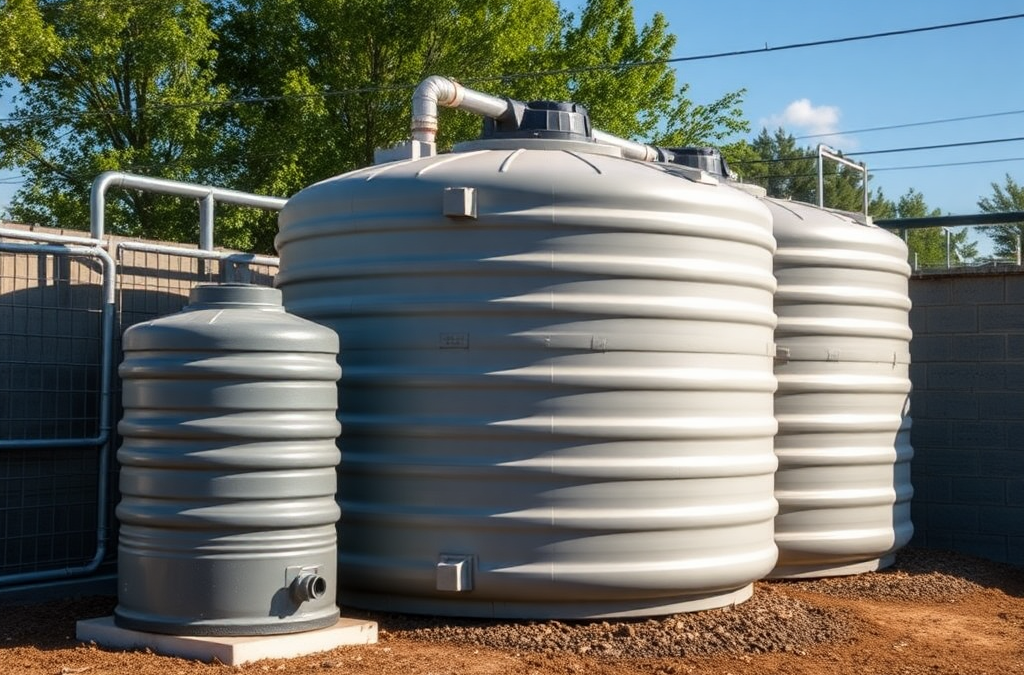
Long-term water storage solutions are critical for preparedness and sustainability. These solutions enable individuals and communities to maintain a reliable water supply during emergencies or in areas with limited access to fresh water. The effectiveness of these storage solutions depends on the type of container used, the environment in which they are stored, and the maintenance practices followed.
Choosing the right container is essential; options include plastic barrels, glass jars, and stainless steel tanks. Each material has its advantages and disadvantages, particularly concerning longevity and safety. Understanding these factors can help mitigate potential risks associated with long-term water storage.
Common Contamination Risks
Contamination is one of the significant issues with long-term water storage solutions. Factors such as exposure to light, temperature fluctuations, and inadequate sealing can lead to bacterial growth and chemical leaching. For example, if water is stored in clear plastic containers, exposure to sunlight can encourage algae growth, compromising water quality.
To minimize contamination risks, it is crucial to use appropriate storage containers that are designed for water storage. Containers should be opaque, food-grade, and made from materials that do not leach harmful chemicals. Regularly inspecting the storage environment and ensuring that containers are sealed can further reduce the risk of contamination.
Material Degradation Over Time
Over time, the materials used for water storage can degrade, leading to potential issues with safety and quality. For instance, certain plastics can break down and leach chemicals into the water, especially when exposed to heat or sunlight. Glass containers, while inert and safe, can be heavier and more prone to breaking.
Choosing durable materials for long-term storage is essential. Stainless steel and high-density polyethylene (HDPE) are commonly recommended due to their resistance to corrosion and chemical reactions. It is also vital to regularly inspect containers for signs of wear, such as cracks or discoloration, which can indicate that the material is degrading.
Best Practices for Long-Term Storage
Implementing best practices for long-term water storage can significantly enhance the safety and quality of the stored water. First, always start with clean, safe water. Utilize filtration systems or purifying tablets to eliminate contaminants before storage.
Next, choose the right containers and store them in a cool, dark place to minimize exposure to heat and light. Rotate your water supply every six months to ensure freshness, and conduct regular checks for leaks or contamination signs. Additionally, labeling containers with the storage date can help maintain an effective rotation schedule.
Mistakes to Avoid
Several common mistakes can undermine the effectiveness of long-term water storage solutions. One major error is using non-food-grade containers, which can leach harmful substances into the water. Additionally, neglecting to clean containers before use can introduce bacteria, leading to contamination.
Another mistake is failing to regularly inspect stored water for quality. Relying on water stored for years without checking can be risky, as even properly sealed containers can develop issues over time. All in all, overlooking the importance of proper sealing can lead to evaporation and contamination, rendering the stored water unsafe for consumption.
Frequently Asked Questions
What is the best material for long-term water storage?
High-density polyethylene (HDPE) and stainless steel are excellent choices due to their durability and resistance to leaching.
How often should I replace stored water?
It is recommended to rotate and replace stored water every six months to ensure its freshness and safety.
Can I store water in glass containers?
Yes, glass containers are safe for water storage, but they are heavier and more fragile compared to plastic options.
What signs indicate water contamination?
Signs of contamination include unusual odors, discoloration, or the presence of floating particles in the water.
Is it necessary to purify water before storing it?
Yes, purifying water before storage is essential to eliminate any existing contaminants and ensure its safety for consumption.
Further Reading
Authoritative Sources
EPA Water Safety Guidelines epa.gov
This source provides comprehensive information on safe water storage practices and contamination prevention
CDC Drinking Water Storage cdc.gov
Offers guidance on how to properly store drinking water to minimize health risks
FDA Food Safety Resources fda.gov
Contains regulations and recommendations for food-safe materials, including those used in water storage
Conclusion
Addressing issues with long-term water storage solutions is essential for ensuring safe and reliable access to water. By understanding common risks such as contamination and material degradation, individuals can implement best practices that enhance water quality. Regular inspections, proper container choices, and mindful storage conditions are critical for effective long-term water storage. Prioritize these strategies to minimize risks and ensure your water supply remains safe for future use.
Community resources encompass a broad range of services and support systems available within a locality that can aid individuals in achieving their personal plans. These resources include educational institutions, healthcare providers, non-profit organizations, recreational facilities, and social services. Understanding the variety and functions of these resources is crucial for individuals looking to enhance their personal plans.
For instance, local libraries can provide access to educational materials and workshops, while community centers may offer recreational activities that promote physical and mental well-being. Recognizing what is available in one’s community allows individuals to strategize their plans effectively, incorporating the support they need to succeed.
How Community Resources Influence Planning
The integration of community resources into individual plans can lead to significant improvements in personal development and achievement. These resources often provide essential services that can help individuals overcome barriers and enhance their capabilities. For example, access to career counseling and job training programs can significantly affect employment opportunities for individuals seeking to advance their careers.
Moreover, community health services can address mental and physical health needs, which are foundational for individuals to pursue their plans effectively. The relationship between community resources and individual planning is reciprocal; as individuals utilize these resources, they often contribute back to the community, creating a cycle of support and improvement.
Examples of Effective Resource Utilization
Many individuals have successfully utilized community resources to achieve their personal goals. For example, a young adult seeking to improve their job prospects might take advantage of a local workforce development program that offers resume workshops, interview training, and networking opportunities. This not only aids in their immediate job search but also equips them with skills for future employment.
Another example is a family utilizing local health services to access counseling and parenting classes, which can significantly enhance their family dynamics and personal well-being. These real-world scenarios illustrate the tangible benefits of integrating community resources into individual plans, showcasing how they can facilitate success and growth.
Challenges in Accessing Community Resources
While community resources offer numerous benefits, accessing them can present challenges. Barriers such as lack of awareness, transportation issues, and eligibility requirements can hinder individuals from fully utilizing available resources. For instance, some programs may have restrictions based on income or residency, which can limit access for certain individuals.
Additionally, the effectiveness of community resources can vary based on location and the specific needs of individuals. It is essential for individuals to actively seek out information, engage with community leaders, and advocate for their needs to overcome these barriers and maximize the benefits of available resources.
For those interested in exploring community resources further, local government websites often provide comprehensive directories of available services. Additionally, organizations such as the United Way and local nonprofits can offer insights into community initiatives aimed at supporting individual development.
Further Reading
Authoritative Sources
Library of Congress Research Guides guides.loc.gov
Research guides that help readers locate reliable background sources on a wide range of subjects
USA.gov Official Information and Services usa.gov
Official U.S. government information and public resources for practical reference
Google Scholar scholar.google.com
Academic search resource for finding research literature and source material
Conclusion
Incorporating community resources into individual plans is essential for enhancing personal development and achieving goals. While challenges exist in accessing these resources, the potential benefits are significant. Individuals should actively seek out and utilize local resources to create a supportive network that fosters their success. By understanding the available options and advocating for their needs, individuals can greatly improve their planning outcomes.