In preparedness it is important to know how you will create and resupply your food. Growing food is important, but for some people it is not a great solution. To help with your preparedness, we want to share some information on Learning to Fish For Preparedness
If you are new to the sport of fishing, you need to know some of the basic rules of fishing. Like other forms of hunting, fishing involves both your environment and those around you. Be respectful of both. You can responsibly enjoy this treasured pastime in several ways.
Fishing is an ancient practice. It dates back nearly 10,000 years. A number of various techniques and traditions have been used during fishing’s progression. Modern technological developments have changed the way people fish, but many of the same rules, regulations, and social norms involving fishing remain.
Get a free subscription to PREPARE Magazine
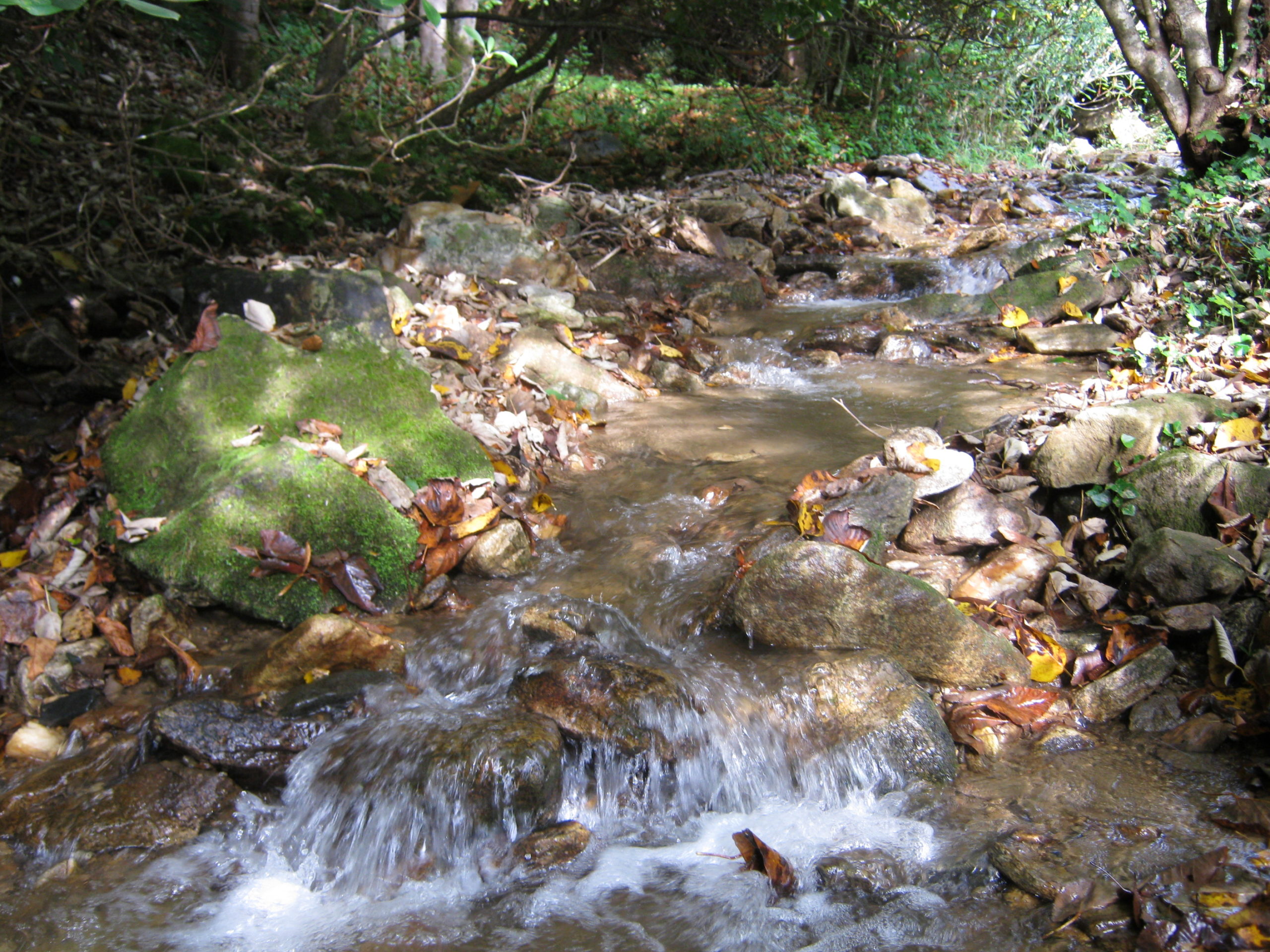
Always practice good stewardship of our waterways when you are fishing. Remember that these waterways were around thousands of years before you and will remain long after we are gone. You can make a conscious decision to leave the areas in which people fish in better condition than when you found it. Take care of our lakes, rivers, and other waterways so that others will enjoy these areas for years to come. Practicing certain behaviors will ensure that you are taking good care of the places where people fish.
Never litter when you are fishing. Always bring a trash bag or other receptacle to use for the collection of your trash. You can easily deposit it in a nearby trash receptacle. Dump your refuse in properly assigned dumping stations instead of tossing it in the water. You do not need to spend much time figuring out the many ways in which this hurts the environment.
As you fish, always use the correct type of bait and fishing gear. Certain areas allow for certain bait and gear. You will also encounter limits on the number, size, and kind of fish that you can keep. Become familiar with what these limits are and pay attention to them. Do not wait until you are at your fishing spot to search for what is allowed and what is not. Check with your destination before you head out on your fishing trip to see what the local regulations allow. If you plan on using a boat while fishing, research to see what kinds of watercraft are allowed where you are going to fish.
Get a free subscription to PREPARE Magazine
Every fishing location is different, so pay special attention to local procedures and cautions. This also applies when you decide to clean your boat after you leave the water. You do not want to spread non-native species to another body of water.
Ultimately, never fish where it is not permitted. There is always a reason why it is illegal. Some reasons include the protection of certain wildlife, the proper care of vegetation, and the safety of you and others who want to fish.
You should also follow a number of cautionary behaviors to ensure your safety. As with all forms of hunting, safety is first. If you will be using a boat while you fish, always wear your life jacket. Make sure that your passengers wear their life jackets, as well.
Be very careful when baiting and removing hooks. Make sure that you never fish on unauthorized waterways. Follow the posted speed limits and wake warnings that accompany the use of a boat. Bring with you all relevant safety items, such as water, flashlights, maps, and a cell phone.
Get a free subscription to PREPARE Magazine
Fishing continues to be a favorite pastime. 2001 saw nearly 16% of the U.S. population over the age of 16 spend 16 days fishing. You enjoy the sport of fishing, so follow the rules that allow for the continuation of fishing. Be responsible and courteous of others and your environment. Take time to discover how you can be both a better and safer angler.
The significance as well as need of water for maintaining life can never be over-stated. In lots of components of the globe, water is often taken for approved since it is easily obtainable in our residences and on our farms. We just transform a faucet and also this invaluable life-giving source circulations.
Clearly, water is necessary for our personal consumption and health, however it is likewise crucial for our food supply – expanding our crops as well as tending our livestock. Simply specified, if we are to survive we should carefully conserve as well as maintain our water.
https://youtu.be/zw7hlEmNyKo
Even though we are just now heading into Winter in the US, Springtime will certainly be right here and also for a number of us our thoughts will certainly be on planting and growing our garden. Despite the snow, rain as well as bitter cool much of us will withstand over the coming weeks we begin expecting the planting season and how to correctly get ready for the growing season.
With numerous areas out west in the USA encountering a serious water scarcity, gardening might not be on top of everybody’s priority listing. Just recently, as an example, more than 37 million citizens in California were asked to limit their water utilize as a result of a four-year historical dry spell. As well as it’s not simply The golden state. Wide swaths of the western as well as well as southwestern USA are experiencing some degree of drought and also water over-use.
It is a growing need that we look at means to better use our natural resources – particularly water. As we look at a broadening population and also possible climate adjustments, we must be checking out methods to teach people how to grow yards that make use of restricted resources and also still create healthy and balanced crops as well as boost yields.
Right here are a couple of ideas to think about:
A wicking bed is a kind of garden that is good for growing in city environments. It can be developed atop garbage, and also is developed to utilize minimal water. Have a look at this video clip …
Line the bottom of a pallet box with a sheet of contractor’s plastic. Lay an item of agricultural pipe, the length of package, in addition to the plastic. Connect a standing PVC pipe to one end of the pipe. You’ll pour water right into the opening of the PVC every two weeks, basically utilizing 75 percent less water than a common water hose method.
Cut a small water drainage hole along among the sides of package. Put small overflow pipe. Fill the box concerning two-thirds of the means with crushed rock. Lay down a piece of cloth in addition to smashed products. Cover the burlap with two feet of dust. Plant seeds, view them grow.
Keyhole horticulture was created in Africa where dirt is often poor quality. The yard is relatively easy to develop, as well as nurtures a sufficient harvest with little waste.
Develop a rock wall circle regarding six-feet in size and three feet tall, producing a notch to access the facility. Utilizing sticks or metal wire, create a tower in the facility of the circle. Line the inside of the circle wall with cardboard. Fill the area surrounding the tower with garden compost, paper, as well as two inches of dust.
Load the tower with cooking area scraps (fruits, veggies). Water the tower and surrounding area sparingly. Remain to load the center tower with kitchen scraps, yard clippings, etc. At some point, the nutrients from the garden compost will certainly filtrate into the dust, breaking down papers as well as turning the dust into excellent quality. The seeds from scraps will spread as well as grow.
Lay newspapers and cardboard over existing grass, covering the area completely. This step will kill the grass by depriving it of sunlight. Throw down compost– lawn cuttings, leaves, woodchips– on top of the covered location to keep newspaper as well as cardboard from surprising. Wait regarding a month for yard to fully die and also for dirt to take in paper.
What you’re entrusted to is compost as well as dust, abundant in nutrients. That indicates your plants will certainly grow faster. Using your hands, dig a hole into the dust, plant seeds and await crops to expand.
Growing your very own food can be equipping. Locating the best means to develop your yard making use of marginal resources with best yield, is particularly rewarding. We urge you to look for means to save water while doing so. The value of water as well as managing a growing scarcity is critical to our survival.
A little planning now can assist you handle a natural disaster or other emergency situation.
Many Americans have concentrated on their need to be prepared in case of an emergency. Very few, however, think about financial preparedness in their strategies. From keeping an evacuation box with important files to establishing an account with emergency situation funds, preparing now can be the difference in between financial security and financial crisis.
These easy pointers from financial experts at Union Bank of California can help anyone prepare financially for a natural disaster:
Conduct a Household Inventory
Produce a home stock for products of significant value and locate originals of important monetary and family files. Shop original files in water resistant bags in a safe deposit box or long lasting “evacuation box” and copies in a safe location.
Ask your insurance representative or monetary organizer about extra protection for floods, earthquakes, home offices and big-ticket products. Keep at least $300 in cash at home in a location where you can get to it rapidly in case of an unexpected evacuation. Keep a list of essential emergency situation contacts, consisting of direct family members, physicians, medical centers, numbers for your bank, insurance coverage representative and company, attorney and financial planner/advisor.
“We’ve gained from the aftermath of recent natural disasters that financial readiness is not constantly leading of mind,” stated Union Bank’s Executive Vice President Ronald Kendrick. “Follow these standards to ensure you and your household are secured financially.”
Many Americans have actually focused on their need to be prepared in case of an emergency situation. From keeping an evacuation box with essential files to setting up an account with emergency funds, preparing now can be the distinction in between monetary security and financial crisis.
Produce a home stock for products of considerable worth and find originals of essential financial and household files. Keep a list of crucial emergency situation contacts, consisting of direct household members, doctors, medical centers, numbers for your bank, insurance representative and company, attorney and monetary planner/advisor.
Contrary to common belief, the center of the strongest earthquake to ever strike the continental U.S. was not in California, but in Missouri. It was so effective that it altered the course of the Mississippi River.
Twenty states, including Hawaii and every state that borders the Atlantic Ocean and Gulf of Mexico, deal with the danger of hurricanes every year.
As the population of the U.S. has actually swelled, so has the danger of Americans facing a disaster, whether it’s a tornado, flood, earthquake or cyclone.
House values have likewise increased in locations vulnerable to natural catastrophes, and a lot of those property owners have their net worth tied up in their houses. This puts their most significant financial possession at danger.
Hurricanes Katrina and Rita exposed America is not as gotten ready for natural disasters as it must be. While we can’t stop them from taking place, we can do a much better job securing and preparing America from their effects.
National coalitions such as ProtectingAmerica.org, consisted of emergency situation management officials, first-responders, disaster relief insurance providers, others and experts, are advocating ideas that would assist prepare Americans to handle the consequences of natural disasters before they occur.
One option is the creation of privately funded, government- sponsored catastrophe funds. These funds would accumulate cash in advance of disasters, and would be funded by a portion of the insurance premiums gathered by private insurance providers.
Besides disaster funds, other services might consist of reinforcing first-responders, improving building codes, and sensible land use policies.
Organize documents in water resistant containers.
Prepare a stock of your personal property and videotape your home contents.
One option is the development of privately funded, government- sponsored catastrophe funds. These funds would build up cash in advance of catastrophes, and would be funded by a part of the insurance premiums gathered by personal insurance providers. At the federal level, there might be a disaster fund that covers losses that can’t be covered by one state. • Prepare a stock of your individual property and videotape your family contents.
We don't know what the future holds and absolutely want to be prepared regardless of the situation. For that reason, let's talk about Disaster Preparedness and the Basics Of Emergency Situation Supplies.
Whether it's an earthquake, flooding, tornado, storm, or brush fire, we're all encouraged to be prepared. As well as what far better way to guarantee your family's wellness than to have the emergency situation supplies you need always available? When individuals feel prepared, they manage emergencies much better. So make it a family job to assemble what you need.
Before disaster strikes You can not always recognize in breakthrough when a certain disaster will strike, seasonal or local patterns can commonly inform you what to expect. Make certain to have on hand the supplies your family will require.
Water: You should keep at the very least one gallon of water per individual per day, for a minimum of 3 days. An usually active individual requires at the very least one-half gallon of water daily simply for drinking. Various other requirements include washing, cooking and also sanitation. Kids, nursing mommies, as well as those that are ill requirement more water. High temperatures can double the quantity of water needed.
To be prepared with the best emergency situation supply, it is suggested you purchase readily bottled water. Maintain bottled water in its original container and also don't open it up until you require it. Shop the containers in a great, dark area, and also turn them every 6 months.
Food: Include a three-day supply of non-perishable food per person, staying clear of products that will certainly make you thirsty. Pick salt-free crackers, whole grain cereals, and canned foods with high fluid web content. Supply tinned foods, completely dry blends, and also other staples that don't need refrigeration, cooking, water, or unique preparation.
People with unique diets and also allergic reactions will certainly require particular attention, as will children, young children and senior people. Nursing mothers may require liquid formula, in instance they are incapable to registered nurse. Tinned dietetic foods, juices as well as soups might be useful for sick or senior individuals.
Various Other Emergency Supplies: Consist of these things in your emergency situation set.
- Emergency Radio
- Emergency Situation Sanitation Supplies
- Kitchen area devices as well as cooking utensils, including a can opener
- Shovel as well as other valuable devices
- Emergency Illumination
- House liquid bleach to treat alcohol consumption water
- Loan and also matches in a water-resistant container
- Fire extinguisher
- Gas and Water Turn Off Tools
- First help package as well as manual
- Copies of credit and also identification cards
- Special needs things, such as eye glasses, call lens remedies and hearing help batteries
- Items for infants, such as formula, baby diapers, containers, and pacifiers
- Various other items to fulfill your special family requirements
Apparel: If you stay in a cool environment, you must consider warmth considering that you may be without heat for a while. Be certain to include one complete modification of clothes as well as footwear per person, consisting of:
- Coat or layer
- Lengthy trousers
- Lengthy sleeve t-shirt
- Strong footwear
- Hat, mittens, and scarf
- Resting bag or cozy blanket
Storage: Equally as crucial as putting your supplies with each other is keeping them so they are secure to make use of when required. Here are some tips to keep your supplies all set and also in good problem:
- Keep canned foods in a great completely dry place.
- Store boxed food in snugly shut plastic or steel containers to safeguard from parasites as well as to extend life span.
- Throw away any tinned great that becomes inflamed, dinged up, or worn away.
- Adjustment saved food and water supplies every 6 months. Make sure to compose the storage day on all containers.
- Re-think your requirements every year as well as upgrade your set as your household needs change.
- Maintain items in closed plastic bags and put your entire disaster supplies set in one or 2 easy-to-carry containers, such as an unused trashcan, camping backpack, or duffel bag.
Guarantee you are ready for future occasions by replenishing your emergency supply kits now. After that, if things go incorrect, you'll be prepared.
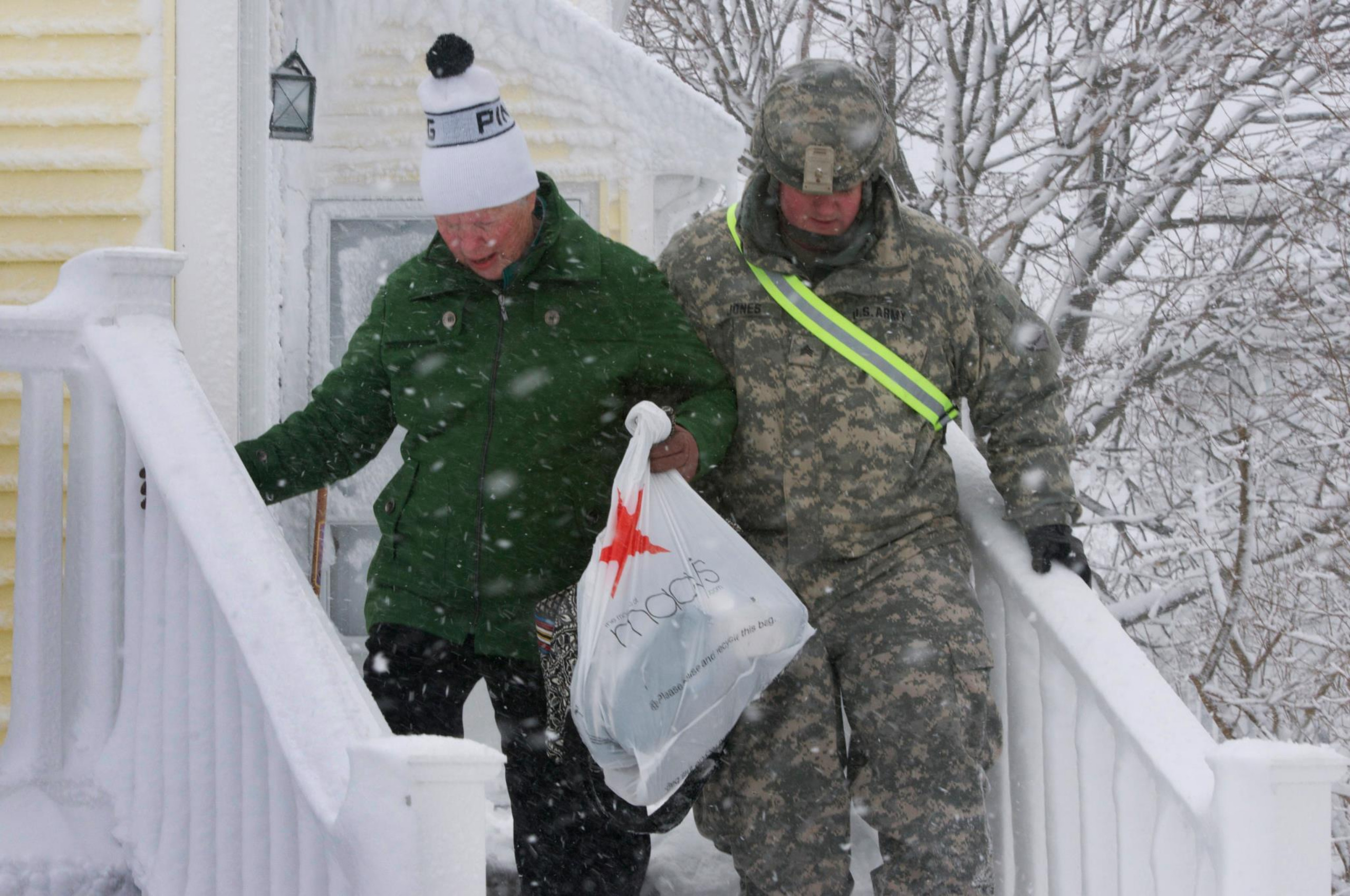
Are you prepared for the winter storm Season? Many forecasters are warning this could be a very harsh winter season that could create a significant strain on our power grid.
The winter weather forecast is expected to be colder and wetter than average. Accuweather has predicted a colder and more storm active winter due to the return of an El Niño weather pattern. The El Niño weather pattern will have a significant influence across the Country.
If you haven’t done so already, it is important that you get prepared for the potentially difficult weather ahead. With prolonged electricity outages expected, it is vital to have a plan in place to protect your family and pets from the bitter cold. Have emergency supplies ready and accessible.
Three Days Of Supplies
The Federal Emergency Management Agency (FEMA) says families should have a response plan and an emergency preparedness kit. The Red Cross says a kit should include enough supplies for each family member for three days and it should be checked every six months. Emergency preparedness kits should include water, food, first aid and medical supplies, clothing, blankets, tools, sanitation items and important documents.
Power outages are a real threat during severe storms, so backup power is also an important element of an emergency preparedness kit. Gas generators are a common choice, but they have some drawbacks. First, they need fuel, which can often be in short supply during emergency situations. They are also noisy and produce dangerous fumes, so they can’t be used indoors.
Backup Power Is Important for Preparedness
Another option for backup power without these drawbacks is a high-powered battery pack that can provide portable electricity in an emergency. These are available at major retailers and one popular brand is XPower by Xantrex. XPower offers products that range in power levels depending on your needs. XPower products can also jump-start vehicles, inflate tires and include flashlights or built-in radios. These products are clean, efficient, quiet and fumeless, so they are perfect for use inside the home, where generators are not safe.
Having power during an emergency enables people to contact emergency services, keep in touch with family, and stay informed through news and weather updates. Backup power can also provide light, heat or air-conditioning, keep food and medicine refrigerated, and can even power a sump pump to help keep the house dry.
With the high potential for power outages during ice and snow storms in the U.S. this year, it’s time to be prepared. Carefully check your food and water storage, blankets, and medical supplies. Get a plan ready for backup power – before it is too late. Remember, when power goes out everyone will rush to the store to get a generator. Get your plan in place early so you can avoid the difficulties.
Power outages are a real threat during severe storms, so backup power is an important element of an emergency preparedness kit.


 If you are new to the sport of fishing, you need to know some of the basic rules of fishing. Like other forms of hunting, fishing involves both your environment and those around you. Be respectful of both. You can responsibly enjoy this treasured pastime in several ways.