It sounds a bit far-fetched and fear-mongering to talk about storing water, but a few years ago who would have even considered that the whole world would shut down with our latest pandemic. It’s been crazy to say the least.
The worst part it, I don’t think our pandemic days are completely behind us either. Whether you believe in the pandemic or not, the reality is we are all going to be affected one-way-or another. Even if it is a giant hoax, the world is being shuffled around in ways that will likely impact every person. Are you prepared for the latest new scare that is being pushed? We now get to deal with the new monkey pox virus. With that, let’s at least talk about how to store water in the event of a pandemic.
If things go bad, you may lose the ability to have water in your home the way that you’ve always depended on it in the past. In a pandemic, a water supply can suddenly become unusable.
The water supply can become compromised at any time. This is why you often see those boil advisories on the news. You need to be prepared by stockpiling water as soon as possible.
The water must be stored away from any direct sunlight. Warm water is an invitation for bacteria to grow and has the potential to make you sick. So you’ll need to keep the water stored in a cool area.
After you get your supply in, you need to look over it often to make sure it remains viable. Water can be stored in plastic bottles or jugs. Wash the bottles, soda bottles or any clear jugs and then fill them with water from your home.
You can also buy water barrels. These are 55 gallon barrels that are great for holding a large supply of water and you can find them online. They’re specifically for long-term water storage.
But you would also need to keep these away from direct sunlight. You can create a cistern for catching rainwater. What you do is position a barrel beneath any runoff areas of your home.
For example, you can place the cistern directly beneath your gutter pipe. Instead of the water going into the ground and getting wasted, it can be used for drinking or other water needs.
In a pinch, when you need a water supply, you can get it from rivers, ponds or lakes – but the water must be treated first before it’s safe to use. When you use water that you get or collect yourself, you need a filtering system.
The filter can clear your water of bacteria and other pathogens that can make you ill if you ingest them. There are different kinds of systems you can get – ranging from the very elaborate to the very simple, such as filtering straws.
Boiling the water you need to use for eating or drinking kills pathogens as long as the temperature of the water hits about 215 degrees Fahrenheit. Chemical ways to purify water includes using iodine.
You can get these in tablets or crystals. But you need to be aware that iodine does not kill some organisms. So use these only in a case where you have nothing else to use.
Chlorine tablets are good to use to purify water and so is regular household bleach. If you use bleach, don’t use any brands that have additives. So don’t use scented bleach.
To make water safe to drink, put ¼ of a teaspoon into every gallon of water you want to purify. So if you had a five gallon container of water you wanted to make safe for use, you would add a teaspoon of household bleach.
Unless you have been living on a different planet, you are well-aware of the concerns with our food supply. The war in Europe has impacted our wheat and grain supplies – and many experts fear the worst is yet to come.
Some people prefer to not be informed of the challenges we face. After all, we’ve been through a tough few years with the Covid outbreak, terrible political mess, and recession that is making it difficult to get by. I don’t blame folks for wanting to avoid reading or watching the news because it’s exhausting to see what is going on in the world. But avoidance can’t stop what’s coming because you can’t control the things that affect the world’s food supply.
With the difficulties, this writing is about doing something to better prepare your family for the challenges. We are going to discuss the Importance of Having a Survival Seed Bank.
There’s an impending sense that a major food crisis is on the way and the government is trying to prepare right now for that crisis. But if you know anything about how the world is run, then you know that if you’re not the one in charge of your family’s food supply, you and your loved ones could very well end up standing in a ration line or worse – going hungry.
Far too many people have the mistaken belief that if something bad does happen that interrupts their access to food supplies, the government will have a backup plan to save their family.
When millions upon millions of people rely on the same belief that there will be enough to go around, they’re going to end up disillusioned. There won’t be. The government isn’t going to be prepared for any major food crisis.
Why? Because they simply can’t stockpile enough food to feed millions of people for a long term situation. You might think that the hope for relief from a food crisis lies at the base of Mount Plateau in the depths of the Svalbard Global Seed Vault, which houses the world’s biggest seed storage.
But the seeds in this vault aren’t coming to your rescue and you won’t be able to get to those seeds. Take a look in the mirror. You’re looking at the person who’s your best chance of survival.
It’s up to you to know what to do and to be prepared for any food emergency situation. That means that you’re going to need to know how you can live off the grid. When every method of getting food is suddenly stripped away from you, it can’t be the catalyst that rocks your world.
You have to have a way to replenish your food supply long term. Even if you have some canned goods socked away in the event of a food catastrophe, having goods that will last you a few years isn’t enough.
You have to be able to bring food back in. And if there’s no way to get food from a grocery store and the government’s hands are tied, then what are you going to do? You need to be able to have a survival garden that will take care of you and your family’s nutritional needs for many years to come.
You start this by having the seeds that you need to raise a survival garden – and you need to have enough of them to plant a few acres’ worth of food. This means that you need to have the kinds of seeds that have the ability to reproduce themselves.
They’ll keep on producing for you. And you also want to look for seeds that haven’t been modified. When you plant seeds from a seed bank, you can guarantee that you’ll have food year after year – regardless of what’s going on in the rest of the world.
By using seeds from the foods you grow (and replanting those once your crops come in), you’ll ensure that your food supply will continually produce. You want to make sure that you look for seeds that offer a lot of produce return as well as ones that are high in nutrition and are long lasting.
This is about a Preparation Call. I certainly don’t like the gloom and doom messages or fearmongering that was rampant during the “prepper era”. The reality is, times are difficult and likely going to get more difficult as we move forward. I must admit I’ve been hesitant to really share what was on my heart over the years because I didn’t want people to misinterpret the message.
Obviously, in my mind I’m not a pessimist. I have a faith that is optimistic about the future, and confident in the outcome. That doesn’t change the realities and difficulties that we most certainly will face. That also does not alter the concerns I have for individuals and families that will refuse to see what we are facing.
I agree with the power of positive thinking to alter an individual’s course in life, but I’m not sure positive thinking can alter a war or divert a natural disaster. Certainly, individuals can have an impact on the course of history – and if enough individuals will embrace they can be a major catalyst for change.
Today, unfortunately, I’m not feeling overly positive about the choices that many individuals have been making collectively – and the world is certainly impacted. I’d like to believe we have an opportunity to fix things for the better. Is it possible to alter the outcomes when the prophets of old have foreseen the difficulties that we are about to endure? No one knows the timeline for future events and no one can predict how things will unfold. We can pray for wisdom, and can prepare ourselves and our families for whatever difficulties may come.
Being prepared does not mean living without hope and excitement for the future. It does not mean giving up enjoyment of life and crawling into a cave. It certainly does not mean loading up on ammo and booby trapping your home waiting for the zombies to come.
A preparation call is being aware that there are storm clouds on the horizon and you should probably bring in the laundry. Take some extra efforts to get things organized and in better order. Be sure to think of your family and make some extra plans for them – because they may not be looking ahead and preparing.
Over the next few weeks, we’ll be sharing some additional insights on preparedness. We’ll discuss the looming inflationary crisis, and multiple wars that we will likely be experiencing and how it will impact our lives. Above all, keep your hearts open to faith, hope and love.
When I first felt a Preparation Call, I had no idea what to expect or even how to begin. I knew there was a lot of information available but much of it seemed geared toward fear-mongering and wilderness survival. As I began to make plans one of the first things I considered was to ask the question: What Supplies And Tools Do I Need For Emergency Preparedness?
Every household should prepare in advance for emergencies. Recent surveys show that fewer than twenty percent (20%) of Americans feel they are “very prepared” should a natural disaster or emergency happen. In that same survey, sixty-seven percent (67%) of Americans acknowledge the importance of being prepared.
An emergency can be as simple as the electricity going out or something so catastrophic that you need to board-up your home and evacuate until the emergency is over. Most experts really express the need to have an family emergency plan and a disaster preparedness kit. Fortunately, sample plans are easy to find on the Internet. You also need to have the right supplies and tools on hand at all times.
You’ll need food and water to last your family at least three days as well as medications and a first-aid kit. Other emergency supplies include a battery-operated radio, blankets and extra clothes. Everyone in the family should have a flashlight with extra batteries.
There is a wide variety of flashlights available. The experts at manufacturers such as Vector and Husky say flashlight-radio combinations can be a good choice, as are flashlights with clips or cords so they can hang from a belt or loop.
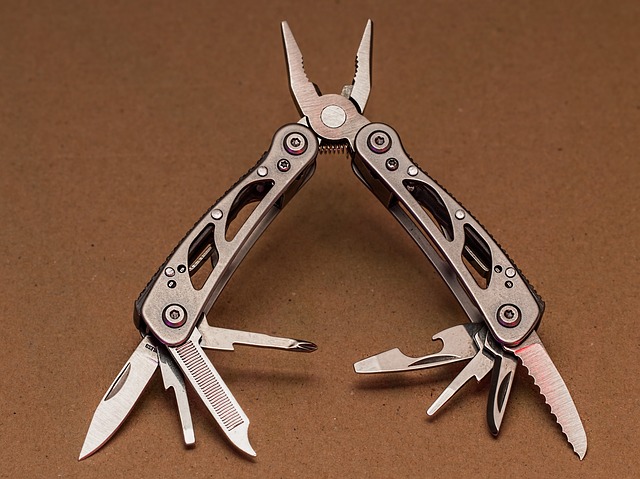
Hand tools and fasteners are also important. Quality hand tools such as those made by Stanley and Husky should be part of your kit, as should a box of nails and screws. You should have wrenches and pliers to shut off utilities, hammers and saws to board up windows and a crowbar to take down the boards. Many manufacturers make all-in-one tool sets that are easy to carry and include most of the tools you’ll need.
Another good set of tools to have on hand is a cordless combo kit. Typical kits can include a drill, a circular saw, a reciprocating saw and a flashlight. Because these tools are cordless, they’ll keep running even if your power goes out. Also consider a portable AC/DC power system, which can run corded tools and battery chargers; jump-start a car; inflate a tire; power a TV or radio; and recharge your cell phone. Plus, the kids can plug their games into it for hours of entertainment while you wait for the lights to come back on. It is strongly advised that everyone in your household should have a flashlight and extra batteries.
Before an emergency strikes, it pays to make a plan, practice that plan and stock up on the right supplies. Don’t wait til the last minute where panic might create a bigger issue. Be mindful that the majority of families will be in a panic state because of their lack of preparedness, so you will want to be ready to help.
There is no doubt that the world economy is headed towards a serious crash. This crash is due to the fact that there are so many people in the world, and we have often selfishly plundered our resources. The growth in consumerism and self-gratification has created this ongoing need to devour our resources for our comforts. This has been a major factor in causing the price of oil to rise. It seems pretty logical that the price of oil continues to rise because of the fact that we are now using more oil than ever before.
The United States is one of the largest consumers of food, and the price of food has also gone up because of the increase in demand. The problem is that the amount of resources that are available is finite. If everyone wanted to buy everything they could, then there would be no problem, but people do not buy everything they can afford. There is a limit to how much money people have, and this means that there is a limit to how much they can buy.
Our world has become too pleasure-focused and societies have become more prone to consuming – rather than producing. People will always want more, and the only way to get more is to take it from someone else. This means that if everyone wants more, then there is going to be less of it for everyone. This is why the price of oil is rising, and why the price of food is also rising. This is a good thing, because it means that people are making more money, and spending more money. The problem is that this is unsustainable, and it is going to lead to problems.
If the price of oil rises too high, then people are going to stop buying cars, and this is going to cause a shortage of cars. People are going to have to use public transportation instead of owning a car. If the price of gas goes too high, then people are not going to be able to afford it, and they are not going to be able drive anywhere. This is going to cause a problem with the economy, and it is going to cause the prices of food to rise even higher.
The best way to deal with this problem is to prepare for it. There are some things that you can do to prepare for this, such as having a backup generator, or buying water purification tablets. There are other things that you can do, such as investing in gold, or silver. These things will help you during this time, but it is important to remember that you cannot rely on them alone.
Human beings have a strong will to survive, but that will can easily get beaten down when faced with overwhelming situations. A situation is only overwhelming when there’s a lack of knowledge or skill. When you know what do to because you’ve already planned ahead of time, you can act on instinct rather than react in a panic.
Fire drills are practiced in schools (and should be in your home, too) so that everyone will know what he or she is supposed to do. When you perform a task often enough, you can do it automatically without thinking about it when an emergency hits.
Test yourself by conducting drills by going camping on the weekends and only bring your survival bag. Camp in inclement weather so you’ll be prepared to handle that, but remember to let someone know the area where you’re going to go camping.
Practice often so you’ll know what to do in the event of weather disasters, health emergencies and threats to your safety. Practice using the first aid kit, treating a wound, an unconscious person, practice setting a broken bone, treating a burn, etc. Practice what to do if you’re unable to call for help and you’re wounded.
It’s important because the best way to survive is to practice what you’re going to do in any worst case scenario. You might not live in an area prone to tornadoes, but that doesn’t mean one won’t happen-be prepared for the unexpected.
Get a FREE Subscription to PREPARE
Number one, prepare yourself mentally. If you allow the situation to overwhelm you or to make you fall into the trap of self-pity, your survival odds drop. The first step to take is to assess your situation and realize that you need three things – shelter, food and water. Of the three, find shelter first, a water supply second and food last.
Of course, practice is easy when you’re already prepared for survival. You should have a stockpile of food and necessities already gathered in your emergency pantry for your survival.
You should have staples in large quantities. Have water jugs filled and ready in your emergency pantry. Besides food, have batteries, flashlights and a camp stove put back as well.
But you should also get survival guides and study those so that you’ll know what to do if you have to get your food source from the land. For example, some people advocate eating plants, but certain plants will not only upset your stomach, they’ll kill you. What you want to do is to hope the worst case scenario never takes place – but you want to be prepared for it if it does.