Disasters can strike at any moment, often without warning. Whether it’s a natural calamity like an earthquake or flood, or a man-made crisis such as a chemical spill, understanding the risks specific to your area is the first step in keeping yourself and your loved ones safe. Take time to research local hazards; consult government websites or community organizations specializing in disaster preparedness. This knowledge will empower you to make informed decisions when it matters most.
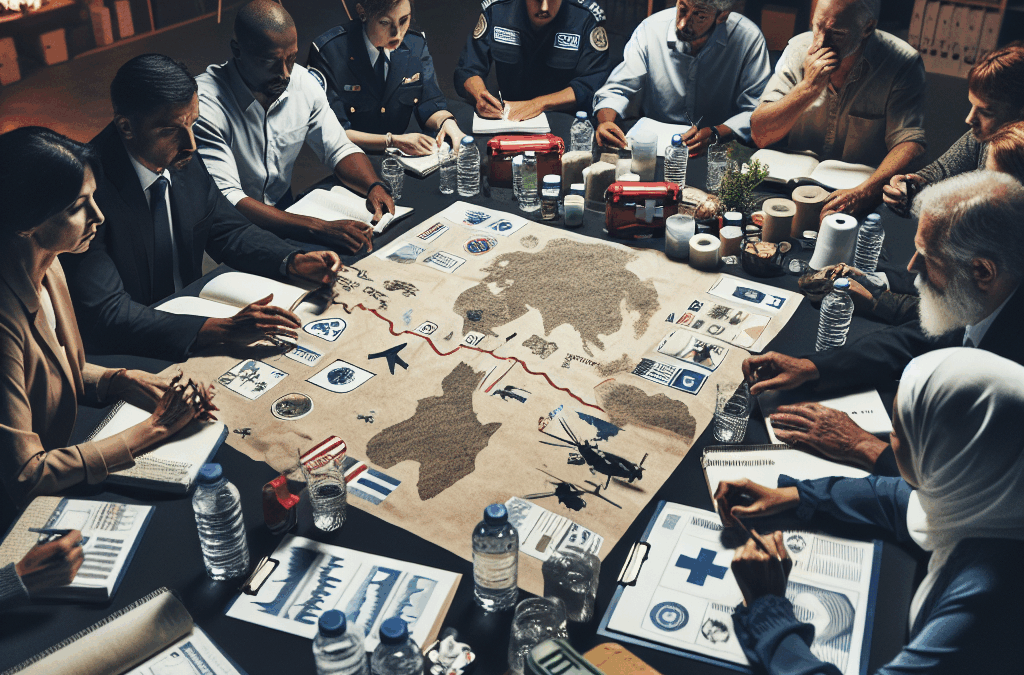
Once you’ve grasped the potential threats looming over your neighborhood, it’s crucial to create an emergency plan tailored for your family. Start by holding a family meeting where everyone can voice their thoughts and preferences regarding emergency procedures. Identify escape routes from your home and designate meeting points outside of it. Consider communication methods—how will you connect if separated? Make sure each member knows essential contact numbers as well as how to reach neighbors or friends nearby. Practicing this plan regularly not only instills confidence but also ensures that everyone is comfortable with their roles during a crisis.
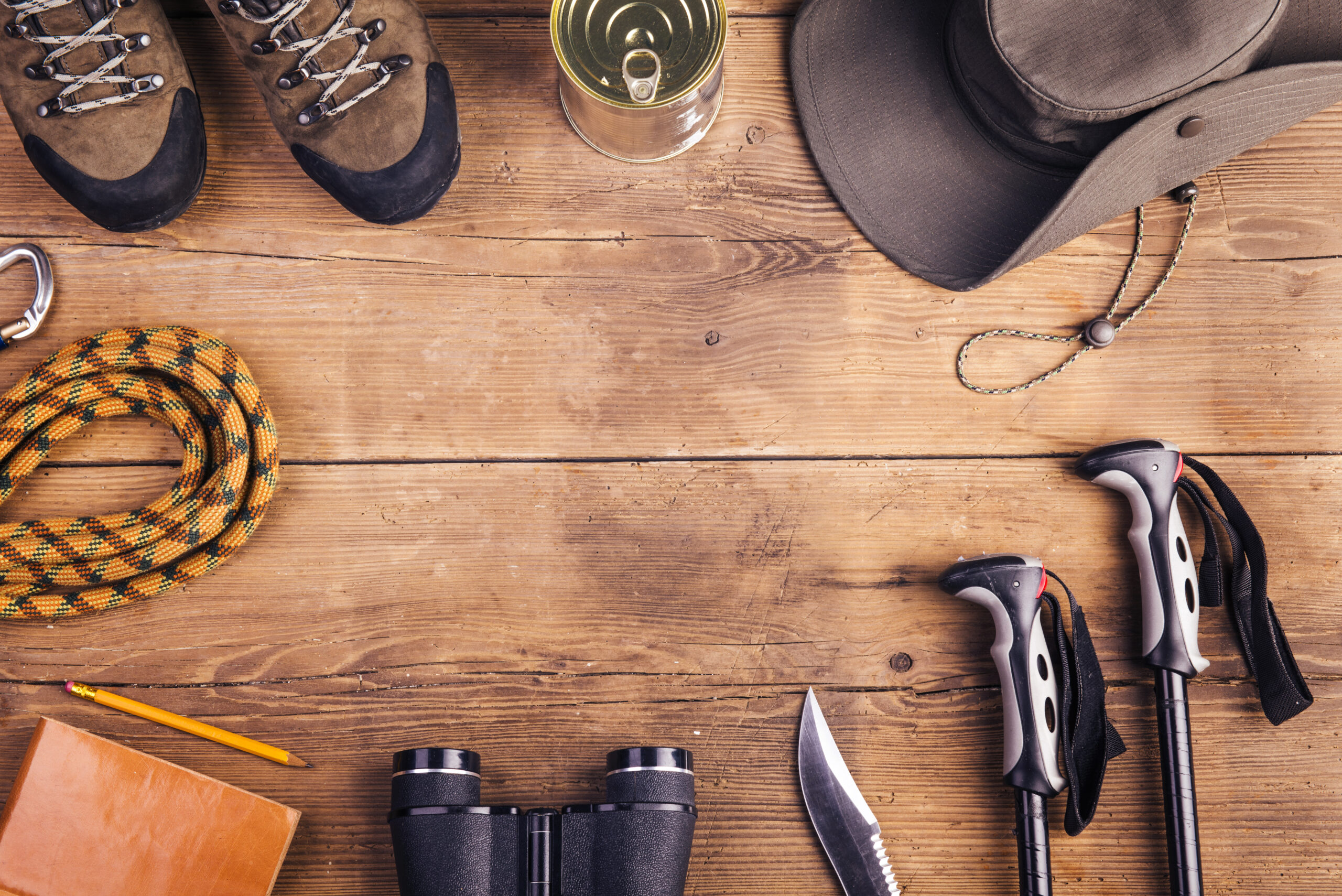
Next on the list is building a comprehensive disaster supply kit that contains essentials you simply cannot afford to overlook. Begin with water; one gallon per person per day for at least three days should suffice for drinking and sanitation purposes. Non-perishable food items are equally important—think canned goods, dried fruits, and energy bars that can sustain you for several days. Don’t forget basic supplies like flashlights, batteries, first-aid kits, multi-tools, and necessary medications. If you have pets, include items for them too! Storing these essentials in easy-to-reach containers makes access swift when every second counts.
In our hyper-connected world, staying informed about impending dangers is paramount. Sign up for local alerts via text messages or apps that provide real-time updates about weather conditions or emergencies in progress. Keep a battery-powered radio handy; it could be your lifeline if power goes out during a storm or disaster scenario. Social media platforms often serve as valuable resources too—many municipalities now use them to disseminate information quickly and effectively.
To wrap up, we must address post-disaster recovery—a phase that is just as critical as preparation itself. After surviving a disaster, it’s vital to assess damage cautiously before re-entering affected areas. Wear protective gear if necessary, and document any damages with photos for insurance claims later on. While rebuilding may take time—and often feels overwhelming—resilience plays a key role in moving forward successfully. Reach out for support from community resources or mental health professionals; they can offer guidance tailored specifically to recovery efforts.
All in all, being prepared isn’t merely about having supplies stocked away—it encompasses understanding risks near us while fostering open communication within our families about safety measures we all need to know well ahead of time! Equip yourself with knowledge today so that tomorrow’s disasters won’t catch you unawares! Stay ready; because preparedness isn’t just about survival—it’s about thriving even amidst chaos!
In a world where natural calamities and unforeseen events loom large, taking proactive measures is essential. The truth is, disasters can strike without warning. From hurricanes to wildfires, earthquakes to pandemics, understanding the risks associated with your specific location is the first step toward safeguarding your family and property.
## Understanding the Risks: Identifying Potential Disasters
Start by assessing the types of disasters that are most likely to affect your area. Is it prone to flooding or tornadoes? Are earthquakes a frequent concern? Conduct thorough research through local government websites or community bulletins to identify prevalent hazards. By knowing what you may face, you can tailor your preparedness approach more effectively.
## Building Your Disaster Plan: Essential Steps for Every Household
Once you’ve identified potential risks, it’s time to create a disaster plan tailored specifically to your household’s needs. Discuss it with all family members—everyone should know how to respond in an emergency. Designate meeting points both inside and outside your home where everyone can gather if separated during an evacuation. Additionally, establish communication methods; consider how you’ll connect if cell service is disrupted.
## Stocking Up: Creating Your Emergency Supply Kit
A well-stocked emergency supply kit can be a lifesaver when disaster strikes. Start with the basics: water (one gallon per person per day), non-perishable food items, first aid supplies, flashlights, batteries, and personal hygiene products. Don’t forget about unique requirements like medications or pet supplies! Tailor kits for each family member’s needs and keep them in easily accessible locations. Regularly update these kits every six months—check expiration dates on food and replace any used items.
## Staying Informed: Utilizing Technology and Community Resources
In today’s digital age, staying informed has never been easier—or more critical. Leverage technology such as weather apps that send real-time alerts about impending threats. Social media platforms also provide vital updates from local authorities during emergencies. Beyond personal resources, engage with community organizations focused on disaster preparedness; they often offer workshops or training sessions that empower citizens with knowledge and skills.
## Training and Drills: Preparing Your Family and Community
Preparation doesn’t stop at creating plans—it involves practice too! Conduct regular drills within your household so everyone knows what to do when a crisis occurs. This not only instills confidence but also helps identify areas needing improvement in your plan. Consider organizing neighborhood gatherings or workshops aimed at community readiness; fostering connections among residents enhances collective resilience.
## Recovery and Resilience: Post-Disaster Action Steps
Even after a disaster has passed, recovery remains crucial for long-term resilience. Assess damage immediately while ensuring safety comes first—never enter unstable structures without professional guidance! Document everything for insurance purposes; photographs prove invaluable in claims processes. Stay connected with local resources offering assistance like temporary shelters or financial aid programs designed for recovery efforts.
Ultimately, being prepared means living with a sense of purpose rather than fear—embracing proactivity leads us down the path of resilience against life’s uncertainties. By understanding risks, building solid plans, stocking essentials wisely, leveraging technology effectively, practicing regularly—and preparing for recovery—we not only protect ourselves but empower our communities as well. Don’t wait until it’s too late; take these steps now!
When it comes to disaster preparedness, the mantra “hope for the best but prepare for the worst” resonates deeply. Whether it’s a natural catastrophe like a hurricane or an unforeseen event such as a wildfire, being ready can make all the difference. Here’s how you can ensure your family stays safe no matter what challenges arise.
*Understanding the Risks: Assessing Potential Disasters in Your Area**
The first step toward effective disaster preparedness is understanding what hazards could impact your home. Each region has its unique risks; coastal areas often face hurricanes or flooding, while places prone to earthquakes may require different strategies. Research local historical events and consult resources like FEMA (Federal Emergency Management Agency) or your state’s emergency management office for insights into potential disasters in your vicinity. By identifying these risks, you can tailor your emergency plan accordingly.
*Creating Your Emergency Plan: Steps to Keep Your Family Safe**
Once you’re aware of the threats lurking outside, it’s time to create an emergency plan that outlines specific actions you and your loved ones should take. Start by designating a meeting point both inside and outside your home—this ensures that everyone knows where to go if things get chaotic. Next, ensure each family member understands their role during an emergency. Discuss escape routes from your home and establish communication protocols if separated. Remember, clarity is vital; practice makes perfect!
*Essential Supplies: Building Your Disaster Preparedness Kit**
An essential part of any preparedness plan is having a well-stocked disaster kit ready at all times. Aim for enough supplies to last at least three days; this includes water (one gallon per person per day), non-perishable food items, first-aid supplies, flashlights with extra batteries, and vital medications. Don’t forget personal documents—keep copies of identification and insurance papers in a waterproof container within your kit. Incorporate items that cater to unique family needs like baby formula or pet food as necessary.
*Staying Informed: Utilizing Alerts and Information Sources**
In times of crisis, having access to real-time information is crucial. Sign up for local alerts through government websites or mobile apps that provide updates on weather warnings or evacuation orders relevant to your area. Additionally, consider investing in a NOAA weather radio which broadcasts emergency messages 24/7—even when cellular networks might be down. Staying informed not only keeps you aware but also empowers you to make timely decisions.
*Practicing Your Plan: Drills and Preparedness Activities**
Drafting an emergency plan is just the beginning; practicing it brings it to life! Schedule regular drills with your family so everyone feels confident about what to do when danger strikes—whether it’s simulating an evacuation or finding shelter during severe weather conditions. Use these practice sessions as opportunities for constructive feedback so that improvements can be made over time.
*Community Resources: How to Collaborate for Better Safety**
Lastly, remember that disaster preparedness doesn’t happen in isolation—it thrives through community collaboration! Connect with neighbors, local organizations, and emergency services about upcoming workshops or training sessions focused on safety measures within your neighborhood. Pooling resources fosters resilience among residents while creating communal bonds that strengthen support networks during emergencies.
By taking these proactive steps toward disaster preparedness at home and beyond, you’re not just safeguarding yourself but also contributing positively towards building resilient communities capable of facing whatever challenges may lie ahead.
In an unpredictable world, disaster preparedness is not just a luxury; it’s a necessity. Whether it’s natural disasters like hurricanes, earthquakes, or floods, or man-made emergencies such as fires or chemical spills, having a solid plan in place can make all the difference between chaos and calm. Understanding the importance of disaster preparedness empowers individuals and families to face unexpected challenges head-on.
*Essential Components of Your Disaster Preparedness Toolkit**
A comprehensive disaster preparedness toolkit is your first line of defense. Start by including basic supplies: water (one gallon per person per day for at least three days), non-perishable food items that can sustain you and your family for similar durations, and a flashlight with extra batteries. Consider adding a first-aid kit stocked with essential medications and supplies. Don’t forget personal hygiene items to keep everyone comfortable during prolonged emergencies.
Next on the list are important documents: copies of identification, insurance policies, medical records—anything critical that could be challenging to replace quickly. Pack these in waterproof bags to protect them from potential damage.
To wrap up, consider tools that can assist during recovery phases—multi-tools for repairs and duct tape for quick fixes are invaluable. And if you have pets, ensure their needs are met too; include food supplies and any necessary medications in your kit.
*Customizing Your Toolkit for Specific Emergencies**
One size does not fit all when it comes to disaster preparedness. Tailor your toolkit based on the unique risks associated with your geographic area. For example, if you live in an earthquake-prone region, add sturdy shoes and helmets to protect against falling debris. In hurricane zones, consider investing in tarps or plastic sheeting to cover windows or doors effectively.
Additionally, think about family members’ specific needs—infants may require formula while seniors might need specialized medications or mobility aids included in the kit. The key is recognizing that preparation looks different for everyone but should always prioritize safety and accessibility.
*Creating an Effective Communication Plan**
When disaster strikes, ensuring effective communication is paramount. Develop an emergency contact list that includes local authorities as well as family members who may be separated during an event. Identify multiple methods of communication—texts may get through when calls cannot due to network congestion.
Establish meeting points where everyone knows to go if separated. Make sure each family member understands this plan by practicing it regularly so it becomes second nature when speed matters most.
*Regular Maintenance: Updating and Practicing Your Preparedness Plan**
Having a toolkit is only half the battle; regular maintenance ensures its effectiveness over time. Set reminders every six months to check expiration dates on food items and replace anything that has been used or damaged. Rotate stock so nothing goes unused past its prime.
Moreover, practice your disaster response plans together as a family unit—drill scenarios as if they were real emergencies. This will help reinforce memory recall under pressure while also highlighting any gaps in your preparations that need addressing.
*Community Resources: Engaging with Local Emergency Services and Support Networks**
Ultimately, don’t overlook community resources! Engage with local emergency services—they often provide valuable training courses on CPR or first aid which can enhance your skill set beyond mere survival supplies. Joining community groups focused on preparedness can offer access to additional resources while building networks of support among neighbors during crises.
By being proactive rather than reactive when it comes to disaster preparedness, you not only safeguard yourself but also contribute positively to your community’s resilience against unforeseen events. So take those steps today; after all, peace of mind starts with preparation!
Disasters can strike without warning, often leaving chaos in their wake. From natural calamities like hurricanes and earthquakes to man-made emergencies such as chemical spills or power outages, understanding the risks specific to your area is crucial. Take time to research common disasters that may impact your community. Local government websites and emergency management agencies offer valuable insights into historical data and vulnerability assessments. Knowing what to expect can significantly shape your preparedness strategy.
Once you’ve identified potential threats, the next step is creating a comprehensive emergency kit. This kit should include essentials that you cannot overlook—think food, water, medications, and first aid supplies. Aim for a three-day supply of non-perishable food items and at least one gallon of water per person per day. Don’t forget important documents like identification and insurance policies; having digital copies stored securely can save time during an emergency. Additionally, consider including tools such as a flashlight with extra batteries, a multi-tool, and even a whistle to signal for help if needed.
Your family communication plan is another cornerstone of disaster readiness. In times of crisis, staying connected can be challenging yet vital. Designate safe meeting locations both close to home and further away in case evacuation becomes necessary. Ensure every family member knows how to reach each other through various means—whether it’s phone calls or social media—and practice these plans regularly. Consider using group messaging apps or social media platforms specifically designed for emergencies; they can serve as lifelines when traditional communication methods fail.
Safety begins at home, so conducting regular home safety assessments is essential in mitigating disaster risks. Check that smoke detectors are functional and install carbon monoxide alarms in key areas of your house. Secure heavy furniture that could tip over during an earthquake or storm, and ensure windows are easily accessible in case quick exits become necessary. A well-prepared household not only protects its occupants but also acts as a resilient fortress against unpredictable events.
In our tech-savvy world, staying informed has never been easier—or more critical! Utilize technology to access real-time updates about weather conditions or emergencies in your vicinity through mobile apps or local news alerts. Social media platforms also play an invaluable role; following official accounts related to disaster response can provide immediate information during crises when every second counts.
Ultimately, don’t underestimate the power of community involvement in preparedness efforts! Engage with neighbors by organizing local meetings focused on disaster readiness; sharing resources can amplify individual efforts significantly. Establishing neighborhood watch programs not only fosters relationships but also builds collective strength when facing adversities together.
Ultimately, preparing for the unpredictable requires diligence and foresight but pays off immensely when disaster strikes unexpectedly. By understanding local risks, assembling comprehensive emergency kits, developing effective communication strategies within families, evaluating home safety measures regularly while leveraging technology accurately—and most importantly—fostering strong community ties—you’ll cultivate resilience against whatever challenges come your way!
Natural disasters can strike with little warning, leaving devastation in their wake. Whether it’s hurricanes, earthquakes, wildfires, or floods, understanding the risks associated with these events is crucial for effective preparedness. Each type of disaster carries its own potential impact—hurricanes can lead to severe flooding and wind damage; earthquakes can cause structural failures and landslides; wildfires might consume entire communities in mere hours. By familiarizing yourself with these risks, you can develop a proactive mindset that emphasizes safety and resilience.
Once you grasp the potential dangers, it’s time to focus on preparation essentials. A well-stocked emergency kit is your first line of defense when disaster strikes. Begin by gathering items that ensure basic survival: non-perishable food supplies, clean water (at least one gallon per person per day), a flashlight with extra batteries, a first-aid kit, and essential medications. Don’t forget vital documents—insurance policies, IDs, and bank information should be stored in a waterproof container or digitally backed up. Consider adding personal touches like comfort items or games for children to ease anxiety during stressful times.
Equally important is creating a family emergency plan that outlines steps everyone should take before, during, and after a disaster. Start by establishing communication protocols—who will contact whom? Designate an out-of-town relative or friend as a central point of contact so that family members can check in if separated. Identify multiple evacuation routes from your home and practice them together regularly. Discuss meeting places where everyone knows to go if local roads become impassable. Regularly reviewing this plan ensures everyone stays informed and prepared.
In our fast-paced digital world, technology plays an invaluable role in staying informed about impending disasters. Sign up for local alerts through government agencies or weather apps that provide real-time updates on conditions and warnings specific to your area. Social media platforms are another resource for connecting with community leaders who often share critical information during emergencies. Additionally, consider investing in a NOAA Weather Radio—a reliable tool that broadcasts timely alerts even when power outages occur.
Beyond personal preparation lies the essence of community resilience—an often-overlooked aspect of disaster readiness. Engage with local organizations focused on emergency response efforts; volunteering not only strengthens your skills but also fosters connections within your neighborhood. Participate in community drills hosted by fire departments or rescue teams to practice evacuation procedures collectively. While preparing yourself is vital, extending help to those around you creates an environment where everyone feels supported and empowered.
All in all, planning for natural disasters involves much more than buying supplies—it requires understanding risks associated with various hazards while fostering strong communication within families and communities alike. Equip yourself with knowledge about potential threats; assemble an emergency kit filled with essentials; create an actionable family plan; utilize technology wisely; and actively contribute to community resilience initiatives. By taking these measures today, we position ourselves not just as survivors but as resilient individuals ready to face whatever challenges come our way tomorrow.