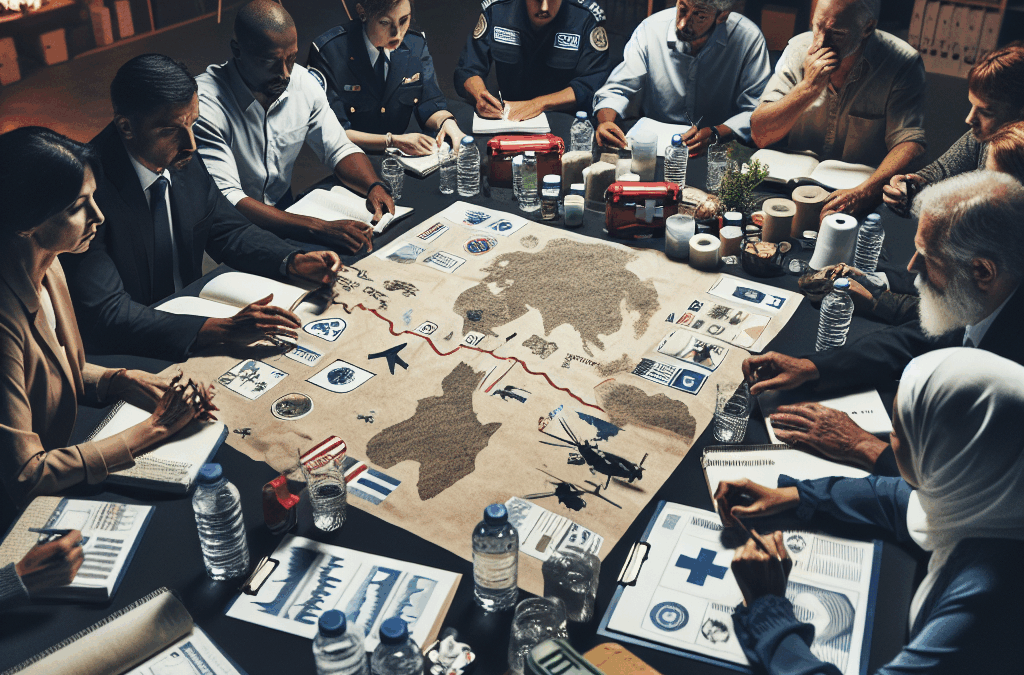
Disasters can strike without warning, often leaving chaos in their wake. From natural calamities like hurricanes and earthquakes to man-made emergencies such as chemical spills or power outages, understanding the risks specific to your area is crucial. Take time to research common disasters that may impact your community. Local government websites and emergency management agencies offer valuable insights into historical data and vulnerability assessments. Knowing what to expect can significantly shape your preparedness strategy.
Once you’ve identified potential threats, the next step is creating a comprehensive emergency kit. This kit should include essentials that you cannot overlook—think food, water, medications, and first aid supplies. Aim for a three-day supply of non-perishable food items and at least one gallon of water per person per day. Don’t forget important documents like identification and insurance policies; having digital copies stored securely can save time during an emergency. Additionally, consider including tools such as a flashlight with extra batteries, a multi-tool, and even a whistle to signal for help if needed.
Your family communication plan is another cornerstone of disaster readiness. In times of crisis, staying connected can be challenging yet vital. Designate safe meeting locations both close to home and further away in case evacuation becomes necessary. Ensure every family member knows how to reach each other through various means—whether it’s phone calls or social media—and practice these plans regularly. Consider using group messaging apps or social media platforms specifically designed for emergencies; they can serve as lifelines when traditional communication methods fail.
Safety begins at home, so conducting regular home safety assessments is essential in mitigating disaster risks. Check that smoke detectors are functional and install carbon monoxide alarms in key areas of your house. Secure heavy furniture that could tip over during an earthquake or storm, and ensure windows are easily accessible in case quick exits become necessary. A well-prepared household not only protects its occupants but also acts as a resilient fortress against unpredictable events.
In our tech-savvy world, staying informed has never been easier—or more critical! Utilize technology to access real-time updates about weather conditions or emergencies in your vicinity through mobile apps or local news alerts. Social media platforms also play an invaluable role; following official accounts related to disaster response can provide immediate information during crises when every second counts.
In closing, don’t underestimate the power of community involvement in preparedness efforts! Engage with neighbors by organizing local meetings focused on disaster readiness; sharing resources can amplify individual efforts significantly. Establishing neighborhood watch programs not only fosters relationships but also builds collective strength when facing adversities together.
In closing, preparing for the unpredictable requires diligence and foresight but pays off immensely when disaster strikes unexpectedly. By understanding local risks, assembling comprehensive emergency kits, developing effective communication strategies within families, evaluating home safety measures regularly while leveraging technology accurately—and most importantly—fostering strong community ties—you’ll cultivate resilience against whatever challenges come your way!
In a world where natural and man-made disasters can strike at any moment, being prepared is not just a smart choice; it’s essential. Whether it’s hurricanes, earthquakes, floods, or even wildfires, understanding the risks associated with your specific area is the first crucial step toward effective disaster preparedness.
## Understanding the Risks: Identifying Potential Disasters in Your Area
Every region has its unique set of hazards. Start by researching local history and current data on potential disasters that could affect your community. For instance, coastal areas are often prone to hurricanes, while regions near fault lines face earthquake risks. Utilize resources from local government websites or organizations like FEMA to gain insights into what you could encounter. Awareness enables you to tailor your preparedness efforts effectively—knowing what might happen is half the battle won.
## Building Your Emergency Kit: Essentials Every Household Should Have
Once you’ve identified potential risks, it’s time to assemble an emergency kit—a vital resource that can make all the difference when disaster strikes. Aim for a well-stocked supply that can sustain your family for at least 72 hours. Here are some essentials every household should include:
1. **Water:** One gallon per person per day for three days.
2. **Non-perishable food:** Items like canned goods, granola bars, and dried fruit.
3. **First aid supplies:** Bandages, antiseptics, any necessary medications.
4. **Flashlights and batteries:** Power outages are common during emergencies.
5. **Multi-tool or Swiss army knife:** Versatile tools can come in handy in various situations.
6. **Whistle:** To signal for help if needed.
7. **Personal documents:** Copies of important paperwork in waterproof bags.
Don’t forget about pets! Include their necessities as well—food, water bowls, leashes—and ensure they have identification tags.
## Creating a Family Emergency Plan: Communication and Evacuation Strategies
Preparedness goes beyond physical supplies; having a family emergency plan is equally critical. Sit down together and discuss how everyone will communicate during an emergency—especially if you’re separated when disaster strikes.
Establish meeting points both close to home and farther away in case evacuation becomes necessary. Ensure everyone knows how to reach these locations and practices the route periodically to instill confidence in your plan.
Consider designating an out-of-area contact person who can relay messages between family members if local communication networks fail. This strategy proves invaluable when phones become unreliable due to overwhelming demand during crises.
## Staying Informed: Resources and Tools for Real-Time Updates and Support
In our digital age, staying informed about impending threats has never been easier—or more crucial! Local authorities often provide real-time updates via social media platforms or dedicated apps designed specifically for emergency alerts.
Download apps such as FEMA’s or NOAA Weather Radar for timely notifications regarding severe weather warnings or evacuation orders tailored to your location.
Additionally, consider subscribing to local news channels’ SMS alerts for breaking news relevant to your area so you remain aware of any developments as they unfold.
Disaster preparedness may seem daunting at first glance but breaking it down into manageable steps makes it entirely achievable! By understanding local risks, assembling an emergency kit stocked with essentials, creating robust family plans for communication and evacuation strategies—and utilizing available resources—you’ll not only bolster safety but also foster peace of mind amidst uncertainty.
Remember: preparation today protects you tomorrow!
When disaster strikes, the true test of your family’s readiness unfolds. Are you equipped to tackle emergencies that may arise? Understanding the types of disasters you could face is the first step in ensuring safety for yourself and your loved ones.
*Understanding the Threat: Types of Disasters You Need to Prepare For**
Disasters come in a myriad of forms, each presenting unique challenges. Natural calamities such as hurricanes, earthquakes, floods, and wildfires can wreak havoc without warning. On the other hand, human-made threats like chemical spills or terrorist attacks also loom large. Knowing which disasters are most likely to occur in your area can help you tailor your preparedness strategy effectively. Research local risks and understand their potential impact—this knowledge is power.
*Creating a Family Emergency Plan: Steps for Every Household**
Once you’ve grasped the threats that lie ahead, it’s time to take action by crafting a family emergency plan. Begin by designating a safe meeting place where everyone can regroup if separated during an emergency. Establish communication routes; set up a group chat or assign specific contacts outside your immediate area as points of reference. Additionally, ensure every family member knows basic information like home addresses and phone numbers. Familiarity with this plan boosts confidence when chaos reigns.
*Building Your Emergency Kit: Essential Supplies You Must Have**
A well-stocked emergency kit can make all the difference when calamity strikes. Start with essentials: water (one gallon per person per day for at least three days), non-perishable food items (think energy bars and canned goods), first aid supplies, flashlights with extra batteries, and essential medications. Don’t forget personal hygiene items and important documents—keeping these in waterproof containers is wise! Regularly check and replenish your kit every six months so that everything remains current.
*Staying Informed: Utilizing Technology and Resources for Alerts**
In today’s world, staying informed about impending disasters has never been easier thanks to technology. Download weather apps that provide real-time alerts tailored to your location. Sign up for notifications from local government agencies or community organizations—these resources often relay crucial updates regarding evacuations or shelters during crises. Social media platforms also serve as valuable tools for gathering information quickly; follow credible sources to stay ahead of potential dangers.
*Drills and Training: How to Practice Your Emergency Response**
Preparation doesn’t stop at planning—it requires practice too! Conduct regular drills with your family so everyone understands their roles during emergencies. Fire drills are essential but extend this concept to various scenarios including earthquake safety or severe weather protocols. Discuss what actions each family member should take based on different situations; practice makes perfect! Engaging children in these exercises fosters confidence while reinforcing vital skills they may need one day.
*Community Involvement: Why Your Neighborhood Matters During Disasters**
Lastly, remember that disaster preparedness extends beyond individual households—it encompasses entire communities! Engage with neighbors through workshops or local programs focused on emergency response training, sharing resources strengthens bonds within neighborhoods during challenging times. Create neighborhood watch groups dedicated to monitoring potential threats together; collective vigilance ensures everyone’s safety.
Ultimately, proactive measures pave the way toward resilience against unforeseen events—a secure future begins today! So ask yourself: is your family prepared? Let’s find out together!
Disasters can strike at any time, and being prepared is essential for ensuring your safety and the well-being of your loved ones. In this blog post, we will discuss five essential steps to disaster preparedness that you should take to ensure that you are ready for whatever life throws your way.
Step 1: Introduction to Disaster Preparedness
The first step in disaster preparedness is understanding what types of disasters could occur in your area. This includes natural disasters such as hurricanes, earthquakes, floods, and wildfires, as well as man-made disasters like terrorist attacks or hazardous materials spills. Once you have identified potential risks, it’s crucial to develop a plan to keep yourself and your family safe.
Step 2: The Importance of Having a Plan
Having a clear plan in place is critical during times of emergency. Sit down with your family members and create an evacuation plan that outlines how you will communicate, where you will meet up, and what actions you need to take if separated. Practice this plan regularly so everyone knows exactly what to do in case of an emergency.
Step 3: Building an Emergency Kit
Building an emergency kit is another important aspect of disaster preparedness. Your kit should include supplies such as non-perishable food items, water, flashlights, batteries, first aid equipment, and clothing appropriate for the weather conditions. Make sure to check your kit regularly to ensure everything is still usable and replace anything that has expired.
Step 4: Staying Informed and Up-to-Date
Staying informed about current events and local weather patterns is essential in disaster preparedness. Keep an eye on news reports and sign up for alert systems provided by your local government. These updates will help you stay ahead of potential threats and give you enough time to prepare accordingly.
Step 5: Practicing Your Plan and Maintaining Readiness
Practicing your plan regularly is key to maintaining readiness. Conduct regular drills with your family to make sure everyone remembers their roles and responsibilities during an emergency situation. Additionally, make sure to update your emergency kits and plans annually to account for changes in circumstances or new information.
Ultimately, taking these five essential steps to disaster preparedness can help ensure that you and your family remain safe and secure during times of crisis. By having a plan, building an emergency kit, staying informed, practicing your plan, and maintaining readiness, you can rest easy knowing that you are prepared for whatever comes your way.
Natural disasters can strike at any time, and it’s essential for families to be prepared. Whether you live in an area prone to hurricanes or earthquakes, taking the necessary steps to prepare your family for a potential emergency is crucial. In this blog post, we will cover everything from creating an emergency kit to practicing evacuation procedures. By following these tips, you can ensure that your loved ones are safe and protected during times of crisis.
The Importance of Having a Plan
Having a plan in place before a natural disaster strikes is critical. Sit down with your family members and create a detailed plan outlining what actions should be taken in case of an emergency. This includes identifying evacuation routes, designating meeting spots, and establishing communication protocols. It’s also important to practice your plan regularly so everyone knows what to do in case of an actual emergency.
Creating an Emergency Kit
Another vital aspect of disaster preparedness is having an adequate emergency kit. Your kit should include supplies such as non-perishable food items, water, first aid equipment, flashlights, extra batteries, and clothing. Make sure to update your kit every six months to ensure that all items are still usable.
Staying Informed During a Crisis
During a crisis, staying informed is key. Keep a weather radio on hand to receive updates on the situation, and make sure to follow local news channels and social media accounts for up-to-date information. You may also want to sign up for alert systems offered by your community or local government agencies.
Evacuation Procedures and Routes
If evacuation becomes necessary, it’s imperative to know the best routes to take and where to go. Identify multiple escape routes from your home and practice them regularly. Also, determine safe places to meet after evacuating, such as a relative’s house or designated public shelter.
Communicating with Family Members
Communication is critical during a disaster. Establish a communication plan with your family members, including how to reach each other if cell phone service is unavailable. Consider investing in walkie-talkies or two-way radios to facilitate communication during an emergency.
Practicing Your Plan Regularly
Regularly practicing your disaster plan is essential to ensuring its effectiveness. Conduct drills with your family members to simulate different scenarios and test your response times. This will help identify areas where improvements can be made and ensure that everyone feels confident in their abilities to respond quickly and efficiently in case of an emergency.
Coping With Stress After a Disaster
After a disaster has struck, coping with stress can be challenging. Encourage family members to talk about their feelings and provide emotional support when needed. Seek professional counseling if necessary, and try to maintain a sense of normalcy by sticking to routines and activities that bring comfort and stability.
Conclusion: Taking Action Today
Taking action today to prepare for disasters can save lives tomorrow. Follow the tips outlined above to create a comprehensive disaster plan, stock up on emergency supplies, stay informed during crises, and practice evacuation procedures regularly. Remember, being proactive and prepared is the key to keeping your family safe and secure during times of emergencies.
Disasters can strike at any time, and it’s essential to be prepared. Whether you live in an area prone to hurricanes or earthquakes, wildfires or floods, taking steps towards disaster preparedness is crucial. In this blog post, we will discuss why preparation is key, how to create a plan, build an emergency kit, stay informed during a crisis, and more.
Introduction to Disaster Preparedness
Disaster preparedness refers to the actions taken before, during, and after a natural disaster or other emergencies. It involves being proactive and taking necessary measures to minimize potential risks and damages that may occur due to unforeseen events. By having a plan in place, individuals and families can reduce their risk of harm and better respond to unexpected situations.
Creating a Disaster Plan
The first step towards disaster preparedness is creating a plan. This includes identifying potential hazards, assessing risks, and developing strategies to mitigate them. A comprehensive plan should include evacuation routes, safe meeting places, communication protocols, and emergency contacts. It’s also important to practice the plan regularly so everyone knows what to do in case of an emergency.
Building an Emergency Kit
Another critical aspect of disaster preparedness is building an emergency kit. This should include supplies such as food, water, medications, flashlights, batteries, and first aid equipment. It’s essential to have enough supplies to last for at least 72 hours, as emergency services may not be available immediately following a disaster.
Staying Informed During a Crisis
During a crisis, it’s vital to stay informed about the situation. This means monitoring local news channels, weather reports, and social media platforms for updates on the evolving situation. Keeping up-to-date with the latest information can help individuals make informed decisions and take appropriate action to keep themselves and their loved ones safe.
Conclusion
All in all, disaster preparedness is essential to ensure the safety and wellbeing of individuals and communities. By taking proactive steps such as creating a plan, building an emergency kit, and staying informed during a crisis, people can reduce their risk of harm and better respond to unexpected situations. Remember, preparation is key when it comes to disaster preparedness.