by Preparation Call Editorial Team | Jul 30, 2025 | Preparedness
Dealing with Leaky Faucets
Understanding the Basics
Let me tell you, nothing’s worse than a dripping faucet keeping you up at night. I’ve learned that understanding the anatomy of your faucet is the first step in diagnosing the problem. Depending on whether you have a cartridge, compression, ball, or ceramic disc faucet, the repair steps will vary slightly.
On top of that, it’s crucial to know how to turn off your water supply. I once made the mistake of diving into a repair without shutting the water off first, and boy, did I regret it! Always locate your main shut-off valve.
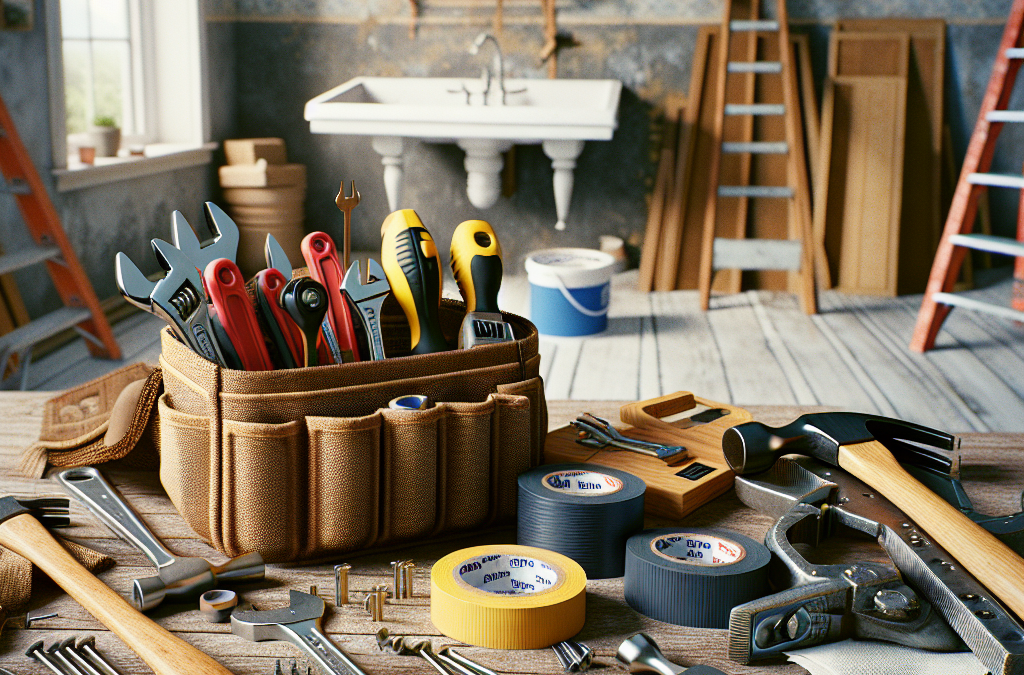
Ultimately, gather your tools—wrenches, screwdrivers, and replacement parts. Being equipped ahead of time can save you tons of headaches during an emergency!
Common Causes of Leaks
As I’ve gotten my hands dirty over the years, I’ve realized there are a few typical culprits behind leaky faucets. Most often, it’s just a worn-out washer or O-ring. These little pieces can wear down over time due to constant use. It’s pretty easy to switch them out once you’ve got the right parts!
Another thing you might find is mineral buildup. Especially if you live in an area with hard water, those pesky deposits can cause your faucet to act up. Regular cleaning and maintenance can really help keep this under control.
Not to forget, if the leak persists, there might be a more severe issue lurking under the surface, potentially requiring a plumber’s expertise. Don’t hesitate to call in the pros if you’re in over your head!
Step-by-Step Repair Process
Fixing a leaky faucet is often easier than you might think! Start by taking off the handle, which usually involves unscrewing a few screws. Once it’s off, you’ll be able to access the cartridge or the assembly inside. Make sure to take a picture of how it looked for reference.
Next, replace any worn washers or O-rings. This step might be as simple as unscrewing and putting new ones in place, but hey, easy mistakes can lead to bigger headaches. Pay attention to what you’re doing!
Once everything is back together, slowly turn your water supply back on and check for leaks. You’ll be surprised at how a tiny change can make a huge difference.
Fixing a Running Toilet
Identifying the Problem
Oh boy, a running toilet is probably one of the most common—and ignored—issues I come across. First things first, let’s identify the problem. Usually, it’s caused by a faulty flapper or an issue with the float mechanism. I had my fair share of “technical difficulties” before I learned to troubleshoot properly.
Check inside the tank and see if the flapper is seating correctly. If it’s old or warped, it’s time to swap it out. A little investment here can really keep your water bill in check!
Next, observe the float ball or float arm. If it’s stuck, the water will keep running. You can usually fix this by adjusting the height or replacing the entire assembly if needed.
Tools and Materials You’ll Need
Before you jump into the repair, gather your supplies. Flush these items through your checklist: a new flapper, adjustable wrench, and perhaps a screwdriver or two. I’ve tried it before without the right tools, and trust me, it’s not a good time!
While you’re at it, keep some cleaning gloves handy. Getting into the tank can be a bit messy, and it’s best to protect your hands. Plus, cleaning while you’re in there never hurts!
Also, don’t forget a towel or two for cleanup. Let’s face it, accidents happen—even to the pros!
A Simple Repair Guide
Once you have everything prepped, let’s get down to business! Start by turning off the water supply to the toilet, then flush to empty the tank. This step makes it far less messy.
Now, replace the flapper if it looks worn. Installing a new one is usually as simple as hooking it over the pegs on the flush valve. If everything looks good there, check the float mechanism. Make sure it moves up and down freely.
After that’s all set, just turn the water back on and check to see if everything functions properly. I can’t tell you how satisfying it feels to stop a running toilet!
Unclogging Drains
Recognizing Clogs
So, let’s talk about one of life’s biggest annoyances—clogged drains. I can’t tell you how many times I’ve faced this issue, especially in the kitchen after cooking up a storm. Understanding the signs of a clog is key; slow drainage or strange noises are usually the first indicators.
If you’ve noticed a gurgling sound when you run water, it often suggests that there’s a blockage somewhere. Also, if multiple sinks are backing up at once, it’s likely an issue with the main drain instead of just one sink.
Recognizing these signs early can save you a lot of fuss later on. Give your pipes a good visual check now and then—trust me, future you will thank you!
Tools for Unclogging
I’ve learned through trial and error that having the right tools for this job makes all the difference. A plunger is a must-have; it’s like the Swiss army knife for drain issues. A snake is also fantastic for deeper clogs. Having both at your disposal makes your DIY arsenal much stronger!
Additionally, you might want to stock up on some natural drain cleaners. I prefer using baking soda and vinegar because they’re effective and less harsh than chemical options. But, I’ll admit, there have been times I’ve had to pull out the big guns!
Lastly, have some old towels or rags on standby to clean up any spills or mess that may occur during the process. It’s better to be over-prepared than to get caught in an unexpected situation!
Clearing the Clog
Alright, let’s get to work clearing that clog! Start with the plunger—press down firmly to create a seal, and give it a good few pumps. You’d be surprised at how often this works, even on stubborn clogs!
If that doesn’t do the trick, it’s time to break out the snake. Insert it into the drain and twist while pushing forward. It’ll catch any hairs or gunk along the way. At this point, I’ve always found patience to be key—a few twists and pushes often yield the best results.
After you feel like you’ve done all the work, run some hot water down the drain to help wash everything free. In my experience, flushing the drain afterwards is often the best part of the whole process!
Sealing Drafty Windows
Identifying Drafts
Let’s not forget about those pesky drafts during winter. I can’t tell you how many times I’ve cranked up the heat only to feel cold air creeping in through the windows. The first step is to check where the drafts are coming from, and believe me, it can save you a ton on your heating bill!
Feel around the edges of your windows with your hands or use a lit candle to spot any errant drafts. If the flame flickers, you’ve got a culprit! Once you pinpoint the sources, you can focus your efforts on sealing them up.
Be thorough; even the tiniest gaps can cause a significant chill. I’ve had great success by doing a full inspection of all the windows, especially those that seem to be the oldest or most exposed to the elements.
Materials for Sealing
When it comes to sealing drafts, you’ve got options! Weather stripping is a great place to start. I usually opt for adhesive-backed foam tape as it’s super easy to use and surprisingly effective.
Then there’s caulk—my go-to for sealing gaps around the window frame. It’s like magic for keeping cold air out and warm air in. Keep in mind to get the right type of caulk for indoor or outdoor use!
Another idea is to use window film. This is a great temporary solution for when you need extra insulation. I’ve had plenty of success using it during the winter months.
Executing the Seal
The sealing process is relatively straightforward! Start with cleaning the window surfaces to remove any dust or old residue. You want the adhesive to stick well, right?
Next, apply your weather stripping around the edges, making sure to cut it to the right lengths. Don’t worry too much about being precise; it’s more about insulating that space!
For caulk, cut the tip of the tube, and apply it along the seams where the window meets the frame. Smooth it with your finger to ensure a solid seal. Once you’re finished, test for drafts again. You’ll be amazed by the difference!
Understanding Electrical Issues
Common Electrical Problems
Now, let’s dive into something a lot of folks dread—electrical issues. I get it; the thought of dealing with wires can be intimidating. But trust me, most common problems are pretty manageable! Flickering lights, tripped breakers, or dead outlets are signs that you might need to fix something.
Flickering lights can mean a loose bulb or a faulty fixture. If it’s a circuit breaker tripping, you might have an overload or a short circuit. Keeping an eye on these signs will help you avoid bigger, more dangerous problems in the long run.
Always remember: if you’re feeling uneasy, or if the issue requires more than your comfort level, don’t hesitate to bring in a good electrician!
Tools to Have on Hand
What I’ve learned over time is that having the right tools can make a potentially scary situation much easier. A multimeter is a must—I can’t tell you how many times that little device has saved me from guessing. It helps you measure voltage, current, and resistance.
I also recommend getting a good insulation tester and some safety glasses. A lot of electrical work can be messy, and the last thing you want is debris getting in your eyes.
Let’s not forget gloves, either. Ensuring you have proper personal protective equipment can’t be overemphasized!
Simple Repairs to Consider
When tackling minor electrical repairs, always start by turning off the power to the area you’re working on. Safety first, right? Once that’s done, unscrewing light fixtures or replacing outlets is usually as simple as matching colors to reconnect. Just be cautious and go slowly!
If you’re dealing with circuit breakers, resetting them is usually just a matter of flicking the switch back. If they keep tripping, it might be time to consult a professional to check for shorts or overloaded circuits.
In my experience, taking an afternoon to familiarize yourself with your electrical system and practicing some of these repairs can be incredibly empowering. You’ll gain confidence and maybe even a few new parties stories!
Conclusion
To wrap up, knowing how to handle these common home repairs can save you a lot of money and stress in emergencies. From leaky faucets to drafty windows, having some basic skills under your belt makes you much better equipped to tackle household issues. I hope that by sharing my experiences and knowledge, you’ll feel inspired to take on your own DIY challenges!
FAQs
1. Can I fix a leaky faucet myself?
Absolutely! Most leaky faucets can be repaired with some basic tools and a bit of knowledge on the type of faucet you have.
2. How do I know if my toilet is running due to a faulty flapper?
If you hear your toilet refilling frequently without you flushing it, or if you notice water trickling into the bowl, it’s likely the flapper needs replacing.
3. What should I do if I cannot unclog my drain?
If plunging and snaking don’t work, it may be time to call a plumber. They have specialized tools to handle tougher clogs.
4. Is window film effective for sealing drafts?
Yes! Window film can add an extra layer of insulation during colder months and is easy to apply.
5. When should I call a professional for electrical issues?
If you’re feeling uncertain or if the repairs involve complex wiring, it’s always best to call an electrician for safety reasons.

by Preparation Call Editorial Team | Jul 30, 2025 | Preparedness
1. Creating a Defensible Space
Understanding Defensible Space
Creating a defensible space around your property might sound a bit daunting, but it’s one of the most crucial steps you can take to protect your home from wildfires. Think of it as a buffer zone—this space provides a clear area where fire could be stopped before it reaches your home. This not only helps reduce the risk to your property but also makes it easier for firefighters to tackle the flames if they approach.
When I first learned about defensible spaces, I was surprised by how much detail went into it. It’s not just about clearing brush; it involves managing vegetation, maintaining landscape, and ensuring your property’s immediate surroundings are fire-resistant. That being said, it can be done in manageable steps!
Start by studying your property. Take a good look at the trees, shrubs, and grasses, and see if there are areas that could potentially act as fuel for a fire. Creating a defensible space means strategically trimming back branches, keeping grass trimmed, and removing dead plants—all the stuff that might catch fire easily.
Zones of Defensible Space
So, how do you actually build this defensible space? It’s based on three primary zones, each with specific tasks. The first zone is immediate around your home – usually within 30 feet. Here, keep the grass trimmed short and prune trees to avoid overhanging branches. I remember my first year here, and I got a little carried away, thinking a super green lawn would look nice—until I realized it was a fire hazard!
The second zone extends outwards from 30 to 100 feet, and in this area, you want to create a mix of vegetation that can slow down any fire. Use fire-resistant plants and create gaps between bushes. My personal trick here is to plant flowers that love a bit of heat! They can be beautiful and help fend off the flames.
Ultimately, the third zone, beyond 100 feet, should ideally be a natural area that remains undisturbed. You don’t want to completely strip the land, just maintain balance. Maintaining this natural area benefits wildlife, too, which I find rewarding.
Maintenance is Key
Once you’ve created your defensible space, don’t just forget about it! Regular maintenance is needed to keep this area effective. This can mean annual clean-ups, especially in the fall when leaves start to gather. Trust me, you don’t want to let that debris accumulate—it’s an open invitation for fire.
Try to schedule a time, perhaps monthly, to walk around your property and check in on your defensible space. It can be a bit of hard work but don’t forget to throw on your favorite playlist and make it fun! I often liven up my maintenance days with some good music.
Remember, a well-maintained defensible space is your first line of defense against wildfires. It’s one of those things you’ll be glad you prepared for if a wildfire does come your way.
2. Fire-Resistant Building Materials
Choosing the Right Materials
When it comes to building or renovating your property in a wildfire zone, paying attention to the materials you use can make a world of difference. Fire-resistant materials can significantly reduce the likelihood of your home catching fire from embers or direct flames. Trust me, I learned this the hard way while renovating my place!
Some of the best options for roofing include metal, tile, or concrete. Your walls can also be enhanced with materials like stucco or stone. I remember agonizing over which materials to use and To wrap up realized that it’s an investment in peace of mind. I upgraded to a metal roof, and I can say, it really does look classy! Plus, I know it can stand up to wildfires much better than typical shingles.
Windows are another critical area to think about. Consider tempered glass windows, which are designed to resist heat and flames better than standard glass. I know they come with a higher price tag, but trust me, in the long run, it’s worth every penny knowing they offer extra protection.
Fencing and Decking
What about the exterior features of your home, like fences and decks? It can be easy to overlook these areas, but wooden structures can serve as a bridge for fire. I swapped out my wooden fence for a composite material that’s fire-resistant—it looks fantastic and I don’t have to worry as much.
Decks, too, need to be treated with care. Choose building materials labeled as fire-resistant or composite decking. I often host backyard get-togethers, and knowing my deck has that layer of safety gives me a whole lot of comfort while having fun with friends.
Regularly maintaining these structures is just as important. After heavy storms or winds, I check for any wear and tear that might have occurred. Staying proactive helps ensure your fire-resistant features stay effective!
Fire-Safe Landscaping
When planning your landscaping, this is another opportunity to think fire-safe! The plants you choose can either help or hinder your fire safety strategy. Fire-resistant landscaping denotes selecting plants that have a low oil content and won’t ignite easily—think succulents, perennials, and those beautiful flowering plants I just adore!
Also, layout is critical. Keeping plants spaced out can help to keep flames from jumping. I put a lot of thought into how I arranged my flower beds, and you can mix creativity with safety. Use decorative gravel around plants—it looks great and creates another barrier against fire.
Believe me, you can have a lovely yard and still be fire-smart. I find that embracing fire-safe landscaping can be both enjoyable and rewarding. Plus, it’s a conversation starter for folks passing by!
3. Emergency Preparedness Plans
Creating an Evacuation Plan
Alright, moving on, we need to talk about emergency preparedness. Living in wildfire-prone areas means being ready ahead of time. One of the first steps in my planning was creating an evacuation plan. I sat down, looked over the exits, and made sure my family knew exactly what to do if the sirens started blaring!
Don’t just make the plan—practice it! I encourage you to conduct regular drills. In my case, we made a fun family evening out of it, and it helped us all feel more comfortable with the process. It kind of turned into a game, and everyone gets to learn roles and responsibilities.
Ensure everyone knows where to meet after an evacuation too. Having a designated meeting point gives us all peace of mind, knowing we can connect with each other afterward. What might seem like a tedious task is invaluable when an emergency occurs.
Emergency Kits
Every good evacuation plan needs a solid emergency kit. I can’t stress enough how important it is to have one ready to go. I always keep one in the house and another in the car just in case life throws a curveball!
In my kits, I have essentials like water, non-perishable food, first aid supplies, and any medication we might need. I also added a copy of important documents and maps of the area. When I made my emergency kits, it felt good to know I was taking a step to look out for my family—and it was honestly quite easy to put together while also being proactive!
And, of course, don’t forget about your pets! Make sure you have supplies for them as well. I can’t imagine leaving behind my furry companions. They are, after all, part of the family!
Staying Informed
Staying informed about wildfire risks in your area is super vital. I recommend signing up for local alerts or using smartphone apps that notify you about emergency situations. Seriously, this is your lifeline when it comes to timely information.
As a habit, I monitor weather reports during high-risk seasons. It’s amazing how much detailed information is out there, and staying informed makes it easier to remain calm and collected. It helps me feel more in control of the situation, and I can make better decisions too.
Involving friends and neighbors in your emergency preparedness discussions can also create a strong support network. Share tips, ideas, or even avenues for sharing resources—together, we can be better prepared!
4. Community Engagement and Support
Building a Neighbourhood Network
One of the best pieces of advice I can share is to get to know your neighbors. Building relationships can create a safety net where everyone looks out for each other. I started hosting small get-togethers during the summer, which was an awesome way to bond!
During these gatherings, we exchanged contact information, which allows us to check in with each other during wildfire alert seasons. It doesn’t need to be anything fancy—a good old-fashioned potluck works wonders to help strengthen community ties.
In times of crisis, it’s often those closest to you, your neighbors, who can provide immediate assistance. You’d be surprised at how many people in my neighborhood jumped in to help when one of us had to evacuate unexpectedly!
Volunteer Programs
Don’t underestimate the power of getting involved in volunteer programs focused on wildfire prevention and awareness. Engaging with these programs not only helps build community but also spreads vital knowledge. I’ve volunteered with local fire departments, and it’s been a rewarding experience.
Participating in clean-up days or educational workshops about fire safety can create lasting change. Plus, you meet similarly-minded folks who care about the same issues, which builds camaraderie!
It’s incredible how much knowledge you’ll gain and how many resources you’ll have access to. It’s like having a hidden network of wildfire wisdom right at your fingertips.
Support Local Fire Departments
Support your local fire department however you can. They’re often the first responders when disasters occur. I like to donate or participate in fundraising events. Getting to know your local firefighters not only helps support their efforts; it fosters relationships that can be valuable in times of crisis. Plus, they’re often a wealth of knowledge when it comes to fire safety!
Engaging in community support also means advocating for funding and resources for your local fire department. When communities come together, we can create environments where our first responders have everything they need to keep us safe.
Also, consider attending community safety meetings or training sessions. It’s a bonus if you’re already buddies with the firefighters; learning their tips and tricks can make a real difference in how prepared you feel as the summer gets hotter.
5. Insurance and Recovery Plans
Choosing the Right Insurance
Let’s talk about something that might not be the most thrilling topic but is nonetheless super important—insurance! If you live in a wildfire zone, your insurance policy should reflect that reality. I initially overlooked this until I learned that I had to be very specific about wildfire coverage!
While shopping for insurance, it’s important to ask the right questions. Be sure to discuss the intricacies of your policy with your agent so you know what’s covered in the event of fire damage. Getting this clear understanding can provide peace of mind knowing your hard work won’t go down in flames without support.
.I highly suggest documenting the valuable items in your home as well—photos, receipts, whatever it takes. It may seem tedious, but if something happens, you’ll be thankful you took the time to gather this info!
Having a Recovery Plan
Insurance isn’t everything; having a recovery plan is essential too. Beyond just how to handle the aftermath, it’s about knowing how you’ll rebuild and restore your life once a wildfire passes through. I never thought I’d need to consider this until I started gathering resources!
Create a list of contacts—contractors, suppliers, and local resources to help you bounce back if needed. Research who can meet your needs if a crisis occurs. It may feel a bit overwhelming, but again, take it one step at a time. And don’t forget to add in emotional support resources; rebuilding isn’t just physical.
Taking into account the emotional toll after a wildfire is equally important. It’s a significant life change, and having access to support systems will help tremendously in recovery. I found solace in community support groups aiming to rebuild safely and sustainably.
Tips for Financial Recovery
Once you’ve sorted through the chaos, getting your financial recovery plan on track is crucial. Familiarize yourself with local relief programs that can assist with rebuilding expenses. Knowledge is power, after all!
Also, it’s helpful to speak to a financial advisor who understands the journey specific to disaster recovery, particularly for wildfires. They can steer you in the right direction and help establish financial strategies to recover effectively.
To wrap up, remember to take it slow. Recovery takes time—both physically and mentally. Celebrate small victories along the way because they add up in the long run, turning the dream of recovery into a reality.
FAQs
1. What is a Defensible Space?
A defensible space is a buffer zone created around your property to reduce fire risk. This zone helps slow down potential flames and allows firefighters better access to defend your home during a wildfire.
2. How can I prepare my home for wildfires?
You can prepare by using fire-resistant building materials, creating a defensible space, and regularly maintaining your property. It’s essential to stay informed and create a solid evacuation plan as well.
3. What should I include in my emergency kit?
Your emergency kit should contain essentials like water, food, first aid supplies, important documents, and any necessary medication. Don’t forget supplies for pets if you have them!
4. How can I support my community’s fire prevention efforts?
You can support community efforts by engaging in volunteer programs, attending local meetings, and working closely with your local fire department. Advocate for resources and funding to boost local firefighting capabilities.
5. What should I do if I’ve lost everything in a wildfire?
First, take a deep breath and allow yourself time to process the loss. Reach out to local relief efforts, connect with insurance representatives, and consider support groups that can aid both emotional and physical recovery. Remember, it’s okay to seek help!
by Preparation Call Editorial Team | Jul 30, 2025 | Preparedness
Identification Documents
Why They Matter
Alright, let’s chat about identification documents. Honestly, when stuff hits the fan, having these ready can be a game changer. They basically prove who you are, and without them, things can get really tricky. Imagine trying to prove your identity without an ID during an evacuation or a natural disaster, it’s a nightmare!
From government-issued IDs to social security cards, having a photo ID like your driver’s license or passport helps in so many situations. You’ll need this for anything from getting emergency services to even registering in a shelter. Seriously, don’t underestimate their importance.
So, get a folder or a fireproof box, and stash all your important IDs together. It’ll save you a lot of stress when you need them most. Trust me, you don’t want to be rifling through paperwork while the world is going nuts around you!
Where to Store Them
Now, when it comes to storing your ID documents, think about accessibility and safety. A drawer might feel secure, but if it’s in the back of a packed closet, you might regret it later. It’s all about striking the right balance!
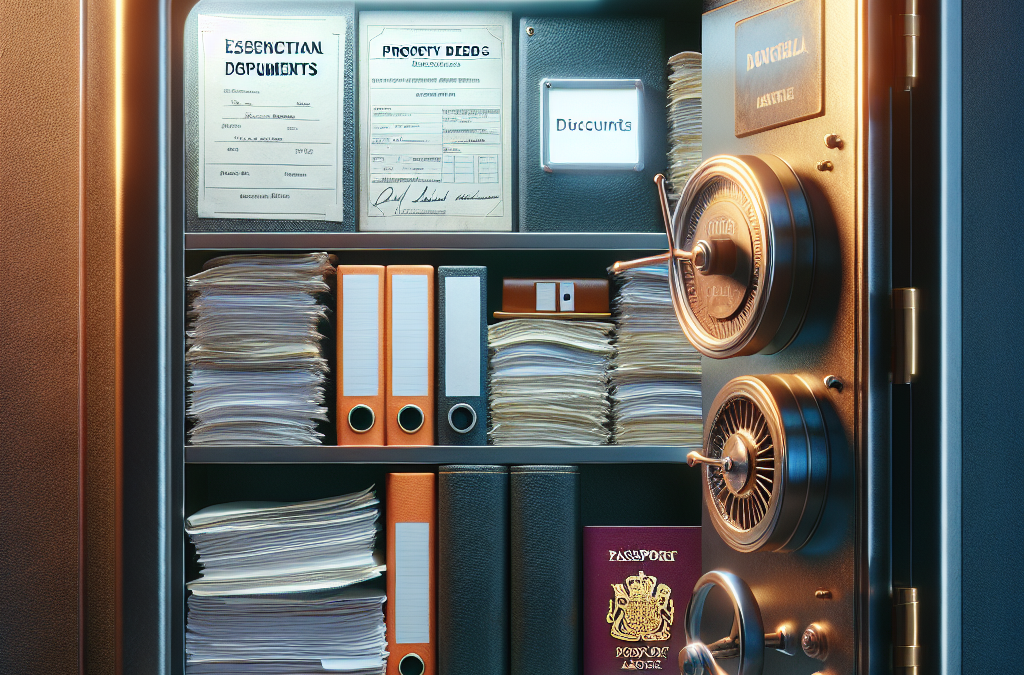
I personally prefer using a dedicated safe that’s both fireproof and waterproof. It’s a bit of an investment, but it’s totally worth it for that extra peace of mind. Plus, I know exactly where everything is when I need to grab it. No rummaging through bags for me!
And don’t forget, keep a digital copy too! Snap a pic of your important documents and save them in the cloud. That way, even if the physical copies are lost, you’ve got backups. Just make sure your cloud is secure, alright?
Updating Your Documents
Life happens, and our documents can become outdated fairly quickly, right? I’ve learned the hard way that keeping track of expiration dates can slip your mind. Passports, licenses, and even certain registrations have to be updated regularly.
Set reminders in your phone or calendar a month before any of your important documents are due to expire. It’s a pain, I know, but if you stay ahead of the game, you won’t be caught off-guard when you need them in an emergency.
Plus, after a major life event—like marriage, divorce, or change of address—make it a habit to check if you need to update anything. Keeping everything current can save you some serious hassle later!
Medical Records
What to Include
Next on the list? Medical records. Trust me, these are super crucial. I always make sure to have my and my family’s medical history documented—like vaccination records, allergies, prescriptions, and any ongoing treatments.
Now, you might think, “Why do I need this?” Picture this: you or a family member gets hurt or sick in an emergency, and the first responders need to know your medical history. It makes a huge difference in the care you receive and can even save lives.
So, gather everything in one file or folder. Include emergency contact information of your doctors and any special arrangements for ongoing treatments. It’s like your personal health cheat sheet!
Digital vs. Physical Copies
I’m a big fan of having both physical and digital copies of my medical records. Digital copies are so easy to access on my phone or tablet. But there’s something about having a physical copy in that safe I mentioned earlier—it just feels more secure.
Make sure that your digital copies are encrypted or stored in a secure place. You wouldn’t want your private health information exposed, right? Just check regularly to ensure the files are updated and accurate.
And a little tip: if you’re traveling, always keep a copy of your medical records in your travel documents. You never know when you might need to show them during a trip.
Regular Check-Ins
Over time, medical needs change, and it’s helpful to revisit your records periodically. I usually set a quarterly reminder to review and update my medical documentation. Trust me, it’s easier to do a little bit regularly than to overhaul everything in panic mode.
This is also a great time to check in with family members about their health information. Do they have chronic conditions you might need to consider in an emergency? Keeping communication open about health isn’t just smart; it can be lifesaving.
Plus, if anything major changes—like you start a new medication or have a significant health update—be sure to note it down immediately. You’ll thank yourself later when it’s all organized and ready to go in case of an emergency.
Financial Information
Key Documents to Secure
Let’s face it, financial information is vital, especially when you’re trying to get back on your feet after an emergency. Keep your bank statements, insurance policies, and tax documents together. If you have any outstanding loans or credit information, that goes in the pile too.
Your insurance details are particularly important. Whether it’s your home, health, or car insurance, knowing what’s covered can be a game-changer when you have to file claims quickly. I always ensure those documents stay updated!
I recommend organizing these papers by category. It saves so much precious time when you know exactly where your liability information lies or what your policy numbers are when you’re in a tight spot.
Where to Keep Financial Records
Much like your other sensitive documents, the safe route is to keep these records in a secure place. I prefer a fireproof and waterproof safe, but sometimes a locked drawer works just fine—especially if you need easy access.
A great idea is to use a password manager for all your digital financial information. This way, you’re not scrambling to remember what account goes where during a crisis. You’ll have everything at your fingertips, and it’s somewhat safer!
Don’t forget to share access with someone you trust, like a family member. This ensures that they can access important financial information if something happens to you and it becomes necessary.
Tracking Changes and Updates
Just like everything else on this list, your financial documents need regular check-ups. Every six months or so, sit down and go through your financial situation. Are there any changes? New accounts? Updated policies? It’s all worth addressing!
Seems tedious, I know, but having everything in order makes you feel so much better. This way, you’re less stressed when you have to access these documents later. Plus, it helps you stay on top of your financial health.
You don’t want to find out something important is missing at the worst possible time. So take the time, go through your documents, and keep them neat and clear!
Property Documents
What You Need
Property documents are another huge thing you want to keep under wraps. Deeds, titles, and lease agreements—these are critical when you need to claim ownership or address insurance matters. You never know when you might need to pull these out!
If you’ve got a mortgage, keep that document handy too. It’s especially important for insurance claims if your property gets damaged in an emergency. Plus, it can help you with refinancing later if need be.
Again, organizing these documents by property type is a smart approach. Whether it’s real estate, vehicles, or any rental agreements, ensure you know where they all are when you’re in a bind!
Safe Storage Options
When it comes to storing property documents, I’m all about creating a designated folder for each property. Whether it’s a physical folder or a digital one, having a separate space keeps it simple. Just make sure it’s secure—in a safe, of course!
Consider digitizing these documents as well. Use a scanner or a scanning app on your phone. Just like I mentioned previously, digital copies act as an awesome backup and are easy to access anytime—and you won’t have to worry about losing physical documents.
Also, don’t forget about copies. Keep duplicates in different locations, if possible. In an emergency where you have to evacuate quickly, it’s humbling to be able to grab important papers and not leave everything behind!
Regular Audits
Definitely don’t let your property documents collect dust! At least once a year, go through everything and check if there are updates or changes. Whether you’ve sold a vehicle or moved houses, keep your documents in sync with your life.
This also gives you a chance to review what you have and what you might need in the future. It keeps you prepared and organized. As they say, an ounce of prevention is worth a pound of cure!
Plus, it’s a good habit to check if there are any new property laws in your area. Being informed can save you from unexpected surprises down the line.
Important Contacts
Compile a List
Last but definitely not least, maintaining a list of important contacts is absolutely key. You want to have a written down or saved in your phone contacts anyone you might need to reach out to in an emergency—medical professionals, family, friends, and insurance agents. You don’t want to be scrambling for numbers when you really need them.
In my experience, I’ve made it a point to keep this list visible in my home, ideally near my phone or in my wallet. This way, I know it’s readily accessible should things go sideways. You can also categorize contacts by type for easier retrieval.
Also think about including emergency contacts who are out-of-state. In situations where local communication gets tricky, having someone in a different area who can coordinate information is really useful! Trust me on that one!
How to Update Regularly
As your life changes, so should your contact list. I try to review mine after significant changes, like moving or even when I just meet new people. It’s a good opportunity to reassess who’s my support system and who I might need to contact in a bind.
It’s also a good idea to ask your close contacts if they want to be included. Sometimes you think someone will want to be your go-to contact, but they might not be comfortable with that. Better to check than be caught off guard!
Another thing? Whenever there’s a change in someone’s information, make a habit of updating it right away. Digital tools can help too—there are apps designed to store emergency contacts securely!
Technology Aids
These days, there are tons of apps dedicated to emergency preparedness, which can help with maintaining and sharing your contact list. Some even send alerts for emergencies or provide quick ways to access critical information. I’ve found that super handy!
Just remember that if you’re using a tech-based solution, keep it secure. Regularly updating passwords and using two-factor authentication can protect your information from prying eyes.
Don’t depend only on technology, though. As someone who believes in a good mix, I still keep a physical list saved somewhere. Sometimes, in the heat of things, it’s easier to grab paper than your device!
Frequently Asked Questions
What are essential documents to keep safe in emergencies?
Essential documents include identification, medical records, financial information, property documents, and important contacts. Keeping these in a secure and accessible location can help in emergencies.
How can I best store my essential documents?
The best way to store essential documents is to use a fireproof and waterproof safe. Additionally, keeping digital copies stored securely in the cloud is a smart backup strategy.
How often should I update my documents?
It’s advisable to review your essential documents at least once every six months. Changes in personal situations or expiring documents should be addressed promptly.
Should I keep physical and digital copies?
Yes! Having both physical and digital copies can provide more security. Digital copies are easy to access, while physical copies can sometimes be your best bet during emergencies.
What can I do if I lose my essential documents?
If you lose your essential documents, the first step is to report it, especially for identification documents like your driver’s license or passport. Next, work on getting replacements as soon as possible, and don’t forget to check your digital backups if you have them!
by Preparation Call Editorial Team | Jul 30, 2025 | Preparedness
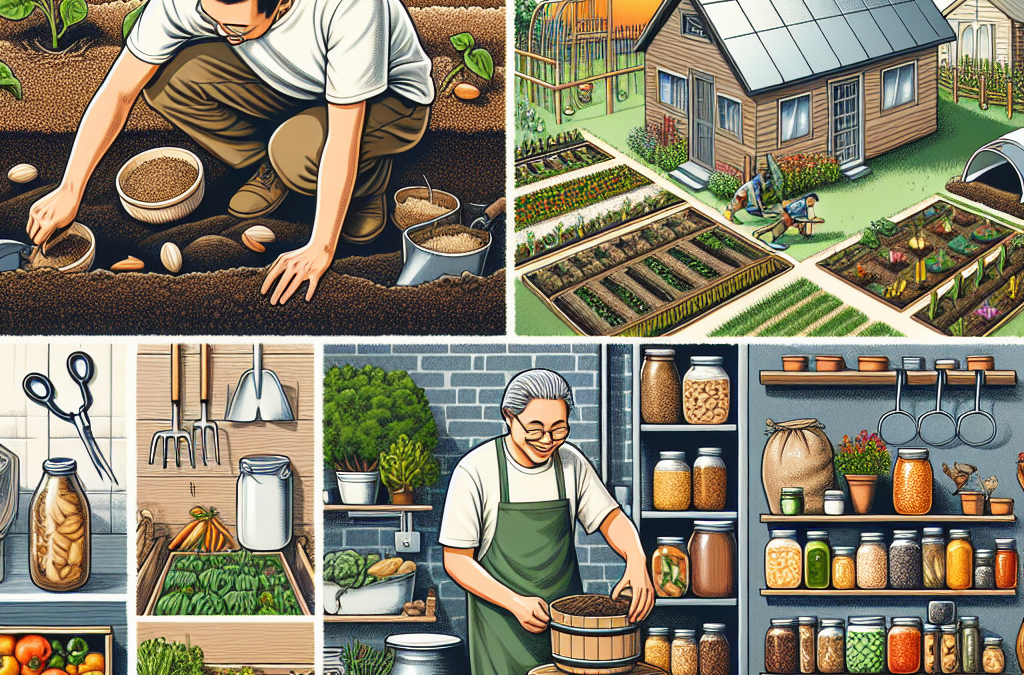
Hey there! So, you’re interested in becoming more self-reliant with your food supply? That’s awesome! There’s nothing quite like knowing where your food comes from and being able to grow it yourself. After diving into this journey myself, I’ve found five key areas that can really help you on your path to food independence. Let’s break it down together!
1. Planning Your Garden Space
Understanding Your Environment
The first thing I did was to take a good look around my property. Every garden’s success relies heavily on understanding its environment. Consider factors like sunlight, soil quality, and water availability. You want a spot that gets plenty of sunshine without drastic winds, and that usually means observing how the sun charts its arc across the sky throughout the day.
Then, test the soil pH! This step can make a big difference in your garden’s health. There are simple kits available at gardening stores. If your soil is too acidic or basic, you can easily amend it with specific products to create a healthy growing environment.
Lastly, prepare for challenges like pests or weeds. It’s always easier to set up barriers before issues arise rather than trying to fix them later. This proactive approach can save you a ton of hassle down the road.
Choosing What to Grow
Next up, you’ve got to decide what crops to grow. In my experience, starting with a mix of easy-to-grow veggies and herbs is key. Tomatoes, cucumbers, and basil were my first choices—they’re user-friendly and versatile for various dishes!
Consider what you and your family actually eat. It can be tempting to grow things just because they look cool, but if no one’s going to enjoy the produce, what’s the point? Tailoring your garden to your tastes will ensure you have a sustainable supply of food you love.
Lastly, think about growing perennials—a bit more work upfront, but they come back year after year! Plants like asparagus and rhubarb can be low-maintenance once established.
Using Companion Planting
I discovered that companion planting can really optimize space and boost plant health. Certain plants have unique relationships that can deter pests or enhance growth when grown together. For example, planting marigolds alongside your veggies can help keep harmful bugs at bay.
Another benefit is maximizing your garden’s output. Tall plants like corn can provide shade for shorter crops like lettuce, while beans can add nitrogen to the soil, which is great for their leafy buddies.
Believe me, it’s like a little gardening symphony! When these plants work together, they create a thriving ecosystem that benefits all the participants involved. It’s pretty neat to watch your garden flourish through partnership!
2. Soil Health and Nutrition
Composting Basics
Where do I even start with composting? It felt kind of intimidating at first, but trust me, it’s totally manageable. Composting is essentially recycling organic materials, and it’s one of the best things I did for my soil. Seriously, it’s like gold for your garden!
To kick it off, I gathered kitchen scraps (think veggie peels and coffee grounds) and yard waste (like grass clippings and leaves). Just make sure to avoid meat and dairy products, as they can attract unwanted critters.
Then, I set up a simple compost bin—something you can DIY with pallets or even purchase ready-made. I kept it turned and moist, and in just a few months, I had rich compost to mix into my garden soil. It’s rewarding to see that waste transform into something so resourceful!
Understanding Fertilizers
While compost is fantastic, understanding which fertilizers to use is crucial too. All plants have unique nutrient needs. At first, I was clueless! However, I learned that a good balance of nitrogen, phosphorus, and potassium (the big three) was essential for healthy growth.
I experimented with both organic and synthetic fertilizers, but I quickly realized that organic options—like worm castings or fish emulsion—provided not just nutrients but also improved soil health over time.
Don’t forget to read the labels and follow instructions closely. Over-fertilizing can burn your plants. Less can often be more, so start small and monitor how your plants respond!
Crop Rotation
Crop rotation became a game changer for my garden! I learned that rotating different plant families each season helps prevent diseases and promotes soil health. It’s like a mini holiday for your soil, allowing it to replenish certain nutrients while deterring pests.
For instance, legumes can fix nitrogen back into the soil after pulling up something like tomatoes that may have depleted it. Just keep a chart to track where you’ve planted each crop year after year. It might take a bit of planning, but it’s so worth it for the sake of your garden’s vitality.
Give it a try! After implementing crop rotation, I noticed healthier plants, higher yields, and less time battling pests. It’s a win-win!
3. Water Management
Smart Watering Techniques
Now let’s talk about one of the most crucial elements of gardening—water! Initially, I thought just sprinkling water here and there would be enough. Boy, was I wrong! I learned that early morning is the best time to water; that way, plants absorb it before the sun saps it away!
Drip irrigation was another cool tip I stumbled across. By investing in some simple tubing and drip emitters, I managed to deliver water directly to my plants’ roots, avoiding waste and reducing the likelihood of fungal diseases.
Another trick is mulching. Not only does it help retain moisture by preventing evaporation, but it also suppresses weeds. Plus, organic mulches gradually break down and enrich the soil!
Rainwater Harvesting
Harvesting rainwater was a revelation! I set up a rain barrel, and honestly, it became one of the best ways to water my garden sustainably. I can collect gallons of free, chemical-free water—nature’s gift!
Plus, using rainwater is also better for the environment. It reduces runoff and can lower water bills. Talk about a win-win! Just ensure you’re monitoring the barrel for any debris or contaminants, and you’ll have a great supply for all those hot summer days.
It feels satisfying to know I’m conserving water while also hydrating my garden. It’s a small change that makes a huge difference!
Understanding Plant Needs
Each plant has unique water needs, and that became clearer as I experimented. I discovered that some plants like cucumbers are thirsty, while herbs tend to do better with less. Learning about these differences helped me develop a more effective watering routine.
I even found out about the “soak and dry” method—where you allow the soil to soak up water for longer but then let it dry out in between waterings. This method encourages deep root growth, leading to stronger, healthier plants.
As I adapted my approaches based on each plant’s requirements, I started to notice healthier and more resilient crops. It’s all in the details, my friends!
4. Pest Control Strategies
Organic Pest Solutions
Pests—oh boy! They can be the bane of any gardener’s life. But instead of reaching for harsh chemicals, I learned the value of organic pest control methods. For example, neem oil or insecticidal soap can effectively tackle common culprits without harming beneficial insects.
I also started creating my own garlic spray. Mixing water, garlic, and a few drops of dish soap can deter many pests while being completely safe for my plants. It’s super easy and leaves my garden feeling fresh, not toxic!
Implementing these natural solutions helped me feel more in tune with my garden and the environment, reducing my carbon footprint while keeping pests in check.
Encouraging Beneficial Insects
While pests can cause chaos, I learned that beneficial insects can help keep the ecosystem balanced. Ladybugs, lacewings, and predatory wasps are the tiny heroes that munch on aphids and other critters. It felt great to attract them by planting flowers like yarrow and marigolds.
I even set up a little “insect hotel.” It’s amazing how providing shelter can encourage beneficial insects to stick around and do their jobs. I loved watching them zoom around my garden—it felt like creating my little wildlife sanctuary!
It’s all about embracing a balanced approach—finding harmony rather than declaring war on all creepy-crawlies. Trust me, it brings you closer to nature!
Physical Barriers
Sometimes, a simple physical barrier is the best defense. Row covers and netting can protect your crops from specific pests, and they’re usually easy to set up. I used them for my young plants, and I can’t tell you how much easier life got!
Plus, creating a diverse garden layout can confuse pests. Instead of planting all your tomatoes in one line, scatter them around. It keeps pests guessing and helps maintain your harvest!
Over time, I learned that vigilance pays off. Regularly checking for signs of pests or diseases meant I could act quickly before they devastated my plants. It’s all about being proactive and protective!
5. Harvesting and Preservation
Knowing When to Harvest
Harvesting might seem straightforward, but timing is everything! Picking produce at its peak flavor not only makes for delicious meals but also encourages continued production. I learned to check for color, size, and even feel for ripeness.
Some crops, like zucchini, should be harvested young for the best taste, while others, like tomatoes, can continue to ripen off the vine. It’s like having a conversation with your garden, figuring out what they need and when!
Documenting your harvests helped me track which varieties did well and when they produced best. It’s an educational journey that I love sharing with fellow gardeners!
Preserving Your Bounty
After all that hard work, preserving your harvest is so rewarding! I explored various methods like canning, freezing, and drying, and each has its unique charm. Canning my tomatoes became a tradition I cherish, and it’s a great way to have summer flavors in the winter.
Freezing is easy—just wash, chop, and pop those veggies in bags. I’ve even started preserving fruits for smoothies later. There’s something delightful about enjoying the fruits of my labor when the snow is flying outside!
Don’t forget to share! Whether it’s trading produce with a neighbor or gifting a jar of homemade jam, community makes this journey even more worthwhile. Building those connections is part of the joy!
Planning for Next Season
Once the harvest wraps up, I take some time to reflect. What worked? What didn’t? It’s all about learning and improving each year. I started keeping a garden journal to jot down my thoughts and plans for the upcoming season. It’s like having my plant diary!
Consider planning a crop rotation schedule to keep things fresh. This prep work sets you up for success, and I find it gives me something to look forward to during the winter months.
One of my favorite parts is browsing seed catalogs during the colder seasons. I feel excitement, imagining what I’ll grow in my garden next year. It’s a never-ending journey of growth—for both the plants and me!
Frequently Asked Questions
1. How long does it take to start a garden?
Starting a garden can take anywhere from a few weeks to several months, depending on your planning and what you choose to grow. Some crops, like lettuce, can be ready within a month, while others, like tomatoes, may take a bit longer. The best thing is to enjoy the process and have fun with it!
2. What are the best vegetables for beginners?
Some great starter veggies include radishes, lettuce, beans, zucchini, and tomatoes. They tend to be hardy, quick-growing, and forgiving if you’re just mastering your gardening skills!
3. How can I manage pests without chemicals?
There are plenty of natural solutions like neem oil or garlic spray. Plus, encouraging beneficial insects and using physical barriers can help you manage pests organically!
4. Can I garden in small spaces?
Absolutely! Container gardening, vertical gardening, or raised beds work wonders for smaller spaces. You don’t need a huge yard to grow your food; you just need creativity and a bit of planning!
5. How can I preserve my harvest effectively?
Canning, freezing, and drying are all excellent methods for preserving your harvest. Each has its unique benefits, so it depends on your preferences and what you’re preserving!

by Preparation Call Editorial Team | Jul 30, 2025 | Preparedness
Understanding Your Power Needs
Assessing Your Usage
First off, I really think that understanding your power needs is paramount. You gotta sit down and jot down what exactly you need from a backup power solution. Are you looking to keep your essentials running during a blackout, or do you need something that’ll power your whole house? The choice of a generator or an inverter really hinges on this assessment.
Start by creating a list of all the appliances you rely on. How many do you think you’ll truly need? Maybe you just need to keep your fridge running, or perhaps you want to run your entire home office setup. Take a mental inventory; it can save you from making a huge mistake later.
When you’re clear on your needs, it also helps in determining the type and capacity of the backup power solution you should look into. There’s definitely peace of mind in knowing you’ve got the right gear without overspending on power you won’t even use!
Evaluating Power Outage Frequency
Next, I find it useful to consider how often the power goes out in your area. This seems kinda obvious, right? But you’d be surprised how many folks don’t think about how regular outages affect their lives. If this is something you deal with a lot, it’s better to invest in something more robust.
If local weather patterns or infrastructure issues keep the lights off more than you’d like, then a more substantial backup solution might be your best bet. Investing in higher capacity systems can seem daunting, but trust me, it’s better to be prepared than to get stuck in the dark.
I remember chatting with a neighbor about their backup power situation; they seemed annoyed by how many times their generator barely made it through a storm. Don’t let that happen to you! Prepare for the reality of your environment.
Identifying Critical Appliances
This is another one of those steps that many people overlook. Identifying which appliances are critical during an outage is key. Which items can you live without for a few hours and which ones are absolute must-haves?
I, for one, can’t live without my fridge running. There’s nothing worse than having to toss food due to a power failure. But maybe for you, it’s the medical equipment, computers, or essential heating or cooling systems that take priority. Whatever it is, getting clear on the essentials will guide your choice in backup systems.
So, grab that notepad again and separate your must-haves from the nice-to-haves. This is gonna make your decision process a lot smoother. Pro tip: make sure the backup solution you choose can handle that critical load without breaking a sweat!
Exploring Different Backup Power Solutions
Generators vs. Inverters
Alright, let’s dive into the juicy part – the types of backup systems available! The most common options you’re likely gonna come across are generators and inverters. Generators are often gas-powered, providing a solid chunk of power when the grid fails. But hey, they can be pretty loud and require some upkeep.
On the other hand, inverters can run off batteries, making them generally quieter and more environmentally friendly. They also work great for smaller setups, but if you’ve got larger power needs, you might need to look at larger systems or multiple inverters.
It’s crucial to know what you’re getting. Research the pros and cons of each type, and think about what aligns best with your lifestyle. I always weigh my options carefully here; you don’t wanna put yourself in a sticky situation in the middle of a storm!
Portable vs. Standby Systems
Another consideration is whether you want a portable unit or a standby system that kicks in automatically when the power goes out. Portable generators are affordable and great for short power outages, but don’t forget: they need to be manually started and refueled.
Standby systems, however, are more of an investment. They’re permanently installed and start up automatically – what’s not to love? I remember having a friend who had one installed; it was as smooth as butter during our last blackout. No frantic digging around for the manual to find out how to start it!
Think about your lifestyle and how much you’re willing to spend. What works for me might not be your best bet, and that’s okay! Take some time to figure it out.
Fuel Source Options
Let’s chat about fuel! Your backup power solution’s fuel source is crucial. Whether it’s gasoline, diesel, propane, or natural gas, each option has its strengths and weaknesses. I tend to lean towards propane for several reasons; it’s cleaner-burning, has a longer shelf life, and is usually more accessible.
But keep in mind that each fuel source comes with its own considerations, like storage, availability, and even safety precautions. I currently keep a small stockpile of propane on hand because it just makes me feel a bit safer knowing I can keep my systems running without worrying about fuel shortages.
Step back and think about what’s realistic in your situation regarding storage and supply. You want convenience without added hassles later on.
Budgeting for Backup Power Solutions
Estimating Total Costs
Next on the agenda: budgeting. Let’s be honest – the price tag can be a deal-breaker. So, estimating total costs upfront is super important. Don’t just look at the cost of the unit itself; factor in installation, maintenance, and fuel needs.
After spending years working out budgets for various projects, I can’t stress enough how critical it is to have a clear understanding of what you’ll need to invest upfront and long-term. Make sure that whatever solution you choose fits comfortably into your budget without stretching you too thin.
Having to skimp on maintenance or fuel later is no fun – trust me! That’ll lead to more costly repairs or system failures when you really need them to work. Do your homework and keep your budget realistic.
Long-term Savings Considerations
Sometimes, we forget that spending a little more initially can save a LOT down the line. For instance, purchasing a higher-quality generator or inverter might have a higher upfront cost, but often results in better efficiency and longevity. Plus, think about how often you may have to service cheaper options.
Long-term plans should incorporate future needs as well. Say you plan to expand your family or your home office; consider how your backup needs might evolve. Investing wisely now could prevent more expenses down the road.
Keeps in mind that peace of mind during a blackout is often worth its weight in gold. A small investment could save you from a ton of headaches later on, so be thorough in your budgeting process.
Researching Financial Incentives
Lastly, don’t forget to check if there are any available financial incentives to help offset some of your costs! You might be surprised to find government programs, tax credits, or local incentives that encourage homeowners to invest in efficient backup power solutions.
I once got a rebate when I installed my generator, and let me tell you, it felt like Christmas! Research local and federal options that might apply to your situation. It’s worth the time and effort to look around because these savings can really help.
Taking the time to check for these financial boosts can help you make a more affordable choice, ensuring you get that sweet backup power you need without breaking the bank.
Installation and Maintenance of Your Backup Power Solution
Professional Installation vs. DIY
Installation is the next hurdle. Should you hire a pro or tackle it yourself? Well, I usually recommend getting a professional involved, especially if you’re considering a generator that requires more than just a simple plug-in setup.
Having a pro install your system means it’ll be set up correctly and safely. Trust me, I’ve learned the hard way that going the DIY route can occasionally lead to complications that are just not worth the headache of figuring it all out. Getting it done right the first time pays dividends in the long run.
However, if you’re handy, a smaller portable generator might be right up your alley! Just be sure to read the manual and follow safety precautions – or you might be calling for expert help sooner than anticipated!
Regular Maintenance Tasks
Once that installation is complete, maintenance comes next. Just like any appliance, your backup power system will need some love to keep it operating at peak performance. Regularly checking oil levels, replacing fuel filters, and doing battery tests should be on your maintenance checklist.
Life gets busy, I know, but setting reminders can help keep things on track. I personally set seasonal reminders to check my systems to make sure I’m never caught off guard. You really don’t want to realize your generator is out of commission when a storm rolls in!
By keeping on top of maintenance, you’ll extend the life of your equipment, save money on repairs, and ensure everything runs smoothly when the time comes. It’s one of those things that just makes sense, and maybe even keeps your neighbors a bit jealous of your power prowess!
Emergency Preparedness Plan
Lastly, incorporate your backup power systems into an overall emergency preparedness plan. Have a clear idea of how your power needs fit into your broader emergency plans. It’s not just about having backup power; it’s about knowing when and how to activate it.
Discuss with your family how to operate the backup system if an outage occurs. Creating an easy-to-follow plan, complete with contact numbers for pros and emergency services, is always a solid move. I mean, I want my family to know how to keep the lights on, even when I’m not around!
Incorporating your backup power into a broader strategy helps ensure that everyone knows their roles and responsibilities, creating an air of confidence when facing emergencies.
FAQs about Choosing Backup Power Solutions
1. How do I know what size generator I need?
Start by assessing the total wattage of the devices you want to power during an outage. Create a list of essential appliances and their wattage, then look for a generator that can handle that load.
2. Are portable generators safe for indoor use?
No way! Portable generators should NEVER be used indoors. They produce carbon monoxide, which can be deadly. Always use them outside and at a safe distance from windows and doors.
3. How often should I perform maintenance on my backup power system?
It varies by system, but a general rule of thumb is to check your generator or inverter every three to six months. Change the oil, check filters, and ensure that fuel is fresh.
4. What’s the difference between a standby generator and a portable one?
A standby generator is permanently installed and automatically activates during an outage, while a portable generator is manually operated and requires filling up with fuel during a power failure.
5. Can my backup power solution work while using solar energy?
Absolutely! Some systems are designed to work in tandem with solar energy. Being dual-powered can help extend the power you get from the sun and back it up for times when it’s not shining.
by Preparation Call Editorial Team | Jul 30, 2025 | Preparedness
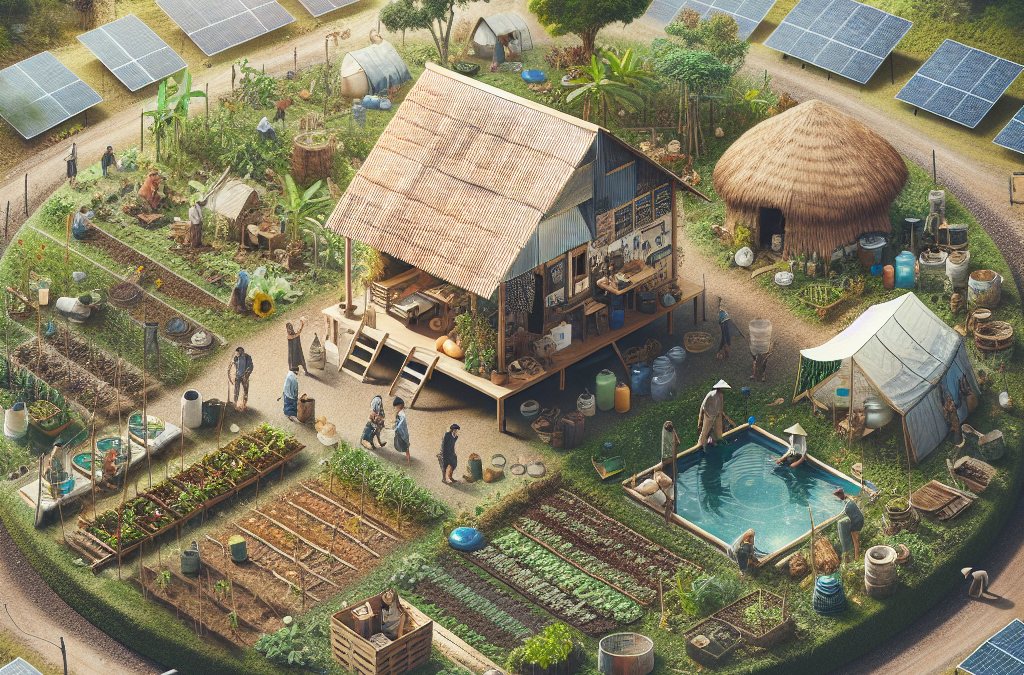
Understanding Off-Grid Living
What is Off-Grid Living?
So, diving into off-grid living has become a bit of a passion project for me over the years. It’s not just about
removing yourself from the rat race; it’s about embracing a lifestyle that’s as self-sufficient as it gets. In
essence, off-grid living means you’re not relying on public utilities. We’re talking water, electricity,
sewage—you’re essentially creating a little self-sustaining world for yourself.
Why would anyone want to live off the grid, you ask? Honestly, it varies from person to person. For some, it’s
an escape from the hustle and bustle of urban life. For others, it’s a way to reduce their environmental
footprint. And let’s not forget those who just want to give a big middle finger to utility companies!
But like all big lifestyle changes, it comes with challenges. I mean, no one tells you how tricky it can be to
find clean drinking water or how often you’ll have to wrestle with your solar panels! But don’t let that scare
you away. Trust me; the freedom is absolutely worth it!
Essential Skills for Off-Grid Living
Self-Sufficiency Skills
One of the biggest lessons I’ve learned is that you’ve gotta have some serious self-sufficiency skills under your
belt. Whether it’s growing your own food or learning how to fix what’s broken, the more skills you acquire,
the more confident you’ll feel in an off-grid setting. I actually started small—I learned to garden and even
dabbled in canning jars like a grandma on a mission!
Don’t overlook the importance of cooking from scratch. You’d be surprised how many convenience foods you take
for granted until they’re not available anymore. Being able to whip up a meal from your pantry is a must,
my friend. Let’s just say having a good recipe book on hand has become more precious than gold!
And let’s talk DIY repairs. You’ll need to channel your inner handyman (or woman!). From fixing leaky roofs to
simple plumbing issues, being a bit of a jack-of-all-trades will save you a ton of cash and headaches down the
road.
Choosing the Right Location
Land Selection Criteria
Location is everything! Seriously, this is where it all begins. After some soul-searching, I learned to look
for a piece of land that really spoke to me. For me, access to fresh water was non-negotiable. I made sure to
look for spots near rivers or streams—water is life!
Then there’s the aspect of sunlight. If you’re relying on solar power (which I totally recommend), scout out a
location with plenty of sun exposure. You don’t want to be living in a shadowy nook wondering why your solar
panels aren’t doing their job.
Lastly, always check local regulations. Some places are all about that free spirit vibe, while others are super
strict. It’s crucial to know what you can—and can’t—do with your land. I once thought I could build a little
cabin wherever I wanted. Spoiler alert: I couldn’t!
Building Your Off-Grid Home
Design and Construction
Let’s chat about building your off-grid home—this part is thrilling, but also kinda daunting! The design of
your house is super important. I learned that opting for smaller, energy-efficient designs can make a world of
difference in resource management.
And hey, building DIY can be a satisfying option! But be prepared for a steep learning curve. I didn’t know
squat about construction when I first started. I watched tons of YouTube videos and picked up a skill or three.
Just remember, good quality materials go a long way in durability.
Also consider waste management. I know, I know, not the sexiest topic but critical nonetheless. Composting
toilets became my best friend, and now I can’t imagine living without one. Much easier than traditional plumbing
and friendlier to the environment—win-win!
Energy Independence
Renewable Energy Sources
Alright, let’s geek out over energy independence! One of the first things I invested in was solar panels. The
sun is a magical thing; harnessing it can power your living space and reduce your reliance on traditional
energy sources. I swear, watching my energy bill drop felt like Christmas morning every month!
Wind turbines are another rad option. Depending on your location, setting up a small turbine can further boost
your energy production. Just be aware of your surroundings—trees and other obstructions can really mess with
your wind flow.
Batteries for energy storage are an absolute must if you want to maintain independence. I learned the hard way
just how crucial this was during cloudy days or storms. Investing in quality batteries made all the difference,
and trust me when I say you don’t want to run out of power when you need it most!
Fostering Community Connections
Building Relationships
Living off-grid can sometimes feel lonely, especially if you’re a social butterfly like me! This is where
building community connections comes in. I made it a point to reach out to my neighbors. Let’s just say the
potlucks have been life-changing for both my stomach and my social life!
Think about joining local off-grid groups or communities—online or in-person. These folks can share knowledge,
lend a hand during tough times, and help you feel less isolated. Seriously, there’s just something about being
with like-minded people that’s comforting.
Lastly, don’t underestimate networking for resources. A neighbor might have a gadget you could borrow, or maybe
they’re looking to swap skills. Building those social ties can make your off-grid journey smoother and more
enjoyable!
FAQ
1. What do I need to start living off-grid?
To start off-grid living, you’ll need essential skills in self-sufficiency, a good location, a plan for your
home, energy solutions, and community connections for support.
2. Can I live off-grid with kids?
Absolutely! Many families thrive while living off-grid. The key is to involve your kids in the process so they
can learn about sustainability and self-reliance alongside you.
3. What are the legal requirements for off-grid living?
Legal requirements vary depending on location. Always check local zoning laws, building codes, and permits
needed for off-grid systems.
4. How do I deal with isolation while living off-grid?
Combat isolation by fostering local community ties, joining groups focused on off-grid living, and regularly
reaching out to friends and family.
5. Is living off-grid expensive?
Initial setup costs can be high due to land purchase and building. However, long-term expenses can be lower since
you’re not relying on utility services. It’s an investment in sustainability!