by Preparation Call Editorial Team | Jul 6, 2025 | Preparedness
Understanding Different Types of Emergencies
Defining Emergencies
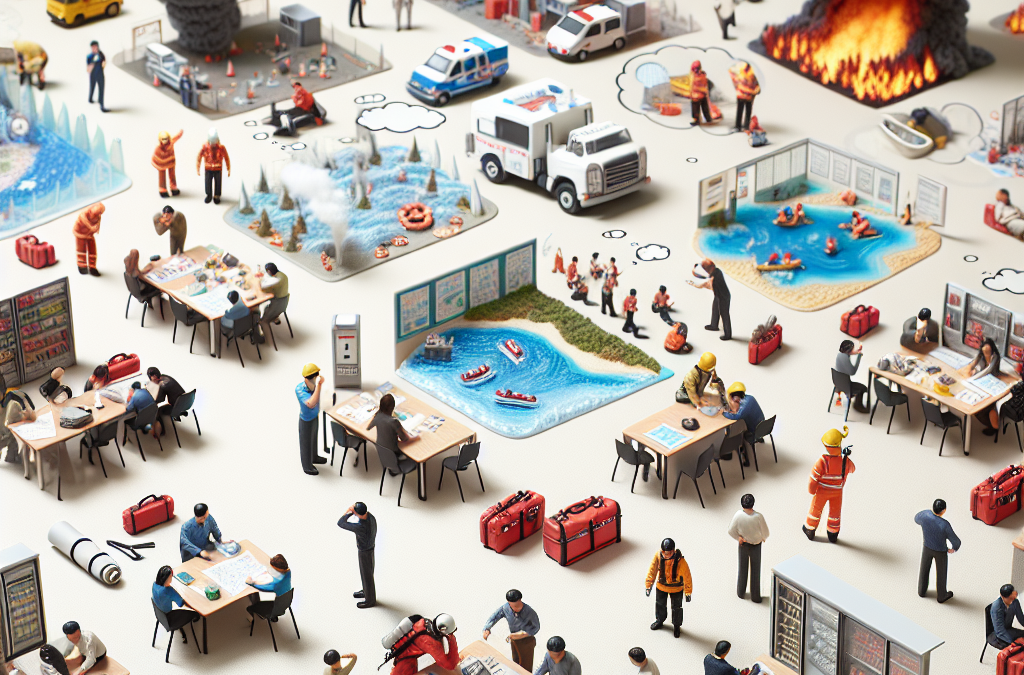
Alright, let’s start with the basics: what exactly qualifies as an emergency? We’ve all seen those crazy disaster movies where chaos ensues, but in real life, emergencies can range from natural disasters like hurricanes and earthquakes to personal crises like medical emergencies.
Each type of emergency has its own characteristics, and understanding these can help you prepare effectively. For example, a natural disaster might require you to think about physical supplies, while a personal emergency might need medical knowledge or contacts ready to go.
Recognizing the different types of emergencies out there is crucial if you want to get ahead of the game. It’s like doing your homework before a test—knowledge really is power!
The Impact of Emergencies
You know, the impact of not being prepared can be staggering. Imagine waking up in the middle of a storm without a flashlight or food! The feeling of panic can be overwhelming. From my personal experience, a buddy of mine was caught in a flash flood because he didn’t think to check weather alerts. Trust me, you don’t want to be that person.
Emergencies can disrupt everyday life, leading to losses—of property, health, and even lives. This is why understanding emergencies is so crucial; when you know what could hit, you can strategize and mitigate those risks.
So, take it from me, taking the time to assess your specific region, lifestyle, and possible emergencies is a smart move that can save not just your sanity, but possibly your life.
How Preparedness Influences Outcomes
Here’s the scoop: preparedness can literally change the game. When I was super prepared for a hurricane last year, I felt an inexplicable sense of control. I had supplies stocked up, a plan in place, and even a fancy little evacuation route laid out!
The most interesting part? The people who weren’t prepared were running around, panicking. They were scrambling for last-minute supplies—grabbing whatever they could find at stores with empty shelves. It was sheer madness! On the other hand, my friends and I were comfortably watching movies while the storm raged outside because we had our act together.
So yeah, being prepared not only makes YOU feel better but can positively influence those around you. When you’re calm, that calmness can spread to your family or neighbors, creating a more organized environment during chaotic times.
Creating a Preparedness Plan
Identifying Your Needs
So, let’s chat about putting together a preparedness plan. First things first—know your needs! This varies from family to family and even person to person. For me, I’ve got kids, pets, and a couple of family members who have special needs. Each of those factors means my plan will look different than a single friend’s.
Think about your lifestyle. Do you live in an area prone to certain natural disasters, or are you more likely to face medical emergencies? Tailor your strategies based on these risks to best fit your situation.
Once you figure out your needs, everything else starts to fall into place. It’s like building a house; you wouldn’t try to put up walls without first laying a solid foundation!
Building an Emergency Kit
Next on the list is crafting that all-important emergency kit. Trust me, having one will save a ton of headaches down the line. Start by gathering essentials like water, non-perishable food, first aid supplies, and flashlights. I like to throw in some comforting snacks too—like chocolate—it’s all about mental peace, right?
Also, don’t forget those crucial documents! Keep copies of your ID, insurance information, and anything else vital stored somewhere water-proof and easily accessible. Those will be game changers if you have to evacuate.
Just a little tip from my own experience: every few months, check your kit. I found out the hard way that my canned goods had expired (oops). Staying on top of this prevents any nasty surprises when it’s crunch time!
Practicing Your Plan
Now that you’ve got a plan and a kit, it’s time to practice. Drills might sound a bit over the top, but trust me, they are super beneficial. They help everyone know what’s expected during real emergencies. I like to involve my family in these drills. It’s not just about seriousness; we try to make it a fun routine so that everyone’s on board and knows their roles.
During our last fire drill, I made everyone race to the “safe spot”. Gotta say, seeing my kids take it seriously while still having a blast was pretty awesome! Plus, knowing that they can react calmly in a real emergency makes my heart feel just a bit lighter.
Remember, practicing makes perfect, and it comes in handy when adrenaline is pumping during a real incident. You’ll be the household hero when everyone else is freaking out!
Staying Informed
Regular Updates from Reliable Sources
Staying informed is key in any emergency situation. I’m a big fan of technology, and you bet I have notifications from weather channels, local news, and emergency management agencies. It just makes sense. Knowledge is kinda like a shield; it protects you when things go sideways.
Make it a habit to check in regularly. For instance, during hurricane season, I always stay posted on updates. Even if nothing seems to be brewing on the radar, you never know what’s coming! Having a solid grasp on what’s happening around you can save your hide.
Plus, sharing this info with your neighbors or family adds an extra layer of community preparedness. The more connected we are, the stronger we become!
Utilizing Technology and Apps
One of my favorite parts about staying informed is using technology. There are tons of apps designed just for emergencies, from weather apps to local alert systems. They’re super intuitive and quite handy! Personally, I find them invaluable when I’m out and about.
Using tech can make it easier to communicate with loved ones during an emergency. A simple text can save panic and misunderstandings while keeping everyone in the loop.
And let’s be honest, who doesn’t love a little gadget action? I’ve got my emergency kit set up with a portable phone charger, so I’ll always have a way to get information, even if the power goes out. It’s like being a superhero in your own right!
Building a Community Emergency Network
In closing, building a community network is so important. Knowing your neighbors and figuring out a plan together can be a lifesaver. When I moved into my neighborhood, I reached out to some of the folks nearby to get on the same page. We even organized a little community meeting to discuss emergency plans!
By pooling resources and information, we learned about specific risks in our area and how to address them. It turned our short, “hello” exchanges into solid relationships built on collaboration and support.
Having that bond can make the toughest situations feel just a tad easier to manage. Plus, it’s nice to know you’ve got people looking out for each other when chaos strikes.
Conclusion
So, is it important to prepare for different types of emergencies? 100% yes! The preparedness journey is all about understanding risks, planning, staying informed, and creating that vital network around us. Honestly, it’s worth the time and effort.
Take it from me, when I implemented these steps, I could feel the weight lift off my shoulders. You’ll sleep much better knowing you’re ready for whatever life throws at you!
FAQ
1. What should I include in my emergency kit?
Your emergency kit should include water, non-perishable food, a flashlight, batteries, a first aid kit, important documents, and any medications you need. Don’t forget snacks for mental peace!
2. Why is it crucial to understand different types of emergencies?
Understanding different types of emergencies helps tailor your preparations to your specific situation. Each emergency requires a unique approach, so knowledge is key!
3. How often should I practice my emergency plan?
I recommend practicing your emergency plan at least twice a year. That way, everyone stays sharp and knows what to do when the time comes.
4. What are some resources for staying informed about emergencies?
Check local news stations, emergency management websites, and download apps focused on weather alerts or emergency notifications. Stay connected!
5. How can I involve my community in emergency planning?
Start by reaching out to your neighbors or organizing community meetings. Share resources and create a shared emergency plan to strengthen your network.
by Preparation Call Editorial Team | Jul 6, 2025 | Preparedness
1. Sustainability in Crisis
Reliability and Consistency
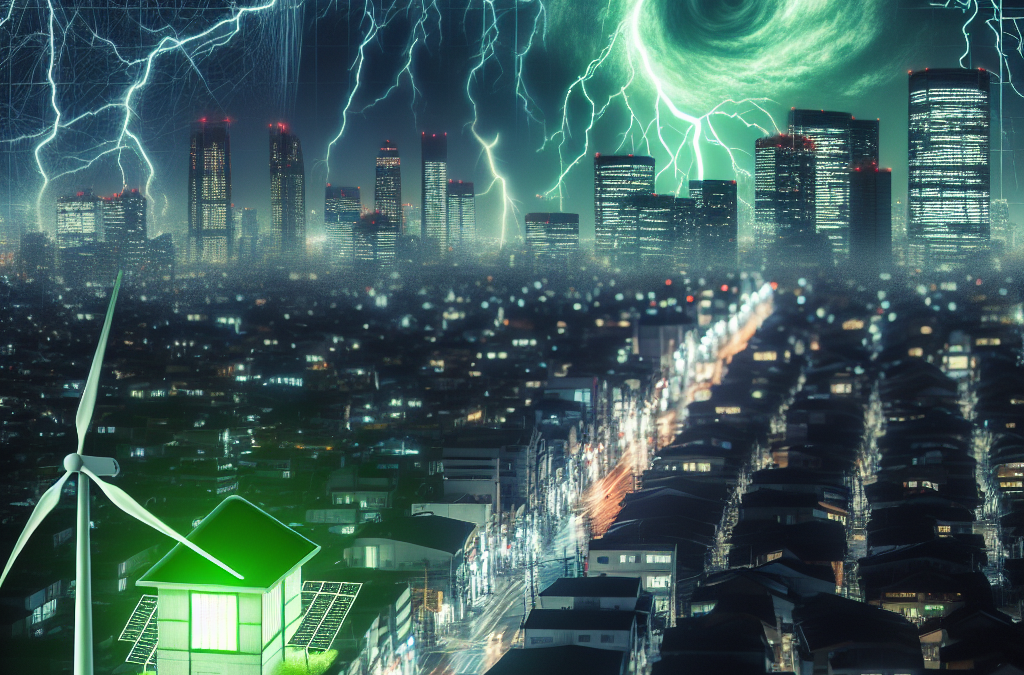
From my experiences, one of the first things I’ve noticed during emergencies is the unpredictability of our existing energy systems. Whether it’s a natural disaster like a hurricane or human-made glitches, traditional energy sources falter. Renewable energy, on the other hand, is often more reliable. It relies on natural elements like sun and wind, which are pretty consistent, even when the grid is down. During my time volunteering post-disaster, we found that solar energy systems can be set up relatively quickly and provide immediate help.
This consistency means that when the weather gets rough, those with renewable energy sources can maintain some level of normalcy. In the chaos that ensues during emergencies, having dependable energy isn’t just a luxury; it’s essential for survival. In one scenario I remember, a community set up portable solar chargers, allowing people to keep their cell phones powered, making communication possible.
Taking this approach not only keeps essential services running but also boosts the morale of affected communities, especially when they see a little normalcy during tough times. You really can’t put a price tag on reliable energy when everything else around you feels uncertain.
Reducing Dependence on Fossil Fuels
In my journey, I’ve made it a personal mission to reduce reliance on fossil fuels. This choice becomes even more pronounced in emergency situations. Fossil fuel disruptions during crises can lead to shortages, and the last thing we need is to be fighting for limited resources when chaos reigns. When we can harness renewables, this worry dissipates slightly.
Empowering communities to leverage solar panels or wind turbines during emergencies eliminates that dependence entirely. It’s liberating! Seeing neighborhoods come together to create their energy solutions is one of the most inspiring sights. It fosters a sense of unity and resilience that helps everyone get through challenging circumstances.
Plus, thinking long-term, this shift fosters a culture of sustainability. If communities adopt renewables during tough times, they might stick with those practices afterward, creating an invigorated focus on energy independence. It’s like planting a seed during a storm; that seed grows stronger in sunnier days.
Community Empowerment
Another takeaway I’ve had is the empowerment of communities through renewable energy. During emergencies, it’s not just about having energy; it’s about ensuring that communities can look after themselves. I’ve seen how installing local renewable energy systems can provide not just power but also a sense of control over one’s situation.
When a community can tap into wind or solar power, they build resilience. I remember during a recent disaster response, a group of volunteers worked with locals to set up small wind turbines. Watching their faces light up with pride when they successfully generated their first kilowatt of energy was priceless. It’s those moments that I cherish.
The knowledge and experience gained by these communities—from setting up systems to maintaining them—fosters a sense of ownership. Such experiences build confidence, and during challenging times, having that can make a world of difference.
2. Flexibility and Adaptability
Modularity of Renewable Systems
One of the coolest things I’ve realized is how versatile renewable energy systems can be. They can be scaled up or down depending on the immediate needs. Whether it’s a small solar panel on a home or a larger community setup, there’s flexibility in design that can adapt to various circumstances. I’ve seen neighborhoods rally together to install community solar frameworks that let them generate and share power.
This modularity becomes crucial in emergencies. For instance, when I helped set up energy stations in a disaster-hit area, we used portable solar generators, which could provide power to several homes or a community center seamlessly. It was efficient, and more importantly, it was tailored to the needs on the ground.
Taking that flexibility a step further allows communities to recover quicker and more effectively. Instead of relying on one massive energy plant, you have dozens of small solutions spread throughout, minimizing risk and maximally doodling collaborative efforts. I cherish these experiences of innovation and problem-solving.
Rapid Deployment and Setup
When an emergency hits, time is of the essence. From my experience in emergency management, every moment counts, and waiting for traditional energy restoration can be tedious. Renewable energy systems, particularly solar technologies, can be deployed rather quickly. In my various endeavors, I’ve witnessed how quickly solar panels can pop up and begin generating power.
During one particular endeavor, we saw rooftops outfitted with solar panels within a week of a disaster striking. People were back in business quicker than they expected. That rapid response isn’t just about convenience; it’s about survival. Having power means you have communications, security, and the ability to offer medical services, all crucial during emergencies.
Being able to mobilize these resources immediately gives communities the tactical edge they need to regroup and respond effectively. In an age where every second can make a difference, that rapid deployment can save lives.
Educational Opportunities
Last but certainly not least, the situations surrounding emergencies offer an incredible educational platform. When I’ve been involved in renewable energy projects, we not only provided power but also educated communities. These learnings aren’t just theoretical; they’re practical skills that can be applied immediately.
I’ve found that hands-on training—like setting up solar panels or basic maintenance—teaches individuals invaluable skills. Once this knowledge is shared, it empowers them for the future. In times of crisis, these lessons can also breed innovation. It’s incredible to see people’s creativity when they need to solve energy issues with limited resources.
Moreover, the educational component fosters community togetherness. Sharing knowledge about renewable energy creates a collective understanding that promotes planning for future emergencies and an ongoing commitment to sustainability. It’s like giving a fish and teaching how to fish. The latter is far more powerful in ensuring long-term recovery.
3. Environmental Benefits
Reduction of Carbon Footprint
One of the best things about renewable energy that I’ve come to love is its minimal environmental impact. In emergencies, the last thing we want to do is add to the problem by relying on fossil-fuel-based energy. I’ve seen firsthand how communities that embrace clean energy can significantly reduce their collective carbon footprint.
When people understand that they can generate power in an eco-friendly manner, it makes a tangible difference. During instances where coal or gas plants couldn’t operate, communities that had implemented wind or solar systems carried on with negligible emissions. Their contributions to reducing greenhouse gas emissions during critical moments showcased how necessary these technologies are, not just in emergencies but also in everyday life.
In the long run, mitigating climate change through renewable energy will improve our resilience against future disasters. That bigger picture is what keeps me excited when discussing renewable solutions during crises. It’s not a one-time fix; it’s a lifestyle adjustment toward a more sustainable future.
Preservation of Natural Resources
Using renewable energy in emergency situations plays a vital role in preserving our planet’s resources. I’ve seen neighbors come together to utilize solar energy instead of running diesel generators. This not only relieved stress on local supplies but also helped conserve vital resources for future use.
The experiences I’ve had taught me that protecting our water supply and natural ecosystems is just as critical during disasters. By depending on renewable technologies, we minimize our reliance on resource-draining methods and allow nature to replenish itself. The positive ripple effects can be felt long after the crisis ends, and communities foster a connection with the environment.
This preservation pays dividends in resiliency, as it means we’re not just building back; we’re building smarter and more sustainably. It inspires future generations to care for the planet and provides a framework for tackling upcoming challenges together.
Long-term Community Health
Lastly, in all my observations, shifting to renewable energy sources positively impacts community health. The air quality improves significantly when we step away from fossil fuels—something that clearly benefits individuals’ health over time. During one community recovery event where solar power was a prominent energy source, healthcare workers reported fewer respiratory issues among residents.
Energy solutions play a huge role in mental health, too. When the lights come back on and homes are filled with energy again, it brings a sense of normalcy. That’s crucial for stability during time of distress. In the emergencies I’ve seen, communities that used clean energy often showed a greater level of healing and adaptation.
Promoting renewable energy in emergencies not only safeguards the environment but also breeds health-conscious communities ready to tackle any challenges ahead. Establishing this culture of renewable practices helps ensure that energy isn’t merely an item on a checklist but a crucial part of our lifestyle and well-being.
FAQ
1. Why is renewable energy important in emergencies?
Renewable energy is crucial during emergencies because it provides reliable power when traditional energy sources fail. It enables communities to bounce back quicker and maintain essential services.
2. How does using renewable energy reduce dependence on fossil fuels?
By deploying solar, wind, and other renewable sources, communities can generate their power rather than relying on limited fossil fuel supplies, especially during crises.
3. What role does community education play in renewable energy efforts?
Education empowers individuals to take control of their energy solutions. Skills learned during emergencies can lead to long-term sustainable practices in the community.
4. How do renewable energy sources benefit the environment during emergencies?
Using renewable energy reduces emissions and helps preserve natural resources, which is essential for community health and ecological stability during crises.
5. Can renewable energy solutions be deployed quickly during disasters?
Yes! Renewable energy systems can often be set up rapidly, helping communities regain power and services immediately after an emergency hits.
by Preparation Call Editorial Team | Jul 6, 2025 | Preparedness
Are You Overlooking These Essential Survival Skills?
Are You Overlooking These Essential Survival Skills?
Before diving in, let me share the top four semantic keyword phrases that will guide our discussion today:
- Basic Survival Techniques
- Essential Wilderness Skills
- Emergency Preparedness Skills
- Skills for Survival Situations
Basic Survival Techniques
Understanding Your Environment
When it comes to survival, the first step is knowing your surroundings. I remember my first camping trip where I got lost. Sounds scary, right? But just by paying attention to my environment, the trees, the landmarks, and even the sounds, I found my way back. Nature communicates in subtle ways, and tuning in to those signals can be a game changer.
Start by familiarizing yourself with the area: is it forest, desert, or mountainous terrain? Each environment presents unique challenges and resources. Knowing where to find water, shelter, and food sources could mean the difference between life and death.
Additionally, utilize tools like maps and compasses. They might seem old school, but trust me, they save you when GPS fails. Don’t rely on technology alone; get hands-on with the basics.
Fire Crafting
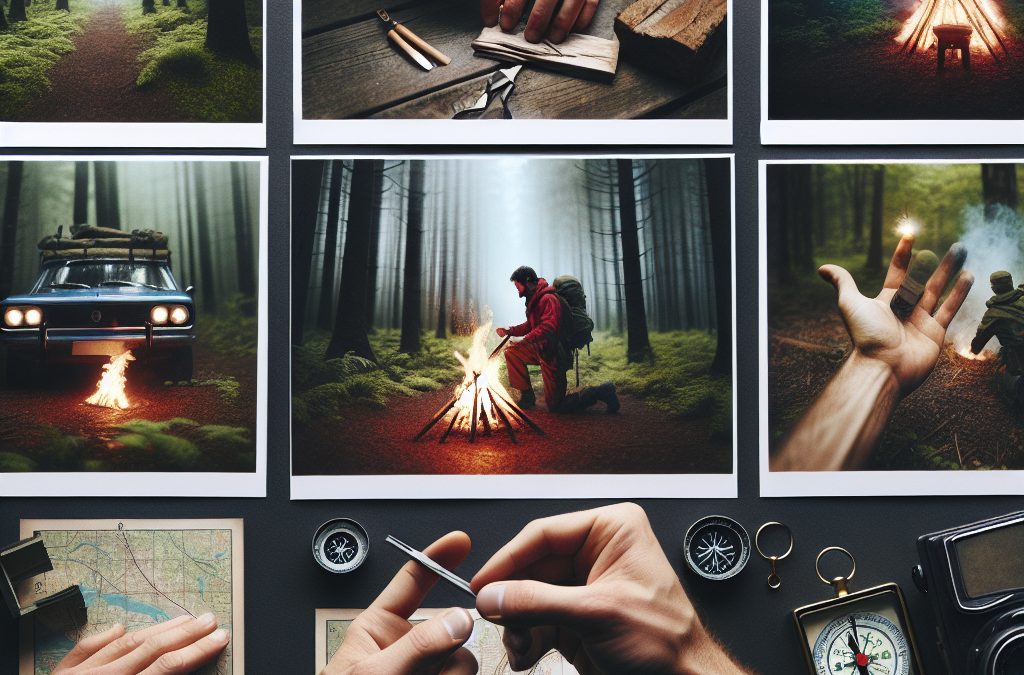
Ah, fire—the ultimate survival skill. I still remember the thrill of striking that first spark. It took me several tries, but it was worth it. Fire provides warmth, light, and the ability to cook food. But starting it? That’s a skill that needs practice!
First, gather your materials: tinder, kindling, and fuel wood. Tinder can be anything from dry leaves to paper; just ensure it ignites easily. The key is to build a small pile and add kindling gradually to grow the fire without snuffing it out.
Not sure where to start? Try using a fire starter. Whether it’s a lighter or flint, it makes the process way easier. Once the fire starts, remember to keep it contained. Safety first—and enjoy that homemade s’more!
Water Sourcing
Your body can survive days without food but only hours without water. That was a tough lesson for me during a backpacking trip! Learning to find and purify water is crucial for survival. I’ve had days when I relied on streams and springs, and others where I had to get a little creative.
Look for indicators of water sources: animal tracks, vegetation patterns, and low-lying areas tend to collect rainwater. When you find a water source, always purify it. Boiling is the simplest method, but if you’re in a pinch, consider using water purification tablets.
Always carry a portable water filter when trekking. They’re fantastic and lightweight, making them an essential part of my gear. Keeping hydrated is not just essential—it’s a must if you want to keep your wits about you in a survival situation.
Essential Wilderness Skills
Building Shelter
Ah, shelter—the cozy side of survival. One of my favorite skills is crafting a makeshift shelter. Sure, you can sleep under the stars, but trust me, a bit of cover goes a long way!
Start by looking for materials like branches, leaves, and anything natural that can keep you dry and shield you from the wind. The classic lean-to is a lifesaver. Find a sturdy branch and prop it against a tree, then cover one side with leaves. Voila—instant shelter!
Remember, positioning matters. Ensure you’re not too close to water (hello, flooding!) and check for falling branches above. I’ve had my close calls—better safe than sorry!
Signal for Help
Now, let’s talk about making your presence known. I learned this skill the hard way during a hiking trip. When things went south, I had no way to signal for help. Thankfully, it’s not rocket science, and you can use whatever you have at hand!
First off, create a signal fire with green leaves for smoke—an obvious indicator. Making large, bright symbols or writing “HELP” with rocks can also do the trick. The visibility from the air is often what ultimately saves you.
Also, carrying a whistle or mirror can help. It’s lightweight and doesn’t take too much space. I keep one hooked to my pack—totally worth it!
Foraging Basics
One of my favorite skills? Foraging! Knowing what plants you can eat and which are toxic can give you a massive advantage in survival scenarios. I’ve had some hits and misses, but it’s a journey worth taking.
Start slow. Familiarize yourself with common edibles in your area. Wild berries, certain nuts, and edible greens can be found almost everywhere. A quick rule? If you’re not sure, don’t eat it! Learn to recognize poisonous plants like poison ivy and nightshade.
Books or apps can be your best friends when foraging. They provide visual guides that can help you quickly identify what’s safe to eat. There’s a rush when you successfully identify and eat something you gathered yourself. It’s a sense of accomplishment you’ll love!
Emergency Preparedness Skills
Basic First Aid
Let’s dive into something super crucial—first aid. Injuries happen, and knowing how to handle them is vital. I remember a time when a friend cut themselves while preparing food. Quick thinking and basic knowledge helped us avoid serious trouble.
Learn the basics: how to clean a wound, apply bandages, and understand simple treatments for common issues like burns and bites. Carry a basic first-aid kit with you wherever you go—it’s a lifesaver!
Take a first aid course if you can. It’s not just about bandaging wounds; you learn about CPR and how to respond in emergencies. That knowledge is something I find invaluable in both wilderness settings and daily life.
Planning and Preparation
No one plans to go into survival mode, but preparation is the key. It’s not enough to just pack your bags; I’ve made checklists that outline everything from food to gear. It may sound tedious, but it keeps you organized and aware of what you need.
Consider the worst-case scenarios. What if you get lost? What if there’s a storm? Having a plan can lift a weight off your shoulders. I like to tell everyone: hope for the best, but prepare for the unexpected.
Always inform someone of your location and expected return. It’s a simple step, but it means help can find you faster if things go south. Keep your phone charged, or better yet, bring a portable charger!
Practice Makes Perfect
This is the part I love the most: practice! All the knowledge in the world won’t help if you don’t use it. I make it a point to spend weekends practicing my skills—whether it’s building shelters, making fires, or foraging.
Join local survival workshops, or find a group of friends who are equally interested. Not only is it fun, but you can learn from each other’s experiences. Plus, nothing beats a good campfire story at the end of the day!
Regular practice makes these skills second nature. You’ll feel a sense of confidence that’s hard to beat. And let’s be real, you never know when you might need them!
Skills for Survival Situations
Decision Making Under Pressure
When you’re in a tight spot, clear decision-making is your best ally. I’ve faced moments where panic threatened to set in, but my survival training reminded me to assess the situation calmly. It was all about taking a breath and weighing my options.
Practice scenario drills. Creating hypothetical situations and working through them helps build your critical thinking. I find it’s all about asking the right questions: What’s my immediate need? What resources do I have? What’s my exit strategy?
Learning to prioritize can save lives. You might need to decide whether to make shelter first or find food. Each decision must be informed by your situation—trust your instincts but back them up with training and knowledge.
Teamwork and Communication
Don’t underestimate the power of teamwork. I’ve been on group survival trips, and the success was largely based on how well we communicated. Having a plan is great, but everyone needs to be on the same page.
Assign roles based on individuals’ strengths. If someone is a whiz at fire-making, let them take charge of that while someone else scouts for food. It streamlines the process and fosters a safe environment.
Don’t forget to check in with one another. Regular communication can help prevent accidents and misjudgments. Plus, it makes the experience more enjoyable!
Staying Positive
All in all, and perhaps most importantly, maintain a positive mindset. This might sound cliché, but I’ve found that a good attitude goes a long way. When faced with tough situations, remind yourself that you can handle it!
Share stories within your group, keep morale high, and focus on small victories. Whether it’s successfully building a shelter or cooking a meal, celebrate those moments.
Doubt can creep in, but facing your challenges with optimism can make all the difference. Your spirit plays a huge role in overcoming obstacles, and it’s something I cherish about the survival community.
Frequently Asked Questions
What are the most important survival skills I should learn?
The essential skills include understanding your environment, fire crafting, building shelter, and basic first aid. But don’t overlook foraging and emergency planning as they play crucial roles.
How can I prepare for unexpected emergencies?
Preparation involves both mental and physical readiness. Create a checklist for your outings, carry a well-stocked first-aid kit, and inform someone about your plans. Practice your skills regularly to keep your knowledge fresh.
Where can I learn more about wilderness survival?
Consider signing up for a survival course, joining workshops, or even looking for online training videos. There’s a wealth of resources out there—from local groups to books that cover various survival topics extensively.
How often should I practice my survival skills?
I recommend practicing at least a few times a year, but the more often, the better! Regular practice not only builds your confidence but also helps embed those skills in your memory, making them second nature in emergencies.
by Preparation Call Editorial Team | Jul 6, 2025 | Preparedness
Inadequate Planning
Understanding the Fundamentals
One of the biggest pitfalls in disaster preparedness is the lack of a solid plan. I can’t stress enough how crucial it is to have a clear strategy. I remember when I first started thinking about this, I thought it was just about gathering supplies—wrong! You need a roadmap. Think about potential disasters you might face and how to respond to each scenario.
For example, are you ready for a hurricane? What if there’s a wildfire? Each event requires specific preparations, from evacuation routes to supply kits that include things like food, water, and first-aid supplies. I had to really sit down and map this out; it was eye-opening!
Take the time to sit down with your family or household members and discuss these possibilities. It’s not just an exercise but helps everyone feel involved and prepared. Trust me, nothing beats peace of mind when you know everyone is on the same page.
Setting Up a Communication Plan
When disaster strikes, communication can be chaotic. One thing I learned early on is how important it is to have a communication plan in place. Picture this: you’re separated from your family during a crisis. If you haven’t established a way to reconnect, frustration and worry will skyrocket.
I found it helpful to designate meeting spots—like a friend’s house or a local landmark—where everyone knows to gather if things go sideways. Alongside that, we set up a group chat where we can send any updates. This little bit of planning can save a ton of stress later!
Don’t forget to talk about how you’ll communicate if cell towers are down. Sometimes a simple ham radio can make all the difference. Being prepared to reach out in various ways gives you a much stronger safety net.
Regularly Reviewing Your Plans
Things change, and so must your plans. I made it a point to review and update my disaster preparedness strategy every six months. It might sound like a chore, but it’s so necessary. Not only can your home situation change—like a new pet joining the family—but the risks in your area can evolve too.
For instance, are there new developments around you that could lead to different kinds of emergencies? Keeping track of those is crucial! Plus, with kids growing up, it’s good to make sure they understand the plan as well. When we review, I often involve them in activities, like checking our supplies. It can be a fun family project!
Remember, staying prepared is an ongoing effort; it’s not a one-and-done deal. After all, it’s about ensuring your family’s safety. Keep the conversation going—you’ll feel more confident along the way!
Overestimating Resource Availability
Making Assumptions About Stores
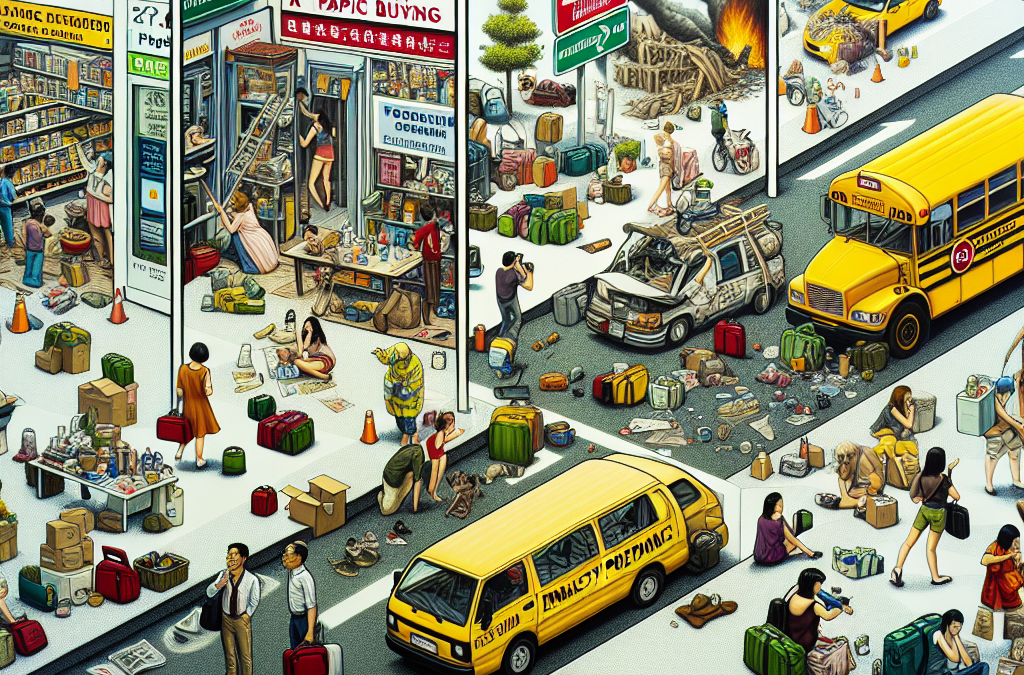
One major mistake people make is thinking that everything they need will just be available when a disaster strikes. I’ve done this before; I figured I could simply run to the store if there was a storm warning. Spoiler alert: it doesn’t always happen that way!
During the early days of the pandemic, I learned the hard way that shelves can empty out quickly. The reality is, you can’t wait until an emergency is imminent to stock up. I now’ve developed a habit of keeping supplies on hand, so I don’t have to rely on last-minute runs.
It’s wise to make a checklist of essential items that you would need during any disaster—medications, bottled water, non-perishable food, batteries, etc. Having these things set aside can be a lifesaver. Keep everything organized in a spot that’s easy to access anytime. It’s like a peace-of-mind vault!
Understanding Financial Preparedness
Another area that often goes overlooked is the financial aspect of disaster planning. Many people think that being prepared just means having physical supplies. But have you thought about your finances? If an emergency happens, you’ll need to ensure you have access to cash and critical documents readily available.
I always keep some cash stashed away and ensure that I have copies of important documents like insurance policies, IDs, and healthcare instructions. I even made a digital backup stored securely online in case things go really sideways.
Consider setting up an emergency fund as part of your financial disaster preparation. It doesn’t have to be a huge amount, but having that cushion can help you bounce back much quicker. I’ve experienced it, and trust me, that financial leverage can lift a huge weight off your shoulders.
Insurance Knowledge
Knowing what your insurance covers—or doesn’t cover—can be the difference between a major headache and a minor inconvenience. I can’t tell you how many folks I’ve talked to who had no clue about their insurance policies until it was too late. It had me thinking, what good is coverage if you aren’t aware of it?
Take the time to sit down with your insurance agent and go through your policies. Understand the specifics of what’s covered under different circumstances, and update your policies if needed. I felt much more secure after doing that, getting clarity on potential expenses.
Also, obtain any additional coverage that could benefit your particular situation, like flood insurance if you live in a susceptible area. Knowledge is power, and having that kind of information in your corner makes a world of difference during difficult times.
Ignoring Community Resources
Leveraging Local Services
One day, I realized I was so focused on my own preparedness that I hadn’t even considered what was happening in my community. I learned that many local emergency services and organizations offer resources and workshops to help with disaster readiness. It’s wild how we often overlook the power of our own neighborhoods!
Connecting with these resources could provide crucial briefs on the types of emergencies your area is most susceptible to. This can help tailor your own preparedness plans and fill in gaps in knowledge or resources. Plus, these connections often lead to strengthening community bonds!
Also, don’t hesitate to reach out for local volunteer groups or community meetings focused on disaster prep. Sharing knowledge with your neighbors not only supports each other but also creates a unified front in the face of a potential disaster.
Building a Network of Support
One of my biggest takeaways from getting involved with community resources was realizing the importance of having a support network. When you’re part of a community-oriented group, you all hold knowledge and resources that you can share.
You’re not just better prepared; you are creating a family of support. If a disaster strikes, having neighbors you can trust to check in on each other makes a huge difference. I’ve participated in several group drills, and they’re not only educational but a whole lotta fun too!
Connecting with others helps build that sense of community. Next time you’re at a neighborhood gathering, push the conversation towards disaster plans—what fun, right? You’d be surprised by how many people are grateful for the opportunity to discuss shared vulnerabilities and safety.
Sharing Resources and Information
Through interaction, you can also share resources and information that can help in a disaster. Maybe someone has a generator they don’t frequently use or extra emergency kits. This kind of sharing can amplify everyone’s preparedness game and cut costs. I’ve found that pooling resources creates a safety net that’s invaluable.
Also, creating or joining a local communication group can help you stay connected about emergencies or community drills. Whether it’s through social media or a simple group text, staying in the loop is game-changing when disaster strikes!
At the end of the day, it’s all about collaboration. Sharing is caring, especially when it comes to ensuring everyone feels safe and equipped in times of crisis. Don’t underestimate the power of community in disaster preparedness!
Underestimating Emotional Preparedness
Recognizing Emotional Impact
One thing I’ve learned through my journey is that we often forget about the emotional toll that disasters can take. It’s easy to focus solely on the logistical aspects, but the emotional fallout is just as important. I remember feeling overwhelmed during my first big storm prep; the stress weighed heavily on me.
Understanding that uncertainty can induce anxiety is crucial. Getting mentally prepared can help you manage those feelings. I recommend taking time to think about how you might feel during a disaster and how you can process those emotions positively. Keeping a journal helps me, but find what works for you!
Creating a support system to lean on during these stressful times is also vital. I’ve shared my feelings with friends who have gone through similar experiences, and just talking it out has lightened the load. Don’t dismiss this kind of emotional connection because it really matters.
Planning for Mental Health Recovery
We also need to be aware of what comes after a disaster. Recovery isn’t just about getting your physical belongings back, but also about emotional healing. My understanding of this grew after witnessing how long it took some friends to bounce back from natural disasters.
Having a plan that includes mental health resources—like local support groups or counseling services—can make all the difference. Seek these kinds of services out now while you’re thinking proactively. When you’re in the thick of it, remembering to look those resources up might be harder. Better to be prepared beforehand.
Don’t forget about self-care during and after crises. Finding moments of calm, whether through meditation, exercise, or your favorite hobby, can help bridge the emotional gap that disasters create. I personally like to connect with nature to recharge my spirit. Just remember, it’s okay to feel whatever you feel—it’s all part of the journey.
Creating Emotional Support Plans
In closing, think about setting up emotional support plans with your friends and family. After going through the preparations, it’s clear we all want someone to lean on when things go pear-shaped. I made it a point to talk with my loved ones about how we’d support each other, reinforcing those bonds.
Having open conversations on how we could all help each other through challenges can ease the fears surrounding potential disasters. Plus, it makes you feel less isolated in the chaos. Emotional preparedness is often underrated, but trust me; you’ll be glad you took the time to address it.
Let’s face it, being prepared goes beyond physical supplies. Building emotional resilience, knowing how you’ll cope, and having a support network really rounds out your disaster prep. It’s about creating a well-balanced safety net for everyone involved.
FAQs About Disaster Preparedness
1. What are the key elements of a disaster preparedness plan?
The key elements include having a solid plan, establishing communication routes, stocking emergency supplies, understanding your financial coverage, and regularly reviewing everything to adapt to changing situations.
2. How often should I update my disaster preparedness supplies?
I recommend checking and replenishing your supplies at least every six months. It ensures that food, medications, and other critical items are still in good condition and relevant to your current needs.
3. Why is emotional preparedness important during a disaster?
Emotional preparedness helps you manage stress, anxiety, and uncertainty. It allows you to handle the situation better, which can lead to quicker recovery, both physically and emotionally.
4. How can I engage my community in disaster preparedness?
Networking with local groups, participating in community drills, and sharing resources with your neighbors are some great ways to engage your community. Creating a collaborative spirit can enhance everyone’s safety!
5. What should I include in my emergency kit?
Consider essential items like water, non-perishable food, first-aid supplies, medications, flashlight, batteries, important documents, and hygiene items to start building your kit. Personalize it according to your specific needs!
by Preparation Call Editorial Team | Jul 6, 2025 | Preparedness
Gather Essential Supplies
Water and Non-perishable Food
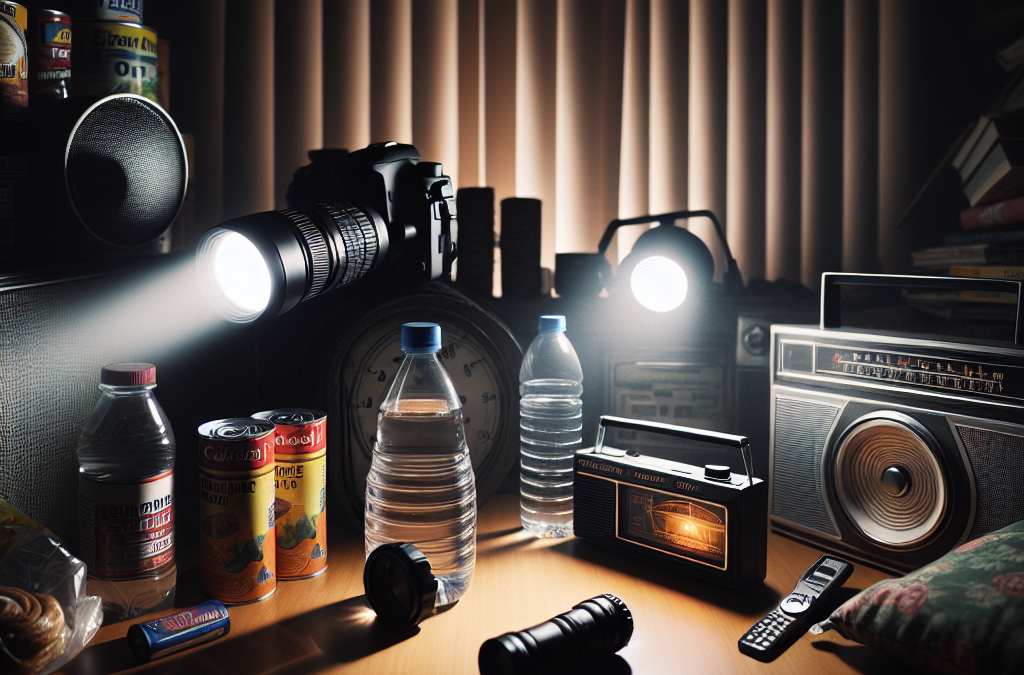
First things first – let’s talk about food and water. When preparing for a blackout, it’s crucial to stock up on supplies you can rely on. I usually recommend having at least a gallon of water per person for a few days. Trust me, you don’t want to find yourself rationing water in the middle of a crisis!
In addition to water, grab some non-perishable food items. Canned goods, dried fruits, nuts, and granola bars are all great choices. Think about what you enjoy eating and what won’t spoil easily. You should have enough to last a few days, just in case.
Don’t forget about pets! If you’ve got furry friends, make sure you’ve got enough supplies for them too. It’s easy to overlook, but they depend on us during tough times.
Flashlights and Batteries
Now, let’s shine a light on another must-have: flashlights! It’s amazing how much we take light for granted until it’s gone. I suggest you have a few flashlights stashed around the house. I mean, you can’t put a price on safety!
When choosing flashlights, opt for LED versions. They last longer and are more energy-efficient, plus they often come with rechargeable options. Make sure to stock up on batteries too! I can’t count how many times I’ve rummaged through drawers searching for batteries only to come up empty-handed.
Keep those flashlights in places where they’re easy to find. Think about power outages that happen at night; you want to avoid stumbling around in the dark digging through junk drawers!
First-Aid Kit
Next up, we all need to consider health and safety. A well-stocked first-aid kit is another essential when preparing for an unexpected blackout. It’s often something that gets left on the back burner until it’s too late. I found out the hard way during my first blackout. Luckily, it wasn’t a severe situation, but I learned my lesson!
Your kit should include basic supplies like band-aids, antiseptic wipes, and pain relievers. Additionally, consider any prescription medications you or your family members may need. During an emergency, it’s best to be prepared!
Check your kit regularly to make sure items aren’t expired. Trust me; there’s nothing worse than pulling out an expired medicine when you need it the most.
Stay Informed
Battery-Operated Radio
While I may love my smartphone, when the power goes out, it’s a different story. I’ve learned over the years the importance of having a battery-operated radio. It keeps you connected to news updates and emergency broadcasts, ensuring you’re in the loop!
I prefer radios that not only run on batteries but also have a hand-crank option. You can charge it just about anywhere and ensure it’s always ready for action. It’s a nifty gadget that can literally save the day!
Make sure to test your radio from time to time. Familiarize yourself with how it works before you actually need it. Getting it all set up during a stressful experience is not the time to read the manual!
Community Alerts
Staying informed during a blackout is about more than just having a radio; it’s also about knowing your local resources. Most communities offer some kind of alert system – whether it’s through text messages or email notifications.
Sign up for these alerts, and don’t forget to encourage friends and family to join in as well! In my experience, being part of a community network can deliver peace of mind when things get tough.
Also, familiarize yourself with local emergency services. Knowing where the nearest emergency shelter is can be invaluable in a crisis. I’ve regretted not knowing the nearest spots during previous blackouts!
Family Communication Plan
Having an effective communication plan is key. During a power outage, staying connected with loved ones can be a challenge. I always make sure the whole family knows where to meet in the event of an emergency.
Establish a “go-to” person as well, just in case you guys get separated. We’ve all been in chaotic situations; creating that clear line of communication can make a world of difference!
Consider having a contact list written down to avoid relying solely on your phone. If things get dicey, you’ll be glad you have that info handy instead of rummaging through a dead phone!
Plan for Heating and Cooling
Alternative Heating Sources
If the blackout hits when it’s chilly outside, you’ll want to be prepared for the cold! I highly recommend having a secondary heating source, like a portable propane heater or a fireplace. Just ensure they’re safely maintained and vented!
Layering your clothing is another trick to keep warm. Sometimes, I just hunker down with blankets in front of the fireplace, enjoying a book while staying snug as a bug. It can actually be pretty cozy when you think of it as a little staycation!
Make sure to have extra blankets and warm gear on hand too. A cozy pajama setup is key to staying comfortable during long outages.
Cooling Options for Hot Weather
Let’s flip the script to summer outages. Keeping cool is just as important! I recommend investing in battery-operated fans or having a solar-powered option at home. It can be a lifesaver during hot months.
Head to the lowest level of your home if things get too toasty. Basements often stay cooler, offering a relief from the heat when electricity is scarce.
Staying hydrated is crucial, too! Keep that backup water supply handy and drink plenty of fluids to prevent dehydration.
Open the Windows Wisely
During a blackout, don’t forget the power of good airflow! If the weather allows, open the windows and let some fresh air in. This is particularly beneficial during warm seasons.
However, pay attention to your neighborhood. If conditions feel safer with the windows closed, trust your instincts. You don’t want to be inviting in any unnecessary risks!
Also, get creative with shades or curtains! Keeping them closed during the worst of the heat can help keep your space cooler while protecting your privacy.
Practice Safety Precautions
Use Candles Wisely
Candles can set a cozy mood, but they can also be a fire hazard. I’ve learned this the hard way, so trust me when I say to keep safety a priority! Use sturdy candle holders and never leave them unattended.
Opt for LED candles if you can; they provide the ambiance without the risk! These little guys work great in simulating an evening glow without worrying about flames.
Teach your family about candle safety too. Especially when kids are involved, making them aware of the potential dangers can be a huge lifesaver.
Gas Appliances Management
If you have gas appliances, be sure to keep them well-ventilated and check that they operate safely. If your stove works during a blackout, you can use it to prepare meals – just be careful, of course!
I always double-check gas lines and connections to avoid dreaded leaks. Safety first! It’s worth the effort to ensure your family stays safe during any unforeseen circumstances.
And don’t forget to read the manuals for any gas appliances. Knowing how to properly operate them can save you a lot of headaches later on!
Child and Pet Safety
Lastly, let’s not overlook our little ones and pets. During a blackout, they can easily become anxious or scared. Preparing them for the situation ahead of time can really do wonders in maintaining calmness.
Teach children about the importance of staying together and how to use flashlights safely. It helps to involve them in your preparedness plans, turning it into a bonding activity rather than a scary scenario.
For pets, ensure they have a safe space to retreat to during any chaos. Keep their essentials close by – food, water, and toys – to alleviate any stress they might feel during the darkness.
Frequently Asked Questions
What should I include in my emergency kit?
Your emergency kit should include water, non-perishable food, flashlights, batteries, a first-aid kit, and any personal medications. Don’t overlook items for pets or comfort items like blankets!
How do I stay updated during a blackout?
Consider investing in a battery-operated radio to tune into emergency broadcasts and stay informed. Also, sign up for local community alert systems for text or email notifications.
What are the safest ways to stay warm during a blackout?
Alternative heating sources, layering clothes, and having extra blankets are key. Your fireplace or a portable propane heater can definitely come in handy!
What should I do with candles during a blackout?
While candles can provide light, they pose fire risks. Use candle holders, never leave them unattended, and consider using LED candles instead for a safer option.
How can I involve my kids in blackout preparedness?
Involving kids in the planning process can ease anxiety. Teach them about staying together, using flashlights, and the importance of the emergency kit. It can even be fun if you turn it into a little adventure!
by Preparation Call Editorial Team | Jul 6, 2025 | Preparedness
1. Sustainable Food Sources
Growing Your Own Food
One of the best ways to ensure self-reliance is by growing your own food. This is not just a hobby; it can be life-changing. I started with a small garden in my backyard, and now I have a veggie miracle! You don’t need a huge plot of land; even a balcony or a few pots will do.
Planting seasonal vegetables will help you sustain yourself with the fresh produce you need. Tomatoes, peppers, and leafy greens are great starters, and they require minimal maintenance. I remember my first harvest – the sense of pride was unmatched!
Additionally, don’t forget about companion planting. This technique can help you maximize your yield. For example, planting basil next to tomatoes not only saves space but also enhances growth. Trust me, your garden will flourish.
Preserving Food
Once you’ve got your food supply, it’s essential to learn how to preserve it. Canning might seem overwhelming, but it’s totally doable. I started off with small batches of jams and pickles, and now I have a pantry full of preserved goodies that last all winter.
Fermentation is another fun way to preserve food. It’s not only a method for storage but also adds some unique flavors to your meals. Think sauerkraut, kimchi – all delicious and nutritious! Plus, it’s a great way to tinker in the kitchen.
Drying fruits and veggies is simple too. Sun-drying is a natural method, and it feels so satisfying to see the fruits of your labor turned into something shelf-stable. You can snack on dried fruits or toss them in your meals for an extra kick.
Animal Husbandry
If space allows, consider keeping a few chickens or goats. Chickens provide eggs almost daily, which is a wonderful protein source. They are also surprisingly low-maintenance and easy to care for. I started with just a couple of hens, and they quickly became part of the family!
Goats can provide you with milk, which you can drink or turn into cheese. They are charming and have fantastic personalities, making them enjoyable companions as well. Just a couple of goats can significantly boost your self-reliance.
Always ensure that you’re aware of your local laws regarding livestock. It’s exhilarating to be able to rely on your small herd, and having direct access to fresh food is beyond rewarding.
2. Water Management
Collecting Rainwater
Collecting rainwater is a game-changer. If you set up barrels at your downspouts, you can gather a significant amount during a rainstorm. I was amazed at how quickly my barrels filled up. This water can be used for gardening and other non-potable uses.
Make sure to cover your rain barrels to prevent mosquito breeding. Using a simple mesh cover does the trick while allowing rainfall to flow through. Keeping the water clean is essential, and a little maintenance goes a long way.
It’s fulfilling to know that you’re utilizing natural resources responsibly. Plus, it feels good to be less reliant on public water systems when you’ve got your own little water collection going on!
Water Purification
Knowing how to purify your water can make a huge difference. Boiling works, but if you want something more convenient, consider investing in simple filtration systems or solar stills, which don’t require electricity!
I often use charcoal and sand to create a DIY filter. It’s amazing how effective these natural elements are at making water safe to drink. This local approach restores my faith in nature’s resources.
Always have water purification tablets on hand as a backup. When you’re in a pinch, these are lifesavers. Being prepared for any situation gives you peace of mind!
Efficient Use and Storage
Efficiency in water use is crucial. Simple habits, like fixing leaky faucets or only watering your plants in the early morning or late evening, can save gallons daily. I’ve started using a watering can instead of a hose, and it’s made me way more conscious of my water usage.
Storing water in opaque containers can help keep it cool and reduce algae growth, especially in sunny areas. I’ve got a few barrels tucked away in the shade; they are my trusty reserves during dry spells.
Lastly, consider implementing greywater systems. reroute your household water from sinks or showers to irrigate your garden. It’s a super sustainable practice that makes excellent use of resources!
3. Renewable Energy Alternatives
Solar Power Solutions
While I may not have a full-scale solar power system, I’ve created little solar projects like solar ovens or solar chargers for my small devices. It’s fascinating to see how much you can do with just a little sunlight! I often make meals in my solar oven during the summertime – it’s like cooking with the sun!
If you’re serious about solar energy, investing in small solar panels can be incredibly rewarding. You won’t be able to run a whole house off them, but they can power lights or charge batteries for your essential devices. I started with a few portable panels, and it’s been a miracle for camping trips!
Always keep an eye on advancements in solar technology. The industry is making huge strides, and it’s an investment that pays off in both sustainability and your wallet. Looking into government incentives can help you get started!
Wind Energy Components
If you have consistent wind in your area, setting up a small wind turbine can be beneficial. Though I’ve not done it myself, I’ve seen some remarkable DIY projects that people have successfully completed. It takes a bit of effort, but the payoff is remarkable.
Even small windmills can generate enough electricity to power tools or lights, and it’s a renewable source that lowers your reliance on traditional power sources. Experimenting with different designs can be a thrilling challenge.
Becoming familiar with your local weather patterns will help you determine if wind energy is feasible for you. Both solar and wind complement each other well – using them in tandem works wonders!
Manual Alternatives
Old-school tools can save the day when electricity isn’t available. Hand-crank generators for lights or tools may seem antiquated, but they work like a charm when needed. Having a selection of manual tools can assure you’re not completely in the dark, both literally and figuratively!
Using a pedal-powered washing machine or hand tools for gardening can be an engaging way to workout while being productive. I’ve found great satisfaction in chopping wood with a handsaw or hand-mowing my lawn. It takes me back to the basics and is a form of exercise I actually enjoy.
Knowing these working methods helps groom a more self-sufficient mindset. You might find that you learn new skills along the way, making you more capable and confident.
4. Skills Development
Learning Basic Survival Skills
Taking the time to learn basic survival skills can prepare you for any situation. I would suggest starting with a survival guide to practice skills like building a fire, navigating with maps, or foraging for edible plants around your area. Nature has so much to offer if you know where to look!
Taking a course can be beneficial too, whether it’s focused on wilderness survival or urban preparedness. I recently took a weekend workshop that taught me how to construct shelters. It was extremely fun, and it’s something I hope to never use, but it’s good to know!
These skills not only provide practical knowledge but also build confidence. When you learn to fend for yourself, you gain the peace of mind that comes from knowing you can handle tough situations. Plus, they make for great stories around the campfire!
Crafting and DIY Projects
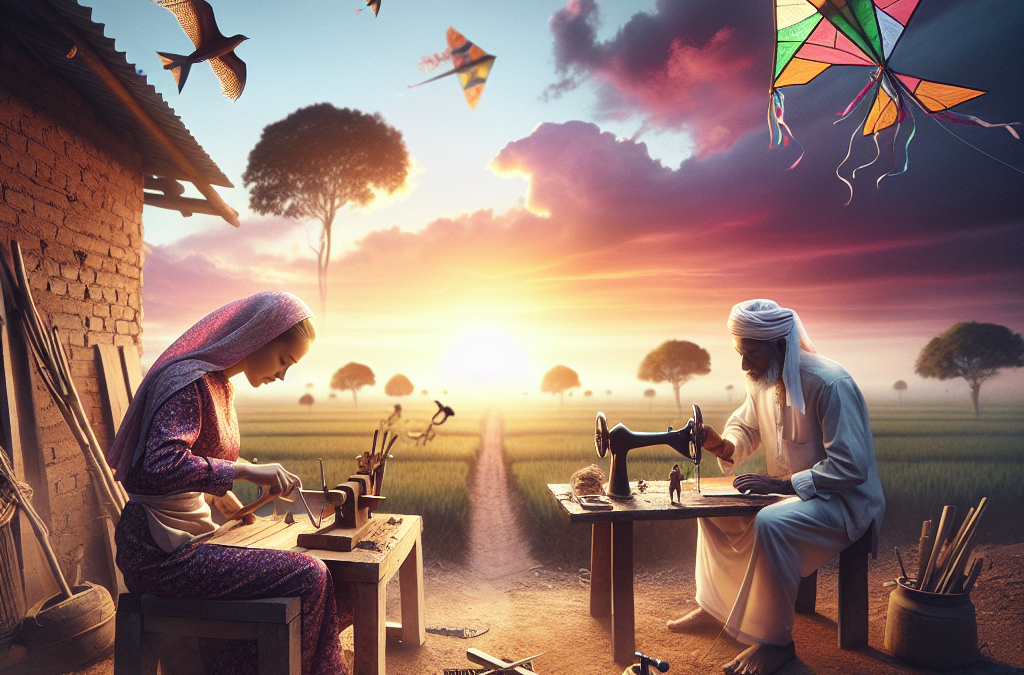
Embracing a DIY mindset is one of the coolest shifts I’ve made. Not relying on stores for every little thing has made a world of difference. From making my cleaning supplies to creating home decor from recycled materials, it’s led to a sense of accomplishment.
YouTube is a treasure trove when it comes to finding tutorials. I’ve learned so much just by watching other crafty folks share their skills. Building furniture, repairing my clothes, and creating art for my home have all become new hobbies that fuel my creativity.
Having the ability to create and fix things instead of buying new all the time saves money and resources, and it’s fulfilling to see your hard work in action. Trust me; once you start, you’ll wonder how you ever lived without these skills!
Community Connections
Being part of a community that values sustainability and self-reliance can bolster your skills tremendously. I joined a local sustainability group that meets monthly to share ideas, swap goods, and learn new skills together. It’s such a great way to build lasting friendships!
Collaborative workshops often offer invaluable insights from folks who have experience in areas you may not. I’ve learned baking, soap-making, and even sewing through my group. The best part is that we all support each other in our growth.
Network with like-minded individuals. Whether it’s online forums, local meetups, or even community gardens, connecting with others helps enrich your self-reliance journey.
5. Financial Independence
Budgeting and Saving
Getting a grip on your finances is essential when trying to be self-reliant. I started with a simple budget app to track my spending and trends. The clearer view of my money helped me identify areas to cut back, and surprisingly, that was liberating!
Start saving for emergencies, too. Having funds in reserve allows you to tackle bumps in the road without stress. My “emergency fund” has come to my rescue more times than I can count!
With electricity costs constantly on the rise, budgeting gives you the flexibility to invest in sustainable practices without feeling strapped. Being mindful of your spending today can help you build a more secure future tomorrow.
Finding Alternative Income Streams
Create avenues for making extra cash. I started a small veggie stand, and it’s been a fun way to share my gardening bounty while making a bit of cash on the side. It’s a win-win because I get rid of extra produce while engaging with my local community.
Freelancing or picking up an interesting side job can also help. Using skills you already have, like writing or crafting, can pad your income without demanding too much extra time.
Utilizing online platforms to sell your crafted goods, baked treats, or homemade products can expand your reach, adding extra financial security for those unexpected times when self-reliance is put to the test.
Investing in Skills
Lastly, think about investing in courses or workshops that enhance your skills. I’ve taken a few classes on permaculture and gardening, which not only expanded my knowledge but also opened new opportunities for income. Learning continuously pays off in so many ways!
Knowledge is power. The more you know, the more capable you become. Your skills can lead to side projects or even full-time what ifs. Investing in yourself is one of the best decisions you can make for your future.
Every new skill cultivated not only builds experience but also helps in achieving greater self-reliance. It’s an enriching journey that feels rewarding on so many levels.
Frequently Asked Questions
1. Can I still be self-reliant in an urban environment without electricity?
Absolutely! Urban gardening, community workshops, and sustainable practices can thrive even in city environments. You just need to get creative with your space!
2. What is the easiest crop to start growing at home?
Herbs are often the easiest to start with. They require less space, grow quickly, and can be used in everyday cooking. Try basil, cilantro, or mint!
3. How can I purify water without electricity?
You can boil it, use filtration systems, or employ solar stills to purify water without any electricity. Keeping these methods handy is always a good idea!
4. What skills should I focus on first for self-reliance?
Starting with gardening and food preservation is key. Building these skills lays the foundation for self-sufficiency before tackling more complex areas.
5. How can I find community resources for learning self-reliance skills?
Look for local sustainability groups, check community centers for workshops, or explore online platforms. Networking with like-minded folks can lead you to great opportunities!